
Quick Take
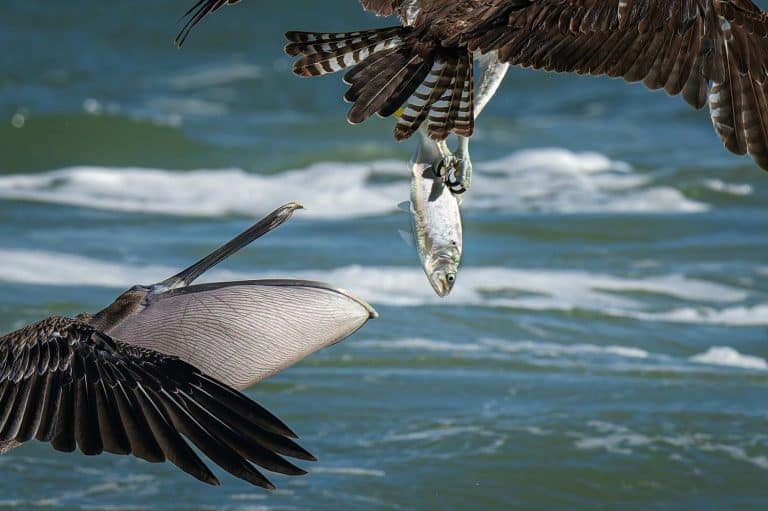
- The clip shows a brown pelican tailing an osprey mid-flight and attempting to snatch the fish the osprey is carrying—an example of opportunistic “kleptoparasitism” (food theft) behavior.
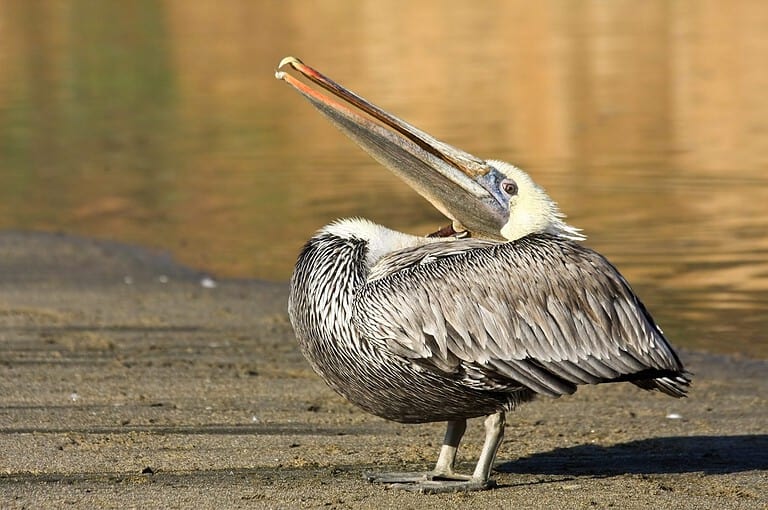
- The pelican’s expandable throat pouch (gular pouch) is an adaptation for scooping fish and draining water efficiently—great for fishing, and visually dramatic when opened wide in pursuit.
- Pelicans mainly eat fish, but they’ll take advantage of easy meals when available—sometimes leading to aggressive, risky encounters around docks, beaches, and fishing spots.
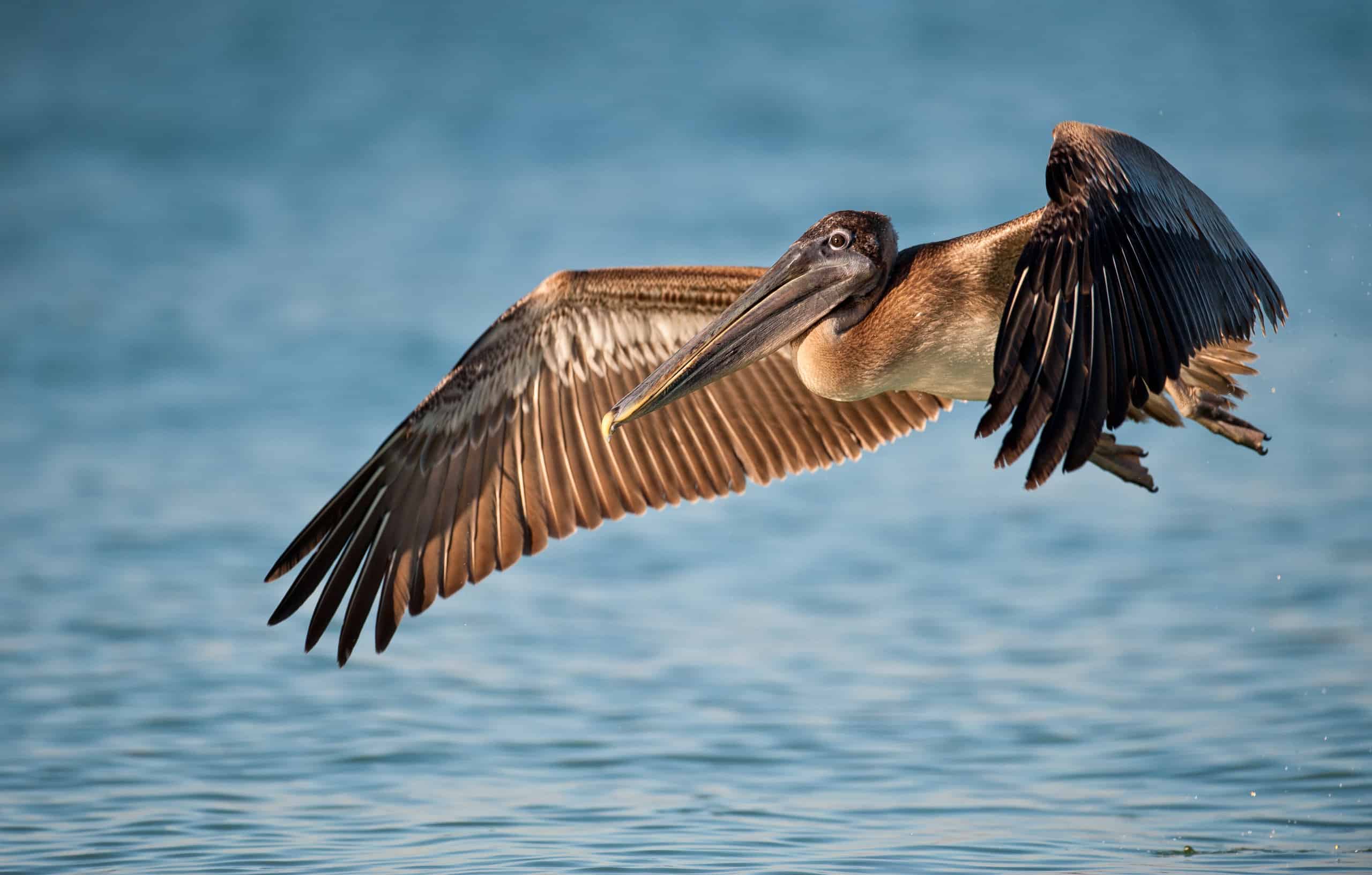
In the remarkable clip above, a brown pelican flies behind an osprey, like biplanes in a dog-fight! The size difference between the two birds is instantly visible and impossible to ignore! The brown pelican dwarfs the smaller bird of prey, its wingspan reaching out to be twice that of the osprey. As soon as the pelican falls into pursuit of the osprey, the keen-eyed seaside hunter is aware of it!
The osprey looks back under its wing and sees the huge pelican in hot pursuit, and furiously flaps its wings to rise away! The pursuing pelican begins to open its huge mouth, widening like a black hole swallowing everything! The osprey is far too capable a flier to be pinned down to outmaneuvered by a pelican, and it prepares a way to escape. Banking up and to its left, the pelican’s huge wings bring it within striking distance of the osprey and the fish in its talons!
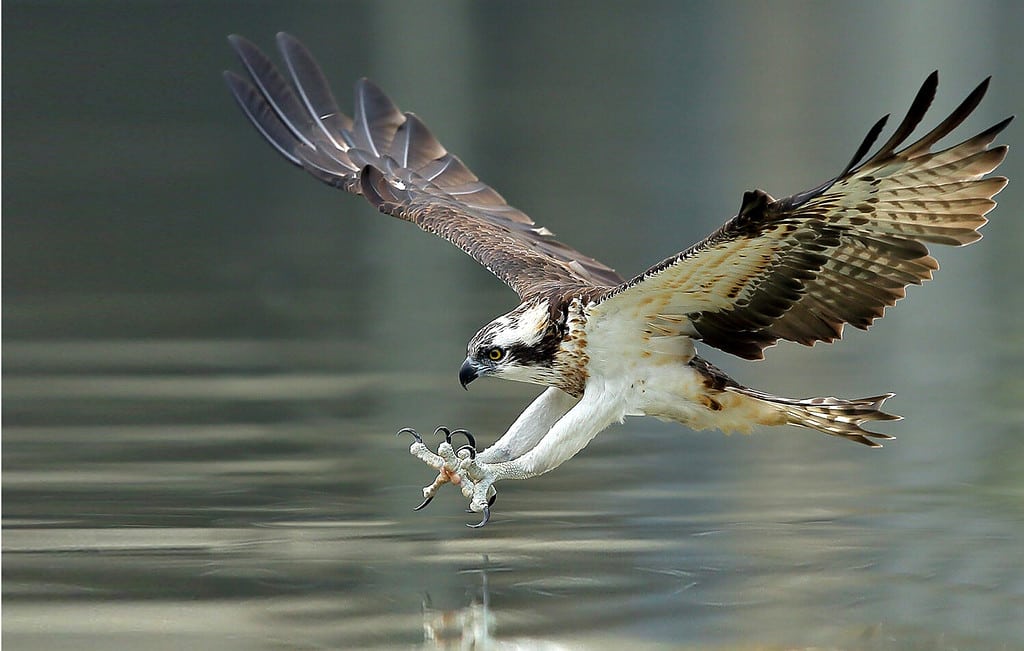
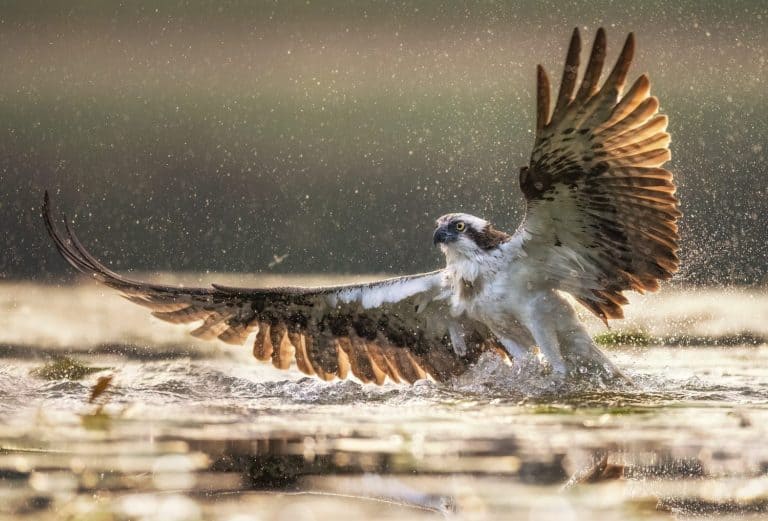
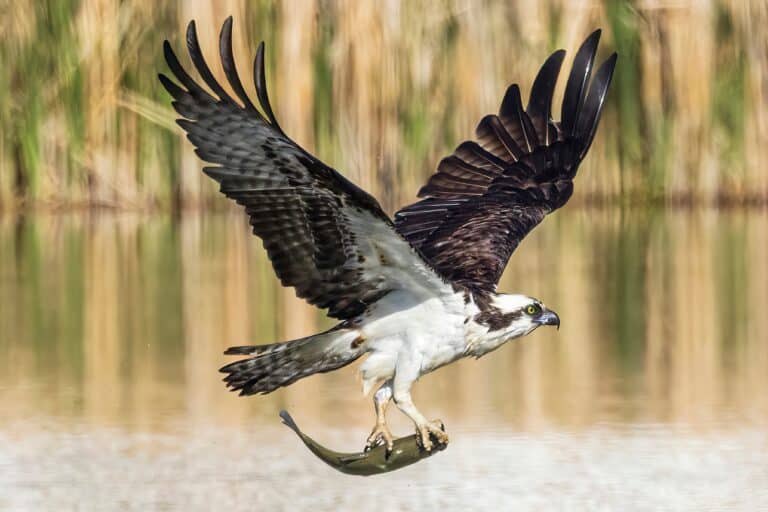
An osprey spreads its talons as it swoops across the water’s surface before snatching a fish! The four claws on each talon spread out in four polar directions to guarantee a grab!
©Wang LiQiang/Shutterstock.com
But at the last second, the osprey puts on the air-brakes and veers off to its right! The tail feathers of this elegant bird of prey are fully spread, forcing the air underneath it to give it lift! As the osprey lifts up and out of frame, the pelican tries tracking the fish with its gaping mouth! As the pelican turns its head, the stretchy skin of its neck hangs loose. If it were able to catch it, the pelican might have swallowed the osprey right along with the fish!
Pelicans: The Pterodactyls of the Modern World!
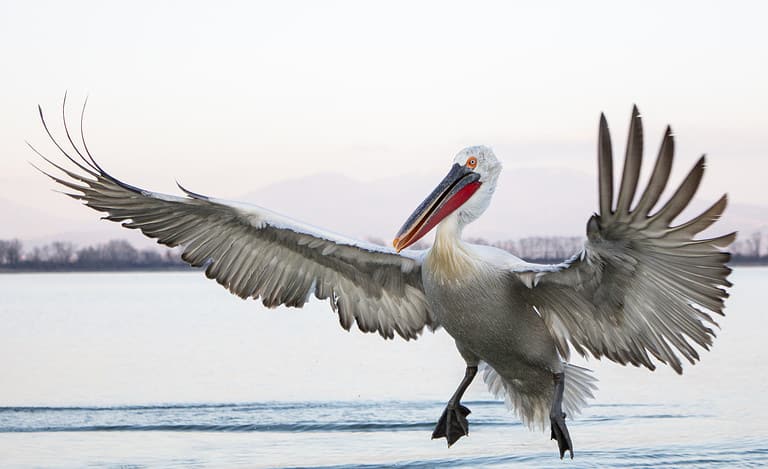
Pelicans, the wide-winged coastal gliders of the modern world, are almost like the evolutionary successor of the pterodactyl! These sizeable birds cover the world among various species scattered globally. From the unique Australian pelican with its picturesque pink beak, to the North American brown pelican, like the individual in the video at the bottom of the page! Each of these species boasts distinct physical features as well as social behaviors. But the unifying feature of pelicans is, of course, their remarkable throat pouches that set them apart from other birds!

Pelicans largely eat fish.
©mark smith nsb/Shutterstock.com
These flexible pouches are an ingenious adaptation that enables them to scoop up fish before flushing extra water out! While pelicans primarily thrive on a fish-based diet, their wide range of tastes extends past that! Pelicans are opportunistic feeders and will eat birds, rodents, or small reptiles if given the chance! And they’ll never doubt themselves, as one instance of a pelican trying to eat a capybara clearly shows! But this lack of self-doubt can come across as aggression, and can make pelicans rather dangerous! This aggression poses an unsuspecting threat to people and pets, from a species that might not be thought of as dangerous!