
Quick Take
- More seabird species are affected by fishing line entanglement than most people realize. The global scale of the problem is striking. See the global seabird impact →
- Ospreys aren't the only animals that end up tangled, as turtles and fish are heavily affected too. Read how it happened →
- You may already have access to the right disposal solution for fishing line, though most anglers simply don't know where to look. Find disposal tips →
It’s no surprise just how dangerous human technology can be for animals in the wild, with plastic pollution being a major issue. Fishing line is one example, leading to entangled sea life injury or even death. A recent video of an osprey entangled in fishing line was distressing for many concerned viewers. With an abundance of similar cases, it’s important to remember how we can protect nature. Read here to learn more about this story and what you can do to prevent a similar situation.
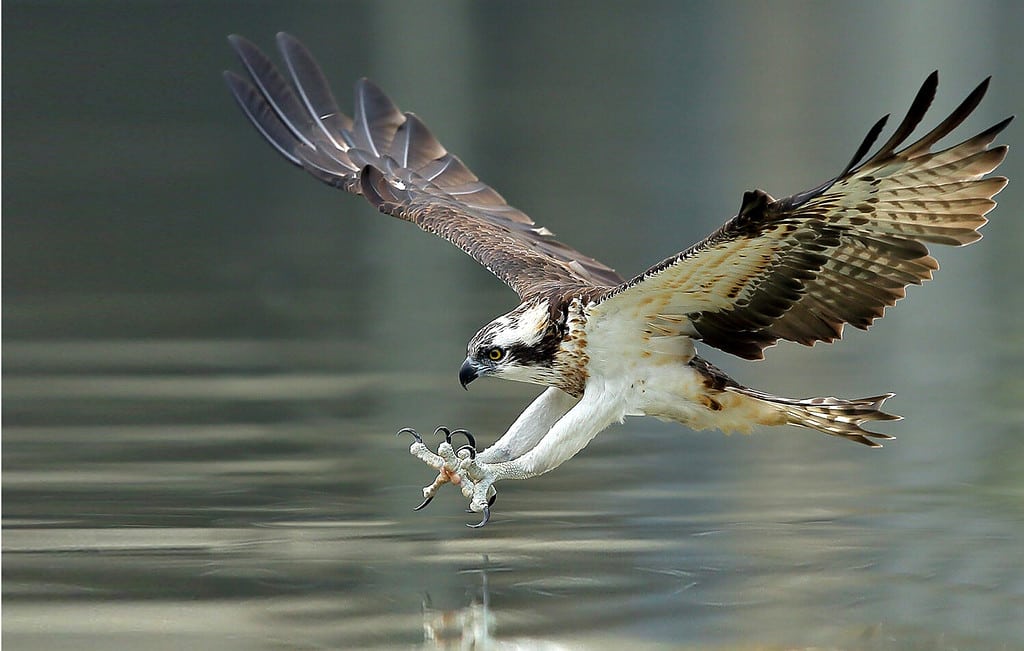
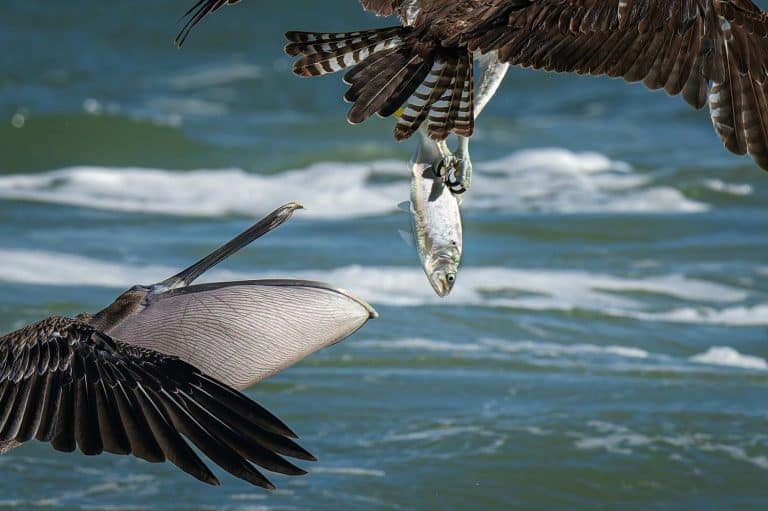
Seabirds like ospreys get tangled in fishing line when they swoop down to catch their prey.
©Wang LiQiang/Shutterstock.com
About the Case
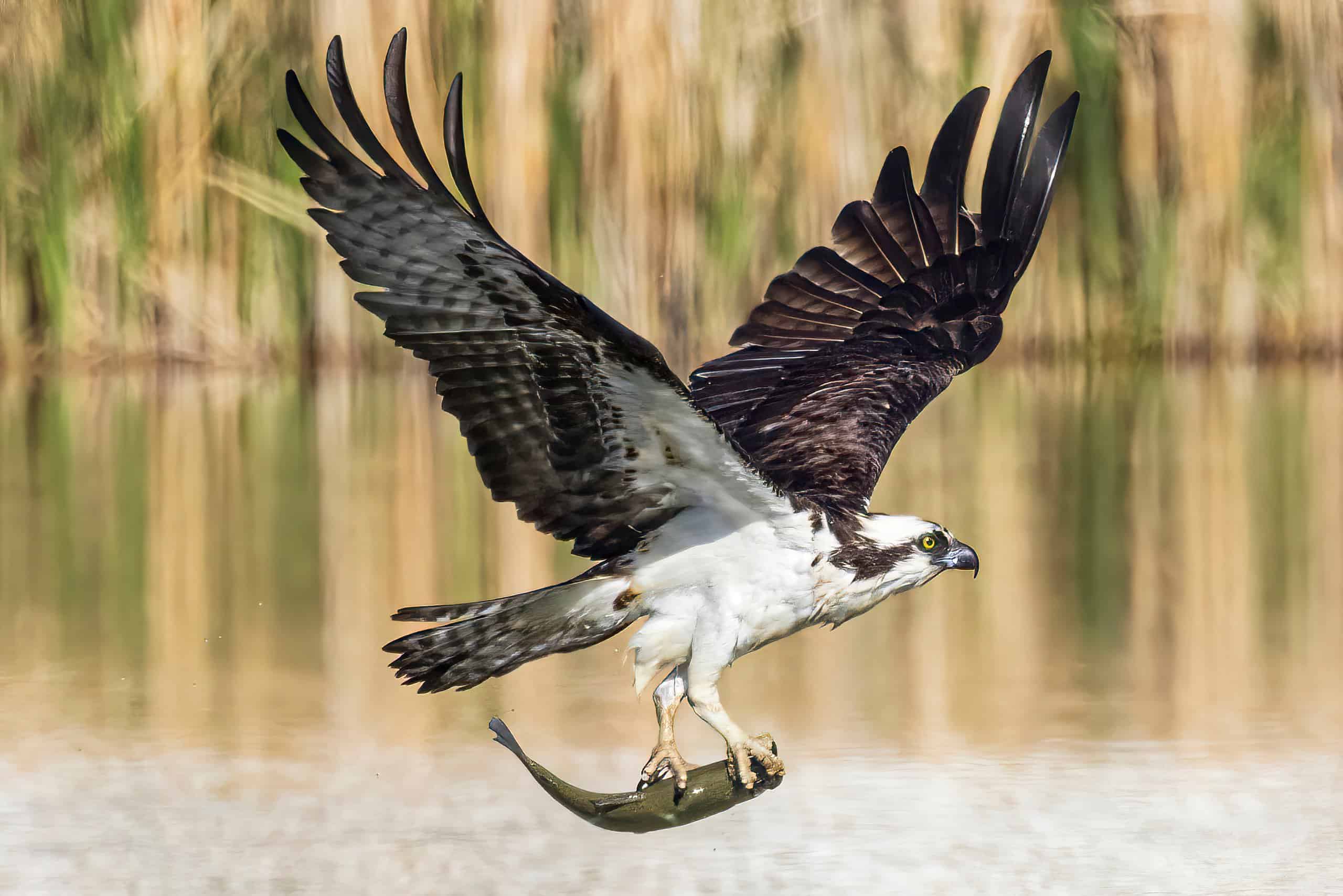
The story comes out of Sands Point, New York, on Long Island. The Post Washington Fire Department was tasked with responding to an unusual animal rescue. An osprey, an iconic raptor of the northeast coast, was stuck in a tree, completely entangled in fishing line. If the bird were stuck in this situation much longer, it could lead to potential injury or even death. This is often what happens in the wild without some sort of human intervention. Thankfully, the firefighters were able to ladder up and pull the osprey out safely. After retrieval, the fishing line was cut away with careful precision. The bird was then taken in by an official wildlife rescue and rehabilitation. After a quick recovery, the osprey is now back in the wild where it belongs. So just how dangerous are entanglements?
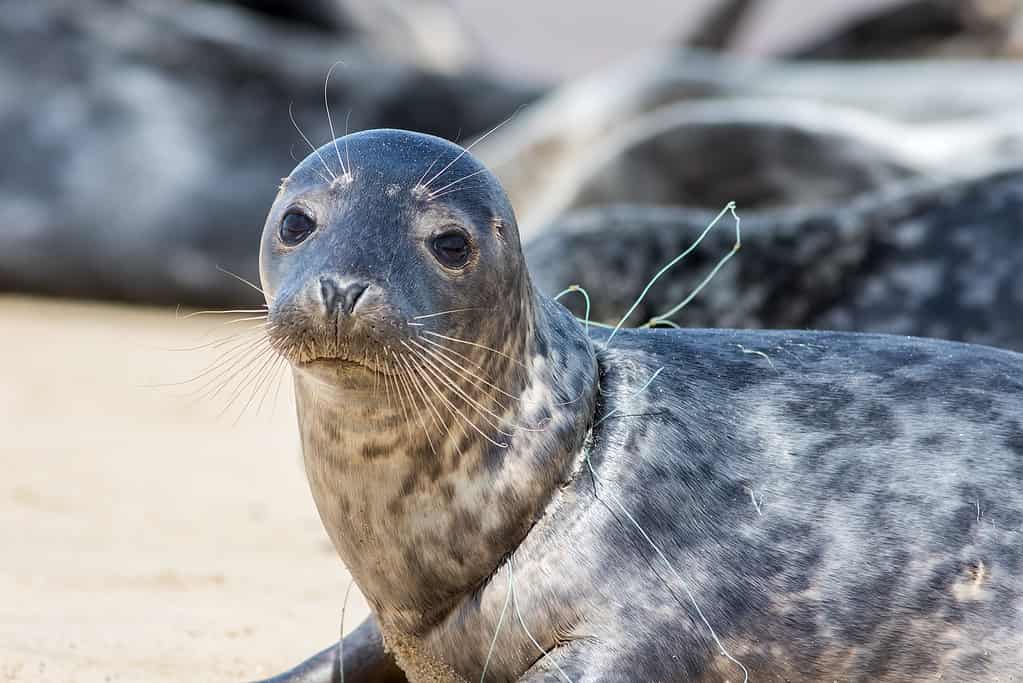
Fishing line is extremely durable and can cut into skin and tissue if it gets too tight.
©Ian Dyball/iStock via Getty Images
How Dangerous is Entanglement
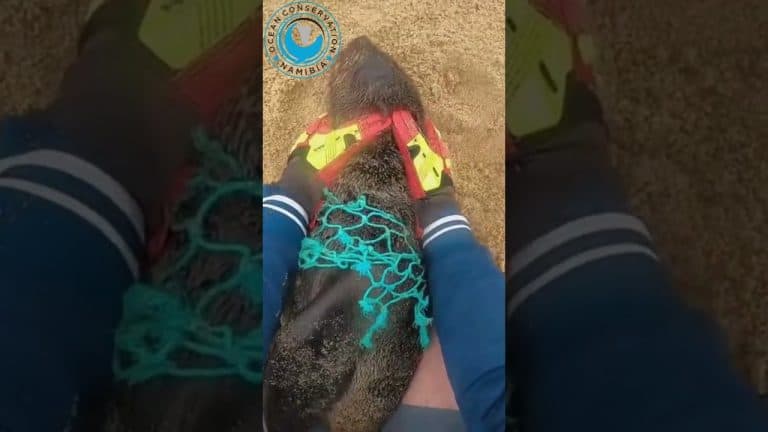
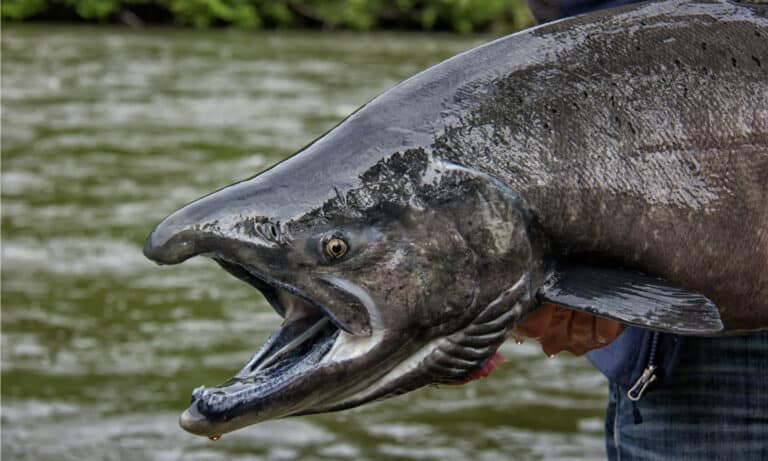
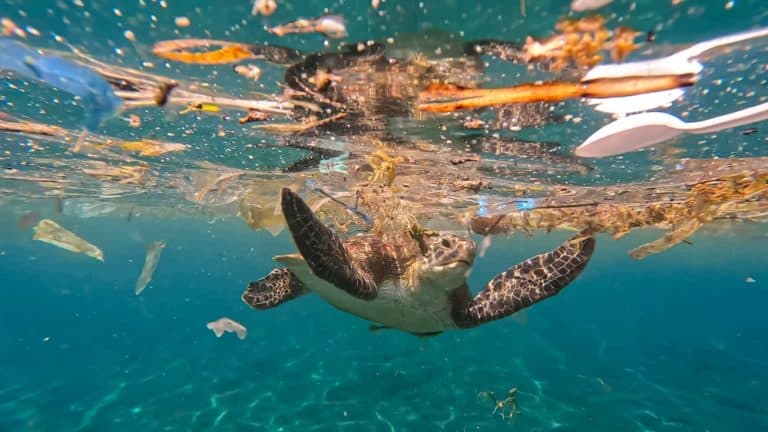
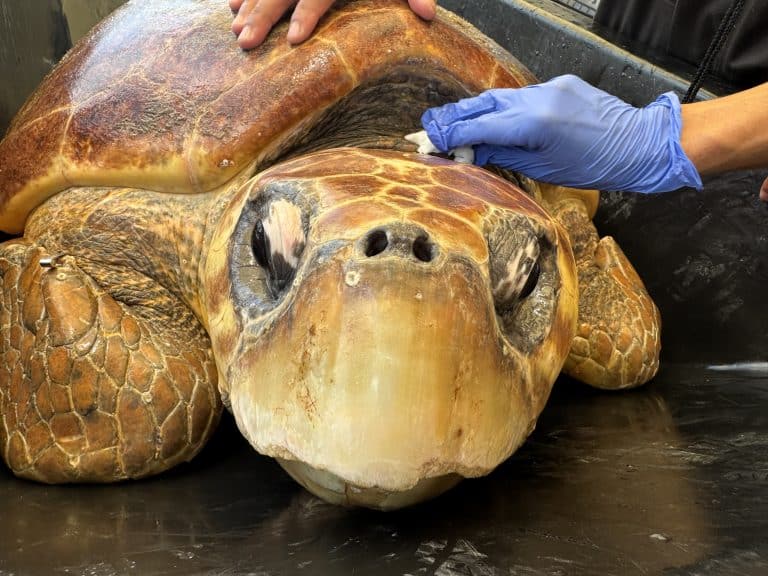
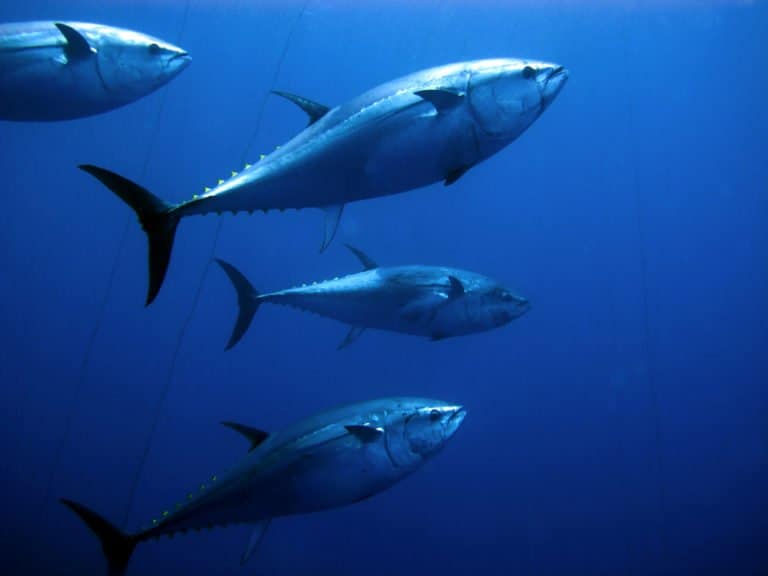
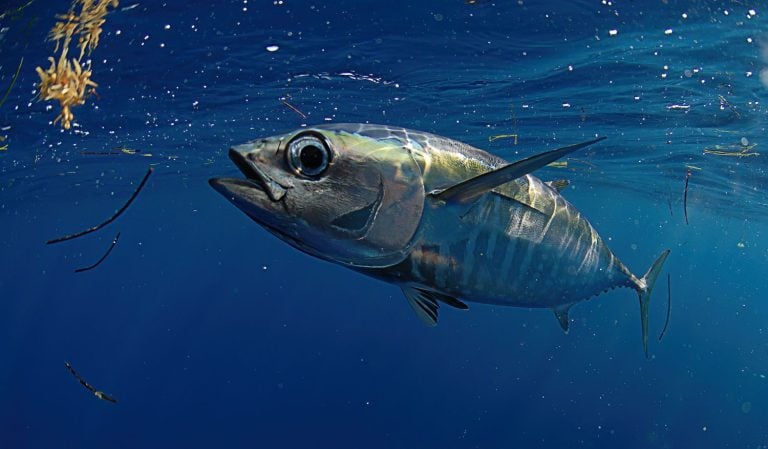
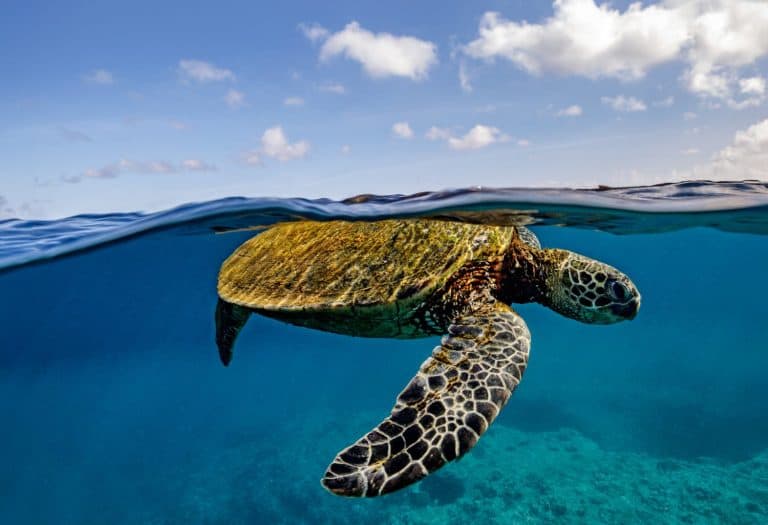
Getting tangled up in fishing line is, unfortunately, a common occurrence for coastal animals. The thin plastic line can sometimes be practically invisible to an animal. As the line drifts through the water, sea birds like ospreys can become tangled and carry the line to trees or their nests. The more the birds move around, the worse they become tangled in the wire. Injury and death occur as the lines get tighter and tighter over time, cutting into the skin and tissue. Since fishing line is produced to be durable, it’s practically impossible for the animals to remove it themselves. Entanglement and ensnaring are believed to affect more than one-third of seabird species globally, with hundreds and thousands of them dying each year. And seabirds are not the only victims, as fish and sea turtles frequently encounter fishing line in their ocean home.
Lost fishing line at sea is an example of “ghost gear.” This term refers to any fishing gear that pollutes the sea, continuing the same trapping and catching effect it was designed for. There are ways we can help. The first is through proper awareness of your gear and its disposal. It’s important to stay vigilant while fishing and make sure you don’t accidentally leave anything behind after a trip. Many piers and marinas have recycling bins for gear like fishing line. Another tip is to listen to the advice and education of wildlife agencies. They often have effective ways to make sure you remain friendly to the environment.