
Quick Take
- A cichlid parent can't eat while carrying babies, and the full timeline of that sacrifice is more extreme than you'd expect. Full fasting timeline →
- Mouthbrooding protects cichlid babies from more than just predators, and the full list of threats it guards against is surprisingly broad. Threats mouthbrooding prevents →
- Even after release, cichlid babies don't always stay gone. What pulls them back reveals something unexpected about their survival instincts. Why babies return →
- How many babies fit in one cichlid's mouth? The range across species is far wider than it should be. Capacity across species →
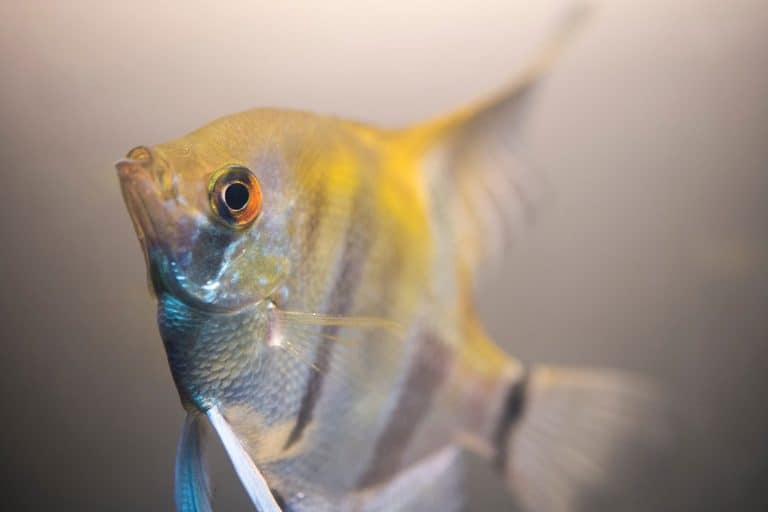
Animal parents have many unique ways to protect their children. Whether it’s a kangaroo inside its mother’s pouch or ducklings riding on their parents’ backs, animals have developed creative ways to take care of their young. One unlikely example is the cichlid fish. This YouTube Short by @paulstingray shows one of these fish carrying their babies in their mouth! Read here to learn more about why.
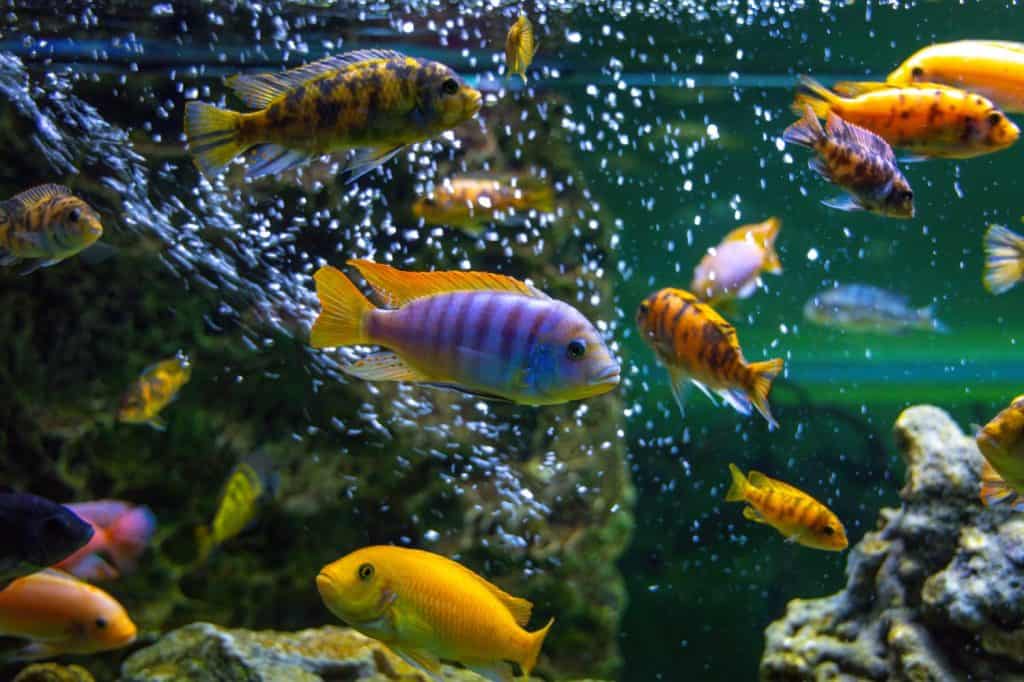
To protect their babies from the dangerous ocean environment, they carry their babies in their mouths.
©hodim/Shutterstock.com
Cichlid Dangers
Cichlids are a large family of freshwater fish, with more than 1,700 species! They are naturally found throughout freshwater bodies in Africa (including Madagascar), the Middle East, the Indian subcontinent, and in Central and South America. In these environments, cichlids are preyed on by larger fish like perch, catfish, and tigerfish. Birds also swoop down from above and grab them. Not only that, but reptiles like crocodiles and mammals like otters also feed on them. With so many potential predators, parents have evolved strategies to ensure their babies’ survival. This includes mouthbrooding. Mouthbrooding is a reproductive strategy where one parent keeps their eggs and baby fish inside their mouths for protection. This can be seen in the video above, where the parents’ babies are swimming out of her mouth.
What is Mouthbrooding
The mouthbrooding process is fairly straightforward. Before the eggs are even in her mouth, the female must lay them. She does this at the bottom of the lake or river she is in, and the male fertilizes them shortly after. After this, the female scoops them into her mouth, where they will incubate until they hatch. Even after hatching, the babies remain in her mouth until they are large enough to swim on their own. Not only does this protect the babies from predators, but it also protects them from disease and strong currents.
Cichlid babies stay in the parents’ mouths for around three to four weeks. After their release, the babies are free to explore their surroundings. However, they might try to swim back into their mother’s mouth. How many babies fit in her mouth depends on the species, with smaller species carrying around five, and larger ones holding up to hundreds at a time! Regardless, it’s a shocking sight to see tiny cichlids swimming out of their parent’s mouth.