
Quick Take
- One bird on this list weighs as much as a medium-sized dog, and scientists call it one of the most physically extreme examples of powered flight on Earth. Meet the heaviest flier →
- Some of these giants barely flap their wings at all, which is exactly what makes them so formidable in the air. See how gliding masters soar →
- Before one of these heavyweight birds can even leave the ground, it needs a running start that looks more chaotic than graceful. Watch the chaotic takeoff →
- One of these birds nearly vanished from the planet entirely, and the story of what brought it back is just as remarkable as its wingspan. Read the recovery story →
Flight is truly remarkable, no matter which way you look at it. And while it seems easy enough for the tiniest insects to take to the air, nature has also created its fair share of large, winged creatures that are just as capable of flight. These heavyweight birds seem to push the limits of physics every time they leave the ground. They rely on powerful muscles, enormous wingspans, and sometimes well-timed winds. And a few of them need a very determined running start. While tiny hummingbirds look like they belong in the sky, flitting effortlessly through the air, some of the sky’s most impressive residents are closer in size to a small child or a medium-sized dog. These animals prove that with enough wing surface and the right aerodynamics, even the biggest birds can take flight.
Kori Bustard
©Marco Del Fiol/ via Getty Images
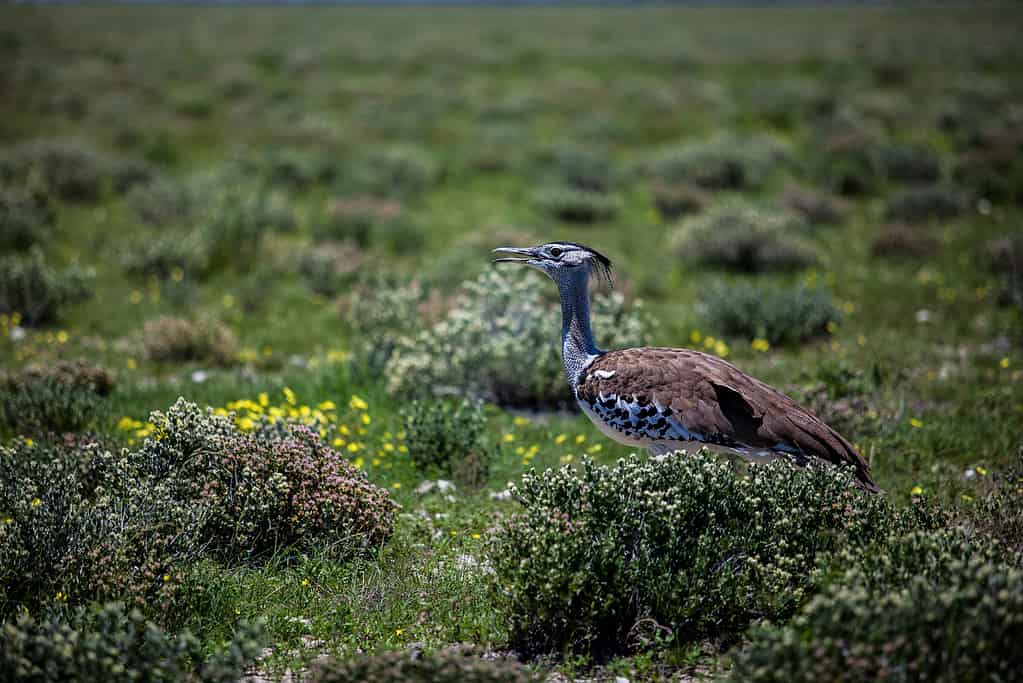
The kori bustard is often considered the heaviest flying bird alive today, though it sometimes looks like it would rather not bother flying at all. Males can weigh more than 40 pounds, making takeoff quite a feat. With its wide wingspan, an airborne kori bustard resembles a feathery plane. Since taking to the sky is no easy task, kori bustards spend most of their time walking through African grasslands hunting insects, reptiles, and small animals. When they finally do lift off, however, it’s a dramatic event that proves the remarkable laws of aerodynamics. Scientists consider the species one of the most physically extreme examples of powered bird flight on Earth.
Great Bustard
©Wirestock Creators/Shutterstock.com
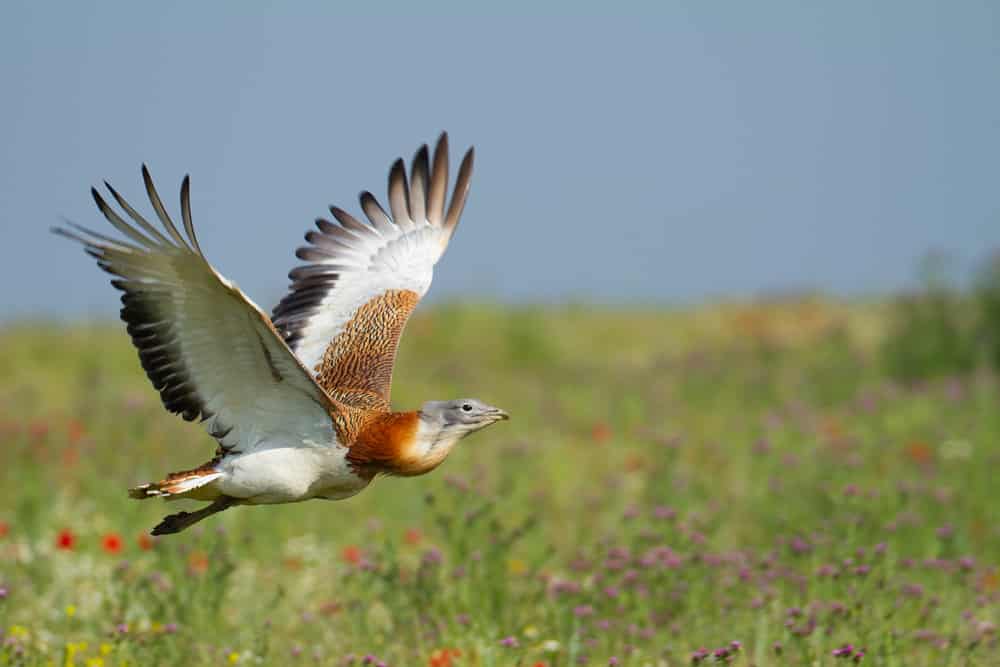
The great bustard is European’s version of the bustard. This species is enormous, powerful, and surprisingly airborne. Rivaling the kori bustard, adult males can approach 40 pounds, yet they still fly considerable distances and even migrate. During courtship displays, males puff themselves up into giant balls of feathers that look almost cartoonish.
Mute Swan
©Tone Trebar/Shutterstock.com
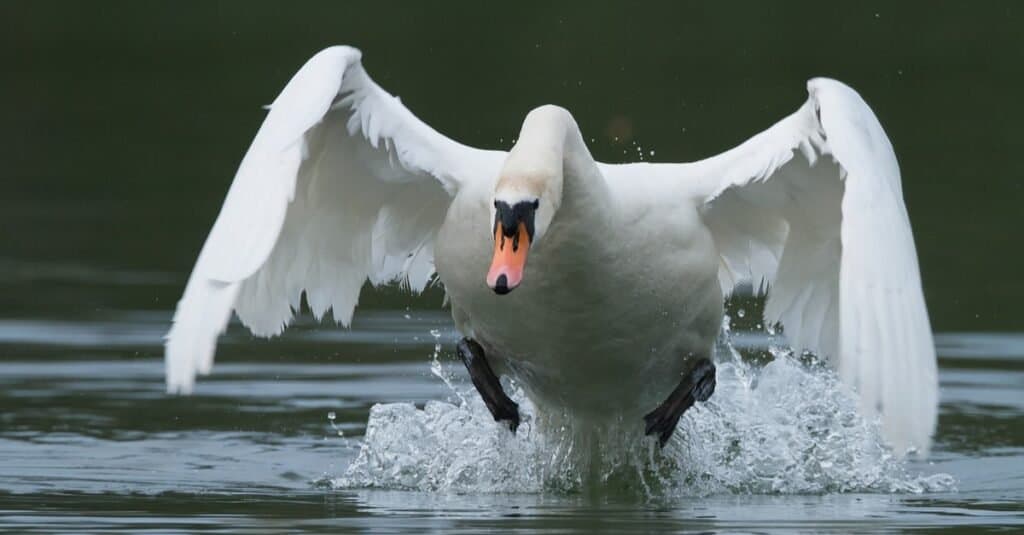
Swans are known for their elegant physique, and mute swans are no exception. But these birds are also seriously bulky, sometimes weighing over 30 pounds. Before takeoff, they slap their huge feet against the water in a frantic-looking, comical sprint. As silly as it looks, it somehow turns into graceful flight. Their airborne wings make a distinctive whistling sound that can be heard from surprisingly far away.
Andean Condor
©Facundo Vital/Shutterstock.com
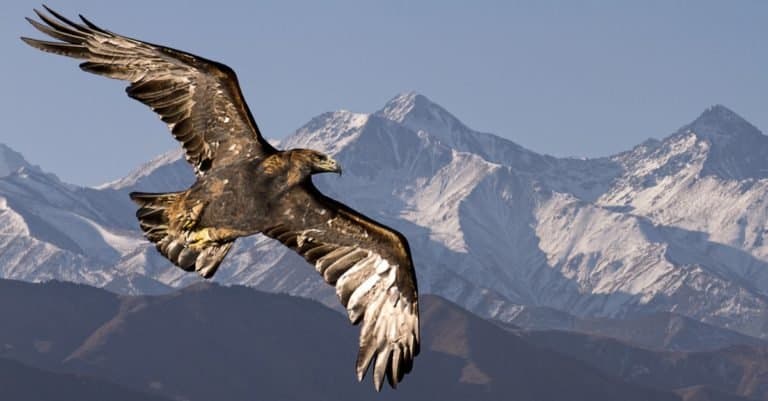
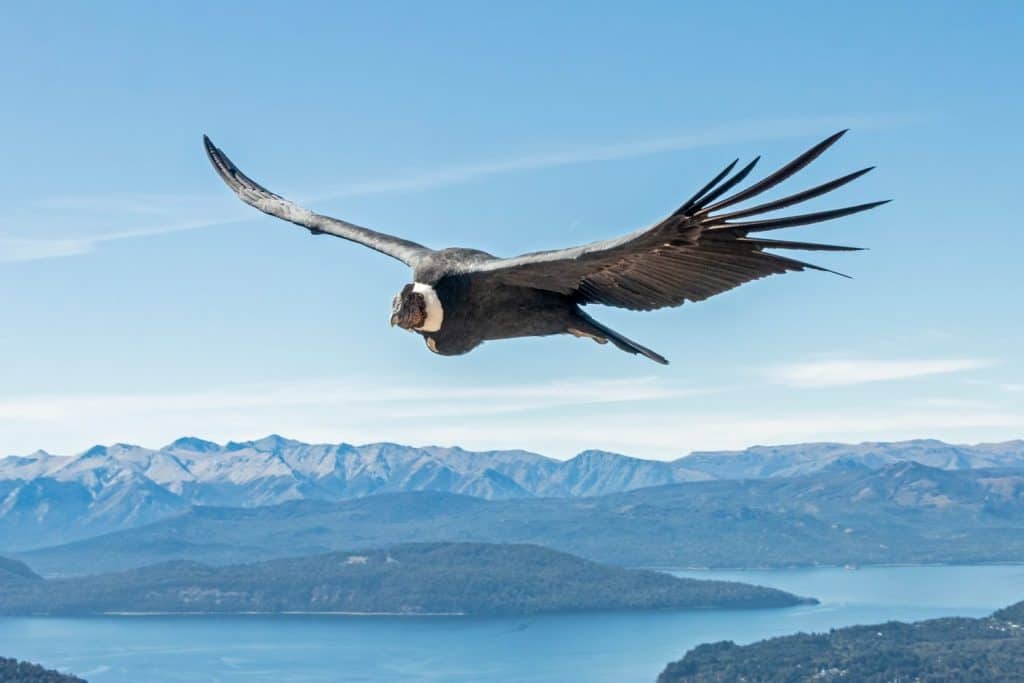
The Andean condor looks less like a bird and more like a prehistoric creature cruising through the mountains of South America. With a wingspan reaching over 10 feet, these scavengers do not have to rely on constant flapping; instead, they can soar for hours on air thermals. They save a lot of energy this way. Watching a massive condor glide across the Andes makes modern aircraft suddenly feel a bit less impressive.
Dalmatian Pelican
©Michal Dobes com/Shutterstock.com
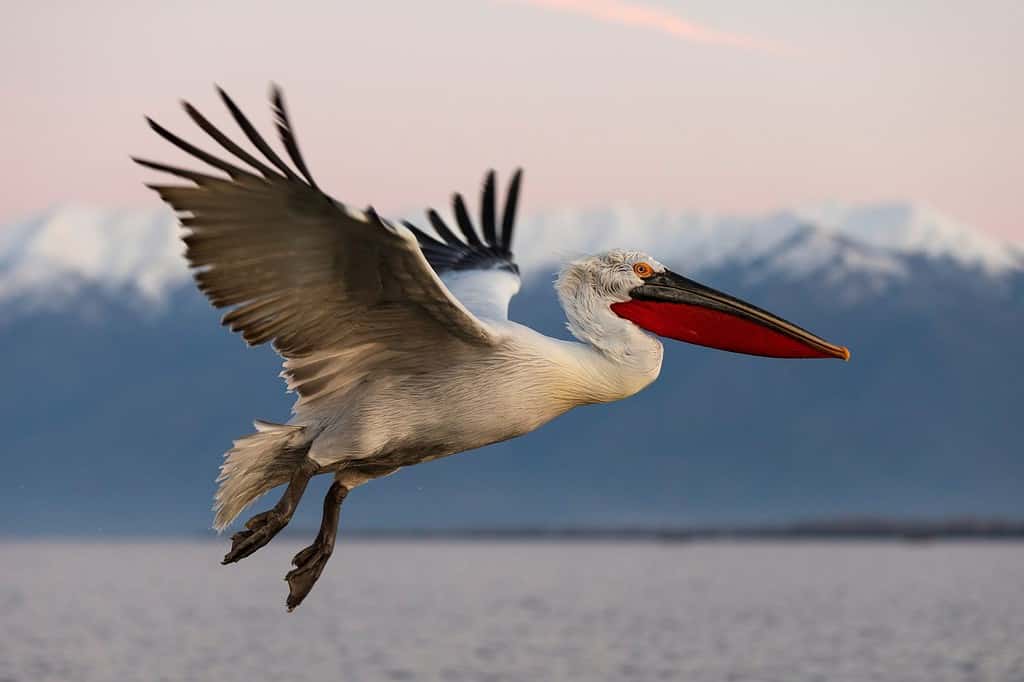
The Dalmatian pelican is one of the heaviest water birds capable of sustained flight, despite looking almost ridiculously oversized. Its massive bill and expandable throat pouch prove to be extra challenging when taking flight. Even with all that extra equipment, these fishing pelicans are surprisingly coordinated and streamlined in the air; they often travel long distances between wetlands and lakes.
Trumpeter Swan

©Danita Delimont/Shutterstock.com
The trumpeter swan is the heaviest native flying bird in North America. Weighing close to 30 pounds, these birds require long water-based runways to build enough speed for takeoff. Once in the air, though, they settle into smooth and efficient flight formations, which are necessary during migration. As their name suggests, their deep trumpet-like calls echo across wetlands long before the birds themselves come into view.
Wandering Albatross
©Imogen Warren/Shutterstock.com
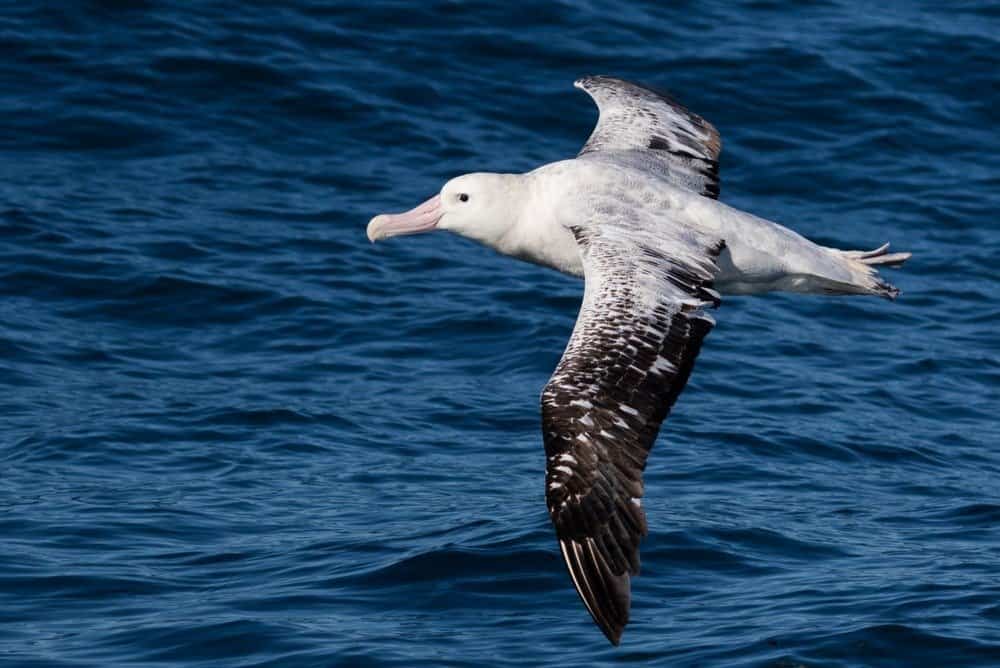
The wandering albatross may not be the heaviest bird on this list, but it possesses one of the largest wingspans of any living bird. These seabirds can drift across entire oceans, sometimes for thousands of miles, while expending remarkably little energy. They accomplish this by riding wind patterns above waves. Because these birds are so efficient in the sky, scientists continue to study their flight mechanics.
Cinereous Vulture
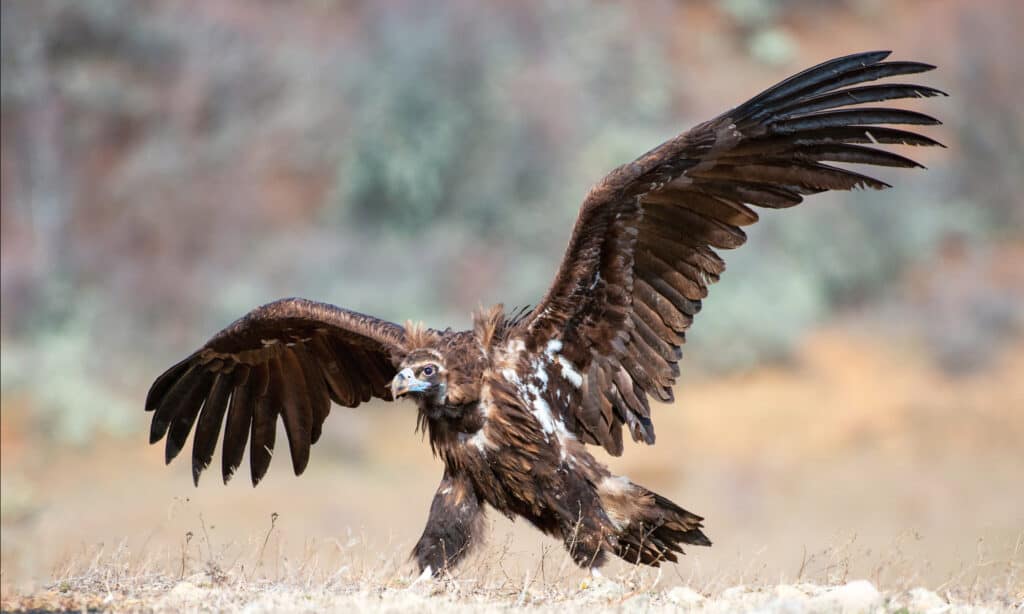
©WildlifeWorld/Shutterstock.com
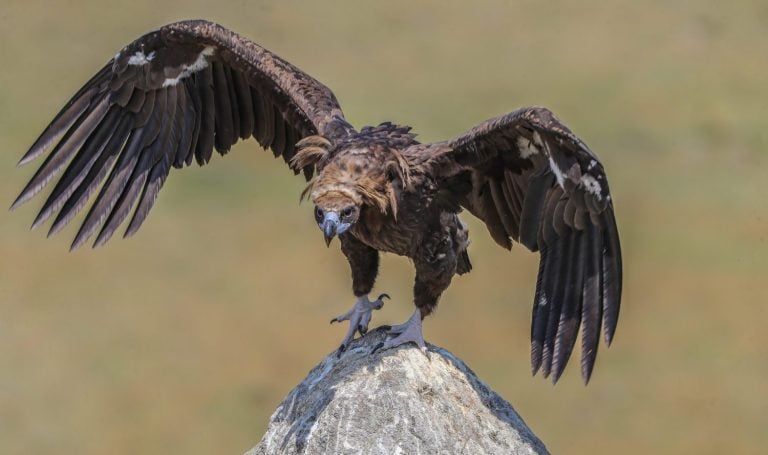
As one of the largest birds of prey in the world, the cinereous vulture uses expansive wings and gliding techniques to conserve energy while scanning landscapes for carrion. Their ability to remain airborne for long periods helps them patrol vast territories with minimal effort. Due to their size, they can appear almost eagle-like again the sky. Despite their intimidating proportions, these vultures are generally calm and avoid conflict.
California Condor
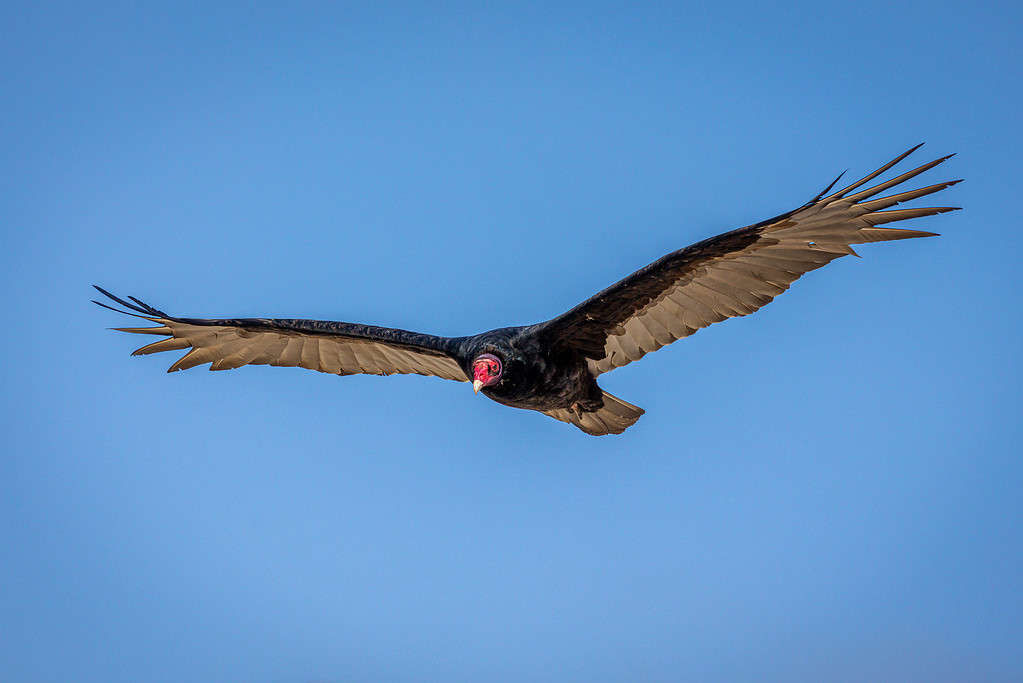
©Henk Hulshof/iStock via Getty Images
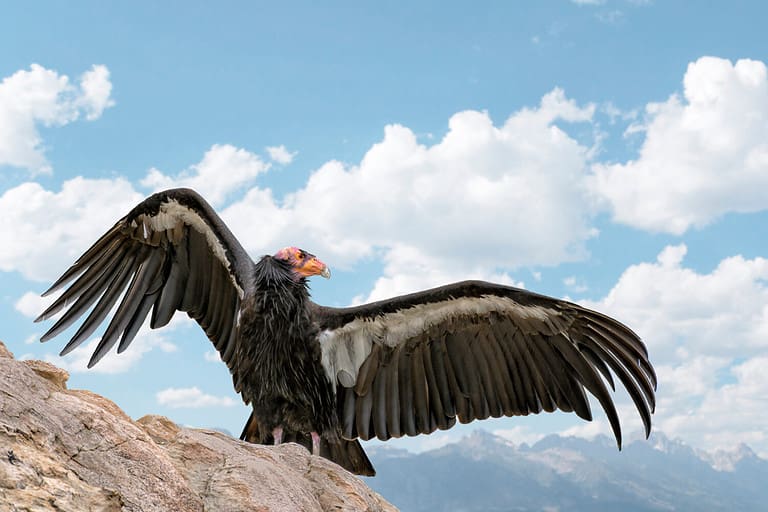
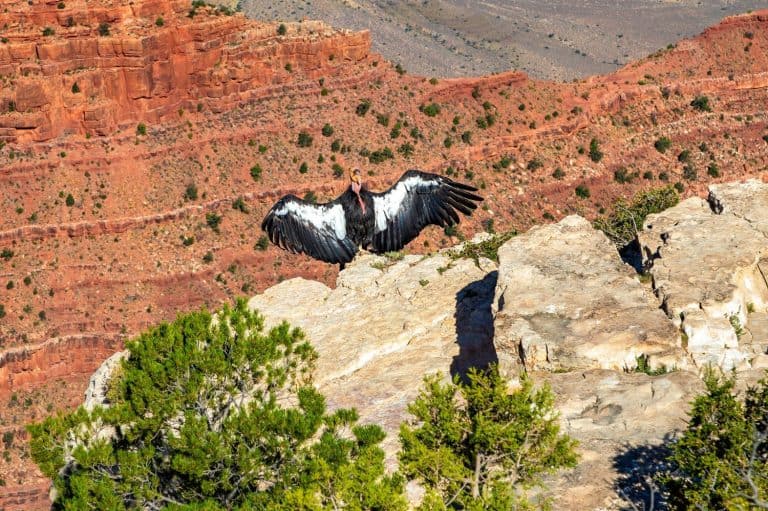
The California condor nearly disappeared forever before conservation programs saved it from extinction. These giant birds have wingspans close to 10 feet across. They cruise over deserts and mountains with impressive ease. Like other birds on this list, condors depend heavily on thermal air currents, allowing them to navigate the skies while barely flapping. In flight, they look like relics from an ancient era.
Whooper Swan
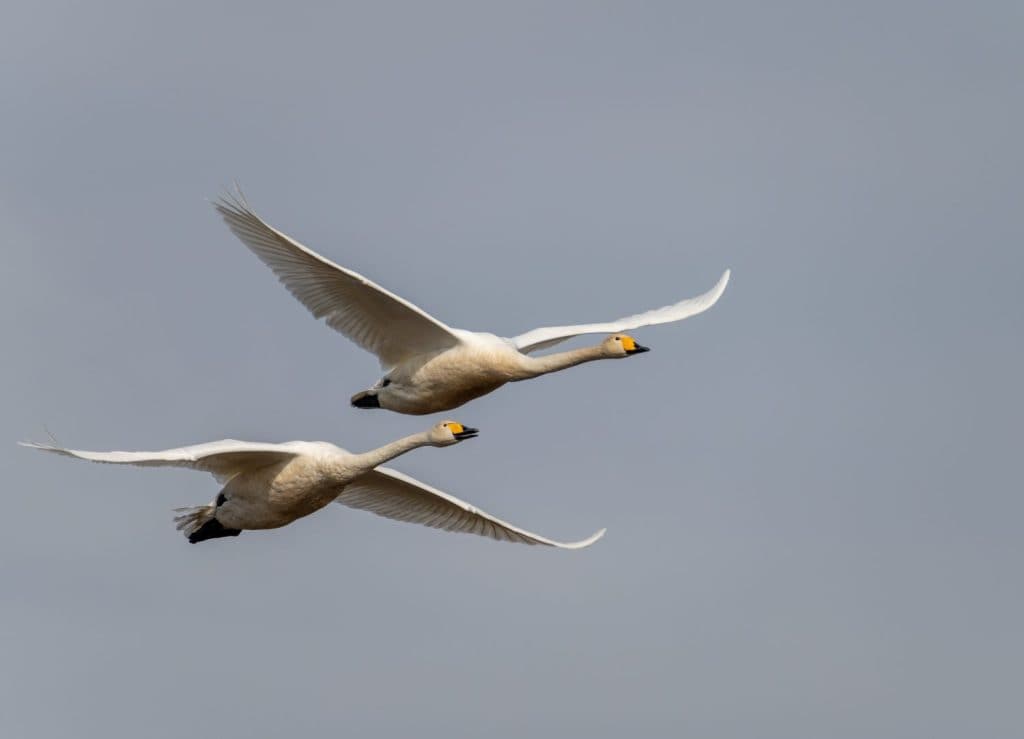
©Jounii Rasanen/Shutterstock.com
The whooper swan is another huge flier that somehow balances size with grace. These birds breed in northern regions and migrate long distances across Europe and Asia during seasonal movements. While in flight, they release their loud calls, which inspired the name “whooper.” Watching a flock rise into the air over an icy lake is one of the most dramatic sights in the region.