
Quick Take
- Removing a predator's hiding spot doesn't make the water safer. In fact, it can do the opposite, and scientists have the footage to prove it. See what moved in →
- A decades-old lake experiment already showed what happens when you strip prey fish of their cover, with the result involving bass no longer than your thumb. The Lake Conroe lesson →
- The weed-removal plan solved exactly the problem it was designed to solve, yet it still made things dramatically worse. Why it still backfired →
- There was one genuine benefit to clearing the weeds, though whether it was enough to matter is a harder question than it sounds. The one real benefit →
The plan made perfect sense. Largemouth bass like to lurk in underwater weeds. Young salmon get eaten by largemouth bass. So pull the weeds, and the salmon should have an easier trip to the sea.
In California’s Sacramento-San Joaquin Delta, a team of scientists did exactly that. Then they tied young salmon on lines in the cleared water and waited to see what would happen.
The salmon got eaten almost four times as often.
A dangerous crossing
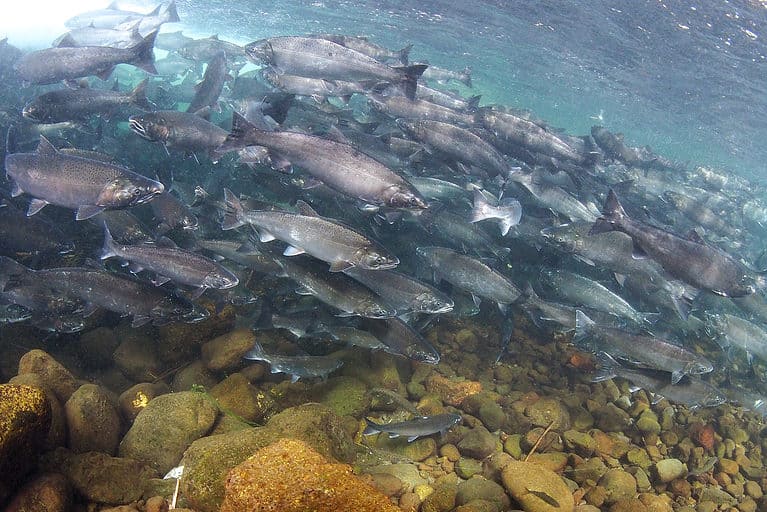
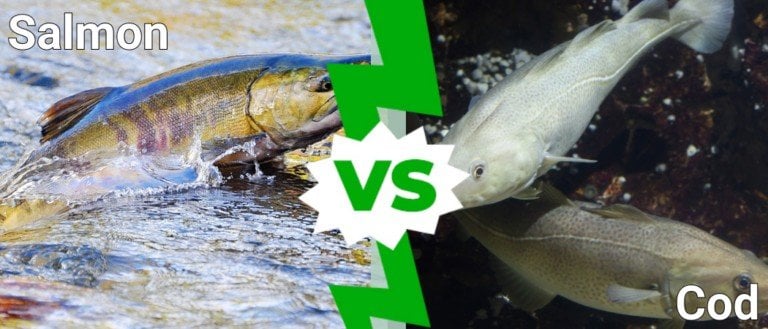
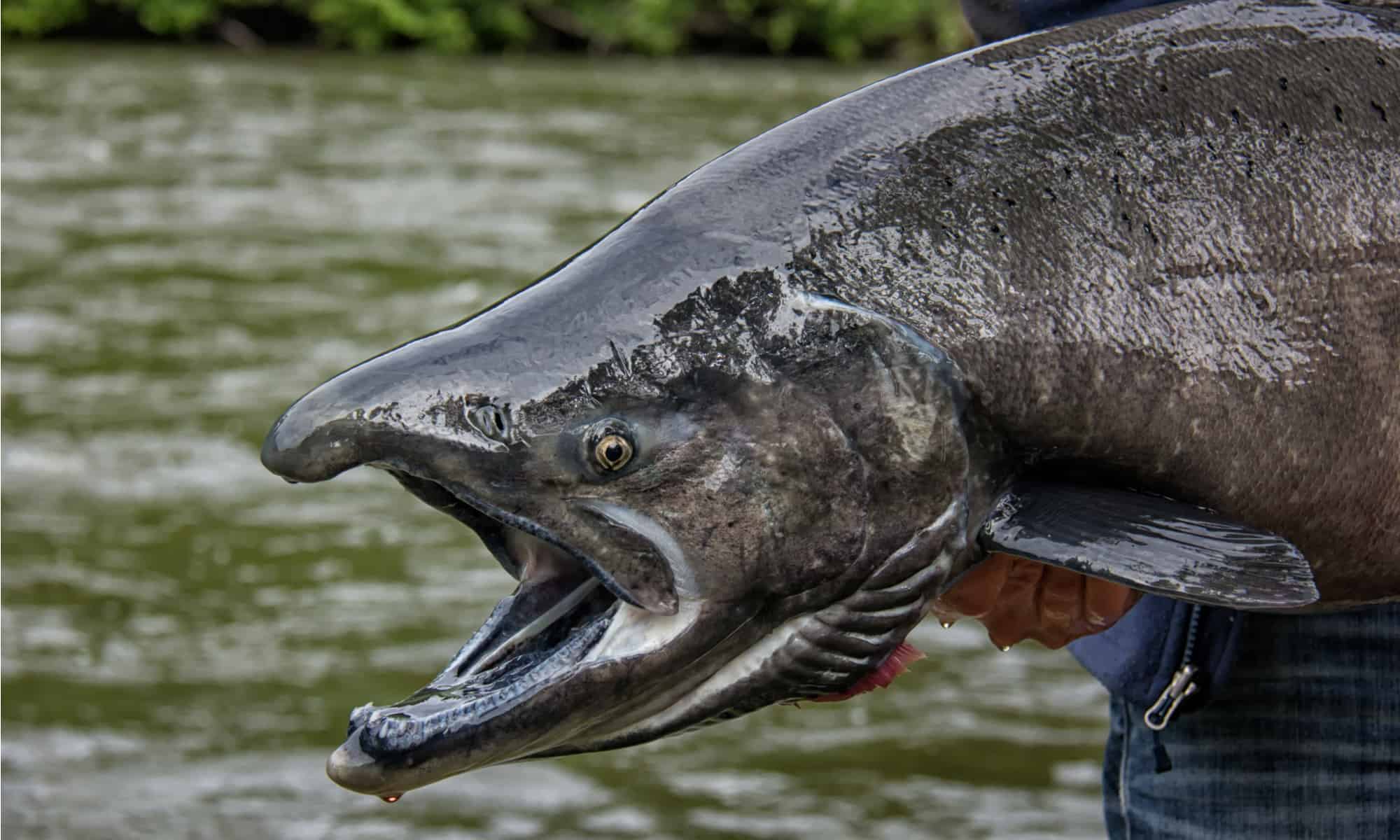
Chinook salmon are born in fresh water, swim out to the ocean to grow up, and come back to fresh water to lay their eggs. Some of the Sacramento River’s runs of these salmon are already endangered or threatened.
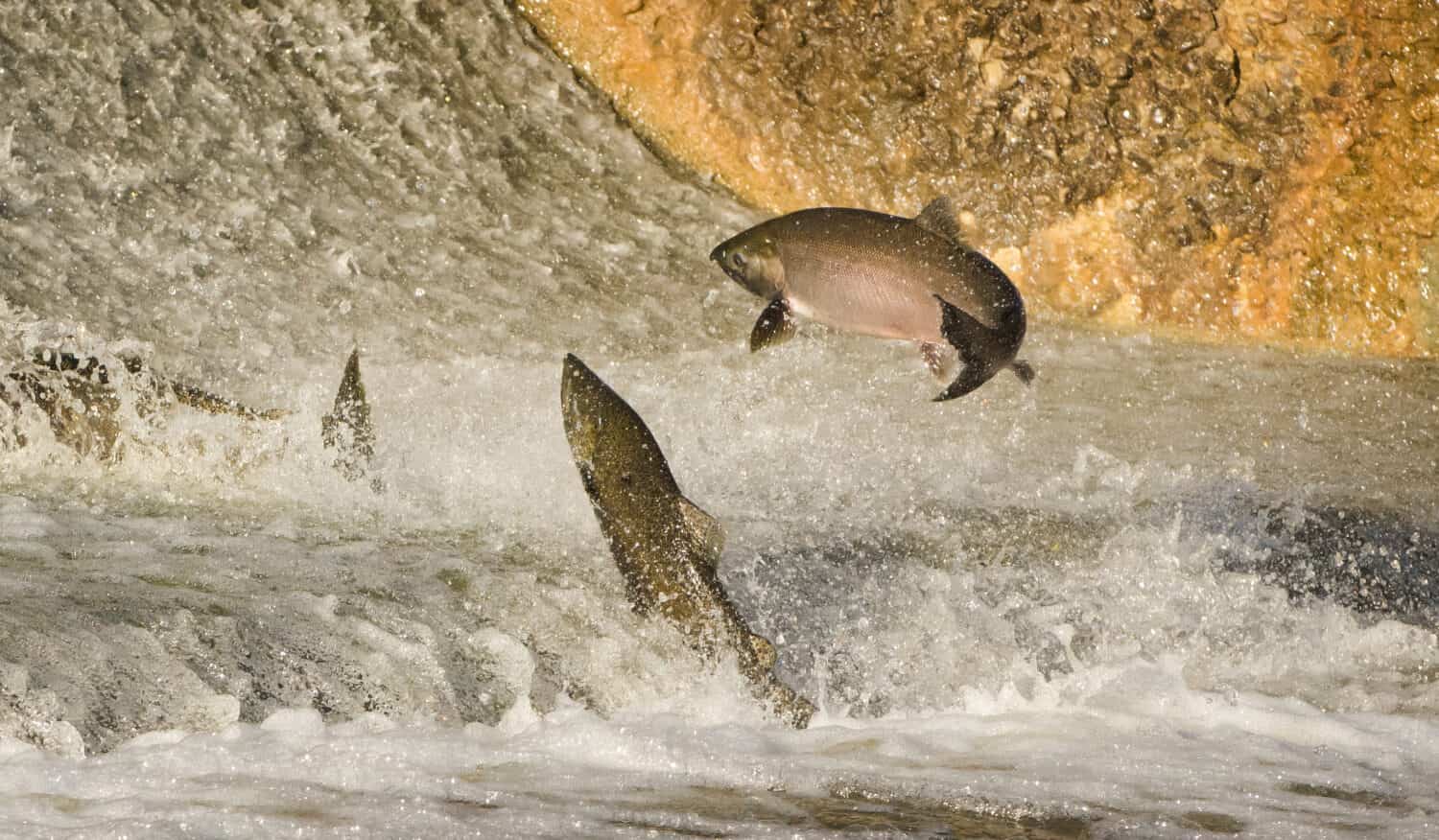
The Largest Chinook Salmon Ever Caught in Washington Was a Pacific Prize
©Evan Linnell/Shutterstock.com
Before they ever reach the ocean, the young fish have to cross the Delta, a tangle of channels where California’s rivers meet the sea. It’s a rough trip. Young salmon heading out through the Delta die at high rates, and a lot of that comes from being eaten by fish that were never supposed to live there in the first place.
One reason those predators do so well is the plants. Underwater weeds brought in from somewhere else have spread through waterways around the world and have been linked to declines in native fish, partly because the weeds give predators structure to hang around in and change how hunters and hunted meet.
So the obvious move is to rip the weeds out. That’s the idea a group of scientists decided to test.
Pull the weeds, tie up the bait
The scientists picked patches of the Delta, cleared the weeds out of some by hand, and left others alone, measuring both before and after so they’d know any change was real and not just chance.
How More Than 900 Pharmaceutical Substances are Impacting the Natural Behavior and Migratory Patterns of Salmon
©
At first, it looked like the plan was working. Removing the weeds cut the number of largemouth bass, the fish everyone blamed for eating young salmon, by almost a third.
But counting predators only tells you so much. To find out whether the water had actually gotten safer, they tied young Chinook salmon to lines in the water, like a fish on a leash, so they’d know the exact moment something ate one. Some of the attacks were even caught on video.
A different hunter moves in
Here’s where the plan falls apart.
Predation on those tethered salmon didn’t drop. It shot up.
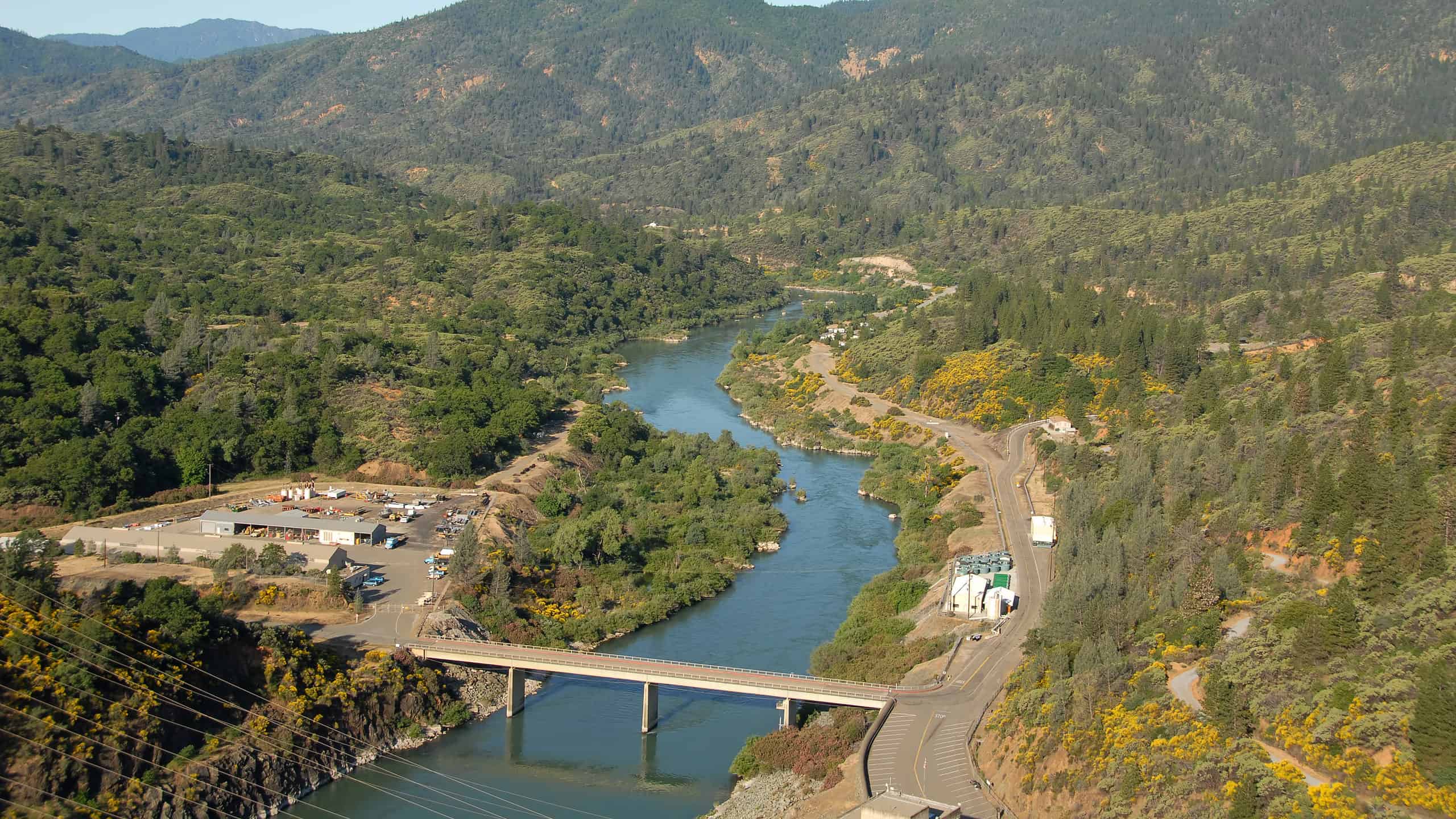
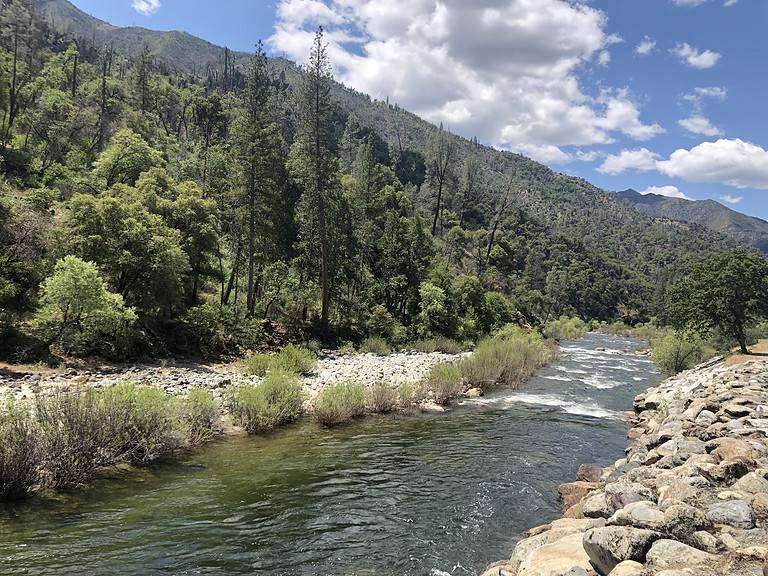
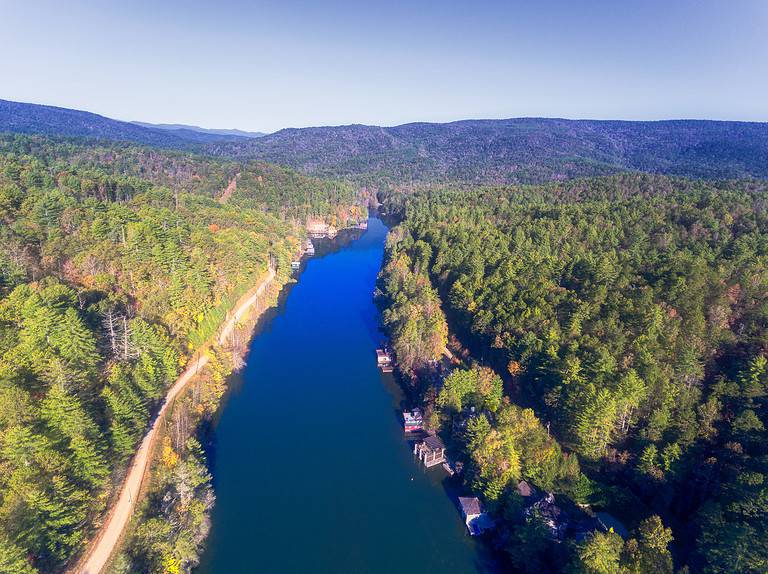
How Deep Is the Sacramento River?
©Hank Shiffman/Shutterstock.com
For every young salmon that got eaten before the weeds came out, almost four got eaten after. I’ll be honest, that’s the number that stopped me.
The likely reason is simple. The weeds were the only cover the salmon had. Once that cover was gone, a different predator swam in. Striped bass hunt in open water, and the video of the attacks backed up the idea that they were the ones moving into the cleared patches.
Striped bass spend most of their lives out in the ocean, but they come into the rivers, and they’re most abundant in summer along the Sacramento River and the Delta. In other words, the open-water hunter was already nearby. The scientists had just opened the door.
Why the weeds were the whole point
Scientists in Texas saw something like this decades earlier. In Lake Conroe, when the lake was thick with underwater plants, largemouth bass mostly left other fish alone until they grew to about 140 millimeters, roughly the length of a grown-up’s hand.
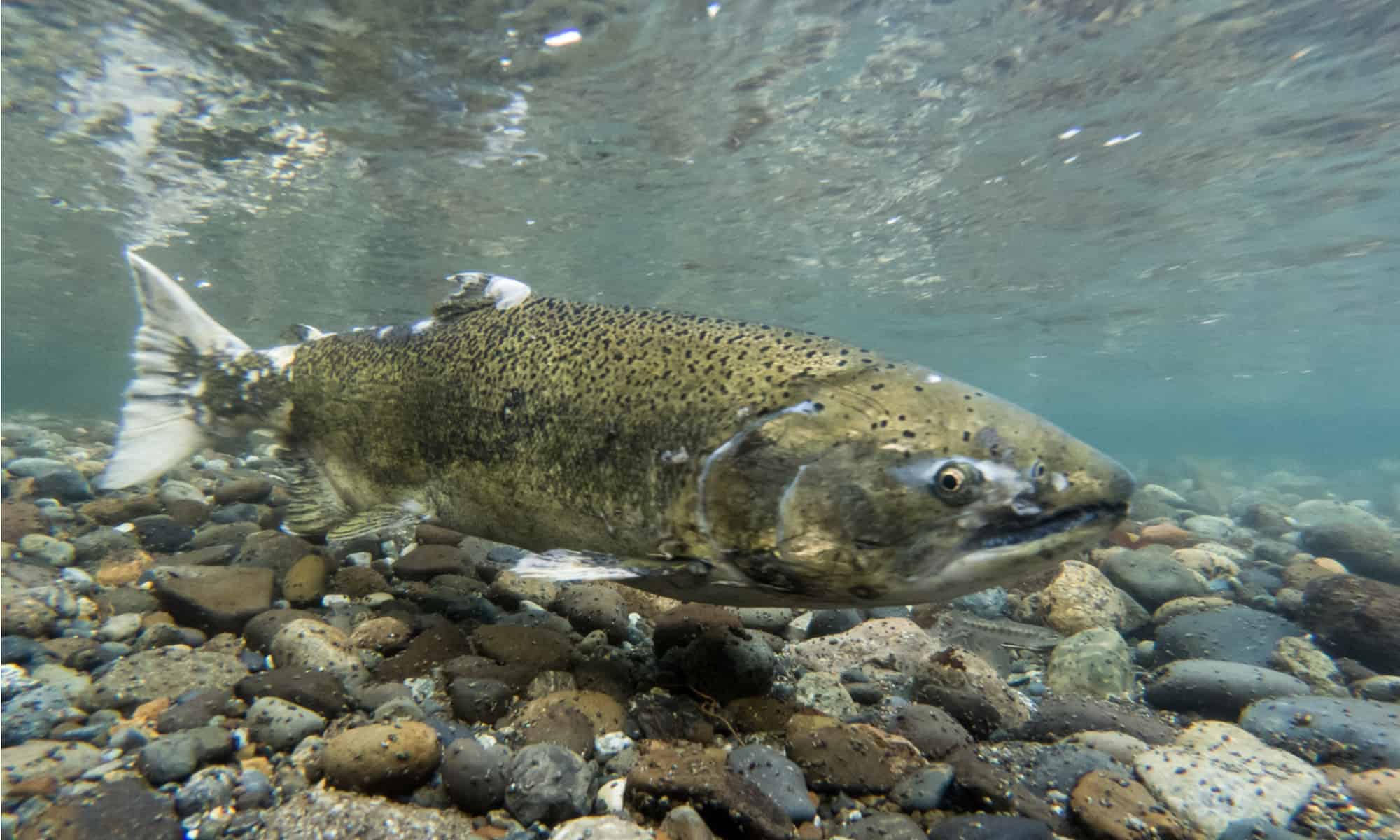
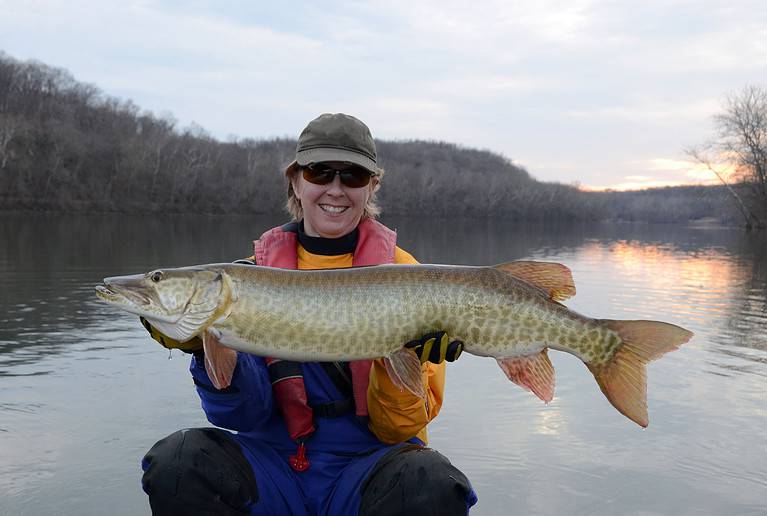
The 8 Best Fish to Catch in California this Summer
©Kevin Cass/Shutterstock.com
Then every underwater plant in the lake was wiped out, and that changed fast. Most bass 60 millimeters long, about the length of a thumb, were already eating fish.
Think about that. Bass no longer than your thumb were hunting other fish. There were plenty of small fish to eat both before and after, so the food supply wasn’t what changed. The researchers concluded that the amount of cover in the water was the main thing controlling whether bass turned to eating fish.
This is the part I keep thinking about. Weeds hide predators, yes. They also hide prey. Take the weeds away, and the small fish run out of places to disappear.
So did the weeding do any good?
There was one small silver lining. As the season wore on and the water warmed, young salmon found it a little harder to get all the oxygen their bodies needed, and clearing the weeds eased that problem for the fish in the cleared patches. But whether that bit of breathing room for the salmon outweighed the much bigger edge the predators gained is unclear.
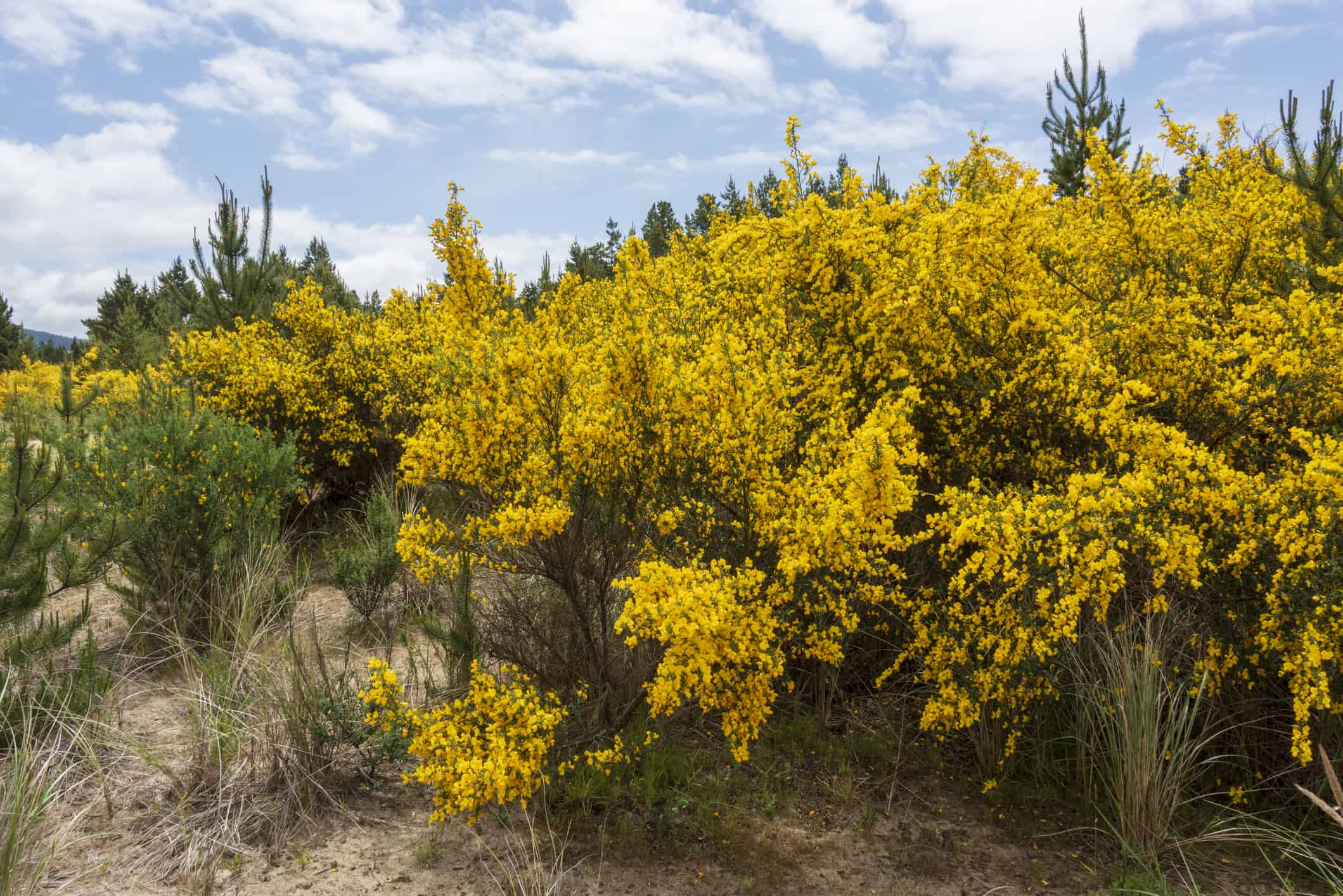
Discover Why Invasive Plants Are Costing California a Staggering Million Per Year
©iStock.com/David Rigg
And then there’s the quiet last blow. Pictures taken from above showed that the weeds had grown right back within a single year.
The takeaway
The plan that made perfect sense turned out to be a plan built around one predator, in a river that has more than one. Pull the weeds and the largemouth bass thin out, sure. But the striped bass cruise into the open water behind them, and the young salmon lose the one thing that was actually keeping them alive: somewhere to hide.
Go back to that salmon tied to a line in the cleared water. The scientists set out to make that spot safer. What they learned instead is that in this river, the hiding place mattered more than which hunter was doing the hunting.