
Quick Take
- Golden mussels went from first detection to statewide infestation in just 15 months, and the reason they spread so fast has everything to do with California's own infrastructure. See how fast they spread →
- California has fought invasive mussels since 2007, but scientists say the golden mussel is a different beast entirely, one that the old playbook simply won't handle. Why the old playbook fails →
- The chemical treatments that can actually stop golden mussels come with a serious catch that regulators are still wrestling with. Explore the treatment tradeoffs →
- Experts say there's still a narrow window to prevent irreversible damage, but the strategy they're betting on isn't what most people would expect. See the early response strategy →
The battle against invasive species in California reached a new milestone this May when lawmakers introduced federal legislation to target the golden mussel. With funds totaling $15 million per year through 2030, the initiative signals a considerable commitment, but one that many scientists warn may face steep challenges from the start.
A Sudden Arrival Raises Alarms
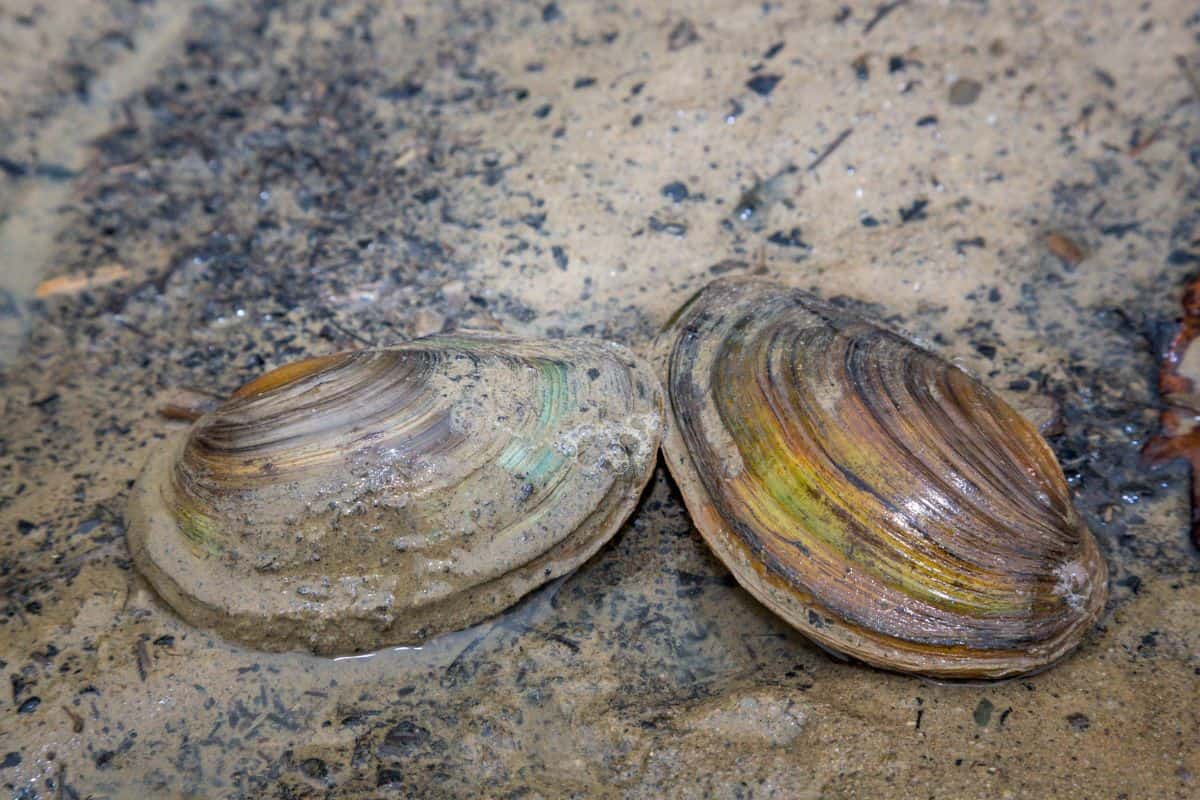
It was only in late 2024 that California authorities first detected golden mussels near the Port of Stockton. Within just 15 months, these small but destructive bivalves were found throughout the state, reaching as far as San Diego by early 2026. Experts at the California Department of Water Resources linked their rapid expansion to the region’s warm waters and the interconnected maze of water infrastructure that runs through California, creating conditions for the mussels to breed year-round and spread with unprecedented speed.
The proposed “Golden Mussel Eradication and Control Act of 2026” grew out of this alarm. The bill promises to unite local agencies, universities, ports, nonprofits, and more in a state-wide task force focused on limiting the mussel’s impact, especially in the vulnerable Sacramento-San Joaquin Delta, where the problem first surfaced.
Resilient Invader, Familiar Problems
Golden mussels aren’t California’s first invasive mollusk threat. Since 2007, the state has been managing quagga and zebra mussels, both notorious for clogging pipes, reducing irrigation flows, and causing costly damage to hydropower facilities. Yet the golden mussel, researchers explain, poses new kinds of challenges. It can survive in a wider variety of environments and withstand control measures that have worked against its counterparts.
In regions like the Great Lakes, similar invasives have forced facility operators to spend millions annually on maintenance and cleaning. The California Department of Fish and Wildlife now anticipates even steeper expenses here: golden mussels grow faster, tolerate harsher conditions, and require stronger, longer-lasting treatments to keep them at bay. That means higher operational costs and greater risk for the state’s water and power systems.
Complex Solutions and Costly Choices
Public awareness campaigns have become a crucial part of the response. The Department of Fish and Wildlife has launched a statewide effort targeting boat owners and operators of boat launches, a key vector for mussel spread. Maps highlighting confirmed sightings, educational materials, and partnerships with cleaning businesses aim to slow the mussel’s advance by enlisting everyday Californians in the fight.
Yet controlling an established population is a daunting technical task. Experiences from South America show that once golden mussels take hold, reversing their spread is nearly impossible. Facilities can reduce the risk inside closed water systems through manual removal or specialized treatments like ultraviolet radiation. But freshwater lakes and rivers demand chemical interventions, like copper or potassium chloride, that bring their own environmental risks and regulatory hurdles. Every new method requires delicate balancing of ecosystem health and the urgent need to protect infrastructure.
The Window for Action
Despite the rapid spread, experts suggest the infestation is still young enough for early intervention to make a difference. Monitoring for larvae and environmental DNA (eDNA) is underway throughout California. Vigilance, vulnerability assessments, and proactive planning have become the state’s best tools for limiting long-term damage.
Specialist consultants now play a growing role, guiding water agencies and facility operators through the complex science and strategy of mussel control. Their focus: early detection, rapid response, and minimizing service disruptions before infestations reach an irreversible stage.
Beneath the Surface
The golden mussel’s sudden incursion lays bare just how closely California’s natural systems are tied to the everyday workings of cities, farms, and industry. As agencies and communities scramble for solutions, one thing remains clear: the outcome of this struggle will shape the future of California’s water and power for years to come.