
Quick Take
- Cats greet men and women differently, and the reason has nothing to do with the cat. See the greeting data →
- Researchers tracked 22 cat greeting behaviors, but only one changed based on who walked through the door. Explore the 22 behaviors →
- Women are better at reading their cats, yet cats still work harder to communicate with men. Find out why cats vocalize more →
- Cats may be quietly adapting their social strategy to each person in the household, something you would never notice without a stopwatch. See the broader implications →
When a cat’s owner walks through the front door, the flurry of feline greetings can range from silent head rubs to insistent meows. But a new study led by researchers at Ankara University has discovered something unexpected: male cat owners are met with almost twice as many vocalizations from their pets compared to female owners.
Continue reading
Decoding a Curious Pattern in Cat Communication
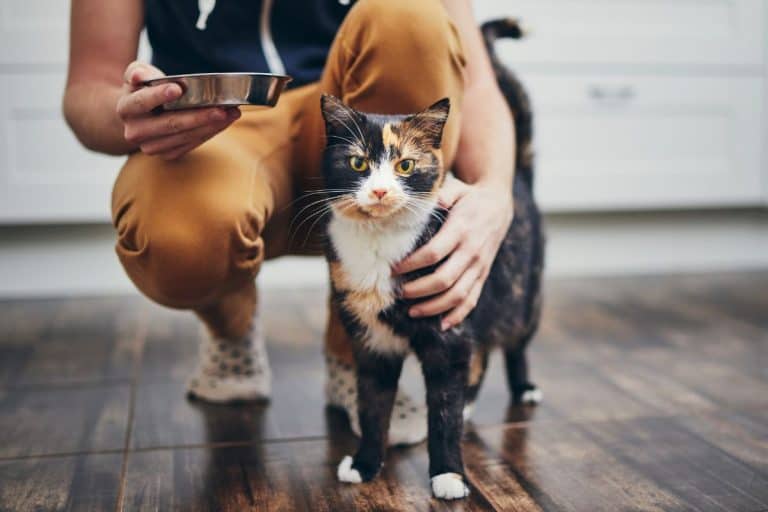
The study, reported by The New York Times, asked 31 cat owners in Türkiye to record how their cats received them when they returned home. Participants were told to behave as they normally would, allowing researchers a natural glimpse into these private reunions.
An indoor cat exploring an enriched home environment with elevated spaces, play opportunities, and comfortable places to rest.
©pixelshot/ via Canva.com
As the video footage was analyzed, a striking pattern emerged. In the critical first 100 seconds after an owner stepped inside, male caregivers received an average of 4.3 cat vocalizations, meows, purrs, or chirps. Female owners, meanwhile, heard just 1.8. The difference persisted regardless of the cat’s age, sex, or breed.
“Our results showed that cats vocalized more frequently toward male caregivers, while no other demographic factor had a discernible effect on the frequency or duration of greetings,” the research team wrote in their published findings.
Why Do Cats Save Their Words for Men?
The answer isn’t straightforward. Although the researchers did not delve deeply into the causes behind the disparity, they noted some telling correlations. Women, the data suggested, tended to give their cats more attention and were generally better at reading feline emotions. They even mimicked cat sounds more often.
This led to a possible explanation: perhaps male caregivers, who are often less attuned or responsive, require cats to be more explicit in their communication. As the researchers wrote, “It is therefore possible that male caregivers require more explicit vocalizations to notice and respond to the needs of their cats, which in turn reinforces cats’ tendency to use more directed and frequent vocal behavior to attract their attention.”
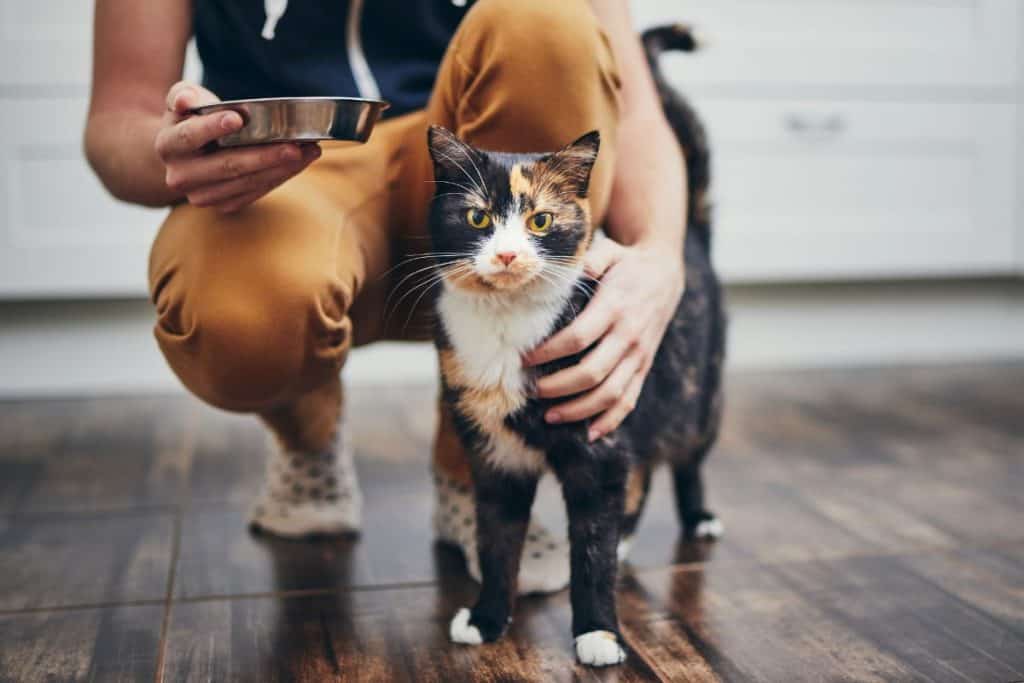
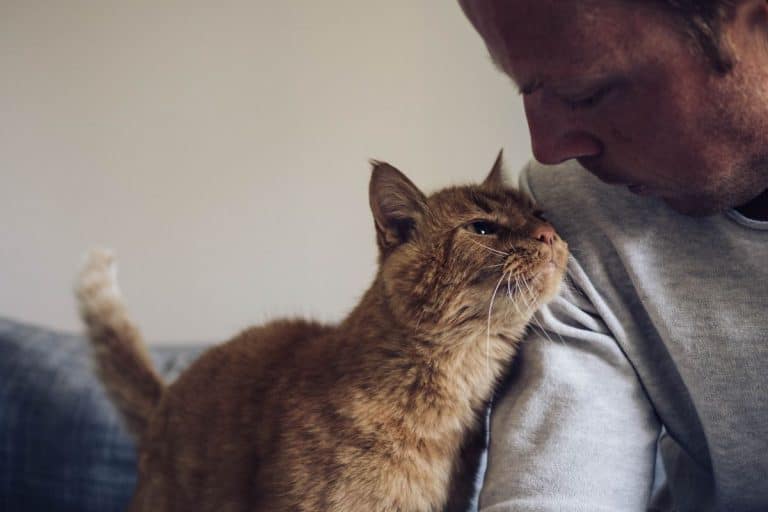
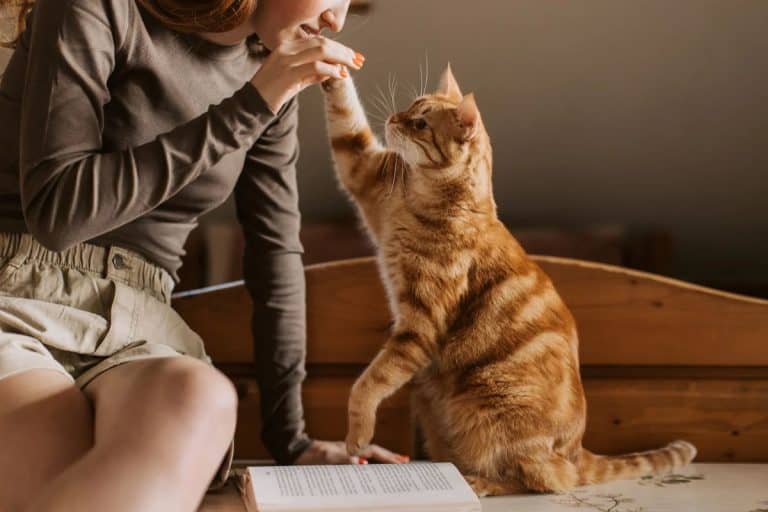
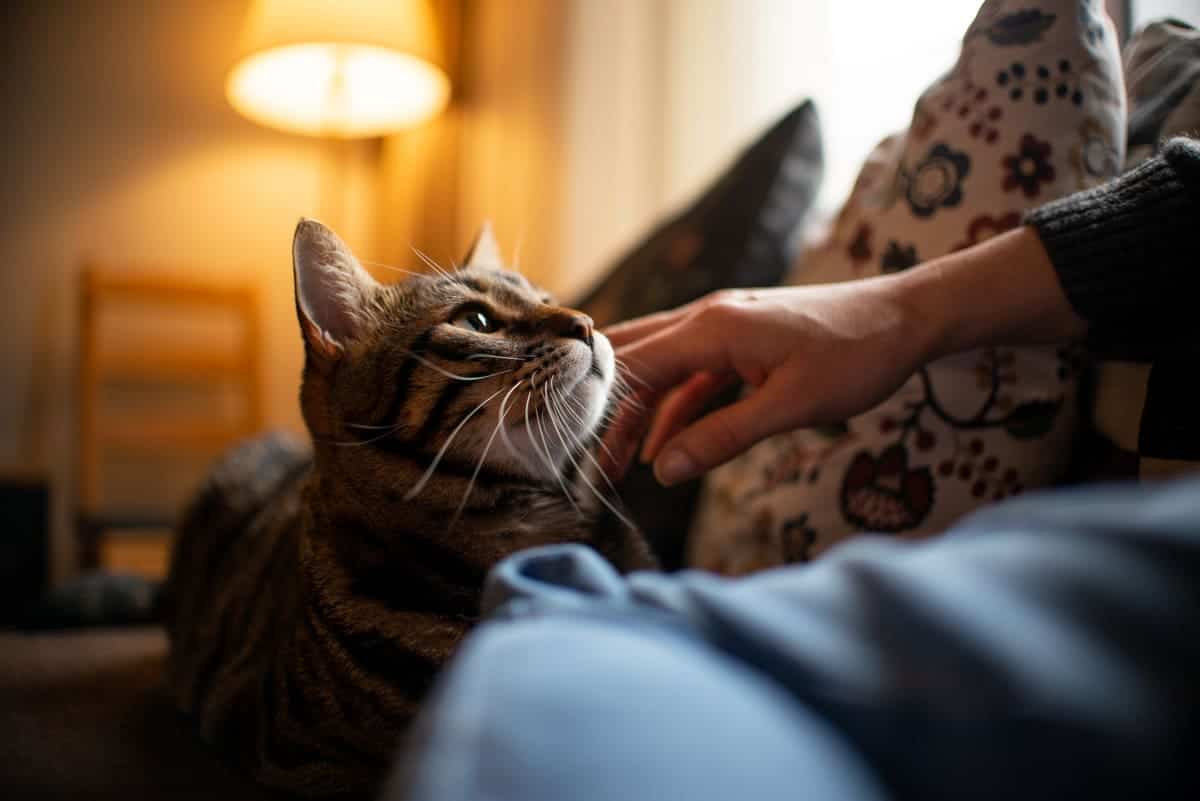
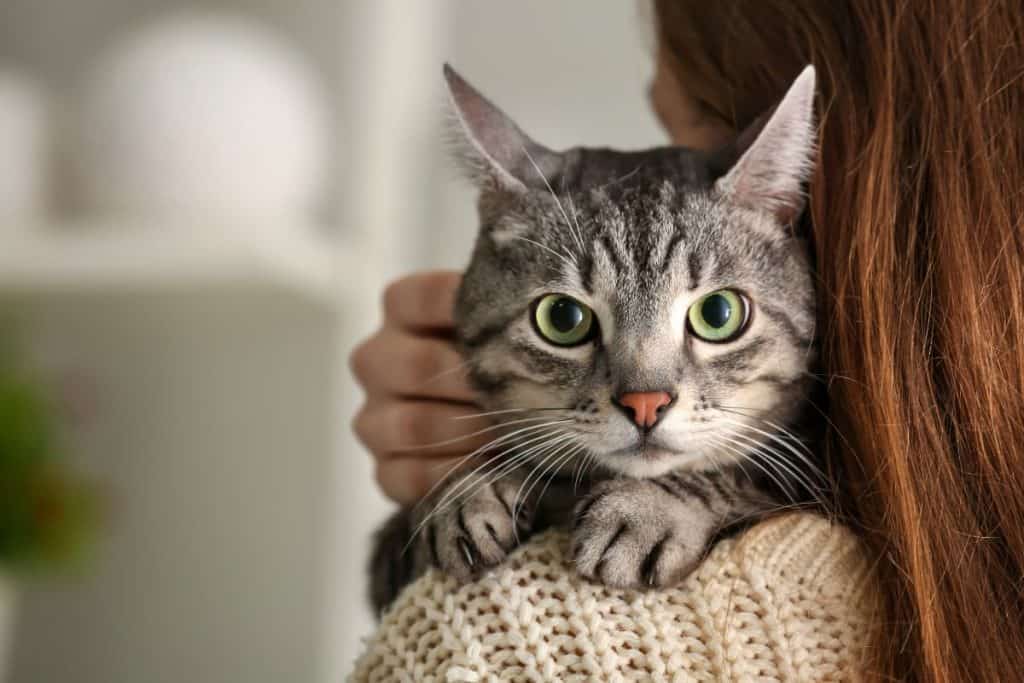
A domestic cat interacting closely with its owner, reflecting the strong associations cats can form with familiar people.
©chalabalaphotos/ via Canva.com
Cats’ Greetings: More Than Just a Meow
Throughout the study, the scientists tracked 22 different types of cat behaviors during the greeting, from stress signals like yawning to food-related movements, such as heading for the food bowl. Despite the broad range, only one behavior, vocalizing, shifted depending on whether the returning owner was male or female.
Other behaviors fell into two clusters: social behaviors (tails up, rubbing on the owner) and displacement behaviors (scratching or shaking). But meowing did not link tightly to either group. Cats, it seems, deploy their voices on a completely separate channel, distinct from other gestures of greeting, hunger, or affection.
Small Study, Large Implications
This research draws from a relatively narrow sample, all Turkish owners, just a few dozen in total, but has a notable strength: video records, rather than self-reported anecdotes, provided the evidence. The approach shores up the study’s claims at a time when much animal behavior research still depends on subjective owner observations.
The findings echo what experts have long understood: cats use their voices to demand attention, express their feelings, and, when necessary, remind us who’s in charge. But the gendered divide in their communication raises new questions about how closely cats tailor their social strategies to the humans around them.
Even after thousands of years of domestication, cats maintain an air of mystery. With each fresh insight, researchers reveal more about the evolving dialogue between pets and people, and remind us just how much we still have to learn from the animals in our homes.