
Quick Take
- A fully trained German shepherd can still develop destructive behaviors, which exposes a common misconception about what "trained" actually means for this breed. Why training never stops →
- Hip dysplasia gets all the attention, but there's another hereditary condition in German shepherds that vets compare to ALS in humans. Most prospective owners have never even heard of it. See the hidden condition →
- Their intelligence is the trait owners love most, but it is also the exact reason German shepherds become a nightmare without the right approach. How intelligence demands leadership →
- Simple daily walks leave a German shepherd dangerously understimulated, and the deficit shows up in ways most owners mistake for a personality problem. Beyond the daily walk →
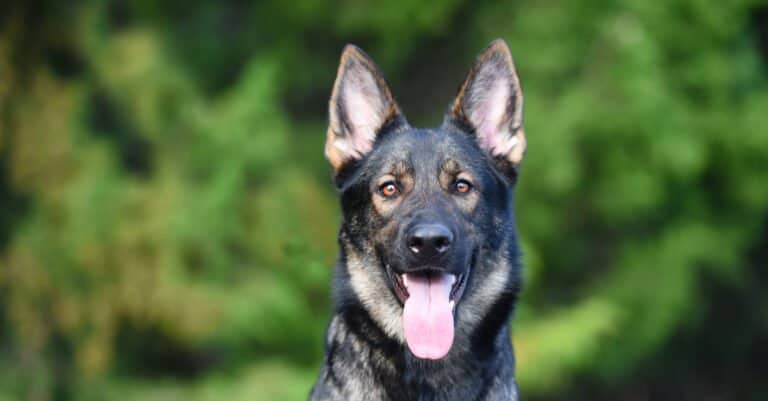
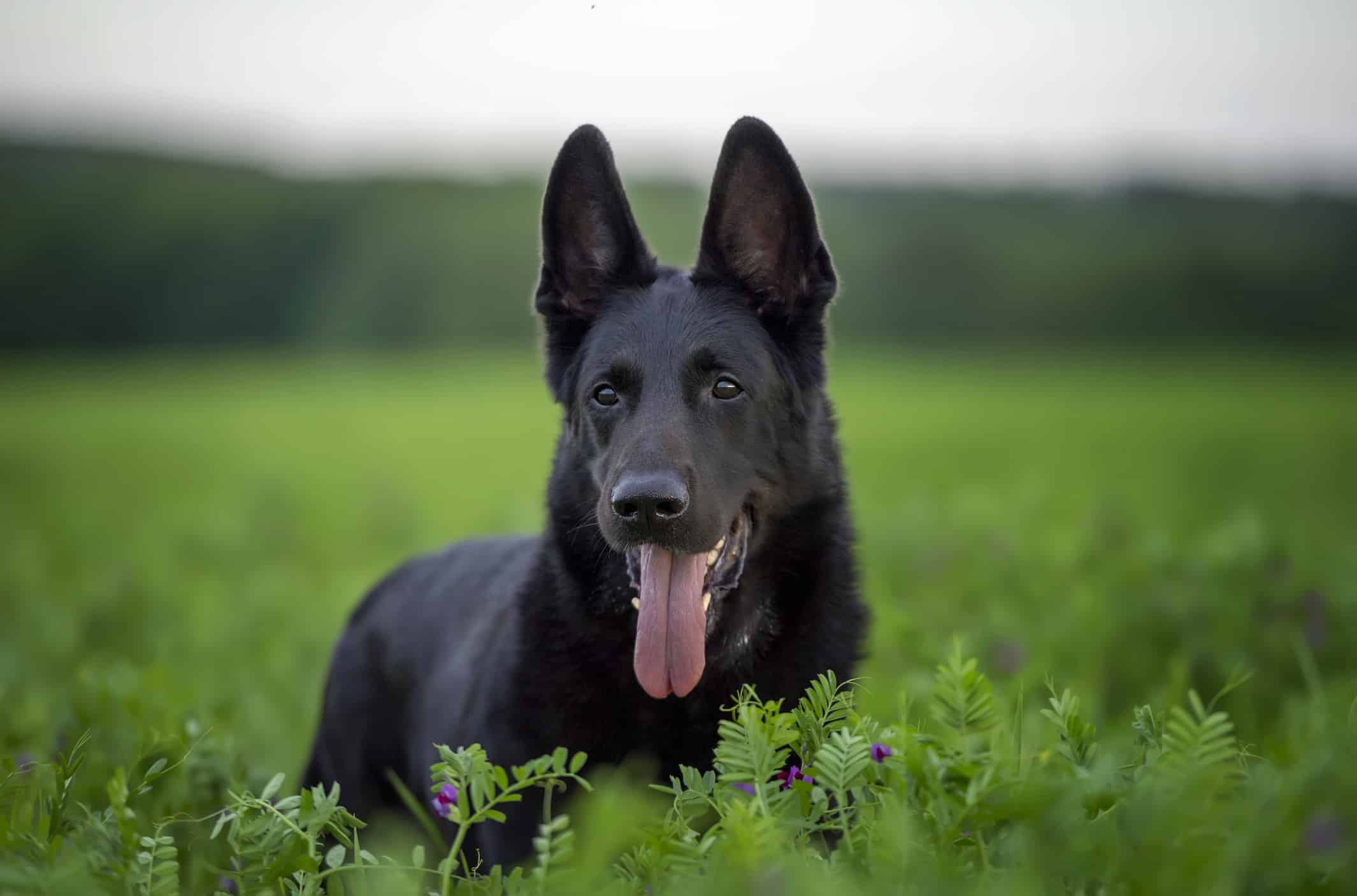
The German shepherd is a highly intelligent, courageous, and deeply loyal dog breed renowned for its protective nature. While their intelligence makes them unmatched working companions, they also form devoted bonds with their households. Because of these traits, the German shepherd is a popular family pet that thrives in active homes committed to their training and exercise. While they generally show great affection and patience, their large size and high energy require consistent socialization from a young age. Opinions regarding German shepherds as family dogs are mixed. They are not always ideal for first-time owners because of the substantial time, expense, and commitment needed to properly channel their intelligence, fulfill their exercise requirements, manage their heavy shedding, and address their propensity for illness and injury.
The Cost of Owning a German Shepherd
Bringing home a German shepherd requires being fully aware of their intense energy and the significant financial demands involved.
Although German shepherds make remarkably loyal and affectionate family companions, their intense physical and mental requirements demand significant commitment and expense.
Furthermore, genetic predispositions to severe health issues often require expensive medical treatments, ultimately making them one of the more expensive breeds to own.
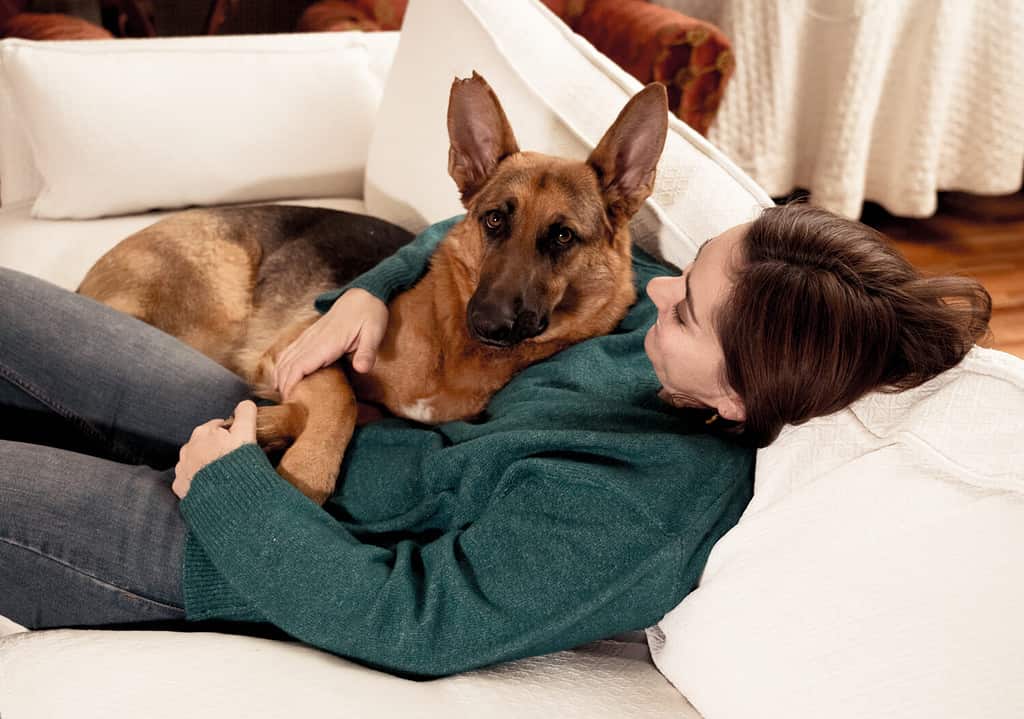
German shepherds are extremely popular pets and consistently rank as one of the most beloved dog breeds in the world.
©SB Arts Media/Shutterstock.com
Does my German Shepherd Require Training?
German shepherds are among the most intelligent and capable working breeds, possessing an exceptional ability to learn complex commands and tasks quickly. However, this high intellect requires consistent, proactive leadership; without proper training and socialization, they can become bored, anxious, or overly protective.
Because they are naturally confident and independent thinkers, a lack of firm boundaries often leads them to rule the roost, resulting in destructive behaviors, territorial aggression, or unmanageable pack-leader mentalities.
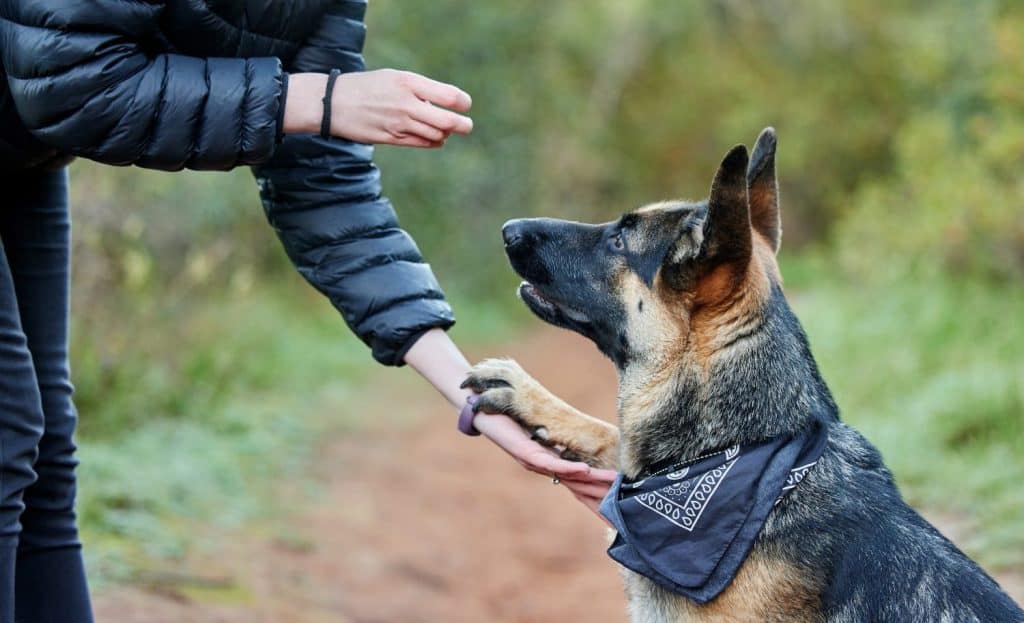
Proper training is crucial for maintaining healthy boundaries with your German shepherd.
©PeopleImages.com – Yuri A/Shutterstock.com
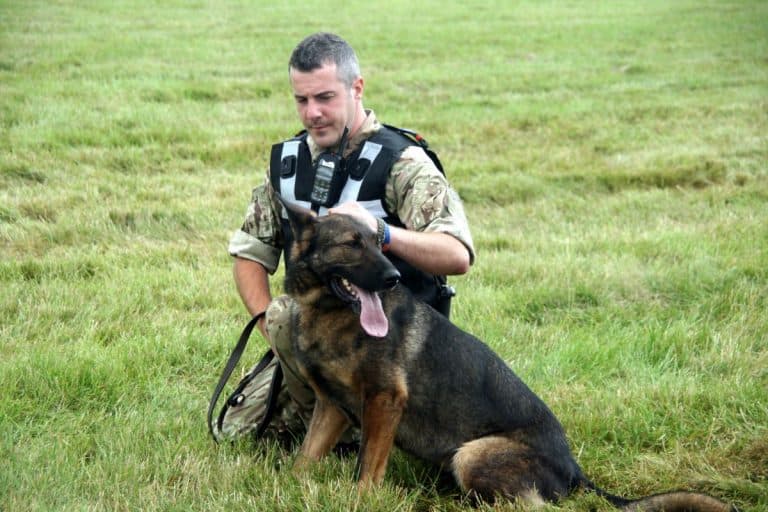
Professional training, which is an added expense, is not strictly necessary but is highly recommended for first-time German shepherd owners or for dogs showing severe behavioral issues. You can train a German shepherd yourself if you have the time, consistency, and patience to manage a highly intelligent, working-breed dog.
Daily training sessions of 15 to 30 minutes should focus on mental stimulation, impulse control, and clear boundaries to prevent them from pushing limits.
Training a German shepherd is a lifelong commitment, not a phase with an end date.
How Much Exercise Does My German Shepherd Need?
A fully trained German shepherd requires a minimum of 60 to 90 minutes of daily physical and mental stimulation to stay well-behaved. Fully trained dogs do not simply become passive; without ongoing outlets for their high energy and working intelligence, they will revert to destructive habits like chewing, digging, or pacing. While 30 minutes of intense, structured engagement is a great daily foundation, it should be supplemented with additional exercise to fully meet their needs.
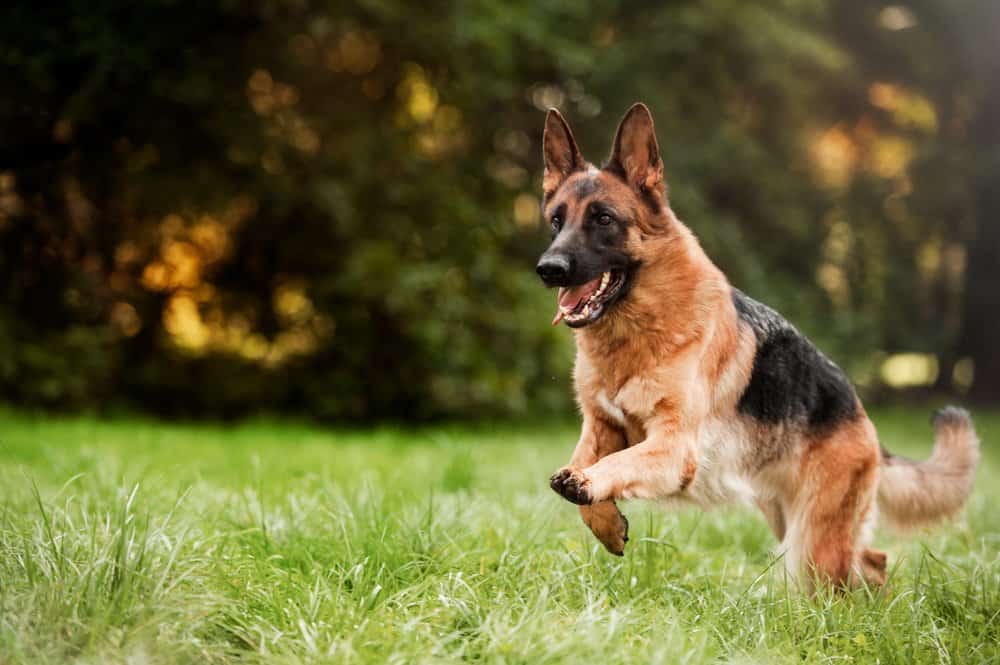
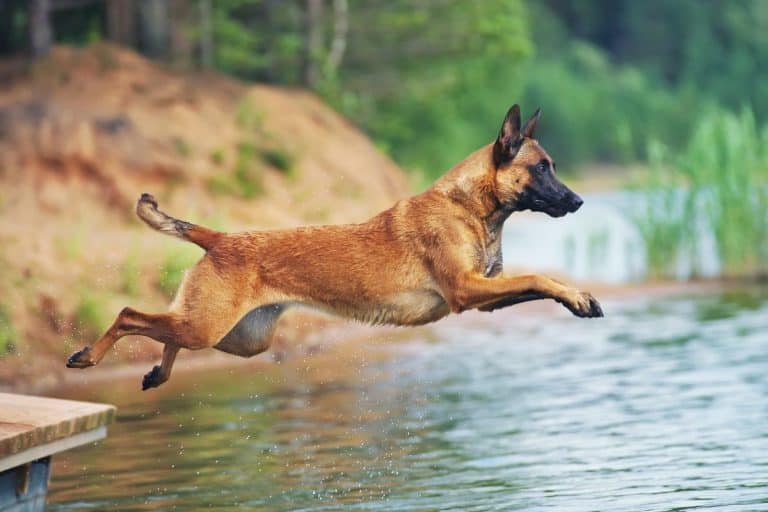
Simple leashed walks are rarely enough for an adult German shepherd. They need activities that elevate their heart rate and allow them to run.
©ANNA TITOVA/Shutterstock.com
German shepherds possess keen working intelligence that makes interactive puzzles and brain games essential for their well-being. These dogs naturally crave a job to do, and solving complex treat-dispensing toys or playing structured hide-and-seek games keeps their sharp minds active. Engaging them in mental challenges prevents boredom, channels their problem-solving energy positively, and strengthens their bond with the family.
German Shepherds Are Heavy Shedders
German shepherds require routine and time-consuming grooming due to their dense, double-layered coats. While they do not need complex haircuts or shaving, managing their constant shedding demands significant labor.
To avoid matting and keep household fur and dander at bay, thorough brushing three to four times a week using specialized tools like an undercoat rake and slicker brush is necessary.ker brush is necessary.
Are German Shepherds Prone to Many Health Issues?
German shepherds are prone to several hereditary health issues, which have been exacerbated by a combination of historical and modern breeding practices, including a focus on certain physical traits. Hip dysplasia and elbow dysplasia are the most notorious genetic defects in the breed.
Beyond joint issues, their deep chests predispose them to Gastric Dilatation-Volvulus (GDV or bloat), a life-threatening emergency where the stomach fills with gas and twists on itself. They are also uniquely prone to degenerative myelopathy (DM), a progressive and incurable spinal disease akin to ALS in humans, alongside high rates of aggressive blood-vessel cancers like hemangiosarcoma. The expense of addressing these conditions can be staggering, frequently forcing owners to face bills in the thousands.
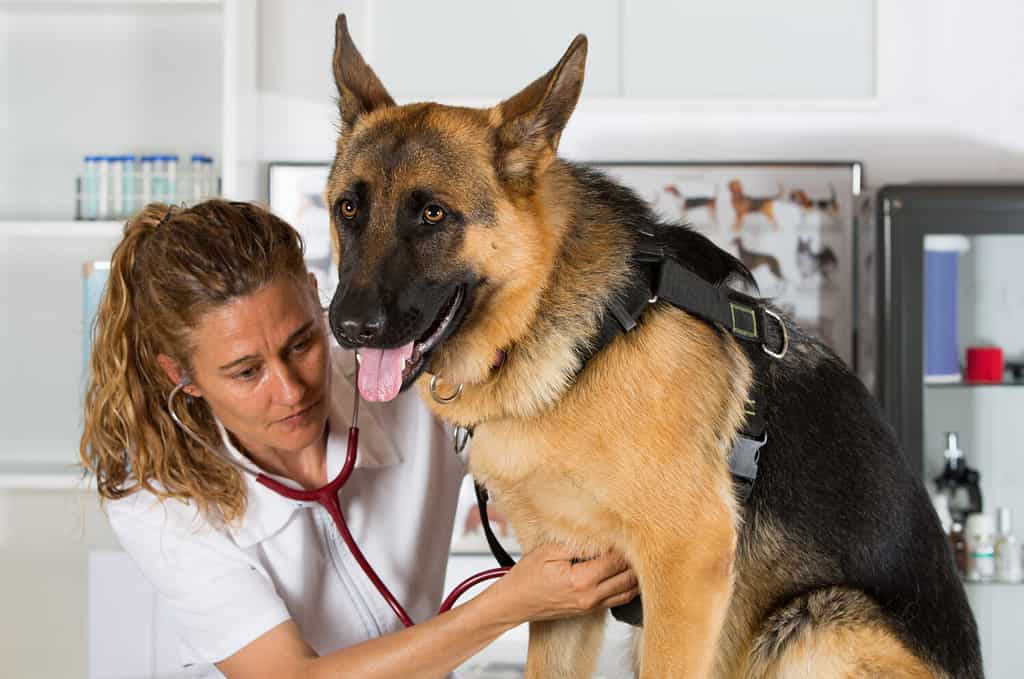
Pet health insurance is recommended for German shepherds.
©135pixels/Shutterstock.com
Because of their intense athletic drive, high speed, and heavy build, German shepherds are highly prone to acute orthopedic and soft-tissue injuries. These injuries are often worsened if the dog has underlying hip or elbow dysplasia.