Quick Take
- These massive dogs jump out of helicopters to save drowning strangers, but that is not even the most impressive thing they do. See helicopter rescues →
- Most of these dogs show a drive to rescue people in water before they ever receive a single day of training.
- Their size looks like a disadvantage in the water, but it is actually their secret weapon.
- There's a reason Italian coast guards chose this specific breed over all others for ocean rescues, and it goes beyond swimming ability. See why coast guards chose them →
Dogs are man’s best friend, and for good reason! They are loyal and extremely lovable. Not only are dogs great companions, but they are also amazing at helping humans in dangerous situations. Medical dogs, police dogs, and rescue dogs all do their parts to help keep us safe. This Instagram post by @ocean.destinations talks about Italian Newfoundland dogs who work as lifeguards of sorts to save those in the ocean. Read here to learn more!
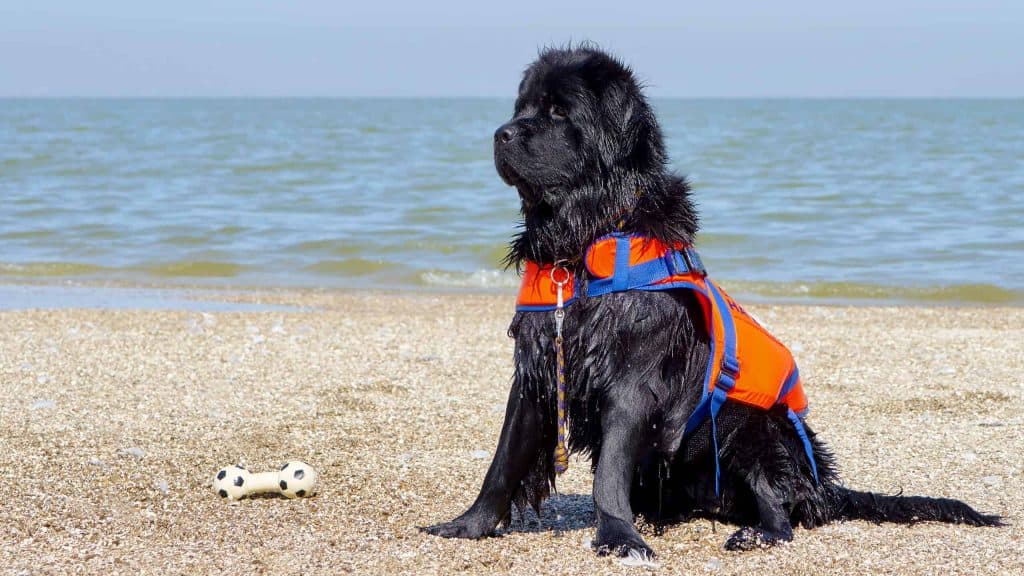
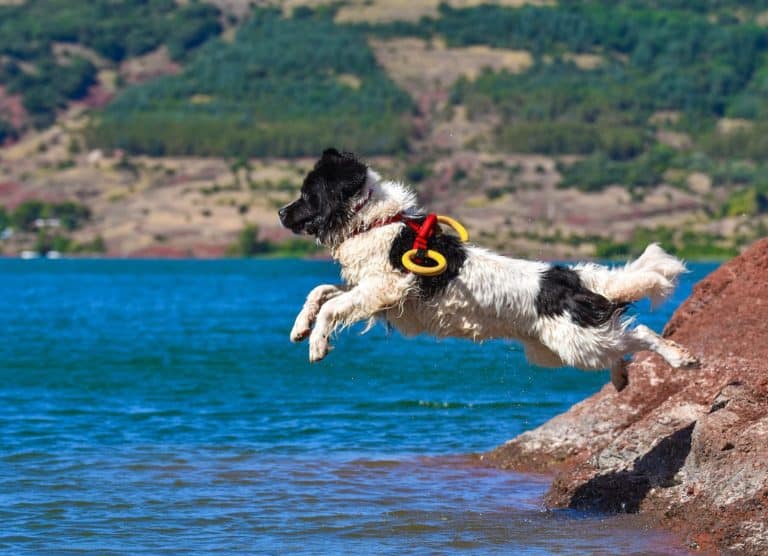
Newfoundlands are excellent swimmers who have a water-resistant coat and webbed feet!
©Olefirenko Vitaly/Shutterstock.com
About Newfoundland Dogs
Newfoundland dogs are the giants of the sea! These dogs originated in Newfoundland and Labrador, the easternmost province of Canada. Originating specifically on the island of Newfoundland, these dogs assisted fishermen with a number of tasks, such as hauling nets through the water. Over time, they became the perfect dog for the water thanks to a few traits. For one, Newfoundland dogs have webbed feet that make them excellent swimmers, and a thick double coat to keep them warm in the water. Their sturdy and robust bodies give them the power and strength to manage their difficult tasks. Newfoundland dogs typically weigh between 100 and 150 pounds and stand about two and a half feet tall at the shoulder.
Despite their large and intimidating size, Newfoundland dogs are gentle giants. They are perfect for intense jobs and rescue missions thanks to their calm and empathetic nature. These dogs are protective without being aggressive, a balance needed for their work. This protectiveness is instinctual, and most Newfoundland dogs will show a desire to rescue even without formal training. Their ability to remain calm and think clearly under pressure highlights their remarkable intelligence.
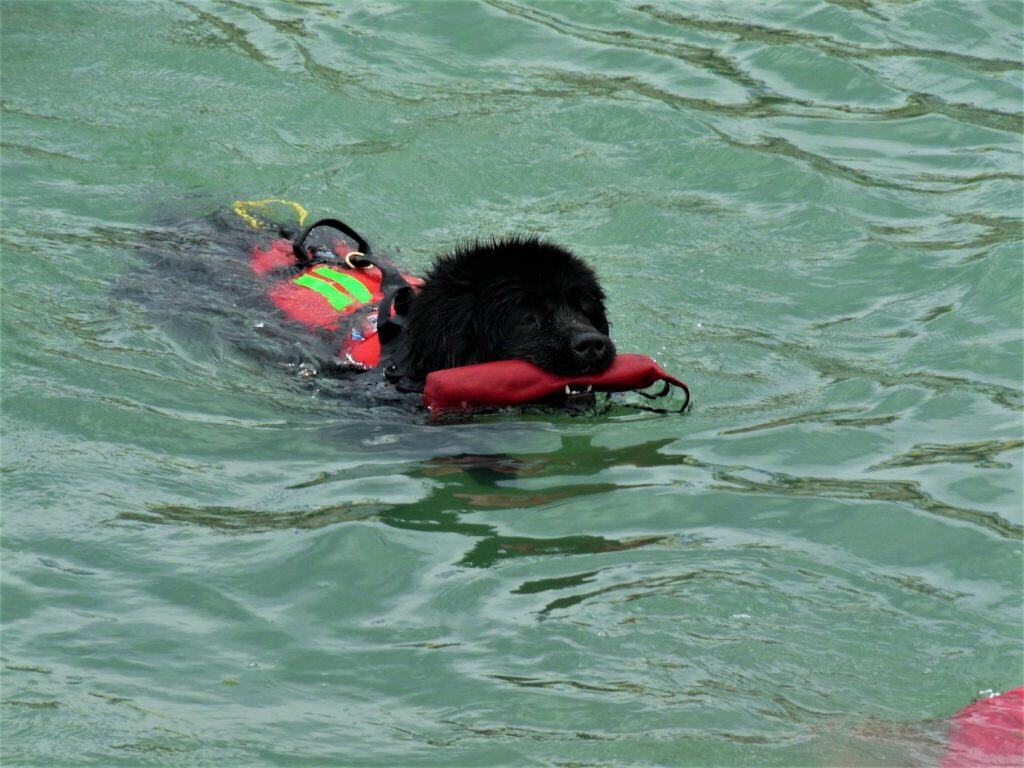
Newfoundland dogs have great saving instincts, but also go through special training to save people.
©goumi/Shutterstock.com
How They Save Lives
As seen in the post above, Italian Newfoundland dogs are hard at work saving those in danger at sea. This is not a new phenomenon, as this breed has been saving lives in the waters around Newfoundland Island for decades. With such strong bodies and webbed feet, they can easily swim long distances without tiring too much. These dogs have a few main jobs in the water. For example, they wear special harnesses that people drowning or panicking in the water can hold onto. Another job is towing victims or even small boats back to shore. This demonstrates their incredible strength and willingness to help.
One of the most impressive—and also dramatic—aspects of their job is participating in helicopter rescues. As seen in the post above, the dogs jump straight out of helicopters into the water. Given how far some boats or victims may drift, reaching them by helicopter is often the quickest way to save lives. After jumping into the water, Newfoundland dogs use their incredible strength to perform rescues. These dogs can tow up to ten times their body weight, meaning they are capable of making some amazing rescues. Thanks to their hard work, countless lives have been saved!