
Quick Take
- Emperor penguins use a hidden physical trick to dramatically multiply their underwater speed, and this ability is built right into their feathers. See the air bubble trick →
- Climbing onto Antarctic ice isn't just impressive. For an emperor penguin, a slow exit can be fatal. See how speed saves lives →
- Emperor penguins hold a diving record that no other bird comes close to, and their feeding trips cover distances that are hard to believe. Explore their diving records →
- Their belly-flop landing looks like a blunder, but it's actually the smartest way to stick the exit. Watch the belly-flop landing →
Emperor penguins may be flightless birds, but put them underwater and the situation changes completely. This remarkable footage was captured off Cape Washington in Antarctica’s Ross Sea, where emperor penguins travel between their colony and the open ocean to feed. According to the National Geographic team that filmed them, these feeding trips can keep the birds at sea for roughly 10 days to three weeks before they return to the colony.
That creates a steady stream of penguins entering and leaving the water. Getting in is relatively simple. Getting back onto the ice is a much more impressive operation. Emperor penguins can accelerate toward the surface, burst completely out of the water, and land on the ice on their bellies. That speed is useful for more than sticking the landing. Leopard seals prey on penguins, making the transition between water and ice one of the times when a quick exit can really matter.
Watch the Action Now
How Do Emperor Penguins Exit the Water?
Emperor penguins are the largest living penguin species, standing just over four feet tall at the upper end of their range and weighing as much as about 40 kilograms, or 88 pounds. They may look a little awkward walking across the ice, but underwater they are exceptionally capable swimmers. The footage here gives us an unusual look at how they build enough speed to launch their entire bodies clear of the water.
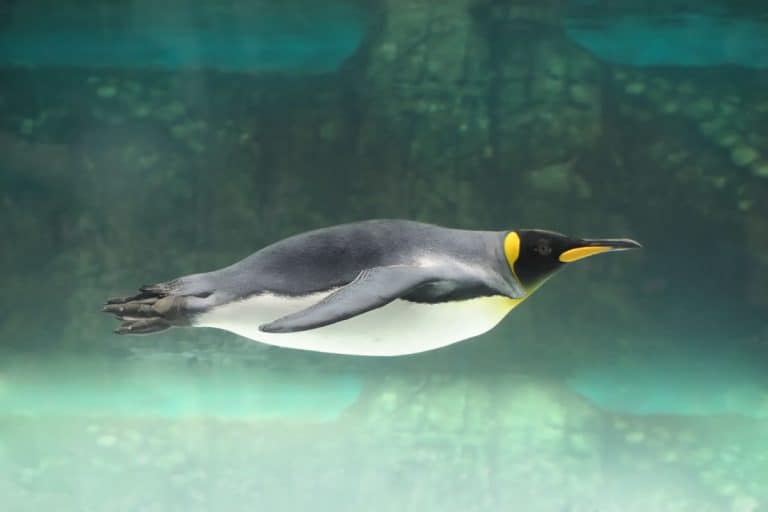
The penguins begin accelerating below the surface before making their final approach to the ice. One of their tricks is especially clever. Air trapped within their dense feathers can be released as tiny bubbles around the body. That layer of bubbles reduces drag between the penguin and the surrounding water, allowing it to accelerate rapidly. Research described by National Geographic found that emperor penguins can briefly double or even triple their swimming speed this way, giving them the burst they need to shoot toward the surface.
From above the water, the result is every bit as impressive. A penguin suddenly rockets out of the sea, becomes airborne for a moment, and usually comes down belly-first on the ice. It may not be the most graceful landing in the animal kingdom, but grace is probably not the priority. The combination of speed and momentum lets the penguin clear the edge of the ice quickly, which can also reduce the amount of time it spends near predators such as leopard seals.
What Do Emperor Penguins Normally Eat?
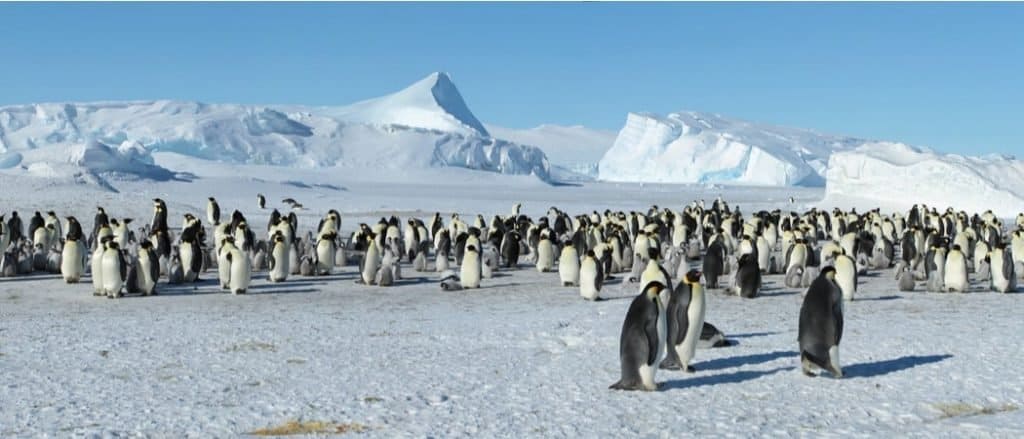
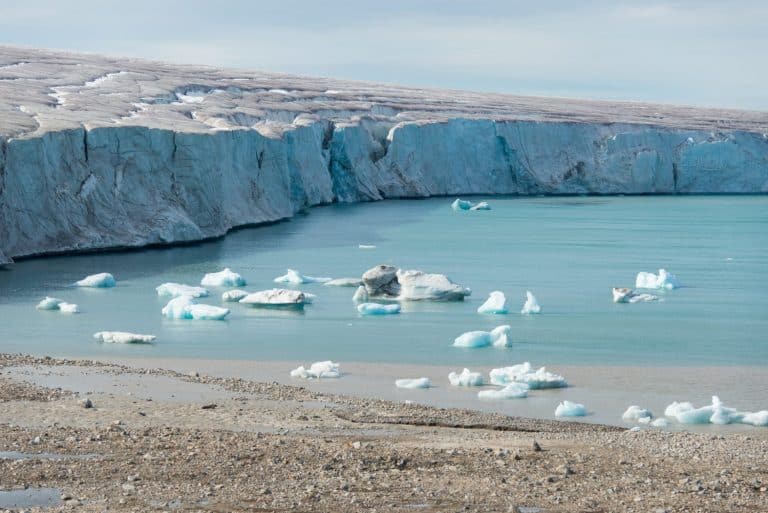
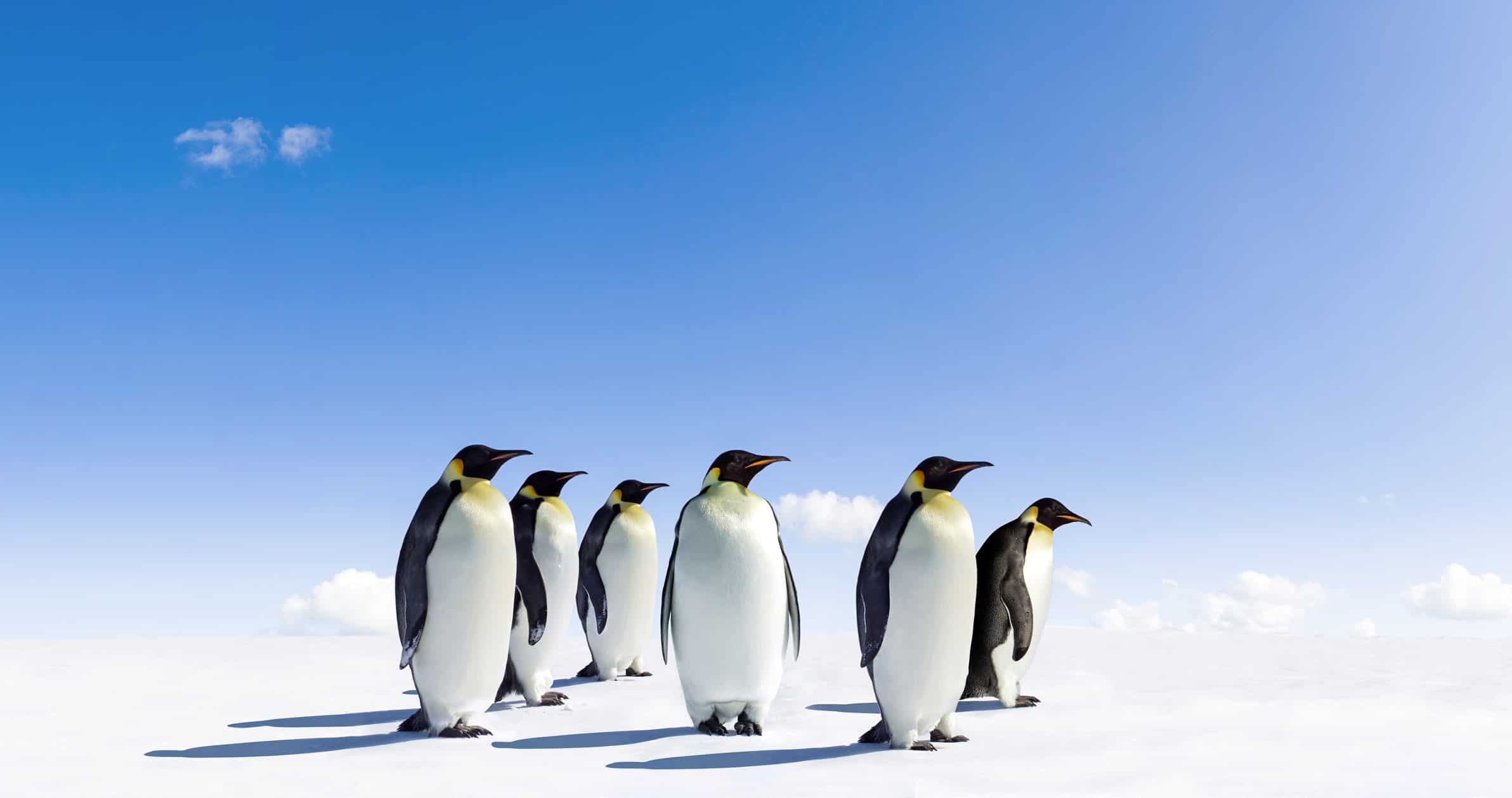
Emperor penguins breed around the Antarctic continent, usually on fast ice, and forage in surrounding marine waters.
©Sergey 402/Shutterstock.com
Emperor penguins are true Antarctic birds. Their breeding colonies are scattered around the continent, and most are located on fast ice, which is sea ice attached to the coast or held in place by features such as grounded icebergs. Outside the breeding colony, the penguins forage in pack ice and open water, traveling considerable distances when necessary to reach productive feeding areas.
These birds are carnivores and feed mainly on fish and krill, along with squid and other cephalopods. The exact menu changes with location and season, but Antarctic silverfish are among their most important prey. Penguins are well equipped for catching slippery meals. Their tongues and mouths contain stiff, backward-pointing bristles that help grip fish and other prey before it can escape.
Emperor penguins are also the deepest-diving birds known. Most of their feeding dives reach roughly 100 to 200 meters, but the deepest recorded emperor penguin dive reached 565 meters, or about 1,854 feet. A typical dive lasts around three to six minutes, although researchers have recorded exceptional dives lasting as long as 22 minutes. Their longer foraging journeys can cover hundreds or even thousands of miles over many weeks, but those distances are made through repeated dives and travel rather than one impossibly long plunge beneath the ice.