
Sharks are portrayed as terrifying predators on the prowl for human flesh, but in reality, sharks are custodians of the ocean, playing a crucial role in maintaining the health of the world’s marine environments. The Greenland shark is no exception. As apex predators, Greenland sharks help keep the waters of the North Atlantic and Arctic oceans clean and free of debris. So, what do these magnificent marine animals eat? Grab your snorkel and fins as we take a deep dive into the diet of the Greenland shark.
An Overview of the Greenland Shark
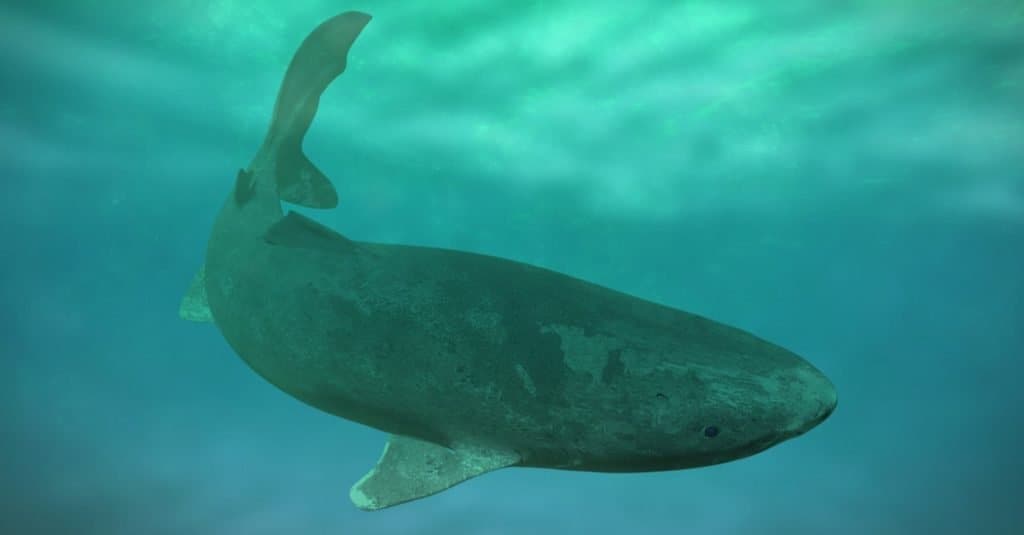
Greenland sharks are native to the North Atlantic waters around Greenland, Canada, and Iceland.
©Dotted Yeti/Shutterstock.com
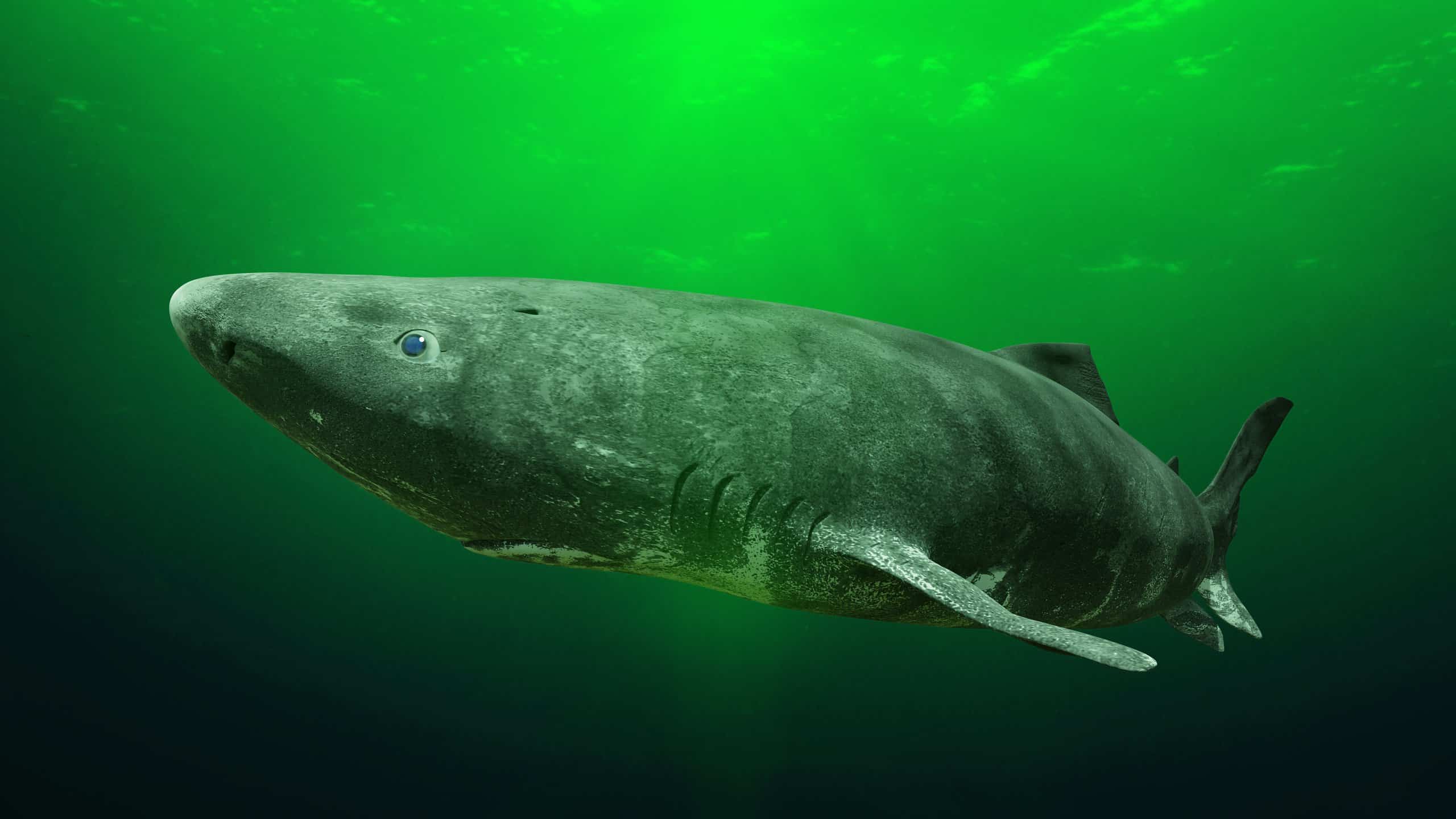
Greenland sharks (Somniosus microcephalus), also called gurry sharks or grey sharks, are members of the Somniosidae family of sleeper sharks. These animals get their name from their characteristically sluggish behavior. However, don’t let the name fool you. These sharks aren’t sleepy at all, but they are slow, swimming at a top speed of just 1.8 mph. Greenland sharks are ambush predators whose sluggishness is key to their hunting strategy. Their slow movement often goes undetected by unsuspecting prey.
Among the largest sharks, these behemoths are between 16 and 23 feet long and can weigh over 2,000 pounds. Their short snout and small eyes, fins, and gill openings contrast with their huge size. Greenland sharks have mottled gray, brown, and black skin. These fish also have an incredible lifespan, reportedly living between 250 and 500 years.
What Do Greenland Sharks Eat?
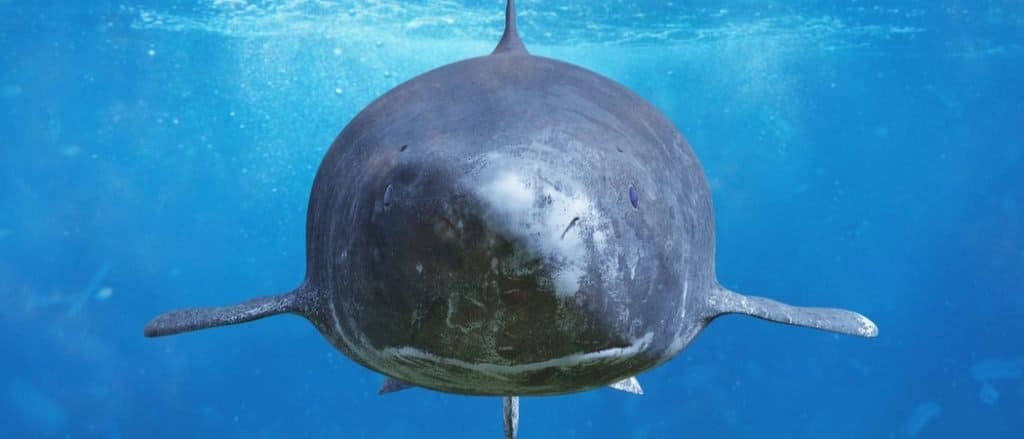
Greenland sharks are opportunistic predators, consuming cephalopods, fish, marine mammals, and carrion.
©Dotted Yeti/Shutterstock.com
Greenland sharks are not finicky eaters. Although they are enormous, opportunistic apex predators, these sharks are not particularly aggressive. There are also no verified instances of these gentle giants attacking humans. Greenland sharks feed using inertial suction. They rapidly open their mouths, creating negative pressure and a high-speed flow of water into their mouths. This action also pulls prey into their mouths, so they don’t have to chase it.
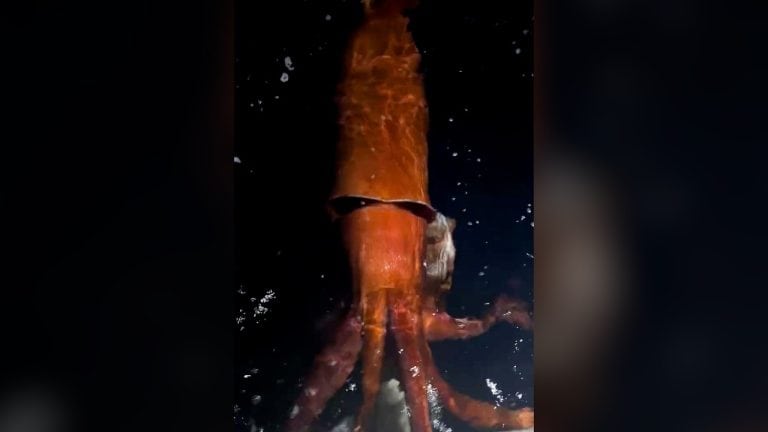
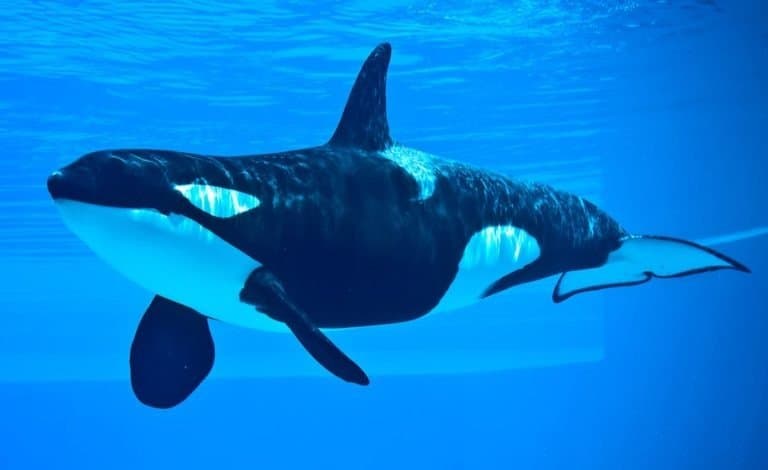
Greenland sharks eat fish such as Arctic char, cod, Greenland halibut, haddock, herring, lumpfish, rosefish, skate, and wolffish. They will also feast on eels, sea birds, seals, squid, smaller whales, and carrion. They’re drawn to the scent of fresh prey, but are just as likely to track the stench of rotting animal flesh — including the carcasses of decaying land animals. Greenland sharks have been discovered with the unlikely remains of reindeer, horses, and even polar bears in their bellies. Their diets also vary depending on age. Younger, smaller sharks are said to prefer squid, while older sharks favor fish and marine mammals.
How Are the Greenland Shark’s Age and Diet Related?
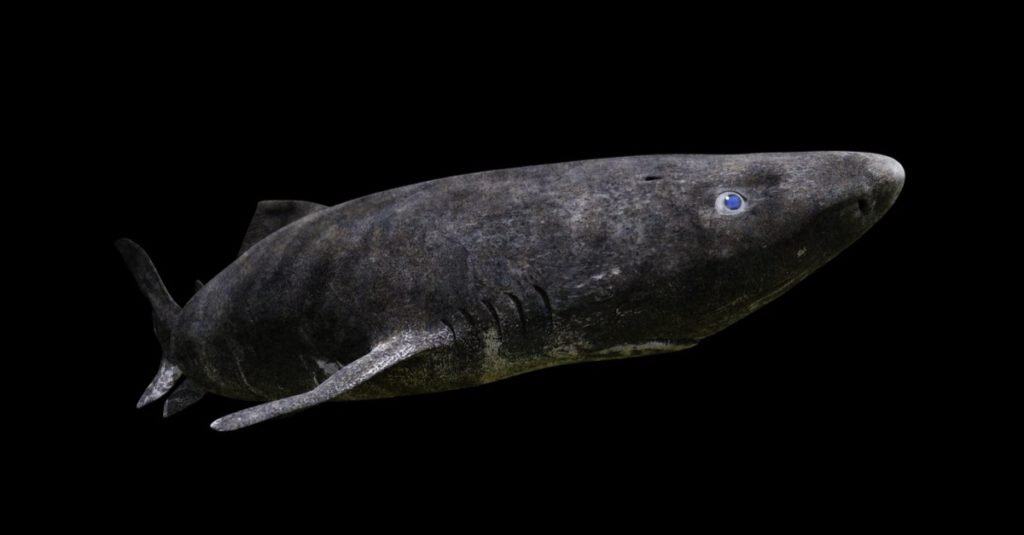
Greenland sharks aren’t adults until they’re over 150 years old.
©Dotted Yeti/Shutterstock.com
One theory that explains the Greenland shark’s long lifespan is that it has a very slow metabolism, which is an adaptation to the deep, icy waters it calls home. They have been recorded diving as deep as 6,500 feet, which is over 1.2 miles. The shark’s slow metabolism allows it to survive on surprisingly little food. Experts believe they can survive on as little as 2–6.5 ounces of food per day.
The Greenland shark’s slow metabolism could also explain why it grows so slowly and moves so sluggishly. These sharks only grow about 0.4 inches per year. Their slow growth is why they don’t reach sexual maturity until they are over 150 years old. Researchers explain these sharks do not sexual maturity until they reach over 13 feet in length, which they believe corresponds to around 156 years old, plus or minus about 22 years.