
The opossum or possum—either term is accepted—is the OG at feigning death. “Playing possum” refers to an idiom that describes the act of pretending to be dead or asleep, so that someone or something loses interest in you and declines to annoy or attack you. How apropos, then, that the ones known for faking death to avoid it are also the ones snacking on those that were unable to.
The diet of United States’ only marsupial, the Virginia opossum, is pretty simple. This animal prefers good old-fashioned animal matter, principally insects and carrion. But regardless of their preferences, possums are omnivores and happily eat vegetable matter, fruit, nuts, grains, and even dog or cat food.
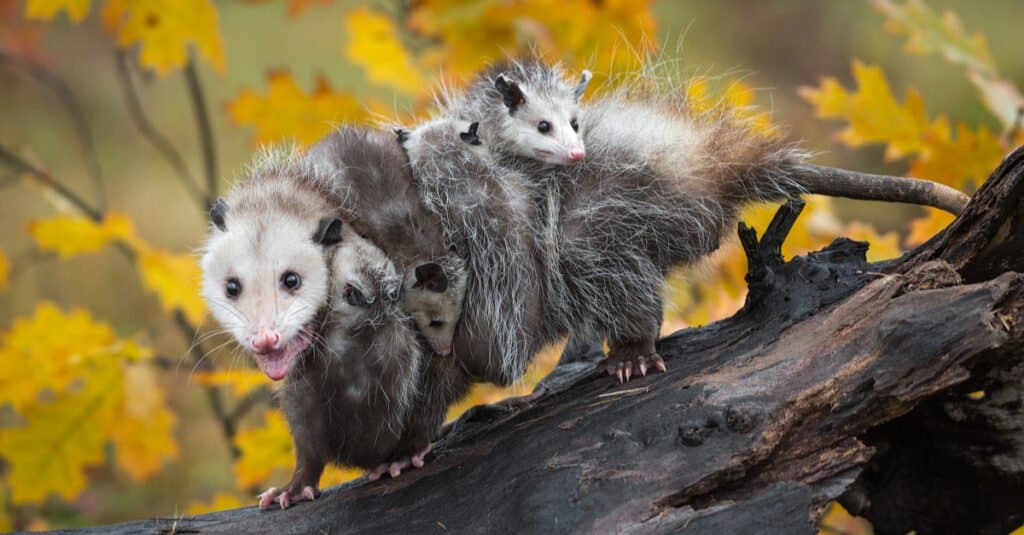
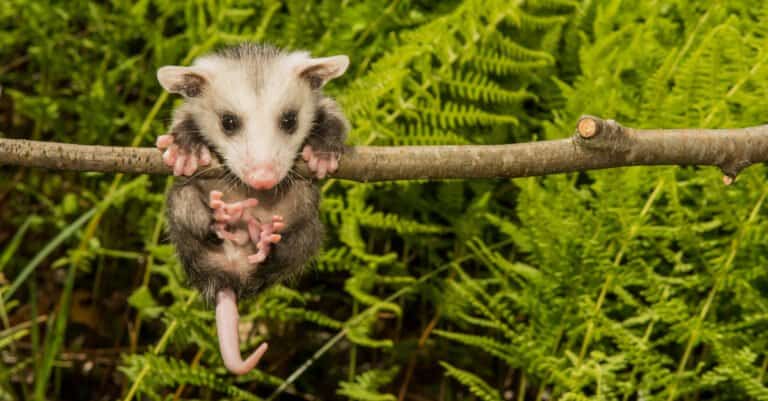
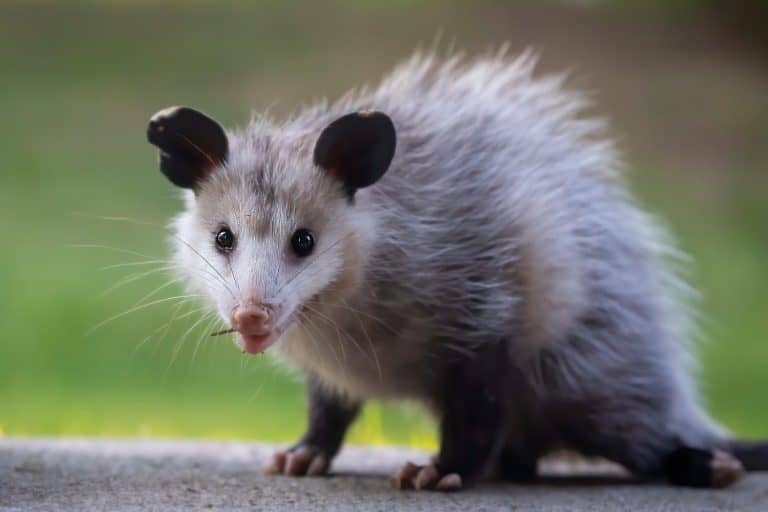
The Virginia opossum is the only marsupial to live in the United States.
©Holly Kuchera/Shutterstock.com
Didelphis virginiana occurs from southern Canada to northern Costa Rica and throughout most of the United States, except for the Rockies, most western plains states, and parts of the northern U.S. This house cat–sized marsupial was originally mostly in the eastern and central United States before its introduction to the west coast states.
Since much of its range in North America experiences harsh winter conditions, one might expect that this possum joins other mammals in hibernating to escape them. This animal does not hibernate. Possums hunker down in their burrows or dens and wait it out, popping out for fresh air and a meal—usually an opportunistic one.
Possums scavenge for their food, and when the weather turns south in the north, they can and do seek refuge in burrows and dens near reliable food sources, occasionally known as your home. Many see these animals as pests for their propensity to forage for food scraps and leftovers placed in compost bins and trash cans. In short, possums will just about anything.
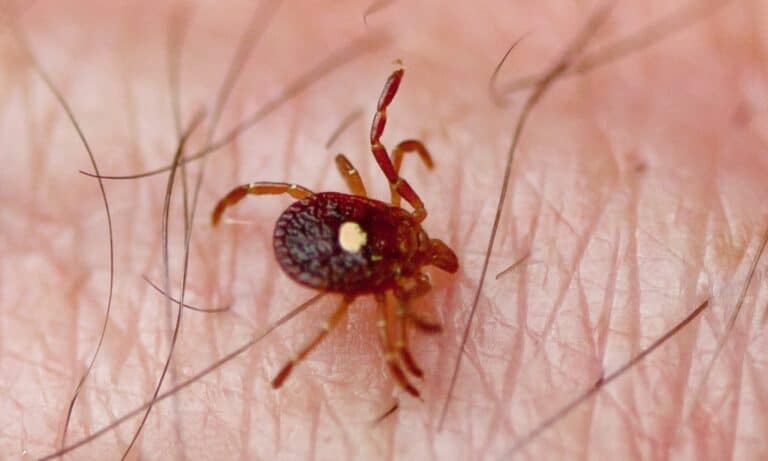
Most anything. Tick ticks off the list of foods that possums eat. Claims and memes abound on the Internet boosting of these (alleged) ravenous tick-eaters. Despite this, a study conducted between 2017-19 concluded that possums aren’t tick-eating machines. The research conducted by Cecilia Hennessey and Kaitlyn Hild examined the stomach contents of 32 possum carcasses. None of them contained one single tick.
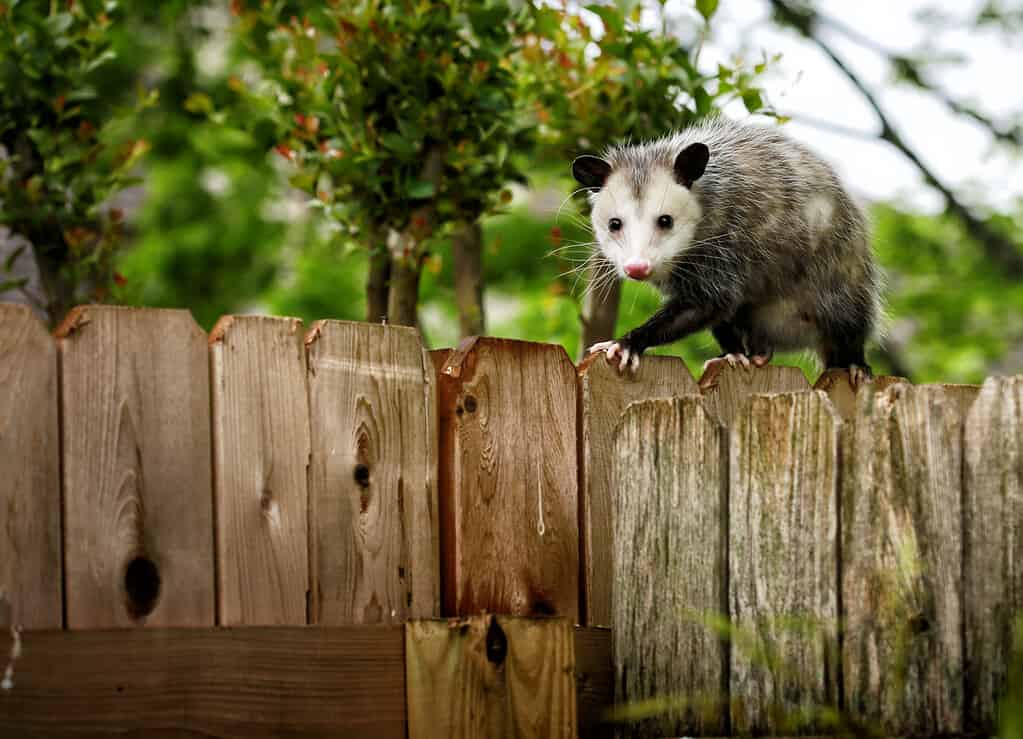
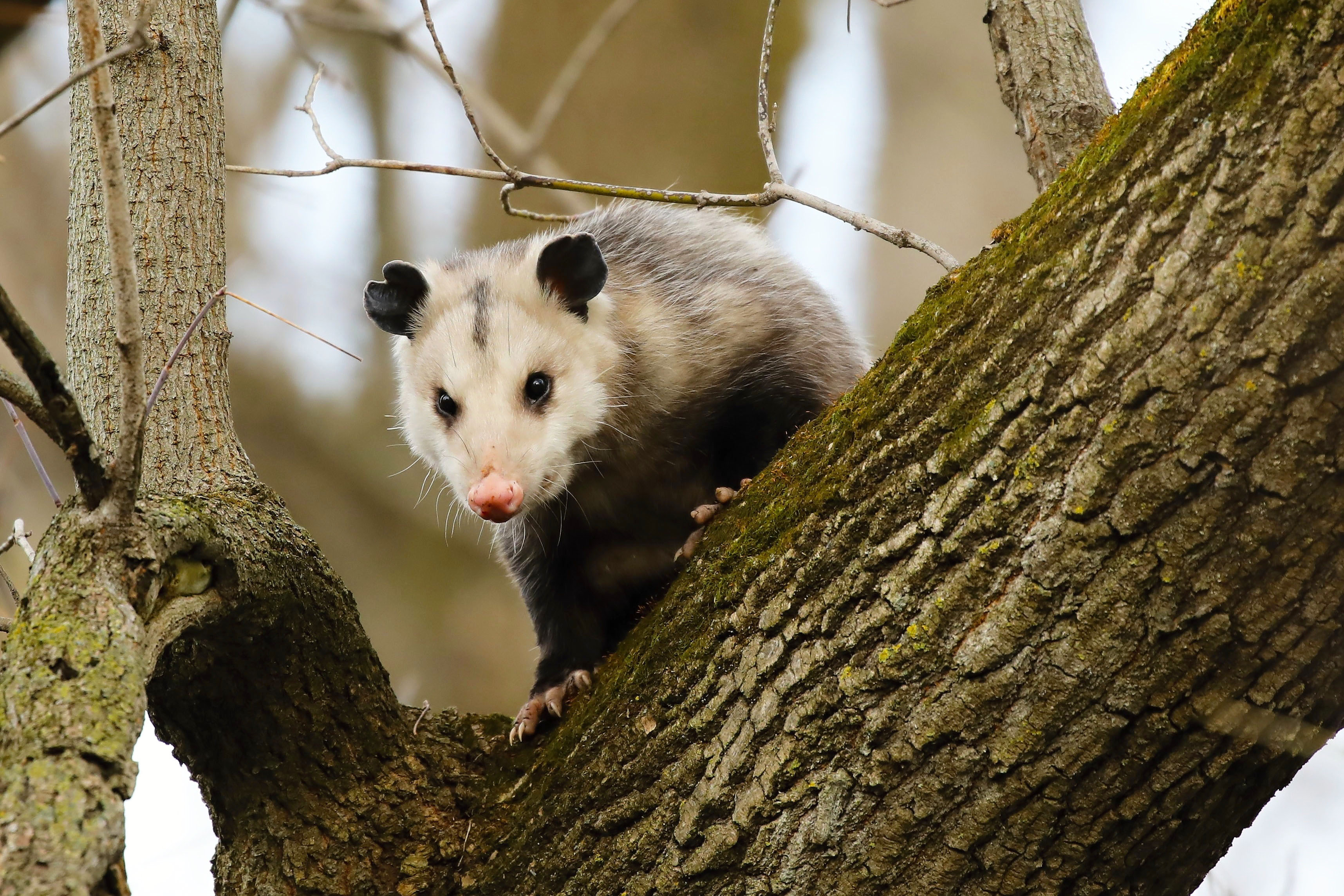
Regardless of what the memes say, possums do not consume ticks.
©galinast/iStock via Getty Images
In recapping the results of their findings in 2023, Hennessey writes in Outdoor Illinois Journal, “We wrote up our results…and the findings were clear: there were no ticks in the stomachs and there were no published reports of ticks in the diets of Virginia opossums.”
Wait! At the top of this article, it says possums eat insects. You are correct. However, ticks are not insects. While most bug-esque things including ticks are classified in the same domain (Eukaryote), kingdom (Animalia), and phylum (Arthropoda), they diverge at class. Ticks belong to the Arachnida class, not Insecta. It boils down to the number of legs, the presence of wings and antennae or the lack thereof, and body composition.
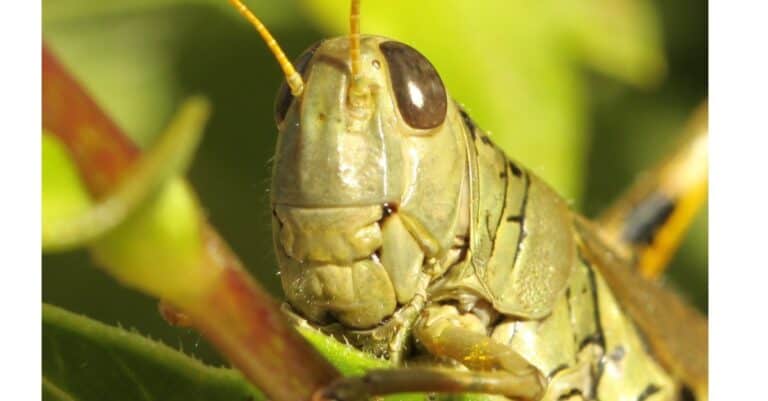
Insects are so classified because they have six legs, antennae, up to two sets of wings, and a three-part body comprised of the head, thorax, and abdomen. Arachnids, of which ticks are one, feature eight legs, no antennae or wings, and a two-part body comprised of the head and thorax fused together to form what is called the cephalothorax and abdomen.