


N S W E
Wildlife Expeditions

Wildlife of
United States

The United States of America stands out for an unparalleled sweep of habitats-from Alaska's Arctic wilderness to Florida's subtropical wetlands-where visitors can encounter iconic megafauna like bison, bears, wolves, and alligators alongside some of the planet's greatest bird migrations.
1,276 Species
58 Regions
9,147,420 km² Land Area
Overview

About United States

Wildlife in the United States is defined by vast scale and striking ecological variety, with a natural heritage shaped by glaciers, great rivers, fire-adapted forests, sweeping grasslands, and rugged mountain ranges. This diversity supports everything from caribou and polar bears in Alaska to desert specialists in the Southwest, and from coastal marine life to rich temperate forests. The country's modern wildlife story also includes notable recoveries of once-imperiled species through science-based management, habitat protection, and landmark environmental laws-making it a compelling destination for travelers interested in both wilderness and conservation outcomes.

Key ecosystems are among the most recognizable on Earth: boreal forest and tundra in Alaska; the Rocky Mountains' alpine and montane habitats; the Great Plains prairies where bison have returned to many protected areas; the Pacific coast's kelp forests and whale migration corridors; the Sonoran, Mojave, and Chihuahuan deserts with specialized reptiles and birds; and the southeastern wetlands-especially the Everglades-supporting alligators, wading birds, and rare panthers. An extensive protected-area network (national parks, wildlife refuges, and state lands) underpins these landscapes, providing large connected habitats and critical stopover sites on major migratory flyways that move millions of birds across the continent.

Globally, the U.S. plays a major role in conservation through research institutions, funding, species recovery expertise, and international agreements that support migratory birds and marine species. While not part of African conservation, it is a significant contributor to global biodiversity protection and a leader in large-landscape conservation planning. The wildlife experience is uniquely varied: visitors can watch wolves in snowy valleys, witness bison herds on open plains, kayak among manatees or sea otters, or stand on a coastal headland during whale season-often with excellent infrastructure, guiding options, and world-class protected areas that make remote nature accessible.

Physical Features

Geography

The United States spans a continental-scale gradient of climate and terrain-from Arctic Alaska to tropical and subtropical coasts-creating major habitat contrasts that shape wildlife ranges, migration, and endemism. Mountain chains (Rockies, Appalachians, Sierra Nevada/Cascades) drive elevation-based zonation and wildlife connectivity/barriers; vast grasslands and deserts structure wide-ranging mammals and specialized arid-adapted species; and long coastlines plus large wetland complexes support seabirds, marine mammals, waterfowl, and globally important migratory flyways. Major river basins (Mississippi-Missouri, Colorado, Columbia, Rio Grande) and coastal estuaries concentrate biodiversity and act as movement corridors, while Alaska's tundra/taiga and the Hawaiian archipelago add distinct high-latitude and island biotas.

9,147,420 km² (land area) Land Area
3rd largest country by land area (after Russia and China); roughly comparable in size to all of Europe Size Rank

Key Landscapes

  • Alaska Arctic tundra, Boreal taiga, and extensive coastal/marine systems (Bering Sea, Gulf of Alaska)
  • Rocky Mountains (Yellowstone-to-Yukon corridor, alpine and subalpine habitats)
  • Sierra Nevada and Cascade Range (montane forests, snow-fed watersheds)
  • Appalachian Mountains (high biodiversity temperate forests and headwaters)
  • Great Plains prairies and shortgrass steppe (historical bison range; grassland bird strongholds)
  • Desert basins and ranges (Mojave, Sonoran, Chihuahuan, Great Basin) with sky-island mountains
  • California Central Valley and Mediterranean chaparral/oak woodlands (critical seasonal wetlands and endemic-rich shrublands)
  • Mississippi-Missouri River system and associated floodplains/wetlands (major migration corridor)
  • Colorado River and Southwest riparian corridors (oases for desert wildlife; key fish habitats where water remains)
  • Pacific coastline (rocky shores, kelp forests, seabird colonies)
  • Atlantic coastline and barrier islands (nesting beaches, salt marshes, estuaries)
  • Gulf of Mexico coast (marshes, bays, and fisheries nursery habitat)
  • Florida Everglades and coastal mangroves (subtropical wetlands supporting alligators, wading birds)
  • Great Lakes and adjacent forests/wetlands (freshwater coastlines, migratory stopovers)
  • Hawaiian volcanic islands (high endemism; montane wet forests to dry leeward habitats)

Ecoregions

  • Alaska tundra (e.g., Arctic Coastal Tundra; Beringia lowland tundra complexes)
  • Interior Alaska-Yukon taiga (boreal forest)
  • Northern Pacific coastal temperate rainforests (Tongass/Great Bear region influence in SE Alaska and Pacific Northwest)
  • North American deserts and xeric shrublands: Mojave Desert; Sonoran Desert; Chihuahuan Desert; Great Basin shrub steppe
  • Temperate coniferous forests: Pacific Northwest conifer forests; Sierra Nevada/Cascade montane forests
  • Temperate broadleaf and mixed forests: Appalachian-Blue Ridge forests; Northeastern mixed forests
  • Temperate grasslands, savannas, and shrublands: Great Plains tallgrass and mixedgrass prairies
  • Mediterranean forests/woodlands/scrub: California chaparral and oak woodlands
  • Subtropical conifer and mixed forests of the Southeast: longleaf pine savannas and coastal plain forests
  • Freshwater wetlands and marshes: Everglades freshwater marshes; prairie pothole wetland region (key waterfowl breeding)
  • Coastal salt marshes and mangroves: Atlantic/Gulf salt marshes; Florida mangroves
  • Tropical and subtropical island ecosystems: Hawaiian tropical and subtropical moist forests (high endemism)
  • Polar/alpine and montane tundra in high elevations (Rockies, Alaska ranges)
  • Marine and coastal ecoregions (adjacent): California Current upwelling system; Gulf of Mexico coastal waters; Coral reef systems in Florida Keys and Hawaii
Parks & Reserves

Protected Areas

The United States has one of the world's largest and most diverse protected-area networks, spanning federal, state, tribal, and private lands. At the federal level, key systems include National Parks and Preserves (National Park Service), National Wildlife Refuges (U.S. Fish & Wildlife Service), Congressionally designated Wilderness Areas (managed by NPS/USFS/BLM/USFWS), and many National Monuments, Conservation Areas, and National Forest/BLM lands that can range from strictly protected to multiple-use. States manage extensive state parks and wildlife management areas, while tribes and land trusts add important habitat protection and connectivity across landscapes and flyways.

Protected Coverage

Approximately ~13-14% of U.S. land area is under relatively strong formal protection (commonly reported as GAP status 1-2 / IUCN-style protected areas). Protection levels vary widely because large tracts are managed for multiple uses, and marine protection is higher due to large ocean monuments and sanctuaries.

Notable Parks & Reserves

Yellowstone National Park

National Park; UNESCO World Heritage Site; UNESCO Biosphere Reserve

A flagship large-mammal conservation landscape and one of the best places in North America to reliably see free-ranging megafauna. It is central to wolf recovery in the Greater Yellowstone Ecosystem and supports intact predator-prey dynamics.

Denali National Park and Preserve

National Park and Preserve

Protects vast subarctic tundra and taiga with exceptional visibility for wildlife viewing along the park road. Denali supports healthy populations of large predators and ungulates in a largely roadless setting.

Everglades National Park

National Park; UNESCO World Heritage Site; Ramsar Wetland of International Importance; UNESCO Biosphere Reserve

The largest subtropical wilderness in the U.S. and a globally important wetland for wading birds and aquatic food webs. It is crucial for endangered species and restoration of the Everglades ecosystem.

American alligator
American alligator
American crocodile
West Indian manatee
Wood stork
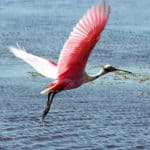
Roseate spoonbill
Roseate spoonbill
Florida panther
Florida panther

Katmai National Park and Preserve

National Park and Preserve

World-famous for dense concentrations of brown bears feeding on salmon runs, offering some of the most iconic bear-viewing on Earth. Coastal ecosystems also support rich marine mammal communities.

Arctic National Wildlife Refuge

National Wildlife Refuge

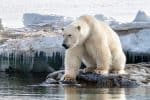
A vast Arctic and sub-Arctic refuge protecting tundra, mountains, and coastal plain habitats essential for large migratory herds and denning polar bears. It is one of North America's most important intact Arctic ecosystems.

Glacier Bay National Park and Preserve

National Park and Preserve; UNESCO World Heritage Site (as part of Kluane / Wrangell-St. Elias / Glacier Bay / Tatshenshini-Alsek)

A dynamic tidewater-glacier and fjord system that supports high marine productivity and critical habitat for whales, seals, and seabirds. It is a premier place to observe marine mammals in a protected seascape.

Olympic National Park

National Park; UNESCO World Heritage Site; UNESCO Biosphere Reserve

Protects an unusually complete gradient from Pacific coastline and kelp-rich nearshore waters to temperate rainforests and alpine peaks. Its habitat diversity supports high biodiversity, including iconic Northwest forest wildlife.

Great Smoky Mountains National Park

National Park; UNESCO World Heritage Site; UNESCO Biosphere Reserve

A globally significant center of temperate biodiversity with exceptional salamander and plant diversity, shaped by complex topography and humid forests. It safeguards extensive Appalachian habitat and supports wide-ranging forest wildlife.

UNESCO World Heritage Sites

  • Carlsbad Caverns National Park
  • Everglades National Park
  • Grand Canyon National Park
  • Great Smoky Mountains National Park
  • Hawaii Volcanoes National Park
  • Kluane / Wrangell-St. Elias / Glacier Bay / Tatshenshini-Alsek (transboundary property including Glacier Bay and Wrangell-St. Elias in the U.S.)
  • Olympic National Park
  • Redwood National and State Parks
  • Waterton-Glacier International Peace Park (U.S.-Canada)
  • Yellowstone National Park
  • Yosemite National Park
Animals

Wildlife

The United States spans an exceptional range of habitats-from Arctic tundra and boreal forest (Alaska) to Rocky Mountain alpine zones, Great Plains prairies, Pacific coastal rainforests, deserts of the Southwest, and subtropical wetlands in the Southeast-creating one of the world's most varied temperate wildlife experiences. A vast protected-area network (national parks, wildlife refuges, wilderness areas, and state lands) supports large, visible mammals (bison, bears, wolves, elk), globally important wetlands and estuaries, and continent-scale bird migration across the Atlantic, Mississippi, Central, and Pacific flyways. Alaska alone adds high-latitude megafauna and enormous seabird and salmon-driven ecosystems, while Hawaii contributes unique island endemics found nowhere else.

~430-450 species Mammals
~1,050-1,100 species (including regular migrants) Birds
~310-330 species Reptiles
~190-210 species Amphibians

Iconic Species

American Bison
American Bison The defining large grazer of North America; visitors reliably see wild, free-ranging bison in Yellowstone and Grand Teton (WY/MT/ID), the Badlands (SD), and several prairie preserves, with Yellowstone hosting the best-known large wild population.
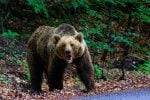
Grizzly Bear (Brown Bear) A flagship of the American West and Alaska; premier viewing includes Yellowstone ecosystem (WY/MT/ID) and Alaska's coastal bear concentrations (e.g., Katmai and Lake Clark National Parks), often around salmon runs.
American Black Bear
American Black Bear The most widespread bear in the U.S., frequently seen in forested national parks and mountain regions; notable viewing in Great Smoky Mountains (TN/NC), Shenandoah (VA), and parts of the Rockies and Sierra Nevada.
Gray Wolf
Gray Wolf A keystone predator closely associated with rewilding and ecosystem recovery; the Northern Rockies (especially Yellowstone and surrounding areas) are the most famous place for wild wolf watching in the Lower 48.
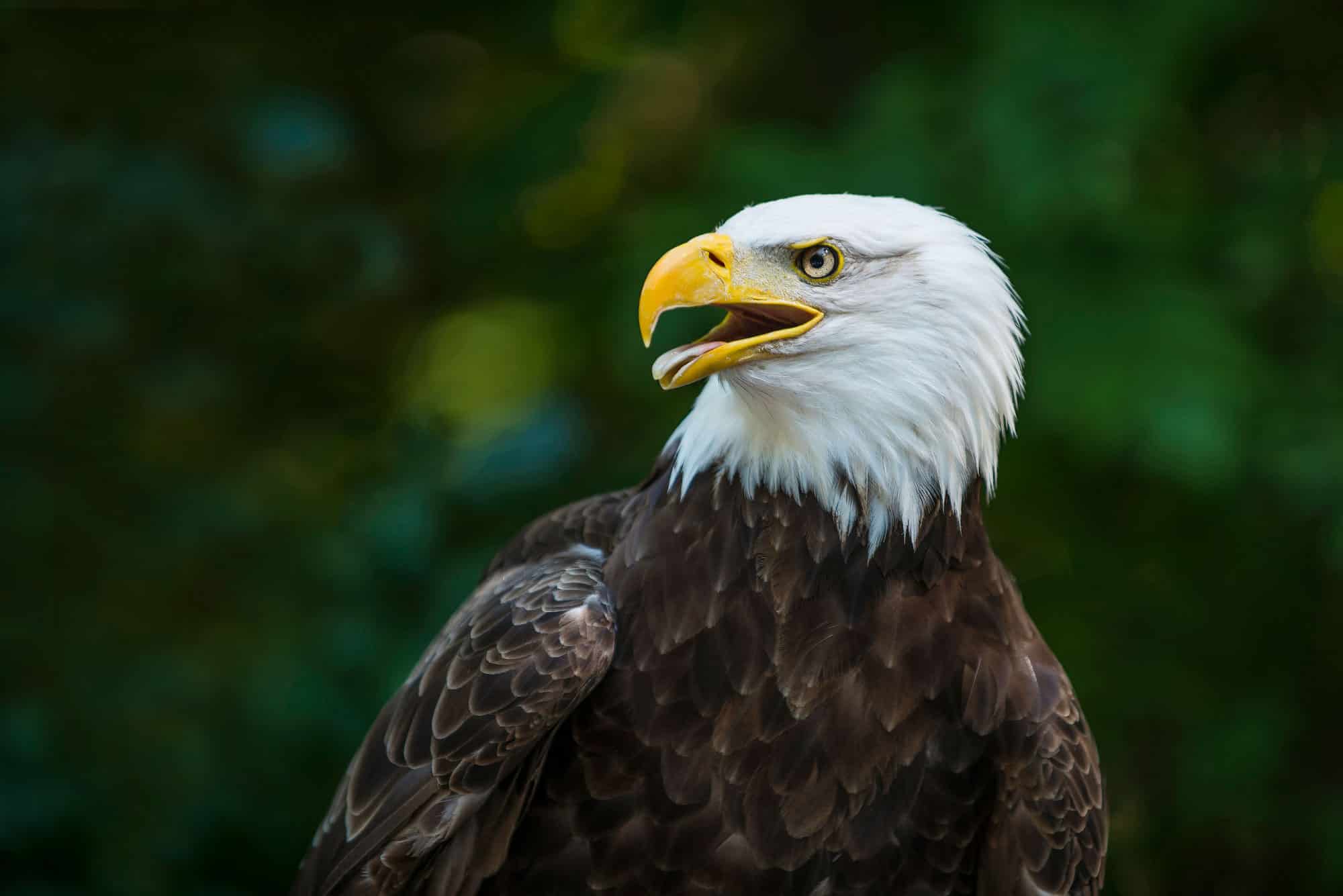
Bald Eagle
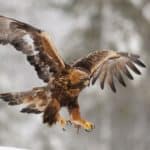
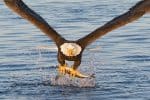
Bald Eagle National symbol with major conservation success; high-density viewing occurs along salmon rivers and coasts in Alaska (e.g., Southeast Alaska), winter concentrations along major waterways, and around large lakes and reservoirs nationwide.
American Alligator
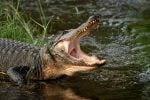
American Alligator Iconic reptile of the Southeast's swamps and marshes; excellent viewing in Everglades National Park (FL), coastal wetlands of the Gulf states, and large river systems and refuges in the Southeast.
Moose
Moose A signature northern forest and wetland species; reliable viewing in Alaska and northern states, with renowned opportunities in Grand Teton (WY), Denali area wetlands (AK), and parts of New England/Upper Midwest.
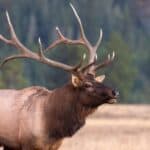
Elk
Elk One of the most visible large mammals for visitors, especially in the Rocky Mountains and intermountain West; classic viewing in Rocky Mountain National Park (CO), Yellowstone/Grand Teton region, and parts of the Pacific Northwest.
Florida Manatee A major wildlife draw in Florida, especially at warm-water springs and refuges during winter; notable viewing around Crystal River/Three Sisters Springs and other central Florida spring systems.
Sea Otter
Sea Otter A charismatic coastal species closely tied to kelp forest ecosystems; best-known visitor viewing is along California's central coast (e.g., Monterey Bay, Big Sur), with additional populations in Alaska waters.

Endemic Species

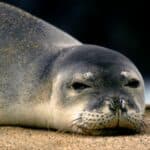
Hawaiian Monk Seal
Hawaiian Monk Seal Endemic to the Hawaiian archipelago; one of the rarest marine mammals on Earth, found on remote Northwestern Hawaiian Islands and also around the main Hawaiian Islands. Endemic
Nene (Hawaiian Goose) Endemic Hawaiian waterfowl adapted to volcanic landscapes; notable conservation recovery with best viewing on Hawaii Island and Maui in protected areas. Endemic
Iiwi A brilliant red Hawaiian honeycreeper endemic to Hawaii; strongly associated with high-elevation native forests and threatened by avian malaria as warming allows mosquitoes to move upslope. Endemic
Island Fox Near-endemic to the U.S. (California's Channel Islands); a major conservation success story after severe declines, now a highlight for visitors to Channel Islands National Park. Endemic
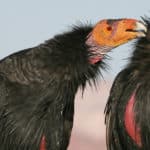
California Condor
California Condor Near-endemic to the U.S. (historically also into northern Mexico); one of the world's most famous captive-breeding and reintroduction programs, with wild birds visible in parts of California and the Southwest. Endemic
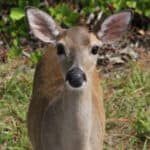
Key Deer
Key Deer A small, island-adapted Florida Keys subspecies found primarily in the Lower Keys; closely tied to coastal habitats and an emblem of U.S. subtropical island conservation. Endemic
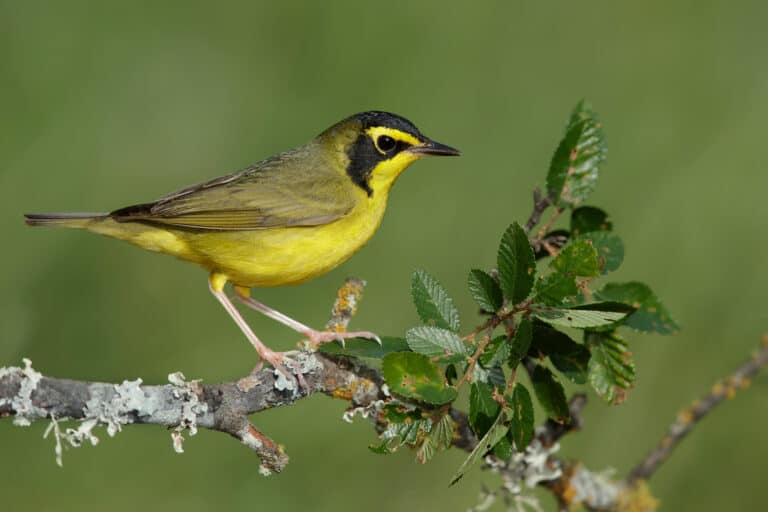
Kirtland's Warbler Near-endemic breeder centered in the U.S. (especially Michigan's jack pine systems); a conservation icon for habitat management and cowbird control, with limited, highly localized breeding range. Endemic
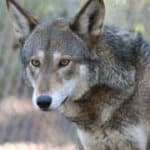
Red Wolf
Red Wolf Near-endemic to the U.S.; among the world's most endangered canids, historically of the Southeast, with a heavily managed wild presence in eastern North Carolina and extensive captive-breeding support. Endemic

Notable Populations

  • Alaska supports some of the world's largest remaining wild brown bear (grizzly) populations and premier bear-viewing concentrations, especially along salmon-rich coasts.
  • Yellowstone's free-ranging bison represent one of the most iconic and genetically important wild bison populations in North America.
  • The U.S. contains major portions of the Pacific, Central, Mississippi, and Atlantic migratory flyways, hosting globally significant seasonal concentrations of waterfowl, shorebirds, and raptors.
  • The only wild, migratory population of Whooping Crane (Grus americana) winters on the Texas coast (Aransas area) and migrates through the central U.S., making these regions globally important for the species' survival.
  • Hawaii is globally significant for endemic seabirds and island endemics, including the entire world population of Hawaiian monk seals and many unique forest birds confined to high-elevation refuges.
  • The Florida Everglades and Gulf/Atlantic coastal wetlands are internationally important for wading birds and estuarine wildlife, with large alligator populations and key manatee wintering sites.
Protection

Conservation

Primary Threats

  • Conversion and fragmentation of prairies/grasslands (Great Plains), wetlands (e.g., coastal marshes and prairie potholes), and forests (Southeast and parts of the Northeast) due to development, drainage, and land-use change. Loss of sagebrush steppe in the Intermountain West affects sage-grouse and associated species; coastal habitat loss affects shorebirds and fisheries nurseries.
  • Rising temperatures drive Arctic sea-ice loss in Alaska (affecting polar bears and ice-dependent ecosystems), intensify drought and water stress in the Southwest/Colorado River Basin, increase wildfire severity in the West, shift species ranges upslope/northward, and accelerate sea-level rise and storm surge impacts along Atlantic/Gulf coasts (threatening saltmarshes, barrier islands, and Everglades restoration outcomes). Ocean warming and acidification stress coral reefs (Florida Keys, Pacific territories) and alter fish distributions.
  • Nutrient runoff from agriculture contributes to harmful algal blooms and hypoxia (notably the Gulf of Mexico 'dead zone' and Great Lakes events). Legacy contaminants and emerging pollutants (e.g., PFAS near industrial sites and military bases) affect drinking water and wildlife. Pesticides and herbicides impact pollinators and aquatic invertebrates; plastics and microplastics affect coastal and freshwater systems. Air pollution and nitrogen deposition can alter high-elevation ecosystems.
  • Aquatic invaders (zebra/quagga mussels, Asian carp) transform Great Lakes and river food webs and threaten native fish. Terrestrial invaders (cheatgrass and other invasive grasses) increase fire frequency in the Great Basin; feral hogs damage habitats across the Southeast and beyond. Burmese pythons in South Florida reduce native mammal populations; invasive insects (emerald ash borer, spotted lanternfly) impact forests and urban trees.
  • Wildlife diseases include chronic wasting disease in deer/elk, white-nose syndrome devastating bat populations, avian influenza affecting wild birds, and amphibian chytrid fungus in some regions. Disease risk can be amplified by climate change, high wildlife densities, and human-mediated movement of animals.
  • While regulated hunting funds conservation via excise taxes and license revenues, localized overharvest or unsustainable take can occur for certain sensitive populations, and illegal take persists. Management controversies are most visible for large carnivores where regulated hunting intersects with recovery goals and social conflict.
  • The U.S. is a major hub for legal and illegal wildlife trade. Trafficking affects reptiles, birds, corals, and traditional medicine products; illegal collection of native reptiles and rare plants occurs in some regions. Online marketplaces and ports of entry create enforcement challenges.
  • Some regional fisheries have improved under science-based management, but pressures persist in certain stocks and ecosystems. Bycatch (e.g., sea turtles, marine mammals) and gear impacts remain issues; Illegal, Unreported, and Unregulated (IUU) fishing also affects U.S. interests in international waters and territories.
  • High recreation use in parks, forests, and coastal areas can disturb nesting seabirds and shorebirds, stress wildlife in popular backcountry areas, and degrade fragile habitats (e.g., desert soils, alpine tundra). Vessel traffic contributes to whale disturbance and collision risk in busy coastal corridors.
  • Conflicts include livestock depredation by wolves, cougars, and bears in the West and Upper Midwest; crop damage by deer, elk, and geese; vehicle collisions with deer and other wildlife; and risks from alligators in the Southeast. Social tolerance and policy vary widely by state, shaping outcomes for carnivore recovery and coexistence.
  • Small, isolated populations (e.g., Florida panther historically, some salmonid runs, desert fish, and island endemics in Hawaii) face reduced genetic diversity and inbreeding risk, often exacerbated by habitat fragmentation, barriers to movement, and changing climate conditions.
  • Water over-allocation and groundwater depletion (Ogallala Aquifer; Central Valley; Colorado River Basin) reduce instream flows, dry wetlands, and stress riparian habitats. Depleted forage and altered ecosystems from overgrazing in some arid lands can reduce habitat quality for native species.
  • Roads, fences, and energy/utility corridors fragment habitats and impede migrations (notably pronghorn and mule deer). Dams and culverts block fish passage (salmon in the Pacific Northwest and New England; many freshwater species nationwide). Wind/solar siting can affect sensitive habitats if poorly planned; offshore infrastructure increases ship traffic and noise risks for whales.
  • River regulation, channelization, and wetland drainage alter floodplain dynamics; fire suppression and fuel buildup contribute to severe wildfires and forest structural change; water diversions and levees affect delta and estuarine ecosystems (e.g., Sacramento-San Joaquin Delta). Historic predator removal and altered grazing regimes have reshaped trophic dynamics in some ecosystems.
  • Row-crop expansion and intensification (including conversion of marginal grasslands) reduce habitat for grassland birds and pollinators, and increase pesticide/nutrient runoff. Irrigated agriculture in arid regions drives water withdrawals that affect rivers, springs, and wetlands supporting endemic fishes and amphibians.
  • Metro growth (Sun Belt, West Coast, Front Range, Northeast corridor) drives habitat fragmentation, wetlands loss, and increased light/noise pollution. Urban sprawl increases roadkill risk and disrupts movement corridors; coastal development reduces resilience of dunes and marshes to storms and sea-level rise.
  • While much timber harvest is regulated, habitat impacts persist in some areas-especially for old-growth dependent species and sensitive watersheds. In parts of the Pacific Northwest and Southeast, forestry practices can affect stream temperatures and sedimentation, influencing salmonids and aquatic biodiversity if buffers and best practices are insufficient.
  • Hardrock mining and legacy abandoned mines contribute to acid mine drainage and heavy metal contamination in some watersheds (Rockies, Appalachia, Southwest). Extraction for critical minerals can create new pressures on desert and mountain habitats unless carefully sited and reclaimed; coal mining legacy impacts remain in parts of Appalachia and the West.
Visit

Wildlife Tourism

The United States is one of the world's most accessible, infrastructure-rich wildlife destinations, with a vast public-land system (National Parks, National Wildlife Refuges, National Forests, BLM lands, and state parks) supporting everything from Arctic marine mammals to desert bighorn sheep and subtropical alligators. Wildlife tourism is economically significant through park fees, guiding, lodging, transportation, hunting/fishing license revenues, and gateway-community spending; many regions (e.g., Yellowstone-Jackson, Alaska coastal towns, Florida's Everglades gateway communities) rely heavily on seasonal nature travel. The modern conservation-and-tourism model grew from the late-1800s park movement (Yellowstone, 1872) and the early-1900s refuge system (Pelican Island, 1903), evolving into today's robust network of visitor centers, roads, boardwalks, and regulated wildlife-watching industries (whale watching, bear viewing, birding festivals). Accessibility is a major advantage: frequent domestic flights, extensive road networks, abundant accommodations, and a large market of licensed guides; however, peak seasons can require advance planning (permits, timed entries, and reservations), and some best wildlife areas are remote (Alaska, parts of the desert Southwest) where weather and logistics matter.

Best Time to Visit

January-March: prime for whale watching (gray whales migrating along the Pacific Coast; humpbacks in Hawaii), wintering waterfowl and raptors in the South and Central Valley, CA; wolf tracking in snowy Northern Rockies; manatee viewing in Florida springs/canals during cold snaps.
April-May: spring bird migration nationwide (especially Gulf Coast, Great Lakes, and Atlantic flyways); desert wildflowers + bighorn sheep activity in the Southwest; bears emerge in many regions; excellent shoulder-season wildlife viewing with fewer crowds in many parks.
June-July: Alaska peaks (brown bears feeding, seabird cliffs, whales); Rocky Mountain and Yellowstone baby season (elk/calves, bison calves); high-elevation wildflower meadows with marmots/pikas; long daylight for spotting.
August-September: salmon runs begin in many Alaska systems (bear viewing ramps up); pronghorn and bighorn sheep activity increases; late-summer seabird/whale action persists; birding for shorebird migration on coasts and big lakes.
October: elk rut in the Rockies; fall bird migration (raptors, waterfowl); moose activity in parts of New England and the Rockies; pleasant temperatures in deserts with reptiles and desert bighorn opportunities.
November-December: peak bald eagle congregations (salmon rivers in the Pacific Northwest/Alaska, and large winter roosts in some regions); waterfowl concentrations on refuges; gray whale southbound migration begins; quiet-season national park wildlife watching can be excellent where roads remain open.

Top Wildlife Experiences

  • Watch brown bears fish for salmon from a guided viewing platform or shoreline float (best in Alaska during salmon runs; book guided access where required).
  • Join a licensed whale-watching trip to see humpbacks/orcas/gray whales, timing your region: Alaska (summer), Pacific Coast migrations (winter-spring), Hawaii (winter).
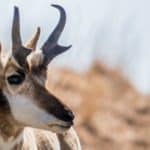
  • Take a dawn wildlife photography drive focusing on bison, pronghorn, and coyotes on open valleys and sagebrush flats (use pullouts; bring binoculars/telephoto).
  • Track wolves and other predators with a naturalist in winter conditions (snow-based viewing increases chances; ethical distance viewing from roads/scopes).
  • Paddle a kayak or canoe through wetlands to spot alligators, wading birds, and otters at water level (Everglades-style sloughs/mangroves or coastal marshes).
  • Join a guided birding walk during peak migration on a major flyway hotspot, targeting warblers, shorebirds, and raptors (spring and fall).
  • Take an evening "bugle-and-rut" elk viewing outing during the fall rut, combining listening sessions with scope-based viewing at safe distances.
  • Snorkel or take a glass-bottom/eco-boat tour over coral reefs to see sea turtles, reef fish, and rays (best in warm-season clarity windows; follow reef-safe practices).
  • Go on a boat-based seabird and puffin/auk viewing excursion to offshore islands and cliff colonies (late spring-summer; dress for wind and spray).
  • Join a guided night walk or boat tour to look for nocturnal wildlife (owls, bats, frogs, alligators' eye-shine), emphasizing low-impact lighting and quiet travel.

Safari Types Available

  • Self-drive wildlife watching (road-based spotting at dawn/dusk; ideal where wildlife is habituated to roads and pullouts).
  • Guided wildlife drives in vans/4x4s (naturalist interpretation; useful for finding elusive species and ethical viewing).
  • Walking safaris / naturalist hikes (tracks, behavior, ecology; best in refuges, parks, and private reserves with permitted guides).
  • Boat safaris (wetlands, rivers, bays; excellent for birds, otters, alligators, and coastal wildlife).
  • Whale-watching and marine wildlife cruises (coastal and offshore trips for whales, dolphins, seabirds, and sea lions).
  • Kayak/canoe safaris (quiet, low-impact access to marshes, mangroves, and nearshore habitats).
  • Bear-viewing trips (platforms/shore-based viewing, sometimes via floatplane access; strict rules and seasonal timing).
  • Birding safaris (guided migration-focused itineraries; photography blinds and refuge tours in some areas).
  • Winter wildlife safaris (snowcoach/snowmobile-access tours in select regions; wolf, bison, and eagle viewing).
  • Night safaris / nocturnal wildlife tours (spotlighting where legal, mostly guided; owls, bats, amphibians, and reptiles).
Fun Facts

Did You Know?

The United States is one of the only countries where you can find polar bears (Alaska) and American alligators (Southeast) living in the wild-Arctic tundra and subtropical swamps under the same flag.

Large parts of the northern U.S. had no native earthworms after the last Ice Age; many earthworms found there today are introduced, and in some hardwood forests they're considered invasive because they rapidly change soils and leaf litter.

A fish lives in the middle of one of the hottest, driest landscapes in North America: the Devils Hole pupfish survives in a tiny limestone cavern pool in the Death Valley region (Nevada), one of the most geographically restricted vertebrates on Earth.

Jaguars still occasionally appear in the wild U.S.-rare males from Mexico have been documented in southern Arizona and New Mexico in recent decades via camera traps and other evidence.

The world's rarest wolf lineage is kept alive in the U.S.: the only wild red wolf population is managed in eastern North Carolina (centered around Alligator River National Wildlife Refuge), and it has fluctuated at very low numbers for years.

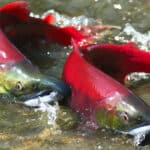
Bristol Bay, Alaska, hosts the largest sockeye salmon run (and fishery) on Earth-tens of millions of sockeye return in strong years, dwarfing other systems worldwide.

The Southern Appalachian Mountains-especially Great Smoky Mountains National Park-are widely cited as having the highest salamander diversity on the planet (over 30 salamander species recorded in and around the park).

Alaska's Chilkat Bald Eagle Preserve (near Haines) is home to the world's largest known seasonal gathering of bald eagles, with thousands concentrating along the Chilkat River in late fall.

Yellowstone National Park contains the United States' largest continuously wild, free-roaming bison herd-one of the few bison populations that has persisted since the 1800s without being entirely replaced by domestic stock.

The Kodiak bear (Kodiak Archipelago, Alaska) is the largest recognized brown bear subspecies and one of the biggest bears on Earth, with exceptionally large males sometimes exceeding 1,000 pounds.

The list of indigenous United States animals is long and includes well-known creatures like coyotes and raccoons and lesser-known animals like the glass lizard and adorable pika. The incredible 2,972 estimated animals native to the United States make it one of only 17 megadiverse countries in the world. The United States features over 400 known mammals, nearly 800 birds, over 300 reptiles, nearly 300 amphibians, and over 1,100 fish species!

The Two National Animals Of The United States
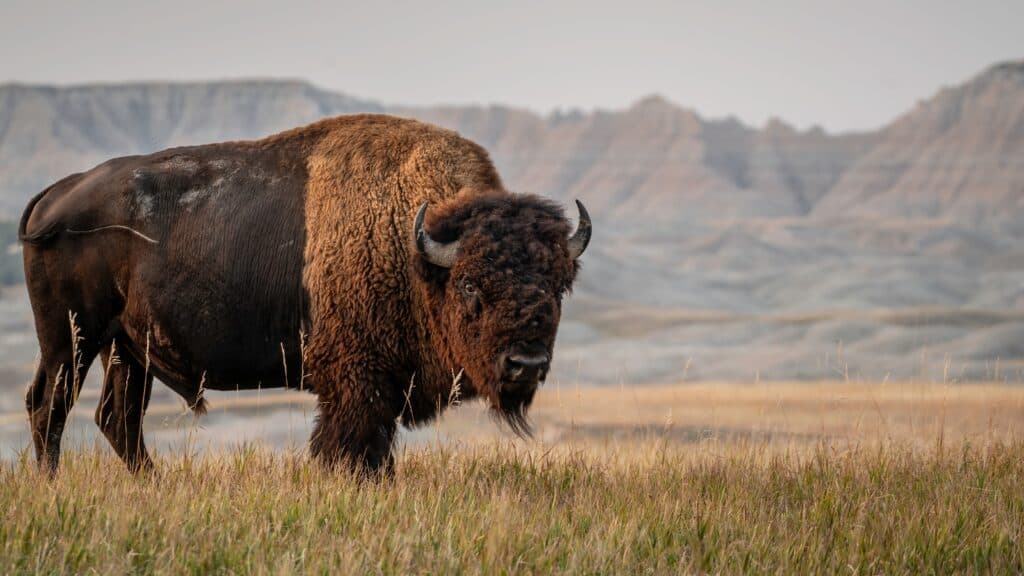
The American Bison was declared the national mammal of the United States on May 9, 2016.

Surprisingly, the United States is one of a few countries that has TWO national animals. The first is the well-known Bald Eagle. Once on the verge of extinction, the Bald Eagle population has rebounded in recent years and is widely considered the ultimate success of the Endangered Species Act.

Originally, Thomas Jefferson, Benjamin Franklin, and John Adams were tasked with choosing a new seal for the nascent United States, but after failing to do so, the responsibility fell to Charles Thomson, the secretary of Congress. Thomson made an American Bald eagle sketch, originally holding an olive branch and arrows in each talon, these represented the power of peace and war. His design was accepted and the Bald Eagle became the national bird of the United States on September 16, 1782.

The second United States national animal is the American Bison, the largest land mammal in North America. The American Bison was declared the national mammal of the United States much more recently, on May 9, 2016.

Once abundant across the country with millions spanning all across North America, the American Bison population once fell as low as a few hundred. After aggressive conservation efforts total populations have rebounded but still remain near threatened today. There are 17 known bison herds in the United States that number about 10,000 today.

Other countries with more than one national animal include Australia, the Bahamas, and Canada.

Where to Find The Top Wild Animals In the United States
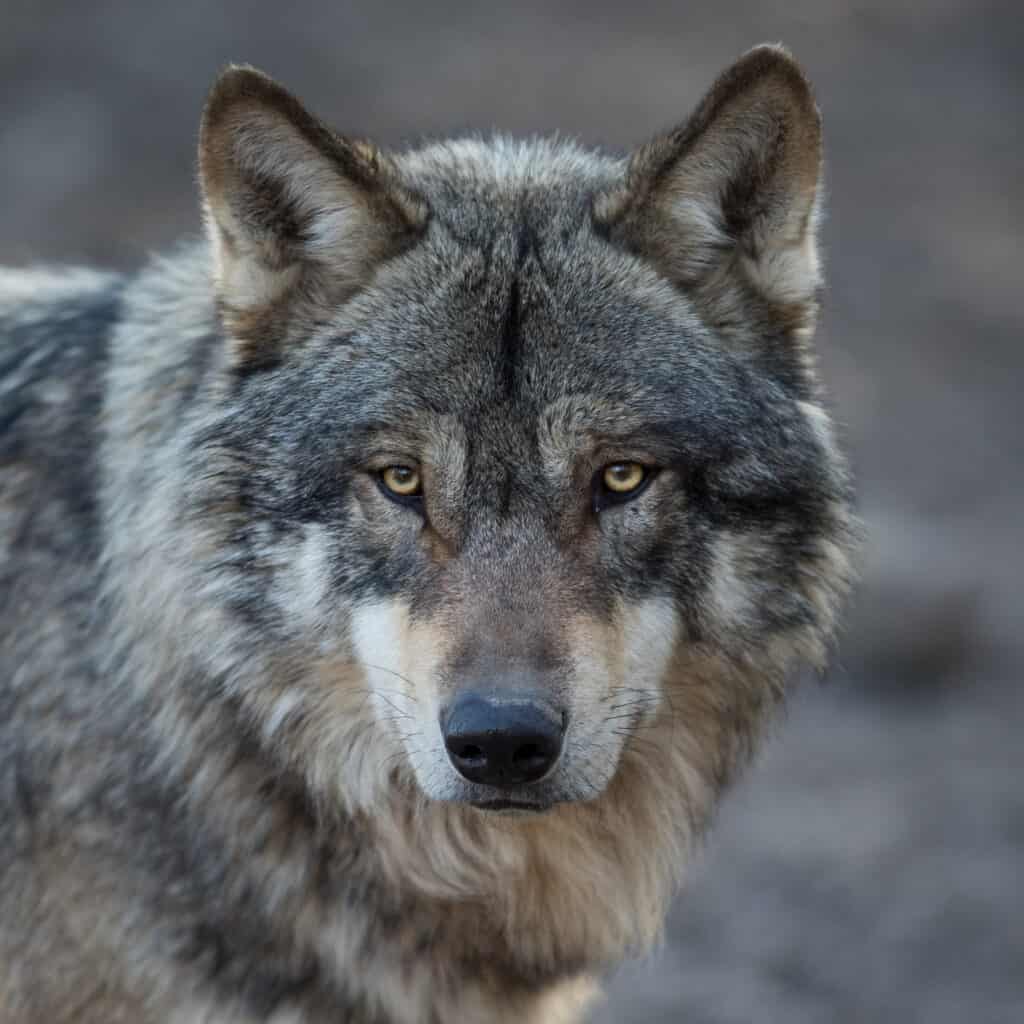
Grey wolf looks straight ahead

If you want a chance to see a grey wolf in the U.S., visit Yellowstone and Grand Teton national parks.

With so much land area and so many different environments, the list of animals native to the USA is long and diverse. Here is a list of where you can see some of the most famous wild animals in the United States.

  • Bald Eagle – After a resurgence in the population Bald Eagles can now be found in many US states, most commonly near bodies of water like reservoirs, rivers, lakes, and coastal waters. The Klamath Basin Refuges in California is home to the largest known concentration of Bald Eagles, with up to 1,000 birds present there.
  • American Bison – With a herd of nearly 5,000, Yellowstone National Park is the best place to see American Bison in the United States. The Lamar and Hayden Valleys are the most consistent area of bison sightings. The National Bison Range in Montana is another good place to view American Bison
  • Grey Wolves – Grey Wolves are hard to spot in the United States. The U.S. Fish and Wildlife Service estimates the total population at around 13,000, including Alaska. For the best chance of a grey wolf sighting in the US visit Yellowstone and Grand Teton national parks.
  • Beaver – The semiaquatic American Beaver is found in most US states near rivers, marshes, ponds, and other slow-moving bodies of water. They are most active at night and can frequently be heard slapping their tails to warn of danger before they can be seen.
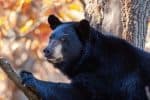
  • American Black Bear – The most widely distributed bear species in the United States the black bear is a common sight in trees forests, swamps, and mountains, particularly in the northeastern part of the United States. Though, black bears can also be found through the midwest, rocky mountain region, and as far south as Georgia.
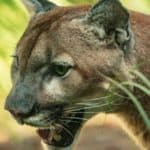
  • Cougar – The North American cougar can be found in the Western United States and parts of Florida. After spartan populations for many years, cougars are also starting to rebound in parts of the US midwest. Though the animal is not endangered, populations are low and sightings are rare.

The Most Dangerous Animals In the United States Today
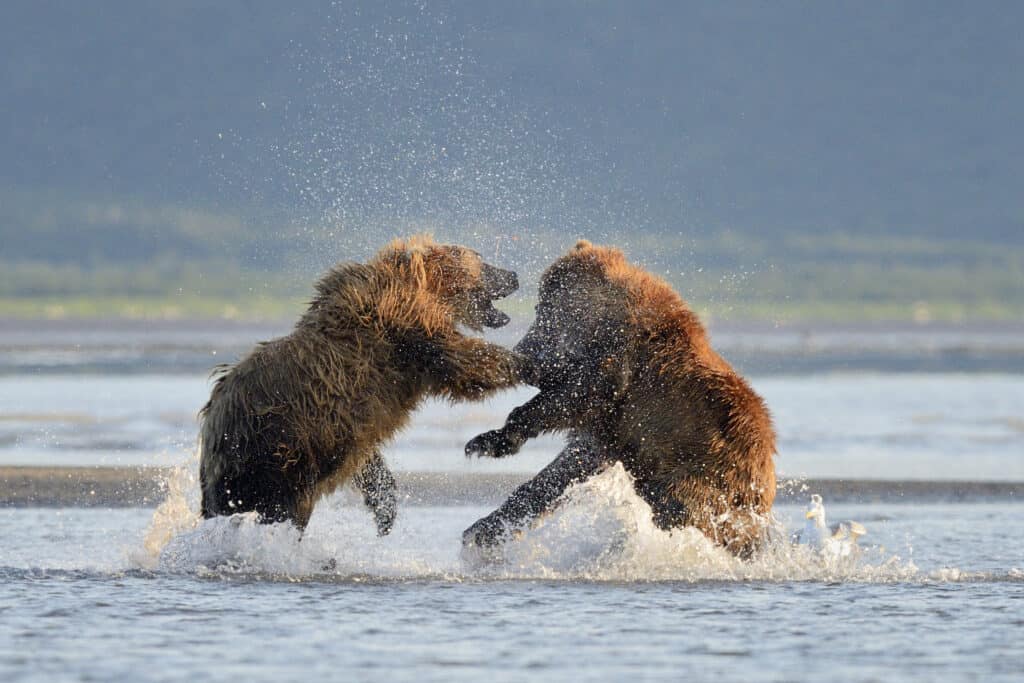
Two Grizzly Bears fighting in water

Bears’ muscular build, heavy body, sharp claws, and ability to run makes it an animal to be feared and respected.

While many of the US animals are non-threatening, there are a few dangerous ones as well. The most dangerous animals in the USA include:

  • Killer Bees – estimated to have killed 1,000 people in recent decades. Killer Bees are not actually a naturally occurring type of bee, but the result of a hybrid bee created by Biologist Warwick E. Kerr. Imported in the 1950s, these bees are significantly more aggressive than other bee types and have been known to chase humans for long distances when defending their hives
  • Grizzly bears – Grizzlys cause an average of 3 fatal attacks in the United States each year, despite being largely isolated to Alaska and the northwestern part of the United States. But the enormous size of bears at nearly 500 pounds, surprising speeds of up to 35mph, and the highly protective instincts of mother bears make them a very deadly creature to cross when cubs are near.
  • Black Widow Spiders – Black widows are abundant throughout the United States. In 2013 alone there were 1,866 reported bites alone. While only a minority of bites are deadly, the powerful neurotoxins can still be damaging. Symptoms include cramping, headaches, fever, and nausea.
  • Rattlesnakes – Rattlesnakes can be found all over North America, the midwest, and The United States. There are an estimated 5 deaths and 7,000 – 8,000 reported bites by rattlesnakes in the US every year. As human populations expand the number of rattlesnakes and human encounters is increasing dramatically. Fortunately, there is a nearly guaranteed survival rate from a rattlesnake bite if anti-venom is administered within two hours.

The 7 Rarest Animals in the United States
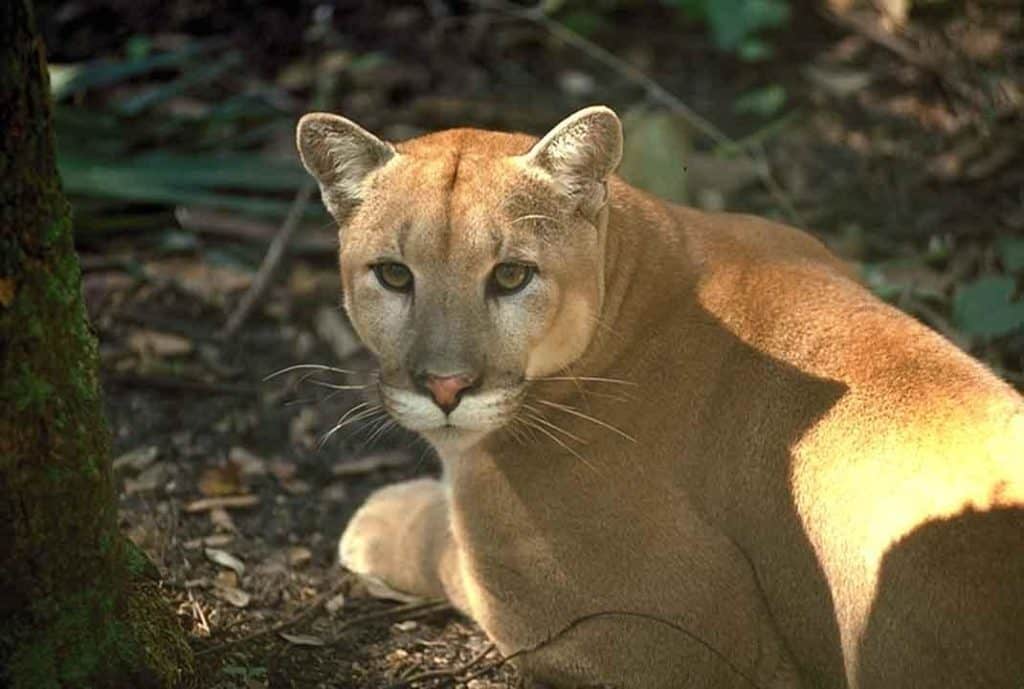
The Florida panther is the only species from the puma family that lives in the U.S.

With so many animals in the United States for centuries, some have become endangered and on the verge of extinction. Here are the top 7 rarest animals you will see in the United States:

  • Florida Panther — This animal is the only species from the puma family that breeds in the United States. Florida panthers are easily the most dominant land predators in their home range. They can run up to 35 miles per hour and can leap more than 15 feet. This animal was one of the first listed under the Endangered Species Act in 1973.
  • Red Wolf — This wolf species is native to the southeastern United States, though its habitat once extended from Texas in the west down to Florida and up into the Midwest. There are only 100 red wolves left in the wild, making it one of the rarest in the world. Its size is between the coyote and the gray wolf, its close cousin.
  • Florida Manatee — Though they are called called sea cows, the Florida manatee more closely relates to an elephant. While they don’t have many natural predators, humans are a huge threat to these creatures. Florida manatees spend much of their time grazing on vegetation in shallow water and can eat as much as 10% to 15% of their body weight each day.
  • Black-Footed Ferret — These solitary animals are actually big talkers! They communicate with one another by chattering, hissing, and whining. You probably won’t see them often as they sleep 21 hours each day and are only active at night. Their habitat is Wyoming, Montana, South Dakota, and Arizona, and their main food group is prairie dogs.
  • Loggerhead Sea Turtle — This sea turtle species is the world’s largest hard-shelled turtle. The largest ever seen weighed 1,202 lbs. They are widespread throughout the world, but as far as the U.S., they make their home in the southern Atlantic ocean around Florida, Georgia, and North & South Carolina.
  • Mississippi Gopher Frog — Also called the dusky gopher frog, it is only found in the state of Mississippi. There are only about 100-250 members of the population left in the wild. Sadly, this amphibian is almost extinct, and conservationists are making big strides to bring the population of this frog back.
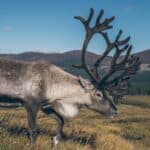
  • Woodland Caribou — Often called reindeer, these animals live in Washington state and Idaho. Surpisingly both males and females have antlers and their fur color largely depends on where they live. The reason for their endangered status has to do with being hunted often for their meat.

The 5 Largest Animals in the United States
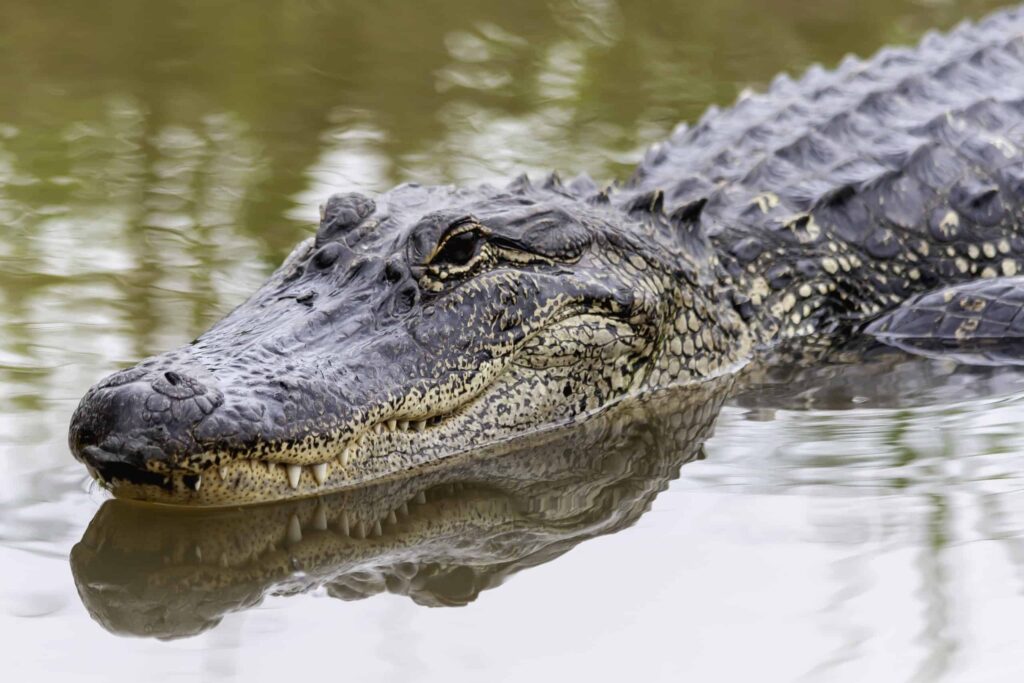
Alligator

The American alligator can move up to 15 mph on land!

The United States has some pretty big animals, as we have mentioned above. Do you know the largest animals in this country? Here are 5:

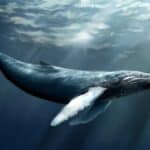
  • Blue Whale — Tipping the scales at 448,000 pounds, the blue whale’s tongue alone can weigh as much as an adult elephant! It is the largest animal in the world. However, it is usually harmless to humans, instead eating krill, up to 8,000 pounds of them per day.
  • Great White Shark — These sharks are the largest predatory fish species in the world, known to grow to more than 26 feet long, weigh more than 4,000 pounds, and swim up to 15 mph. The great white shark is often called a “man-eater” because up to half of the annual shark attacks on humans reportedly are caused by this species.
  • Alaska Moose — The largest of the deer species and the tallest mammals in North America, moose can stand 6 feet from ground to shoulder as fully grown adults. Adult male moose weigh between 1200 and 1800 pounds and can actually run up to 35 mph. Watch out for those antlers! They also can grow up to 6 feet long.
  • American Alligator — Mostly living in Florida and Louisiana, these fearsome creatures can grow up to 15 feet in length. They also can live as long as 50 years! Don’t get too close; they can move up to 15 mph on land and are not afraid to attack humans.
  • California Condor — These are the largest bird in the United States and have been around for at least 40,000 years. With a 9-foot-long wingspan, the California condor soar in the sky over the wild open country of the Southwest. Condors scavenge the carcasses of deer and moose for their dinner.

The Flag of the United States of America

The flag of the United States of America is comprised of thirteen horizontal stripes, six in white and seven in red. The upper left corner has a blue square with fifty white stars representing the fifty US states. The colors themselves have rich meanings with red symbolizing valor and hardiness, blue representing justice and perseverance, and white for purity and high ideals.

There are a few nicknames for the flag including the Stars and Stripes, Old Glory, and the Star-Spangled Banner.

As to who designed the first flag, it is hard to say. Betsy Ross did not, in fact, sew the first American flag, as the rumor goes. There is also another young woman, Rebecca Young, who claimed to have sewn the first flag. She was, in fact, a flag seamstress during the American Revolution and her daughter, Mary Pickersgill, is known to have made the famous Star-Spangled Banner Flag.

Another person, a man named Fracis Hopkinson of New Jersey, was rumored to have designed the first U.S. flag, in addition to a flag for the U.S. Navy. He also was a signer of the Declaration of Independence.

Read about:

  • all venomous snakes that can be found in the United States.
  • snakes that live in America’s Southern States
  • the most common rat species in the United States.
  • four animals invading the United States.
  • the most beautiful national parks in the United States.
  • the least crowded national parks in the summer.
  • the prettiest state parks in the United States.
  • the longest hiking trail in the United States.
  • the longest biking trails in the United States.
  • the oldest lake in the United States.
  • the best lakes in the United States for fishing.
  • the most leech-infested lakes in the United States.
  • the U.S. states that have no rattlesnakes.
  • the longest trail in the United States.
  • the most dangerous plants in the United States.
  • the largest zoo in the United States.
  • the most popular national parks in the United States.
  • the fastest rivers in the United States.
  • the cleanest lakes in the United States.
  • the largest dams in the United States.
  • the largest ports in the United States.
  • the most beautiful lakes in the United States.
  • the best lakes to camp in the United States.
  • the best camping spots in the United States.

Animals Found in United States

1,276 species documented in our encyclopedia

Thank you for reading! Have some feedback for us?