
Quick Take
- Its terrifying appearance is almost entirely a bluff, and there is a specific reason it evolved that way.
- This caterpillar's final form looks nothing like what you'd expect from such a monstrous larva.
- At up to 5½ inches, it's one of North America's largest caterpillars, and there's a good reason why a photo of a child holding one went viral.
- Those intimidating spines look dangerous, but touching this caterpillar carries a surprising truth most people get completely wrong.
Nature is full of so many amazing caterpillars, and for kids, interacting with them can be a great way to learn about the world. With so many different species, each one has its own unique coloring and appearance. This Instagram post by @mateophipps shows a young boy holding a highly unique hickory horned devil caterpillar. Read on to learn more about this fascinating insect!
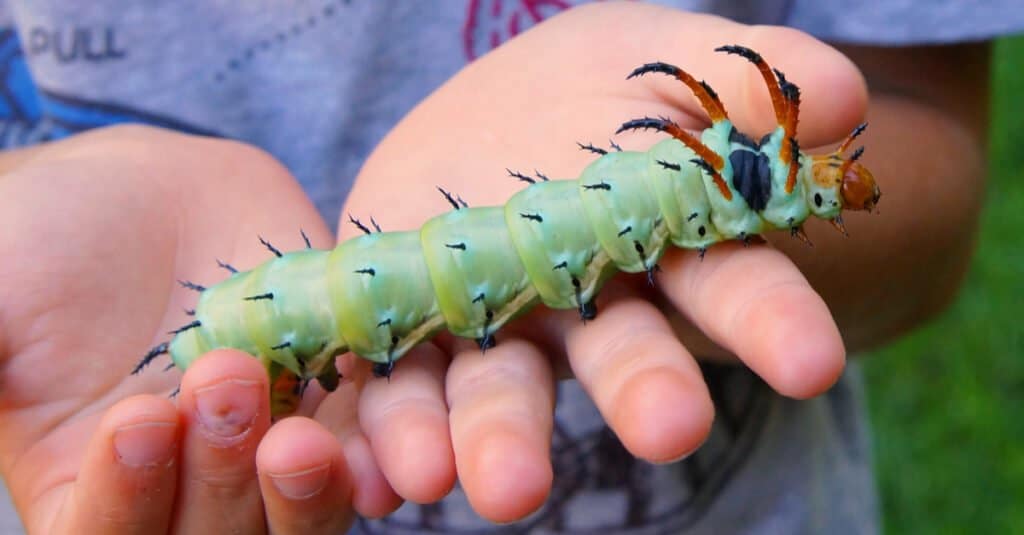
The horned silkworm uses its horn to protect itself from predators.
©Matt Jeppson/Shutterstock.com
About the Hickory Horned Devil
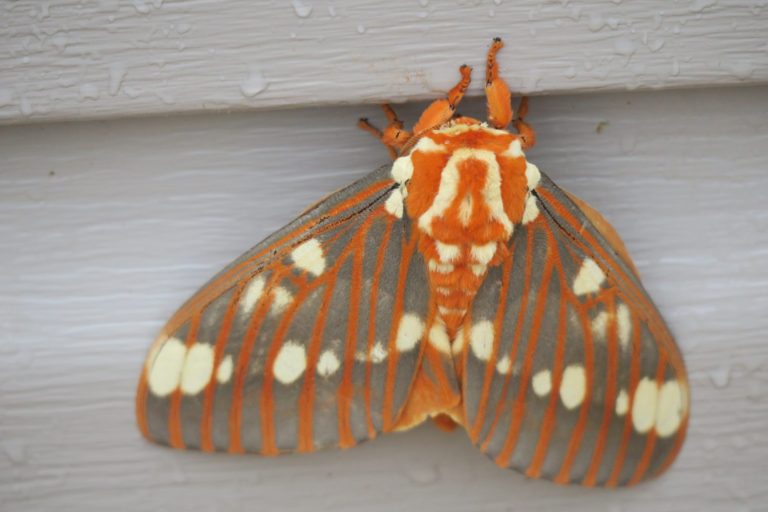
When you’re a kid, insects can be the most fascinating thing in the world. Their strange appearances and the way they move are extremely interesting. The video above shows a boy holding a hickory horned devil caterpillar, which is probably one of the most interesting-looking caterpillars out there. It’s no wonder the boy seems so curious about the odd-looking specimen. This caterpillar eventually turns into the regal moth, a beautiful and massive creature. A mature hickory horned devil can reach up to 5½ inches long, making it among the largest caterpillars in North America. At this size, they are relatively easy to spot on the ground. However, they can also be pretty intimidating due to their spikes.
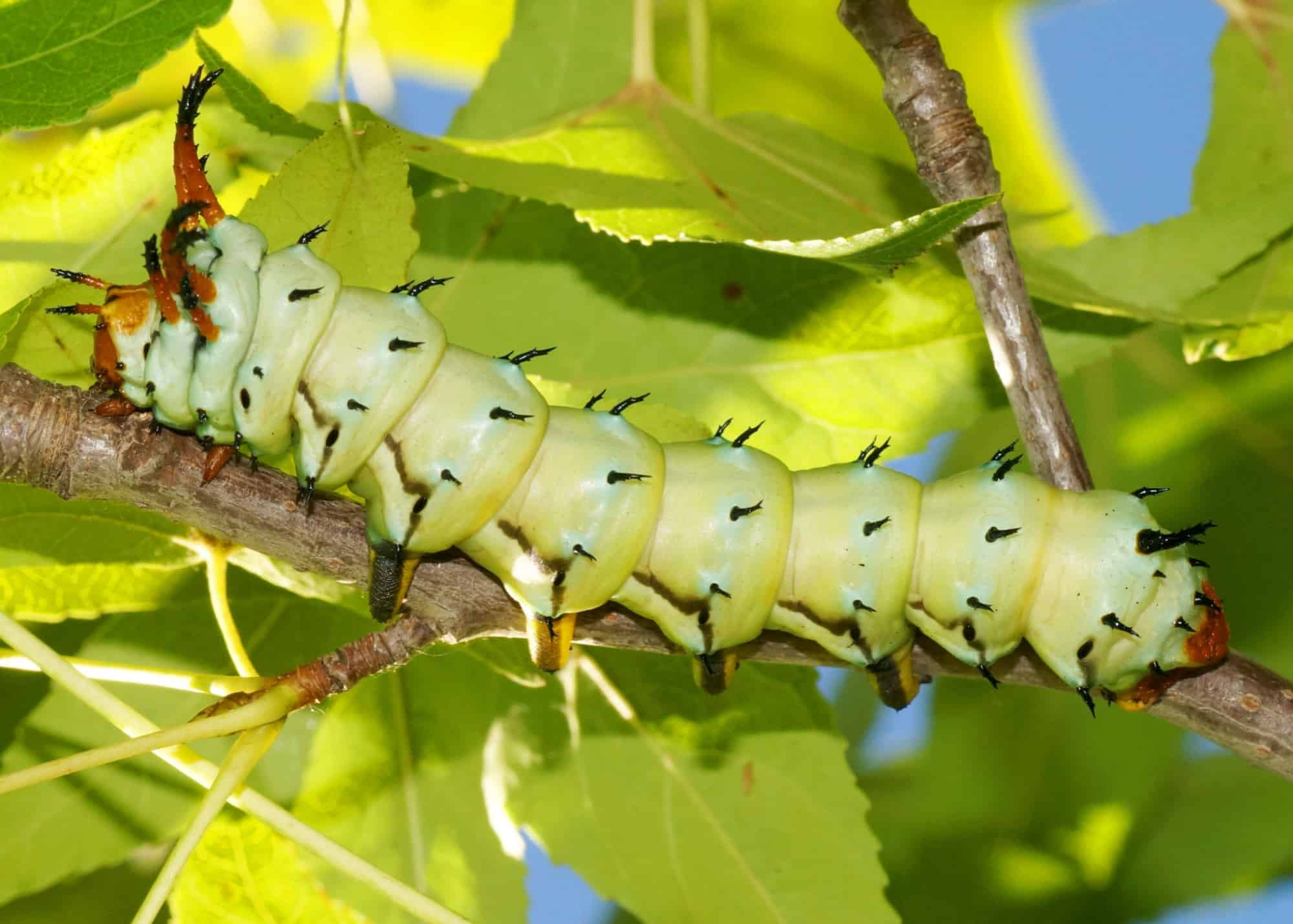
Everything about the hickory horned devil screams “DO NOT TOUCH.” They are chunky and large, with black spines sticking out of their back and orange horns near their head. While they may seem scary, their appearance is almost entirely a bluff. The horns aren’t venomous or poisonous, and they don’t even sting. While other caterpillars have venomous spines that can be dangerous to touch, this species does not. These caterpillars can be found in the Midwest and throughout the Southeast. They feed on the foliage of several trees, including hickories, walnuts, and pecans. After feeding on large quantities of leaves, the blue-green caterpillar transforms into the regal moth, featuring orange-red coloration and beautiful white and green markings.