
As the seasons change, so do the creatures living in our backyards. During the fall, some species of caterpillar become more plentiful or more active, and that can present challenges. Some of these little animals can cause a nasty sting and irritation if you come into contact with them. Let’s take a look at why you should be cautious around these caterpillars, where you may find them, and what precautions can help prevent painful encounters.
There Are Multiple Species of Stinging Caterpillars
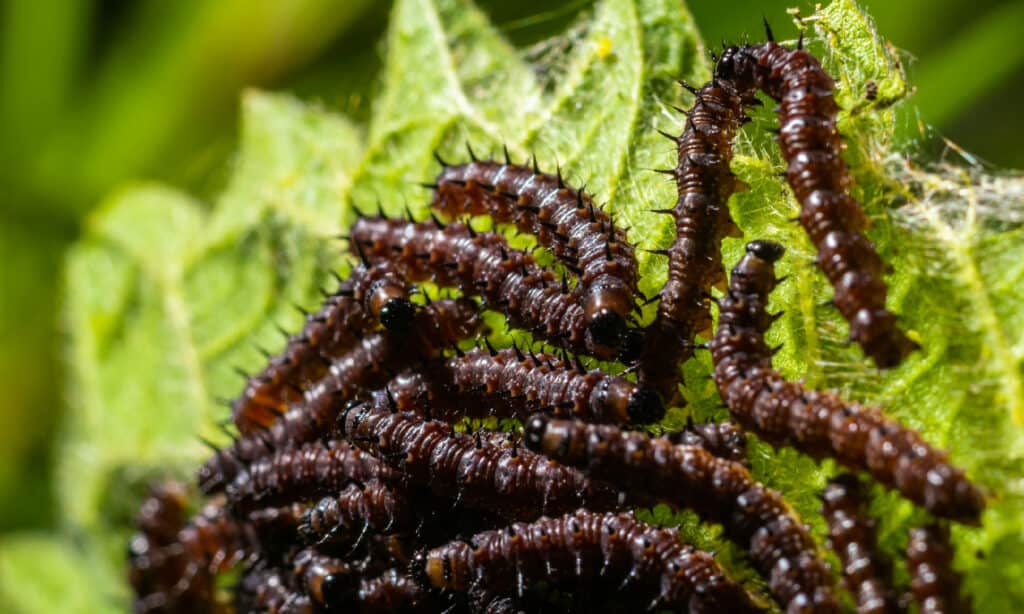
Buck moth caterpillars can sting you.
©iStock.com/Oleg Marchak
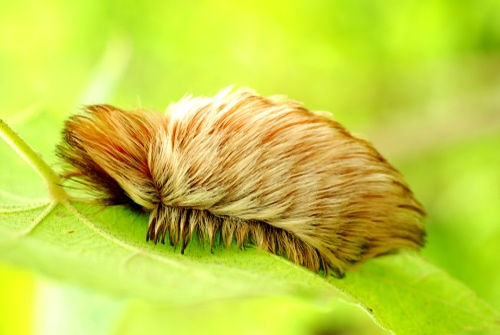
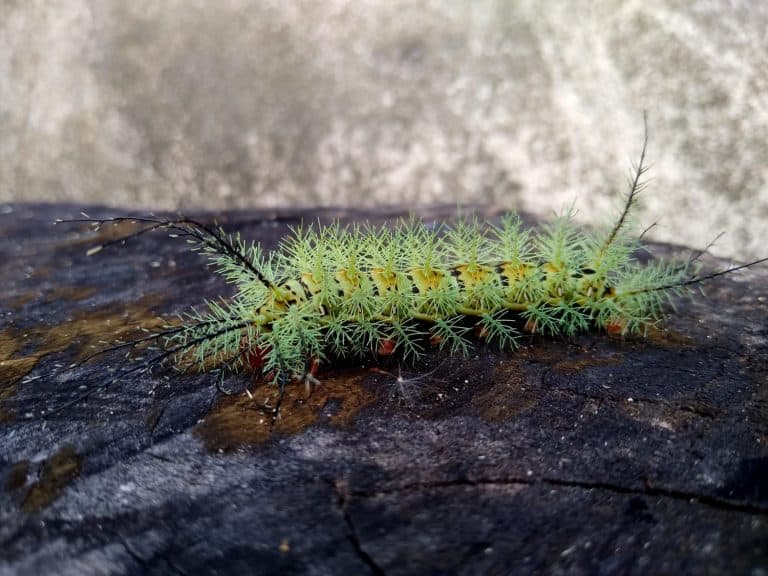
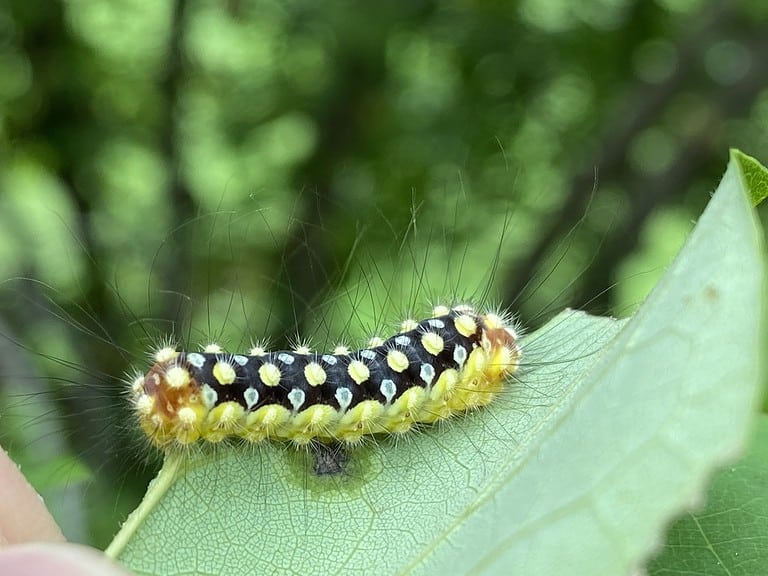
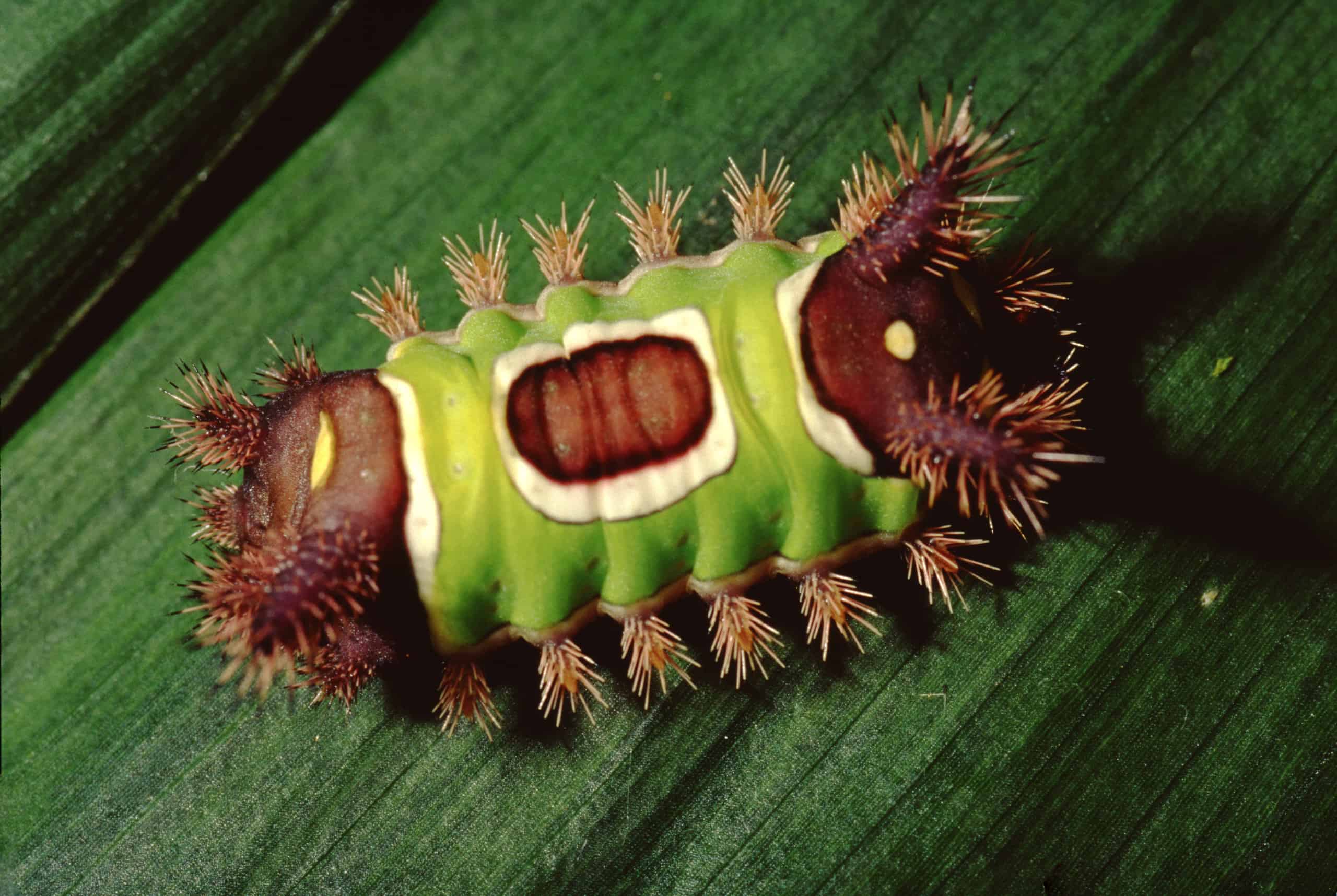
Whilst most fall caterpillars will do you no harm, there are a few that you should be wary of. These include the southern flannel moth caterpillars, known in some locations as “asps” or the puss caterpillar. Other culprits are the buck moth caterpillar, the spiny oak slug caterpillar, and the saddleback caterpillar.
Many of these species look furry and very inviting to touch, but that would be a big mistake. What looks like ‘fur’ is actually a collection of stinging hairs, spines, and barbed hooks. These hollow hairs, called setae, are connected to poison sacs. If you touch them, the hairs break and release toxins onto your skin. Sometimes, the broken setae can also pierce the skin.
Where Are Stinging Caterpillars in Your Backyard?
The type of location where you are most likely to encounter a stinging caterpillar depends on the species and on what it likes to feed on. For example, the saddleback caterpillar is found on many trees, shrubs, and plants. However, it tends to favor apple, basswood, cherry, dogwood, elm, maple, oak, and plum trees. The puss caterpillar, however, feeds on the foliage of apple, elm, hackberry, maple, oak, pecan, and sycamore. Io moth caterpillars like to feed on grasses and herbs, but can also be found on a wide range of trees, including apple, black locust, cherry, oak, sycamore, and willow. Dagger moth caterpillars are common backyard pests and are mainly found on tree foliage.
There is no need to panic because your overall chance of coming into contact with one of these caterpillars is actually low. However, the more time you spend around wooded areas and the plants they feed on, the more likely you are to come into contact with them. Most stinging caterpillars are brightly colored, so by staying alert, you can reduce your risk of being stung.
Avoiding Caterpillar Stings
Most of the time, the small number of these caterpillars in a yard will not warrant any sort of formal pest control. However, if a particularly large population develops one fall, they can be treated with insecticides. This action is generally only warranted if there are a lot of them near recreation areas or residences.
If you find one of these caterpillars on you, avoid brushing it off or slapping it with your bare hand. Instead, use a stick or another object to remove it. Never try to touch or pet these caterpillars, and always wear gloves when working in your yard. You may want to avoid sitting under the trees that the caterpillars frequent. Wearing long sleeves and pants when outside is also a sensible precaution. Finally, try to appreciate these creatures in your backyard! They are providing food for other wildlife and are a sign of a healthy environment.