
Quick Take
- Two seals were filmed “borrowing” a surfboard on the water in Dungarvan, Ireland, a goofy, blink-and-you’ll-miss-it wildlife moment that’s gone viral.
- Ireland’s coasts are home to two regular seal species—grey seals and harbour (common) seals, and you can often tell them apart by head shape (grey seals have that “Roman nose” profile).
- Seals are built for life in cold water (streamlined bodies, flippers, insulating blubber) and are surprisingly capable divers, though most dives are short and shallow compared to record depths.
Spotting a surfboard on an Irish river is unusual enough, but finding two seals on it has got to be a one-off! In this wholesome footage, we get a glimpse of two seals having the time of their lives with a new toy! It was apparently captured at Dungarvan, which is a coastal town and harbor in County Waterford, on the southeastern coast of Ireland. Take a look for yourselves.
Which Seal Species Are Found in Ireland?
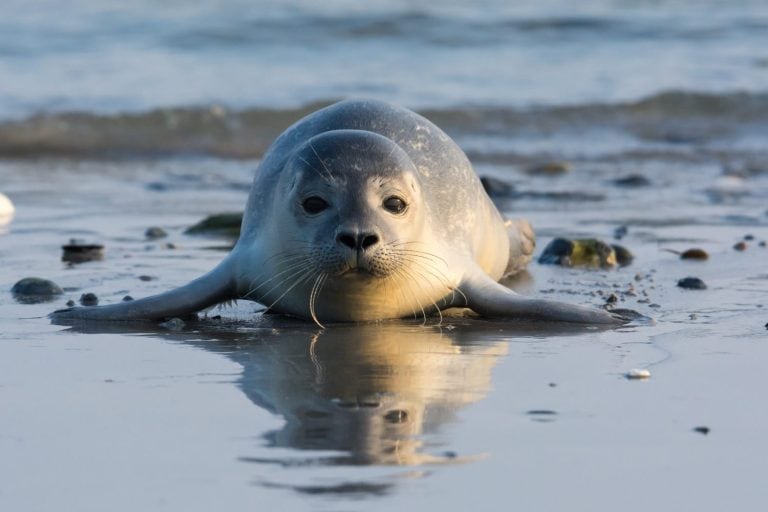
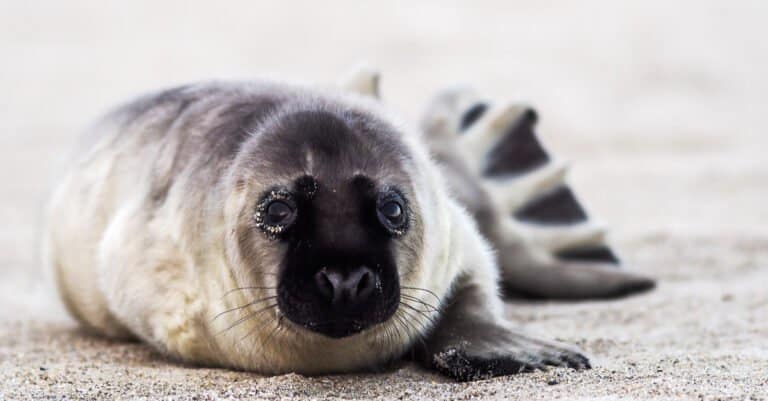
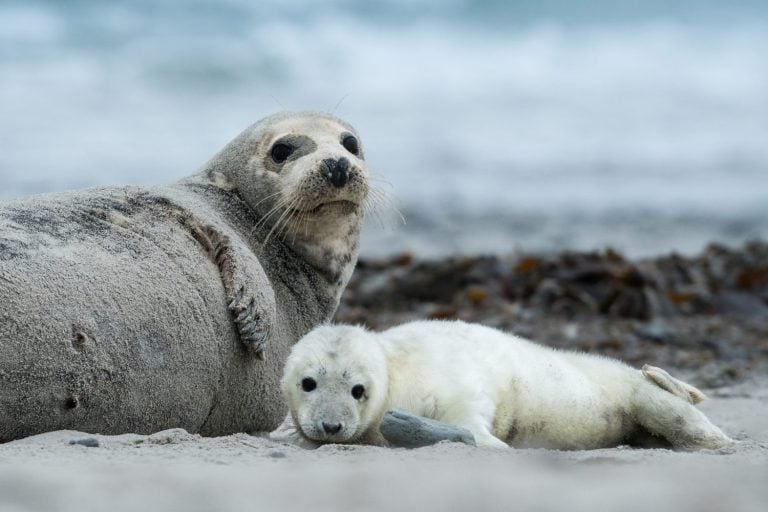
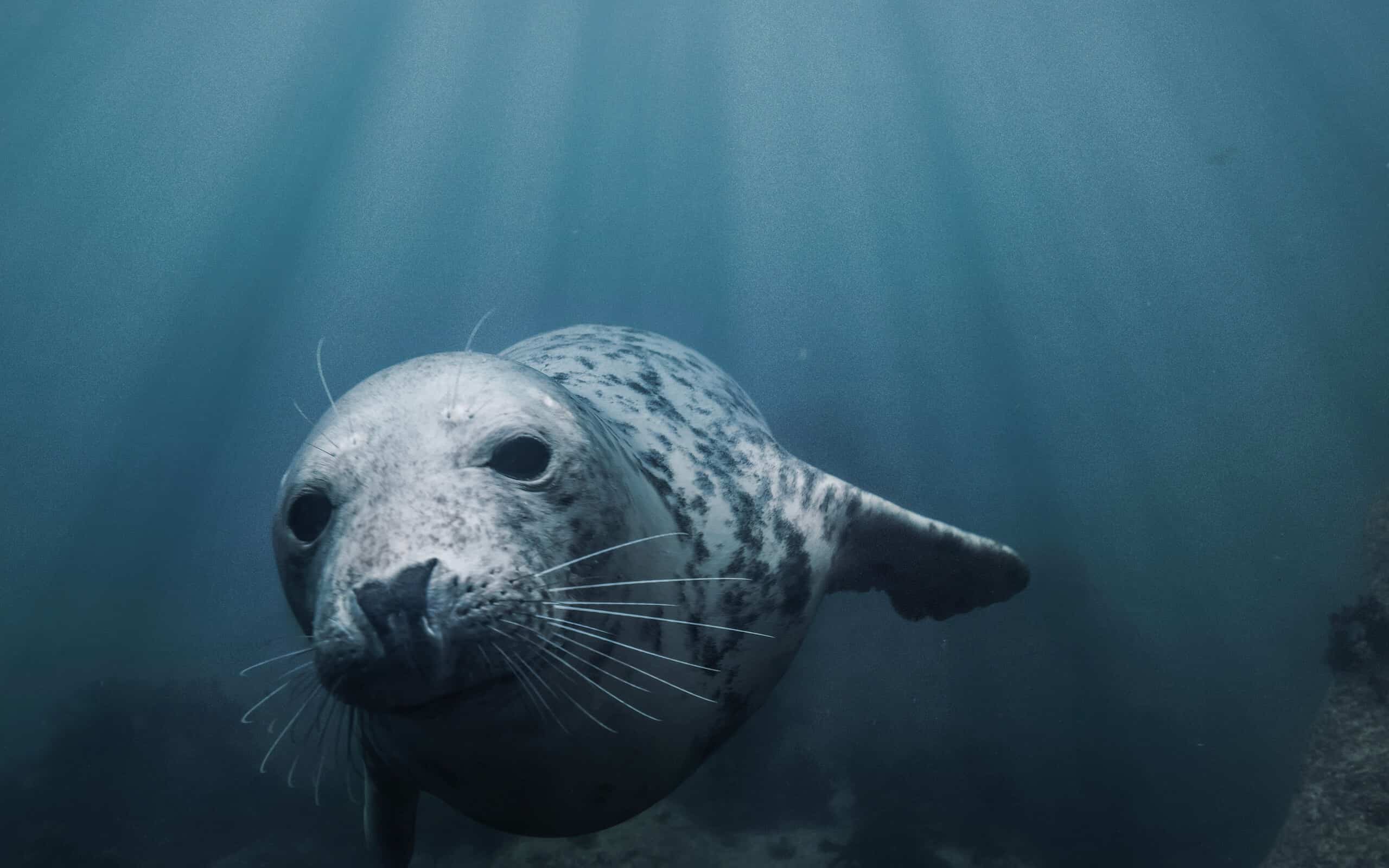
Two species of seals frequent the shores around Ireland, namely the Atlantic grey seal and the common or harbor seal. The grey seal has an interesting scientific name – it is Halichoerus grypus, which means hook-nosed sea pig! This explains why it can be distinguished from the common seal by its ‘Roman nose’ profile. They are also larger, and while they are predominantly grey, they have patterns of darker blotches and spots which are unique to each seal. Despite numbers dropping to around 500 in the early 20th century, it’s now estimated there are more than 120,000 grey seals in Britain—about 40% of the world’s population (and most of Europe’s).
Where Do Common Seals Normally Live?
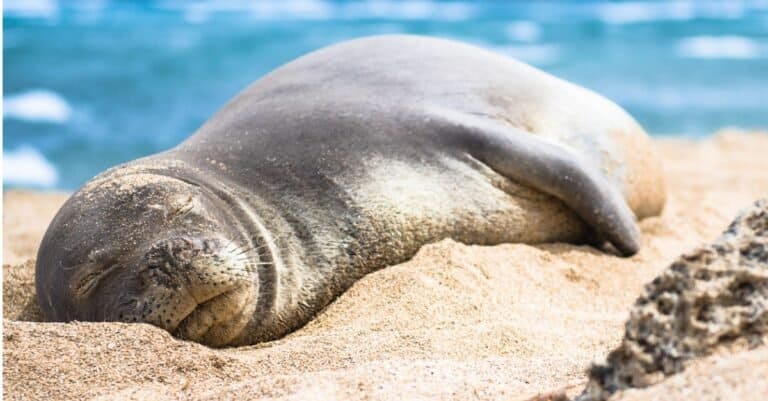
Common seals are widespread across the North Atlantic and North Pacific. Their range extends from the subtropics to the Arctic. They are a common sight on US and Canadian coasts. These seals are mainly along shorelines and in estuaries. You can spot them resting on sandbanks as well as on beaches, reefs, and protected tidal rocks.
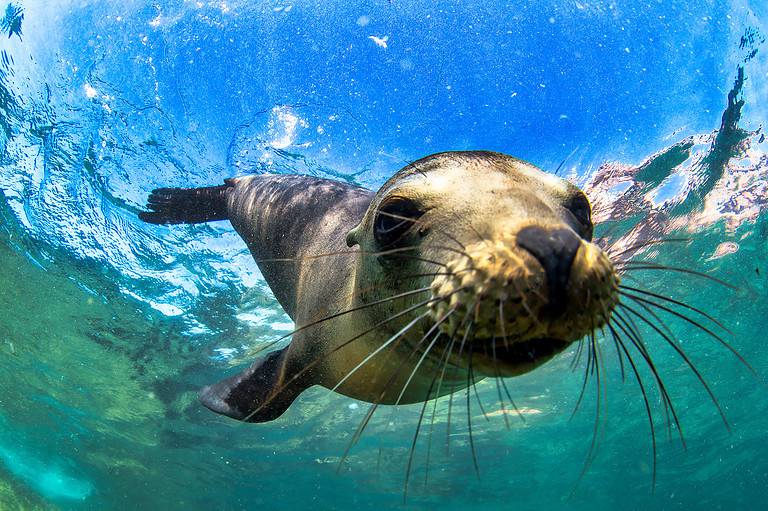
They are highly adapted to living in water – their limbs have evolved into flippers, and their bodies are streamlined so they can move effortlessly through water. Harbor seals have been recorded diving to over 1,000 feet and staying submerged for 20–30 minutes, although most of their dives are much shallower and shorter. A combination of fur and a thick layer of blubber (subcutaneous fat) keeps them warm even in cold water. That thick blubber keeps them warm—but in parts of their range, it also makes seals a high-value target for predators like killer whales, and in the Arctic, polar bears.
What Do They Normally Eat?
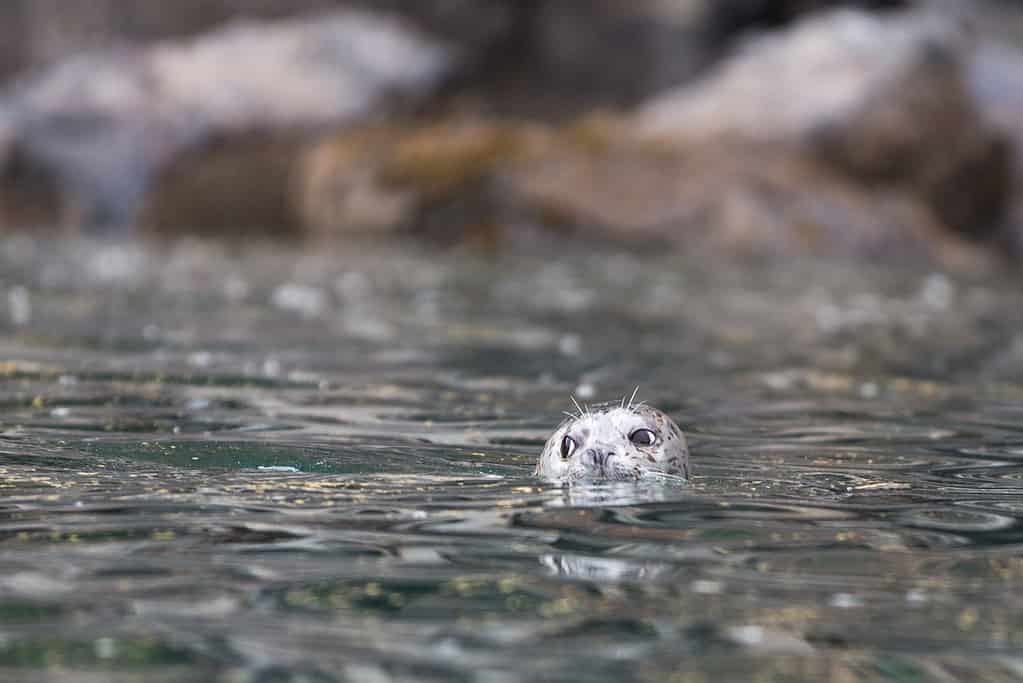
Seals like to eat fish.
©RobsonAbbott/ via Getty Images
There are 30+ species of seals worldwide, and many of them eat a lot of fish—though diet varies a ton by species and region. This normally makes up the largest part of their diet. However, they can also eat squid, lobsters, and octopuses. Some seals also take less typical prey—like larger invertebrates—and there are occasional reports of seals attacking other marine mammals. Harbor seals mainly eat fish and also take squid and other cephalopods; their exact menu depends on what’s available locally.