
Quick Take
- Achieving survival requires these highly metabolic birds to enter 1 specific nightly state.
- Entering torpor creates a drastic reduction in 3 vital physiological functions.
- The audible high-pitched sounds emitted are not actual snoring.
- Hummingbirds must complete a specific waking process to restore their vital oxygen levels.
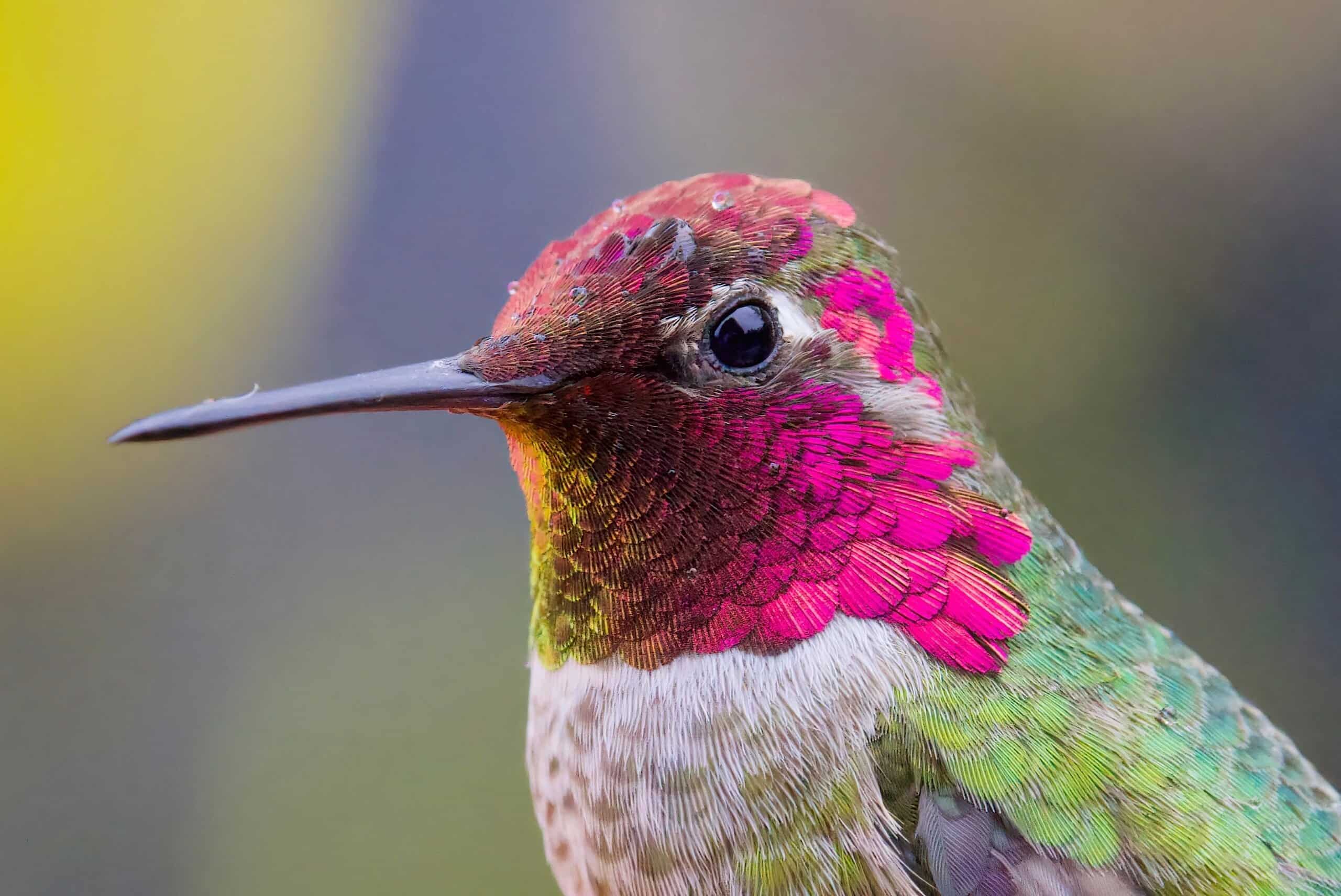
Hummingbirds are famous for their quick flying and beautiful colors. However, they are also among the sweetest little birds. One example of this is when they sleep, or more specifically, when they enter the state of torpor. This Instagram post by @explainingnature shows a cute hummingbird seemingly snoring away as it rests. Read here to learn more about this adorable snoring hummingbird.

Hummingbirds enter the state of torpor to rest rather than sleep.
©Rick Scuteri/Shutterstock.com
How Do Hummingbirds Rest?
Hummingbirds are interesting animals because they don’t sleep as humans do. Hummingbirds are highly metabolic creatures that use large amounts of energy throughout the day by constantly feeding on flower nectar. At night, when they aren’t feeding, they enter a state known as torpor. In this state, there is a decrease in physiological activity, such as a reduction in metabolism, temperature, and heart rate.
They may look like they’re asleep, but they are actually in a survival mode to conserve energy.
When they do “sleep,” they perch on branches and grip them tightly with their feet. Most hummingbirds remain completely motionless and silent during torpor. Occasionally, as they wake from torpor, they may emit soft, high-pitched noises, which some people describe as ‘snoring.’ While these are not true snores in the human sense, such high-pitched noises are a documented phenomenon as hummingbirds wake from torpor.
Hummingbirds don’t snore like humans do because they lack the vocal apparatus for it. The sounds they make when waking from torpor are more like high-pitched peeps or squeaks, not true whistles or snores. Since they don’t make any noise while in a torpid state, why might the bird be making sounds in the video? When hummingbirds start to wake up, their bodily functions begin to return as well. Their metabolism increases, and respiration picks up. They need a quick rush of oxygen, and the resulting sound comes out as a whistle or squeak. It’s an adorable sight! In other posts with similar content, viewers thought that hummingbirds in this state were in distress. However, that’s not the case. While distress may cause a hummingbird to vocalize, this bird seems content in its environment.