
Few sights feel sweeter than a baby seal meeting water for the first time. In one widely shared Instagram reel, a fuzzy, fat pup paddles with caution while a caretaker gives it support. Soon, instincts start to kick in for this animal wired for cold water, long dives, and life on the move. This scene gives a real look at that transition, from land-bound infant to confident swimmer, a change that repeats across polar ice and rocky coasts every year.
Early Days: Warmth, Milk, Safety
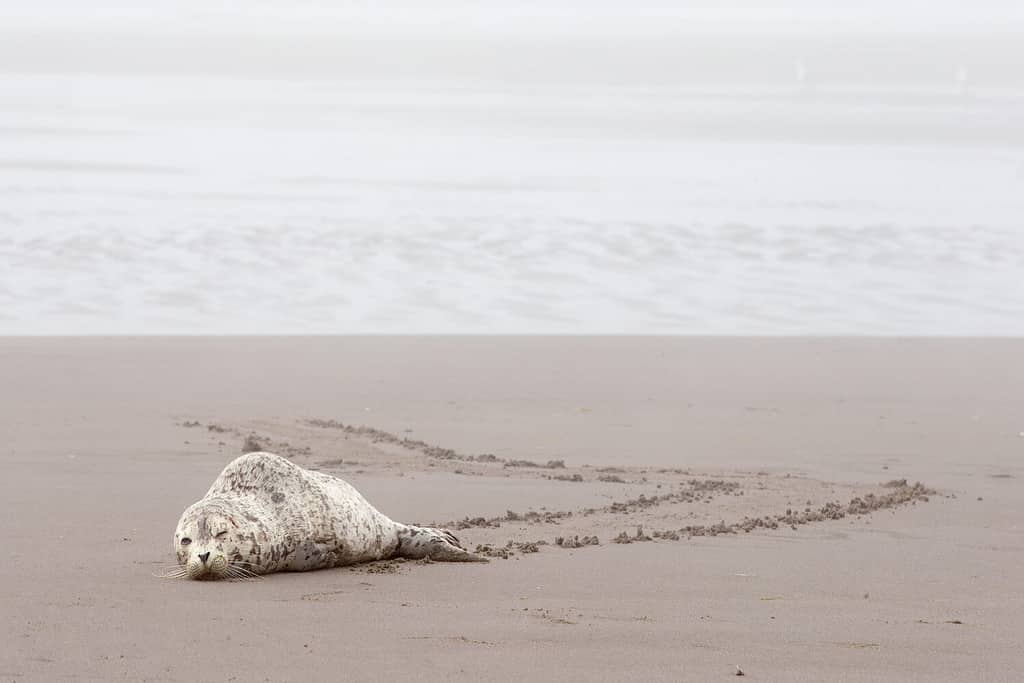
Life for seals begins on land.
©oksana.perkins/Shutterstock.com
Seal pups arrive on ice or beaches, depending on species and region. For several days or weeks, the mother’s job is simple and intense: feed and guard. Her milk is very high in fat, so the pup gains weight quickly, building up the reserves needed for cold water and future fasting.
In human care, keepers mimic that steady security, limiting stress and keeping water sessions short and safe. The first dips happen in shallow pools with smooth edges. The goal is not to make an expert swimmer in the first lesson. The goal is comfort, buoyancy, and calm. Pups learn where to rest, how to exit, and how to trust their bodies in water. In the video, the trainer eases the pup into the water, supports it to prevent it from going under, and moves its flippers to demonstrate what it needs to do.
When Do Births Happen?
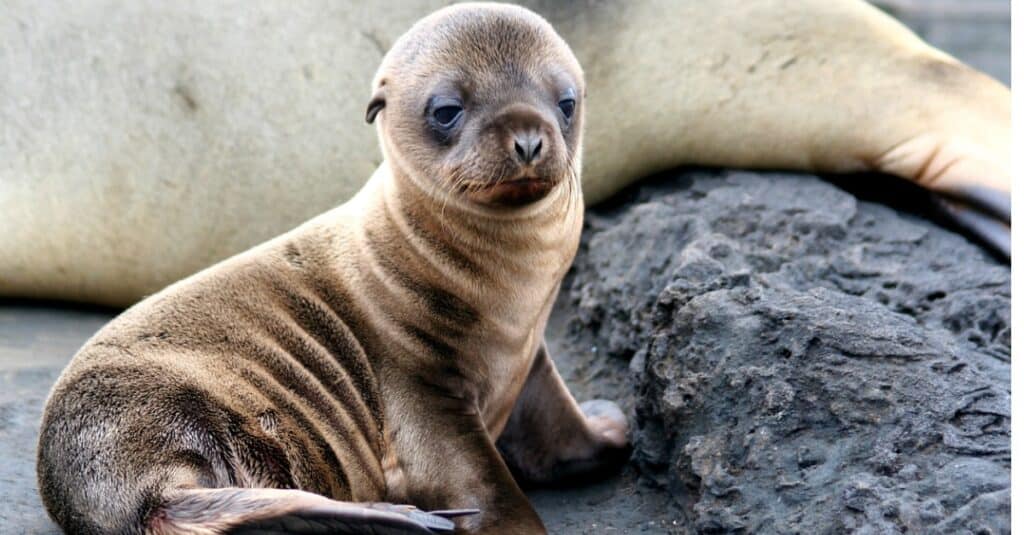
Seal birthing season varies with species.
©iStock.com/MortenElm
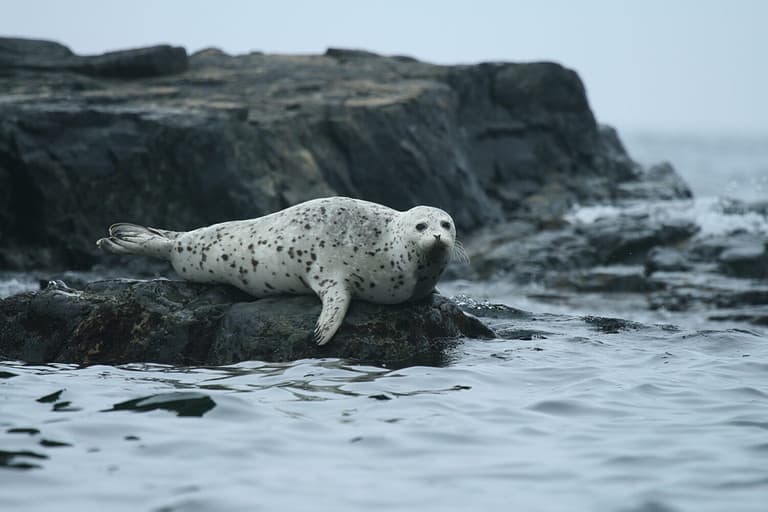
Birth timing changes by species, so a single season does not fit all. Harp seals usually give birth in late winter on pack ice, mainly in February and March. Harbor seals tend to pup from late winter through summer, with timing varying by region—generally between February and September—often on sandbars and quiet coves. Grey seals deliver in late fall through winter on many North Atlantic coasts. Weddell seals pup on Antarctic sea ice during the southern spring. These schedules match weather, prey, and ice conditions in each region. Knowing this pattern matters, since the length of nursing, the time of the first swim, and the risk from storms or predators all depend on where and when the pup is born.
Baby Fur Coats
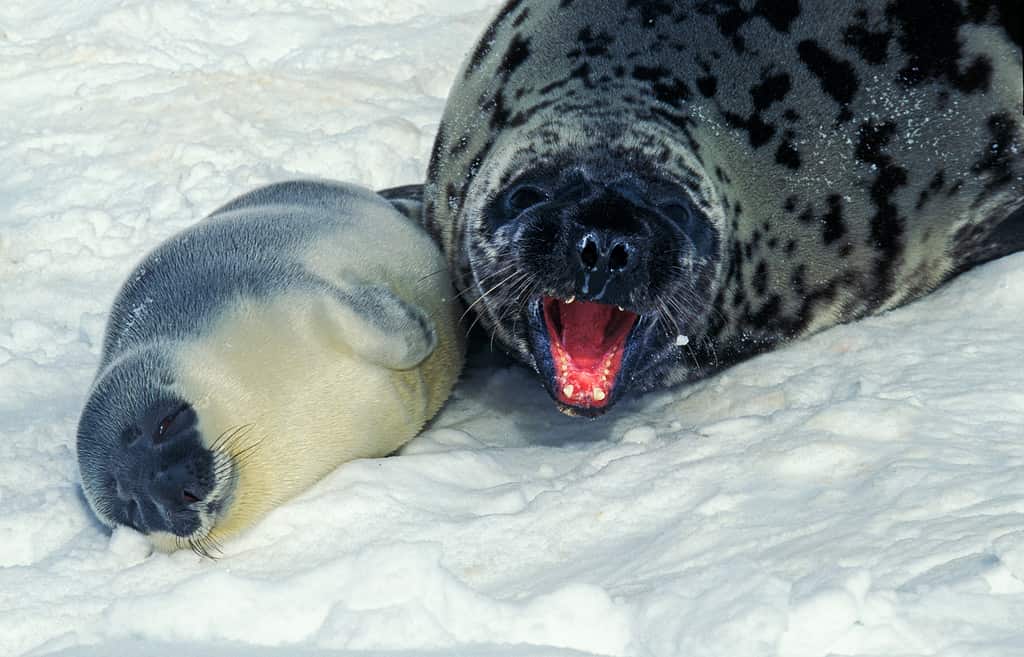
Many newborn seals have a pale coat to keep the baby warm on land.
©slowmotiongli/Shutterstock.com
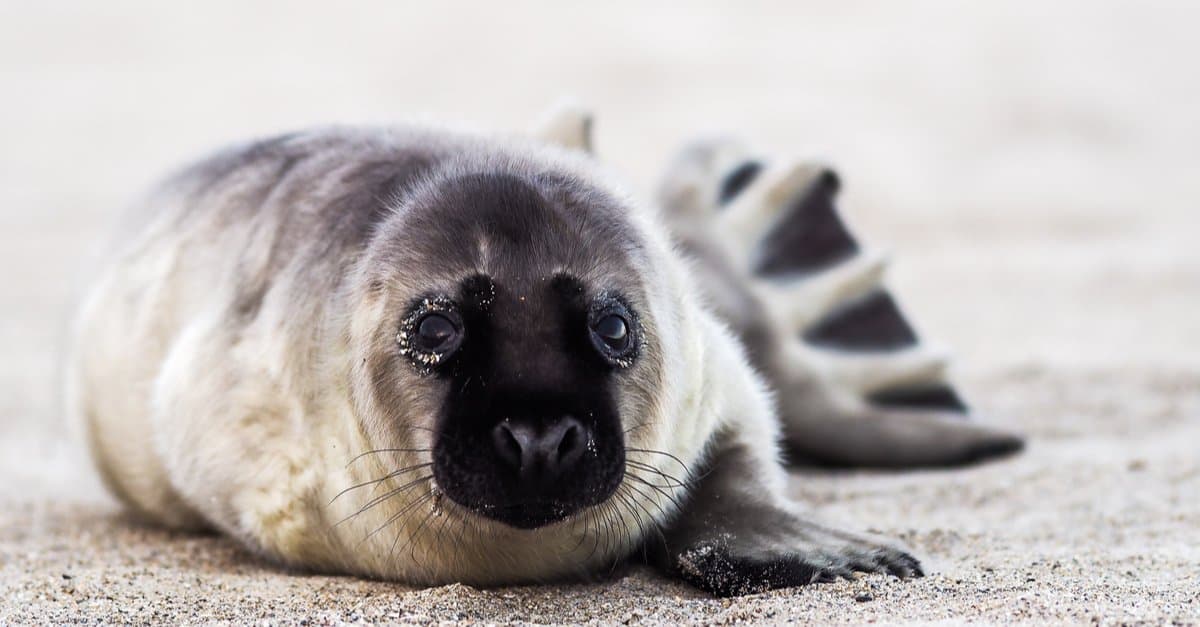
The seal in the video has a white fur coat that it will shed as it reaches adulthood. Many, though not all, newborn seals wear a pale, fluffy coat called lanugo. It insulates a small body on cold surfaces, but it does not shed water well. Harp and grey seal pups keep this coat for roughly two to three weeks while they nurse and rest. Harbor seal pups usually shed lanugo before birth, so they arrive with a sleeker coat that handles water sooner. After nursing, pups enter a molt, losing the fluffy coat for a more waterproof layer. During that shift, they limit time in water, since wet lanugo can pull heat away. Once the new coat grows in andthe blubber thickens, longer swims become safe.
How Do Pups Learn to Swim?

Seals are not born knowing how to swim. They must practice in shallow water under watchful eyes.
©Danita Delimont/Shutterstock.com
A first time in water triggers strong inborn responses. Most pups float, kick with their hind flippers, and find the surface right away. Instinct takes them that far. Skill, however, improves through repetition. Breath holds lengthen with age. Movements grow more efficient. Pups learn to angle the body, steer with foreflippers, and time their breaths to small waves. Studies of different seal species show a mix of trial, error, and observation. Weddell seal mothers guide pups to cracks and holes in the ice. Grey and harp seal pups often practice in the shallows while the mother rests nearby. In every case, short sessions build confidence.
Teaching Seals to Swim in Rehabs and Zoos
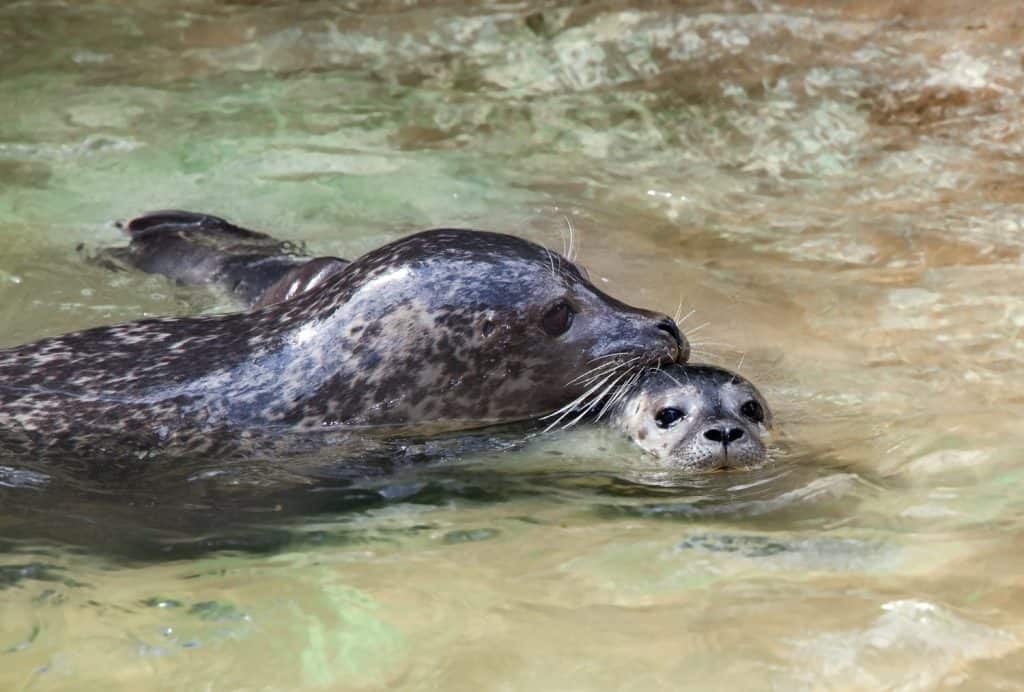
This mother seal is watching reassuringly over her baby.
©Anneka/Shutterstock.com
Caretakers follow a careful plan when it’s time to teach a motherless seal to swim. First comes dry comfort, towels, heat, and quiet. Next, the pool, kept shallow with low ledges. Staff handle the animal gently, never forcing the pace. Food rewards and calm voices help link water with safety. Early swims last a few minutes at most. The team watches for shivering, labored breathing, or signs of stress, then ends the session. Over days, distance and time increase. If a pup is orphaned, staff may pair it with another pup for social learning. The goal is always the same: a healthy animal that moves well in water and knows how to rest without panic.
Growing Up Fast
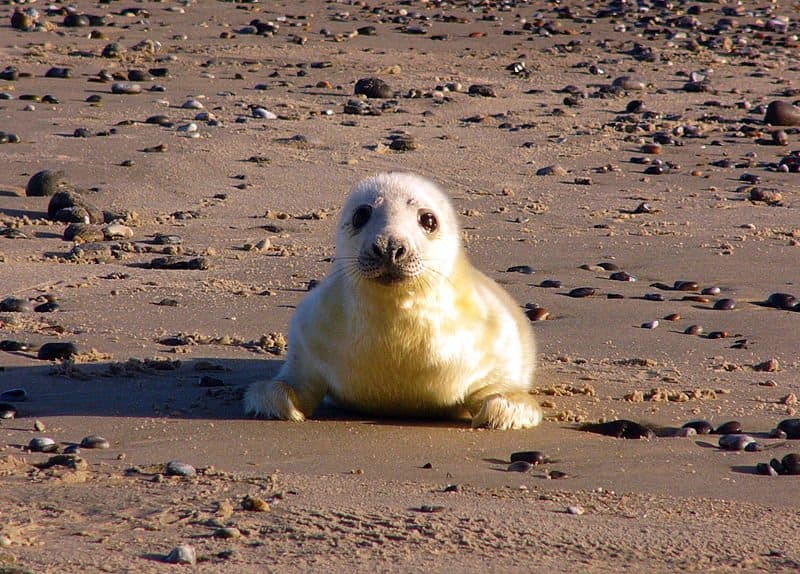
Seals are independent of their mothers within 2-3 weeks.
©Andreas Trepte / Creative Commons – Original
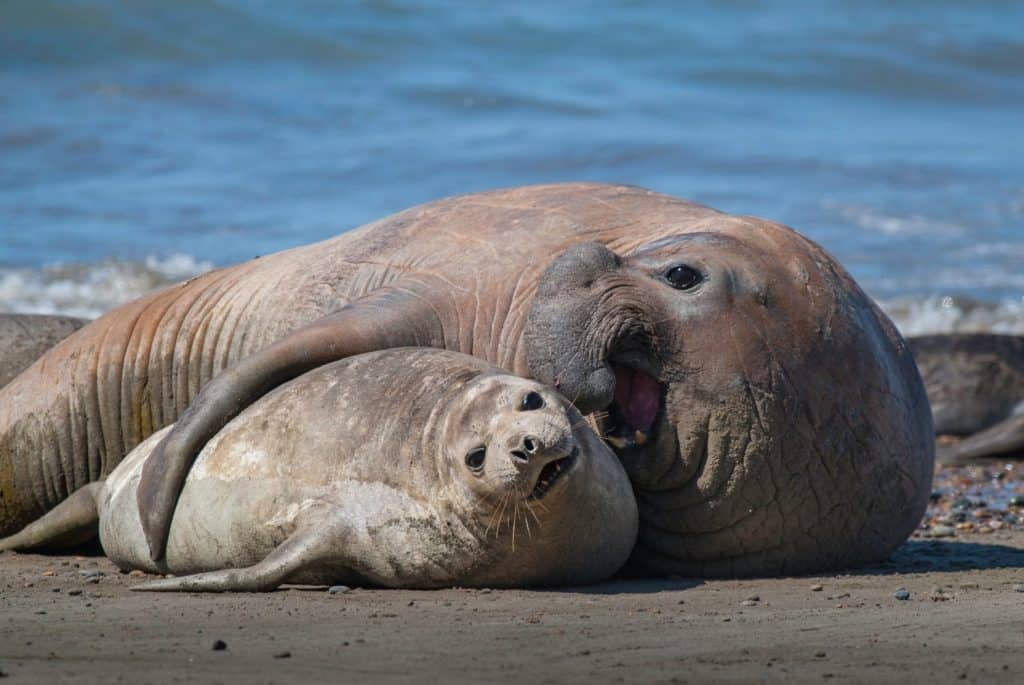
Among true seals, mothers shoulder nearly all care. They nurse at close range, defend the pup, and sometimes nudge beginners into a pool or tide line. Males do not participate in teaching; instead, they focus on mating and defending their territory during the breeding season. After a short nursing period, which can run about 12 days for harp seals and around two to three weeks for grey seals, the mother departs. Many pups then fast while they finish molting and practice short swims. A few species show more guidance in icy habitats, yet the broad pattern holds: strong maternal focus early, then rapid independence.
Built for Water
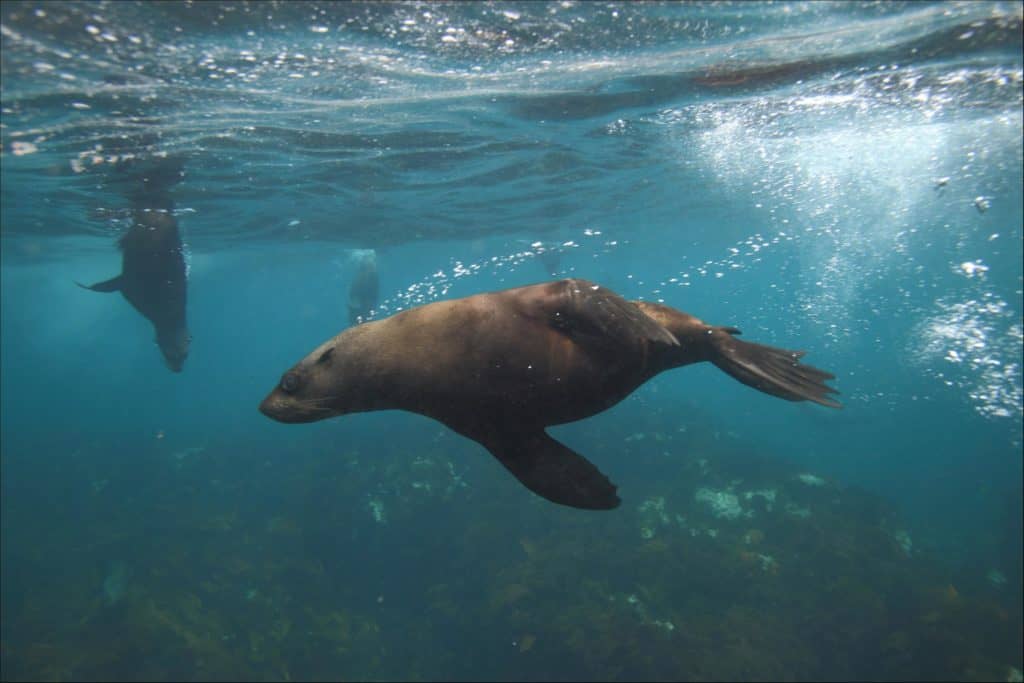
Seals’ bodies are optimized for swimming.
©Alessandro De Maddalena/Shutterstock.com
A seal’s body streamlines to reduce drag and converts muscle work into motion. Hind flippers provide the main thrust through side-to-side movement, while foreflippers steer and stabilize. Nostrils and ear openings close against water. Big, low-light eyes help in dim seas. Thick blubber adds insulation and buoyancy. Inside the muscles, high myoglobin and dense capillaries store and deliver oxygen. Blood shifts to vital organs during dives, and the heart rate slows to conserve supply. Many seals can remain submerged for 15 to 30 minutes; Weddell seals can exceed an hour; elephant seals can pass the two-hour mark. These systems keep a young swimmer safe while skills mature.
Seal Milestones
Seal pups rapidly learn to hunt for themselves and navigate shifting currents and water conditions.
©Foto 4440/Shutterstock.com
Water comfort opens the door to the next lessons. Pups begin to track small fish and invertebrates, learn to grab, and swallow headfirst. They study currents, haul-out spots, and safe exits. Growth milestones arrive fast: the first successful dive past a minute, the first catch, the first return to a known rock in rough water. As the coat finishes its shift and blubber thickens, trips extend. The body now burns fat efficiently, which supports cold swims and fasting during long rests. In time, the juvenile can ride swell, dive along edges, and handle poor weather without fear.
Why Do These Videos Hit Us Hard?
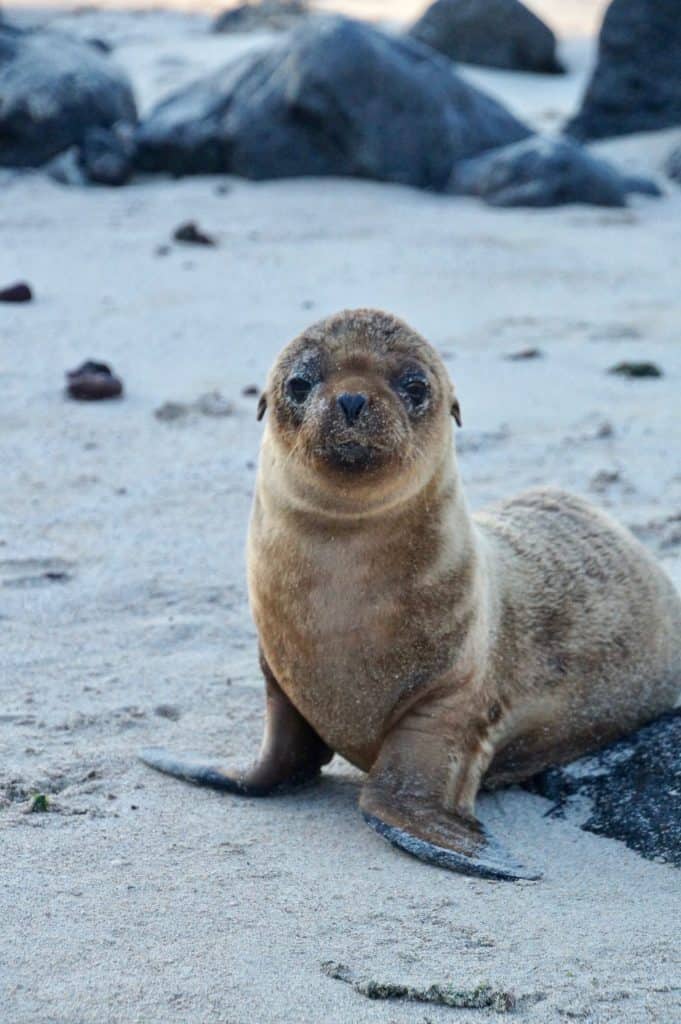
The struggle of a baby seal to learn reminds us a little of our own valiant efforts to adapt to all life throws at us.
©Cecilsog/Shutterstock.com
From the first careful paddle to the first long dive, a seal pup’s path is simple to describe and hard to master. Instinct opens the door, practice carries the learner through, and a well-timed nudge makes the difference on tough days. Whether the helper is a mother on pack ice or a trained keeper in a rehab pool, the goal stays the same: a calm animal that knows how to move, rest, and eat in cold water.
These kinds of videos resonate with us because we identify with other mammals and see something of ourselves in them. A first swim hints at the whole life ahead for this animal: ice, storms, migration routes, and the quiet skill of surviving. People respond because a pup shows the same pattern we know from our own lives: try, fail, look for support, try again. The pool stands in for the unknown. The caretaker’s steady hand mirrors the guidance that helps any learner. By the end of a good session, we’re cheering for the animal as if it were one of our children, or ourselves. The clip becomes a small lesson in courage, repetition, and trust that might inspire us to take the next plunge we need in our own lives.