
From sticky seeds clinging to pant legs to silent hunters flying at night, animals solve problems in clever ways. Engineers study those survival tricks and turn them into tools, vehicles, and medical devices. This process, called biomimicry, treats nature as a library of working blueprints, tested over millions of years. The examples below show how ideas from plants and animals now shape trains, swimsuits, robots, and more. By copying what already works in the wild, people save energy, reduce waste, and design technology that fits better with the world around us. Here are 15 examples of human technologies inspired by animal adaptations—a number that is growing all the time.
1. Burrs / Velcro
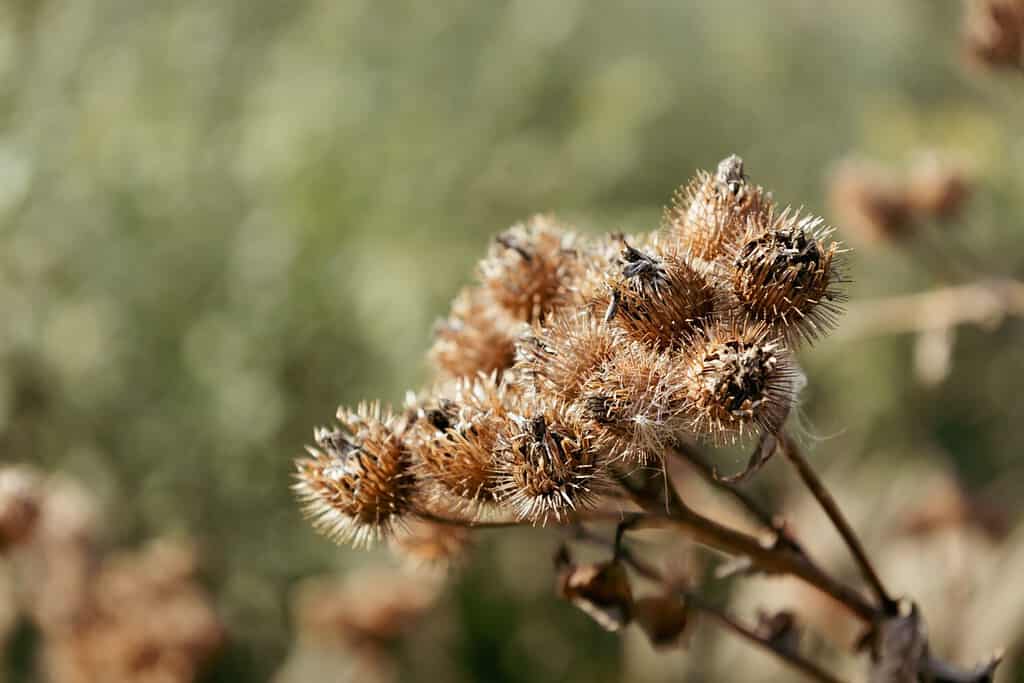
Sticky burrs from the burdock plant inspired the inventor of Velcro.
©Avalepsap/Shutterstock.com
In the 1940s, Swiss engineer George de Mestral went hiking with his dog and came home covered in burrs. Curious, he placed the burrs of the burdock plant under a microscope and noticed many tiny hooks that clung tightly to loops in fabric and fur. That simple observation led him to design a hook-and-loop fastener system that used stiff hooks on one strip and soft loops on another. He later named the product Velcro, blending the French words for “velvet” and “hook.” Today, Velcro closes jackets, shoes, medical cuffs, and cable wraps, all thanks to one patient looking at a stubborn plant seed.
2. Kingfishers / Bullet Train
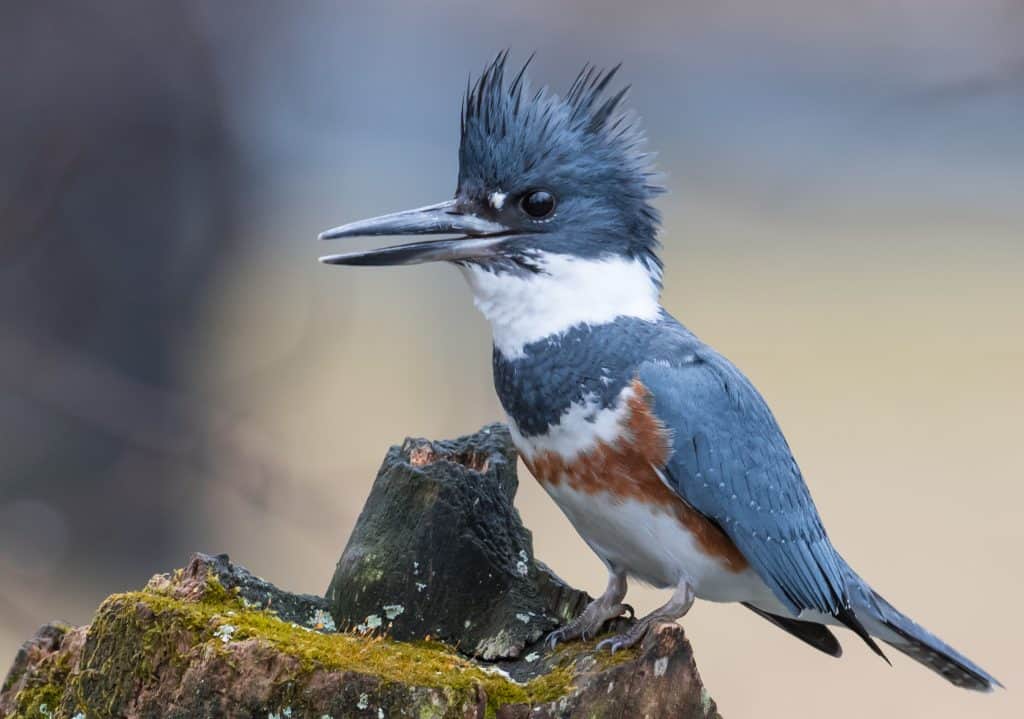
The beak of the kingfisher taught Japanese engineers how to design better bullet trains.
©Harry Collins Photography/Shutterstock.com
Early models of Japan’s high-speed Shinkansen trains caused loud booms when they came out of tunnels. Engineer Eiji Nakatsu, who enjoyed bird-watching, noticed that kingfishers dive from the air into water with a narrow splash because of their long, tapered beaks. He and his team reshaped the train’s nose to follow the same profile. Tests showed that the redesigned trains used around 15 percent less electricity, reached higher speeds, and reduced tunnel boom noise. The change turned a loud engineering headache into a smoother ride for passengers and nearby communities.
3. Sharks / Swimsuits
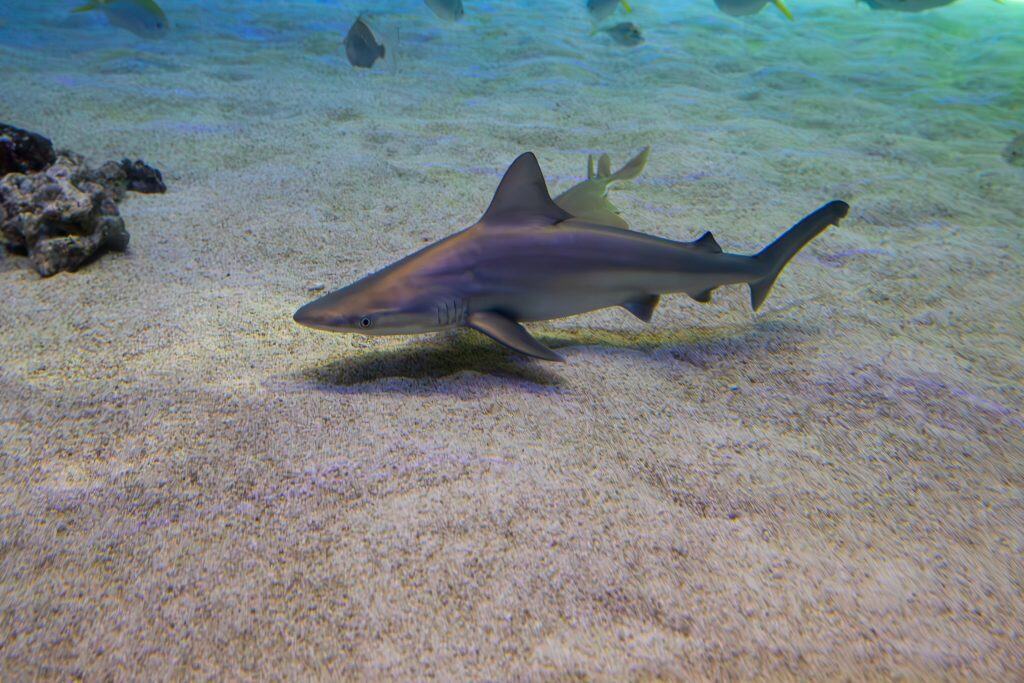
A small grey shark or dusky shark (Carcharhinus plumbeus).
©E. PUIG/Shutterstock.com
Shark skin is covered with tiny tooth-like structures called dermal denticles that help control water flow and cut drag. Inspired by this, designers created “sharkskin” racing suits using textured fabrics that guide water across the swimmer’s body. Athletes wearing polyurethane and neoprene full-body “sharkskin” swimsuits broke many records at the 2008 Beijing Olympics, prompting the sport’s governing body to ban such suits in subsequent competitions. Later studies showed that some commercial suits did not exactly replicate the structure of real shark skin, but the concept still encouraged engineers to explore new materials for racing gear and transport coatings.
4. Bats / Sonar
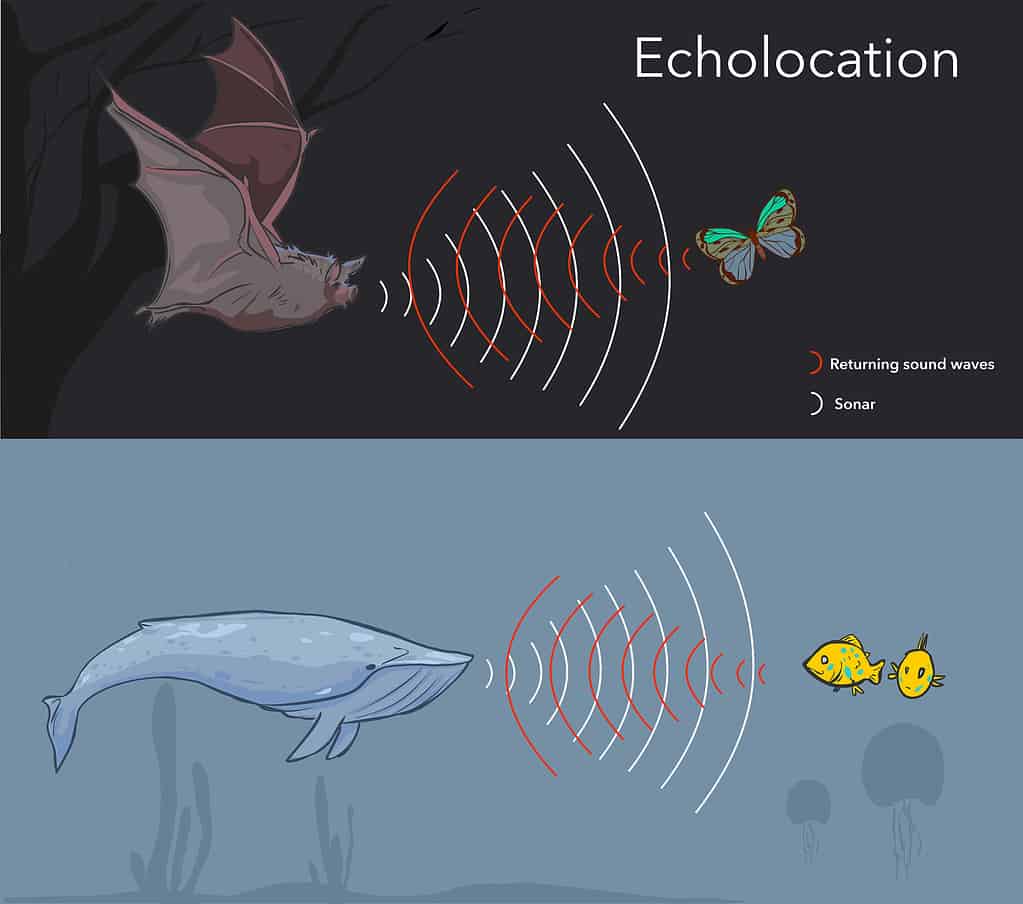
Illustration depicting the ability of some animals to use sonar, or echolocation.
©corbac40/iStock via Getty Images
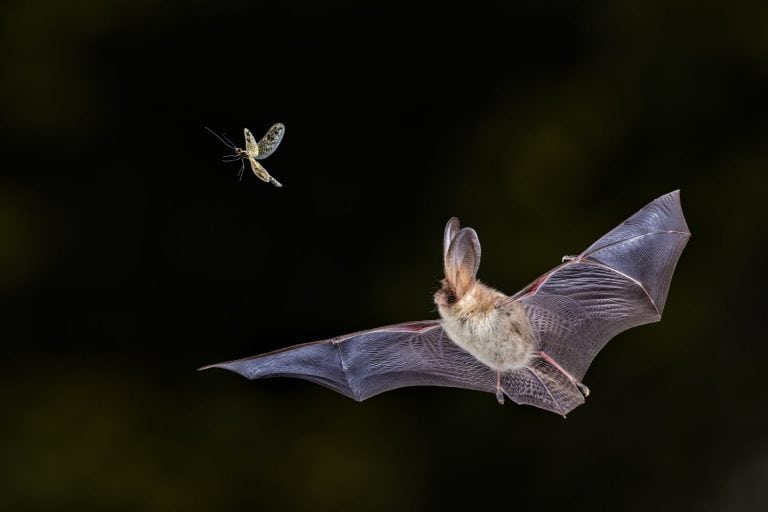
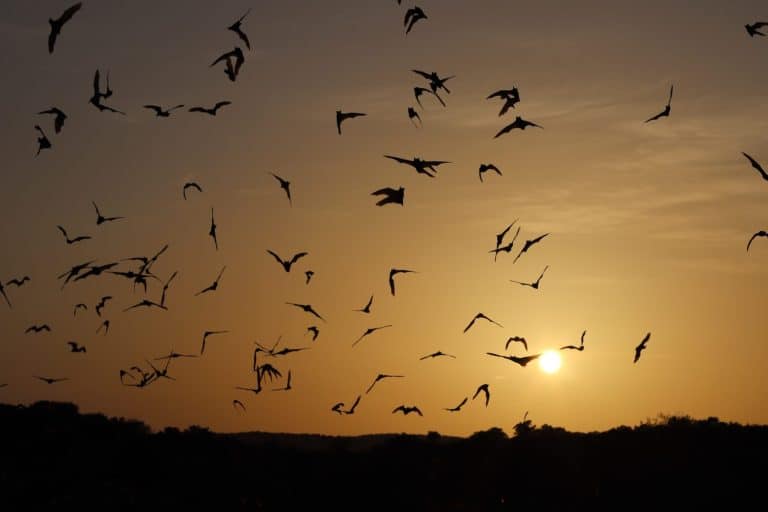
Bats hunt at night by sending out high-frequency calls and listening for echoes that bounce off insects, trees, and walls. In the late 1700s, scientist Lazzaro Spallanzani discovered that bats rely on sound rather than sight for navigation. That insight helped shape later work on sonar, which uses timed sound pulses to map surroundings underwater. Naval engineers refined sonar to track submarines and hazards, and similar ideas later guided the development of medical ultrasound systems that image organs and unborn babies. Technology that “sees” with sound follows the same basic pattern used by a tiny night hunter.
5. Geckos / Adhesives
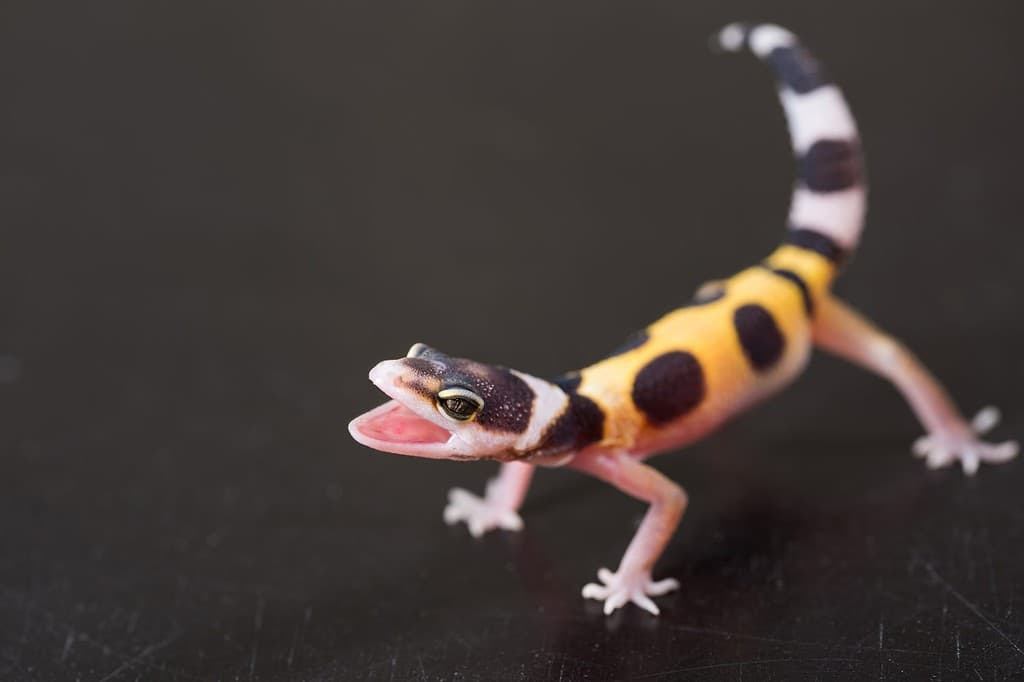
Geckos can climb without leaving residue on surfaces.
©Spok83/Shutterstock.com
Geckos scale walls and ceilings with ease, yet their toes leave no sticky residue behind. Under magnification, each toe pad carries millions of slender hairs called setae, which branch into smaller spatula-shaped tips. These tips press close enough to surfaces for van der Waals forces, weak attractions between molecules, to generate a strong grip. Engineers copied this strategy to create “gecko tape,” climbing pads, and delicate grippers for robots. These tools stick firmly to glass or metal yet release cleanly once peeled at the right angle, allowing repeated use without glue.
6. Humpback Whales / Wind Turbine Blades
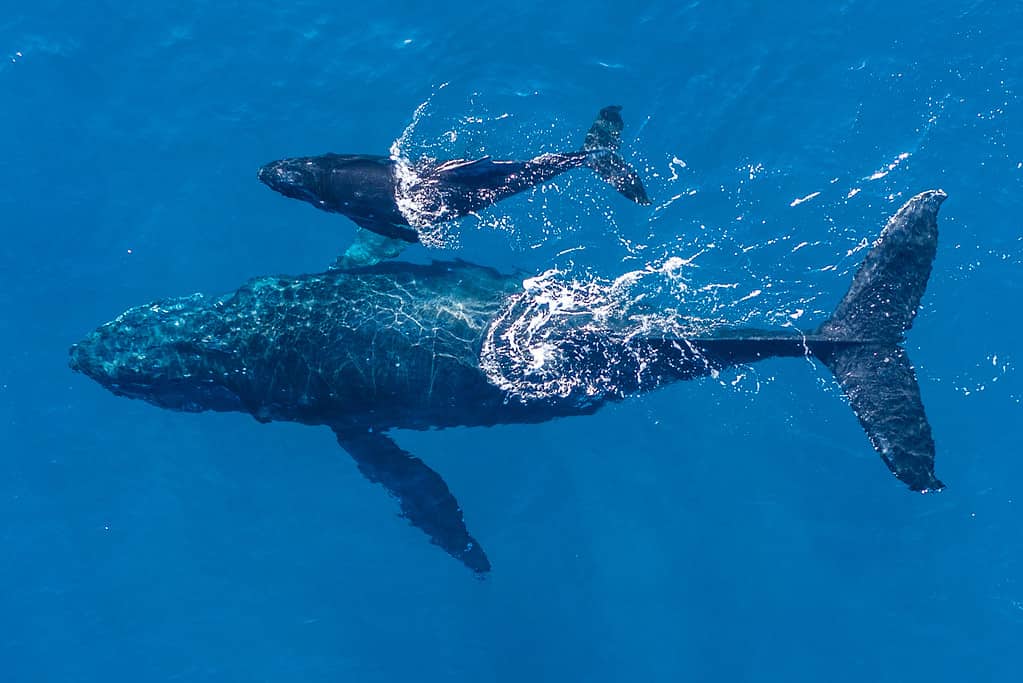
The flippers of humpback whales helped researchers learn how to improve the efficiency of wind turbine blades.
©Justin Berken/Shutterstock.com
Humpback whales have long flippers with a line of rounded bumps, or tubercles, along the front edge. Researchers found that these bumps channel water into organized streams, which increases lift and delays stall when the whale turns sharply. When engineers added similar ridges to wind turbine blades and fans, they recorded higher lift, delayed stall angles, and double-digit gains in efficiency under some conditions. Companies have begun commercializing and implementing “whale-inspired” wind turbine blades, which can increase efficiency and energy capture from low and variable wind
7. Mosquitoes / Needles
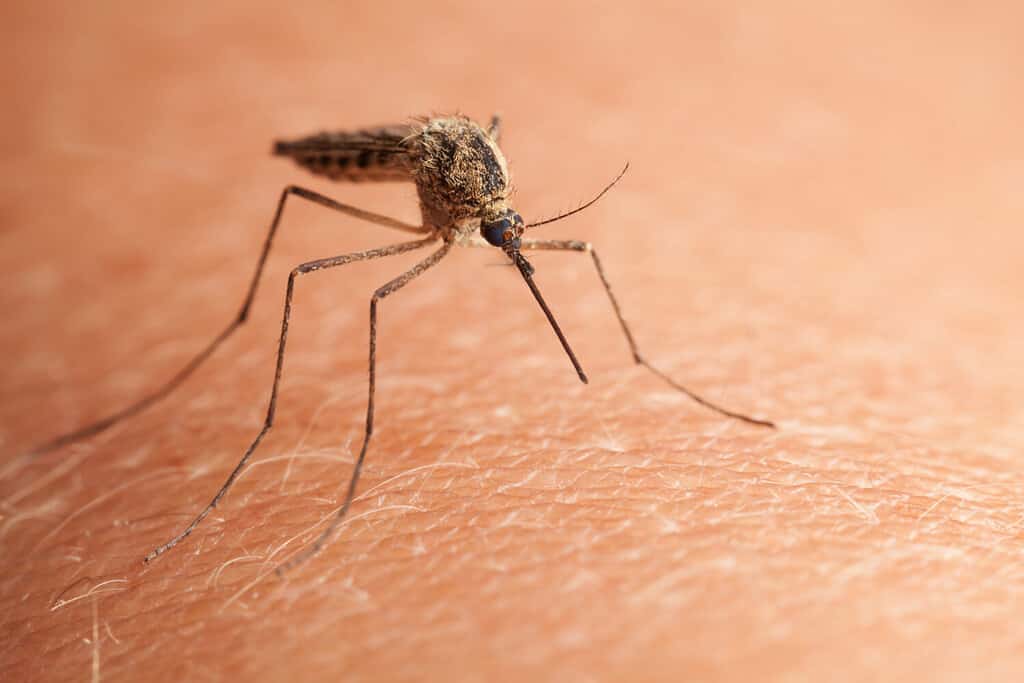
Mosquitoes are able to bite without causing very much pain.
©Anest/Shutterstock.com
Most people hardly notice a mosquito bite at first, which surprised researchers studying pain. The insect uses a bundle of slender, flexible mouthparts with a saw-like tip, plus saliva that acts as a mild anesthetic. Engineers examined this system and built microneedles and biopsy tools with sharper, segmented tips that vibrate during insertion. Some designs copy the mosquito’s layered structure to reduce tissue deformation and discomfort. Mosquito-inspired microneedles are now used in drug delivery patches and are being developed for painless blood draws and precise eye treatments.’
8. Flying Squirrels / Wingsuits
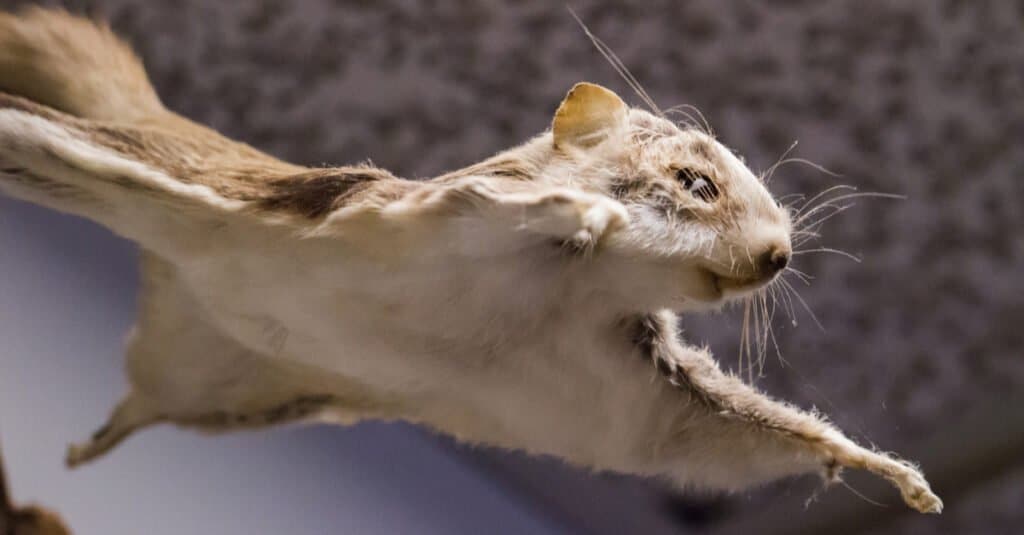
Paragliding and wingsuit designers found their inspiration in animals like the flying squirrel.
©Laura Fiorillo/Shutterstock.com
Flying squirrels, colugos, and some possums travel between trees using stretchy skin membranes called patagia. By spreading their limbs, they turn their bodies into living wings and steer with subtle tail and body movements. Paragliding and wingsuit designers study these mammals to understand how an extended surface can provide lift at low speeds. Modern wingsuits mimic the patagium with fabric stretched between arms, legs, and torso, while paraglider wings borrow ideas from the curved profiles that help gliding mammals stay stable. This research helps pilots control descent, make tighter turns, and land with greater control.
9. Dogs / 4-Legged Robots
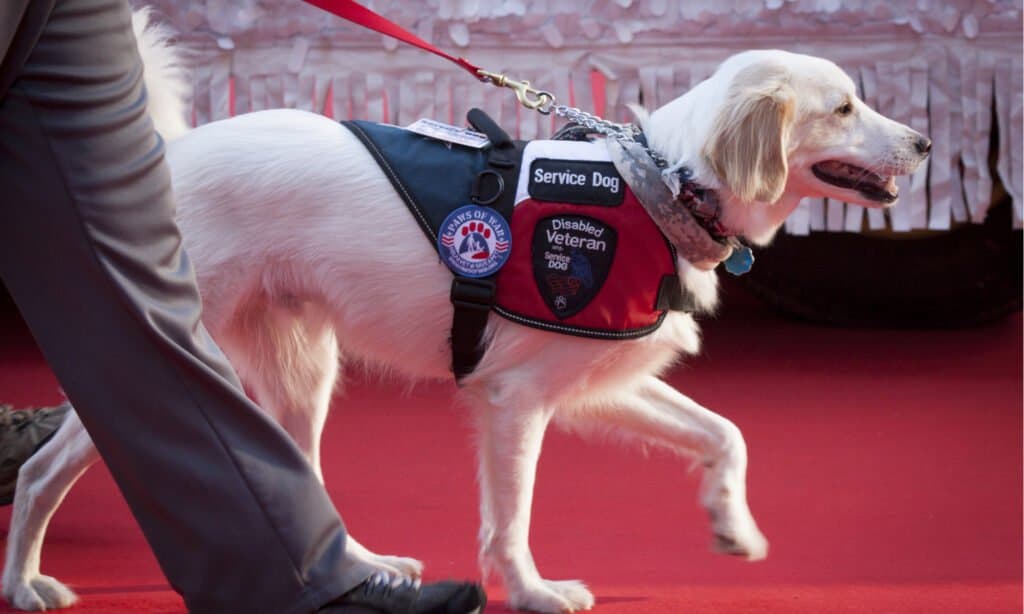
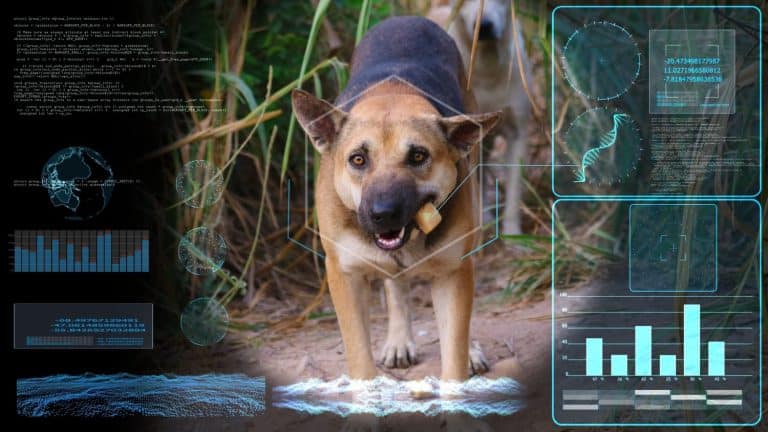
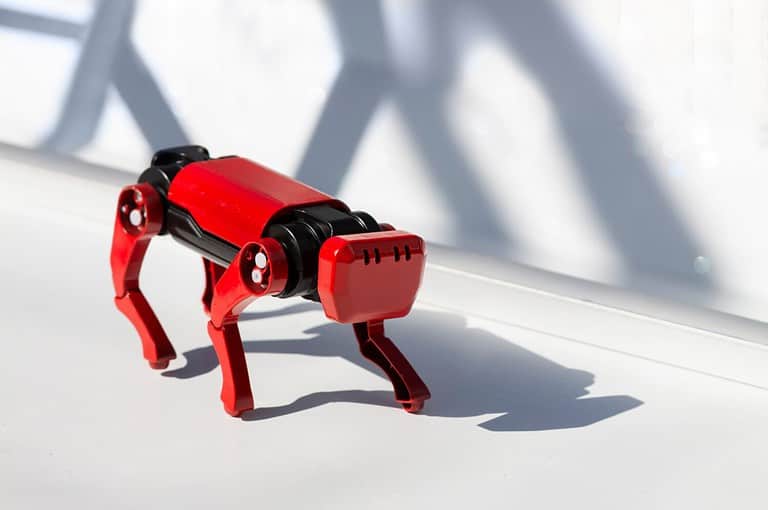
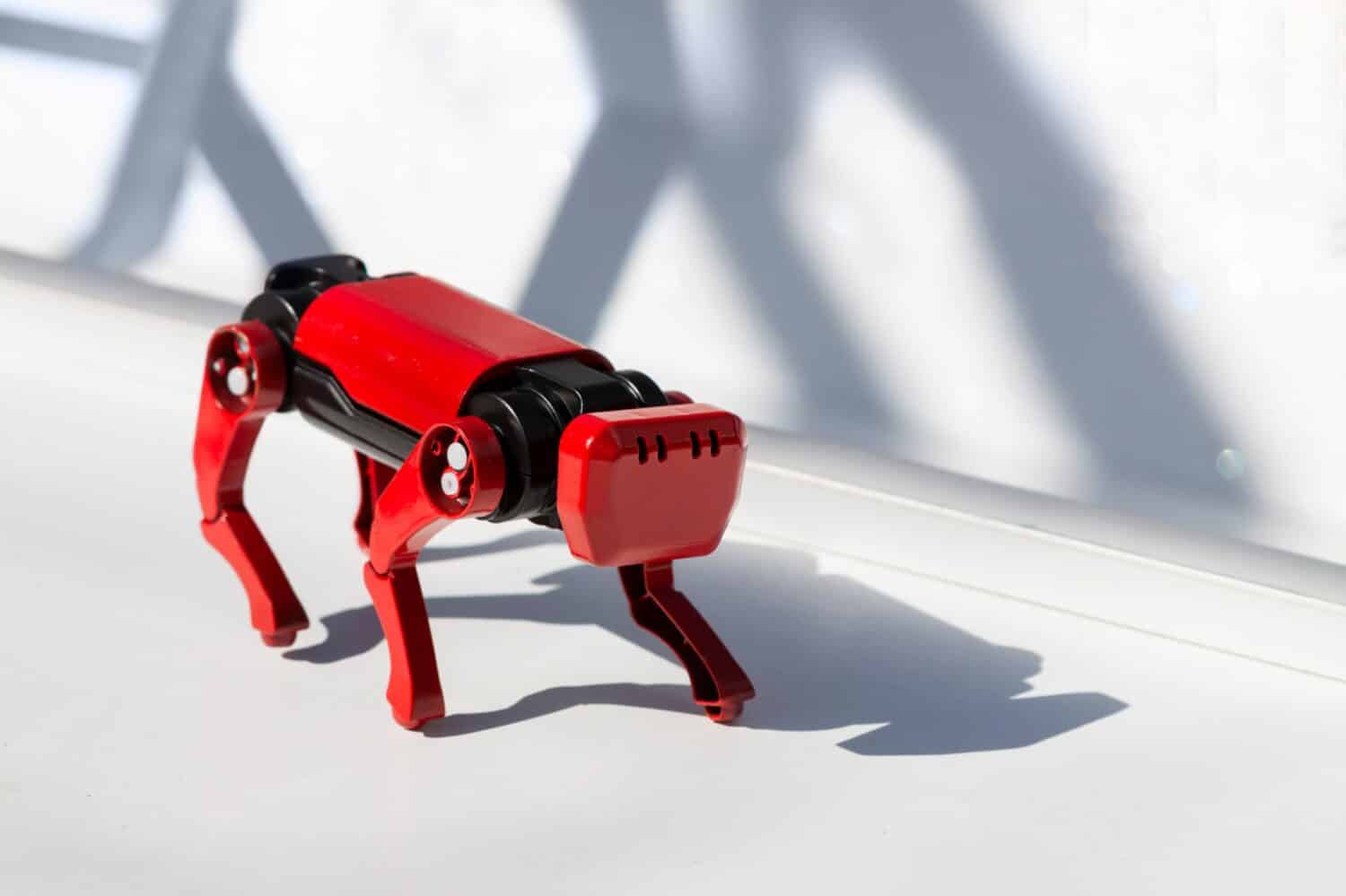
Boston Dynamics has built a robot dog inspired by some of the movements and roles of real working dogs like this one.
©Glynnis Jones/Shutterstock.com
Spot is a four-legged robot from Boston Dynamics that moves like a medium-sized working dog. It can walk, trot, climb stairs, keep its balance on challenging terrain, autonomously recharge, dynamically replan routes, and self-right if it falls, making it ideal for cramped or dangerous environments. It can go into places that are cramped or dangerous for humans.
In search and rescue, it can carry cameras, thermal sensors, and microphones into collapsed buildings or smoky spaces to look and listen for survivors. For reconnaissance and military use, Spot can quietly scout tunnels, streets, or industrial sites. Throughout its operation, it can stream video back to operators at a safe distance. With the right attachments, Spot assists bomb squads by inspecting suspicious packages or manipulating objects near potential explosives. It can carry up to 30 pounds of gear, supporting a variety of sensors, radios, and supplies for use in hazardous environments.
10. Hummingbirds / Drones
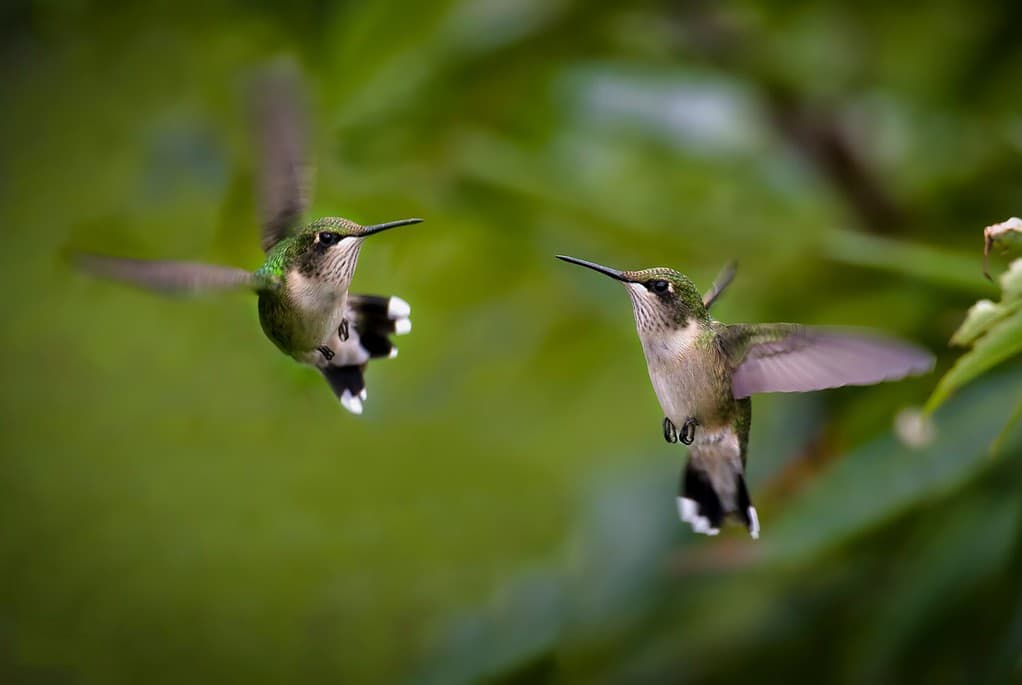
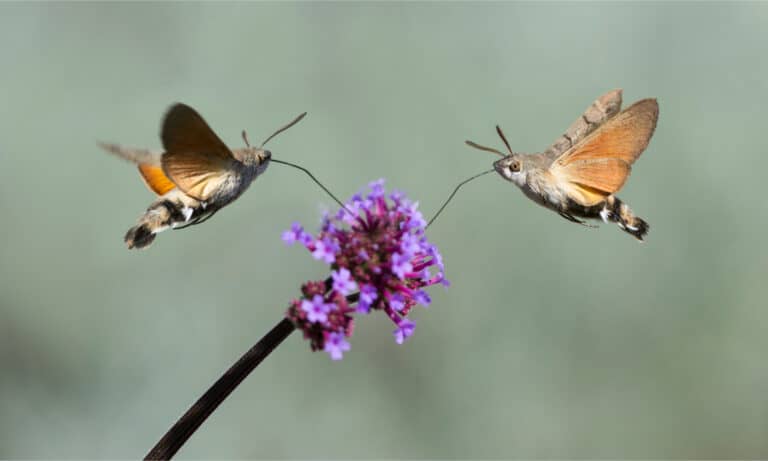
Hummingbirds are able to maneuver adroitly in tight spaces, which makes them of interest to reconnaissance drone designers.
©Fiona M. Donnelly/Shutterstock.com
Engineers often point to the hummingbird as a textbook model for small flying robots. The Nano Hummingbird drone is one of the clearest examples of this idea in action. Built by AeroVironment for a DARPA research program, the Nano Hummingbird was a prototype drone about the size of a real hummingbird. Unlike most drones, it used flapping wings for lift and steering.
Designers studied how hummingbirds hover in front of flowers, slide sideways, dart backward, and then shoot forward in quick bursts. They tried to copy those movements so the drone could maneuver through tight indoor spaces and around obstacles. Like the bird, the robot can hold a steady position in the air, pivot on the spot, and make sudden turns while remaining under precise remote control. A tiny camera in its body allows it to send video back to the operator. In this way, a behavior that evolved for sipping nectar has been adapted to help people see into places that are hard or dangerous to reach.
11. Octopuses / Camouflage Gear

Special skin cells allow the octopus to blend in with its surroundings.
©Amirkhans world/Shutterstock.com
Octopuses and cuttlefish are genuine masters of camouflage. They use specialized skin cells called chromatophores that change color and pattern in fractions of a second. Beneath the surface, tiny muscles can also raise soft, flexible bumps called papillae. These make the skin shift from smooth to rough and lumpy to match rocks, sand, or coral. Together, these systems let cephalopods disappear against almost any background.
Engineers have developed adaptive “camouflaging skins” and optoelectronic textiles inspired by cephalopod skin. For example, stretchable materials that change color, pattern, and surface texture under electronic control. Currently, these smart coatings are undergoing field testing and early deployment for military and security uses. Once deployed, they will help vehicles and equipment blend into the surroundings or evade detection by cameras and sensors.
12. Snowshoe Hares / Snowshoes
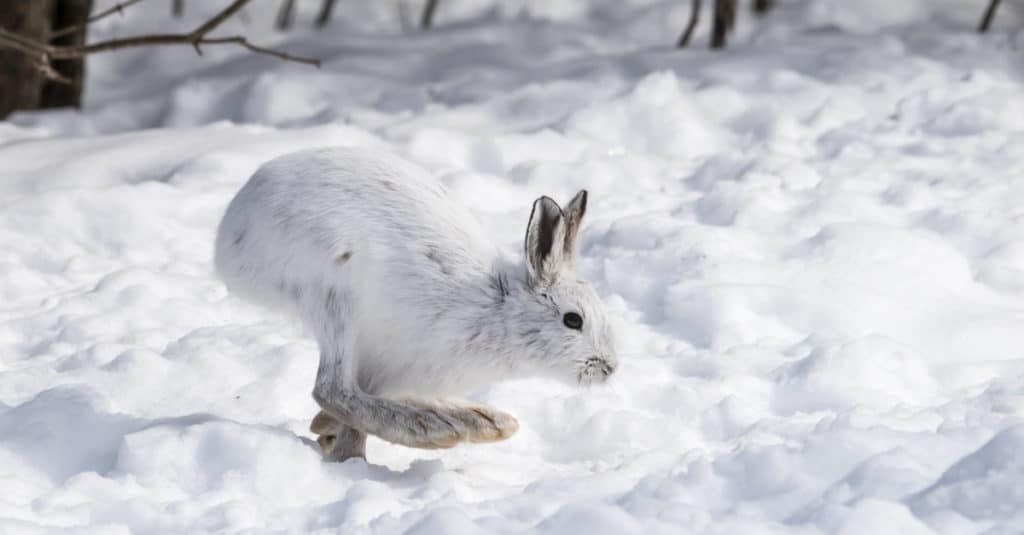
Snowshoe Hares have big hind feet that distribute their weight when running on snow.
©FotoRequest/Shutterstock.com
Human snowshoe designs line up closely with the big, fur-padded hind feet of the snowshoe hare, which spread the animal’s weight so it can move across deep snow without sinking. Wildlife agencies and biologists specifically note that the hare’s “built-in snowshoes” are a key adaptation for winter survival in boreal forests. Historical accounts of early snowshoes describe hunters and travelers observing how animals with oversized feet, especially hares (and sometimes lynx or caribou), stayed on top of snow and then copying that idea in wood frames laced with rawhide. Modern snowshoes still follow the same principle, increasing surface area to distribute body weight, and similar engineering logic shows up in wide backcountry skis and other gear meant to “float” on soft, unstable surfaces.
13. Ducks / Raincoats
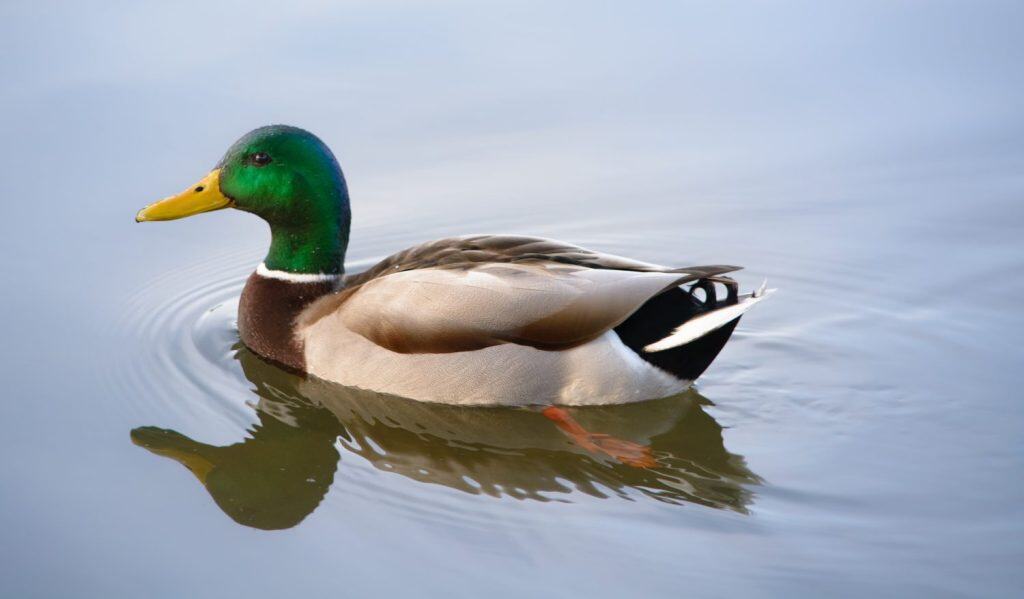
What better model for water-repellant gear than a duck?
©LandscapeWorld/Shutterstock.com
Duck feathers are naturally water repellent. At the microscopic level, each feather has a multiscale, fibrous structure that traps air and works with preen oil to keep water from soaking in. Researchers studying duck feathers have shown that this complex structure gives them strong hydrophobic behavior and helps ducks stay warm and dry in cold, wet conditions. Textile scientists have used these findings to design synthetic surfaces and coatings that mimic feather properties, including artificial “duck feather” fabrics and other water-shedding materials. This research feeds into the waterproof and water-resistant finishes used in raincoats, outdoor jackets, tents, and other gear that need to shed rain while remaining light and breathable.
14. Cheetahs / Athletic Wear
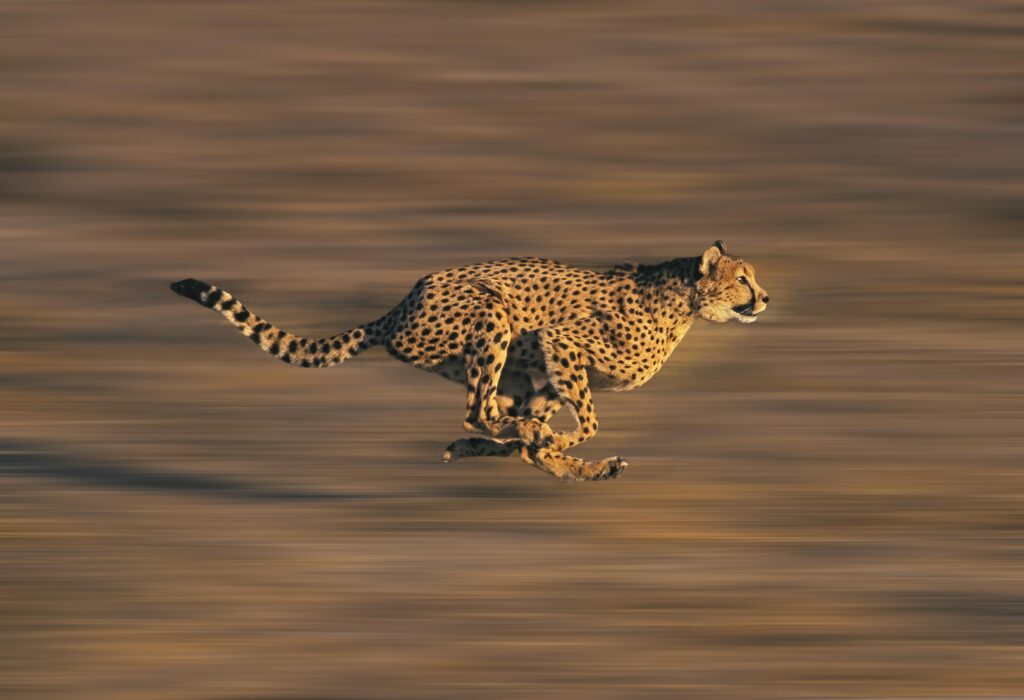
The muscles, fascia, and streamlined limbs of the cheetah have been instrumental in designing better athletic wear.
©iStock.com/slowmotiongli
Cheetahs and other sprinting mammals have tightly bound muscles, strong connective tissues, and streamlined limbs that keep everything stable when they accelerate and decelerate at high speed. These animals do not literally “wear” compression, but their bodies show how reducing unnecessary muscle wobble and maintaining steady blood flow can support powerful movement. Modern compression garments for people, however, grew mainly from medical compression stockings and sports science research on circulation and muscle mechanics rather than direct animal modeling. Studies on athletes show that compression clothing can improve venous return, support muscles, reduce fatigue, and sometimes improve performance or recovery in repeated sprints and endurance efforts. In that sense, compression wear echoes the same principles that sprinting animals embody: controlled movement, stable muscles, and efficient blood flow, even if the original engineering came from human physiology labs instead of cheetah anatomy.
15. Snakes / Surgical Tools
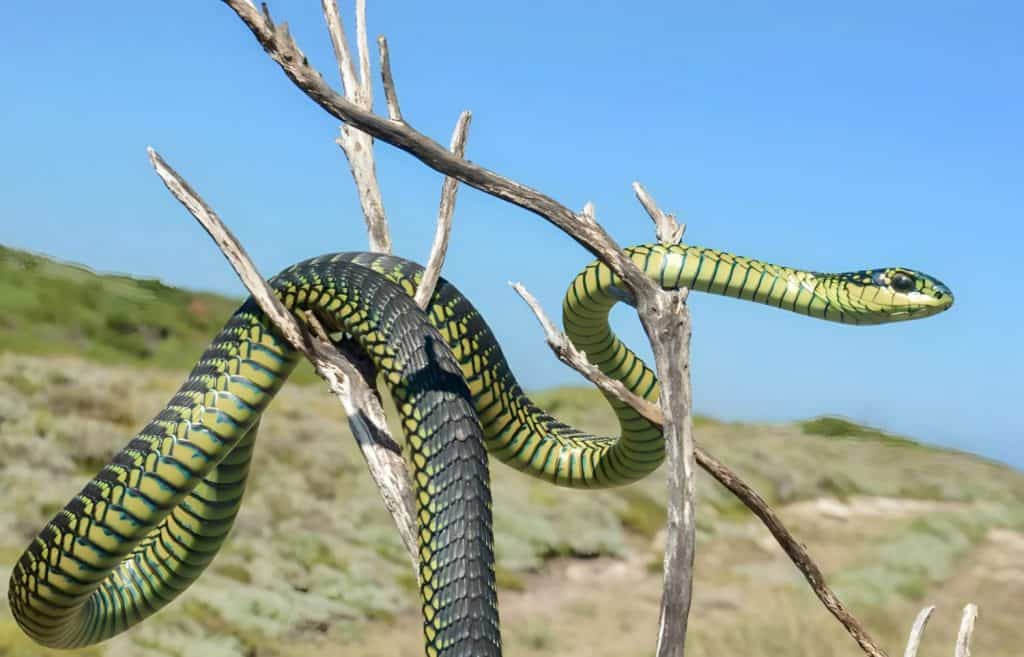
Snake physiology is a useful model for surgical tools and other devices that need to maneuver into tight spaces.
©Md_Tahmid_Hasan/Shutterstock.com
Engineers have studied how snakes bend their bodies, use friction, and send curves down their spines so that the body follows the head through narrow spaces. Surgeons and roboticists have applied these ideas to flexible instruments that can be steered through the body via a single small incision or a natural opening, instead of large cuts. Scientific reviews describe surgical devices explicitly modeled on snake motion, using segmented bodies, specialized skins, and follow-the-leader control so the rest of the robot tracks the path taken by the tip. These snake-inspired tools let doctors reach hard-to-access areas with more precision, potentially lowering pain, scarring, and recovery time for patients.
The Broader Significance of Biomimicry
Biomimicry does not mean copying nature exactly; instead, it involves identifying underlying strategies—such as ‘distribute weight,’ ‘shed water,’ or ‘change appearance quickly’—and applying those ideas using human materials and technologies. As research continues, new and expanded biomimicry databases and digital tools, such as AskNature.org and Ok Gaia, now catalog biological strategies—including feathers, shells, and skins—for designers, demonstrating that nature remains a vast library of tested design ideas for modern engineering challenges.