
Quick Take
- Baby harbor seals suck their flippers for comfort like human babies suck their thumbs.
- They aren’t the only animals to self-soothe; baby otters and baby elephants do it too.
- Suckling is a natural instinct for these animals who nurse from their mothers.
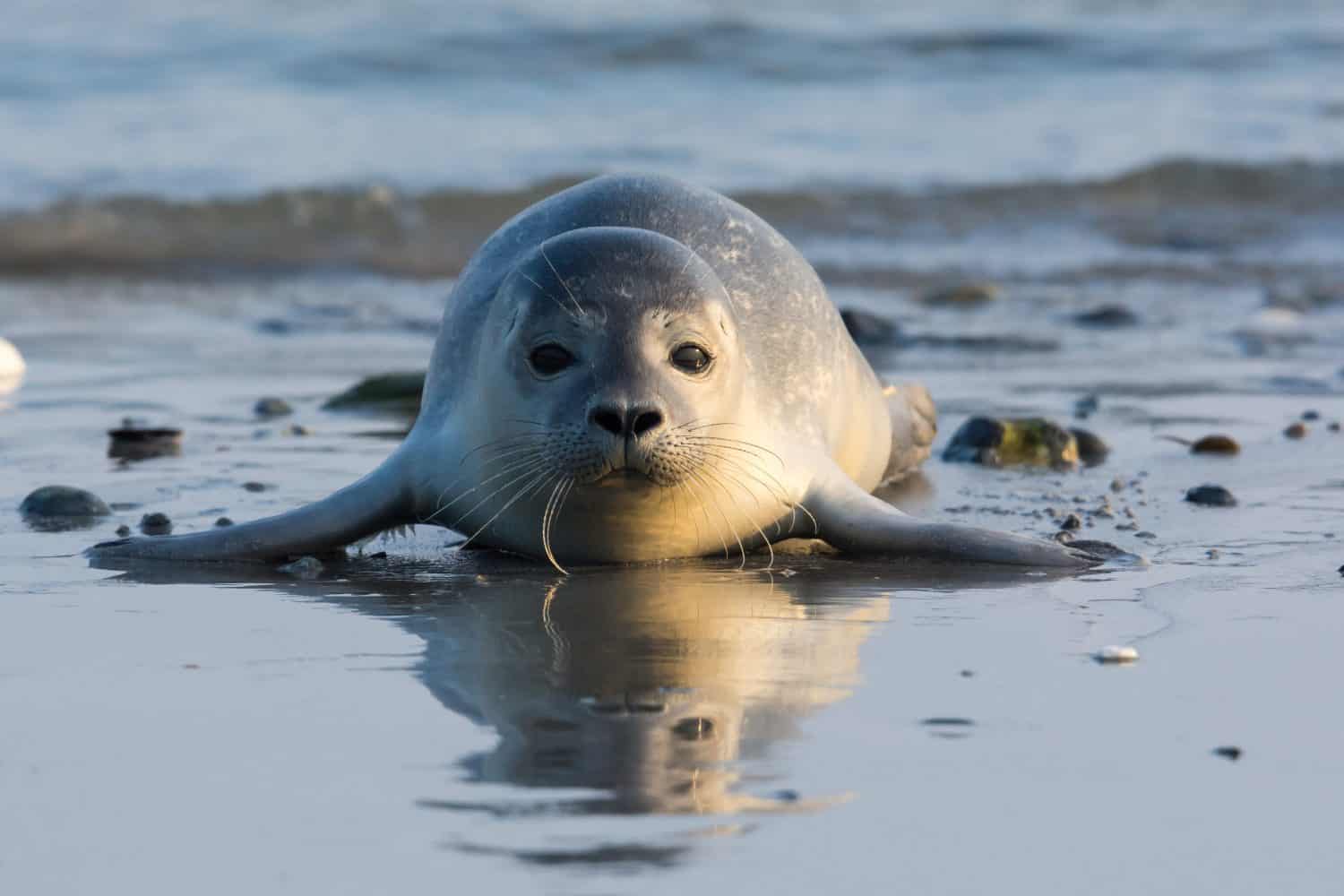
Baby animals sometimes act just like humans, and it’s the cutest thing ever. Take harbor seal pups, for example. These adorable little animals self-soothe just like human babies do — except, since they lack thumbs, they suck on their flippers for comfort instead. Instagram account @vammrs shared a cute video of a baby harbor seal sucking its flippers; the little guy looks just like a newborn human!
“Harbour seal pups suckle their flippers, similar to human babies sucking their thumb!” they captioned the video on Instagram. The pups in the video use their tongues to suck on their flippers in a calming, repetitive motion that many parents will immediately recognize as typical baby behavior.
It’s adorable when these pups self-sooth! “That’s so cute! 😮🥹” one person commented. “Such precious little souls!❤️” another person wrote.
All about harbor seals
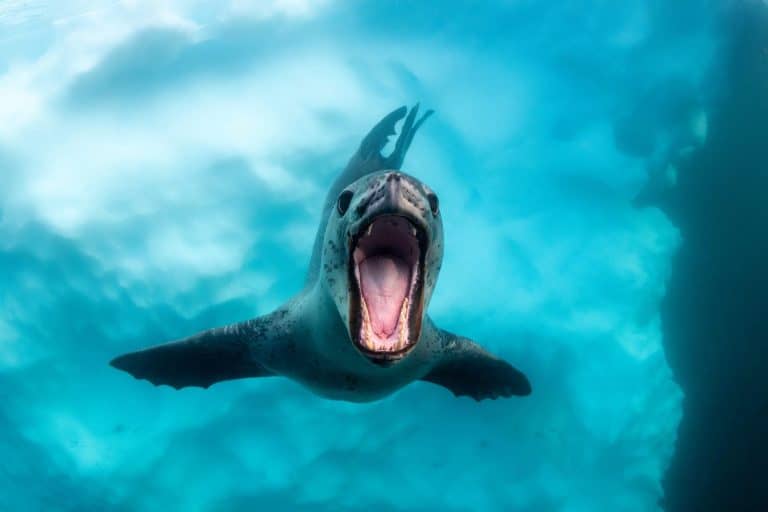
Harbor seals (Phoca vitulina) are found in the coastal waters of the Pacific and Atlantic Oceans, the Baltic Sea, and the North Sea. Harbor seals mate underwater once a year, and pups are typically born between February and August, depending on the climate. Seal pups weigh as much as 35 pounds when they are born and are able to swim and float on their own shortly after birth. However, they will remain close to their mothers until they are weaned.

Harbor seals can dive 1400 feet underwater.
©Diego Grandi/Shutterstock.com
Adult harbor seals typically grow to between 180 and 285 pounds and 5 to 6 feet long, though some large males can reach up to 370 pounds and 6.1 feet in length! Females have a longer lifespan of 30-35 years, while males typically live for 20-25 years.
Harbor seals are carnivores and eat aquatic animals such as fish, crustaceans, mollusks, and cephalopods. They can dive deeply into cold water thanks to their insulating blubber and fur.
Don’t approach baby harbor seals in the wild
Pregnant harbor seals give birth on land, so you might naturally come across some pups resting in the sand during the spring. Do your best to avoid approaching these pups or bringing dogs near them, as this could scare off the mother and leave the baby abandoned and vulnerable.
According to Oregon State University’s Marine Mammal Institute, mothers often leave their babies for short periods of time before coming back ashore to nurse their pups. However, these female seals are shy and won’t come back to their pup if they are surrounded by humans or dogs. With too much activity, they may not return to their pup at all. If this happens before the pup is weaned at around four weeks old, then the harbor seal pup would need to be rescued in order to survive.
The best thing you can do for these sweet babies is admire them from afar and leave them alone.
Why do baby harbor seals need to suckle?
Just as human babies have a natural instinct to suckle in order to breastfeed and survive, harbor seal pups have similar instincts. They too nurse from their mothers, which is why the suckling motion is so important. According to the Marine Mammal Center, harbor seal pups will nurse with their mothers for about four weeks before they are weaned. At this time, they will be about double their birth weight.

Harbor seals will nurse from their mothers until they are about 4 weeks old.
©jindrich_pavelka/Shutterstock.com
If they are rescued, however, it takes longer for them to grow at a healthy rate because the formula provided through a tube isn’t as rich or nutritious as their mother’s natural milk. These pups are also at risk of illness without the antibodies contained in their mother’s milk.
Other baby animals who self-soothe
Baby harbor seals aren’t the only aquatic creatures to self-soothe in this way. Baby otters, for example, chew or suck on their hands. Just like human infants, they do this when they are hungry, self-soothing, teething, or exploring. It mimics the same motion of nursing.
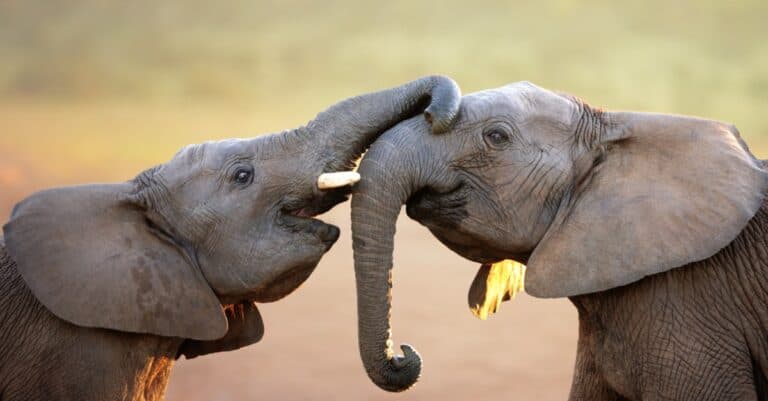
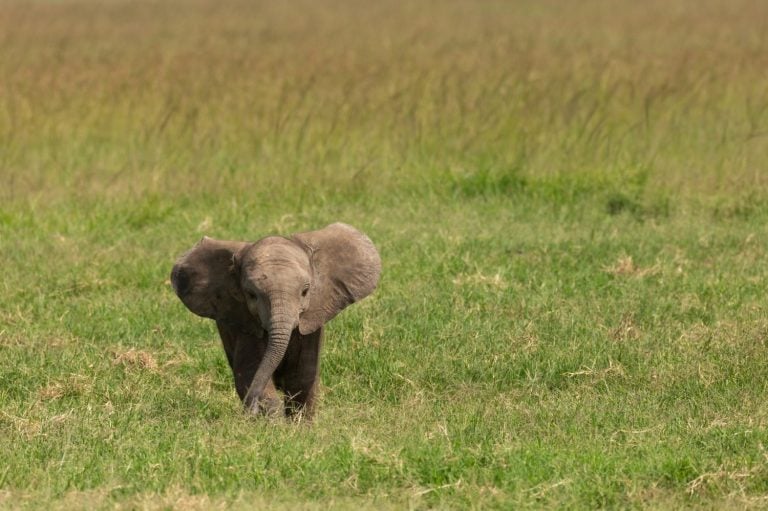
It’s not just water animals who self-soothe like humans. Baby elephants suck on their trunks due to their sucking reflex. After all, baby elephants nurse from their mothers until they are 2 years old. Even adult elephants suck on their trunks sometimes when they are feeling anxious, showing how ingrained this instinct is.
These are just a few examples of how humans and animals are more alike than you might think!