
Quick Take
- Not all chocolate carries the same risk. One common type takes over 300 times more to reach dangerous levels than another, and the difference may surprise you. See the toxicity chart →
- The real reason chocolate harms cats has nothing to do with sugar, and the actual culprit is something that also lurks in other everyday foods. Discover the real culprit →
- Chocolate poisoning symptoms in cats can go far beyond an upset stomach. Some signs don't appear until hours later and escalate to something far more serious. See all the symptoms →
- If your cat eats chocolate, your instinct about what to do next might actually make things worse. Find out what to do →
You may have heard that chocolate is toxic to dogs, but did you know that it is also toxic to cats? Even in small amounts, chocolate can make your cat very sick. In this article, we’ll discuss why chocolate makes cats sick, which types of chocolate are the most dangerous, how much chocolate your cat can consume before a trip to the emergency vet is warranted, and the symptoms of chocolate poisoning.
Why Is Chocolate Dangerous for Cats?
Chocolate comes from the seeds of Theobroma cacao, an evergreen plant native to Central and South America. The toxic substances in chocolate are the methylxanthines theobromine and caffeine. Methylxanthines are naturally occurring chemicals in plants that stimulate the central nervous system. They are most commonly found in coffee, tea, and chocolate. Cats cannot metabolize these chemicals like humans can, so even a small amount can make them very sick.
The amount of chocolate your cat can eat without getting sick depends on two things. First is the type of chocolate your cat ingested. The more cocoa in the chocolate, the more toxic it is. Cocoa powder and unsweetened baker’s chocolate have a much higher methylxanthine concentration than milk chocolate. Second is your cat’s age, weight, and general health, as susceptibility to methylxanthines varies from cat to cat. A healthy, 10-pound adult cat will be able to tolerate more chocolate than a 5-pound kitten or a senior with other health problems.

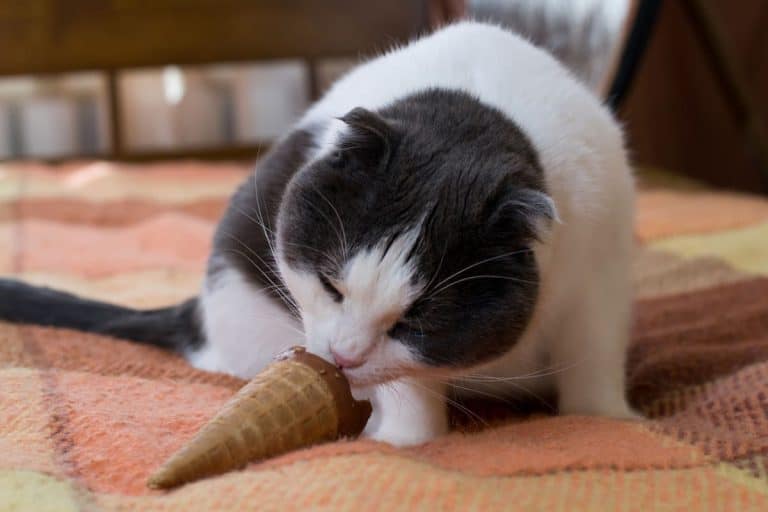
Susceptibility to methylxanthines varies from cat to cat.
©savitskaya iryna/Shutterstock.com
How Much Chocolate Is Toxic to a Cat?
Check the chart below to see how much of each type of chocolate is toxic to a healthy, 10-pound cat. At these levels, emergency treatment is advised, but your cat may show mild clinical signs at lower amounts. Amounts are based on the Merck Manual Chocolate Toxicity Calculator. You can enter your cat’s weight and the specific type of chocolate to determine how much is toxic.
| Chocolate Type | Amount That Could Cause Toxicity | Amount of Methylxanthines |
|---|---|---|
| Cocoa Powder | 0.085 ounces or 2.4 grams | 16.00 mg/kg |
| Unsweetened Baker’s Chocolate | 0.16 ounces or 4.5 grams | 15.51 mg/kg |
| Dark Chocolate | 0.46 ounces or 14.2 grams | 15.20 mg/kg |
| Semisweet Chocolate | 0.43 ounces or 12.2 grams | 15.15 mg/kg |
| Milk Chocolate | 1.1 ounces or 30 grams | 15.50 mg/kg |
| White Chocolate | Requires over 50 ounces or over 1417.5 grams | 12.11 mg/kg in 50 ounces |

Cocoa powder is the most toxic, while milk chocolate and white chocolate are the least toxic.
©baibaz/Shutterstock.com
Symptoms of Chocolate Poisoning in Cats
The symptoms of ingesting chocolate can range from mild to severe. Chocolate toxicosis can sometimes even be fatal. Each cat will react differently to chocolate, so some may have much more severe reactions after ingesting a small amount. Symptoms generally begin within 6 to 12 hours after your cat eats chocolate. Initial symptoms include restlessness, excessive thirst and frequent urination, abdominal distention, vomiting, and diarrhea.
Symptoms may progress to include the following:
- Hyperactivity
- Poor muscle control and difficulty walking
- Rigidity
- Tremors or seizures
- Tachycardia (increased heart rate)
- Premature ventricular contractions
- Rapid breathing
- Blue-tinged skin or mucous membranes (cyanosis)
- High blood pressure
- Hyperthermia
- Bradycardia (slowed heart rate)
- Low blood pressure
- Coma
- Hypokalemia (low blood potassium)
Death is generally caused by cardiac arrhythmias, hyperthermia, or respiratory failure. Cats who eat chocolate may also suffer from pancreatitis, which is inflammation of the pancreas that can be caused by eating fatty foods.
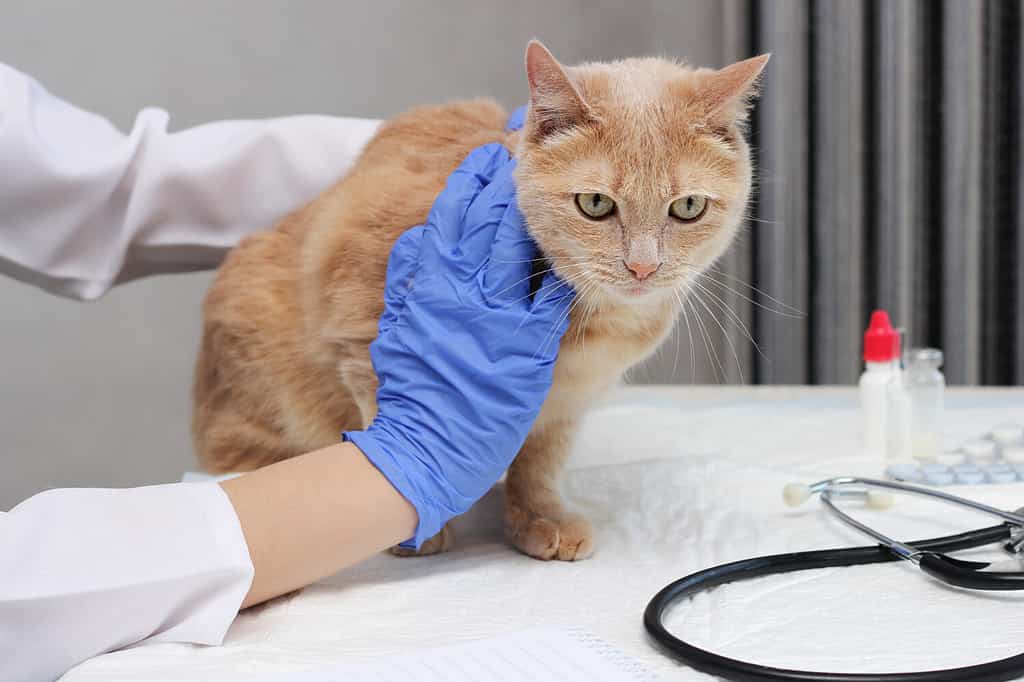
Even small amounts of chocolate can be fatal, so call your veterinarian or a pet poison hotline for help.
©YULIYA Shustik/Shutterstock.com
What to Do If Your Cat Eats Chocolate
While you shouldn’t panic, it’s important not to underreact, either. Remain calm so your cat does not react to your emotions, potentially making their symptoms worse. Although you likely won’t need the vet for just a small lick, each cat reacts differently to chocolate, so it’s better to be safe than sorry.
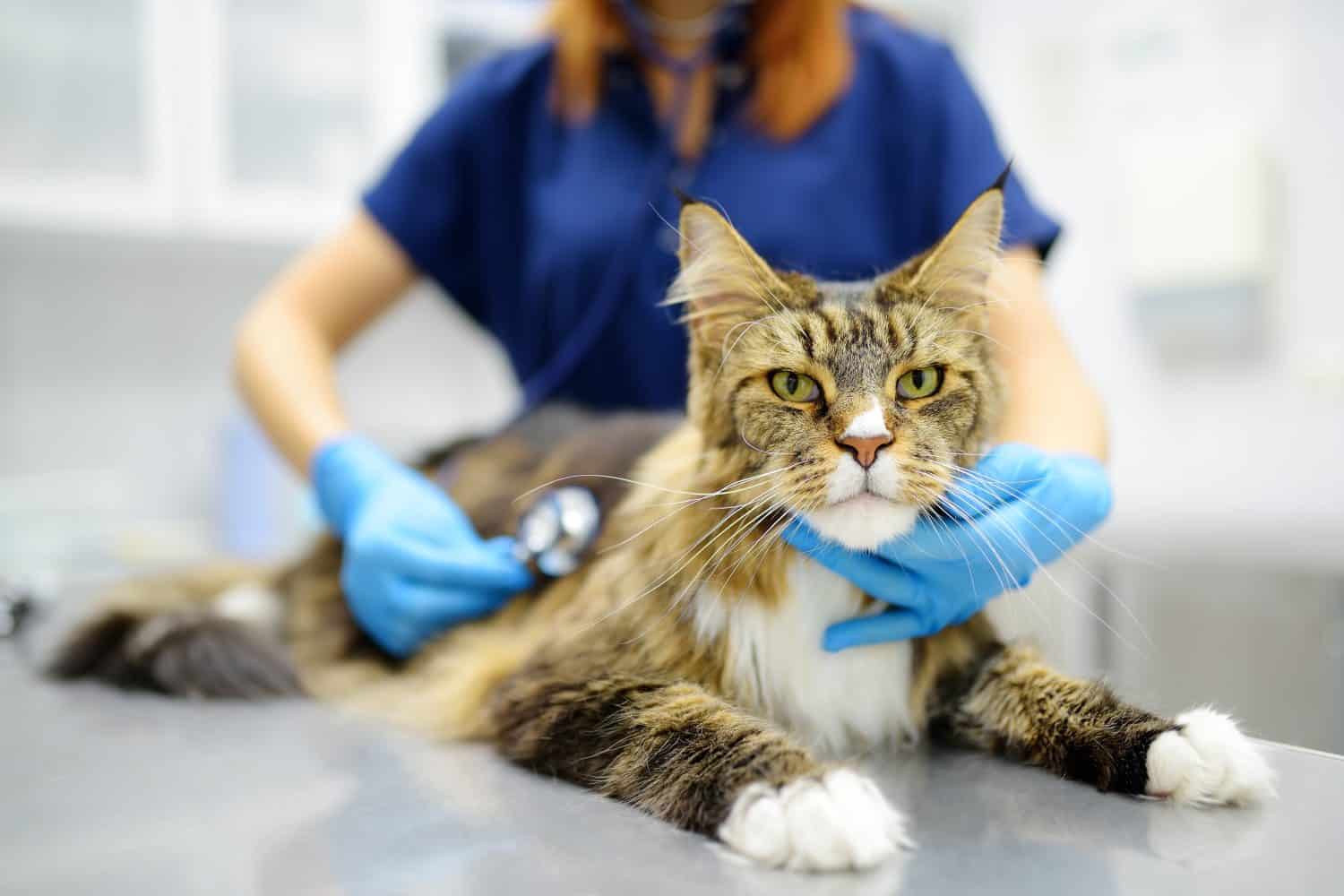
If you see your cat eat chocolate or you suspect they may have done so, call your veterinarian regardless of their symptoms or lack of symptoms. Let the vet know your cat’s weight, the type of chocolate, and how much you think they’ve eaten. If it is after hours, call a pet poison hotline or your local emergency vet for advice.
Fluids are typically administered to more quickly flush theobromine and caffeine out of your pet’s system through their urine. If your cat is not showing symptoms but you know they have consumed chocolate, vets may induce vomiting. Treatments may also include cardiac monitoring and medications for arrhythmias, seizures, and tremors. Signs of chocolate toxicosis may continue for up to 72 hours in severe cases.