
Quick Take
- Many everyday household items—including sugar-free foods with xylitol, human medications, plants, and cleaning products—can be highly toxic to pets.
- Poisoning symptoms in pets can appear quickly and may include vomiting, weakness, seizures, organ damage, or other life-threatening complications.
- Immediate veterinary care is critical if poisoning is suspected, but the best protection for pets is preventing access to dangerous foods, medications, plants, and household chemicals.
This year, National Poison Prevention Week is March 20th–26th. The Pet Poison Helpline receives thousands of calls annually from pet owners and vets about pets that have been potentially poisoned. Many of these poisons are commonly found in people’s homes. So, what have you got in your home that could potentially harm your pet? Now is the ideal time to find out. Here are some of the common household items that are toxic to pets.
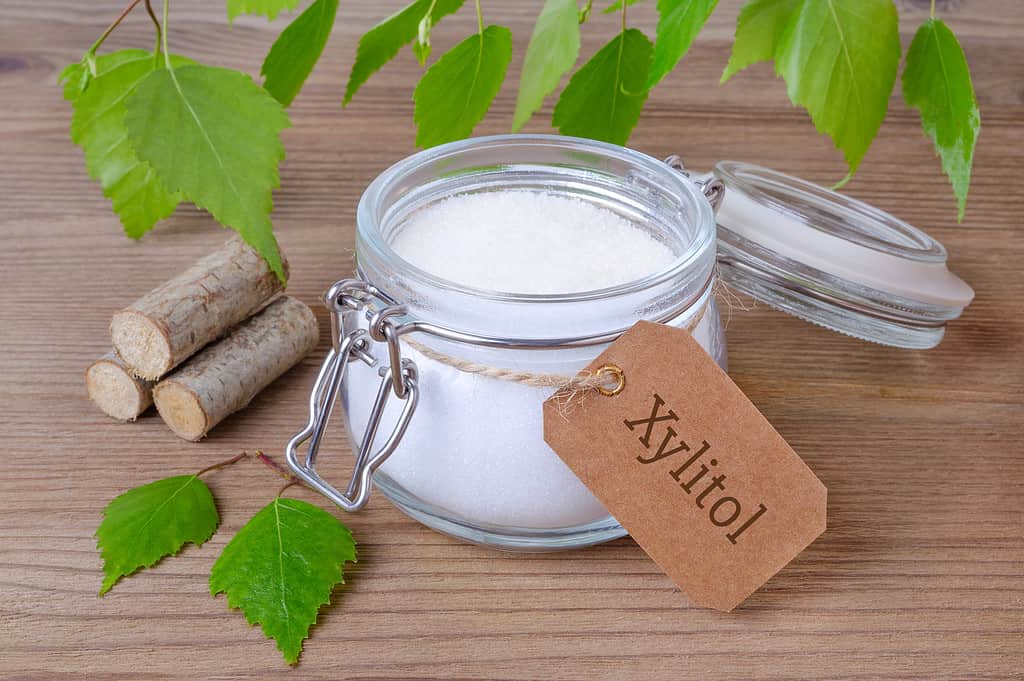
Xylitol
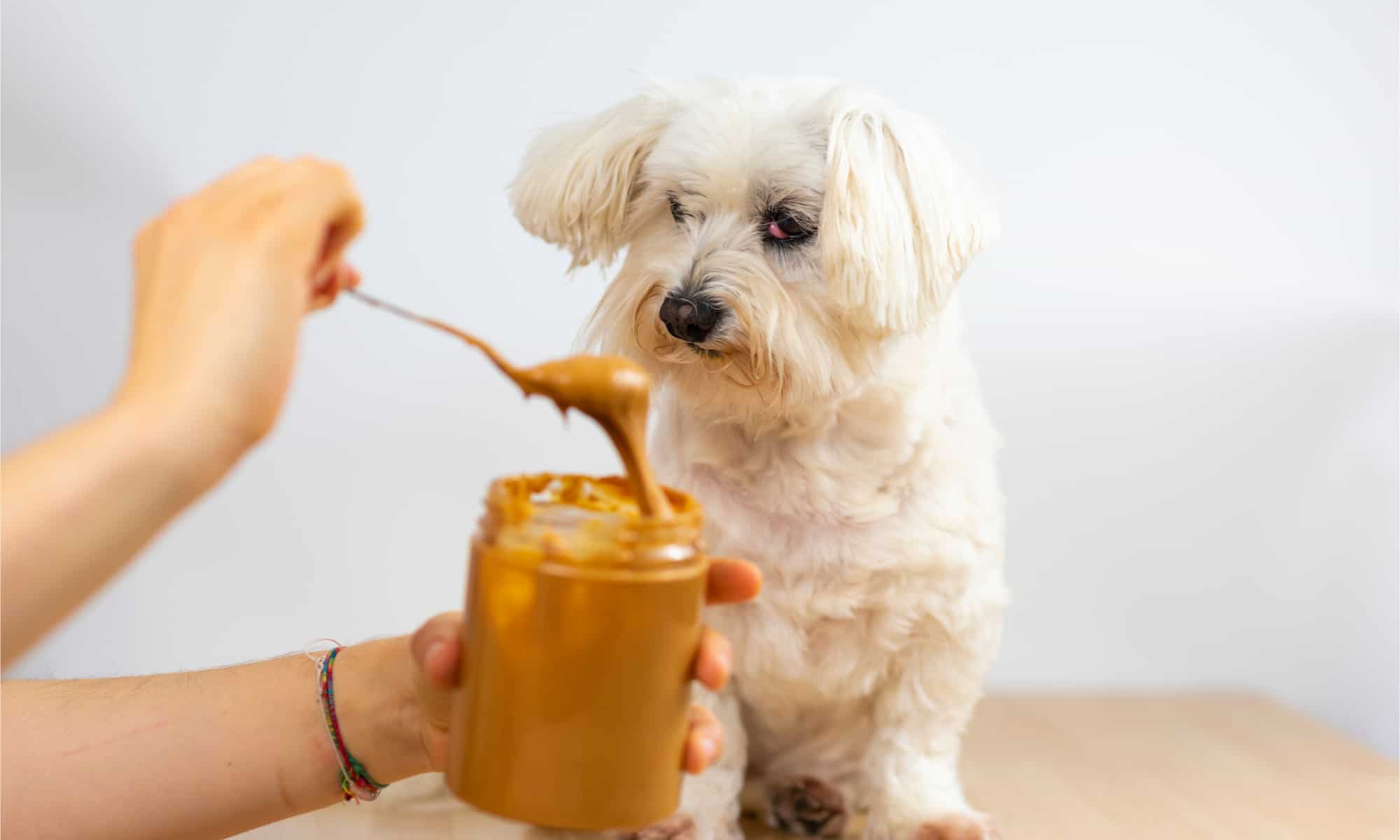
Xylitol is a natural sugar alcohol found in plants and is used as a sugar substitute in many human foods. These include chewing gums, mints, and candies, and can often be labelled as ‘sugar-free’. It can also be in foods you may not expect to find it, such as ketchup and peanut butter. It can even be in medication, sunscreen, baby wipes, and mouthwash.
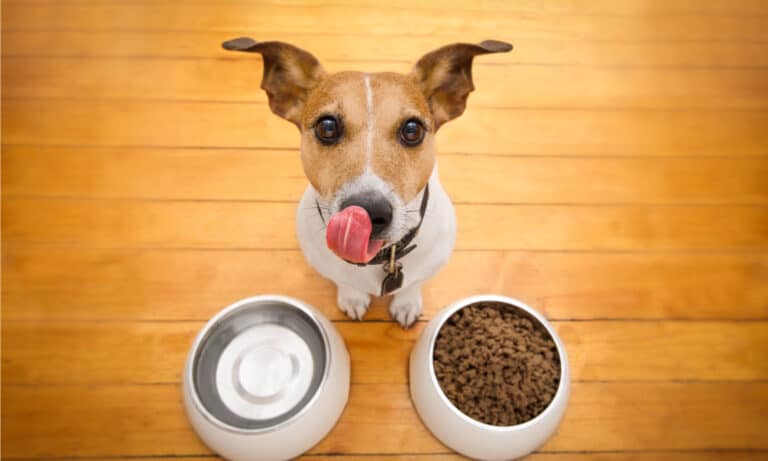
Feeding your dog human food can have consequences.
©nadisja/Shutterstock.com
This sweetener does not cause huge problems for cats but is highly toxic for dogs. It triggers a fast release of insulin that can result in a rapid and severe drop in blood sugar levels. In larger amounts, it can also cause liver damage or even failure.
Symptoms of Xylitol Poisoning
You can expect your dog to develop symptoms within 30 minutes of ingesting xylitol. However, some substances, such as gum products, delay their absorption, and so it takes longer. The symptoms to be aware of are vomiting, weakness, incoordination, depression, seizures, and coma. Signs of liver damage are vomiting, weakness, incoordination, depression, seizures, and coma, but you may not see these until a day or so later.
How Can I Help My Pet With Xylitol Poisoning?
Dogs with suspected xylitol poisoning need emergency veterinary treatment. The official advice is that owners should not attempt to make their dog vomit but get them to a vet as soon as they can. If possible, take the suspected food with you so that the vet can read the label.
Your vet will take steps to remove the offending food from your dog’s stomach before it moves from the stomach to the intestines and gets absorbed. This may involve a procedure called gastric lavage, where they wash out the stomach with warm water. It’s essentially a stomach pump. At the same time, your dog will likely have IV dextrose set up to regulate their blood sugars. Their liver function will be closely monitored, and they will receive supportive treatment if needed.
Will My Dog Survive Xylitol Poisoning?
Many factors will determine whether your dog survives xylitol poisoning. The amount they ingested relative to their weight is crucial. If their only symptom is low blood sugar levels and they are treated promptly, the outlook is good. Sadly, over 60 percent of dogs with clinical signs of liver injury do not make it.
Other Poisonous Human Foods
Many other human foods are toxic to animals. Dogs and cats cannot eat chocolate, onions, garlic, chives, macadamia nuts, avocado, grapes, or raisins, to name just a few. Always do your research before giving human food to your pet.
Human Medications
Human medications are designed for a human’s metabolism. Unfortunately, pets become ill every day either because they have accidentally ingested human medication or because their owners have given it to them, believing it is safe. Dogs are most often poisoned in this way, but it also happens to cats, ferrets, birds, and other pets.
It’s common for pets to be exposed to analgesics (pain killers) because these are most often found in our homes. Two of the most common analgesics are acetaminophen (also called paracetamol) and ibuprofen.
Symptoms of Analgesic Poisoning
Acetaminophen is rapidly absorbed from the gastrointestinal tract, and cats are especially susceptible because of the way in which they metabolize it. Within a few hours of ingestion, cats develop a condition called methemoglobinemia, followed by Heinz body formation, which means that their tissues cannot get enough oxygen. Your cat may become lethargic, listless, and weak with vomiting and a swollen face and paws. If they have swallowed a larger amount of acetaminophen, the liver becomes damaged, and they will look yellow. Dogs can also get sick after swallowing acetaminophen, but they have to swallow a lot more of it.
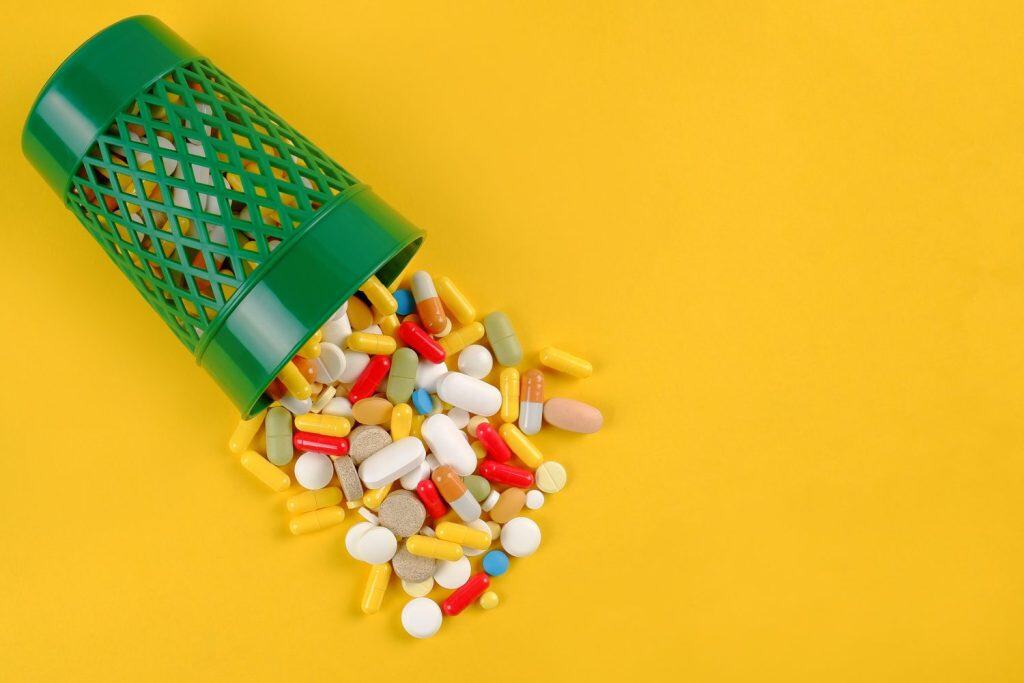
Many human medications are toxic to animals.
©Mila_22 79/Shutterstock.com
Ibuprofen is toxic to dogs, cats, and ferrets, but it takes less of it to make cats and ferrets ill. Symptoms can take hours to days to develop, depending on the animal and the dose ingested. Symptoms to look out for include vomiting and/or diarrhea, abdominal pain, lethargy, loss of appetite, pale gums, thirst, and passing more urine. Some animals go on to develop kidney failure.
How Can I Help My Pet With Analgesic Poisoning?
Pets that have ingested any human analgesics need urgent veterinary attention. For acetaminophen poisoning, your vet may try to induce vomiting and then give activated charcoal to soak up any that is left. They may also be given IV fluids, and there is a specific antidote that may also be used.
Ibuprofen toxicosis is treated similarly initially (induce vomiting), followed by sodium bicarbonate. Activated charcoal may also be given as a medication to protect the stomach and support kidney function.
Will My Dog Survive Analgesic Poisoning?
The prognosis depends on the amount of analgesic ingested and the amount of time before treatment begins. If your pet has not swallowed much and your vet manages to induce vomiting quickly, the prognosis is very good. If kidney failure has already started, the outlook is bleaker.
Other Poisonous Human Medications
All human medicines, including vitamins and herbal supplements, are potentially toxic to pets if they are ingested in large enough quantities. The greatest number of calls to the Pet Poison Helpline are related to antidepressants. Almost any antidepressant can cause stomach upsets, lethargy, poor muscle control, shaking, seizures, and alterations to the heartbeat in cats, dogs, and other pets. Affected pets must be taken to a vet immediately because the quicker treatment can be started, the better the likely outcome.
Flowers and Plants
Even though many plants and flowers are not harmful to pets, others are a common source of poisoning. Some are highly toxic and require only a small amount to make your pet sick. With others, a large ingestion is needed. 10 plants are mentioned most often in calls to the Pet Poison Helpline:
- True lilies
- Cherry and chokecherry
- Azalea
- Tulip
- Peace lily
- Hydrangea
- Aloe
- Philodendron
- Daffodil
- Devil’s Ivy

Daffodils are poisonous to pets.
©Joe Kuis/Shutterstock.com
However, it’s important to bear in mind that many plants share common names. Also, there is a huge list of other potentially poisonous plants.
Symptoms of Flower and Plant Poisoning
The symptoms depend on the type of plant and its toxic mechanism. For example, plants that contain insoluble oxalates (needle-like crystals) include umbrella plants and peace lilies. Symptoms can include immediate pain, irritation, red skin, hypersalivation, pawing at the mouth, swelling, lethargy, and refusal to eat. Another example is plants containing cardiac glycosides, such as the common foxglove and lily of the valley. They can cause weakness, vomiting, diarrhea, and heart problems.
How Can I Help My Pet With Flower and Plant Poisoning?
If your pet has ingested a poisonous plant, they need immediate veterinary attention. Take the plant’s details, or even a sample of it, so your vet can be sure what your pet has eaten. Your vet may try to induce vomiting, give activated charcoal, or provide supportive treatment.
Will My Pet Survive Plant Poisoning?
If the only symptoms your pet has are gastrointestinal, they stand a good chance of making a recovery. If the effects are more severe and involve other organs such as the liver, it is not such an optimistic outlook.
Household Products
Household items such as cleaning products, rodenticides, pesticides, fertilizers, and recreational drugs can all be toxic to pets. Rodenticides are just as attractive to pets as they are to rodents, and the little packets found in products such as jerky and soft treats are highly attractive to pets.
Symptoms of Poisoning by Household Products
Anticoagulant rodenticides are the most frequent cause of poisoning in pets. Some are more toxic than others, but the most likely symptoms are bleeding from ruptured blood vessels and anemia. Nausea, vomiting, and diarrhea are the most common clinical signs of toxicoses from detergents, soaps, or shampoos. Ingestion of undiluted chlorine bleach can even cause ulceration of the digestive tract.
How Can I Help My Pet With Household Product Poisoning?
Some household products are merely mild irritants, but others are very dangerous. Therefore, you must seek urgent medical advice and have the product to hand so that you can give the details.

Washing powder can be accidentally eaten by pets.
©DK_2020/Shutterstock.com
Your vet may try to ease the irritation by giving dilute broth or milk. Supportive care is also given, which may include IV fluids.
Will My Pet Survive Poisoning With a Household Product?
Treatment for some of these poisonings may need to continue for weeks. Vitamin K1 may need to be continued for 2 to 4 weeks after anticoagulant rodenticide poisoning. Early intervention and appropriate treatment will increase the chances of survival. The main message here is that prevention is always preferable to cure when it comes to pet poisoning.