
Quick Take
- A single polar bear liver possesses enough Retinol to kill dozens of humans.
- The aquatic prey that polar bears eat are high in Vitamin A and retinol, leading to high Retinol accumulation.
- Extreme Retinol concentrations trigger Hypervitaminosis, which can cause multiple adverse symptoms and death.
- Though Vitamin A is healthy is reasonable doses, it becomes a deadly toxin in high quantities.
In the frozen wilderness of the Arctic, human survival historically depended on using every available food source. But one part of the polar bear hides a dangerous secret that has proven deadly to people for centuries: its liver. While liver is a nutrient-rich staple in many animals, the polar bear’s liver contains such extreme levels of vitamin A that even a small serving can trigger severe poisoning.
This article explores how the polar bear’s diet leads to toxic vitamin A buildup within its liver, why this powerful nutrient is lethal in high concentrations, and the medical cases that revealed the danger. What seems like an ordinary organ turns out to be one of the most hazardous natural food sources on Earth. In the frigid Arctic, even sustenance can come with deadly consequences.
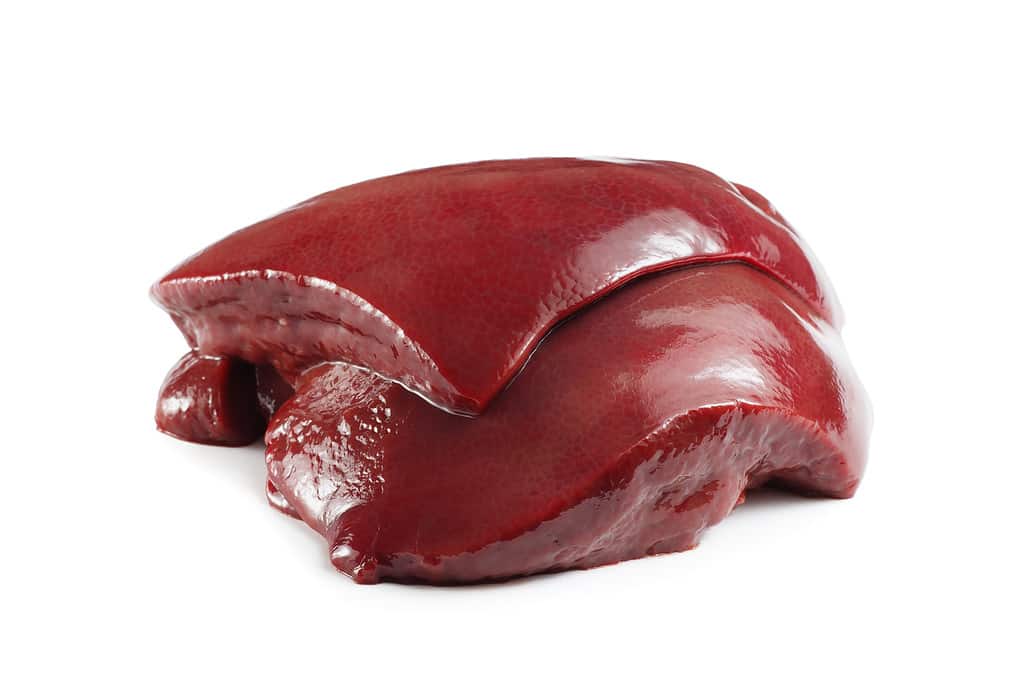
Polar Bear Livers
©piotr_malczyk/ via Getty Images
A polar bear’s diet consists almost exclusively of other mammals and fish, like seals, porpoises, small whales, and fatty sea fish. Vitamin A accumulates in the bodies of marine mammals, particularly in their livers. Polar bears consume these animals, leading them to store extremely high concentrations of vitamin A in their own liver tissue.
High Concentrations of Retinol
©Robert Kdot/Shutterstock.com
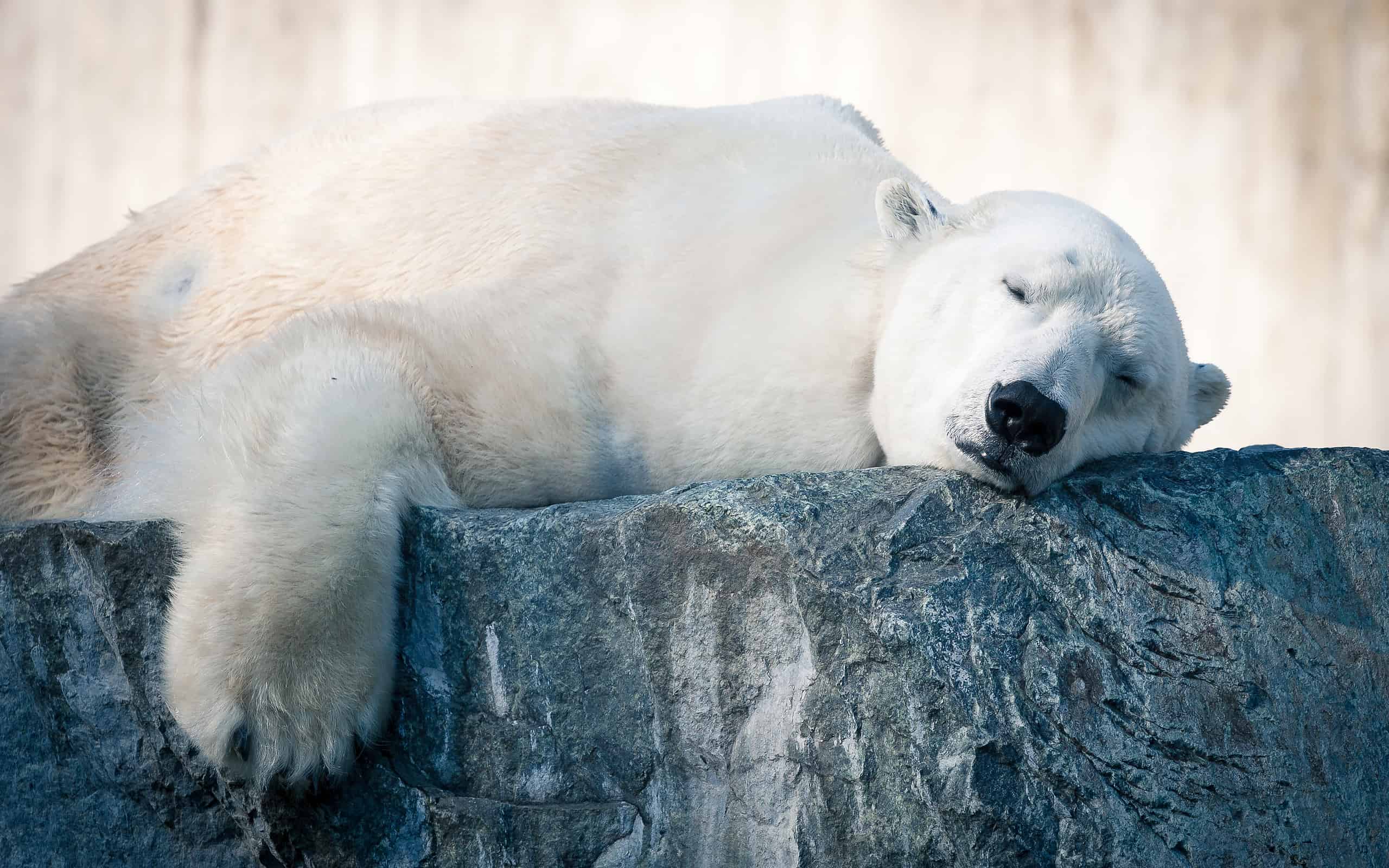
Because polar bears consume so many marine animals, they end up storing excess retinol in their livers. A polar bear’s liver acts as a mega-storehouse for this type of chemical. The substance is stored at such high concentrations that it becomes incredibly toxic for other mammals, including humans. When someone is overdosing on retinol, it induces a condition known as Hypervitaminosis A.
What Is Retinol?
©Julia Cherkasova/iStock via Getty Images
Retinol isn’t some kind of strange exotic substance. On the contrary, retinol is simply a form of Vitamin A, a substance that your body actually needs to survive and perform day-to-day tasks. Retinol shows up quite often in cosmetics and is even utilized in anti-aging skin care due to vitamin A’s beneficial effect on the skin (at controlled doses).
However, like many substances your body needs, retinol can become toxic at high doses. A polar bear’s liver contains a dose of retinol many times higher than what is safe to consume. In fact, polar bear liver contains some of the highest recorded vitamin A levels of any land animal.
How Does Retinol Get Stored in a Polar Bear’s Liver?
©Shvaygert Ekaterina/Shutterstock.com
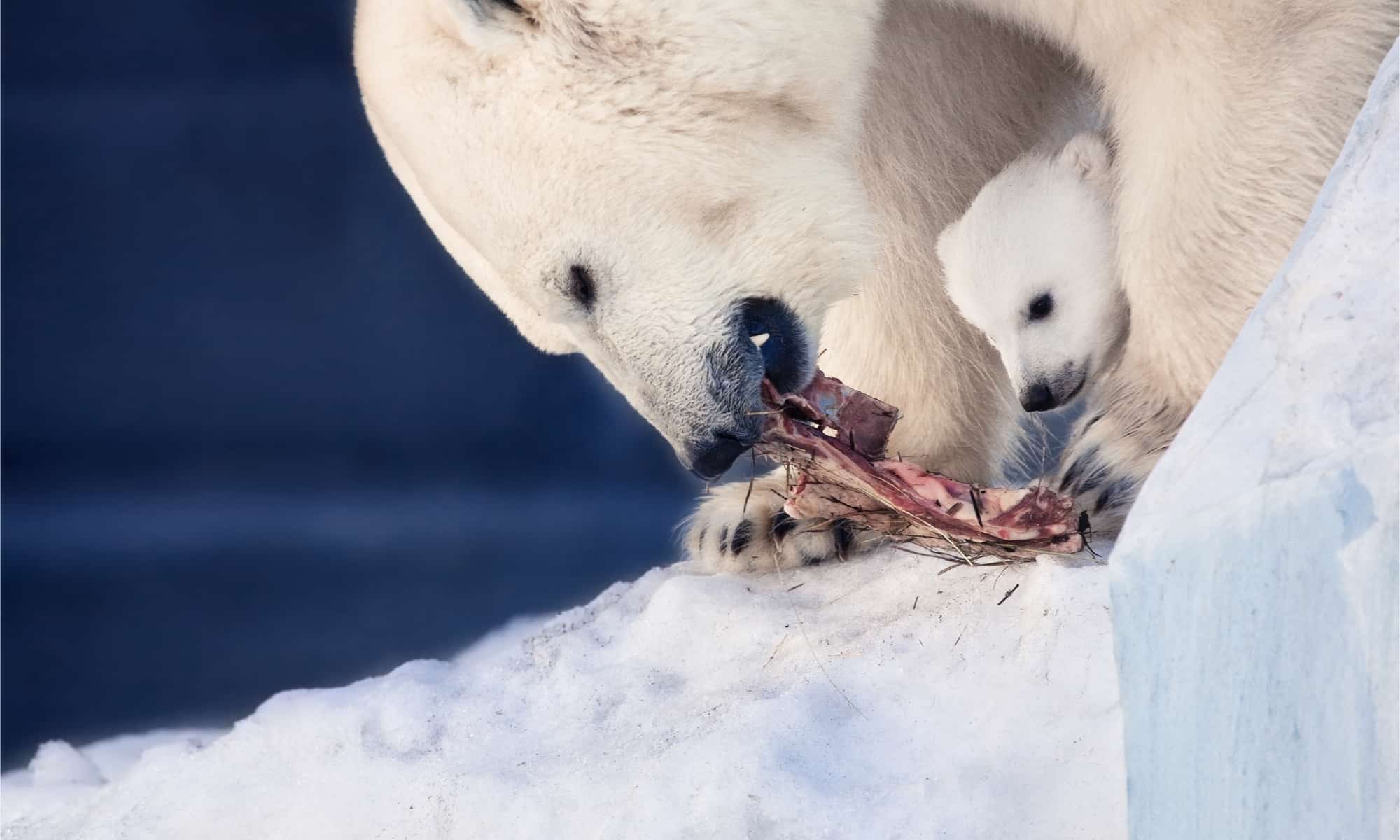
Polar bears depend on consuming high levels of fat to survive in the frigid arctic environments in which they dwell. Because of this, these animals are exclusively meat-eaters and consume high amounts of sea life. Their preferred meal is a blubber-rich seal or whale.
These aquatic prey animals that polar bears eat are themselves high in Vitamin A and retinol. For example, a common dietary supplement that people consume to receive a safe amount of Vitamin A is cod liver oil.
Because excess Vitamin A is stored as a wasted chemical in the liver, a polar bear’s liver is chock full of the stuff. It’s stored over the course of a lifetime of consuming other animals that are rich in retinol.
How Many People Could One Polar Bear Liver Kill?
©iStock.com/Alexey_Seafarer
The amount of polar bear liver one needs to consume to induce Hypervitaminosis A is quite small. Toxicity has occurred from eating a few grams to several ounces.
Even small servings of polar bear liver can contain many times the safe human limit for vitamin A and have been known to cause severe poisoning. That’s one dangerous body organ!
The indigenous peoples of the Arctic learned quite a long time ago not to consume the liver of a polar bear. This was the case even when the rest of the animal was eaten or utilized. Early Arctic explorers also quickly learned to avoid consuming this part of the animal’s body. Many explorers learned the hard way about this through deadly consequences.
Symptoms of Hypervitimatosis

©PeopleImages/iStock via Getty Images
The symptoms of Hypervitaminosis A are fairly wide-ranging. Much of that has to do with the amount that one has gone over the safe limit for consuming retinol. However, some of the common symptoms include dizziness, headache, blurry vision, vomiting, skin peeling and itching, skin and hair changes, bone pain, liver and kidney damage, and, in extreme cases, possible death.
There are two different kinds of Hypervitaminosis: acute and chronic. In the case of digesting an entire polar bear liver, one would experience acute Hypervitaminosis.
Other Animals With High Stores of Retinol
©zanskar/iStock via Getty Images
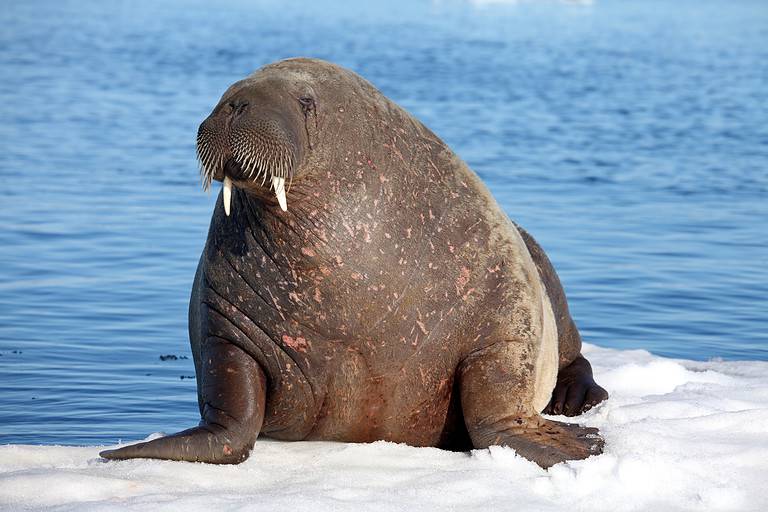
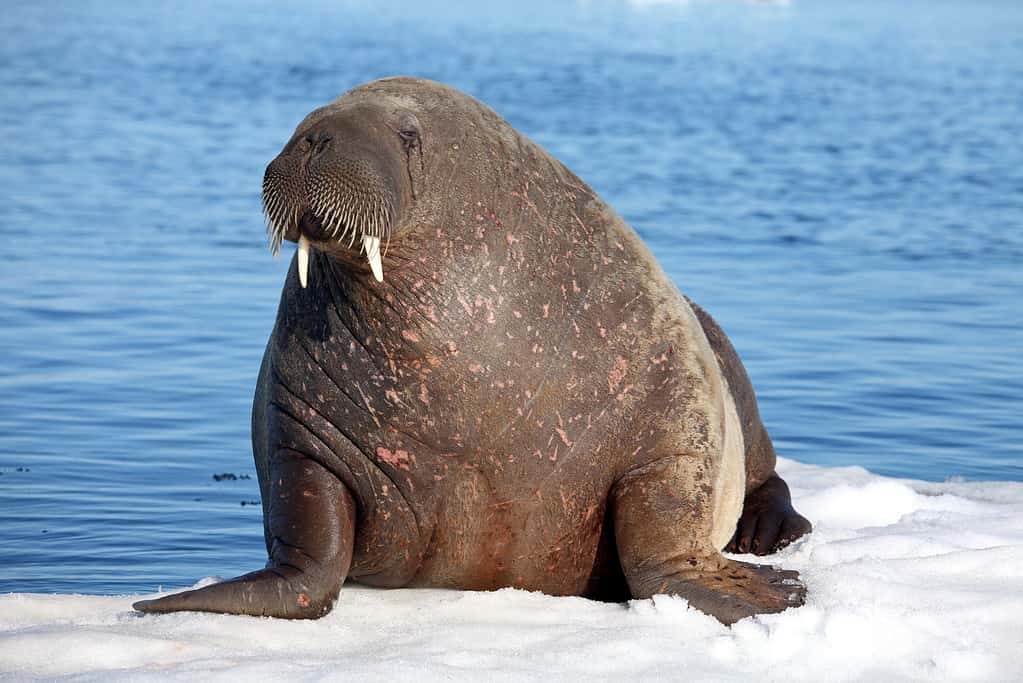
Although polar bear livers are one of the highest sources of retinol in the animal kingdom, other animals have livers that are very saturated with this potent chemical as well. Some of the examples include walrus, bearded seals,moose, and certain types of fish. Excessive intake from supplements can also cause vitamin A toxicity and serious illness.
More About Polar Bears
©INTERTOURIST/Shutterstock.com
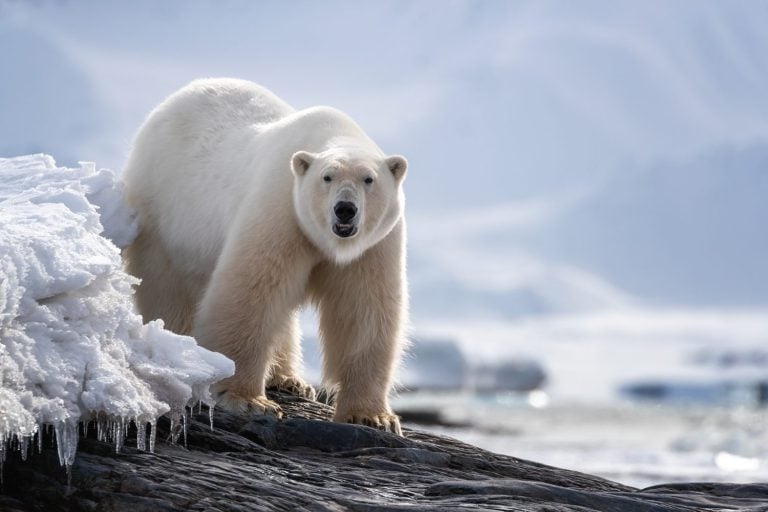
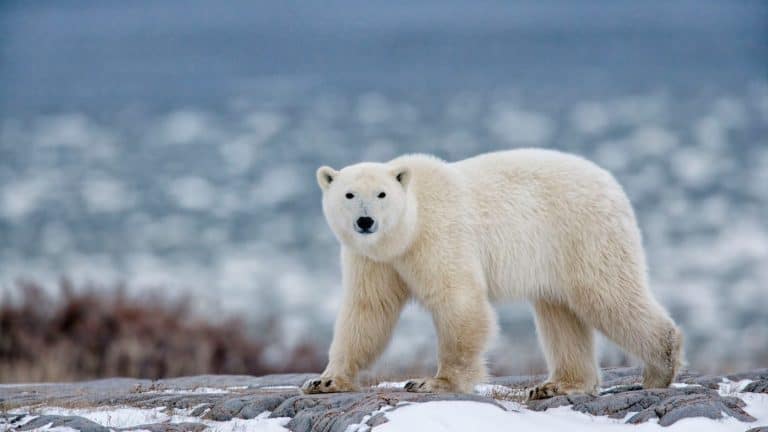
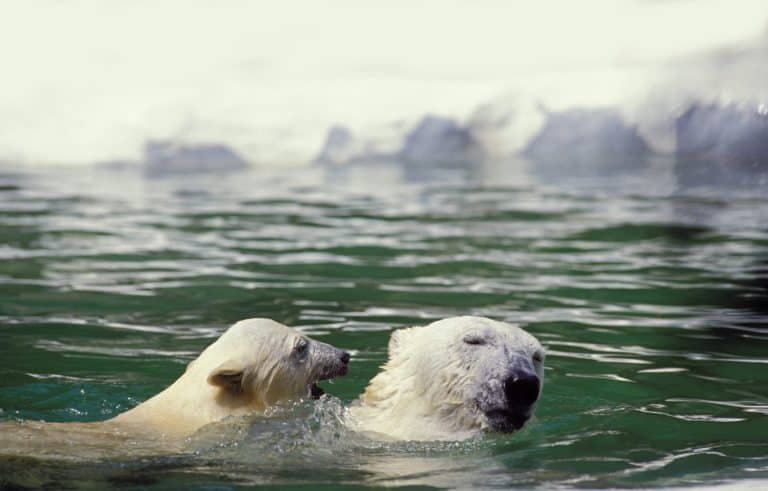
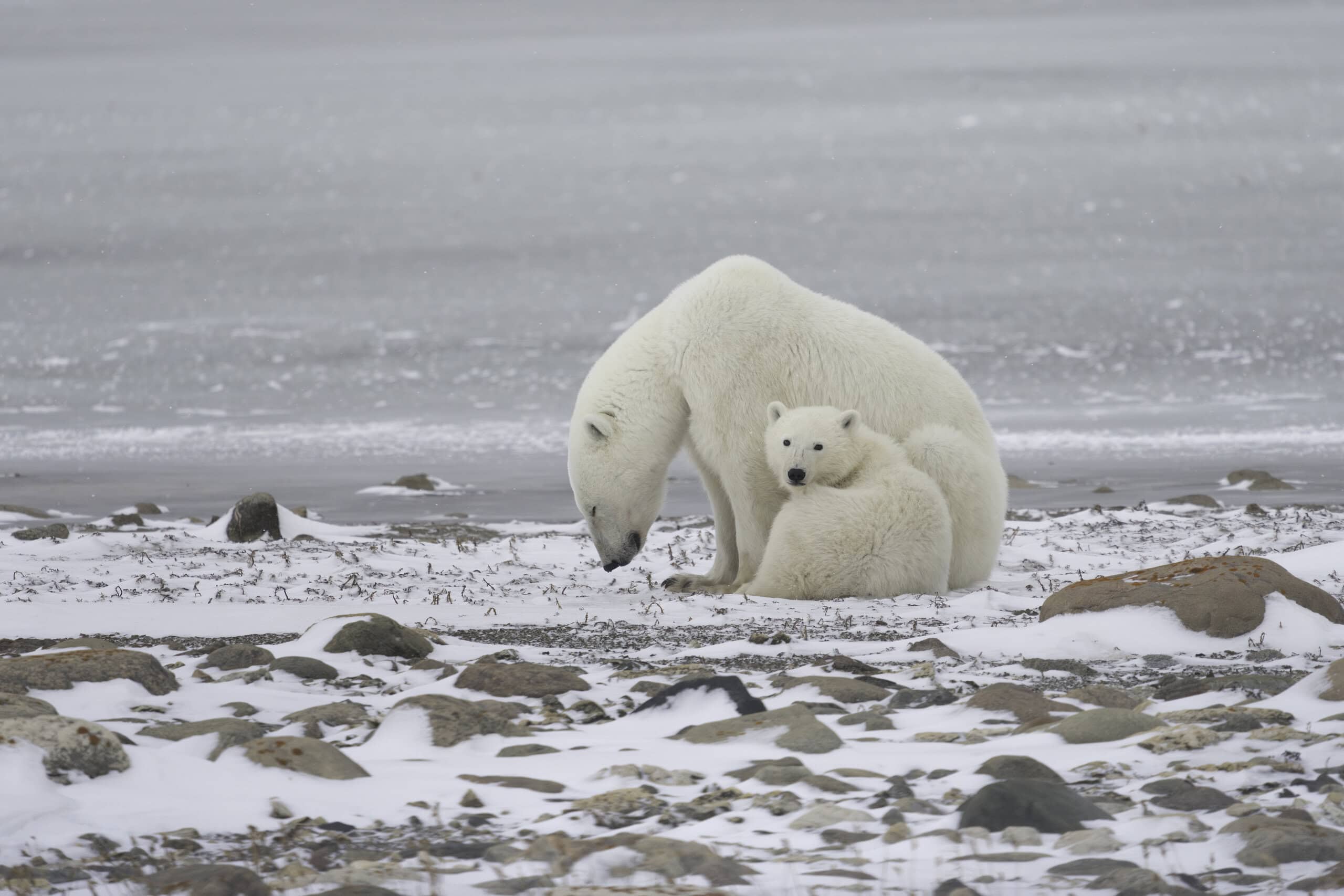
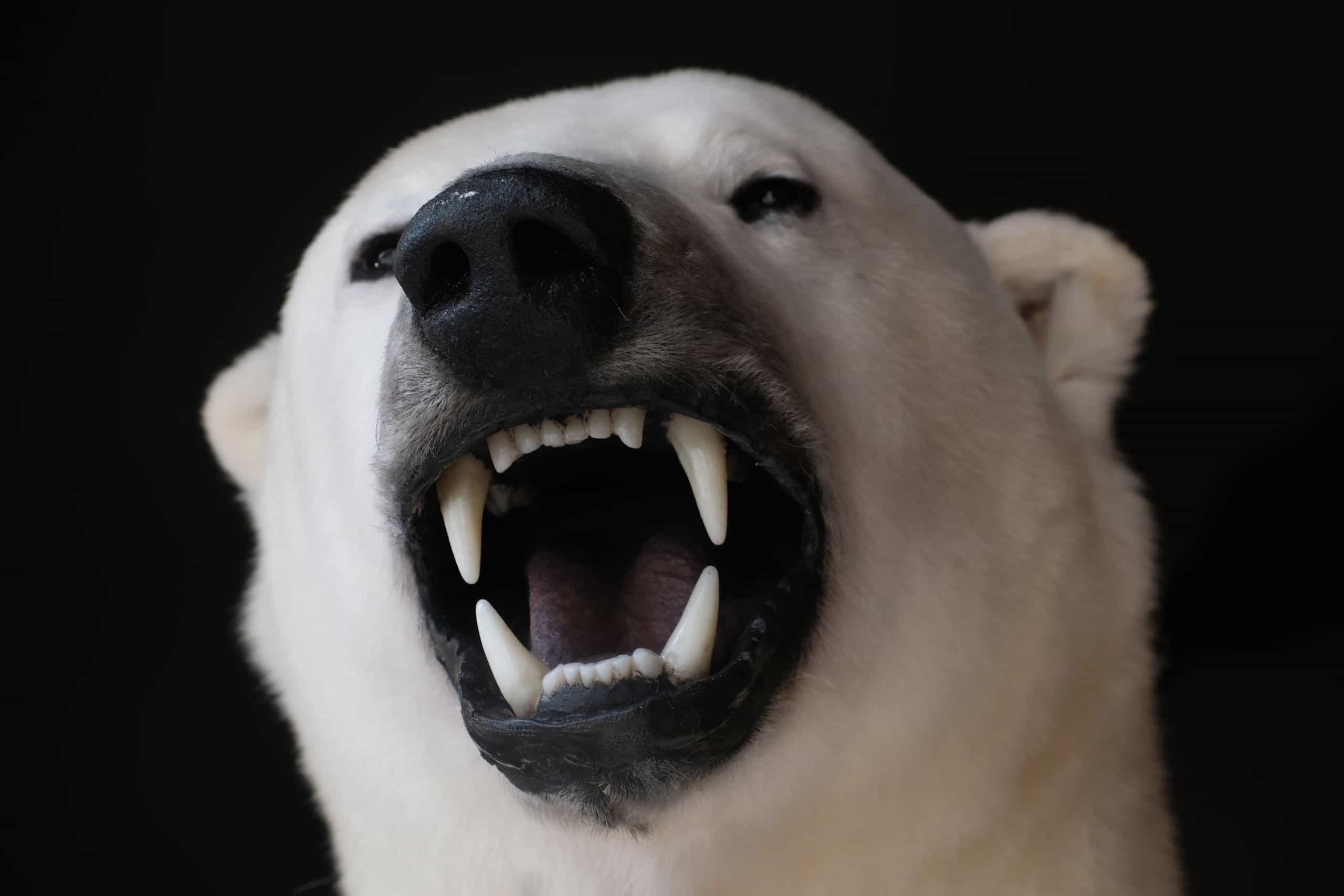
The polar bear is a large species of bear that is found inhabiting the ice fields in the Arctic Ocean. It is the biggest species of bear in the world (with the exception of the Kodiak brown bears found in Alaska, which can reach similar sizes), with males often weighing in at around 1300 pounds. Thought to be closely related to the brown bear, the polar bear’s name actually means “sea bear” as they are known to not just spend a great deal of time close to the coast but are also strong and capable swimmers that have been spotted up to 100 miles from the closest ice or land.
They are, however, being devastatingly affected by global warming as the ice that they rely so heavily on is disappearing fast and has led to the polar bear becoming a strong symbol of the effects of climate change. Polar bear populations have also fallen across the Arctic Ocean due to hunting, pollution, and drilling for oil and gas, leading to them being as listed as a threatened species.