Quick Take
- Animals process alcohol differently. Smaller pets are usually more sensitive and can become intoxicated from even small amounts.
- Dogs and cats are especially at risk. For dogs, the lethal ethanol dose is roughly 5.5 to 7.9 grams per kilogram.
- Keep alcoholic beverages out of reach and seek veterinary care immediately if a pet drinks alcohol.
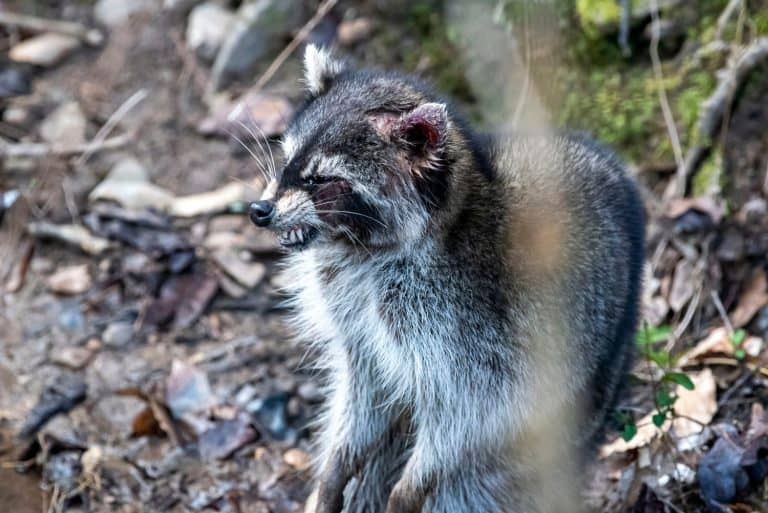
In an incident that captured social-media attention around the world, a wild raccoon in Ashland, Virginia, found itself in a predicament more familiar to humans than to wildlife: it got very drunk. Early one Saturday morning, staff at a Virginia Alcoholic Beverage Control (ABC) liquor store arrived to find a trail of destruction, including smashed bottles of scotch, whiskey, and other spirits littering the floor. The culprit? A raccoon that had broken in, apparently sampled the liquor freely, and ultimately passed out on the bathroom floor. According to ABC News, animal control officers responding to the scene described the animal as “very intoxicated” and took it to a shelter to “sober up.” After a few hours of rest with no apparent injury other than what officials humorously described as a “hangover,” the raccoon was safely released back into the wild—presumably to seek out a couple of aspirin, some black coffee, and a greasy breakfast.
Jokes aside, stories like this raise interesting and important questions about how alcohol affects animals—from wildlife like the raccoon in Virginia to our beloved household pets. Do animal bodies handle alcohol the same way humans do? Are they more or less susceptible to intoxication? And what should a pet owner do if their dog or cat gets into alcohol?
How Do Animals Even Access Alcohol?

The Virginia raccoon may have broken into a liquor store, but animals often consume alcohol in nature by eating fermented fruits.
©YouTube/ABC7 – Original
In nature, instances of animals consuming alcohol aren’t totally unheard of. Wild animals may eat overly ripe, fermenting fruits that contain ethanol, which is the same active ingredient in alcoholic beverages. This can lead to signs of inebriation in species such as birds and mammals. Ecologists note that ethanol naturally occurs in many ecosystems and that fruit- and nectar-eating animals may ingest it more often than was previously assumed. Ingestion of distilled alcohol beverages among animals is rare and usually accidental.
What Alcohol Does in an Animal’s Body
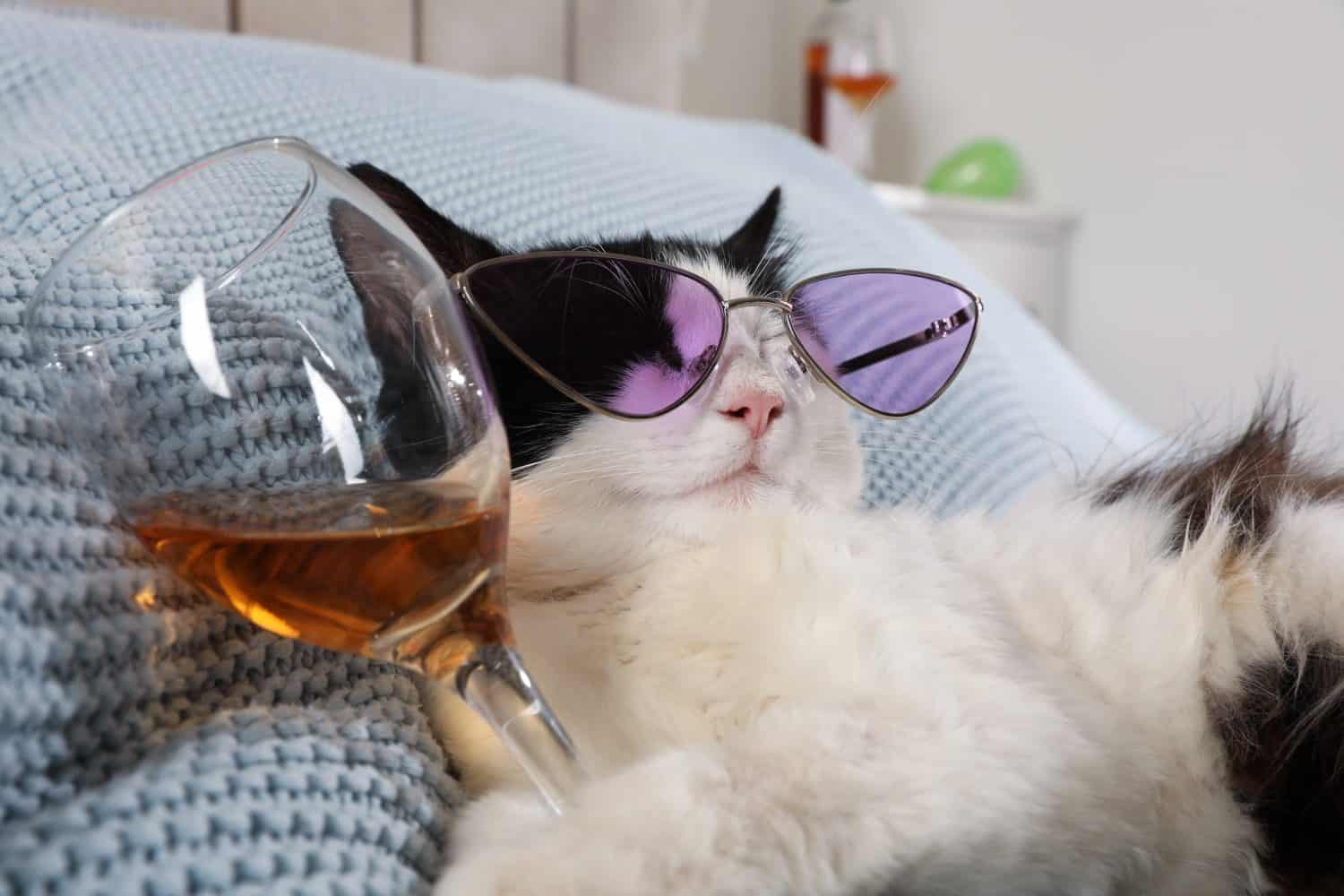
Because animals are smaller and have different metabolisms than humans, it only takes a very small amount to start seeing the harmful effects.
©New Africa/Shutterstock.com
Absorption and Metabolism
Ethanol usually enters the body through ingestion, but in some rare cases (such as heavy vapor exposure), it can get in through the skin or respiratory system. After entering, it’s rapidly absorbed into the bloodstream through the gastrointestinal tract. In humans, most alcohol is metabolized in the liver by enzymes like alcohol dehydrogenase, which breaks ethanol down into a toxic intermediate called acetaldehyde, and then into acetate, which is eventually processed into carbon dioxide and water.
Animals also absorb ethanol quickly, but their ability to metabolize it varies greatly by species. For many animals, including common pets like dogs and cats, their livers are less efficient at processing ethanol than a typical adult human’s liver. They have fewer or less active forms of the enzymes needed, so alcohol and its toxic byproducts remain in the bloodstream longer and at higher concentrations.
Effects on the Body
Across mammalian species, ethanol affects the central nervous system by altering neurotransmitter function. An intoxicated individual (human or animal) may walk unsteadily or become lethargic after several cocktails. This is because the alcohol has disrupted the brain’s normal signaling.
In clinical terms, alcohol consumption can produce a variety of dangerous symptoms, including:
- Central Nervous System Depression: Lethargy, lack of coordination, disorientation.
- Respiratory Depression: Slow or shallow breathing.
- Hypothermia: Body temperature may drop to unsafe levels.
- Hypoglycemia: Low blood sugar can cause weakness or seizures.
- Gastrointestinal Distress: Vomiting or diarrhea can occur as the body reacts to alcohol.
- Severe Outcomes: In serious cases, coma or death may result.
Because animals generally have smaller body sizes and different metabolic rates compared with humans, even a small amount of alcohol can lead to more pronounced effects. In fact, some veterinary sources note that very little ethanol can cause toxicity in pets, particularly in cats.
Are Animals More or Less Sensitive Than Humans?
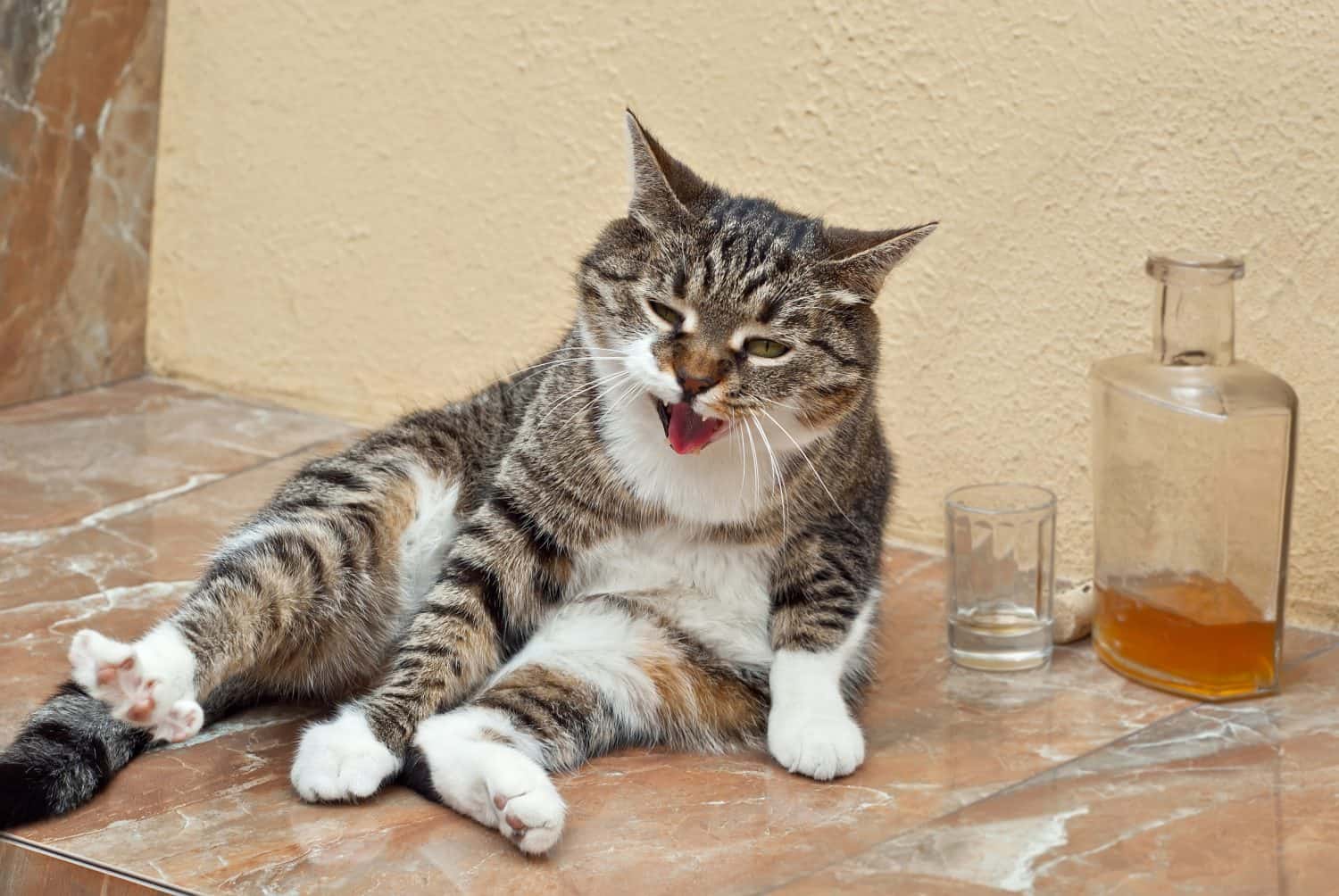
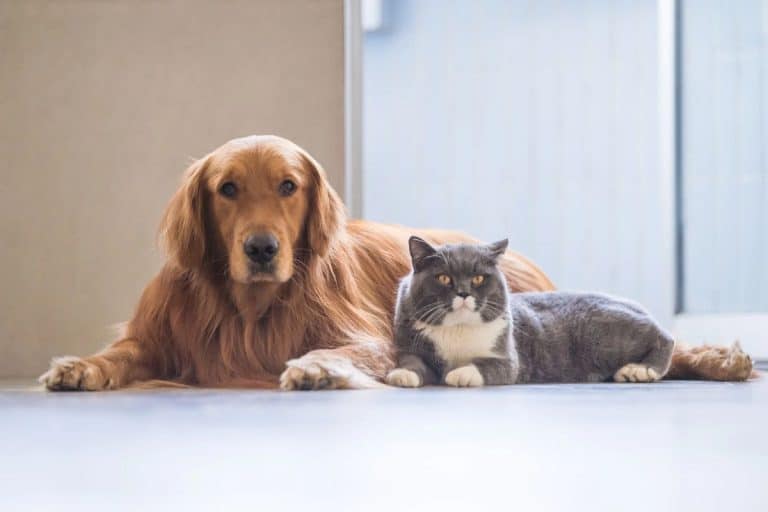
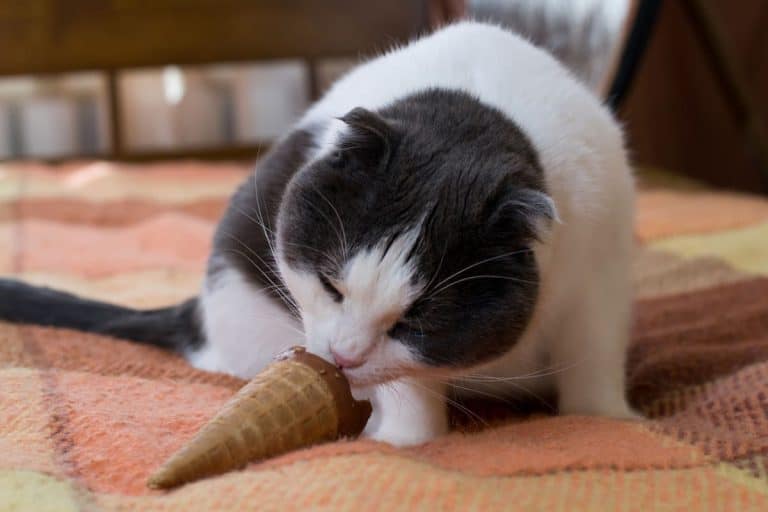
Your pets should never consume alcohol, but cats are especially vulnerable due to their diminutive size.
©Ivan Kovbasniuk/Shutterstock.com
The short answer is that animals are usually more sensitive, especially when they are significantly smaller than humans or have less efficient metabolic pathways.
Dogs and Cats
Dogs and cats don’t manage alcohol nearly as well as humans. While a human might handle one or two drinks with relative safety, even small amounts of beer or spirits can be dangerous for a dog or cat. Dogs may show signs of unsteadiness, lethargy, and disrupted breathing after ingesting relatively modest amounts, and cats are even more sensitive because of their smaller size and different liver enzymes.
A general veterinary reference suggests that the lethal dose of ethanol in dogs could be roughly 5.5 to 7.9 grams per kilogram of body weight. To put that into context, a typical 80-pound dog could be at risk after ingesting just a few ounces of a high-alcohol drink (roughly a shot or two of vodka, for example), although symptoms appear well before lethal levels.
Other Wildlife
Wild mammals differ widely in their alcohol tolerance. Some species, due to repeated exposure, have evolved to process naturally occurring ethanol from fermented fruit more efficiently, and thus show less dramatic impairment. For example, certain bats and small mammals can tolerate levels that would incapacitate a human. However, most wildlife, like raccoons, aren’t adapted to ethanol concentrations found in distilled liquor and will experience effects similar to intoxication in humans, though potentially more severe.
So, What Happens When a Pet Gets Into Your Stash?
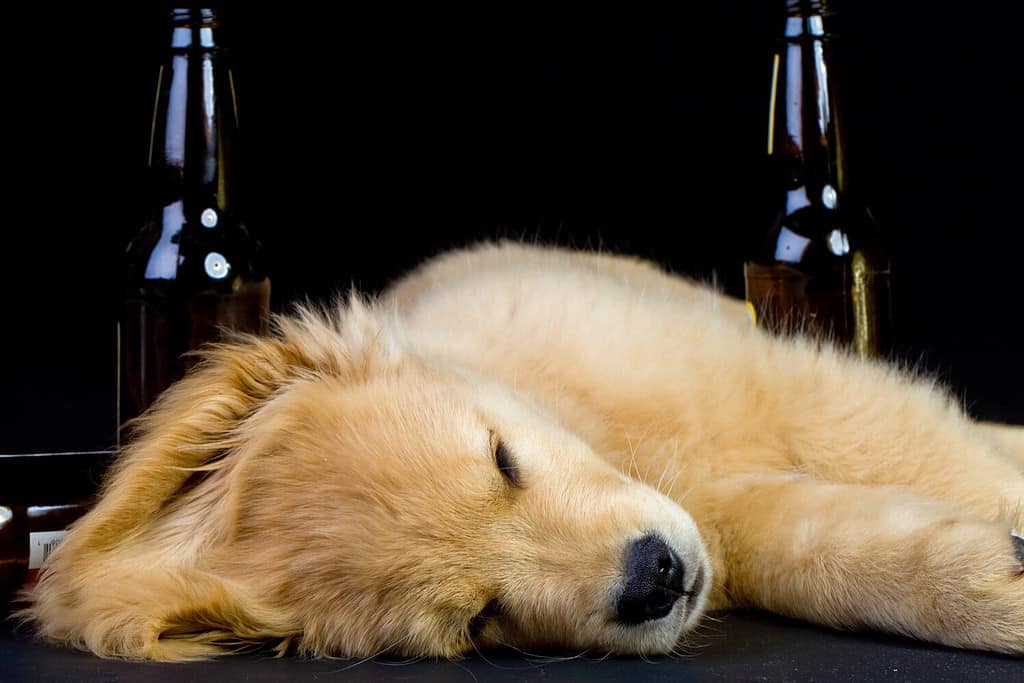
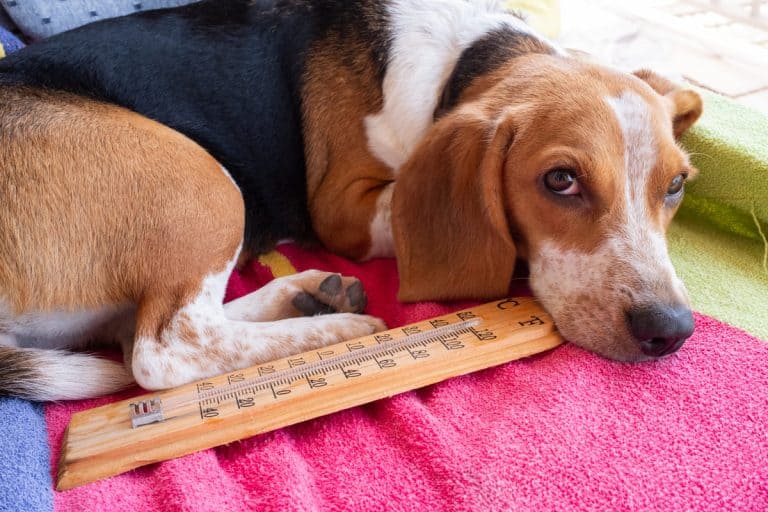
If a dog, cat, or other pet accidentally consumes alcoholic beverages, it can be a serious medical situation.
©MPH Photos/Shutterstock.com
Immediate Steps
- Remove Access: Prevent further ingestion by taking away the alcohol.
- Call a Professional: Contact your veterinarian or a pet poison control hotline immediately. Time is critical in alcohol poisoning cases. If you’re able to assess how much your pet drank, that could be helpful information.
- Do Not Induce Vomiting Without Advice: In some cases, making the animal vomit can do more harm, especially if they are already disoriented or unconscious. Only do so if instructed by a vet.
- Monitor Symptoms: Watch for signs of intoxication, which can appear within 30–60 minutes of ingestion. These include: stumbling, lethargy, drooling, vomiting, tremors, or changes in breathing.
Veterinary Care
A veterinarian may provide supportive care such as IV fluids, medications to stabilize vital signs, and monitoring of blood glucose and body temperature. There’s no quick antidote to reverse alcohol poisoning. Treatment focuses on keeping the animal safe while the body metabolizes and clears the ethanol.
Please Drink Responsibly

The Virginia raccoon got lucky, but he may not be so lucky next time.
©YouTube/ABC7 – Original
Amusing as it is, the tale of the Virginia raccoon gives an opportunity to talk about a real biological truth: alcohol affects animals in ways that are often more intense and dangerous than it does in humans. While raccoons and other wildlife might occasionally encounter ethanol in nature, human-brewed liquors pose risks that can lead to serious harm or even death in smaller animals.
For pet owners, understanding these risks and acting quickly in an emergency can make all the difference. Keep alcoholic beverages securely out of reach, and if an accident happens, seek professional help right away. We can laugh at the story of the Virginia raccoon because it appears to have ended well for the little guy—minus the requisite nausea and splitting headache, I’d imagine—but it could have very easily ended in tragedy.