
As Thanksgiving and other winter holidays begin, pumpkin pies become a prized and ever-present dessert. If you plan on spending the holiday season with a dog, you may be wondering if giving them a bit of pie is really that big of a deal. Pumpkin itself is considered healthy by vets and trainers, but what do experts say about pumpkin pie?
To understand if your pup can eat pumpkin pie, it helps to look at how a dog’s digestive system works, what their body actually needs, and what’s really inside a typical holiday pie. That’s what we’ll be addressing today, so that you and your dog can safely enjoy pumpkin season without risking a late-night emergency vet visit because Fido stole a slice.
To fully understand the effects pumpkin pie might have on your pup, I spoke to Teagan Coleman, owner of NLR Explore Dog Training and a certified pet nutritionalist and vet technician, for the answers. Let’s dig in!
How a Dog’s Digestive System Handles Human Food
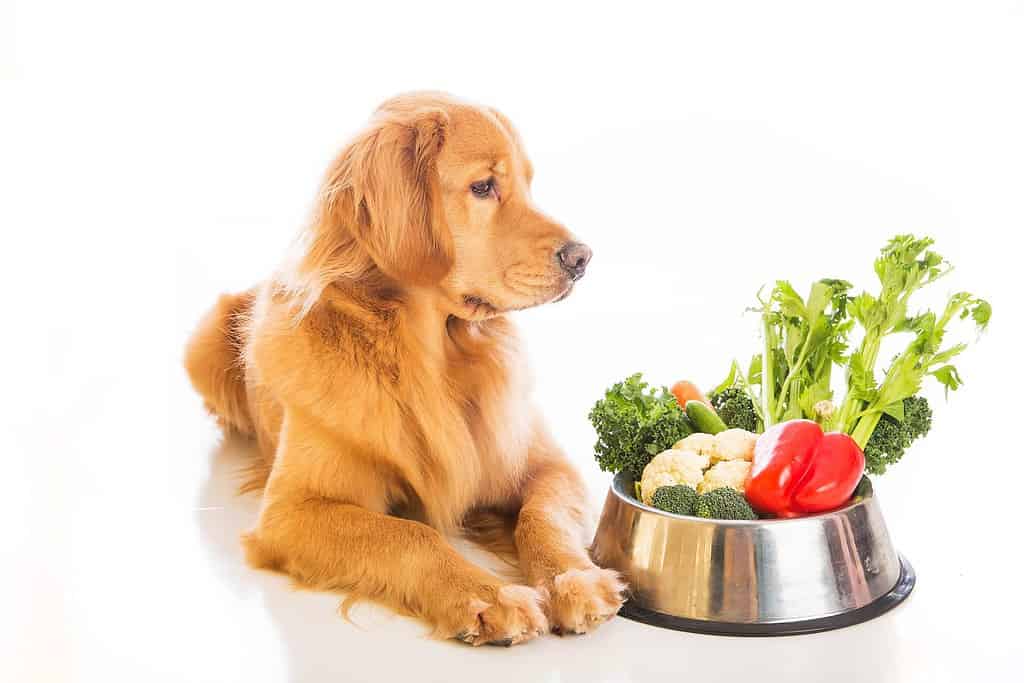
There’s a reason dogs don’t eat human food.
©MPH Photos/Shutterstock.com
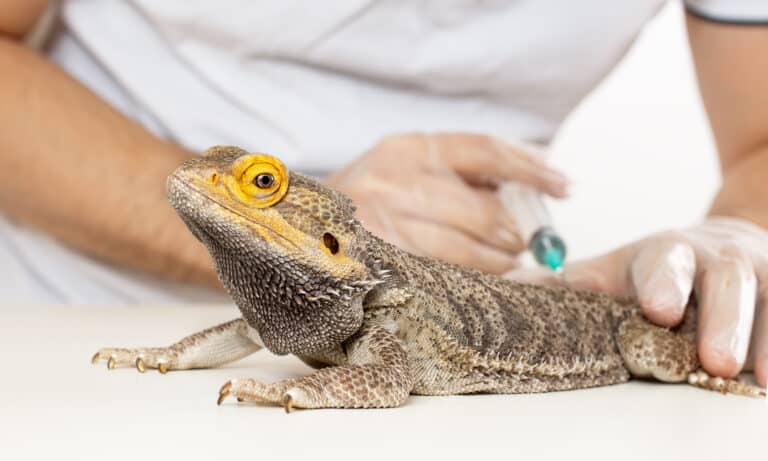
First things first: dogs don’t and can’t process food the same way we do. Humans start digesting in the mouth with saliva enzymes that break down carbohydrates, while dogs mostly use saliva as a lubricant; their digestion starts in the stomach and intestines.
“Dogs have way shorter digestive tracts and are built to handle higher protein and fat with fewer carbs than humans,” Coleman explains.
This digestive system works well when dogs are fed a balanced, complete dog food. However, it is less able to handle large amounts of sugar, dairy, and rich fats. General feeding guidelines from VCA’s treat recommendations suggest that treats make up no more than about 10% of a dog’s daily calories, so you don’t unbalance the diet or cause weight gain.
From a training perspective, Coleman says that dogs thrive on consistency, both in routine and their diet. “Sudden changes in health, especially if dogs get to eat rich holiday foods, are one of the most common reasons people end up calling their vet,” she says. “That’s just one reason why I don’t recommend feeding dogs table scraps.”
Pumpkin Itself: A Dog-Friendly Ingredient
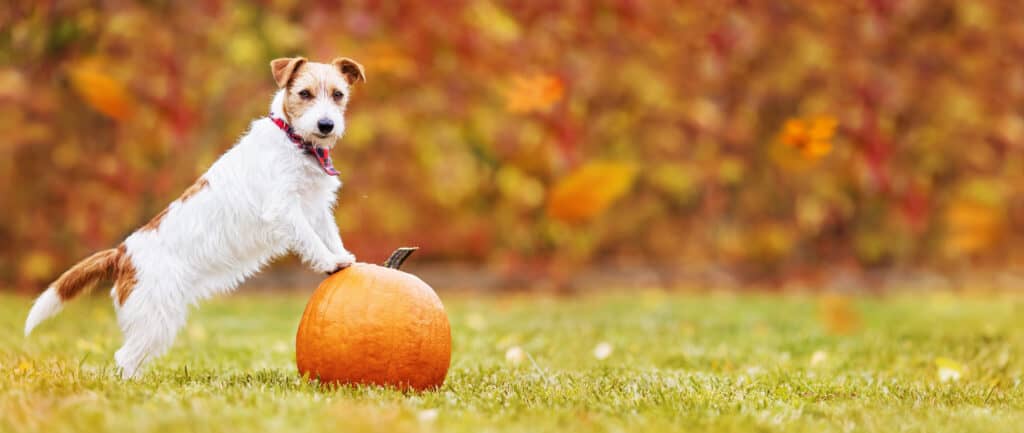
On its own, pumpkin is fine for dogs to eat.
©iStock.com/wavetop
Here’s the good news: plain pumpkin is generally considered safe for most dogs and can even be beneficial in small amounts. An article from PetMD on pumpkin for dogs explains that pumpkin is high in fiber and contains vitamins A, C, and E, plus minerals like potassium, which can support healthy digestion.
“I frequently recommend a spoonful of plain, canned pumpkin if your dog is having digestive issues,” Coleman explains. “Just make sure it’s 100% pumpkin, no spices or sugar. It can help with mild constipation or diarrhea, because the soluble fiber helps with stool consistency. Plus, it’s way more affordable than other digestive help options you might find at a pet store.”
But, if pumpkin is okay, why not pumpkin pie? The answer lies within the average pie recipe.
The problem isn’t the pumpkin, obviously; it’s everything we put around it.
Teagan Coleman, owner of NLR Explore Dog Training and certified pet nutritionalist and vet technician
What’s Actually in Pumpkin Pie?
Dogs shouldn’t eat most traditional pumpkin pie ingredients.
©fotyma/iStock via Getty Images
A traditional pumpkin pie usually includes:
- Crust: flour, butter or shortening, sometimes lard, plus salt and sugar
- Filling: pumpkin purée, sugar, eggs, and evaporated or sweetened condensed milk or cream
- Spices: cinnamon, nutmeg, ginger, and cloves
- Optional extras: whipped cream, sugar-free sweeteners, or flavored toppings
While not all of these ingredients are harmful to dogs, some can cause health issues.
Sugar, Fat, and Dairy
Pumpkin pie filling is loaded with sugar and often uses condensed milk or cream. The American Kennel Club’s guide to pumpkin and pumpkin spice stresses that, while plain pumpkin can be a healthy treat, pumpkin pie and sugary pumpkin products are not safe because of their high sugar and fat content and added ingredients.
“Butter or shortening in the crust can also cause a lot of GI upset, especially if a dog snags a large piece of pie,” Coleman adds. “It’s even worse for small dogs or dogs with underlying health conditions like obesity or diabetes.”
Spices and Sugar-Free Sweeteners
Pumpkin pies may not contain a lot of spice, but even small amounts can be harmful to your dog if you’re not careful. The ASPCA’s list of toxic and non-toxic plants and substances warns that nutmeg ingestion can cause neurological symptoms like disorientation and even abdominal pain if enough is consumed.
“The amount of nutmeg in a single slice of pie won’t cause severe poisoning in most dogs, but it can definitely contribute to an upset stomach, which you probably don’t want to deal with during the holiday season,” Coleman says.
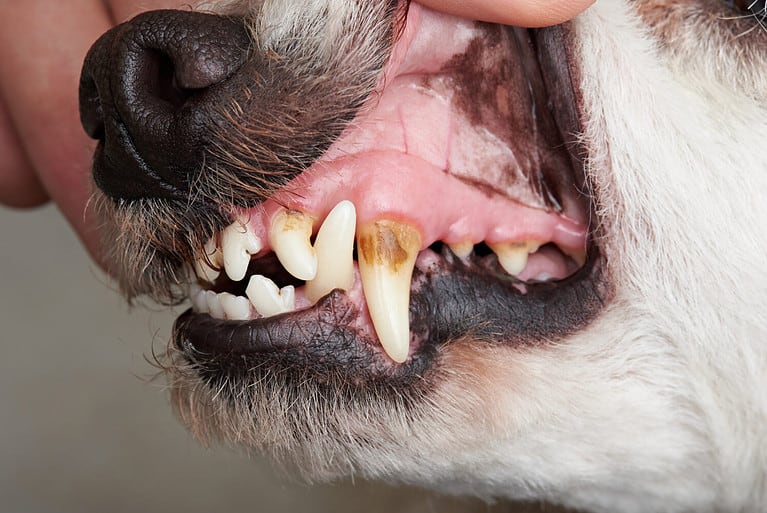
Additionally, some canned pumpkin pie fillings or sugar-free desserts may contain xylitol, an artificial sweetener that is extremely dangerous to dogs. Small amounts of this sweetener can cause a rapid drop in a dog’s blood sugar and, in some cases, liver failure. Because labels and recipes vary so widely, it’s difficult to guarantee that any given pie is free of harmful ingredients.
“The problem isn’t the pumpkin, obviously; it’s everything we put around it,” Coleman explains. “Sugar, spices, dairy, and high-fat content add up for most dogs, especially if your little chihuahua gets hold of a whole pie when you’re not looking.”
So, Can Dogs Eat Pumpkin Pie?
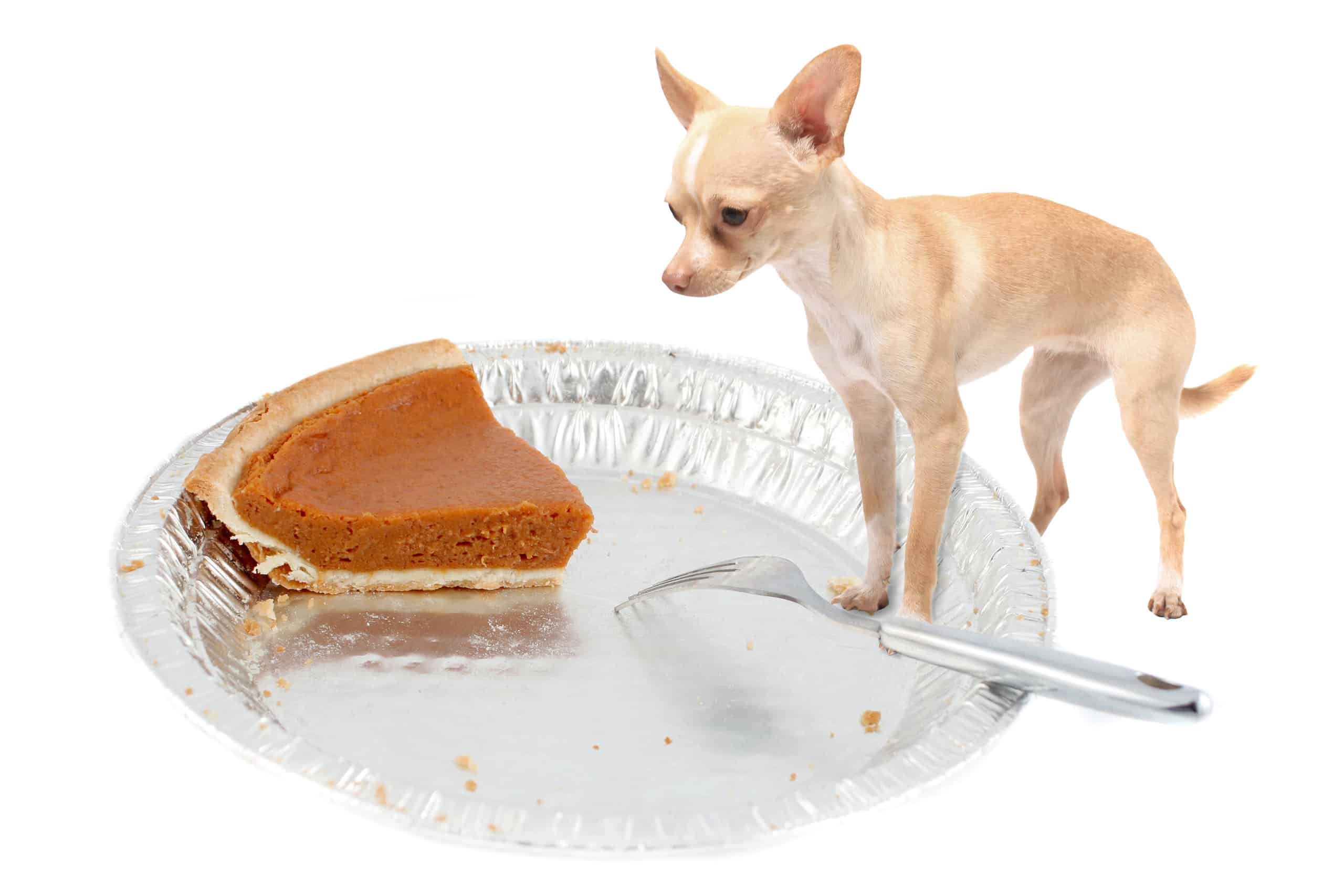
Don’t let your dog eat pumpkin pie.
©Javier Brosch/Shutterstock.com
Based on veterinary guidance, the answer is a resounding no. Pumpkin pie is not a safe or healthy treat for dogs. Both PetMD’s pumpkin FAQ and the AKC’s advice on pumpkin spice tell owners to avoid giving dogs pumpkin pie, pumpkin pie filling, or heavily spiced pumpkin products because of the sugar, fat, spices (especially nutmeg), and potential sweeteners.
“With my own clients, I treat pumpkin pie like chocolate cake: if the dog gets into it, we monitor them closely and call their vet if anything looks off,” Coleman says. “But I never recommend giving pie to a dog on purpose, even if you’ve baked it from scratch and know everything that’s in it.”
If your dog sneaks a small lick of pie from your plate, it’s unlikely to be a life-or-death situation for an otherwise healthy dog. They might experience mild stomach upset, such as soft stool, gas, diarrhea, or some fatigue. However, larger amounts—especially for small dogs or those with preexisting conditions or food sensitivities—can trigger much more serious problems.
If your dog eats a significant amount and shows signs such as repeated vomiting, diarrhea, lethargy, shaking, or abdominal pain (like a hunched posture, whining, or refusing food), contact your vet or an emergency clinic immediately. While it may not be ideal for your holiday, your pet’s safety should always come first.
Safe Pumpkin Treats for Dogs: Skip the Pie and Try These Instead
Other pumpkin treats are better for your pet.
©Wavetop/iStock via Getty Images
If you want your dog to celebrate pumpkin season with you, there are much safer options than pumpkin pie. Try these alternatives instead:
- Plain canned pumpkin: a spoonful mixed into your dog’s regular food can be a fun, fiber-rich treat if your vet approves.
- Simple baked treats: Many vet-approved recipes use plain pumpkin, coconut oil, egg, and oat or rice flour baked into a pan, no spices needed.
- Frozen pumpkin “pupsicles”: Mix plain pumpkin with a plain, unsweetened Greek yogurt or water, and freeze in silicone molds or a Kong toy.
- Commercial pumpkin dog treats: Choose products formulated for dogs, but still consider them as part of that 10% treat budget, no matter how much your pup begs.
“If you want your dog to enjoy all of your holiday fun, always choose pumpkin-flavored treats or plain canned pumpkin in a Kong over a slice of pie,” Coleman says. “They’ll be just as happy, and you’ll skip the emergency vet bills during a time of year when money is usually tight enough.”