
Quick Take
- Most people would not guess the rarest Bichon Frise color, and it has nothing to do with unusual genetics. Discover the rarest color →
- A beloved fictional character quietly shaped the Bichon Frise's rise to global fame, yet most dog lovers have never made the connection. Explore the Tintin connection →
- Breed standards impose a hard color rule on adult Bichons that breeders never apply to puppies, and the reason why reveals something fascinating about how their coats change. See how coats change →
The Bichon Frise is loved worldwide for its affectionate and cheerful nature. These dogs are incredibly gentle towards their owners, making them the ideal playmate for kids, as well as seniors in need of a loving companion. Their adaptability is just one reason why they consistently rank among the most popular dog breeds. Take an in-depth look at the four Bichon Frise colors, from the rarest to the most common.
Bichon Frise Breed Standards
According to the American Kennel Club (AKC), there are four breed standard colors for the Bichon Frise. These include white, white and apricot, white and buff, and white and cream. University of California Davis researchers have found that in dogs, the intensity coat color gene variant causes phaeomelanin (red or yellow pigment) to be diluted, which results in cream to white coats. Color shadings can appear on the ears or on the body. However, breed standards indicate that cream, buff, or apricot markings should not exceed 10% of a mature dog’s total coat. More than 10% is allowable with puppies, as many Bichon Frise puppies are born with cream or apricot markings that fade as the puppies mature.
Regardless of coat color, Bichons should have dark noses, lips, eye rims, and paw pads. Their undercoats should be soft and dense, while their outer coats are curlier and coarser. These small dogs stand 9.5-11.5 inches and weigh 12 to 18 pounds. Fortunately, there are no differences in the health issues of different colored Bichons. However, many are prone to allergies, as are white breeds in general.
1. White and Buff
The white and buff-colored Bichon Frise is the rarest color of the breed. While puppies might look similar to the white and apricot or the white and cream variations, the buff coloring becomes more distinct as they mature. The buff color is identified as a light brownish-yellow color, similar to buff leather. However, others describe this variation as an earthy color. The unique buff color is mostly present in the chest and body, but it can also appear on the muzzle, ears, face, and legs.
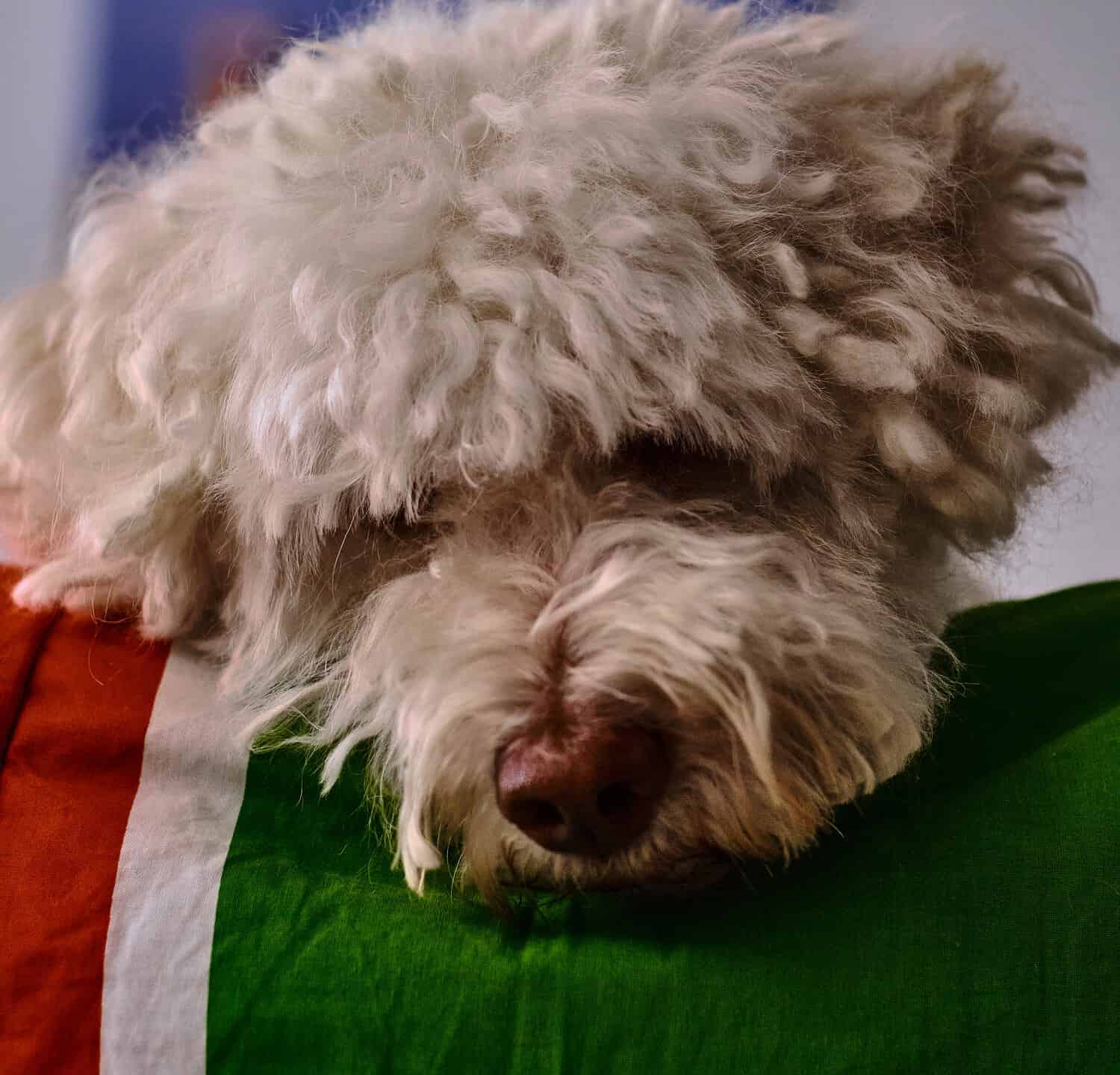
White and buff is the rarest color of Bichon Frise.
©Oakland Images/Shutterstock.com
2. White and Apricot
While not as rare as the white and buff Bichon Frise, the white and apricot variation is also harder to find. Their bodies are mostly white, although there may be some apricot markings. Generally, the apricot color appears mostly on the face and ears. However, some dogs only have apricot markings on one of these areas. Breeders define the apricot color as a light yellowish-orange, similar to the fruit; however, it is slightly paler than an apricot. The color gives the white coat a nice warm contrast. If you see a solid apricot Bichon Frise, chances are it’s mixed with another breed.
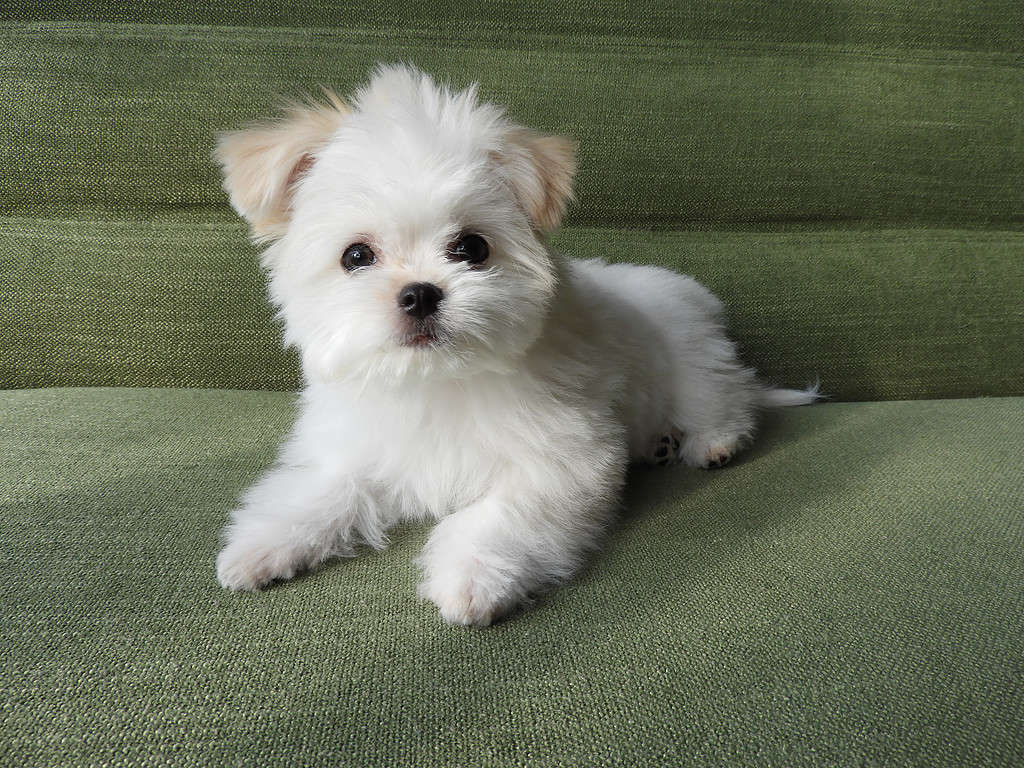
While not as rare as the white and buff Bichon Frise, the white and apricot variation is also hard to find.
©iStock.com/Chiemi Kumitani
3. White and Cream
The white and cream Bichon Frise color might not be as rare as the buff or apricot, but they are not as common as solid white. Similar to the other less common colors, the cream-colored variation usually only has cream patches on the chest, body, ears, or face. Therefore, telling them apart from solid white Bichons can be difficult, especially as puppies.
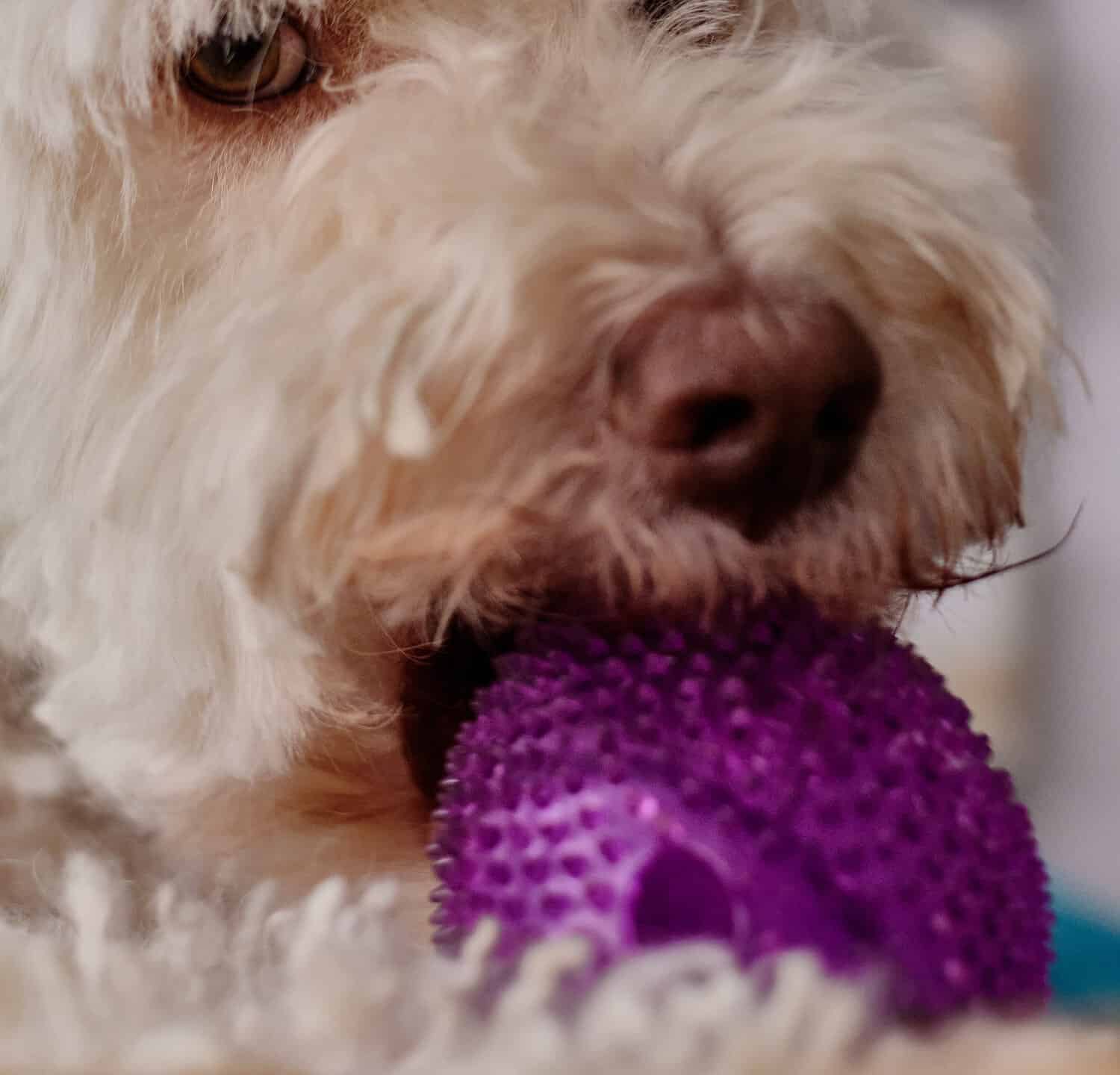
The cream-colored Bichon Frise usually only has cream patches on the chest, body, ears, or face.
©Oakland Images/Shutterstock.com
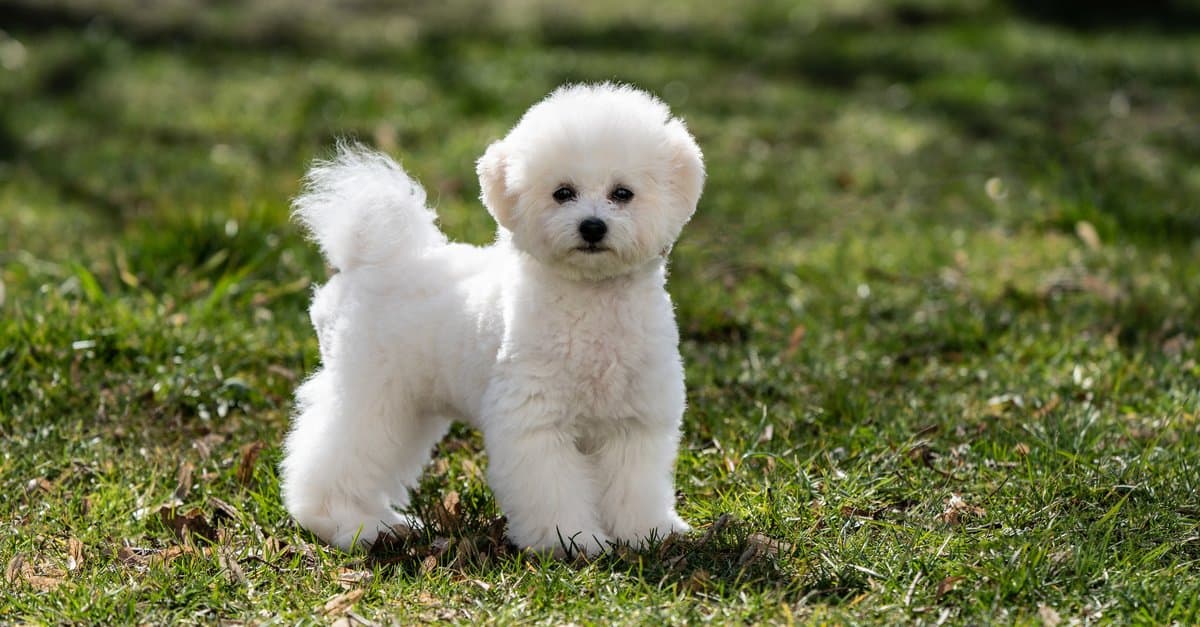
4. Solid White
The most popular and common Bichon Frise color is solid white. The white Bichon Frise is the original color, first recognized by the Société Centrale Canine in March 1933 and admitted to the French Kennel Club stud book in October 1934. This breed rose to fame due to the comic strip “The Adventures of Tintin,” created by Hergé in 1929. The stories featured a small, white, wire-haired terrier named Milou, or Snowy in English, who was frequently associated with the Bichon Frise breed due to his white color.
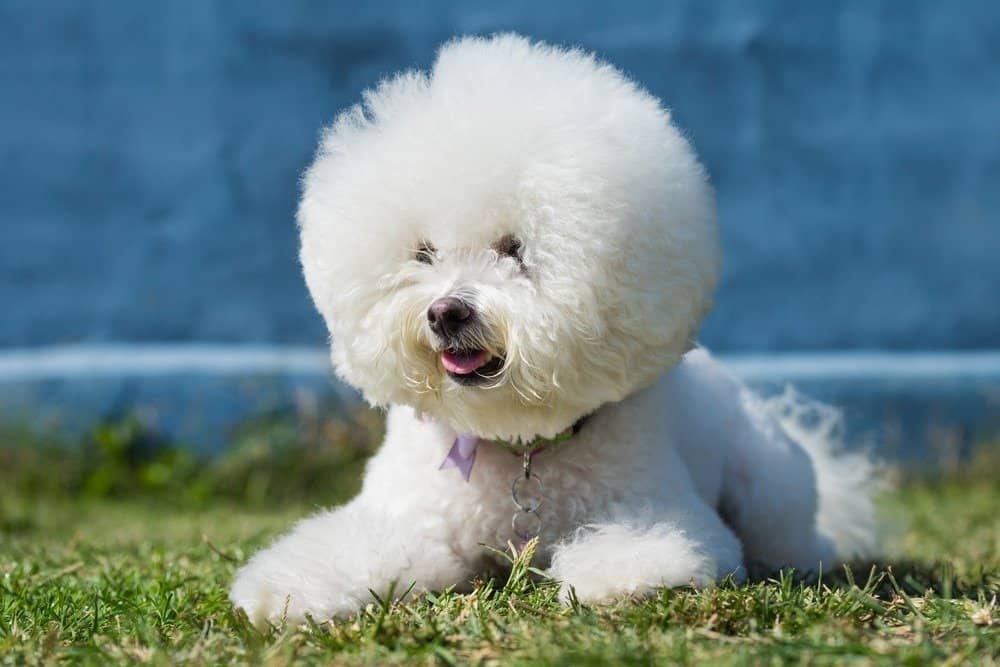
The most popular and most common Bichon Frise color is solid white.
©Radovancev Zarko/Shutterstock.com