
Quick Take
- Dog tummy troubles manifest as vomiting, diarrhea, appetite changes, and abdominal discomfort; frequency determines dehydration risk and urgency of care.
- Common causes include dietary indiscretion, gastritis, pancreatitis, parasites, and food intolerances, each with distinct symptoms and treatment plans.
- Red flags should require immediate vet care, such as persistent vomiting or diarrhea, blood in stool, black stools, severe pain, or dehydration.
It’s about time we discussed every dog owner’s least favorite ailment: tummy troubles. Vomiting, diarrhea, and supposedly mysterious stomachaches are some of the most common reasons dogs end up at the vet. This is especially the case for otherwise young and healthy pets, prompting dog owners everywhere to question why? And, more importantly, what can be done to alleviate these troubles?
Today, we’ll walk you through the stomach issues vets see most often, defining each one and highlighting symptoms you should never ignore. We also cover what’s reasonable to manage at home and when you need to call your veterinarian or head to an emergency clinic. But never fear; we aren’t providing this information without guidance.
We’ll utilize insight from certified veterinary technician, pet nutritionist, and dog trainer, Teagan Coleman of NLR Explore Dog Training. Coleman has recognized plenty of dogs with behavior issues that are actually tied to underlying physical discomfort and GI upset.
Let’s check out everything you need to know on dog tummy troubles, but remember: if you believe your dog is sick, always seek vet guidance over the answers found in this article.
What Counts as a Stomach Problem in Dogs?
©Beach Creatives/Shutterstock.com
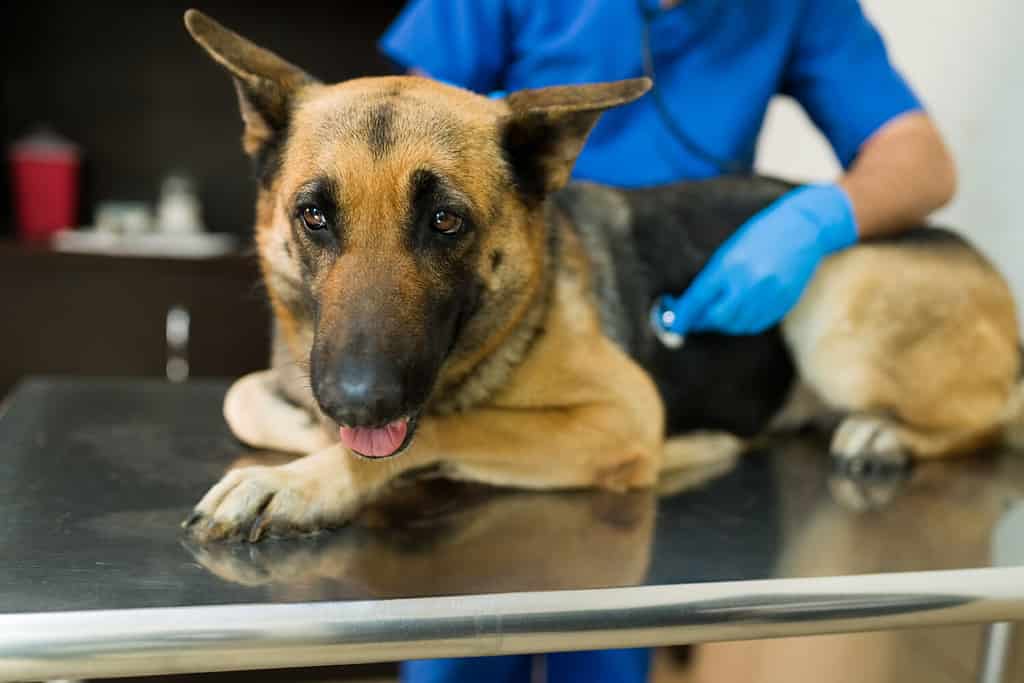
When vets bring up GI problems in dogs, they’re usually talking about a combination of vomiting, diarrhea, changes in appetite, excessive drooling, gas, abdominal discomfort, changes in stool consistency or color, and potentially even weight loss.
“GI upset can manifest as a bunch of different symptoms, which is why owners sometimes panic if their dog seems sick,” Coleman explained, “and I don’t blame them. It could mean your dog ate something poisonous, or it could mean he’s just feeling gassy. True stomach problems are often consistent, even chronic issues.”
The MSD Veterinary Manual noted that diseases of the stomach and intestines are very common in dogs, and can involve both infectious and noninfectious causes, making them even more difficult to source. While an occasional soft stool or single episode of vomiting in an otherwise normal dog can be harmless, other symptoms can indicate true stomach issues.
Frequent vomiting, watery diarrhea, blood in vomit or stool, black or tarry stool, a painful or bloated belly, or a dog who seems weak, depressed, or refuses food are all red flags. “Frequency is a huge factor. How often are these symptoms occurring?” Coleman notes. “Vets care so much about frequency because it can lead to serious dehydration issues if symptoms go on too long.”
If your dog’s stomach issues keep coming back, it’s time to investigate their diet, environment, underlying disease, and stress, not just treat each episode as random. You probably need to schedule a vet appointment, and your pup will thank you for it.
Teagan Coleman, certified veterinary technician, pet nutritionist, and dog trainer
Why Dog Stomachs Are So Sensitive
©Liudmyla Guniavaia/Shutterstock.com
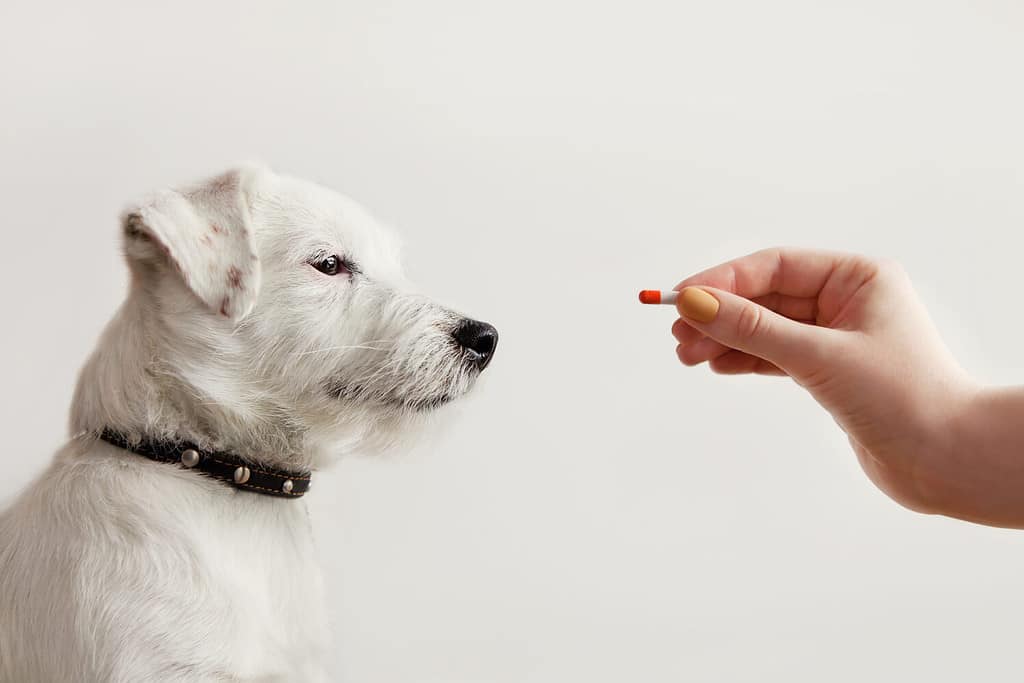
We may view dogs as having sensitive stomachs, but it’s mainly because they don’t process food the same way we do. A dog’s digestion is built around higher protein and higher fat diets. They also have relatively short digestive tracts, so food moves through quickly. That’s why sudden changes and unwanted symptoms tend to show up fast.
Health, behavior, and training are all tightly linked as well. Dogs that suddenly seem clingier, withdrawn, snappy, or reluctant to eat may be communicating that they feel unwell long before you see obvious signs of GI upset. Trainers like Coleman regularly see behavior improve simply by addressing pain, digestive discomfort, and inappropriate diets.
Let’s discuss some of the most common dietary and tummy issues dogs may have, as well as why these issues may occur.
1. Dietary Indiscretion
©fotyma/iStock via Getty Images
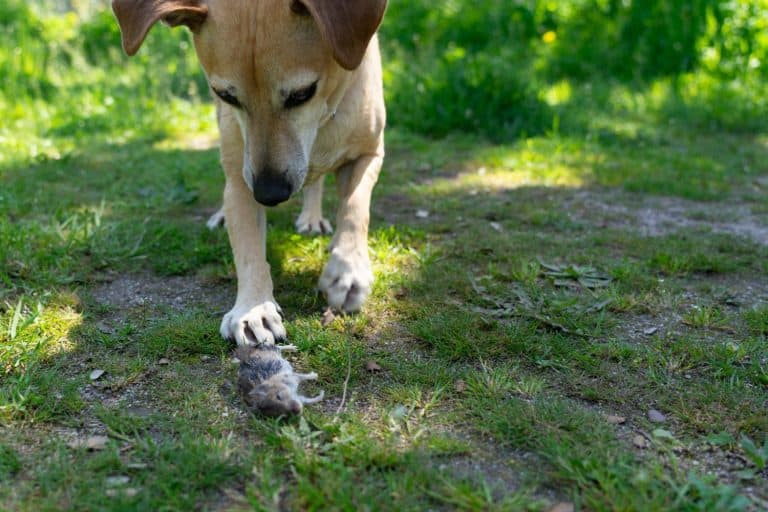
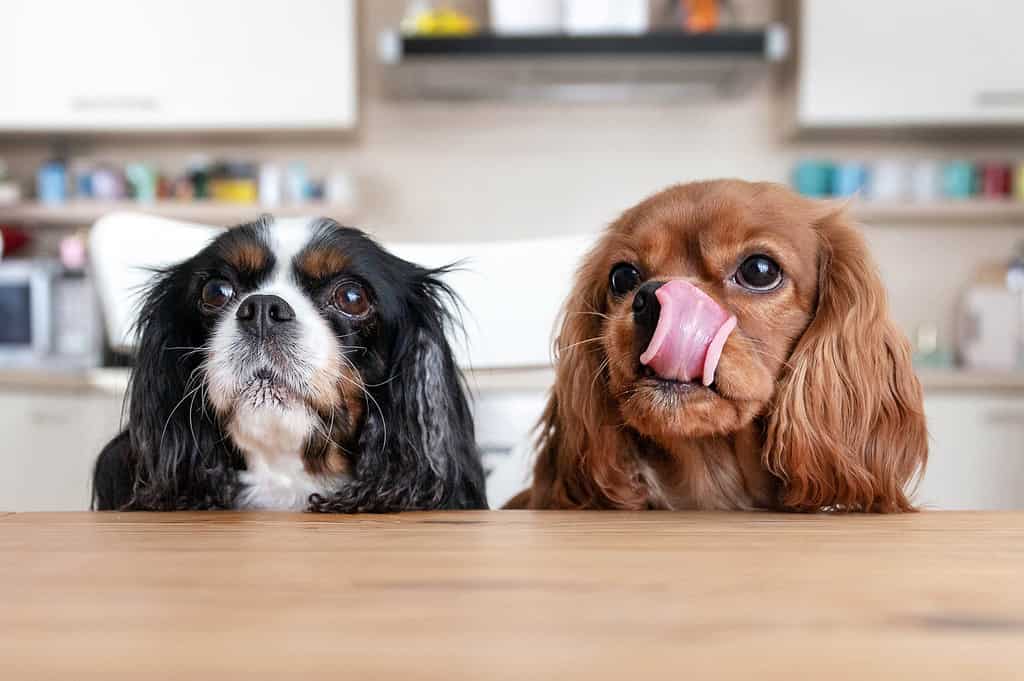
Dietary indiscretion is a fancy phrase that essentially means your dog ate something they shouldn’t have. This can be anything from garbage, spoiled food, greasy leftovers, large amounts of treats, or non-food objects like toys or socks. BluePearl Specialty + Emergency Pet Hospital reports that in dogs of all ages, acute gastroenteritis is most often triggered by this type of indiscriminate eating.
Typical symptoms that accompany dietary indiscretion include:
- Sudden vomiting
- Diarrhea
- Gas and abdominal discomfort
- Decreased appetite
- Occasionally mild lethargy
Many mild cases resolve within a day or so, but if what they ate happened to be toxic, extremely fatty, or a foreign object, you’ll likely know, as the situation can quickly turn serious.
Call your vet or an emergency clinic right away if your dog:
- Vomits more than three times in 24 hours
- Can’t keep water down
- Has profuse watery diarrhea or diarrhea that persists beyond about 24 hours
- Shows blood in vomit or stool
- Has a painful, swollen, or hard abdomen
- Seems weak, collapses, or has pale gums
2. Gastritis and Simple Gastroenteritis
©Javier Brosch/Shutterstock.com
Gastritis is inflammation of the stomach and often also the intestines. VCA Animal Hospitals explains that gastroenteritis can be caused by multiple things, including infections from bacteria, viruses, or parasites, medications, sudden diet changes, or new foods.
The symptoms are similar to dietary indiscretion and typically manifest as:
- Sudden vomiting
- Loss of appetite
- Drooling or lip-smacking
- Lethargy
- Abdominal pain
- Diarrhea that may start soft and become more watery
If vomiting or diarrhea lasts longer than 24–48 hours, if your dog refuses food, or if you see any red-flag signs like blood, severe pain, collapse, or black/tarry stools, a vet visit is essential, according to Coleman. “If left untreated, prolonged vomiting and diarrhea can cause dehydration, electrolyte imbalances, and more serious complications, which is why, when in doubt, call your vet.”
3. Pancreatitis
©manushot/Shutterstock.com
A dog’s pancreas produces digestive enzymes and helps regulate blood sugar, just like in people. When it becomes inflamed, those enzymes can start damaging the pancreas and surrounding tissues. According to the VCA’s overview of pancreatitis in dogs, this condition is often associated with fatty meals or certain medications, but many cases appear with no obvious cause.
Pancreatitis symptoms can include:
- Repeated vomiting
- Diarrhea
- Loss of appetite
- Painful abdomen (many dogs “prayer pose” with their front end down and rear up)
- Lethargy and weakness
- Fever and dehydration
Because this issue can damage other organs, pancreatitis symptoms should be seen by a veterinarian quickly for pain control, fluids, anti-nausea medication, and other appropriate diagnostics.
Much of this disease involves prevention; greasy meats, rich foods, and fatty leftovers are classic triggers. That’s why many vets and trainers strongly discourage sharing table scraps, even if a dog appears to tolerate them at first.
4. Parasites
©iStock.com/Wild spirit shoot
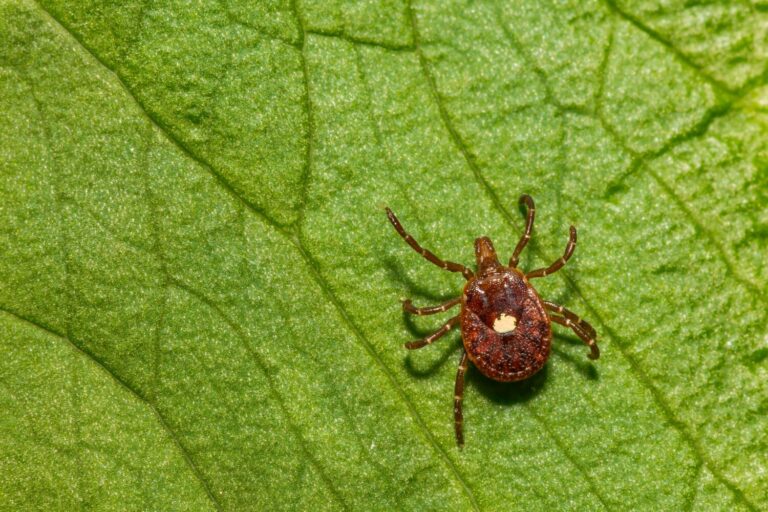
Internal parasites like roundworms, hookworms, whipworms, tapeworms, and protozoa such as giardia are extremely common, especially in puppies, outdoor dogs, and dogs in group settings. Additionally, these infections manifest slightly differently compared to other GI issues, often causing diarrhea, poor growth, a pot-bellied appearance, and sometimes vomiting or visible worms in the stool.
Diagnosis of any type of parasite usually involves fecal testing. Treatment is fairly routine and involves prescription dewormers or antiprotozoal medications, often repeated over multiple doses or cycles, depending on the parasite and life stage. Coleman replied that prevention is much easier than treating parasites once they manifest.
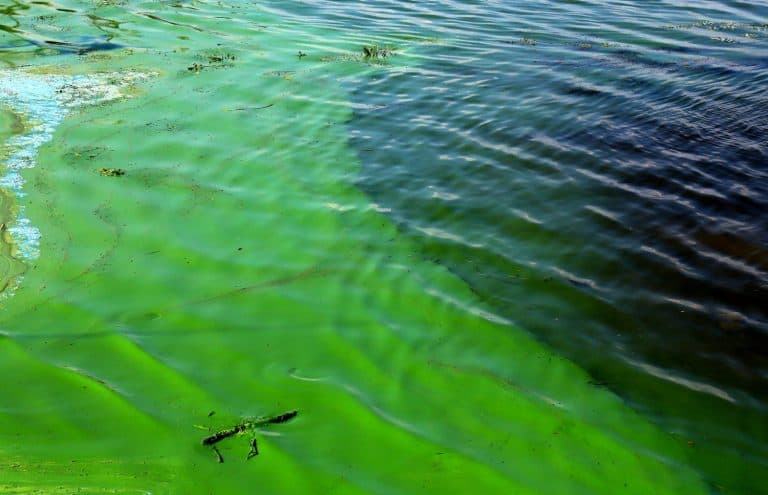
“Keep your dogs on a year-round, vet-recommended parasite control plan, pick up their poo promptly, avoid letting your dog drink from stagnant or contaminated water, and schedule regular fecal checks, especially for puppies and dogs who board, attend daycare, or frequently visit dog parks. These issues are contagious far more than other GI troubles.”
5. Food Intolerances and Sensitivities
©kathrineva20/Shutterstock.com
Food intolerance or sensitivity means a dog’s GI tract doesn’t handle a particular ingredient well, something humans deal with, too. Coleman stated that intolerances are “different from a classic food allergy, which usually shows up as chronic itching, ear infections, and skin disease instead of GI upset.” Since food sensitivities in dogs are often caused by specific protein intolerances, it can cause recurrent vomiting, intermittent diarrhea, and chronic soft stools, especially when diets or treats change frequently.
Unfortunately, there isn’t a quick test that reliably diagnoses these issues. Instead, vets commonly recommend an elimination diet for 6–8 weeks, with all other foods and treats removed. If symptoms improve and then return when old foods are reintroduced, that strongly suggests a dietary cause and a reason to change your pup’s food.
Coleman added another tip. “Keeping a food and symptom log can be necessary for both yourself, your veterinarian, and your trainer. We should all be kept aware so that way we can troubleshoot chronic stomach issues and behavior changes together.”
At-Home Care: What’s Reasonable to Try Without Your Vet
©chernobrovin/Shutterstock.com
For mild, short-lived stomach upsets in an otherwise healthy adult dog, many veterinarians recommend that owners keep their dogs at home, as long as they can get to a clinic quickly if things worsen. Guides from clinics like Veterinary Partner offer these vet-approved steps (with your veterinarian’s blessing, of course):
- Resting the gut by pausing solid food for a short period (not designed for tiny puppies, toy breeds, or diabetic dogs)
- Offering water or an oral electrolyte solution in small, frequent amounts to help prevent dehydration without triggering more vomiting
- Starting small, bland meals once vomiting has fully stopped
- Transitioning slowly back to your pup’s regular diet over a few days
- Using plain canned pumpkin or a vet-recommended probiotic to help ease the process
Coleman noted what to do if you take these steps and issues persist. “If your dog’s stomach issues keep coming back, it’s time to investigate their diet, environment, underlying disease, and stress, not just treat each episode as random. You probably need to schedule a vet appointment, and your pup will thank you for it.”
Severe Stomach Ailments and When to Call Your Vet
©PeopleImages/Shutterstock.com
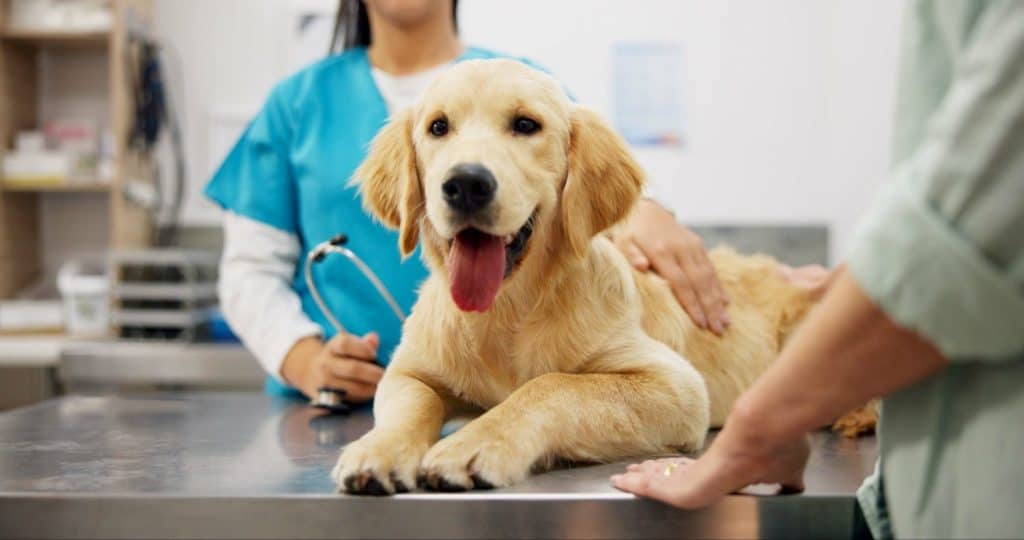
When it comes to dogs, vomiting or diarrhea is an emergency when it is frequent, severe, bloody, or paired with other illnesses. Many vets and trainers like Coleman advise seeking prompt care for your pup if:
- Vomiting happens more than three times in a day
- Vomiting continues even when the stomach is empty (foam or bile)
- Diarrhea is watery, explosive, continuous, or lasts more than 24–48 hours
- There is blood in vomit or stool, or the stool is black and tarry
- The abdomen is swollen, tight, or very painful
- The dog collapses, becomes extremely lethargic, or has pale gums
- You know or strongly suspect your dog ingested a toxin
Puppies, geriatric dogs, dogs with existing health conditions, and brachycephalic (flat-faced) breeds can decline faster than healthy adults, so it’s safer to go in early rather than wait. Coleman noted that “every minute can matter when it comes to stomach issues in dogs, so it’s always smarter to be safe than sorry.”
How to Prevent Future Stomach Problems
©Juice Flair/Shutterstock.com
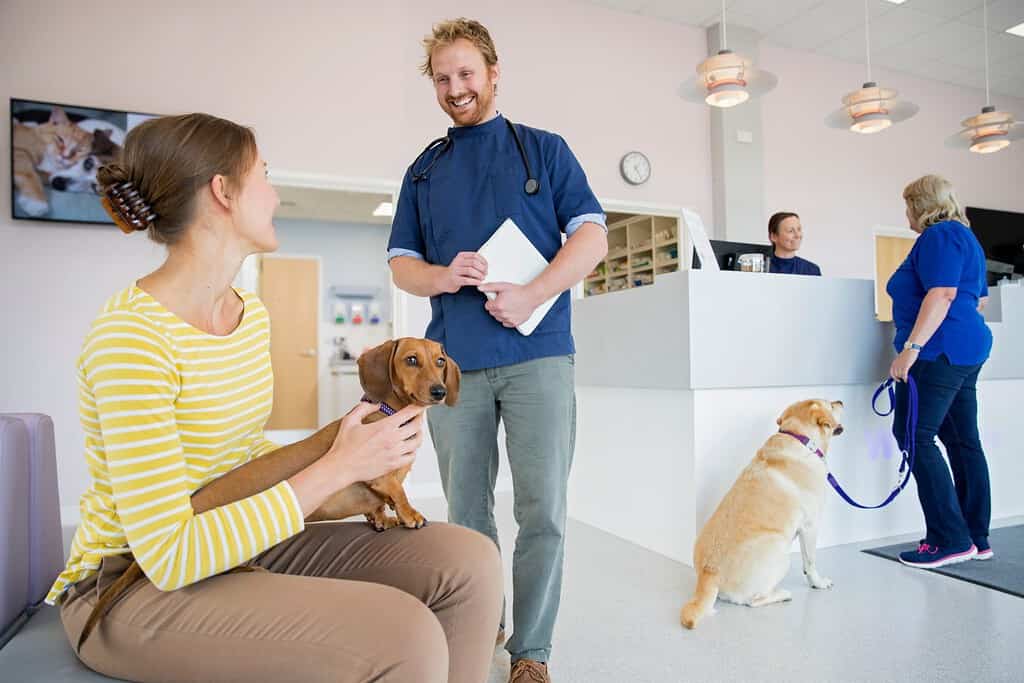
You can’t control everything your dog does, but a few habits dramatically reduce their risk of GI trouble. Here are some recommended options if your dog deals with stomach problems regularly:
- Keep diet consistent and transition slowly (over about 5–7 days) when you have to change foods
- Limit treats to around 10% of daily calories and avoid high-fat table scraps, bones, and leftovers
- Dog-proof your home and yard: secure trash, compost, pantry items, and household chemicals
- Stay on top of parasite prevention with vet-recommended preventives and regular fecal checks
- Use crates, pens, leashes, and management tools to prevent counter-surfing and trash-raiding
- Schedule regular wellness exams so subtle changes in stool or appetite can be caught early
Most importantly, Coleman recommends trusting your instincts. “You see your dog every day. If something feels off, it’s worth calling your veterinarian, even if you’re not sure what’s going on exactly with your pup. Your knowledge and their expertise will bring you answers much faster than tackling tummy troubles all on your own.”