
Quick Take
- Dachshunds have a stubborn reputation, yet their other defining trait is exactly what makes them surprisingly trainable. See how stubbornness becomes an asset →
- Most owners instinctively punish bad behavior, but with dachshunds that instinct can actively backfire. See the force-free approach →
- Potty training a dachshund takes longer than most breeds, and there is a specific biological reason why rushing it sets you up to fail. Understand the potty training timeline →
- There's one foundational cue dachshunds need before 'quiet' will ever work, and most owners skip it entirely. See the foundational cues first →
You may have heard that dachshunds are stubborn and difficult to train, but is this true? Yes, dachshunds can be stubborn, but they’re also very smart. So, with the right motivation, such as your dog’s favorite treats, they’ll be eager to please and will learn new cues quickly. In this article, we’ll discuss dachshund training tips, including socialization, potty training, and which training cues you should begin with.
Are Dachshunds Easy to Train?
Dachshunds are smart dogs who learn quickly. However, as we mentioned above, they also have a stubborn streak. You can combat this by making training exciting and fun. Bring high-value rewards to the table, such as small scraps of cooked, unseasoned meat. These dogs are also very affectionate, so positive, reward-based training yields the best results.
You might also face common dachshund training challenges such as difficulties with potty training, excessive barking, distraction due to a strong prey drive, and destructive habits linked to separation anxiety. We’ll talk more about how to solve these problems in the following sections.

Although there may be a few challenges, dachshunds are generally very smart and eager to learn.
©Liliya Kulianionak/Shutterstock.com
What Age Should You Start Training a Dachshund?
Dachshunds should start training as soon as you bring them home. Start simple with potty training, socialization, and basic cues. Don’t expect too much from your new pup at this stage. Keep sessions short and end on a high note. It’s important to remember where they are developmentally.
For instance, an 8-week-old puppy can’t hold their bladder for much more than about two hours. You must take them outside regularly to pee and watch them closely indoors to prevent accidents. Even then, accidents are completely normal at this age.
It’s up to you whether you train your puppy at home, attend training classes, or hire a private trainer to work with you one-on-one. Professional training can be expensive, but it is also highly beneficial, especially if you don’t have dog training experience yourself.
How to Discipline a Dachshund
The best training methods for dachshunds, or for any breed, are positive reinforcement and force-free training. However, people new to these methods often wonder how to discipline their dogs. The answer is to keep the focus on resolving the issue, not implementing punishments. Dachshunds are sensitive, so they react poorly to punishment and harsh commands.
Here are some great ways to discipline your dachshund without damaging your relationship with them:
- Start by showing them what you do want through positive reinforcement and redirection. If your puppy is doing something right, like chewing on a toy, give them treats and praise. If they do something wrong, like gnawing on your sweater sleeve, toss a toy to redirect the behavior and praise them for listening.
- Manage the situation to prevent misbehavior. Examples include watching your puppy indoors to prevent toileting accidents, keeping a lid on your trash can to keep your puppy out, or putting food away rather than expecting them to resist temptation.
- “Ignore” misbehavior by removing your puppy or yourself from the situation. If your puppy is biting, get up and walk away to show that you won’t tolerate this kind of play. If they pee indoors, simply clean up the mess without reacting, and remember to give them plenty of praise for peeing outdoors.

Focus on preventing future misbehavior, not punishment. Keep a lid on your trash can to keep your pup out.
©Masarik/Shutterstock.com
Socializing Your Dachshund
Socialization is important for your dachshund so that they learn how to behave in new situations and around new faces. It also tends to lessen anxiety and promote confidence in dogs. However, you should also allow your puppy to withdraw if they become overwhelmed.
Remember that socialization isn’t only about directly meeting other people or dogs, although that’s certainly a part of it. It also involves being able to walk past them without lunging or barking and having good manners outside of the house.
Another key aspect of socialization is learning how to be handled for grooming and health purposes. Desensitize your dachshund to handling by regularly touching their ears, paws, nails, tail, and even their teeth. Give them a reward if they stay calm, and keep sessions short and positive.
Training Your Dachshund Not to Bite
Training a puppy not to bite isn’t difficult, but like all training, it does require patience and consistency. It’s best to pick one of the methods below and stick with it:
- Get up and walk away every time your puppy bites and ignore them for a few minutes.
- Keep toys on hand and redirect your puppy to the toy every time they bite clothes or skin.
Remember that this will take time, especially if your puppy is in their teething phase. You may need to limit your puppy’s time around vulnerable people, such as children, while they learn.
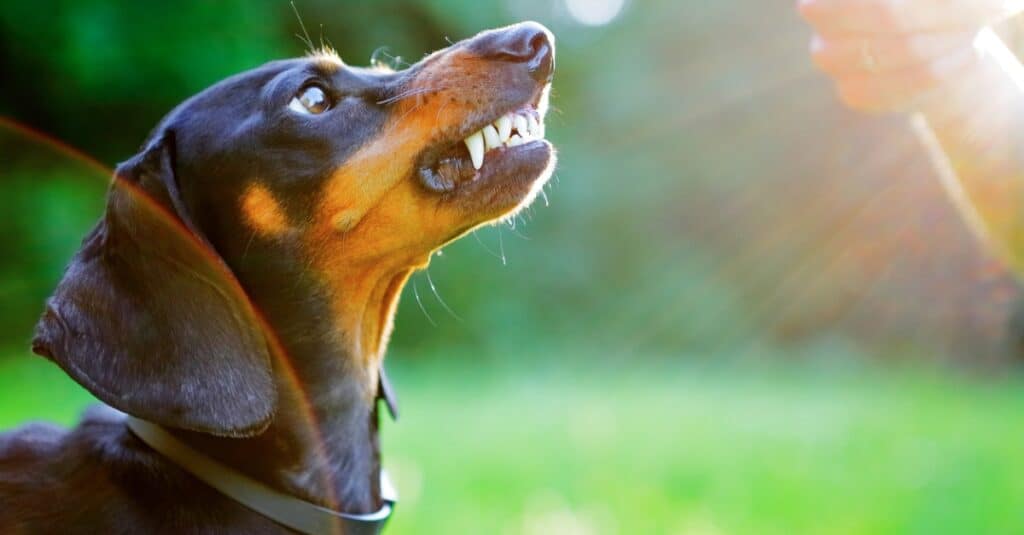
Dachshunds may have a tendency to nip due to their hound bloodlines and hunting instincts.
©iStock.com/alexandrshevchenko
How to Potty Train a Dachshund Puppy
Dachshunds are known for being difficult to potty train, so it may take longer than it has for your other dogs in the past. However, they can catch on given time, consistency, and patience. While physical bladder control develops at around 4-6 months, it can dachshunds take 6-9 months or even longer for reliable toilet training.
In the beginning, your puppy should be taken outside at least once every two hours to pee. Stay outside until they go. Don’t let them roam around the house unsupervised between these outings, or they might find a favorite indoor spot in which to pee. Instead, keep them in the same room as you. If needed, keep your puppy leashed so they can’t wander off too far when you’re not looking.
When you can’t watch them, a puppy playpen is the best option in the beginning. You can also work on crate training so that the crate is an option for short periods in the future. When you are able to watch your puppy, keep an eye out for signs that they need to pee, such as circling, sniffing the ground, or squatting. Take them outside immediately if they show these signs. Also take them outside first thing in the morning, last thing at night, and right after playing, eating, or drinking.
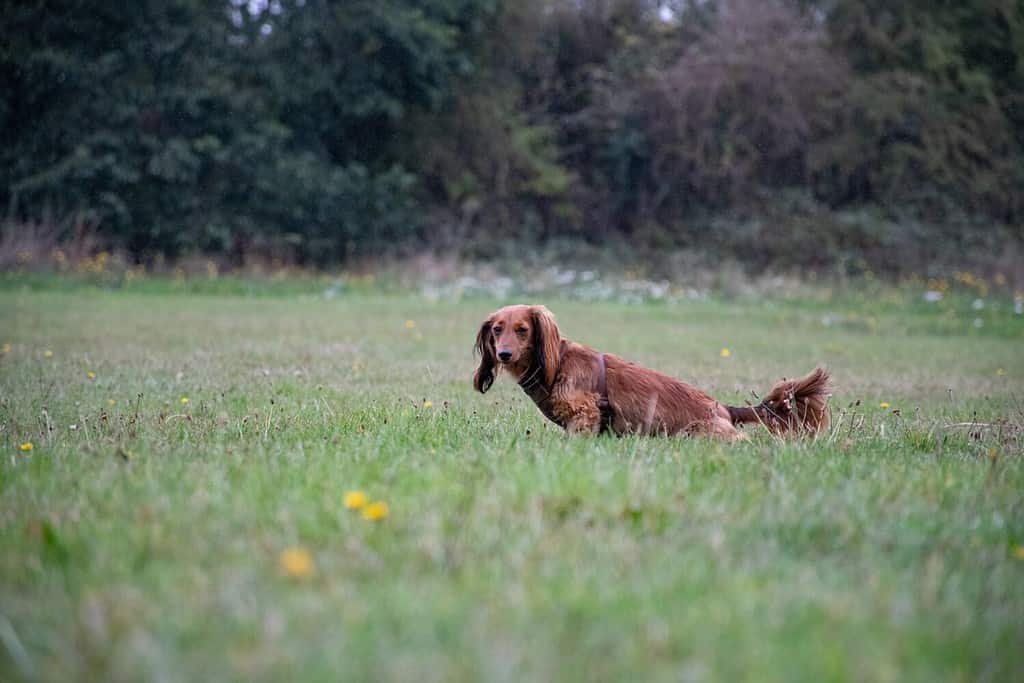
Consistency and patience are key to potty training a dachshund.
©jack perks/Shutterstock.com
Basic Cues for Dachshunds
There are a few basic cues that you should begin teaching your puppy between 8 and 12 weeks old. Experts recommend starting training as early as possible to keep stubborn habits from forming.
Begin your training with the following cues:
- Sit, down, and stay are foundational cues that are important on their own, and also to teach other cues in the future.
- Leave it and drop it are essential for a dog’s safety and can prevent choking, poisoning, and intestinal blockages.
- Recall is important for prey-driven dogs like dachshunds. Always keep them on leash outside until they’ve perfected this cue.
- Speak should be taught first, and then quiet so that you have a way to hush your dachshund if they begin to bark excessively.
- Leash manners will teach your dachshund not to lunge at people or animals on walks, and will allow you to keep the leash loose to make walks more comfortable for you both.
Remember to focus on only a couple of cues at a time to avoid overwhelming your puppy. Move on to new cues once they have reliably mastered these initial cues.
Advanced Training for Dachshunds
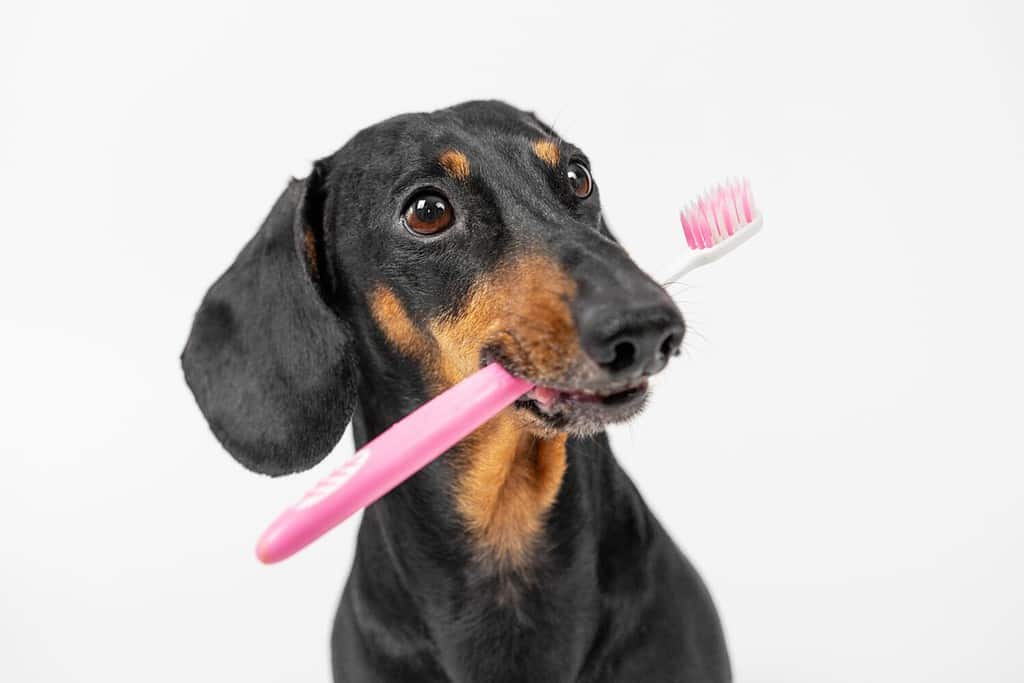
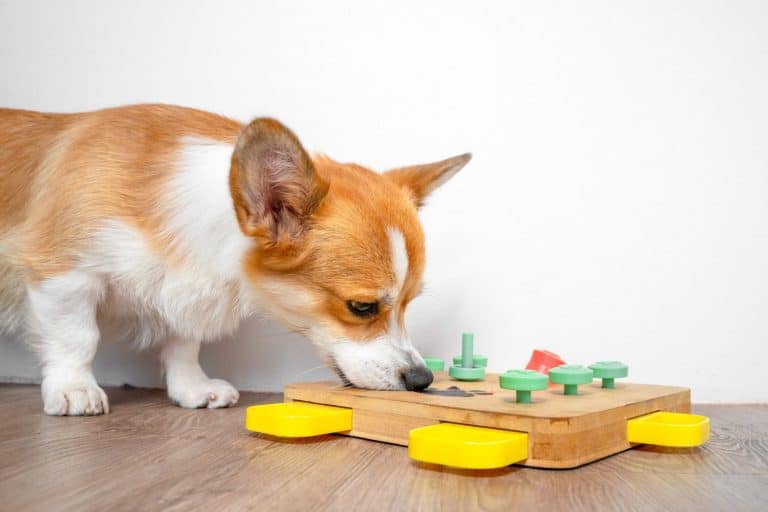
Dachshunds can learn to find hidden items, perform fun cues like bowing, and more.
©Masarik/Shutterstock.com
Dachshunds can be limited by their size and their delicate backs. For instance, jumping isn’t the best trick for them to learn. Aside from this, however, there are plenty of things your dog can learn. Advanced training doesn’t have to be anything fancy, either. You could spend ten minutes a day practicing old cues and adding in new ones over time. Or, you could attend advanced training classes once you’ve passed your puppy class together.
Some people prefer to focus on useful cues like finding lost items, while others love fun, cute cues like playing dead. You can also teach them multi-step cues, where you link multiple distinct behaviors in a sequence, and your dog performs them all in response to a single cue. This can include putting away toys in a basket or finding their leash and bringing it to you. Overall, it’s up to you how much training you put into your dachshund pup. As long as they know the basics and get enough mental stimulation each day, that’s all that truly matters!