
Quick Take
- Vets have a three-word checklist they look for on any bag of dog food, and it matters more than the price tag or ingredient list. See the vet checklist →
- Grain-free diets sound healthier, but vets now approach them with serious caution for a reason most dog owners have never heard of. Explore grain-free concerns →
- Raw and home-cooked diets can actually cause more weight gain than cheap kibble, which is something most pet owners find surprising when they learn the reason why. Check the weight findings →
- The dog food type least likely to cause nutritional deficiencies is probably not what you'd expect, and it costs about $1 a day. See the cost breakdown →
In 2024, the dog food industry made $32.1 billion in retail sales. This figure is only expected to climb to over $200 billion by 2030. These figures should come as no surprise given the different types of dog food available for purchase.
The sheer number of dog food types makes choosing the “right” food for a dog overwhelming. From grain-free to raw and home-cooked diets, here is a veterinarian’s take on them all.
What Grain-Free, Raw, and Home-Cooked Diets Entail
Several types of dog food diets are on the market today. The most popular include grain-free, raw, and home-cooked diets. Each has its pros and cons, but what exactly does each diet entail?
Grain-free diets were originally created for dogs with allergies. The formulations are free of wheat, corn, or rice. Instead, other ingredients, such as legumes, provide small amounts of carbohydrates.
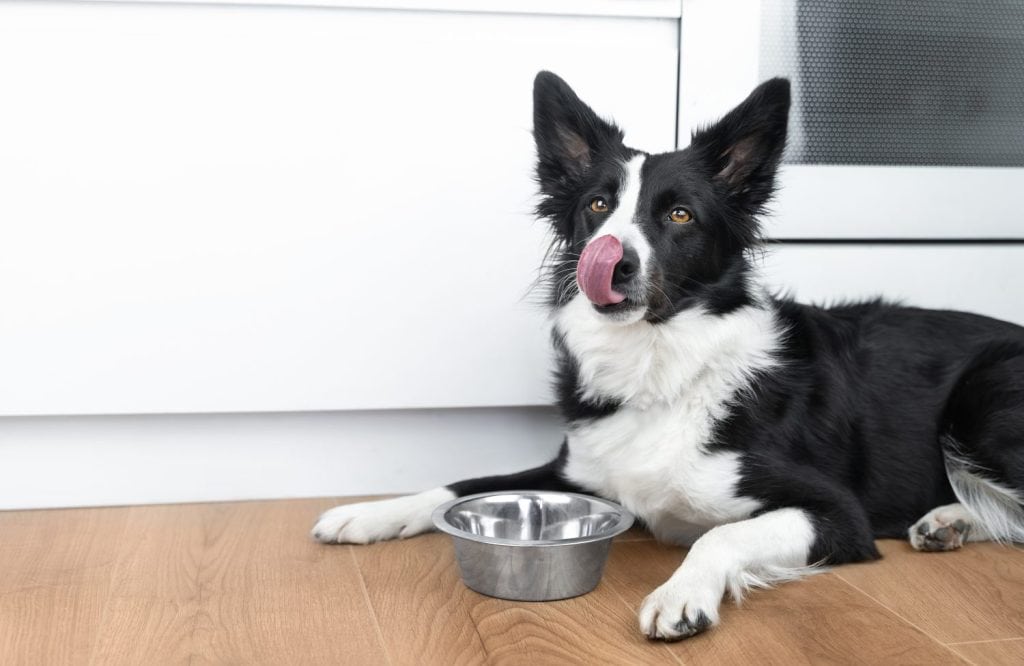
From kibble to raw meat to daily fresh meals, dog food options are plentiful today.
©kathrineva20/Shutterstock.com
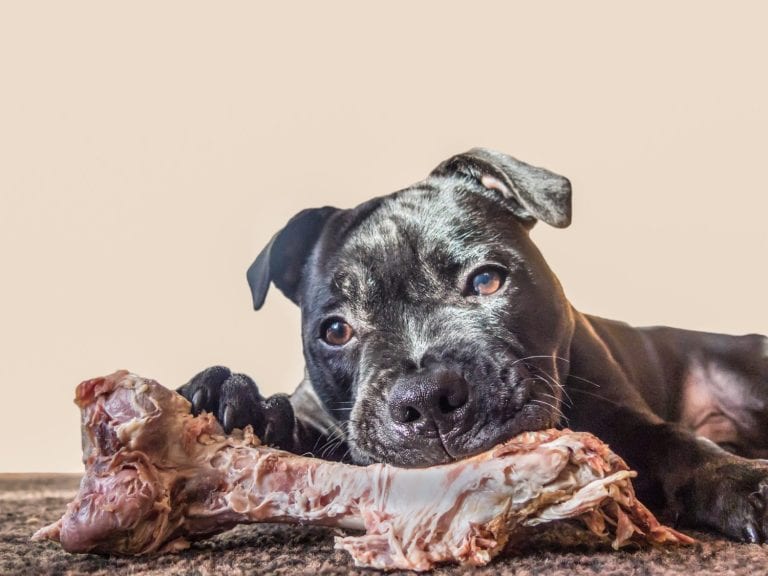
Raw food diets are exactly what they sound like: dogs are fed raw meat, organs, or even eggs to replicate what dogs ate before they became domesticated.
Finally, home-cooked diets are human-grade foods cooked fresh for each meal. This includes a variety of vegetables, grains, and meat, offering what seems like a well-balanced diet for dogs.
What is the Cost for each Type of Dog Food?
The cost of dog food varies across types and formulations. To choose the best nutritional option for a dog, consider your dog’s dietary needs and your budget.
Dr. Cameron Barkley, a veterinarian specializing in small animal medicine, explains that veterinarians want to ensure dogs receive balanced nutrition. This does not always mean that the most expensive dog food is the best.
“For most dogs, vets are happiest seeing a complete-and-balanced, AAFCO-compliant diet based on life stage, usually a high-quality traditional kibble or kibble plus canned,” Dr. Barkley tells A-Z Animals. “Raw and home-cooked can be excellent but only when formulated by a veterinary nutritionist; most DIY versions are unbalanced. Grain-free is rarely needed and is now approached with caution because of the DCM (heart disease) concerns.”

Dog food prices vary, with kibble the least expensive and home-cooked and raw the most expensive.
©Africa Studio/Shutterstock.com
Each of these types of dog food is broken down by price, according to Dr. Barkley, as follows:
- Kibble: $1.00 to $3.00 per day for a medium dog, depending on brand. Canned food is “tastier” but costs two to three times as much as kibble.
- Raw: $4.00 to $10.00 per day for a medium dog
- Grain-free: Similar in price to mid- to high-end kibble
- Home-cooked: Mid- to high-cost depending on ingredients used; requires supplements that add to the cost
Before choosing a particular diet, do your research. Make sure nutritional needs are met so dogs can thrive, regardless of cost.
The Most Recommended Food by Veterinarians is the One That is Balanced
Veterinarians will usually not push for one type of diet over another. This only comes into play when a prescription diet is needed to support optimal health because body systems are not working properly or allergies are present. Veterinarians simply want to see a balanced diet, as it keeps dogs the healthiest in the long run.
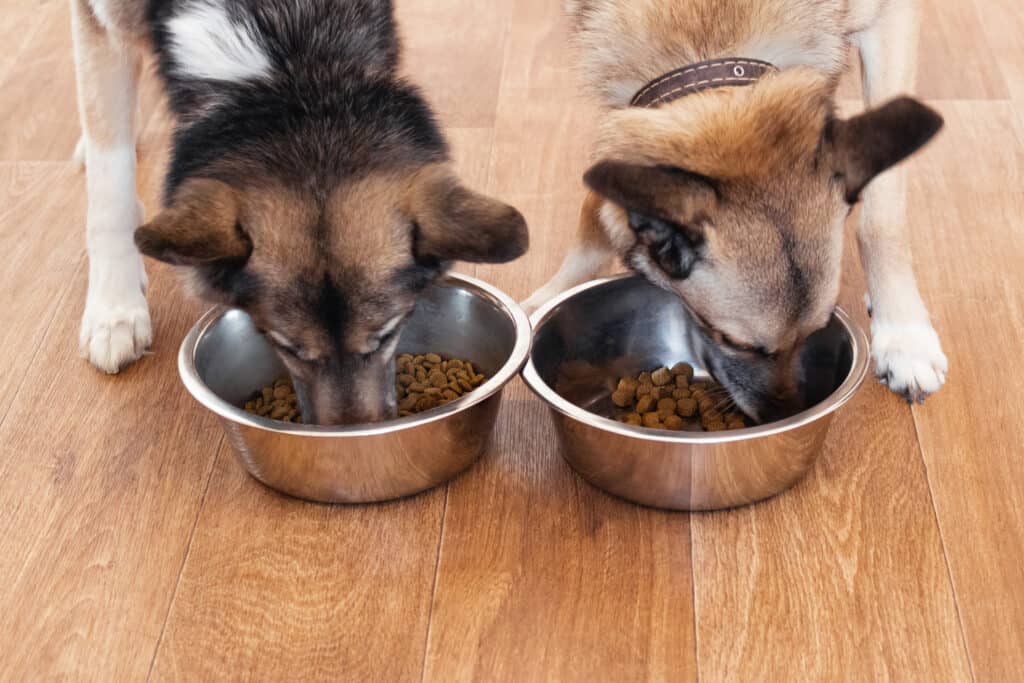
Balanced nutrition trumps the type of food fed to dogs.
©iStock.com/undefined undefined
Every one of these diets has pros and cons. According to Dr. Barkley, they are as follows:
| Dog Food Type | Pros | Cons |
| Kibble | Easy to keep nutrition complete and balanced | Not as tasty as other food types |
| Raw food | Very palatable, can improve stool quality and coat, and owners like the “natural” feel | Risk of Salmonella/Campylobacter for pets and people, plus fractured teeth from bones and many diets not being truly balanced |
| Grain-free | Good for dogs with allergies | Most dogs do well with grains, and grain-free has been linked to some cases of diet-associated DCM (heart disease) |
| Home-cooked food | Excellent for dogs with medical issues or picky eaters when a board-certified veterinary nutritionist formulates the recipe | Most DIY recipes online are deficient in key nutrients like calcium, certain vitamins, and trace minerals |
Every type of food available to dogs on the market has clear pros and cons. The key is to ensure complete nutrition. For those who do not know if they are providing their dog with the required dietary needs, an appointment with a veterinarian is warranted to ensure proper nutrition is being provided, regardless of food type.
What reassures us is seeing an AAFCO statement on the bag, a manufacturer with decent quality control, and a dog that’s thriving.
Dr. Cameron Barkley, a veterinarian specializing in small animal medicine
Do Any of These Diets Help Dogs Maintain a Healthier Weight Than Others?
Raw or fresh food diets have been associated with providing dogs with the best nutrition that keeps them happy, healthy, and their weight under control. But the type of food alone is not responsible for keeping dogs at a healthy weight. Other factors come into play, many of which fall squarely on dog owners.
“No specific ‘type’ (raw, kibble, grain-free, home-cooked) automatically keeps dogs leaner,” Dr. Barkley states. “What matters most is calorie density, portion control, and how owners measure food.”
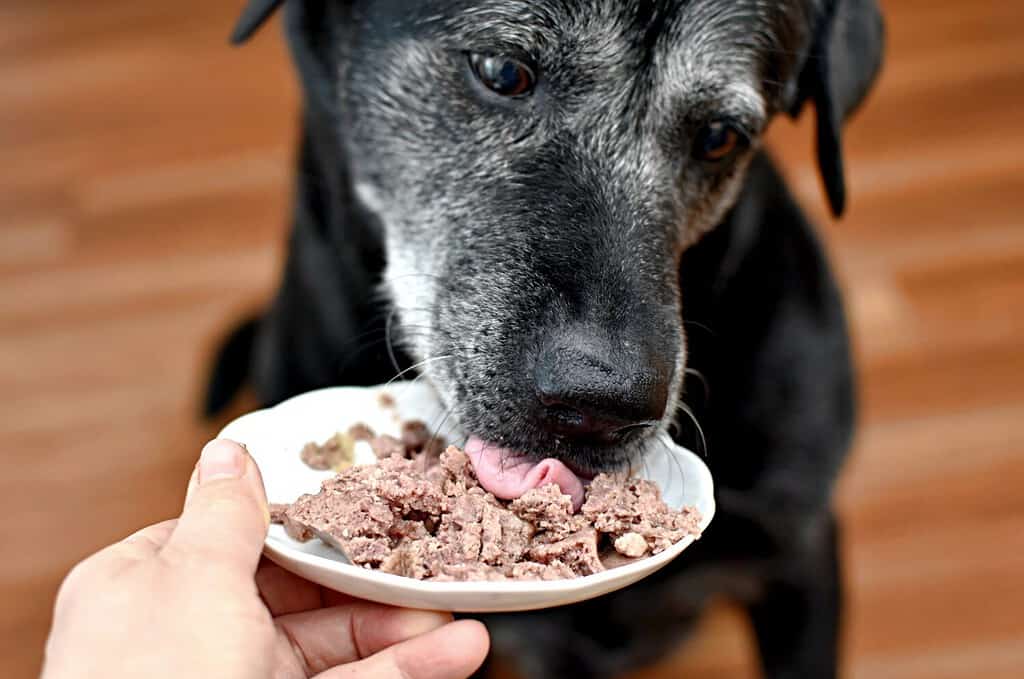
Calories, not the type of food, help dogs maintain a healthy weight.
©Pommer Irina/Shutterstock.com
Dr. Barkley continues, “That said, high-quality kibble or kibble-plus-canned makes weight control easiest because calories per cup are known and consistent, and there are dedicated ‘weight management‘ formulas. Raw and home-cooked can drift high in calories if not carefully measured, so we often see more quiet weight creep there.”
Therefore, if it is difficult for you to count calories accurately, something other than raw or home-cooked food may be the best option.
Why Nutritional Needs Matter by Age
Each stage of a dog’s life requires different nutritional needs. That is why dog food categories are broken down into puppy, adult, and senior. While puppies need nutrition to grow strong and healthy, adult dogs rely on food to maintain a healthy weight. Meanwhile, seniors need a diet that will support their body functions. Not all dog foods meet these needs across the board, which is why research or a discussion with the vet is required to ensure the building blocks for growth are met.

Each life stage has particular nutritional needs to keep dogs healthy and thriving.
©Gladskikh Tatiana/Shutterstock.com
“For puppies, vets want to see a complete-and-balanced puppy or large-breed puppy formula, usually a reputable kibble or canned food, because growth nutrition is easy to get wrong with DIY diets,” Dr. Barkley tells A-Z Animals. “Healthy adult dogs can thrive on a wider range of diets as long as calories are controlled. For seniors, we look for diets that keep them lean but strong, with good-quality protein and often added joint and kidney support, most reliably found in commercial senior formulas.”
A healthy DIY diet can be provided at every stage of a dog’s life. But to ensure proper nutrition, staying in contact with a veterinarian is strongly recommended.
What Do Veterinarians Think About Dog Owners Buying Cheaper Kibble?
For many feeling the pinch of the economy, the only way to ensure a dog gets a full stomach every day is to choose the more economical option. Typically, this is kibble, and it is one that can be found on the grocery store shelf. Some claim it is nothing more than “fast food” for dogs, but veterinarians disagree. They do not care how much is spent on dog food; they just want a balanced diet.
“Honestly, most vets are fine with a cheaper kibble as long as it’s complete and balanced and the dog looks good: normal weight, shiny coat, good energy, normal poop,” Dr. Barkley explains. “What reassures us is seeing an AAFCO statement on the bag, a manufacturer with decent quality control, and a dog that’s thriving.”
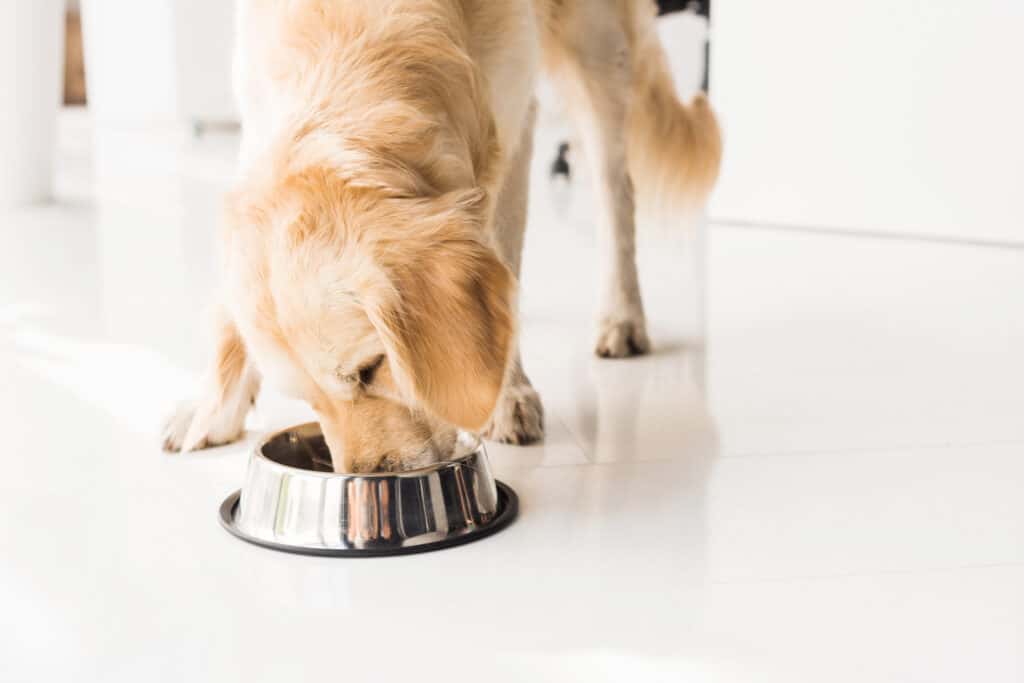
Veterinarians will not judge what dogs eat, as long as their nutritional needs are met.
©iStock.com/LightFieldStudios
The only time veterinarians get concerned, according to Dr. Barkley, is if the “food is very low-quality, has a history of recalls, or the dog’s body condition and lab work don’t match ‘healthy on exam.'”
Don’t worry about buying the most expensive or social media-worthy food for your dog. As long as it is balanced and has the AAFCO seal of approval, the food will meet your dog’s needs.