
Quick Take
- Your heated home may be doing fleas a bigger favor than you realize, and that has nothing to do with whether your pet ever steps outside. See why heating helps fleas →
- A single mosquito bite can trigger a months-long disease process in your pet, and symptoms often don't appear until the damage is already done. Discover heartworm's silent timeline →
- Most pet owners assume prevention costs add up fast. The real price tag, however, comes when you skip it. Compare prevention vs. treatment costs →
- Screens, sealed doors, and a strictly indoor lifestyle still aren't enough to keep fleas and mosquitoes out. Here's what actually makes a difference. See what actually works →
Pet owners often skip monthly flea and heartworm prevention because their pets spend most of their time indoors. This can quickly turn into a costly mistake both financially and in terms of your pet’s health, given the unseen flea and heartworm threat that lives inside your home.
Fleas and Mosquitoes Do Not Care Whether a Pet is Strictly Indoor or Not
Pet owners with indoor cats and dogs that only go into the backyard to relieve themselves and exercise may not think their pets need monthly pest prevention to protect against fleas and mosquitoes. But because these insects can live and thrive almost anywhere, prevention matters.

Fleas and mosquitoes do not care whether dogs and cats live indoors or outdoors. They can still bite and spread disease.
©Sommai Iam/Shutterstock.com
“Fleas and mosquitoes don’t care if a pet is ‘indoor only,'” Dr. Cameron Barkley explains to A-Z Animals. “Fleas can hitchhike in on people or other animals, and a single untreated pet can start an infestation in the home. Mosquitoes easily get indoors and can transmit heartworm with just one bite.”
According to Dr. Barkley, a veterinarian with extensive small-animal experience, flea infestations and heartworm disease can affect any dog or cat. It does not matter whether they are indoor or outdoor. Fleas and mosquitoes have no boundaries.
What Are the Signs and Symptoms of a Flea Infestation?
A pet can go from being completely flea-free to having an infestation in as little as two to three weeks. This is because once fleas take hold, they lay numerous eggs that mature quickly, allowing populations to multiply rapidly.

Increased scratching is a sign of a flea infestation.
©foaloce/iStock via Getty Images
According to Dr. Barkley, there are clear signs that point to a flea infestation. Those signs include:
- Increased scratching
- Nibbling at the skin
- Head shaking
- Tiny black “flea dirt” specks on the skin or bedding
- Hair loss around the tail or back
- Red, bumpy skin
Depending on the severity of the flea infestation, it can take three to six weeks to rid the home and pet of the parasites. The only sure way to keep it from happening again is preventative medication.
How to Tell If a Pet Has Contracted Heartworm
A dog or cat getting bitten by a mosquito is rare, right? Wrong. Mosquitoes do not care what they bite, as long as they get fed. All it takes is one mosquito bite for a cat or dog to develop a heartworm infection. Because symptoms can be silent for months, many pet owners do not know their pet is sick until a massive infection has taken hold. That is why veterinarians strongly advocate for heartworm prevention.
Heartworm signs and symptoms often go unnoticed for months. After a dog or cat is bitten by a mosquito, “spaghetti‑like worms that live in a dog’s or cat’s heart and lungs” begin to grow. All it takes is one bite to infect a pet, Dr. Barkley says, and it can have lifelong consequences.

Lethargy, weakness, and decreased appetite are signs of heartworm disease.
©Bonsales/Shutterstock.com
Some of the symptoms of heartworm disease include:
- Dry cough
- Fatigue
- Weakness and lethargy
- Weight loss
- Decreased appetite
- Rapid breathing
- Vomiting
- Fluid accumulation in the abdomen
“Once a mosquito carrying heartworm larvae bites a dog or cat, infection can start from that single bite,” Dr. Barkley says. “The tiny larvae enter the pet’s body right away. Then, over about 6 months in dogs, they grow into adult worms living in the heart and lungs. That long ‘silent’ period is why pets can look completely normal for months while the disease is quietly developing.”
Are There States Where Heartworm Is More Common Than Others?
Pets living in certain states across the nation are more prone to heartworm infections than others, especially during the warmer months.

The Southeast, Gulf Coast, Mississippi River Valley, and Midwest have historically had the highest cases of heartworm disease.
©Flystock/Shutterstock.com
“Heartworm is most common in warm, humid areas with lots of mosquitoes,” Dr. Barkley says. “Historically, the highest-risk states have been in the Southeast and Gulf Coast (like Texas, Louisiana, Mississippi, Alabama, Florida, Georgia), along the Mississippi River valley, and parts of the Midwest.”
Today, while these regions are still heavily affected, heartworm is found in all U.S. states because of climate change and pets traveling across state lines. This is why, according to Dr. Barkley, veterinarians will recommend year-round heartworm prevention, regardless of the state the pet lives in, to keep them safe from infection.
Fleas Can Live Year-Round, Regardless of Season
There is no such thing as flea season. While colder temperatures can reduce flea activity, they still seek out microclimates to survive. This includes homes. Consequently, pets are not safe from the parasites regardless of whether they are indoors or outdoors.

Fleas are a year-round problem that can infest a home or pet at any time.
©Lubo Ivanko/iStock via Getty Images
“Fleas are essentially a year‑round problem, especially inside our homes,” Dr. Barkley explains. “Cold weather can slow them down outdoors, but central heating keeps houses in the ‘perfect flea zone’ all winter, so eggs and larvae keep developing in carpets and bedding.”
Dr. Barkley adds that “in many regions, winters are now mild enough that fleas stay active much longer than they used to.” Veterinarians “recommend year‑round flea prevention rather than stopping in colder months,” as the fleas know no season.
Once a mosquito carrying heartworm larvae bites a dog or cat, infection can start from that single bite.
Dr. Cameron Barkley, small animal vet
Why Prevention is Cheaper Than the Treatment of Heartworm and Flea Infestations
The monthly cost for flea and heartworm prevention varies. Flea prevention typically costs between $10.00 and $30.00. Heartworm prevention runs between $6.00 and $18.00. These costs can add up, especially if multiple pets are in the home. But even with several hundred dollars per year in preventative costs, it is still far lower than the cost to treat flea infestation or heartworm disease.
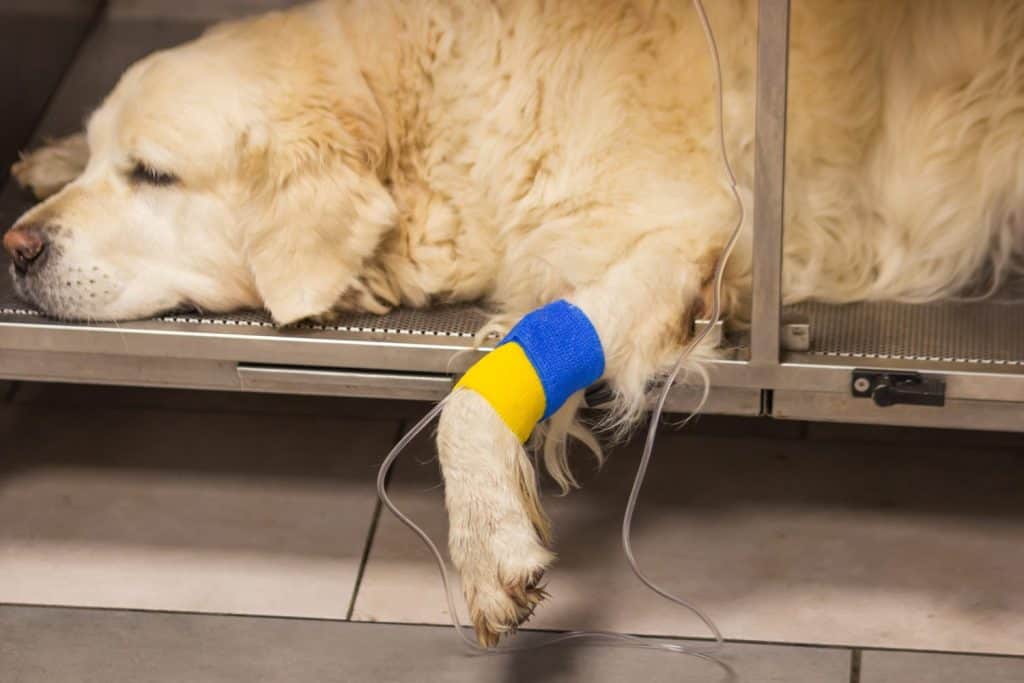
Flea and heartworm prevention costs a few hundred dollars per year, compared with thousands of dollars to treat the diseases.
©Kseniia Titova/Shutterstock.com
“Prevention is cheaper because you’re paying for a small, predictable dose of medicine each month instead of trying to fix a full-blown problem,” Dr. Barkley states. “A year of flea or heartworm prevention often costs less than treating one bad flea infestation or a single case of heartworm disease. Heartworm treatment in dogs can run into the thousands, requires strict rest, and carries some risk.”
Further still, Dr. Barkley states that when heartworm becomes “advanced” or if cats become infected, “true curative treatment may not be possible—only management.” Therefore, as the saying goes, an ounce of prevention is worth a pound of cure.
Can a Home Ever Be “Flea-Proof” or “Mosquito-Proof”?
Many believe that well-insulated homes are essentially “flea-proof” and “mosquito-proof.” This simply is not true. Fortunately, there are ways to lessen the risk to indoor pets by making the home far less inviting for insects.

There is no such thing as a mosquito- or flea-proof home.
©Prystai/Shutterstock.com
“You can’t make a home completely flea‑ or mosquito‑proof, but you can stack the odds in your pet’s favor,” Dr. Barkley tells A-Z Animals. “With year‑round preventives, regular vacuuming and washing of bedding, fixing standing water outside, and keeping window and door screens in good shape so fewer bugs get in” are all ways to ensure dogs and cats are safe and protected from flea- and mosquito-led diseases.
Flea Infestations and Heartworms Alter a Pet’s Quality of Life
Treatment for flea infestations and heartworm can seem unnecessary when a pet very rarely or never goes outside. However, as Dr. Barkley explained, it only takes a moment for these insects to wreak havoc on a pet’s life. Once they take hold, a pet’s quality of life drops significantly.

Flea infestations and heartworm disease can permanently alter the quality of a pet’s life.
©Lindsay Helms/Shutterstock.com
“These parasites are more than just ‘gross.’ Fleas can trigger severe allergies, skin infections, and even spread tapeworms and some bacterial diseases,” Dr. Barkley states. “Heartworms can quietly damage the heart and lungs for months before pets look sick, and advanced cases can be fatal even with treatment.”
With that in mind, Dr. Barkley wants to remind pet parents that the suffering these diseases bring to pets is preventable. While it may seem unnecessary, “consistent, vet‑recommended flea and heartworm prevention is one of the simplest ways owners can protect their pets’ comfort and lifespan,” something that all loving pet parents want for their beloved dogs and cats.