Quick Take
- The animal behind the majority of aggressive wildlife incidents in Canada is not a predator, and most visitors never see it coming.
- Your activity determines how much danger you're actually in, not just which animal you encounter.
- Bears top most people's fear list, but the data tells a completely different story about where the real threat lurks.
- One common camping habit dramatically increases your odds of a dangerous wildlife encounter, and most people don't realize they're doing it.
If you were dropped in the middle of a Canadian forest, what would you be most afraid of attacking you? Would it be wolves or maybe bears? Well, a recent analysis of over 3,000 aggressive wildlife incidents across Canada revealed an unexpected animal as the leading cause of incidents. The study examines how human activities and animal behaviors intersect to produce dangerous encounters. Far from the vicious creature of your nightmares, the animal with the most aggressive wildlife incidents is the elk.
Yes, elk; the plant-eating animals with the giant horns.
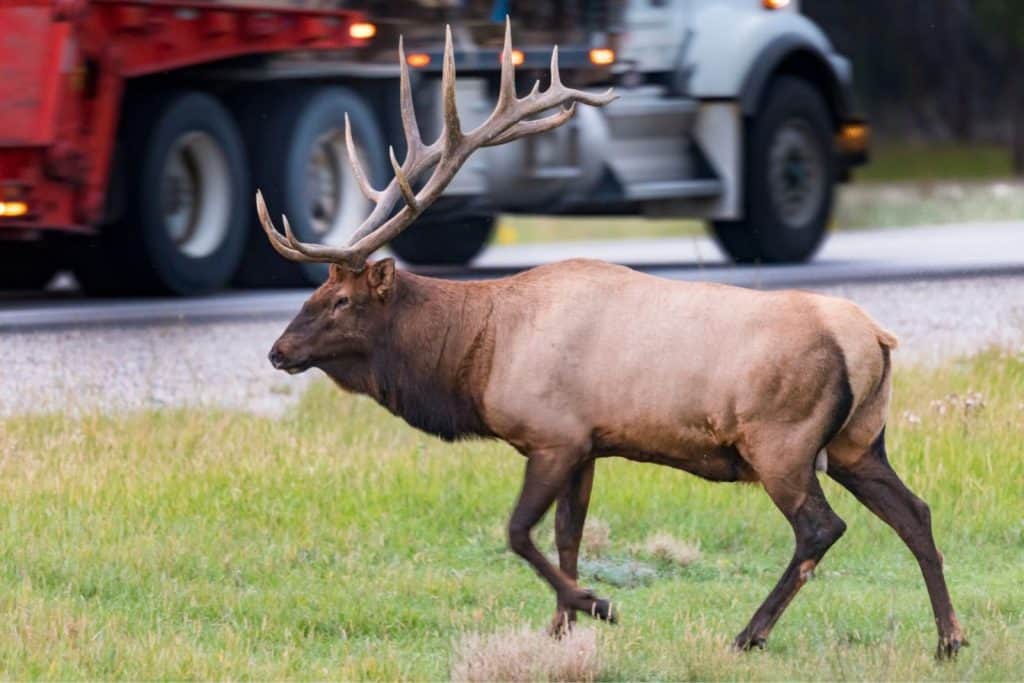
Elk in areas with high human activity can be a dangerous combination.
©iStock.com/bgsmith
Elk cause the most problems in campgrounds.
The study examined 2,878 incidents recorded in Canadian national parks between 2010 and 2023. Researchers focused on five species: elk, black bears, grizzly bears, coyotes, and mule deer. They found that risk depends not only on the animal but also on what people are doing when they cross paths with the animal. Elk dominate the numbers.
Elk were involved in 62 percent of all incidents, and in 84 percent of those that occurred in campgrounds. The researchers suggest timing plays a role; Canada’s busiest camping season overlaps with elk mating and calving, when the animals can be more aggressive.
Because elk are herbivores, visitors may underestimate them. Yet elk can chase people, attack, or bluff-charge when threatened. An animal doesn’t need to be a predator to be dangerous.
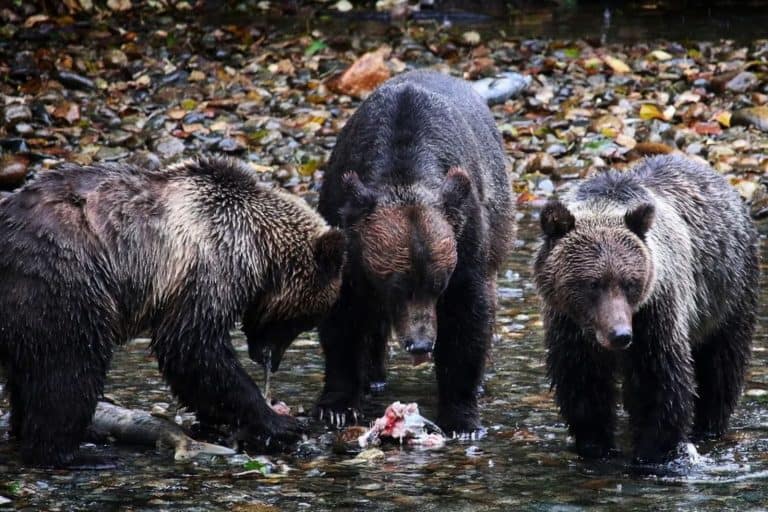
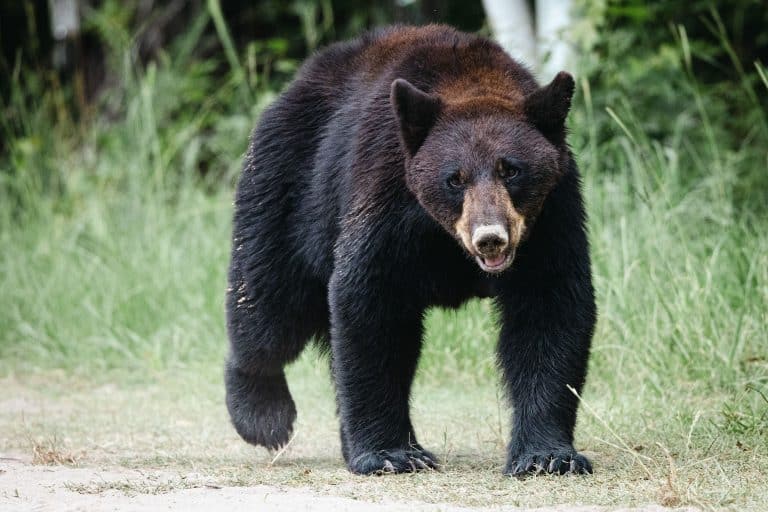
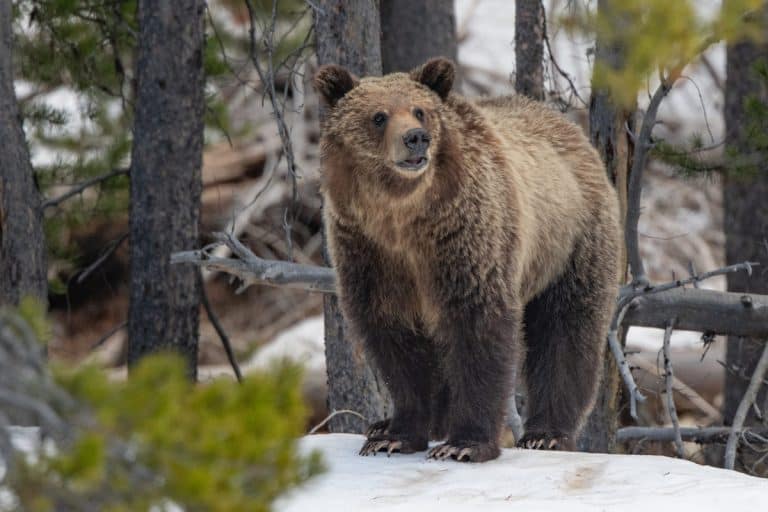
Dangerous encounters can happen when bears are surprised, defending food or protecting cubs.
©ambquinn/Shutterstock.com
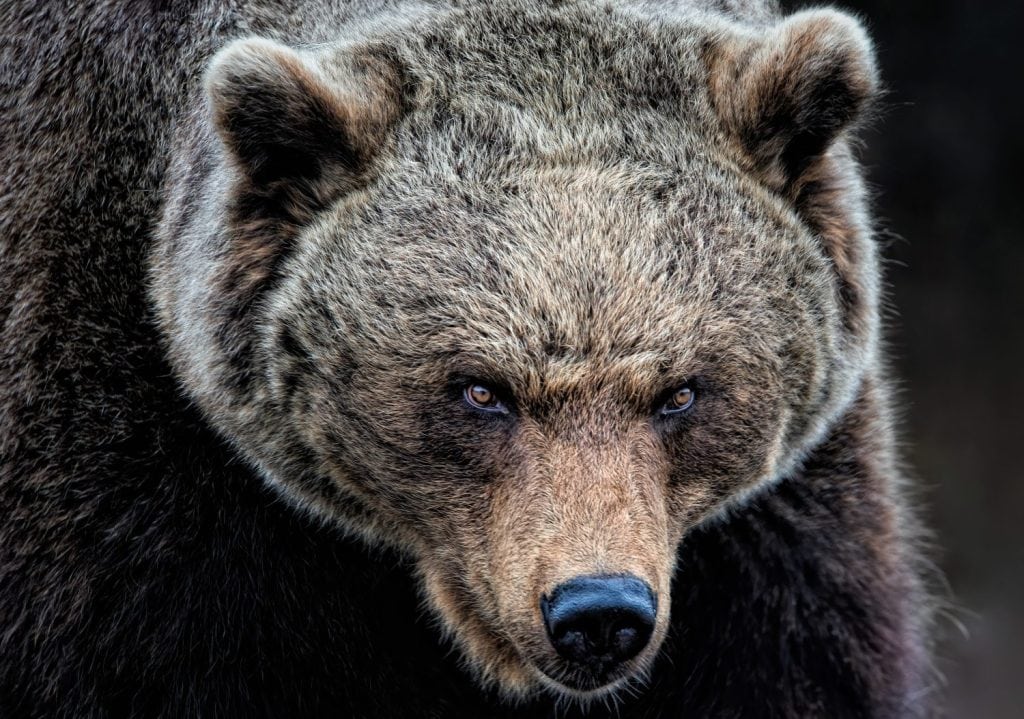
Bears are a different risk for hikers. Grizzly bears accounted for 14 percent of incidents and black bears for 13 percent. Unlike elk, bears were most often involved in encounters during low-impact activities such as hiking and wildlife watching. The researchers suggest bears may react aggressively when people move quietly along trails and surprise them.
Coyotes and mule deer made up smaller shares of incidents. Mule deer, however, were especially likely to react aggressively around dogs, which resemble their natural predators. That is a good reason to keep pets on a leash in national parks, even around animals that seem harmless.
There are things you can do to stay safer. The researchers say understanding the circumstances behind encounters may help visitors make safer choices and avoid disturbing animals.

There are several things you can do to help keep you and your family safe out in the woods.
Here are some practical safety tips:
- Hike in groups when possible.
- Make noise when hiking alone, so you don’t surprise wildlife.
- Keep dogs on short leashes.
- Heed trail signs and park warnings.
- Stay alert for elk in and around campsites, particularly during mating and calving season.
The study questions the assumption that bears and other carnivores pose the greatest threat to people outdoors. That doesn’t mean elk are more dangerous than bears in every situation. It just means the likelihood of an encounter depends on where people go, when, and how they behave around wildlife.
For anyone planning a camping or hiking trip in Canada, the takeaway is to stay alert, respect wildlife, and never assume a plant-eating animal is harmless.
One reason elk deserve more attention is their sheer size and strength. An adult elk can weigh several hundred pounds, and its long legs and powerful body can cause serious injuries. You may have seen YouTube videos of elk moving sideways, charging, or destroying things. During mating season, male elk, known as bulls, may become more territorial as they compete for mates. Female elk, called cows, can also become aggressive when protecting their young.
This means that even an elk that appears calm while grazing near a campsite should be given plenty of space. Getting too close for a photo, trying to feed the animal, or standing between an elk and its calf can turn an ordinary wildlife sighting into a dangerous situation.
Campgrounds create opportunities for these encounters because people and animals frequently share the same space. Elk may wander through open areas in search of food, bringing them close to tents, picnic tables, and walking paths. Visitors distracted while cooking, setting up camp, or taking photos may not notice how close an animal has approached until it feels threatened and reacts.
The safest approach is to observe elk from a distance and never attempt to touch or feed them. Feeding wildlife can encourage animals to associate people with food, increasing the likelihood of future conflicts.
If an elk approaches, avoid moving closer to get a better view. Give the animal room to move away, and never position yourself between an adult and its young. Watch for warning signs such as pinned-back ears, raised hair, aggressive posturing, or repeated movements toward you.
If an elk becomes aggressive, focus on getting away and, if possible, putting a sturdy barrier between you and the animal. Follow instructions from park staff, who can provide area-specific guidance.

©Alena Charykova/Shutterstock.com
These precautions are useful beyond Canadian national parks. Wildlife encounters may happen anywhere animals and people share outdoor spaces, from popular hiking trails to roadside viewing areas.
Ultimately, the goal is not to fear every animal in the forest. It is to recognize that wild animals are unpredictable and deserve respect. A little awareness can help visitors enjoy the outdoors without putting themselves or the wildlife around them at unnecessary risk.