
Quick Take
- Your dog's skinny frame might not be a food problem at all. Find out what else could be hiding behind the weight loss.
- A no-cook recipe built for emaciated dogs uses an oddly human breakfast ingredient.
- Some calorie-packed snacks that dogs adore can quietly turn dangerous.
- One pantry staple works wonders for calories, but a single hidden additive on its label can be toxic.
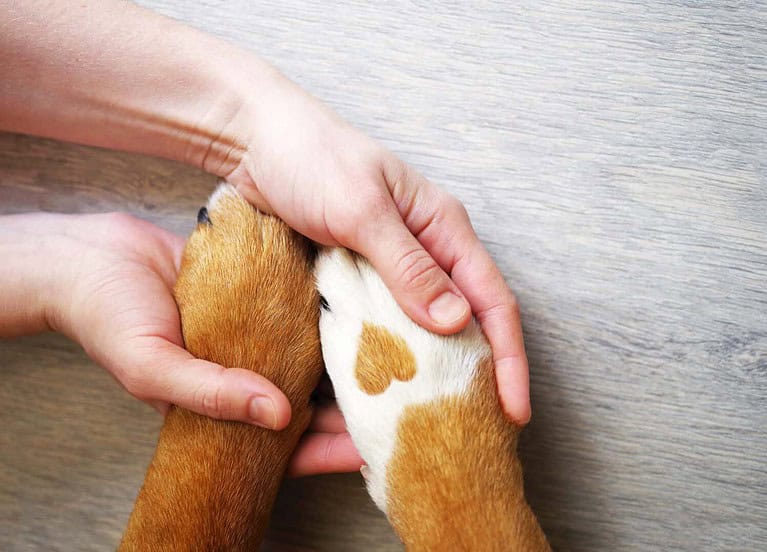
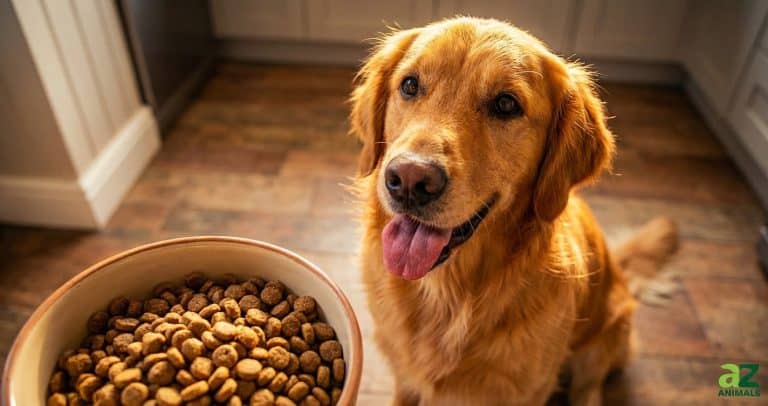
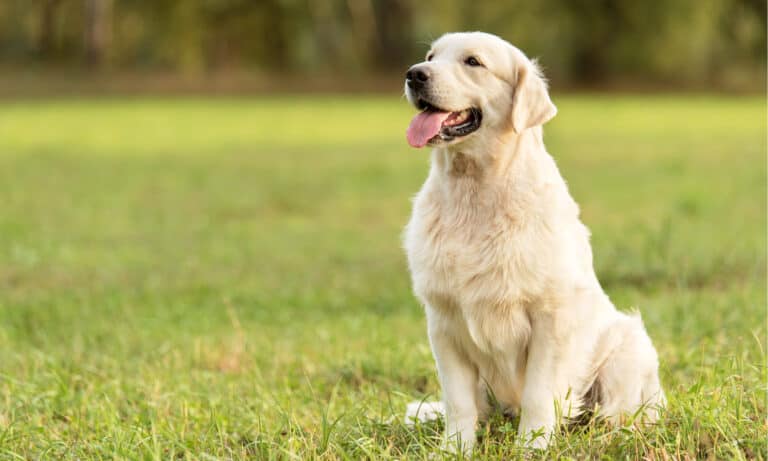
Dogs can be underweight for a variety of reasons, ranging from simple nutritional shortfalls, such as underfeeding, low-quality diets, or high activity levels, to underlying medical issues like intestinal parasites, dental pain, diabetes, or digestive disorders. Stress, anxiety, and recent rescue transitions can also suppress a dog’s appetite and lead to weight loss. Your dog’s age, health, and activity level determine the number of calories needed daily to either maintain or gain weight. Your veterinarian or a trusted dog nutritionist can determine the best solution for your dog.
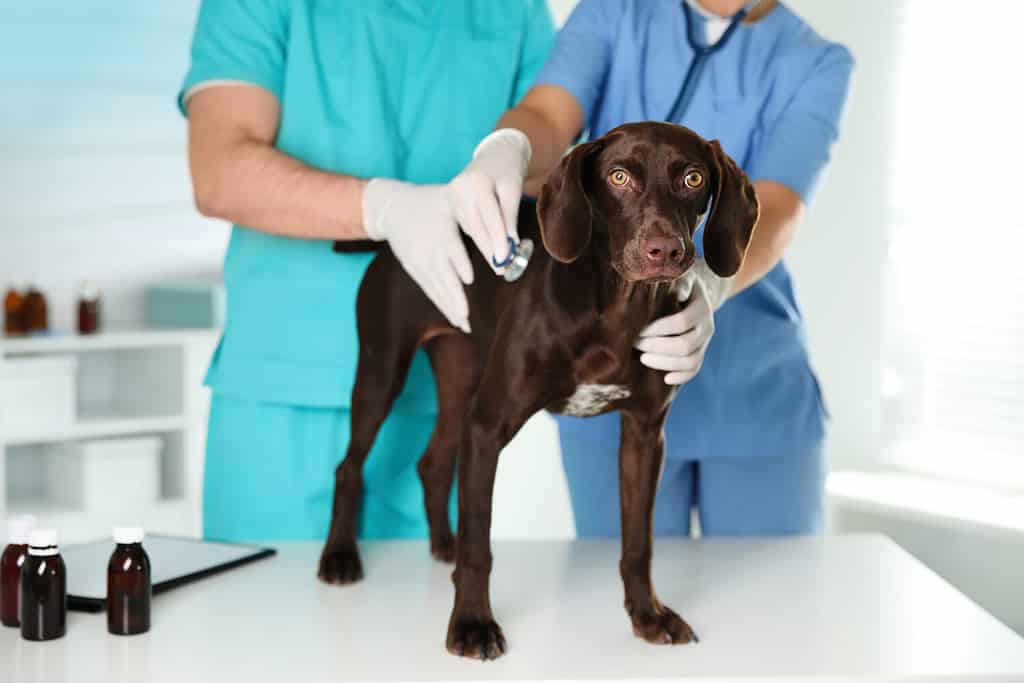
Veterinarians and dog nutritionists can tell you the optimal weight for your dog.
©New Africa/Shutterstock.com
How to Determine if Your Dog is Underweight
Underweight dogs have prominent ribs, a tucked-up stomach area, and an overall lack of muscle mass. They may act lethargic with little or no interest in taking walks or participating in playful exercise. Increasing your dog’s calorie intake should be a joint decision with your veterinarian, who can determine the source of weight loss.
A variety of medical issues can cause weight loss in dogs. Blood tests and routine veterinary checkups help determine whether the issues are minor and temporary, like a parasite or infection, or more serious, such as diabetes or cancer.
Worms or parasites can cause weight loss in your dog. Your veterinarian can confirm or rule out parasites and worms with simple tests. If parasites or worms are found, medication will help eliminate them and return your dog to a normal eating schedule and healthy weight.
Stress and anxiety can upset your dog’s normal routine, including their food intake. Any changes in the home can upset a dog’s eating routine. New people, a new pet, or especially a new puppy can alter a dog’s eating routine. When multiple dogs are present, a food-aggressive dog can easily reduce the food intake of a less aggressive eater.

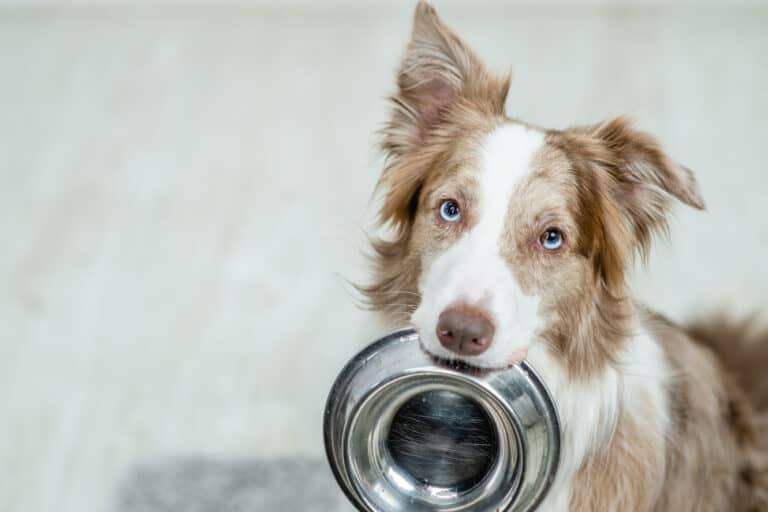
There are many reasons that dogs lose their appetite. Your veterinarian can perform tests to determine the cause.
©Zontica/Shutterstock.com
Homemade High-calorie Treats for Dogs
Homemade treats should combine high-calorie ingredients that provide protein, fat, carbohydrates, vitamins, and minerals, such as beef, pork, high-fat fish and fish oil, rice, oats, yams, eggs, and peanut butter.
One common recipe for dogs uses 8 ounces of cream cheese, 1/2 cup of peanut butter, 1/2 pound of cooked ground beef, and 1 cup of ground kibble. Combine the ingredients in a large bowl to create a dough-like consistency.
Shape the mixture into a loaf, wrap it in wax paper, and slice it into portions. This high-calorie homemade treat will last up to five days in the refrigerator. Give the treat to your dog with a meal or as a separate snack. Give your dog one slice of this homemade treat for every 20 pounds of its current weight.
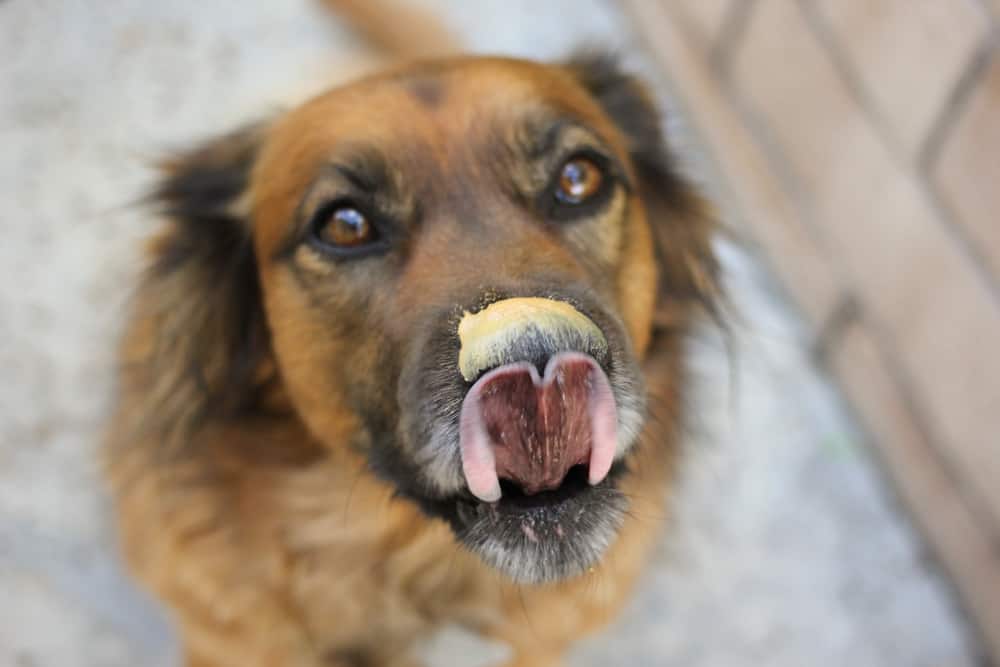
Peanut butter makes an excellent binder for high-calorie treats for your dog.
©Halie West/Shutterstock.com
Common Foods That Help Dogs Gain Weight
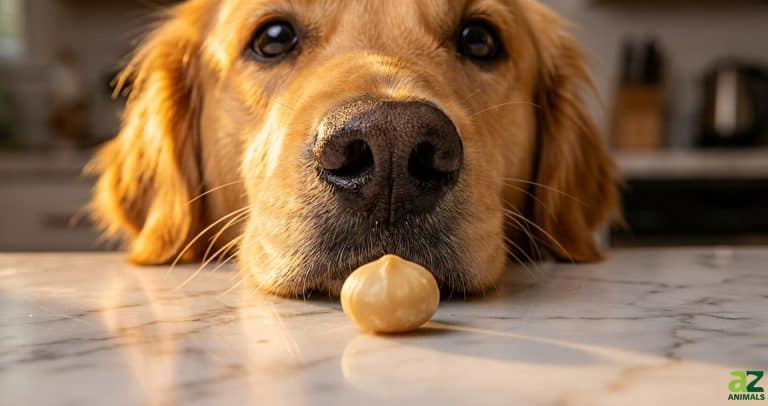
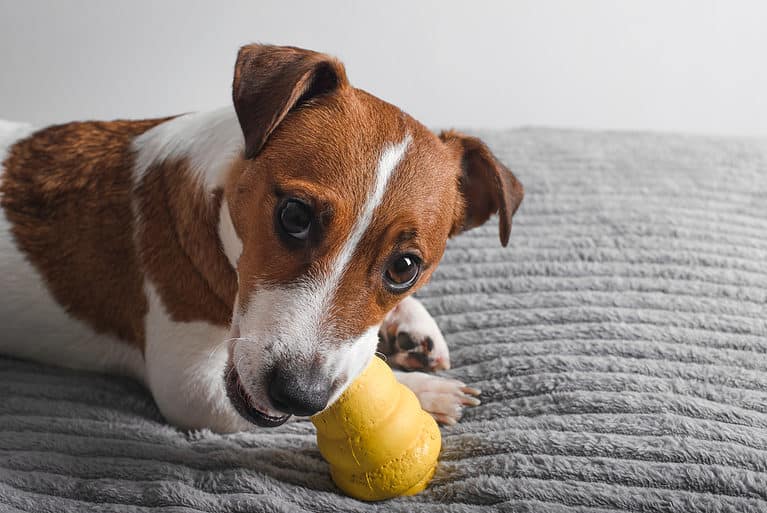
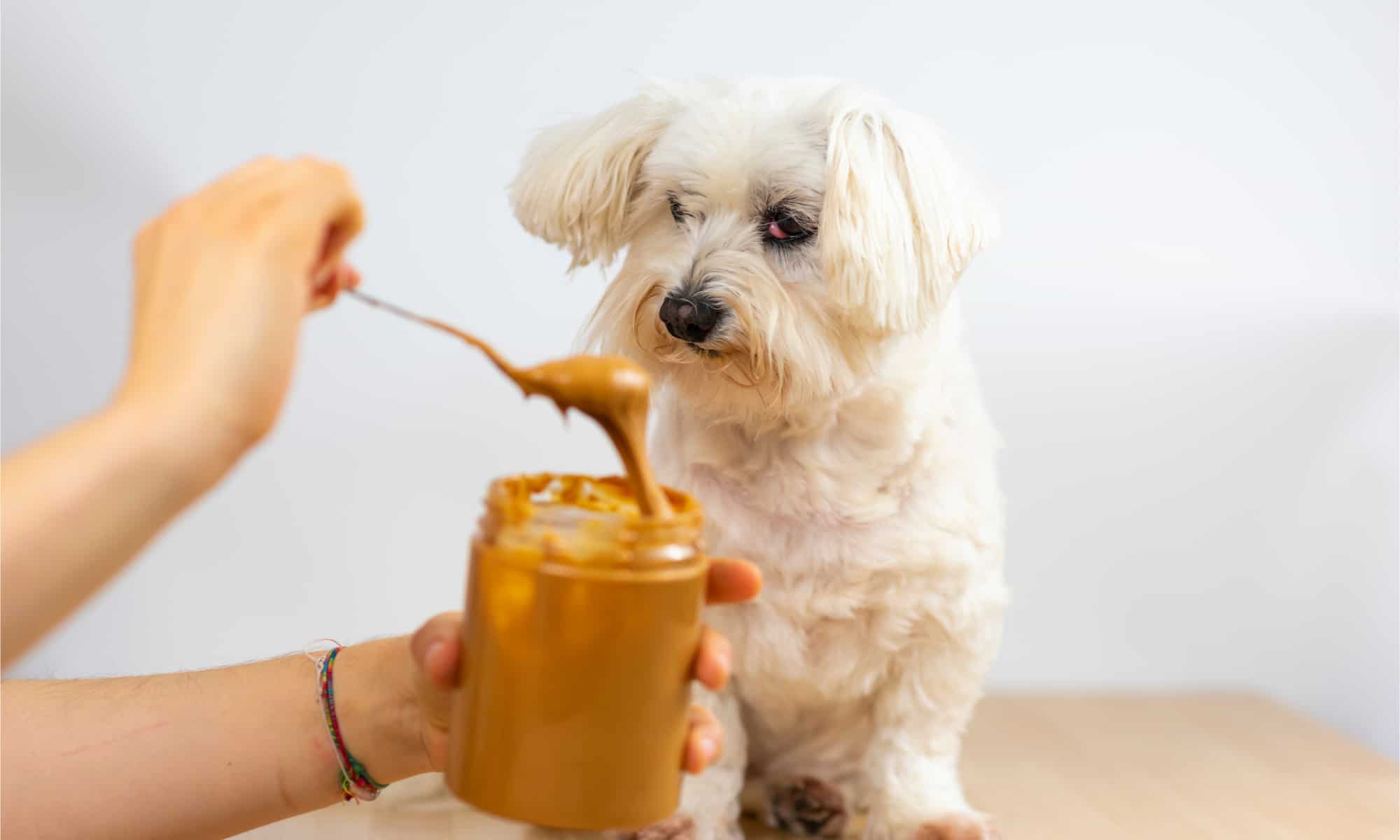
Plain peanut butter is a splendid high-calorie treat for dogs. It’s easily stuffed into food toys like Kongs or spread over lick mats. Choose natural peanut butter with no added salt or xylitol, a sweetener that is toxic to dogs.
Bone marrow is very high in calories and a favorite among most dogs. However, supervise your dog and remove the bones when they become small enough to swallow or begin to chip.
Quality jerky is an excellent source of protein that you can share with your dog. For emaciated dogs or those that need a boost on their road to recovery, satin balls are a popular, no-cook, homemade high-calorie treat for dogs.

Beef jerky is high in protein, making it an excellent addition to an underweight dog’s diet.
©HandmadePictures/Shutterstock.com
Satin Balls for Dogs Recipe
While there are many variations of the satin balls recipe, most are based on the following one. It is intended for adult dogs and should not be given to puppies, pregnant dogs, or lactating dogs.
- 1 pound uncooked ground beef, 75-80% lean
- 1 1/3 cups Total cereal
- 1 1/2 cups uncooked oatmeal
- One egg (with or without shell added)
- 6 Tbsp wheat germ
- One package of unflavored gelatin
- 2 Tbsp coconut oil
- 2 Tbsp unsulphured molasses
- A pinch of salt
Satin balls are meant to be served raw, so follow proper food-handling precautions. Thoroughly mix all ingredients and form into a large meatloaf or ball. Tear off or scoop out enough of the mixture to form a meatball by rolling it in the palms of your hands. Place the meatball on a sheet of parchment paper. Repeat the process until you have used all of the mixture.
Satin balls will last 2-3 days in the refrigerator and up to 3 months in an airtight container stored in the freezer. Give your dog 1 satin ball per day for every 20 pounds of body weight.

Raw ground beef is the main source of protein in the satin balls recipe for dogs.
©BWFolsom/iStock via Getty Images
High-calorie Foods To Avoid
Some high-calorie snacks should be avoided because they may be dangerous. Animal hooves contain keratin, which is not easily digested by dogs. Animal hooves are also prone to splintering, putting dangerous shards in your dog’s mouth and throat.

Large chunks of slippery, pliable rawhide can be swallowed, causing potential choking and gut obstruction in dogs.
©MaxShutter/Shutterstock.com
Pig’s ears have extremely high fat content that may upset your dog’s stomach. Rawhide chews are also not recommended because they are a choking hazard and may cause intestinal blockages.