

Quick Take
- Dog diabetes is often compared to a human condition you know well, but the comparison most people make is actually wrong. See both diabetes types →
- One type of canine diabetes is treated with eye drops, a fact that most dog owners have never heard of. Explore DI treatments →
- Restricting your diabetic dog's water intake might seem reasonable, but it can cause serious damage. See risks of water restriction →
- Sweet-smelling breath in a diabetic dog is not a quirk but rather a signal to rush to an emergency vet. Understand ketoacidosis warning signs →
There are two types of diabetes in dogs. The symptoms are similar no matter the type, but the causes and treatments are different. As in humans, dogs with diabetes cannot be completely cured, but they can live normal lives with treatment. In this article, we’ll discuss the two types of diabetes in dogs, their symptoms, and how they’re treated.
Types of Dog Diabetes
The two types of diabetes in dogs are diabetes mellitus and diabetes insipidus. The most common type of diabetes in dogs is diabetes mellitus. Diabetes insipidus is relatively rare. Each type of diabetes is discussed in detail in the following sections.
Diabetes Mellitus
Diabetes mellitus occurs when a dog’s insulin levels either decrease, or their cells don’t respond as they should to the insulin. This leads to increased glucose levels. As a result, a dog’s cells don’t get the energy they need. Causes of diabetes mellitus include Cushing’s disease, pancreatitis, adverse reactions to steroids, and obesity. You may have heard Type 2 diabetes in humans also referred to as diabetes mellitus. However, humans are insulin resistant and dogs are insulin dependent, which is more like Type 1 diabetes in humans.
Treatment for diabetes mellitus in dogs includes lifelong insulin injections, dietary changes, and a moderate daily exercise routine to help regulate glucose levels.
Diabetes Insipidus
Diabetes insipidus is rare in dogs. ADH helps regulate hydration in a dog’s body. Sometimes the nerve cells in the hypothalamus of the brain fail to produce enough ADH, which is called central diabetes insipidus (CDI). Other times, the dog’s kidneys resist ADH, a condition known as nephrogenic diabetes insipidus (NDI). Diabetes insipidus in dogs can be caused by birth defects, trauma, adverse reactions to medications, infections, kidney disease, or metabolic disorders.
Treatment includes dietary changes and medication. Dogs with CDI receive synthetic ADH, also known as desmopressin, in the form of eye drops or injections. Dogs with NDI are treated with an oral medication called hydrochlorothiazide. Your veterinarian may also recommend other treatment options, especially to treat the root cause of your dog’s diabetes, such as kidney disease or an infection.
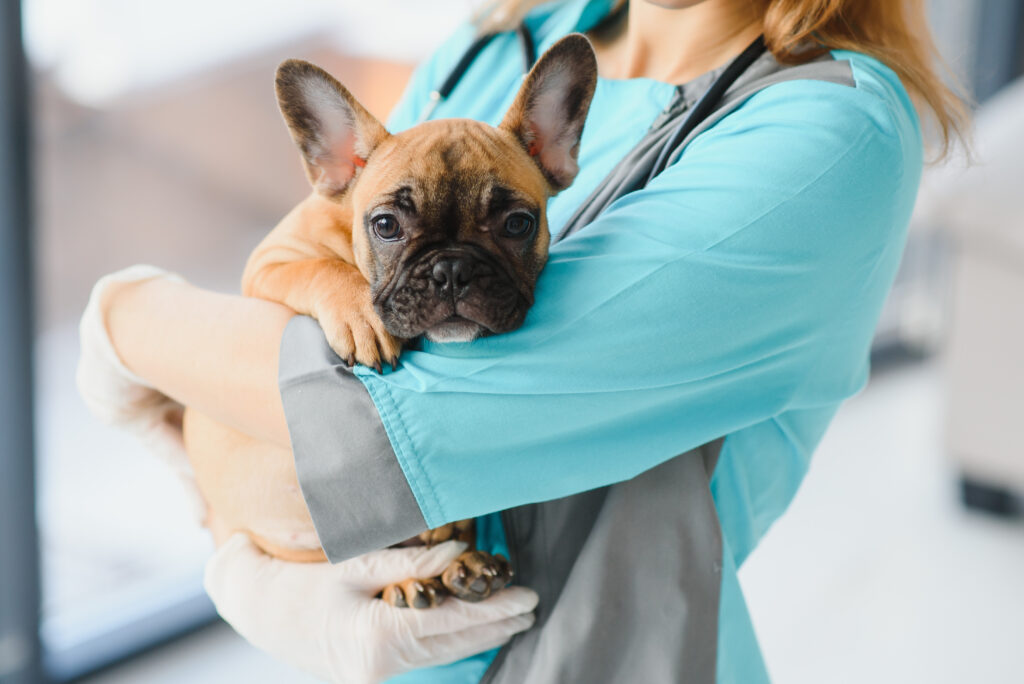
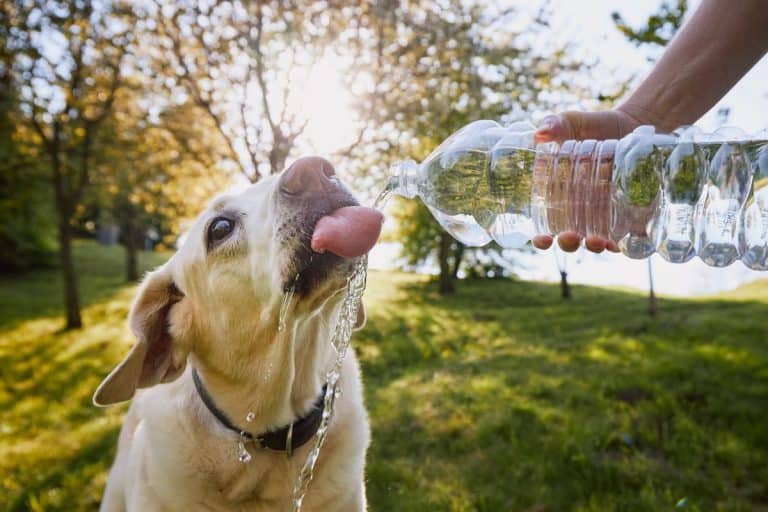
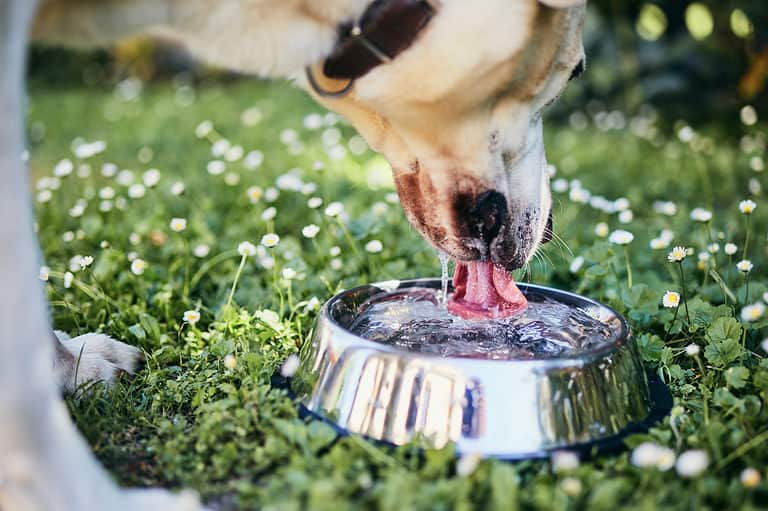
Diabetes in dogs causes symptoms like excessive thirst and urination.
©Hryshchyshen Serhii/Shutterstock.com
Symptoms of Diabetes in Dogs
Symptoms of diabetes in dogs are similar for both types. At first, you may notice excessive thirst and urination, potty accidents, and weight loss despite an increased appetite. Advanced signs of illness may include fatigue, vomiting, depression, and a loss of appetite. Alongside the typical symptoms, a dog with diabetes mellitus may develop secondary ailments such as cataracts or urinary tract infections (UTIs). Dogs with diabetes insipidus urinate excessively, sometimes to the point of incontinence. They can become dehydrated from over-urinating.
It’s vital to treat diabetes in dogs promptly. Without treatment, dogs may develop more serious complications, including:
- Liver enlargement
- Seizures
- Kidney failure
- Ketoacidosis, which includes symptoms such as rapid breathing, dehydration, lethargy, vomiting, and sweet-smelling breath
These symptoms can also appear in dogs who are already undergoing treatment. The severity of your dog’s diabetes depends on several factors, including blood phosphate levels, age, weight, overall health, genetics, and whether the dog receives prompt treatment.
Veterinarians recommend keeping ketone-testing sticks on hand if you have a diabetic dog so that you can test their urine if they show the symptoms of ketoacidosis outlined above. A positive test indicates an emergency situation. Bring your dog to an emergency vet clinic immediately. Never restrict the water intake of a dog with diabetes, as this can lead to organ damage.
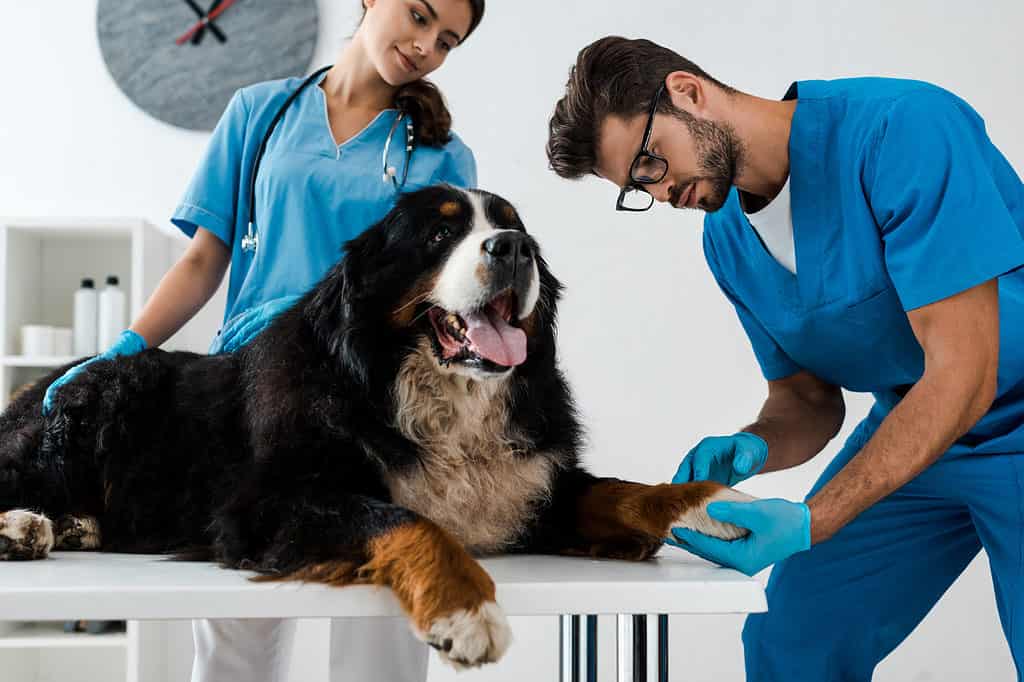
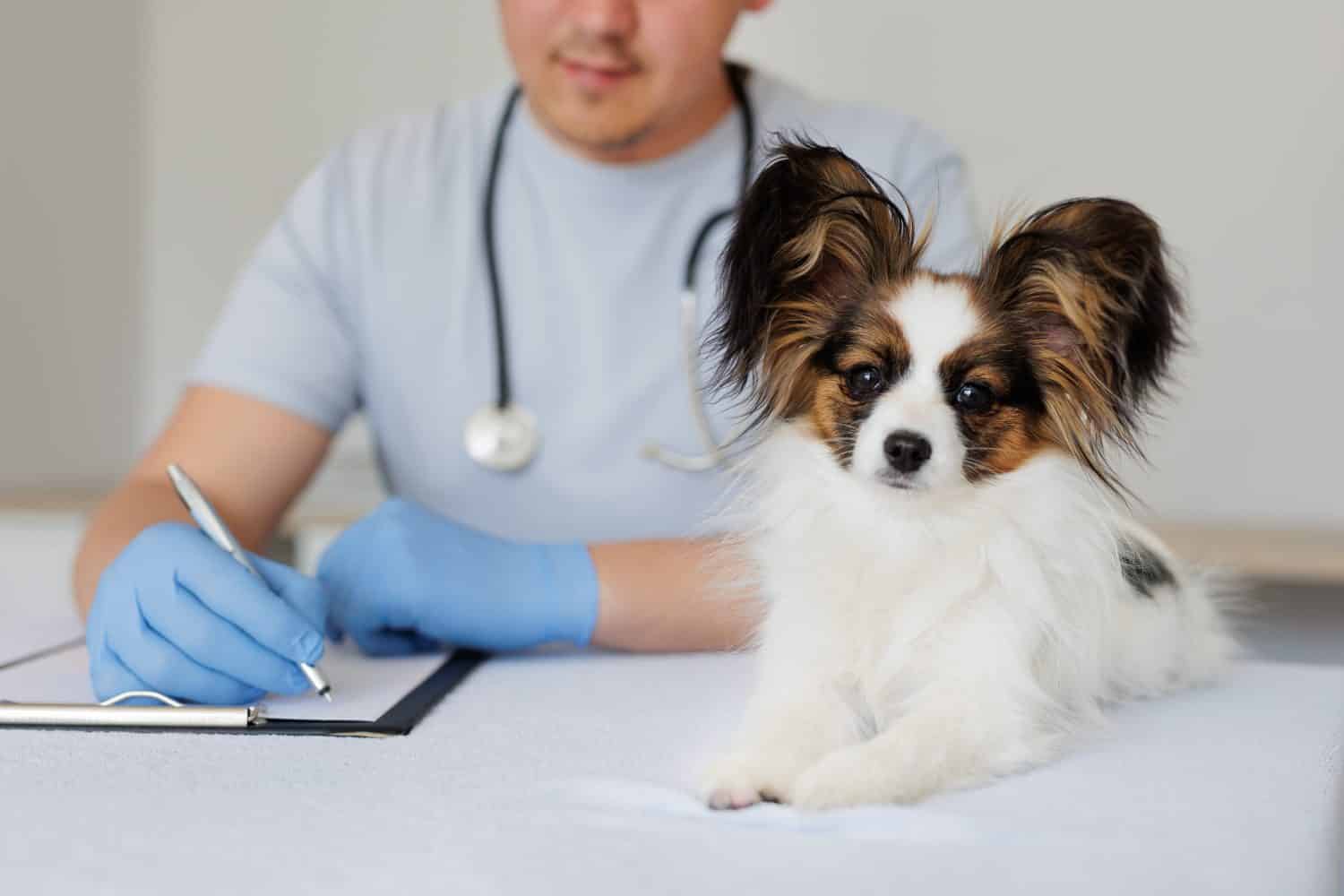
Canine diabetes can be diagnosed using urine and blood testing.
©iStock.com/LightFieldStudios
How Is Diabetes Diagnosed?
Your veterinarian will perform a basic exam and take your dog’s history, including symptoms they’re showing at home and any previous health problems. They’ll then use blood and urine tests for a diagnosis.
Your veterinarian may also want to run additional tests to rule out other problems or address the root cause of diabetes if another health problem causes it. Treatments will vary depending on which type of diabetes your dog has and whether or not they have comorbid health conditions.