
Many dog owners enjoy sharing food with their pets, but it’s not always clear which human foods are safe. Shrimp is one that often raises questions: Can dogs eat shrimp without getting sick? The answer is yes, but with a few important rules. Shrimp can be a healthy, low-fat treat when cooked and served correctly, yet it also comes with risks if given raw, seasoned, or in excess. Understanding the balance of benefits and dangers will help you decide whether shrimp deserves a place in your dog’s diet.
What the Vet Says
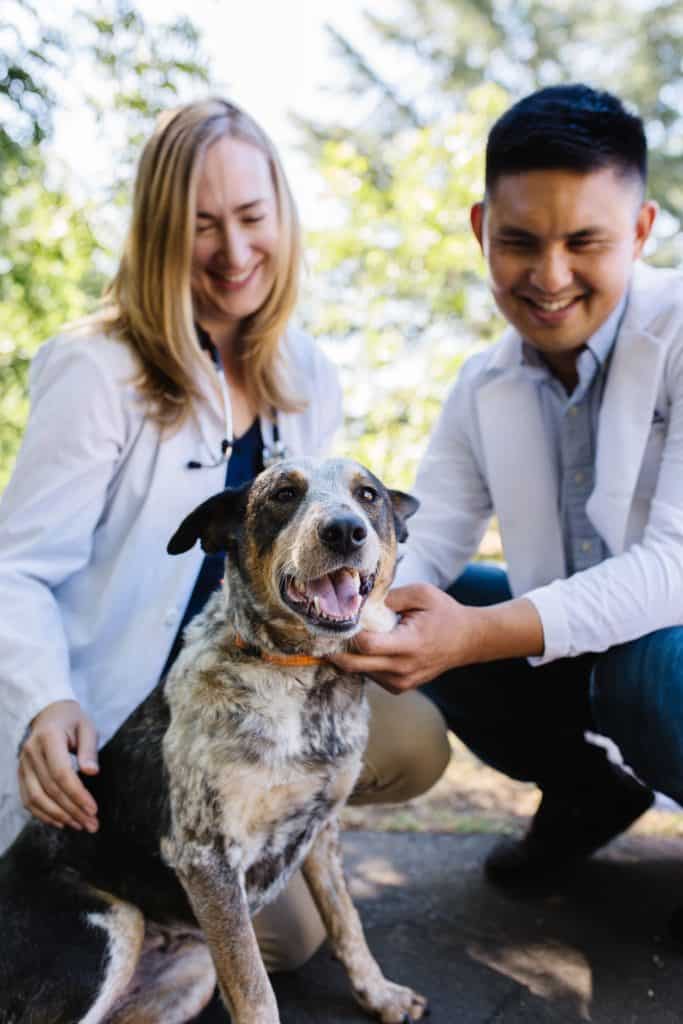
Shrimp is more than just a tasty bite; it offers several nutrients that support canine health. Dr. Bethany Hsia, a veterinarian and co-founder of CodaPet, says that, although she is not in the habit of feeding shrimp to dogs, “shrimp could be a good source of protein and vitamin B.” Here is a list of other nutritional benefits veterinarians attribute to shrimp:
- Protein – helps maintain muscle tone and energy levels
- Vitamin B12 – for metabolism
- Niacin – for enzyme function
- Phosphorus – promotes healthy bones and teeth
- Antioxidants – help reduce inflammation
- Omega-3 fatty acids – support heart health, brain function, and skin quality
Another advantage is that shrimp is naturally low in fat and calories, which makes it a good option for dogs that need lighter snacks, such as seniors or those on weight-management plans.
Risks and Precautions
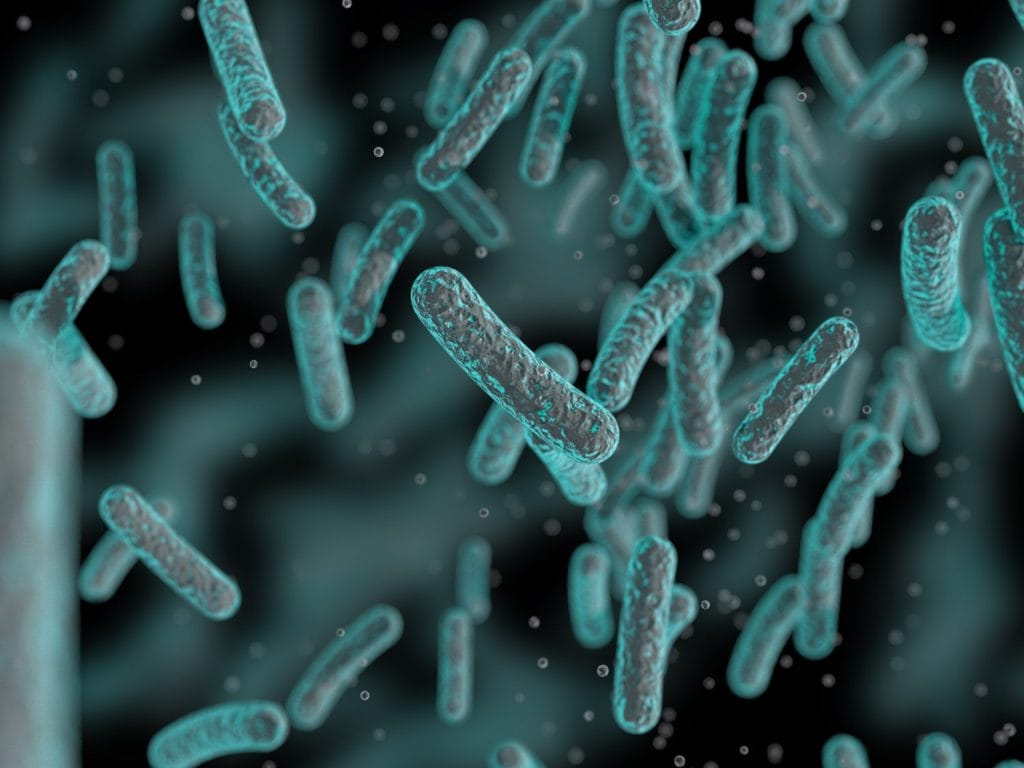
If prepared or handled carelessly, eating shrimp can pose health hazards.
©OlgaReukova/Shutterstock.com
Shrimp does have a nutritional drawback: it is high in cholesterol. While this isn’t usually a concern for most healthy dogs, it can be problematic for those with pancreatitis or on special diets, as individual sensitivities may vary.
Dr. Hsia points out two other concerns about feeding dogs shrimp. “I’m concerned that the shell or shrimp tail can choke small dogs, and raw shrimp can contain salmonella. Shrimp shells, tails, and veins can be tough to chew and digest,” Dr. Hsia says. “They can also cause choking or intestinal blockages, especially in smaller breeds. In addition to Salmonella, raw or undercooked shrimp can also harbor bacteria such as Vibrio and, less commonly, Listeria. These bacteria cause foodborne illness in both dogs and humans.”
Finally, feeding shrimp or other treats too often can disrupt the nutritional balance provided by your dog’s regular food. Commercial dog diets are carefully formulated to deliver the right mix of nutrients, and when extras make up more than about ten percent of daily calories, they can crowd out essential components or add too much fat, salt, or protein.
Shrimp Allergies in Dogs

Dogs are able to develop food allergies. Shellfish allergies are somewhat rare but still occur.
©sommart sombutwanitkul/Shutterstock.com
Dr. Hsia also points out that it is a concern that dogs can be allergic to seafood. Like people, dogs can sometimes develop food allergies, though shellfish allergies are relatively rare. These reactions are triggered by proteins such as tropomyosin, which the immune system mistakes for harmful invaders. Once the body is sensitized, repeated exposure can lead to itching, swelling, or even more serious symptoms.
Most allergies don’t appear the first time a food is eaten, but after repeated exposure. If an allergy does occur, the signs can range from mild to severe. Dogs may develop itchy skin, recurrent ear infections, swelling around the face, or stomach upset. In serious cases, symptoms could escalate to hives or difficulty breathing, which require emergency veterinary care.
If a dog owner prepares shrimp for their dog, they should cook it thoroughly after removing all shells and tails.
Dr. Bethany Hsia, a veterinarian and co-founder of CodaPet
How Much Shrimp Can Dogs Eat?
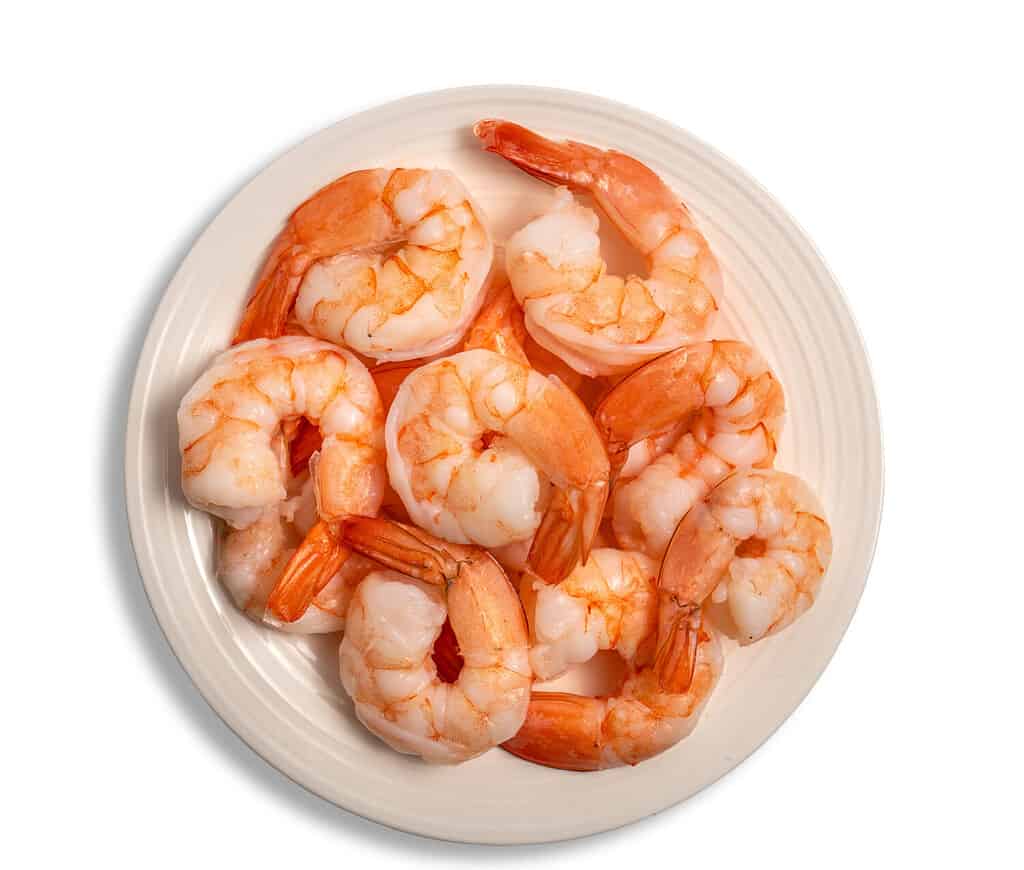
Eating too much shrimp can cause dogs to have digestive upset.
©KungCrayfish/Shutterstock.com
Some dogs may show an intolerance to shrimp immediately, which is often a sign of digestive distress rather than a true allergic reaction. Too much shrimp at once can lead to vomiting, diarrhea, or abdominal discomfort. If you’re giving shrimp for the first time, start with a very small piece and monitor your dog for a full day afterward. Any concerning changes—persistent scratching, vomiting, or swelling—are signals to stop feeding shrimp and call your vet.
For safety, shrimp should never exceed ten percent of a dog’s daily calorie intake. The amount depends on the size of your dog. A toy breed may only be able to handle half a shrimp, while a large dog might eat three or four without issue. Regardless of size, shrimp should be given only as an occasional treat, not as a daily addition to meals.
What About Mercury and Other Pollutants?

Mercury is not a concern with shrimp, but other environmental pollutants can be.
Should you be concerned about mercury or other pollutants when it comes to shrimp? Shrimp are considered a low-mercury seafood because they’re small and low on the food chain, so they don’t accumulate the high levels seen in larger fish like tuna or swordfish. In fact, the FDA specifically lists shrimp as one of the lowest-mercury seafood options. So for dogs, mercury from shrimp isn’t a major concern.
The bigger risks come from contaminants and handling. Farm-raised shrimp, especially from regions with less regulation, may carry residues of antibiotics, pesticides, or chemicals used in ponds. Wild shrimp can sometimes pick up trace pollutants (like PCBs or dioxins), though levels are typically low compared to larger fish. Improper handling can lead to bacterial contamination, which is a risk for both dogs and people. What this all adds up to is that you want to buy from reputable sources and cook your shrimp thoroughly.
Serving Shrimp Safely
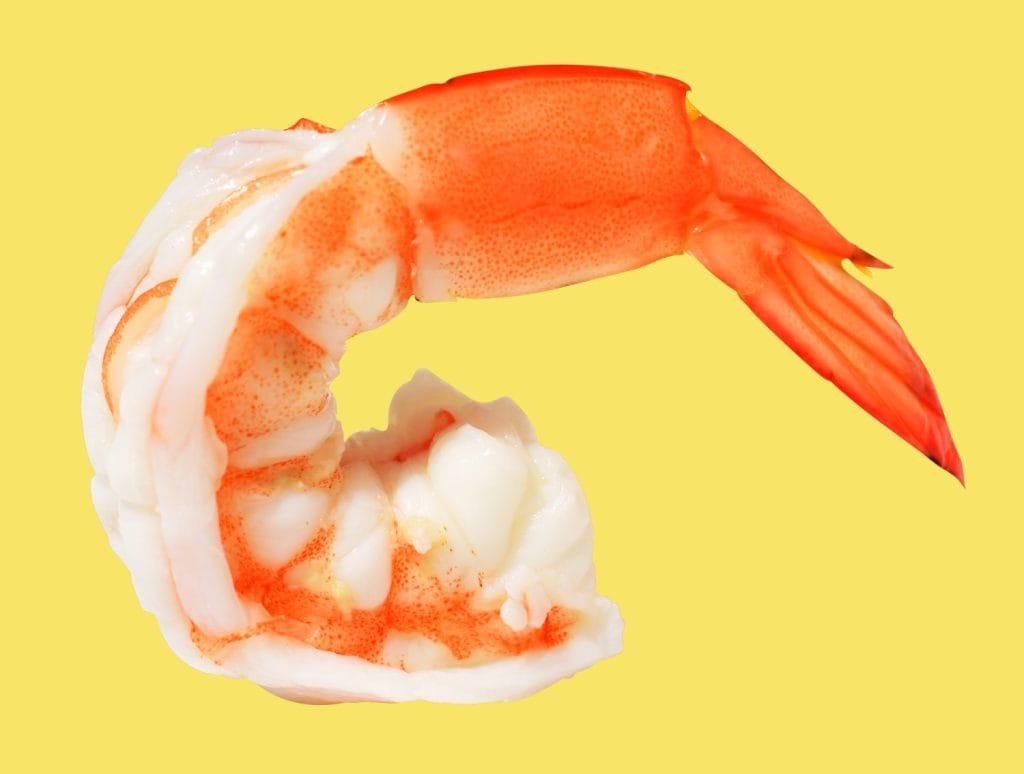
Wild-caught, high-quality shrimp can be a nice treat for your dog.
©Camellia Vintage/Shutterstock.com
When offering shrimp to your pet, a few guidelines will help keep it safe. Buy high-quality shrimp, preferably wild-caught, and avoid anything preserved with chemicals or added salt.
Dr. Hsia advises, “If a dog owner prepares shrimp for their dog, they should cook it thoroughly after removing all shells and tails.”
Steaming, grilling, or boiling shrimp is healthier than frying. It’s also crucial to avoid seasonings—garlic and onions, for example, are toxic to dogs, butter is high in fat, and heavy salt or oils can lead to digestive upset. Once cooled, cut the shrimp into small pieces that are easy to chew and swallow.
What to Do If Your Dog Is Choking

Have your dog checked out by a vet after a choking scare to make sure it didn’t sustain any damage.
©Nata Kotliar/Shutterstock.com
If your dog is choking on a piece of shrimp or other food, you can tell because it may wheeze, paw at its mouth, gag without bringing anything up, or act panicked. Remain calm and follow these steps:
- Check the mouth — If it’s safe, gently open their mouth and look. If you can easily grab the food with your fingers or tweezers, carefully remove it without pushing it deeper.
- If you can’t see or reach it — Don’t blindly sweep with your fingers; you might shove it further down.
- For small dogs — Hold them upside down by the hips or hug them against your chest, head down, and give firm back blows between the shoulder blades.
- Medium/large dogs — Keep them standing, wrap your arms around their belly, make a fist just behind the ribcage, and give quick upward thrusts (dog version of the Heimlich). You can also try firm back blows if lifting isn’t possible.
- If the dog collapses and isn’t breathing — Start CPR (rescue breaths plus chest compressions) and head straight for the vet or emergency clinic.
Even if you clear the object, get to a veterinarian immediately to have the dog checked for injury or swelling.
When to Call the Vet

Call a vet if your dog shows signs of an allergic reaction.
©Iryna Kalamurza/Shutterstock.com
Despite your best precautions, accidents can happen. Call your vet right away if your dog eats raw or undercooked shrimp, manages to swallow a large number of shrimp at once, or shows any signs of allergic reaction. Symptoms like facial swelling, trouble breathing, persistent vomiting, or bloody diarrhea are red flags that need immediate attention. Quick treatment can prevent more serious complications.
The Answer Is Yes and No
So, can your dog eat shrimp? The answer really is both yes and no. Yes, when it’s cooked plain, given in moderation, and served safely without shells or tails, shrimp can be a healthy, low-fat treat. No, if it’s raw, heavily seasoned, or fed in large amounts, since that brings real risks of illness, choking, or imbalance. Treat shrimp as an occasional bonus, and your dog can enjoy it without trouble.