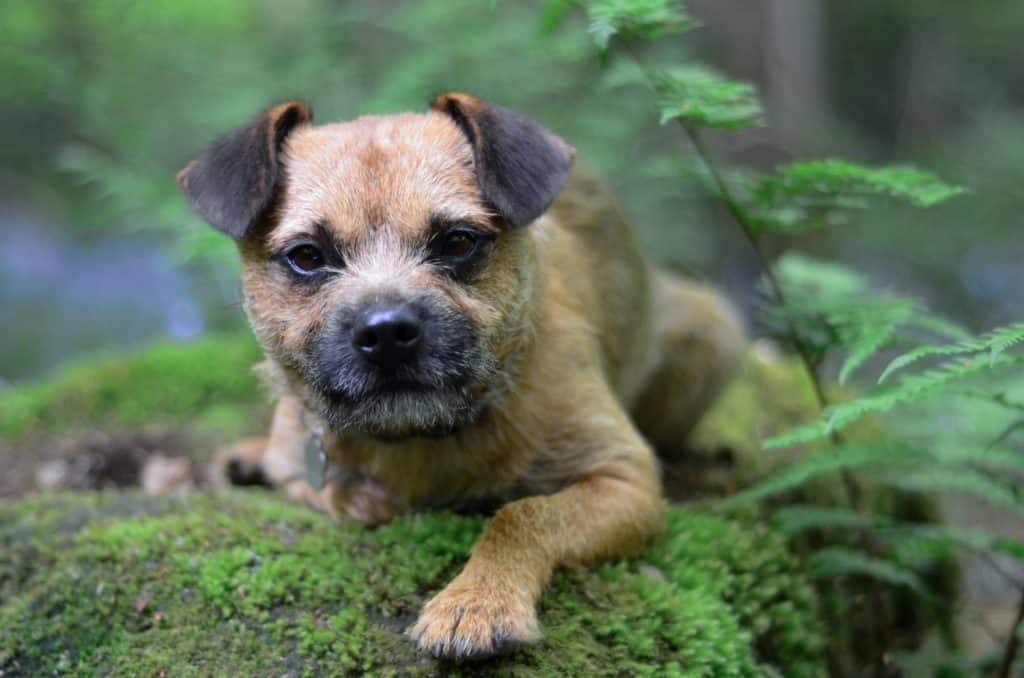
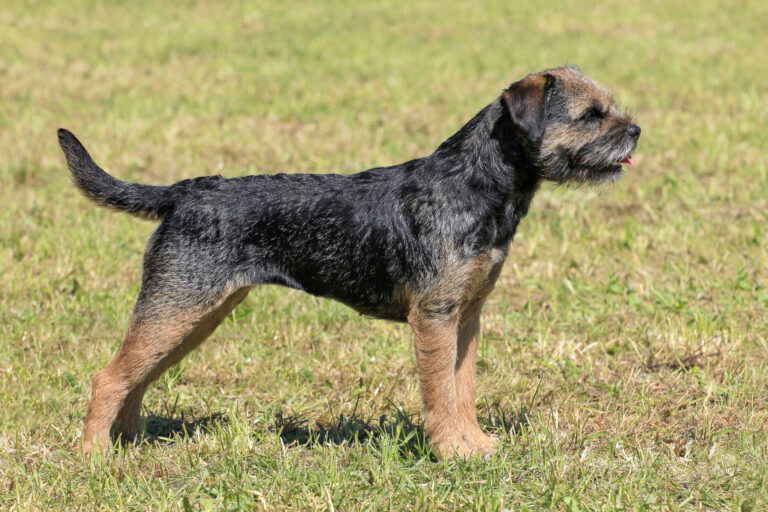








Border terriers can truly be described as “everything in moderation” when it comes to their dimensions, temperament, and behavior. The breed is strong and sturdy despite its smaller size, which makes it a perfect fit for the rough countryside it was bred to traverse.
These dogs originated from fringe areas of England and Scotland along the border between the two countries, where they were meant to aid hunters and larger hounds in their pursuit of foxes, vermin, and local game. Unlike other dogs in the terrier group, everything about this breed is geared towards practicality and work rather than appearance. Border terriers tend to get along peacefully with other dogs as well as people, which makes them a solid choice for many households.
The border terrier is a staunch and sturdy companion animal that makes up for its somewhat awkward, otter-like appearance with an endearing personality and friendly demeanor. Owners will find that these dogs are receptive to training, mix well with other dogs, and don’t require all that much grooming or maintenance.
3 Pros and Cons of Owning a Border Terrier
| Pros! | Cons! |
|---|---|
| Very family friendly and social with other dogs. One of the key personality traits that sets border terriers apart from other members of the terrier group is their sociability. They tend to accept other dogs and are typically good around people as well, even when encountered in larger gatherings. | Needs regular exercise. One of the biggest drawbacks of border terrier ownership is the obligation to contribute to their substantial exercise needs. These dogs enjoy outdoor activities that test their endurance, agility, and intelligence, so owners need to find ways to add layers of challenge. |
| Stocky and tough enough to handle the country. Don’t let their small size fool you; their thick hides and high natural endurance make them tougher than they seem. Border terriers are born to traverse rugged terrain and do the tough, dirty tasks that many other working breeds are too large to handle. | High pursuit drive Another key concern for border terrier owners is making sure their dog doesn’t chase cats and other animals. The breed has a high pursuit drive that can put other smaller animals in danger and may even compel them to run away from their owners or cross dangerous streets impulsively. |
| Not much grooming or coat maintenance is required. While the breed does have a double coat and goes through some seasonal shedding, they don’t need all that much maintenance and are considered hypoallergenic. In fact, breed experts recommend sticking to weekly brushing and avoiding fancy grooming altogether. | Independent and curious Border terriers don’t mind taking matters into their own hands and tend to be actively curious about their environment. These traits aren’t always a bad thing, but they can encourage these dogs to wander off or get involved in things that they shouldn’t. |
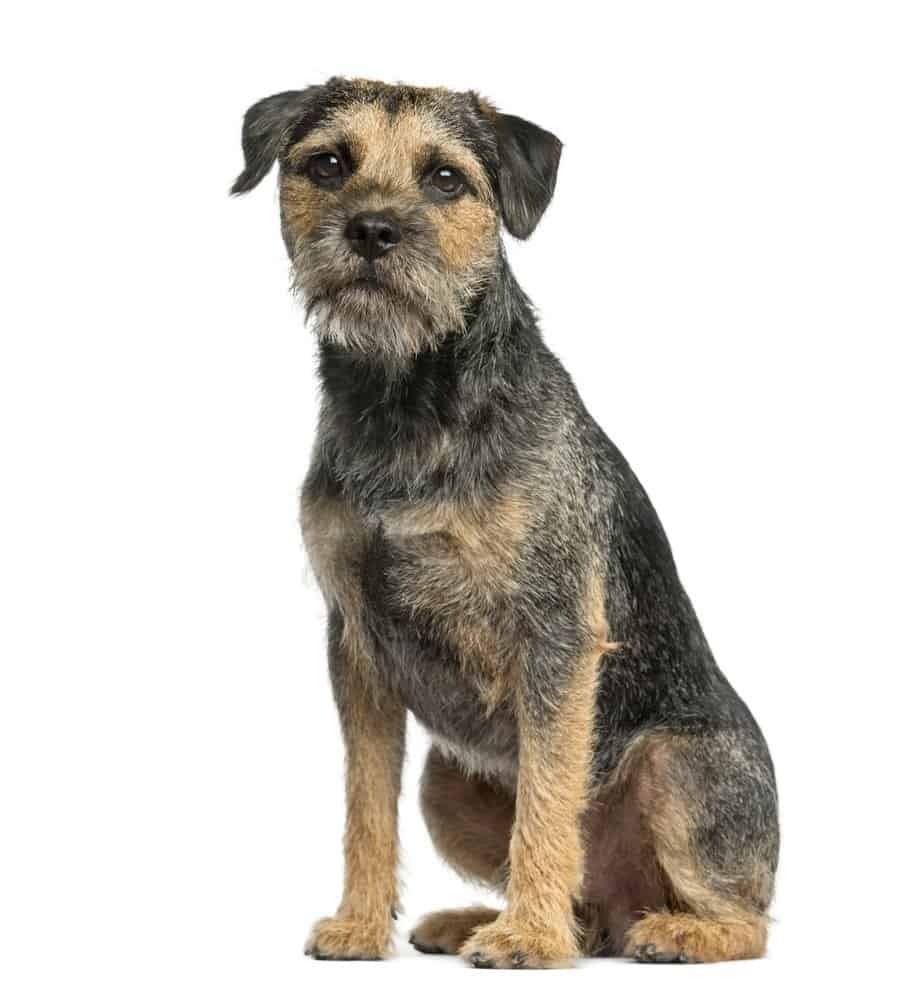
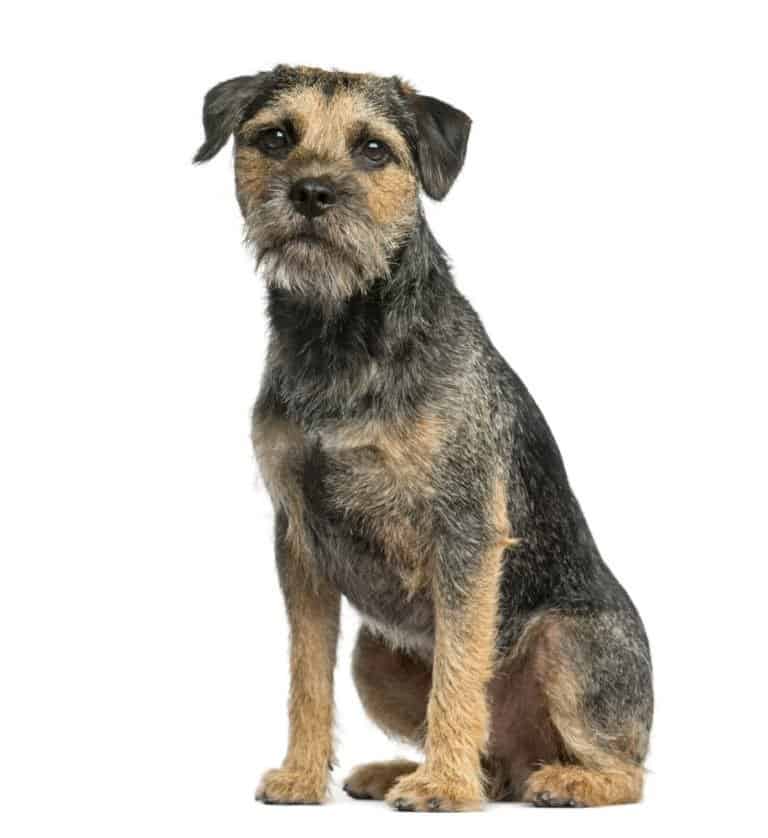
Border terriers tend to be independent and curious.
©Eric Isselee/Shutterstock.com
History and Origins
Farmers and shepherds living in the hilly region of the Scottish-English border bred terriers that were both fast and agile to hunt the fox, which was a very cunning animal and had been stealing sheep from the area. The terriers needed to have long enough legs to keep up with the foxhounds and the riders on horseback, but also had to be small enough to fit into the fox’s den and make it come out.
The Border Terrier is descended from a type of dog that was full of energy and could endure a lot, thanks to its protective coat that kept it safe from the wet and difficult environment of the border. A breed historian said of the Border’s working abilities that they are able to climb any wall and get through any wire entanglement. Furthermore, if the fox goes underground, the dog will flush it out or stay there until the situation is resolved.
The Border Terrier has its roots in the north of England, where it was formerly known by other names, such as Reedwater Terrier, Ullswater Terrier, and Coquetdale Terrier. It earned its lasting fame in Northumberland, where it was used for foxhunting alongside hounds and was known for getting along well with other dogs. This form of foxhunting was drastically different from the traditional British foxhunting found on large estates, with riders in red coats riding huge packs of hounds solely for sport.
The Border Terrier breed has its roots in the foxhunts of the Borderland region, which were used to protect shepherds’ flocks from predators. This breed is still popular in the United Kingdom today as a vibrant and low-maintenance companion for everyday people. The Kennel Club of England officially recognized the Border Terrier in 1920, and the American Kennel Club (AKC) did the same 10 years later.
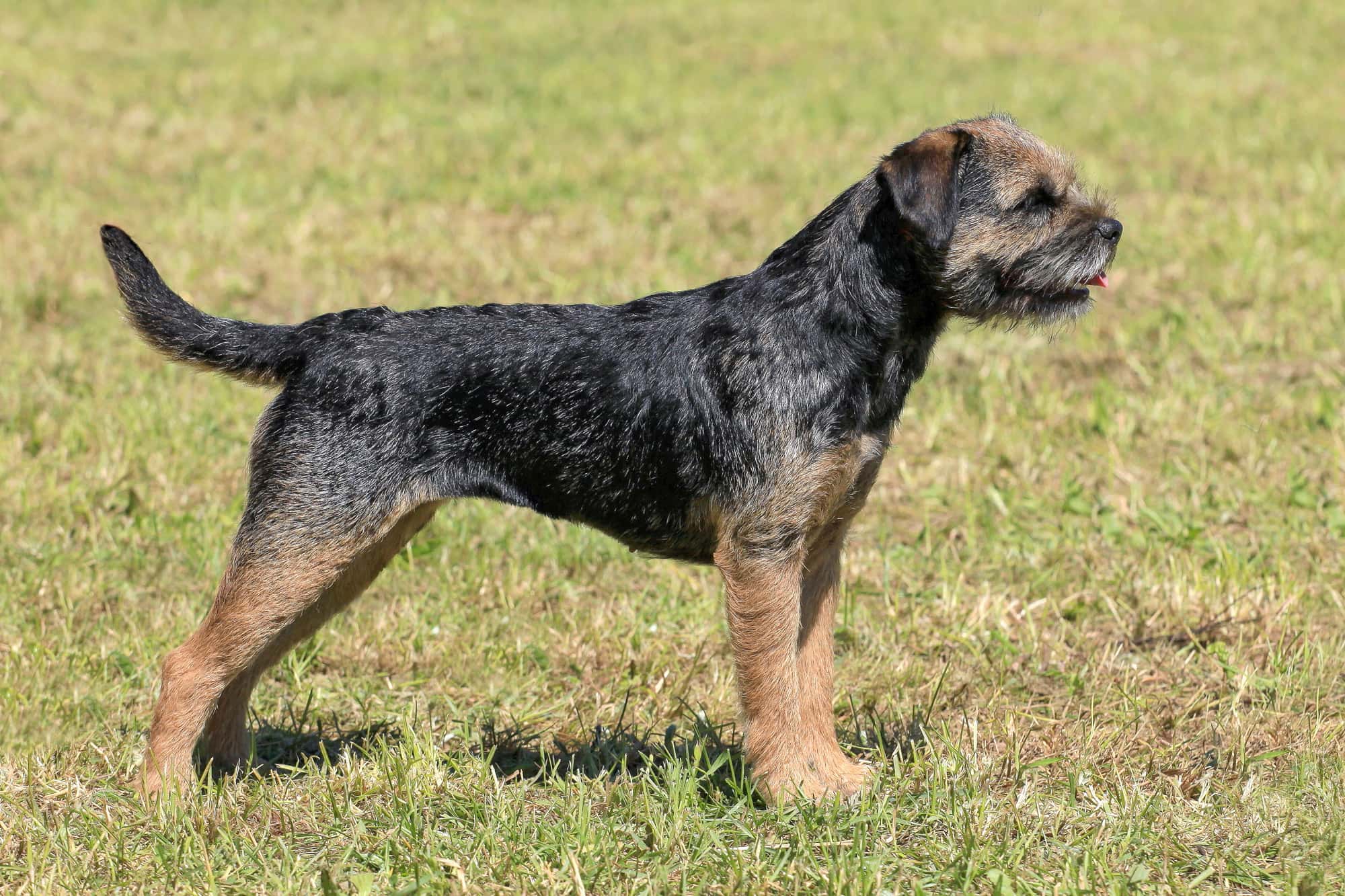
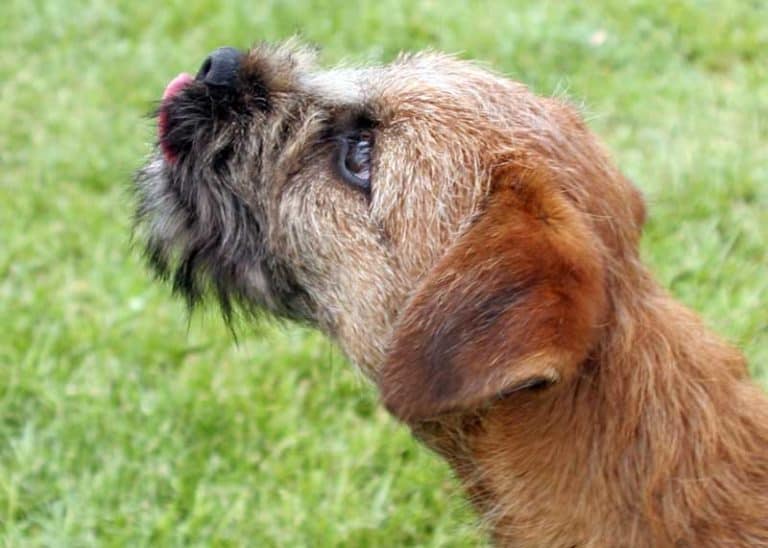
Border Terriers were bred near the Scottish-English border by farmers and shepherds.
©CaptureLight/ via Getty Images
Size and Weight
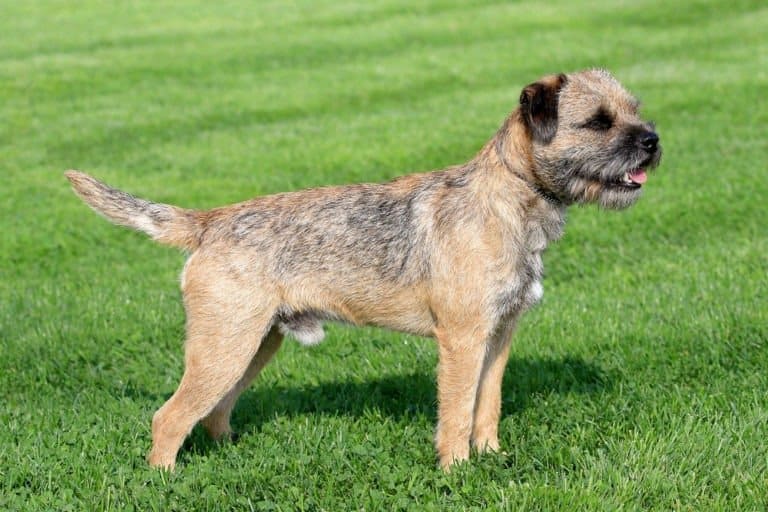
These terriers have a sturdy medium build with relatively narrow shoulders and bodies. Grown adult females weigh between 11½ to 14 pounds, while males weigh between 13 to 15½ pounds. The length from the withers to the tail should be slightly greater than the dog’s height at the withers. The measured height for adults should be 11 to 14 inches for females and 13 to 16 inches for males.

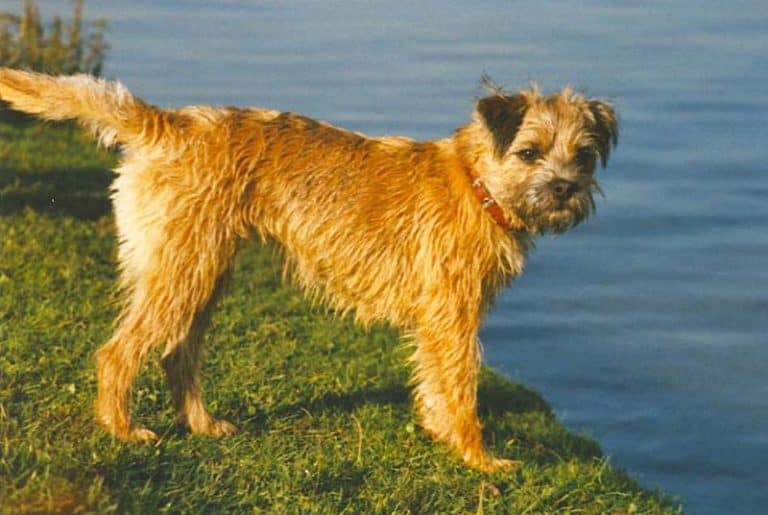
Border terriers only weigh between 11 and 15½ pounds.
©Charles J Sharp / Creative Commons – Original
Common Health Issues
These terriers are usually healthy animals, and most substantial health issues can be screened out through responsible breeding. Hip problems are among the chief complaints of the border terrier, including general hip dysplasia and Perthes disease. Significant or total loss of eyesight through progressive retinal atrophy is another breed-related health risk, and juvenile cataracts are also possible. These dogs can have an elevated risk of seizures and have a chance of developing a rare disease called canine epileptoid cramping syndrome (CECS), which is relatively new and unique to the breed.
- Hip dysplasia and Perthes disease
- Cataracts
- Progressive retinal atrophy
- Seizures
- Canine epileptoid cramping syndrome
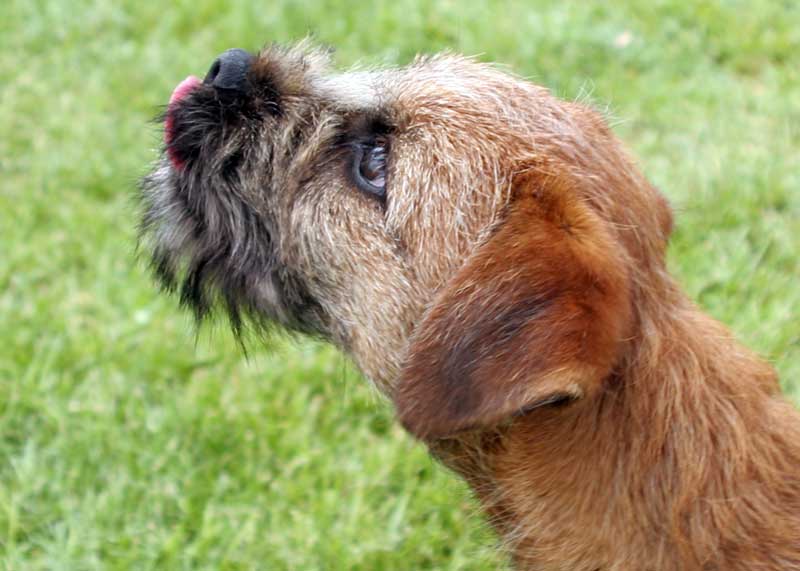
Border Terriers are prone to Perthes disease.
©Srinayan Puppala / Creative Commons – Original
Temperament
Border terriers have plenty of desirable personality traits for all kinds of prospective owners and families. They were reared specifically to accompany and aid other dogs in the hunt, so they are generally quite peaceful with their canine brethren compared to most breeds in the terrier group. They are alert and energetic but not particularly territorial or aggressive towards people. Their outgoing, playful, and affectionate behavior, combined with their smaller stature, makes them a great fit for families with small children. They are also considered a great breed for city living.
How To Take Care of Border Terriers
Even though these dogs are considered low-maintenance compared to many other breeds, there are still a lot of things owners need to consider before choosing one. As working dogs, border terriers need and deserve an environment that maximizes their unique mix of personality traits and characteristics.
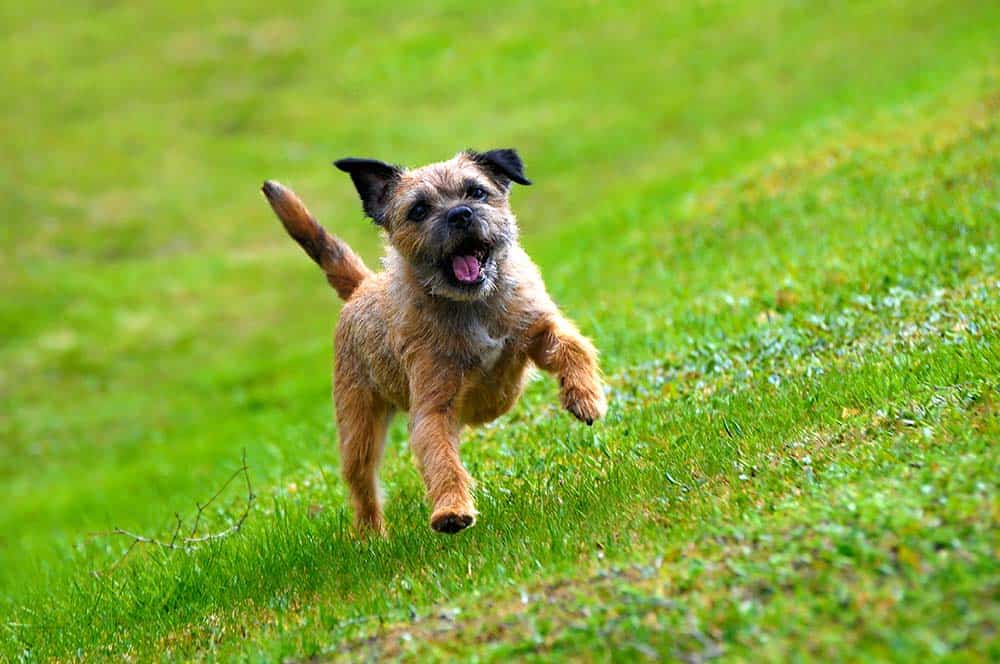
Border terriers were bred to get along with other dogs while hunting, so they love to be part of the family pack.
©Andreas Gradin/Shutterstock.com
The Best Dog Food
Good quality puppy food with balanced ingredients is usually fine for border terrier puppies. Puppies should be switched over to an adult blend or veterinarian-supervised homemade diet as they age. Owners should be careful to avoid overfeeding and minimize fat content to avoid excessive weight gain, which can aggravate the breed’s common hip problems.
Maintenance And Grooming
Border terrier owners don’t need to worry much about maintenance and grooming. In fact, excessive washing and trimming can reduce their coat’s natural dirt-repellent properties. Wiping off dirt and mud with a moist towel is usually sufficient, along with weekly brushing sessions to catch loose hairs.
Training
These terriers are bred to serve alongside man and animal, so they are usually very receptive to training. They do have an independent nature, but they are still generally obedient and reliable with some work. Obedience and self-control are important for independent-minded border terriers, making walks easier and protecting them from impulsive activities that could put them in danger.
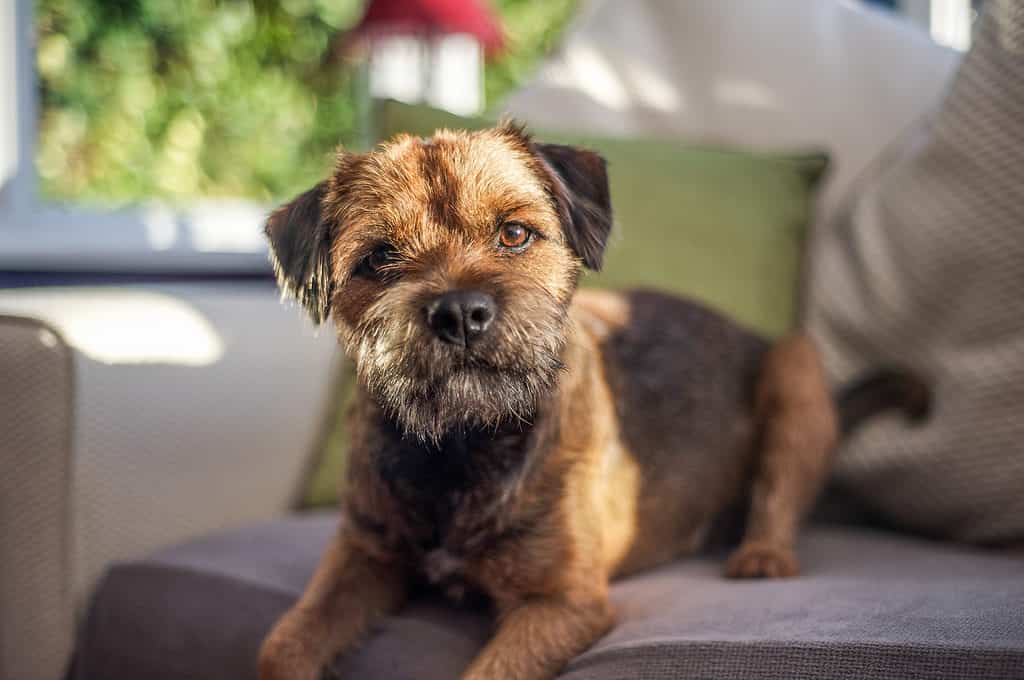
Border terriers are very receptive to training.
©rebeccaashworth/Shutterstock.com
Exercise
Their origins as working dogs to aid hunters in rough terrain mean they really do need and benefit from regular exercise. Owners should expect at least 30 minutes of vigorous exercise each day, preferably combined with activities that go beyond simply running. Chasing, catching, and traversing rough terrain are all skills bred into the border terrier, and they enjoy exercising these natural talents.
Puppies
Border terrier puppies don’t have any notable issues or care requirements aside from a need for supervision. They like to explore and investigate, which can create difficulties when mixed with natural athletic ability and high energy levels. Pens and baby gates are necessary for keeping them under control when they are old enough to start moving around.
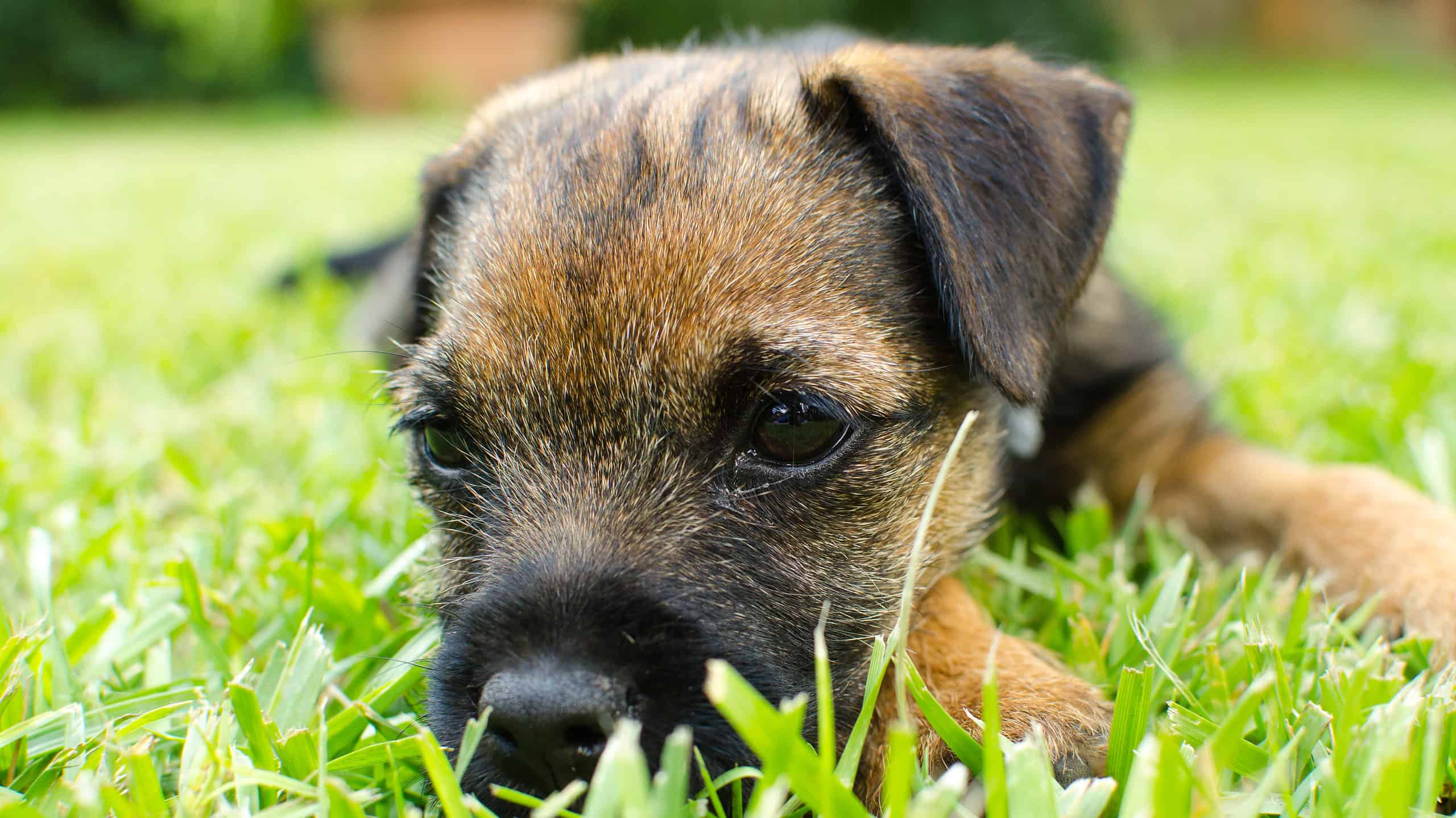
Young Border Terriers are small and delicate, and small children should be supervised in how to handle them safely.
©Kiss Gabor Balazs/Shutterstock.com
With Children
While border terriers aren’t the best choice for cat owners, they do make excellent companions for children. They are observant and friendly and rarely adopt an aggressive attitude toward people. They are also relatively small, so they are unlikely to cause accidental injury to young kids. Owners should train their dogs to stick to their own toys, as they are prone to chewing and may start destroying a child’s favorite stuffed animal if they don’t know better.
Dogs similar to Border Terriers
- Australian Terrier: Very similar temperament with a mixture of confidence, stoicism, and energetic interactions. They also respond well to frequent and challenging training exercises and are about the same size.
- Bedlington Terrier: Despite the distinctly different head shape and overall appearance, the Bedlington shares many similarities with the border. They hail from Northumberland, which is in the same region where the border terrier was first developed.
- Airedale Terrier: Another terrier breed from Britain that was also originally bred to aid local hunters in their outdoor pursuits. They are friendly towards people and have intelligent and independent personalities, much like borders.
Famous Border Terriers
Their rising popularity and general approval by canine and lifestyle publications have propelled the breed toward stardom. Several notable celebrities own a border terrier, and they have also been featured in several major films, including Anchorman.
- Baxter is a border terrier owned by the fictional newsman Ron Burgundy, who was the main character in Anchorman.
- Actress Eva Green had a border terrier companion named Griffin.
- American actress and producer Glenn Close isn’t just famous for her many films but also for her little border terrier named Belle.
Border Terrier Pictures
View all of our Border Terrier pictures in the gallery.

CaptureLight/Shutterstock.com
Sources
- American Kennel Club / Accessed November 7, 2019
- Britannica / Accessed November 7, 2019
- Border Terrier Club of America / Accessed November 7, 2019
- Wikipedia https://en.wikipedia.org/wiki/Border_Terrier Jump to top / Accessed November 7, 2019