











The intelligent and loving Javanese cat will want to be by your side. This breed loves to talk to you, and they will use different voices to indicate their needs. This breed was created in the late 1970s and early 1980s by crossing a Siamese with a Balinese cat.
Breed History
The Javanese is an oriental-type cat breed, also called the Colorpoint Longhair, which was created in North America. Breeders experimented by cross-breeding Balinese cats with Siamese and Colorpoint Shorthairs to produce new color variations of the traditional Balinese cat. In 1979, these Balinese cats were registered with the CFA but weren’t approved for competition. They were accepted, however, as a separate breed. The name was chosen based on the fact that the island of Java was near Bali.
Though the Javanese cat carries its own identity, it is really a sub-breed of the Balinese cat. Its coat can vary in color and patterns, whereas the Balinese coloration bears a strictly defined point coloration.
Traits: What to Know Before You Buy
Before buying a Javanese, there are some important traits to consider about the breed:
Javanese animals weigh about 7 pounds, which is about the same size as the Siamese, Balinese, and Oriental shorthairs.
Despite the name, the first Javanese were bred in the United States at Indiana’s Cobwebbe Cattery, Chicago’s Bernadette Cattery, and Alberta’s Balimoor Cattery. They get their name from Java, which is located next to Bali and means rich and fertile.
Unfortunately, Javanese are susceptible to cardiomyopathy, which can be hard to catch. Left unchecked, this breed can develop feline aortic thromboembolism, which is blood clots in the arteries.
While no animal is completely hypoallergenic, Javanese are among the most hypoallergenic breeds in the world. If you are a feline lover who has trouble with allergies, consider this hypoallergenic animal.
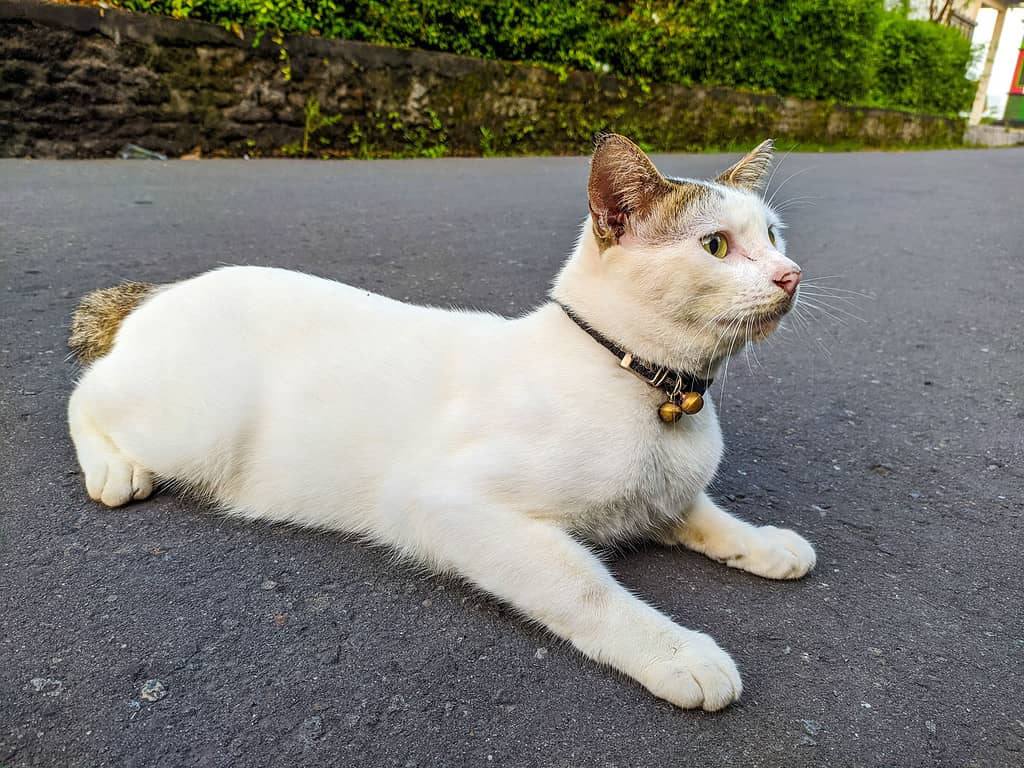
Javanese animals weigh about 7 pounds, which is about the same size as the Siamese, Balinese, and Oriental shorthairs.
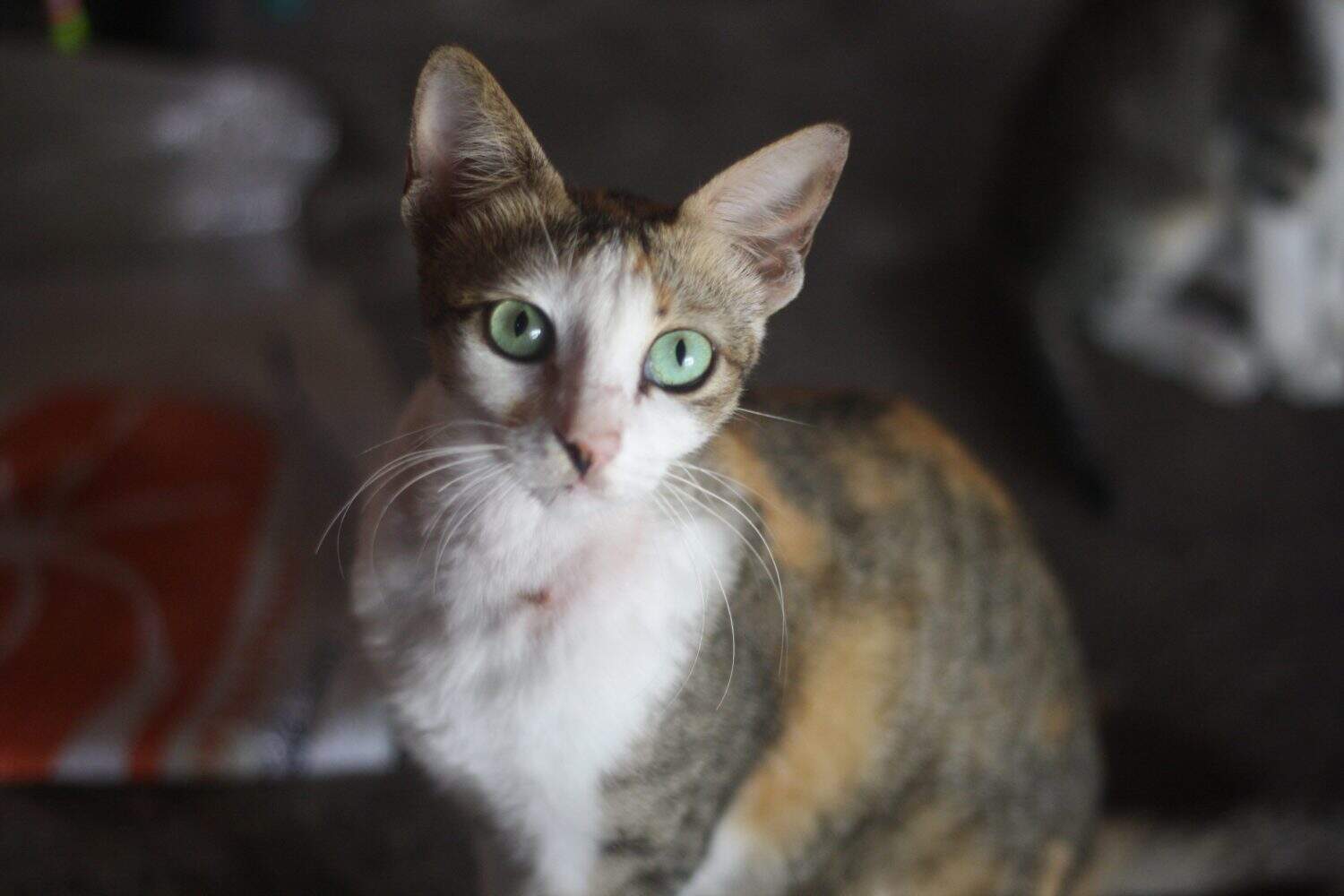
©Bijaksana41/Shutterstock.com
Personality
The Javanese is a cat breed that wants to be with you constantly. If you choose this breed, expect to spend time with your feline daily. They are best for people who are home for several hours daily. Be sure to provide several toys for this animal when you are gone because they can entertain themselves if you must be away.
Expect this cat to vocalize to tell you its needs. Listen and learn what your feline is trying to say to you because they use different vocalizations based on their current needs or desires.
Javanese can be a good family pet. They will play with anyone who will give them attention. They are also brilliant, which can be a good trait for families with young children because they are smart enough to protect themselves.
The Javanese count on you daily to take care of it. Unlike some breeds that have a standoffish attitude, it wants to be with you all the time. Do your part to give this breed a lot of attention.
Size and Weight
The Javanese is about the same size as its parent breeds, the Siamese and the Balinese. This breed is also about the same size as the Oriental Longhair.
Most males weigh between 8 and 10 pounds, while females weigh between 5 and 8 pounds. Javanese tend to be overweight, which can lead to other health problems. Keeping your cat entertained helps it burn calories while keeping it from thinking about food.
The Javanese breed stands between 9 and 12 inches high. It is about the same length as it is tall. Other breeds about the same size include the American bobtail, British shorthair, Persian, and Havana brown.
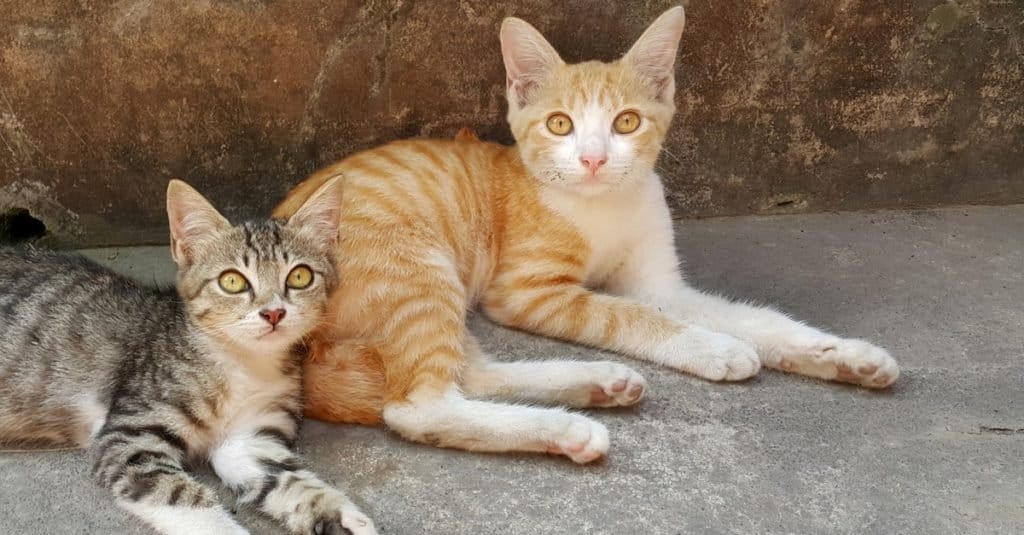
The Javanese is about the same size as its parent breeds, the Siamese and the Balinese.
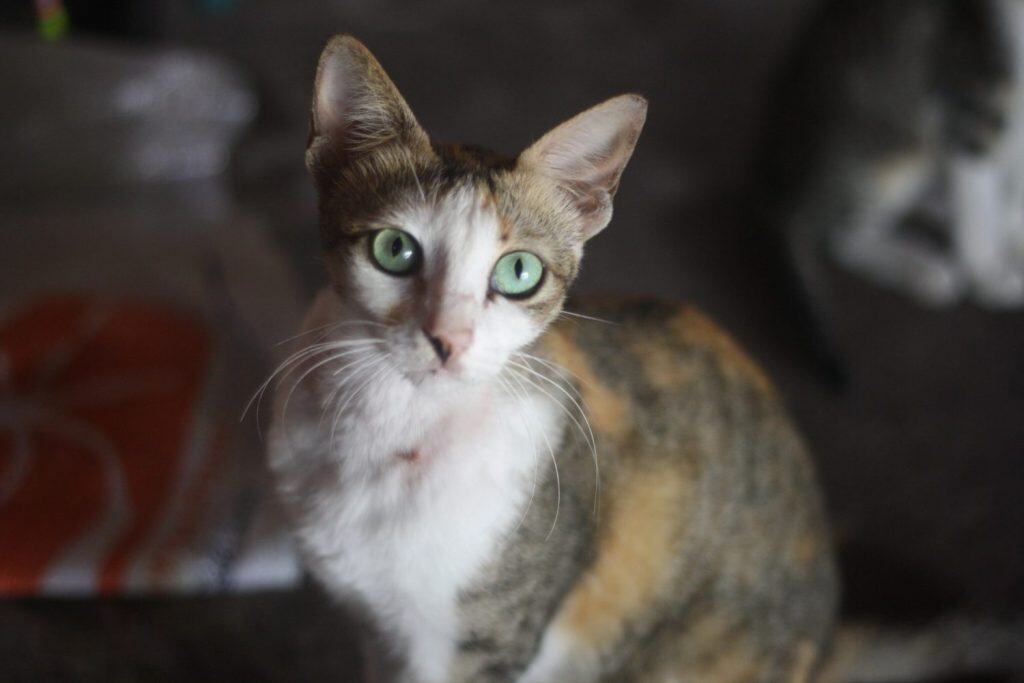
©Tiwuk Suwantini/Shutterstock.com
Price
It can be challenging to find a Javanese cat or kitten for sale at any price. There are only a handful of breeders for this breed. They include Anacaona, Balimoor, Catajam, ChanLokMeow, Crystabel, Jointventure, Kayceekats, KnorrKatz, MartyCats, Mia Ching, NewDestiny, Pavir, Sacchidanand, Sukhotai, Sum Thai, Tersanctus, von Aristoteles, and von Collioure. Keeping in mind that these cats are now part of the Balinese group, you may want to contact those breeders for leads and prices.
This breed is so rare that we could not find a breeder with any cats for sale. When you find one, you can expect to pay up to $2,000. Be prepared to act, as there are very few breeders, which means that very few of this breed are available.
If you find one in a shelter or with a rescue organization, expect to pay about $200. This may be a highly complex task to accomplish, however, because many shelters will contact rescue groups, who will talk to breeders.
If you cannot find one in the United States, you may want to think about having a cat imported from Europe or South Africa, as there are breeders here.
Once you get the cat home, you can expect some recurring costs. Expect to pay:
- Vet bills — minimum of $100 a year for a physical, but can run to over $1,000 if problems are found.
- Dental care — toothbrush and cat toothpaste about $15 a year, but cleanings can cost $500.
- Parasite and flea treatments — vaccinations and treatments can cost up to $100 a year.
Kittens
The average Javanese litter size is 4 to 6 kittens. You can expect the kittens to have short legs and medium-sized bodies. The kitten should have five toes in the front of each paw and four toes in the back.
The head should be long and tapering, with pointed ears that are wide at their base. Once opened, the eyes should be almond-shaped and slanted slightly towards the nose.
The hip structure should be slightly wider than the front shoulders. While it can be challenging to see in kittens, you should already see the start of this cat’s tail plumage.
Look for any signs that the kitten is breathing through its mouth, as this is a sign of respiratory issues.
All Javanese cats have blue eyes. You should start to see the eyes changing to blue by week seven of the kitten’s life.
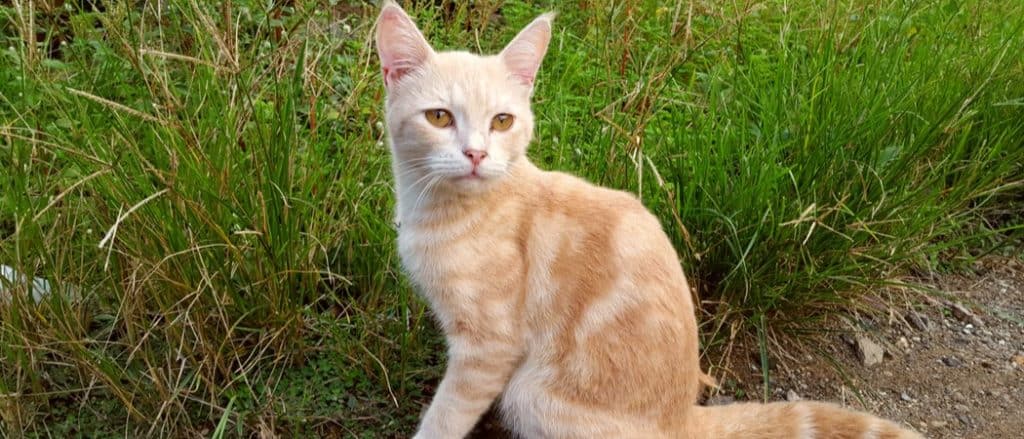
Javanese kittens start out with blue eyes, with their true eye color appearing by 8 weeks old.
©Irondaru/Shutterstock.com
Lifespan
Typically, Javanese live between 9 and 15 years. Watching for signs of heart disease can extend your cat’s life.
It is also essential that you take good care of your cat’s teeth. Start brushing them with cat toothpaste when they are young so that they become accustomed to the process. Since one of the parents of this cat is a Siamese, and Siamese cats are known for their longevity — some living into their early 20s — it is not unusual for this cat to live a long life.
Breed Vs. Mixed
Javanese cats have several notable qualities that can help you get a purebred cat and not a mixed breed.
Javanese cats are very playful. Therefore, if you see a cat that is not playing almost constantly, then you are not looking at a Javanese, or it has health issues.
Javanese cats vocalize with their loved ones to express their needs. If the cat seems quiet, pass on it if you are looking for a pedigreed animal.
Javanese cats have plumage on their tails. These hairs that may be long and seem out of place help to identify this breed.
Javanese cats are known for their blue eyes. If a cat has a different eye color, it is unlikely to be a purebred Javanese. Additionally, the eyes should be almond-shaped and pointed toward the nose.
The coat should be single and silky, with little to no undercoat. A thick undercoat is not typical for purebred Javanese cats. Additionally, the coat should be soft and have a shiny gleam to it.
Check the toes. There should be five toes on each of the front paws and four toes on the back claws.
Types of Javanese Cats and Colors
As of May 1, 2008, the Javanese or Colorpoint Longhair became part of the Balinese breed, according to the Cat Fanciers of America. They recognize several colors in Javanese cats.
As of 2020, 27 different combinations are recognized in Javanese or Colorpoint Longhair cats. They are broken down into three large groups.
The Cat Fanciers of America recognizes six solid color point fur patterns. These are red, cream, cinnamon, fawn, smoke, and other smoke colors. These cats have a white body with color patches in some cases, and their face, ears, feet, tail, and scrotum, when present, should show color. These Javanese cats should have colored nose leather and paw pads corresponding to their color group.
The organization recognizes 15 lynx point color combinations in Javanese or Colorpoint Longhair cats. These include seal, chocolate, blue, lilac, red, cream, cinnamon, fawn, and silver. There are also several recognized lynx cream colorations, including fawn, lilac, and blue. Additionally, you can find seal and chocolate torte lynx point cats.
Javanese Pictures
View all of our Javanese pictures in the gallery.

Tiwuk Suwantini/Shutterstock.com
Sources
- The Cat Fanciers' Association / Accessed June 10, 2021
- Rover / Accessed June 10, 2021
- Pet Guide / Accessed June 10, 2021
- Cat Breeds Junction / Accessed June 10, 2021
- Cat Breed List / Accessed June 10, 2021
- Hill's Pet / Accessed June 10, 2021
- Animal Health Clinic / Accessed June 10, 2021
- Life And Cats / Accessed June 10, 2021
- FAQ Cats / Accessed June 10, 2021