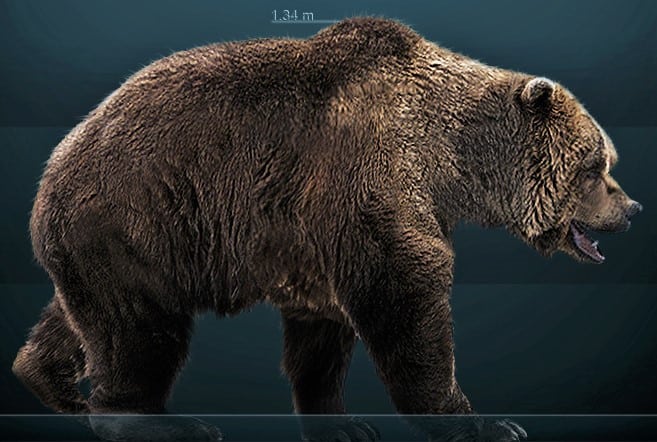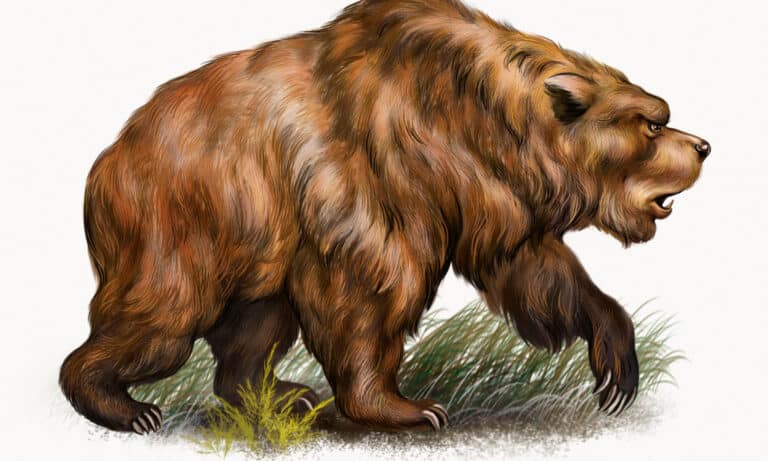

The prehistoric Arctotherium angustidens was the largest bear ever known, dwarfing even today’s massive Kodiak and polar bears. Weighing as much as 3,500 pounds and standing nearly 11 feet tall, this giant short-faced bear dominated South America during the Pleistocene epoch. Its immense bulk and powerful jaws made it one of the most formidable carnivores of its age, able to crush bone and overpower nearly any rival.
Although distantly related to today’s spectacled bear, Arctotherium angustidens lived in a very different world. With few competitors for protein-rich food, it thrived as an apex predator and opportunistic feeder, eating meat, fish, berries, and carrion. Fossil evidence, including massive femur bones found near Buenos Aires, reveals just how gigantic these bears were compared to other species of their time.
Ultimately, competition, changing ecosystems, and reliance on high meat intake contributed to its extinction about a million years ago. Smaller, more adaptable bear species outlasted it, and today only the spectacled bear survives as the last member of its short-faced lineage. Studying Arctotherium angustidens provides a fascinating glimpse into the megafauna of South America and the forces that shaped their rise and fall.
Introduction
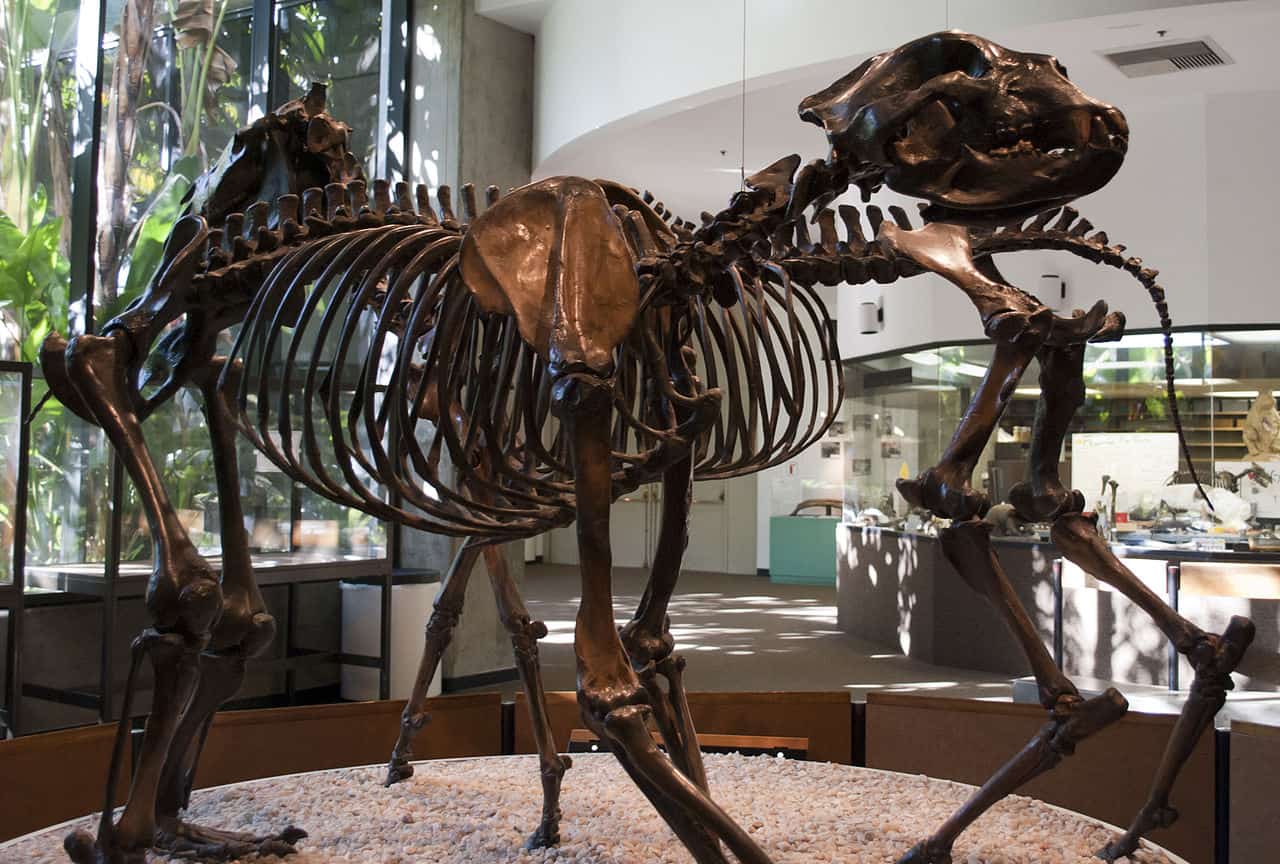
- Arctotherium angustidens was the largest bear ever discovered, weighing up to 3,500 pounds.
- It lived in South America during the Pleistocene epoch and dominated its ecosystem.
- Fossils show it was far larger than any modern bear species.
Description & Size
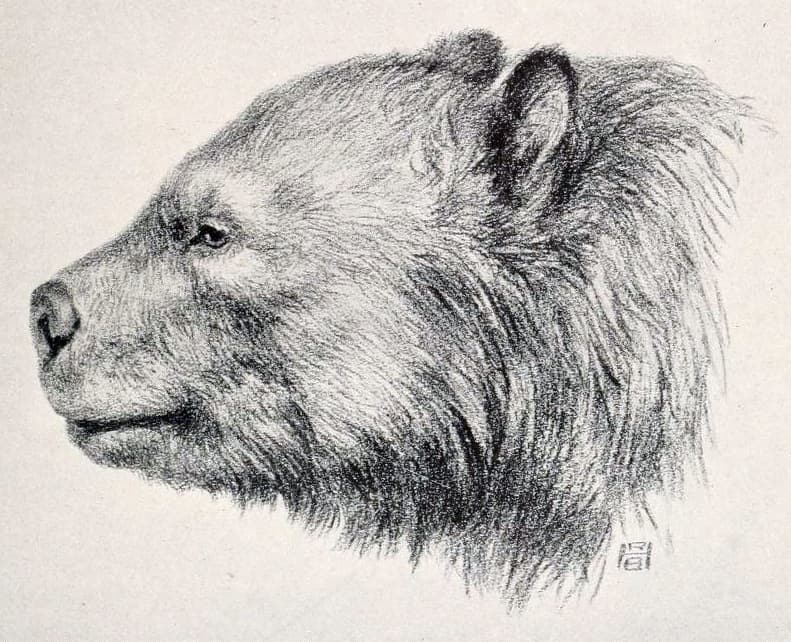
© Robert Bruce Horsfall (1869–1948) / public domain - Original / License
- These bears stood nearly 11 feet tall and were massively bulky rather than tall.
- Males were larger than females, similar to modern bear species.
- Their short snouts gave them the name ‘short-faced bears.’
Comparison to Modern Bears
©slowmotiongli/Shutterstock.com
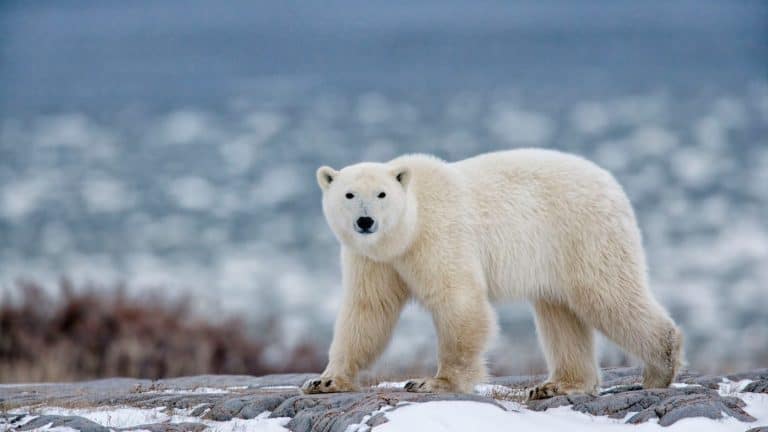
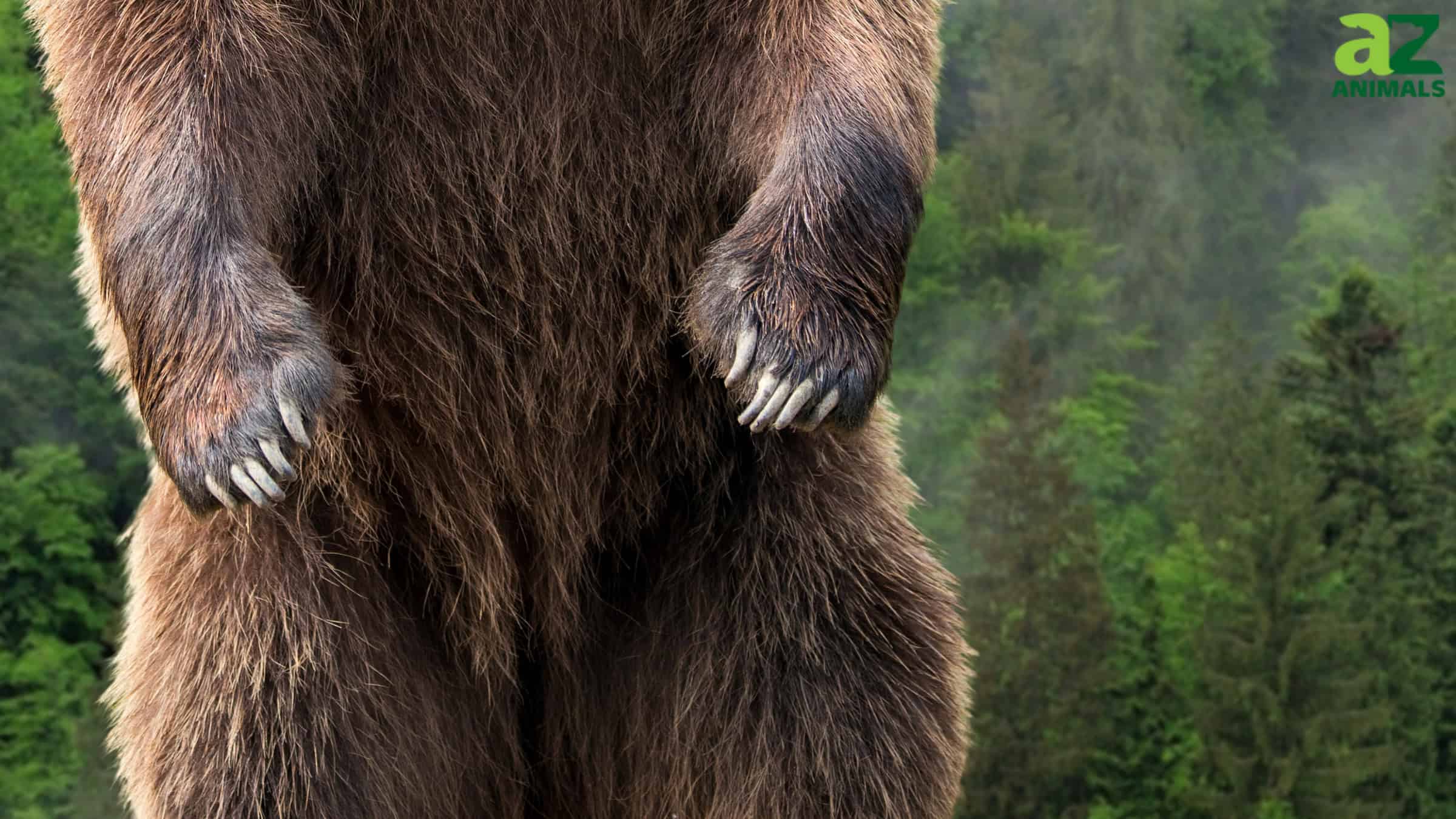
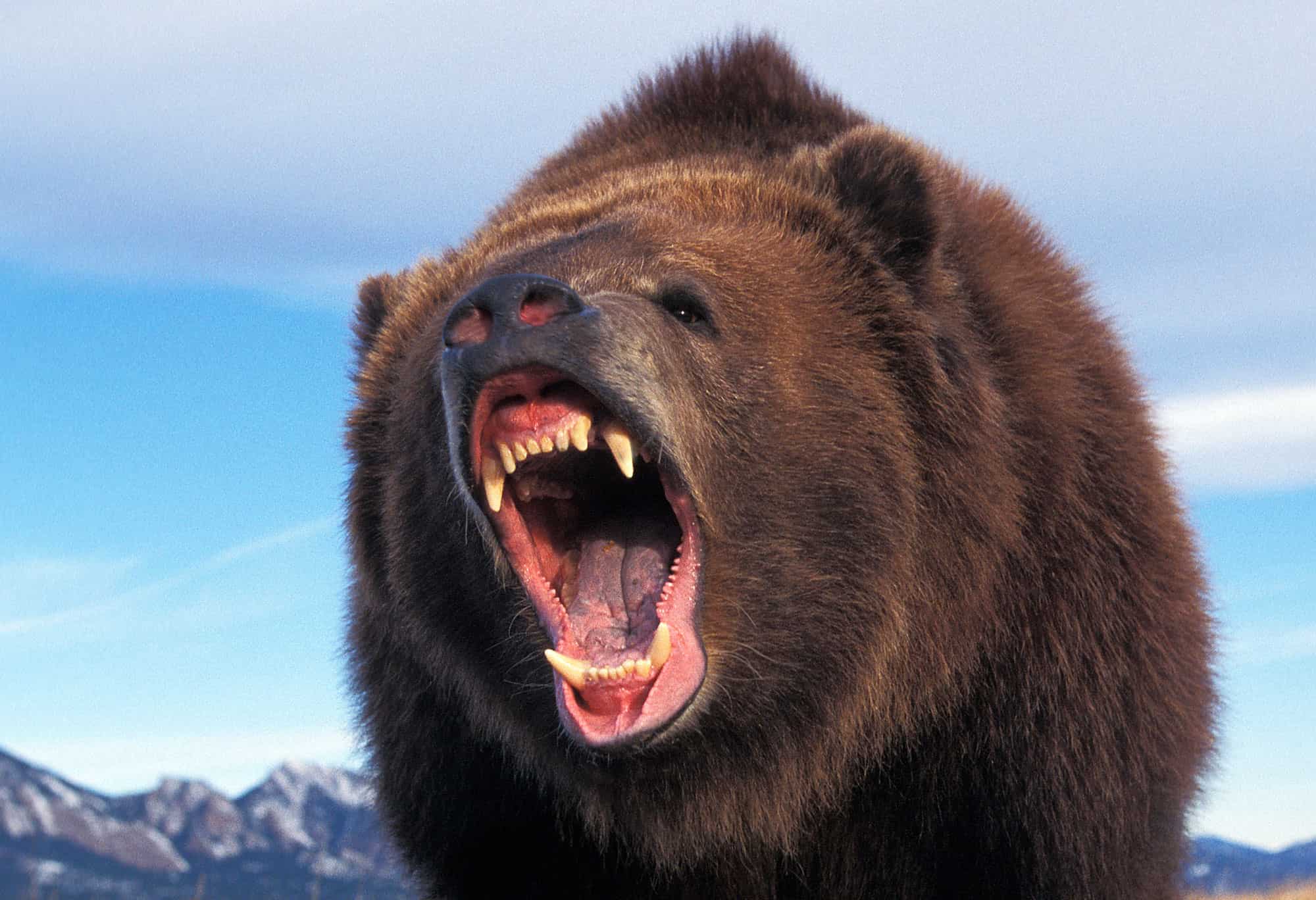
- Even the largest Kodiak bears are only about half the weight of these giants.
- Arctotherium angustidens weighed as much as two times more than modern Kodiaks.
- Their immense strength made them unmatched among land carnivores.
Diet & Feeding
©Dennis W Donohue/Shutterstock.com
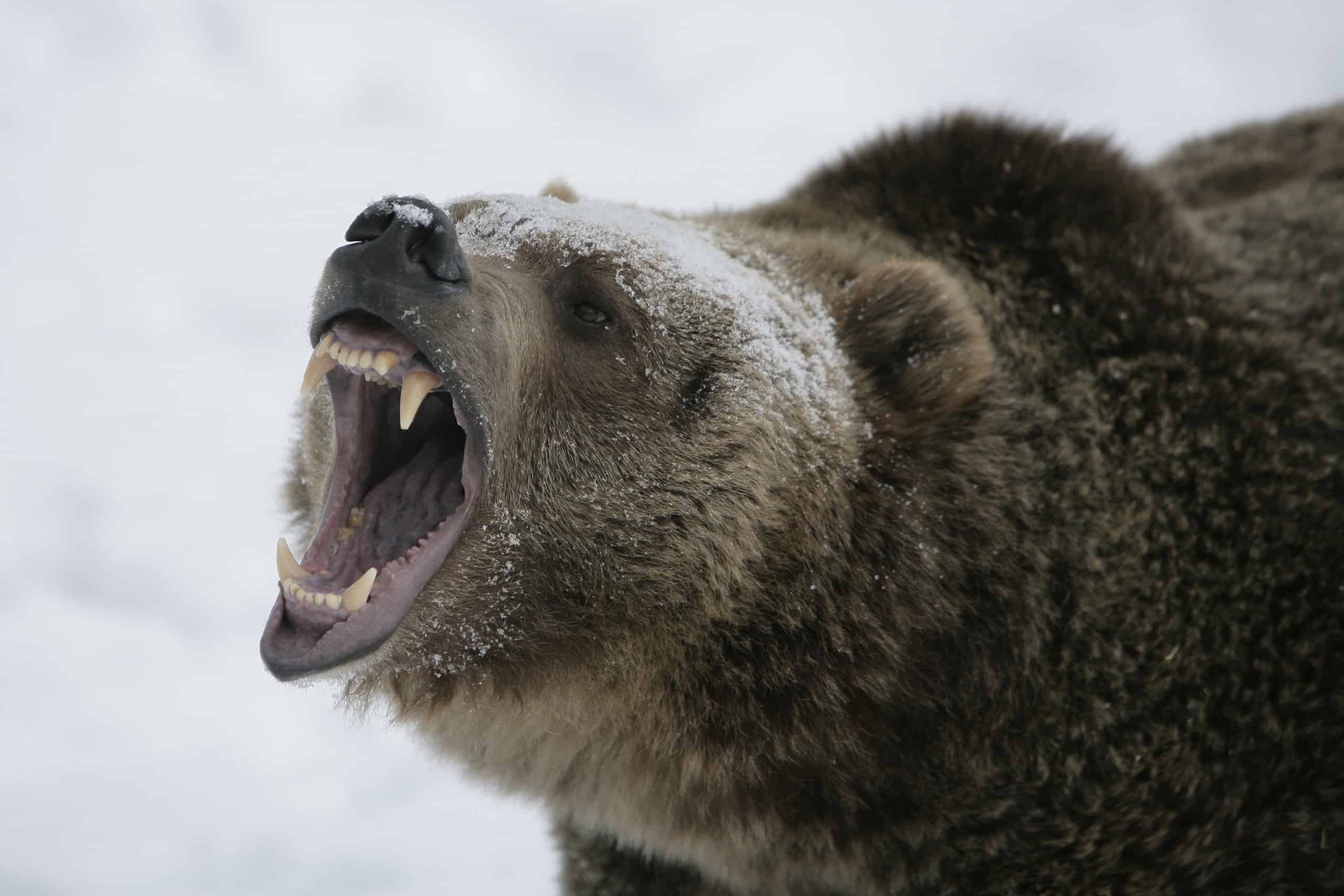
- They were omnivores but relied more heavily on meat than modern bears.
- Powerful jaws allowed them to crush bones and access protein-rich marrow.
- They likely hunted, scavenged, and stole kills from other predators.
Habitat & Range

©streetflash/Shutterstock.com
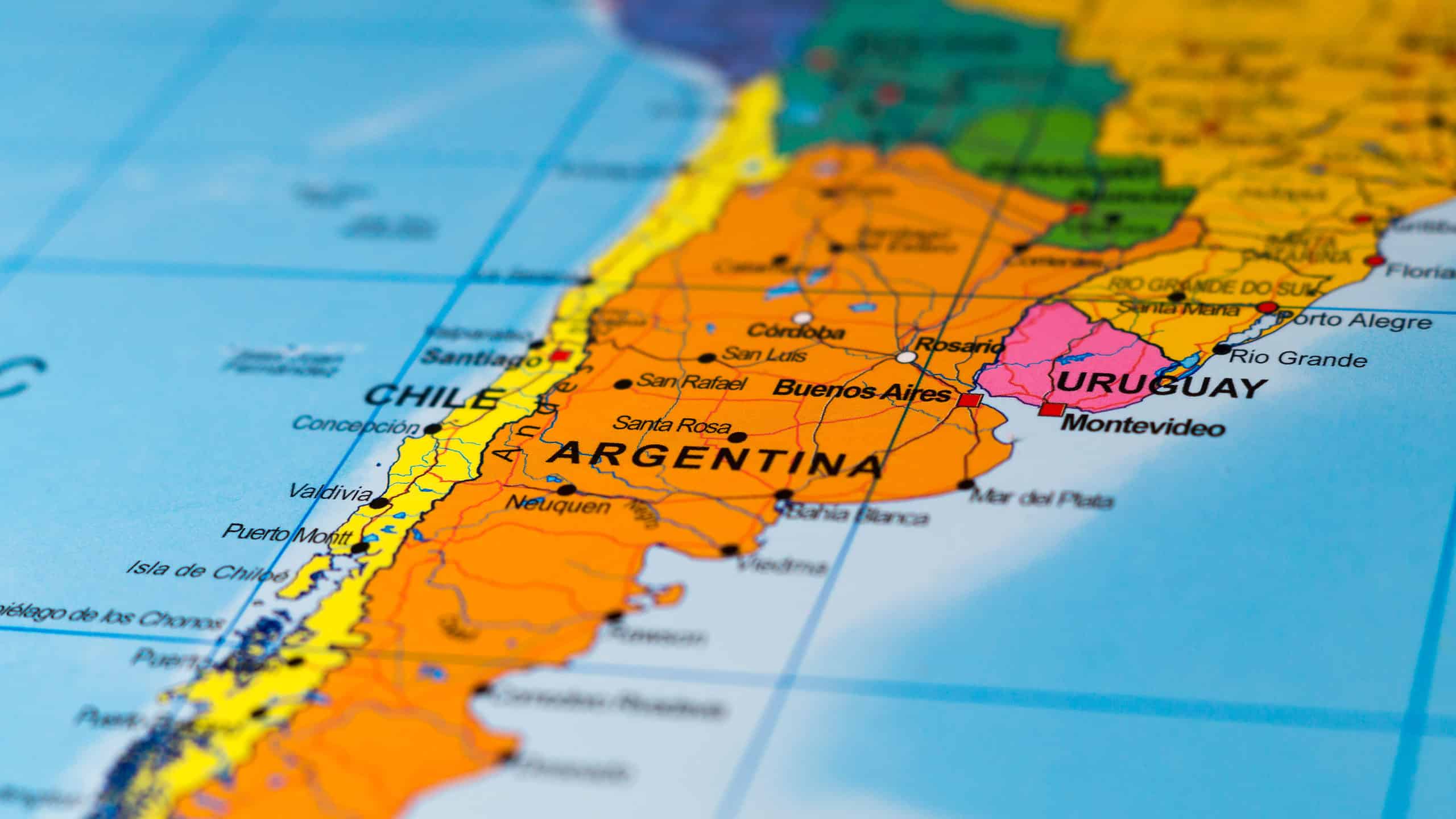
- These bears lived in South America and spread into Central America.
- They thrived during the Pleistocene epoch between 2.6 million and 1 million years ago.
- Fossils have been discovered in Argentina, Brazil, Chile, and beyond.
Threats & Predators
©iStock.com/CoreyFord
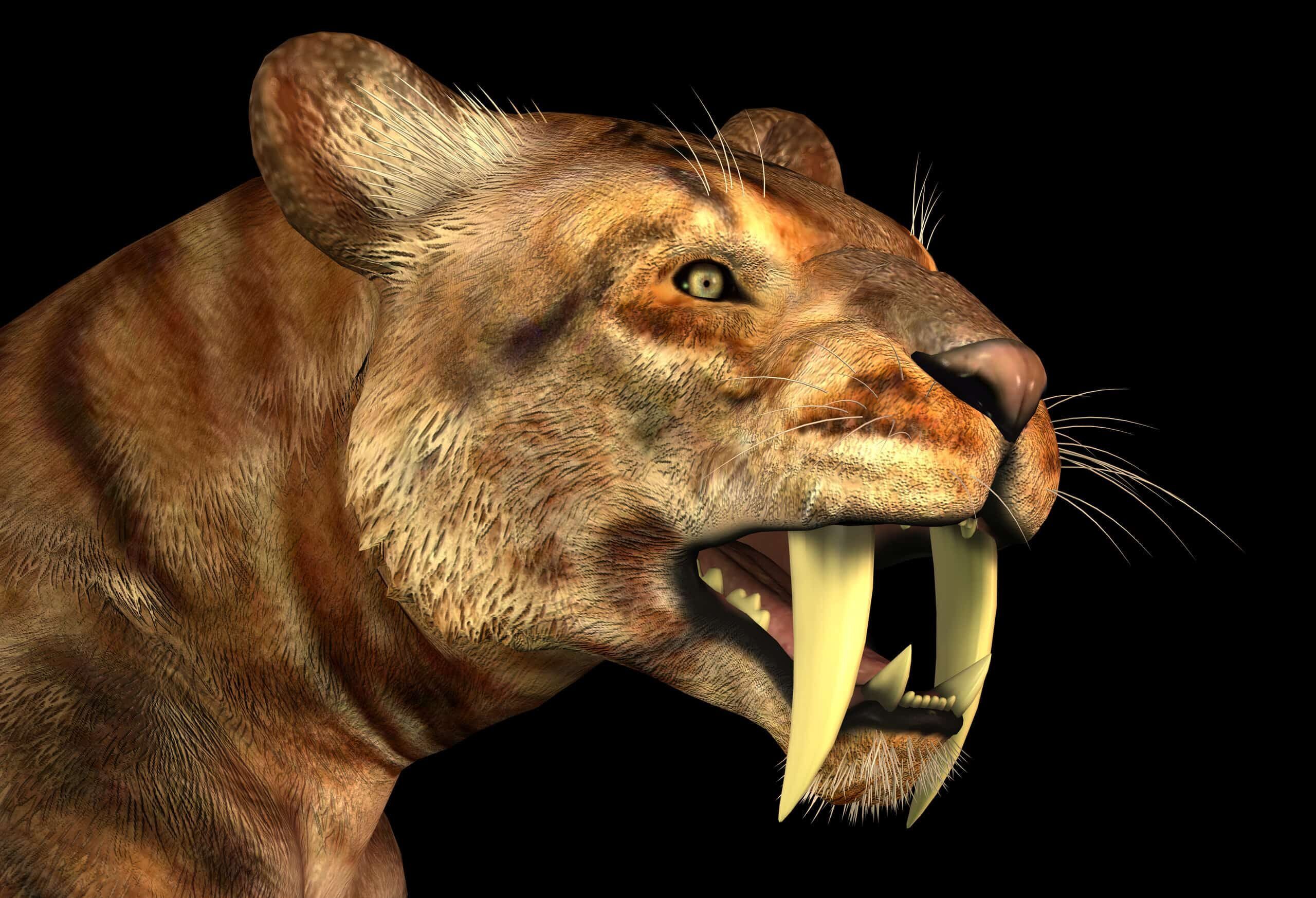
- Few predators could threaten an adult Arctotherium angustidens.
- Cubs and weaker individuals were vulnerable to saber-tooth cats and rivals.
- Competition for resources among bears posed their greatest survival challenge.
Fossil Discoveries
©Timyee/Shutterstock.com
- A giant specimen was uncovered near Buenos Aires, Argentina in 2011.
- Scientists estimated it weighed around 3,500 pounds and stood 11 feet tall.
- Bones, teeth, and skulls help researchers understand their diet and evolution.
Extinction
©Andrei Preda/Shutterstock.com
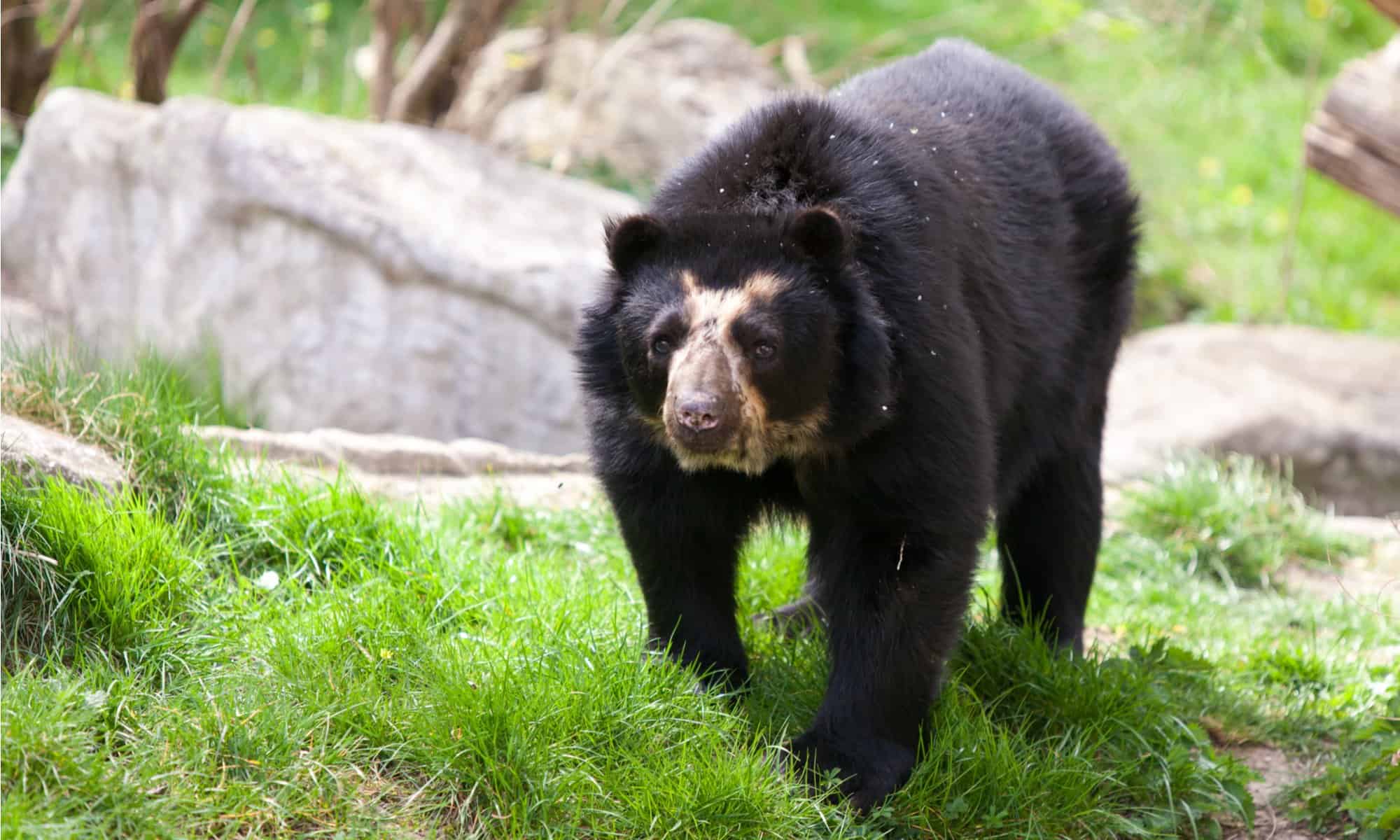
- They required vast amounts of meat to survive, limiting adaptability.
- As ecosystems changed, smaller bear species with flexible diets survived.
- The spectacled bear is their closest living relative today.
Similar Animals
©Daniel Eskridge/Shutterstock.com
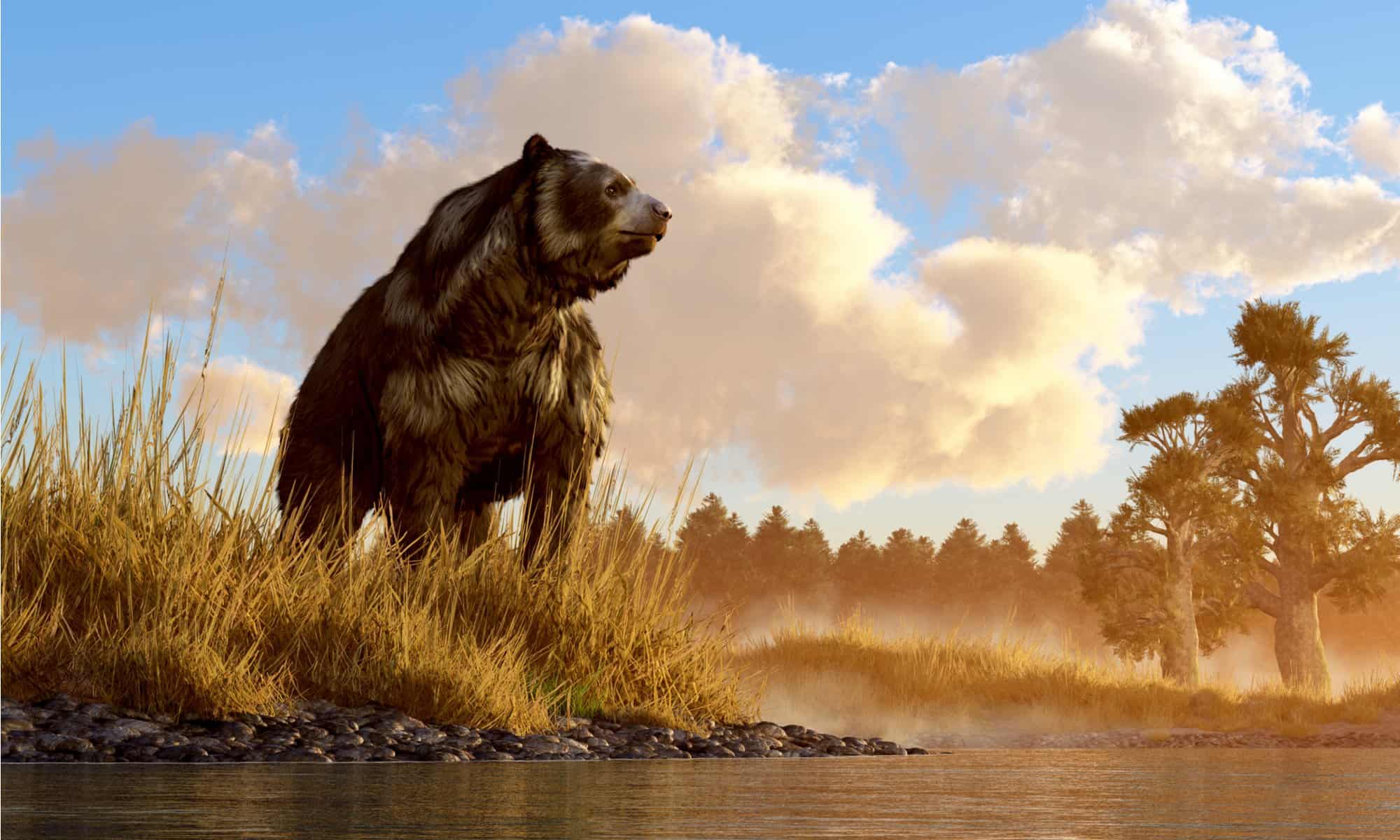
- Kodiak bears are the largest modern bears but are far smaller overall.
- Spectacled bears are the only surviving short-faced bears in South America.
- Cave bears in Eurasia were also massive but still smaller than Arctotherium.
Arctotherium vs Arctodus
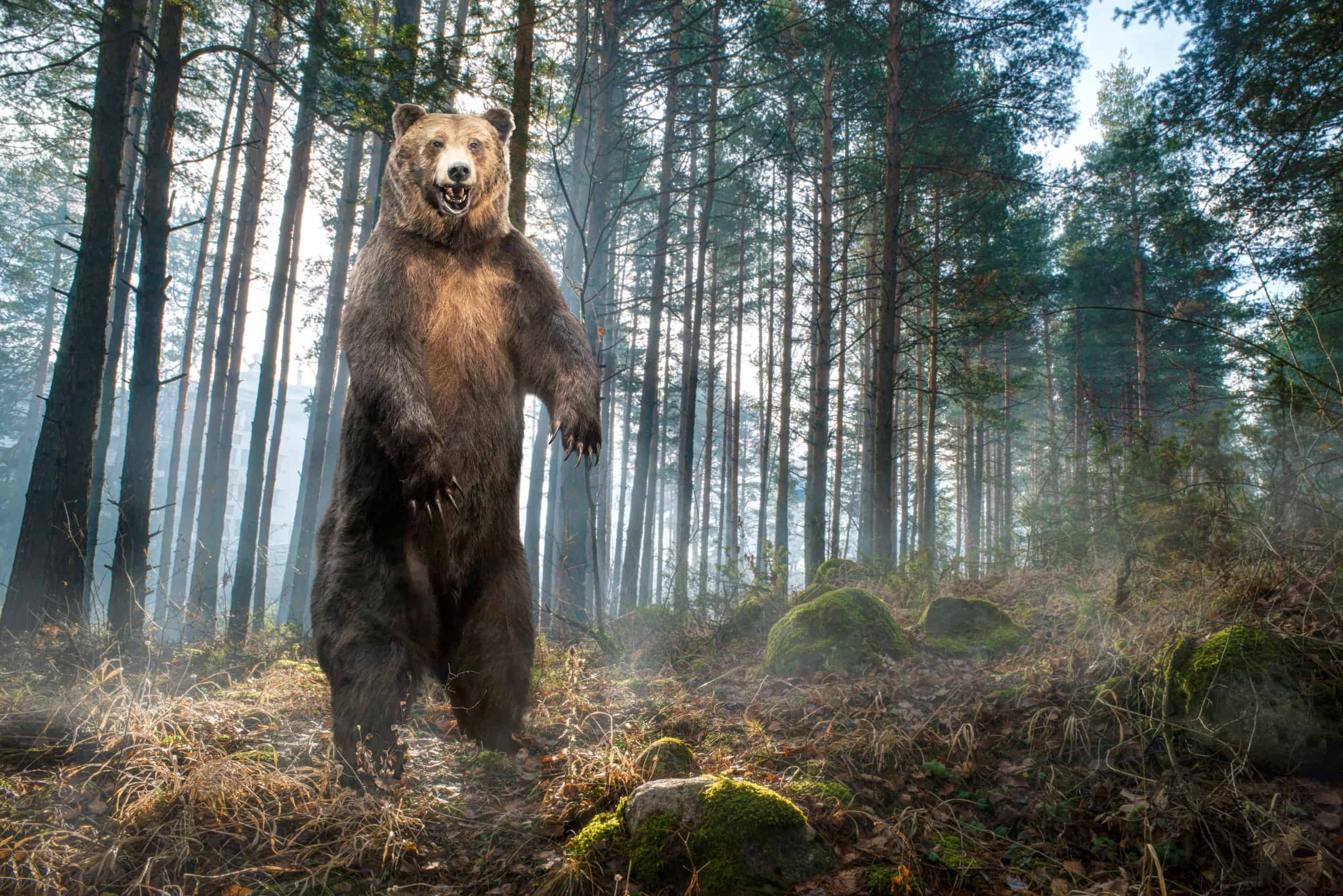
©Degimages/Shutterstock.com
- Both were giant short-faced bears in the Tremarctinae subfamily.
- Arctotherium dominated South America, while Arctodus spread across North America.
- They evolved similar traits through convergent evolution before going extinct.