
Quick Take
- While the grizzly bear is a dominant predator today, it is significantly smaller than its prehistoric ancestors.
- The extinct Arctotherium angustidens (South American Short-Faced Bear) holds the title of the largest bear ever identified, with some specimens estimated to weigh over 2,500 pounds—nearly three times the size of an average male grizzly.
- Among living species, the polar bear is the largest terrestrial carnivore on Earth, followed closely by the kodiak bear. Both species dwarf the mainland grizzly due to specialized diets and environments.
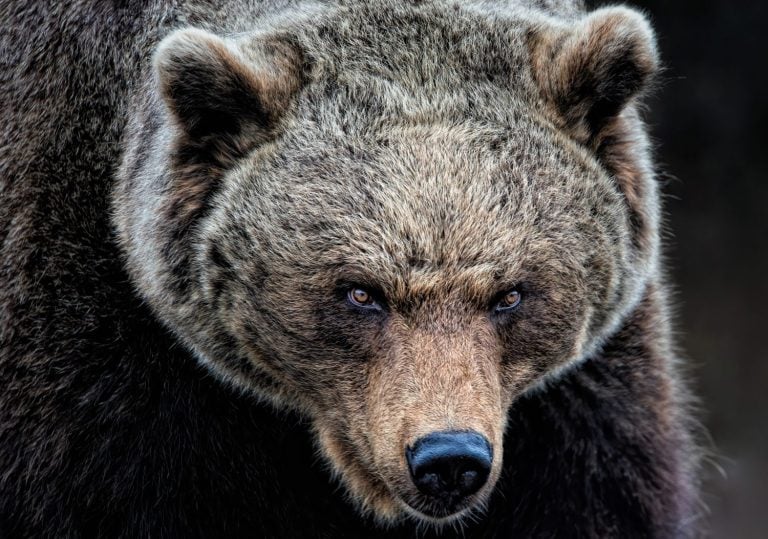
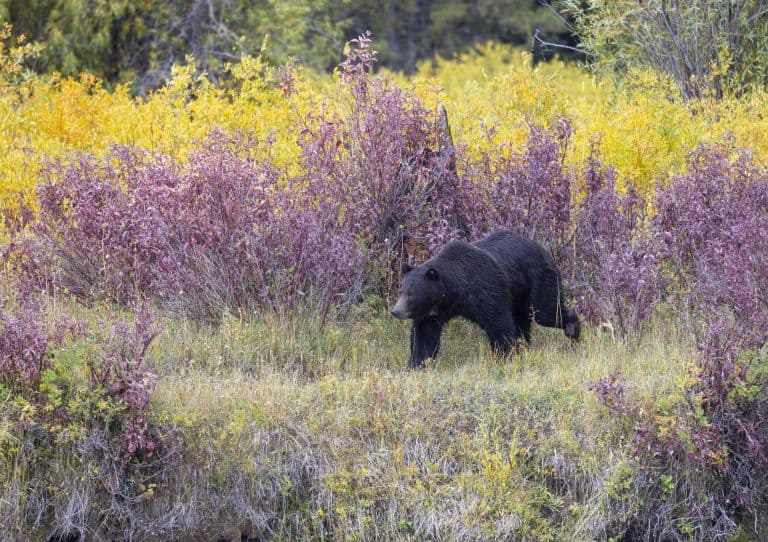
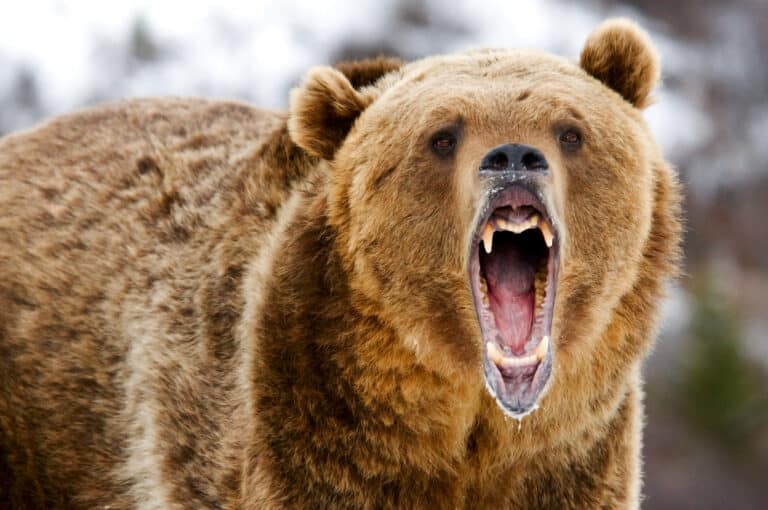
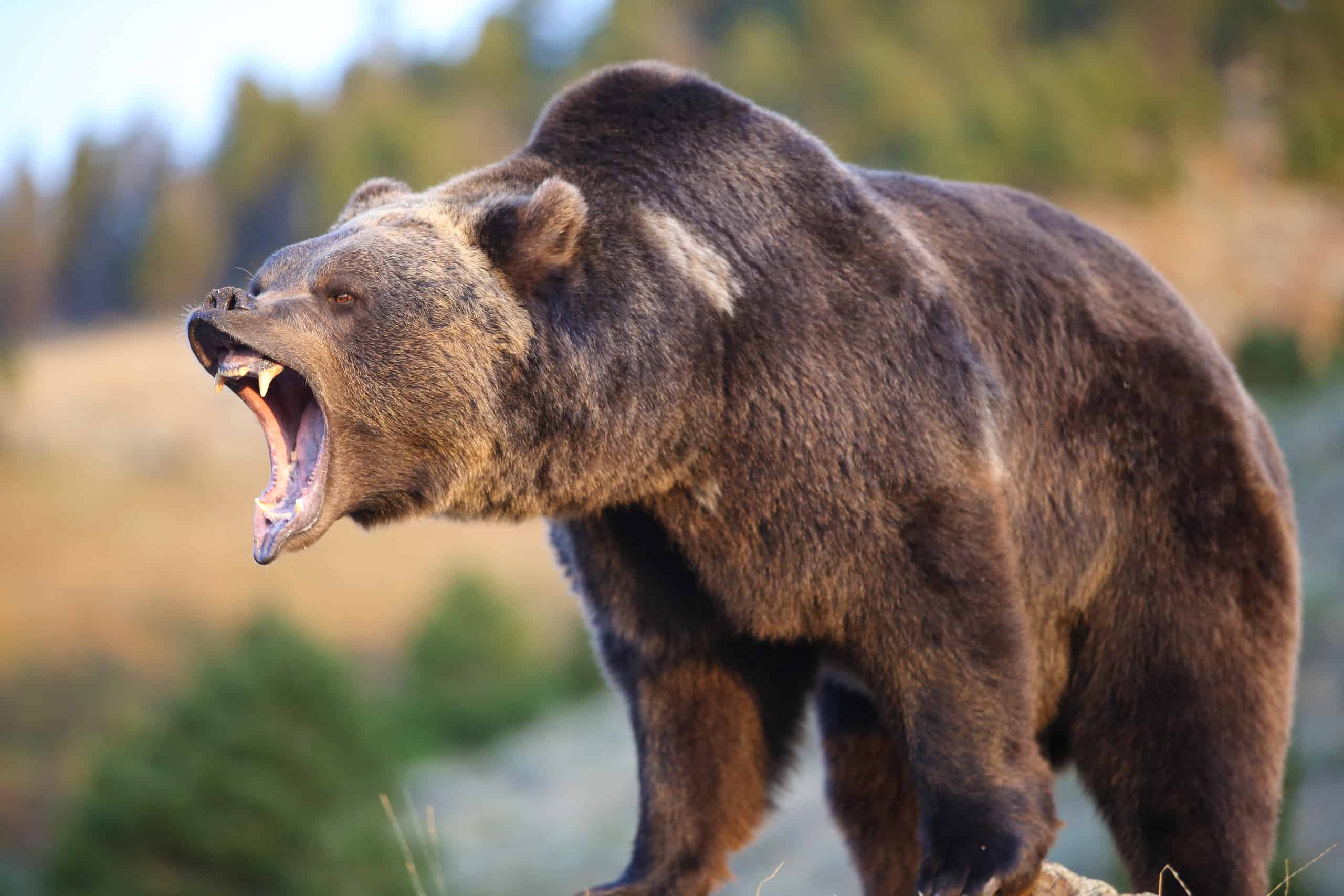
Grizzly bears are massive animals and among the largest land predators in North America today. Adult males typically weigh between 400 and 900 pounds, stand about 3 to 5 feet tall at the shoulder, and can reach roughly 8 feet when standing upright. Females are smaller, usually about half to two-thirds the size of males.
While grizzlies are impressive, they are not the largest bears to ever exist. Both living and extinct species have surpassed them in size. Here are five bears that were, on average or at their upper extremes, larger than a grizzly.

5. Kodiak Bear (Ursus arctos middendorffi)
The Kodiak bear is a subspecies of brown bear found only in Alaska’s Kodiak Archipelago. It is the largest living subspecies of brown bear and, on average, slightly larger than mainland grizzlies.
Adult male Kodiak bears commonly weigh between 800 and 1,200 pounds, though exceptionally large individuals can exceed 1,500 pounds. When standing on all fours, they measure about 4 to 5 feet at the shoulder and can reach up to about 9 or 10 feet when standing upright.
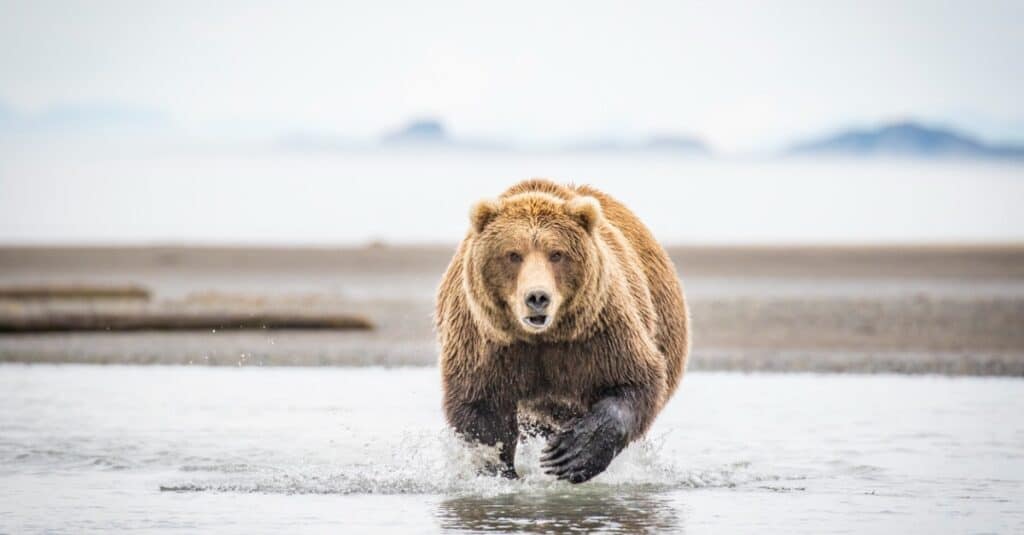
The Kodiak bear is larger than the grizzly.
©iStock.com/Jess Bray
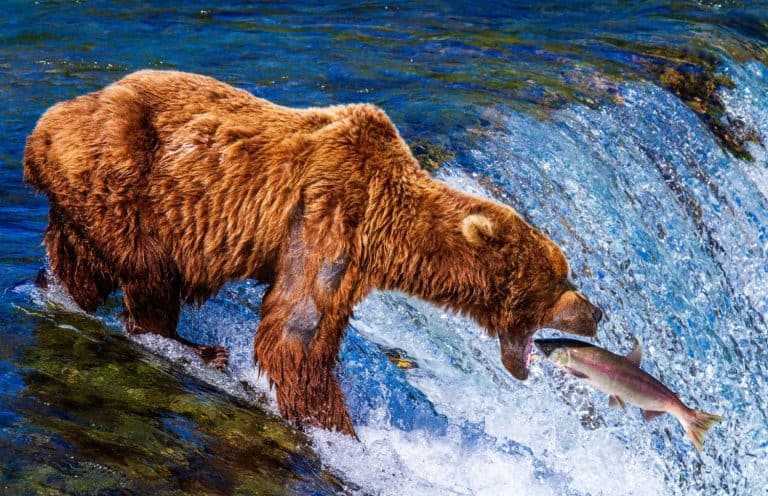
Kodiak bears have heavier bone structure and greater muscle mass than most grizzlies. Unlike grizzlies, they sometimes tolerate one another in high-food areas such as salmon streams, where temporary social groupings may form.
4. Polar Bear (Ursus maritimus)
Polar bears are the largest living bear species and the largest terrestrial carnivores alive today. They inhabit Arctic regions of Alaska, Canada, Greenland, Russia, and surrounding sea ice.
Adult males typically weigh between 900 and 1,500 pounds, though individuals exceeding this range have been recorded. When standing upright, most adult males measure between 7 and 10 feet tall. Exceptional individuals may approach the upper end of that range, but reports of 12-foot polar bears are not well documented.
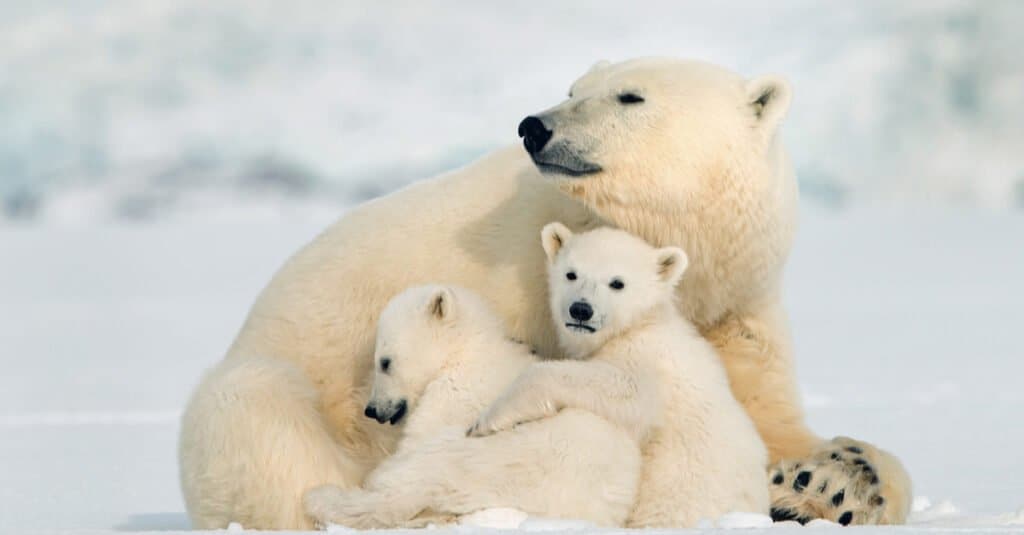
Polar bears are currently the largest bears alive.
©isabel kendzior/Shutterstock.com
Polar bears are highly specialized predators that rely primarily on seals for food. Their size, thick fat layer, and dense fur help them survive extreme Arctic conditions.
3. Giant Short-Faced Bear (Arctodus simus)
The giant short-faced bear was one of the largest land-dwelling mammalian predators ever to live in North America. It went extinct at the end of the last Ice Age, roughly 11,000 years ago.
Estimates suggest large individuals may have weighed between 1,600 and 2,000 pounds. Standing upright, the bear could reach heights of around 10 to 11 feet. Its long legs and relatively short snout gave it a distinctly different appearance from modern bears.
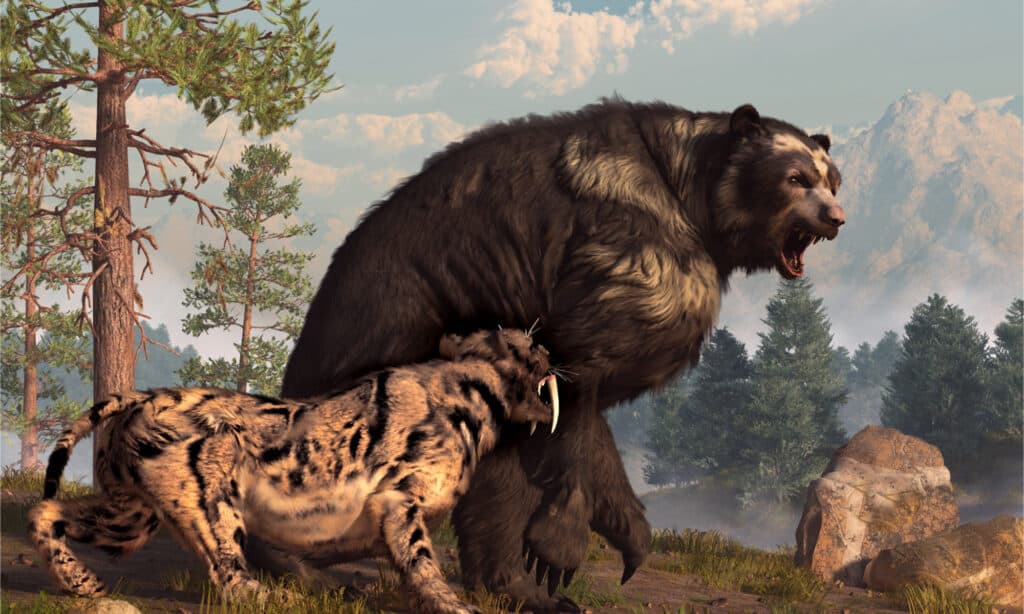
Arctodus bears’ teeth were two inches long and their claws were 3 inches long, so they probably didn’t have to fear saber-toothed cats.
©Daniel Eskridge/Shutterstock.com
Scientists debate its lifestyle. Some evidence suggests it was an active predator and scavenger capable of traveling long distances efficiently, though claims about extreme running speeds remain speculative.
2. Cave Bear (Ursus spelaeus)
The cave bear lived in Europe and parts of Asia during the Pleistocene epoch and went extinct approximately 24,000 to 30,000 years ago.
Adult males are estimated to have weighed between 800 and 1,500 pounds, with the largest individuals possibly exceeding 2,000 pounds. When standing upright, cave bears may have reached heights of around 9 to 10 feet.
Despite their size, isotopic evidence suggests cave bears were largely herbivorous, feeding primarily on plants. Their name comes from the large number of fossils found in caves, likely because caves preserved their remains rather than because the species lived there year-round.
1. South American Short-Faced Bear (Arctotherium angustidens)
Arctotherium angustidens is widely regarded as the largest bear species ever identified. It lived in South America during the early Pleistocene and went extinct roughly 10,000 years ago.
Fossil evidence indicates that the largest individuals may have weighed more than 2,500 pounds, making them significantly heavier than modern bears. When standing upright, they may have reached heights of approximately 10 to 11 feet. Some estimates suggest even larger sizes, but these are based on fragmentary remains and should be treated cautiously.
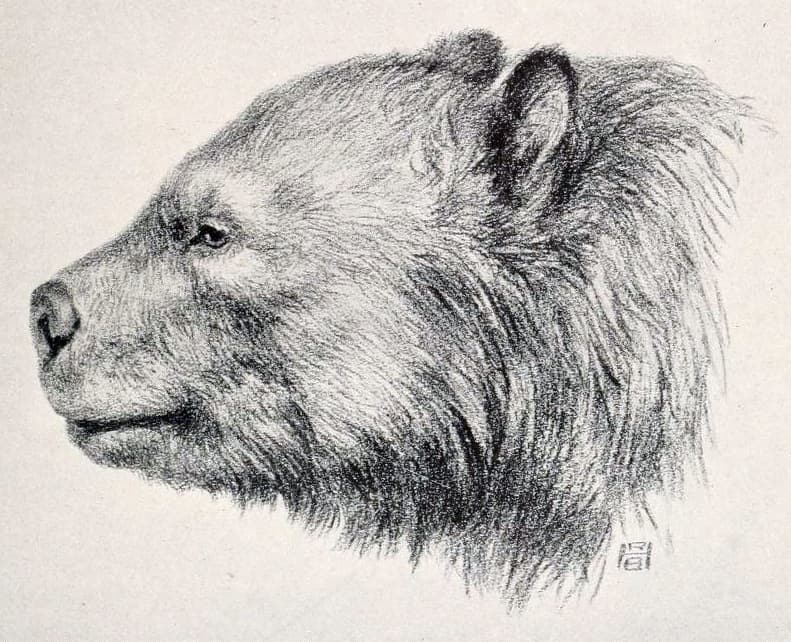
The Arctotherium, seen here in a sketch drawing, was found largely in South America. Image: Robert Bruce Horsfall, Public domain, via Wikimedia Commons
© Robert Bruce Horsfall (1869–1948) / public domain – Original / License
Even conservative estimates place Arctotherium angustidens well above the size of a modern grizzly bear.
How Long Do Bears Live?
Grizzly bears typically live 20 to 25 years in the wild and can reach 40 years or more in captivity. Kodiak bears have similar lifespans, though exceptionally old individuals are rare.
Polar bears often live into their early 20s in the wild, with some reaching their late 20s or early 30s under favorable conditions. Cubs face high mortality, which lowers average lifespan statistics.
Extinct bears likely had lifespans comparable to modern large bears, though precise figures are unknown.