
Quick Take
- Over 300 bird species can be seen in Massachusetts.
- Massachusetts is located along the Atlantic migratory flyway.
- Coastal, inland, and urban locations host an astounding variety of birds.
Due to its diverse habitats, extensive coastline, and location along a major Atlantic migratory flyway, Massachusetts hosts over 300 bird species in its salt marshes, beaches, forests, backyards, and urban parks. The best time for birdwatching in Massachusetts is during the month of May, when spring migration is at its peak, offering the highest diversity of species. The birds are significantly more vocal in May because it is the spring breeding season. Driven by male birds singing to attract mates, their singing makes them easier to locate and identify. While May is the peak, Massachusetts offers excellent bird-watching year-round. Massachusetts’ birding opportunities are categorized by their geographic profiles: coastal, inland, and urban. Each location offers a distinct experience, hosting a diverse range of avian species that vary by habitat and season. Continue reading to discover the best places to see birds in Massachusetts.
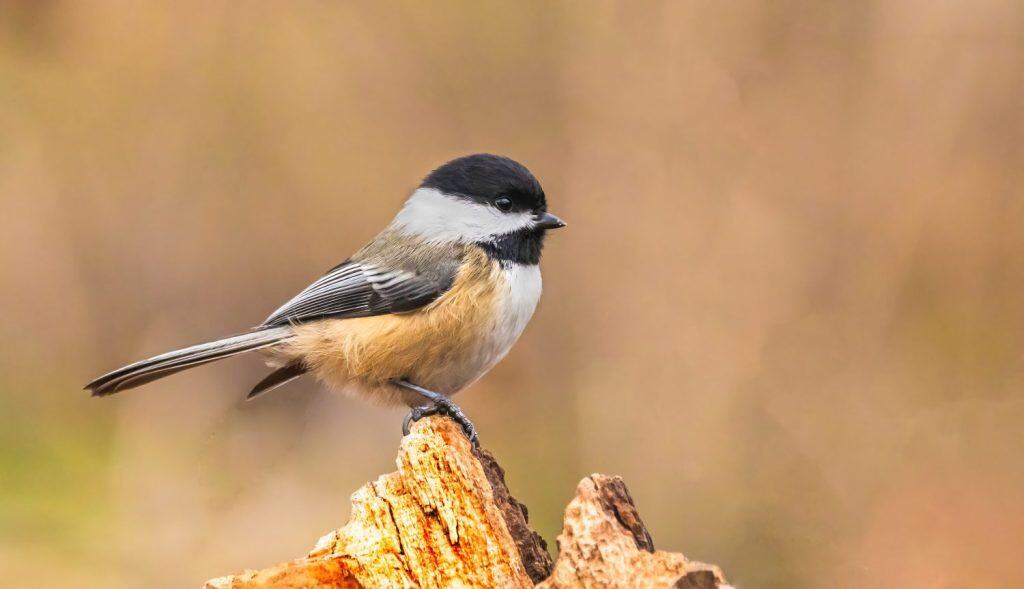
The black-capped chickadee is the official state bird of Massachusetts.
©Elle777/Shutterstock.com
Coast Birding Hotspots
Coastal bird-watching in Massachusetts offers year-round opportunities across its barrier beaches, salt marshes, and rocky shores. Spring (March–June) is defined by the return of migratory songbirds, waders, and nesting shorebirds, notably Piping Plovers and Least Terns, which start nesting in mid-April, necessitating protected beach areas.
In summer (late June–August), the birds are focused on raising young, with marsh areas offering views of Osprey, herons, and egrets, while late July initiates the southward fall migration of shorebirds like sandpipers on tidal flats.
Fall (September–November) is the peak migration for warblers and raptors, like peregrine falcons, along with substantial shorebird movement.
Winter (December–February) is a surprising highlight, as birders visit rocky coasts at Cape Ann to view harlequin ducks, purple sandpipers, and seabirds like razorbills, while snowy owls often patrol the dunes.

Harlequin ducks visit Massachusetts from late fall to early spring.
©Wilfred Marissen/Shutterstock.com
Parker River National Wildlife Refuge
Parker River Wildlife Refuge is a wildlife sanctuary on Plum Island, along the Northeast coast of Massachusetts. The wildlife refuge was established to provide feeding, nesting, and resting habitats for migratory birds. It spans about 4,700 acres of the island, most of which is salt marsh. The refuge offers a 6.5-mile wildlife drive, along with hiking trails, marsh boardwalks, and two observation towers.
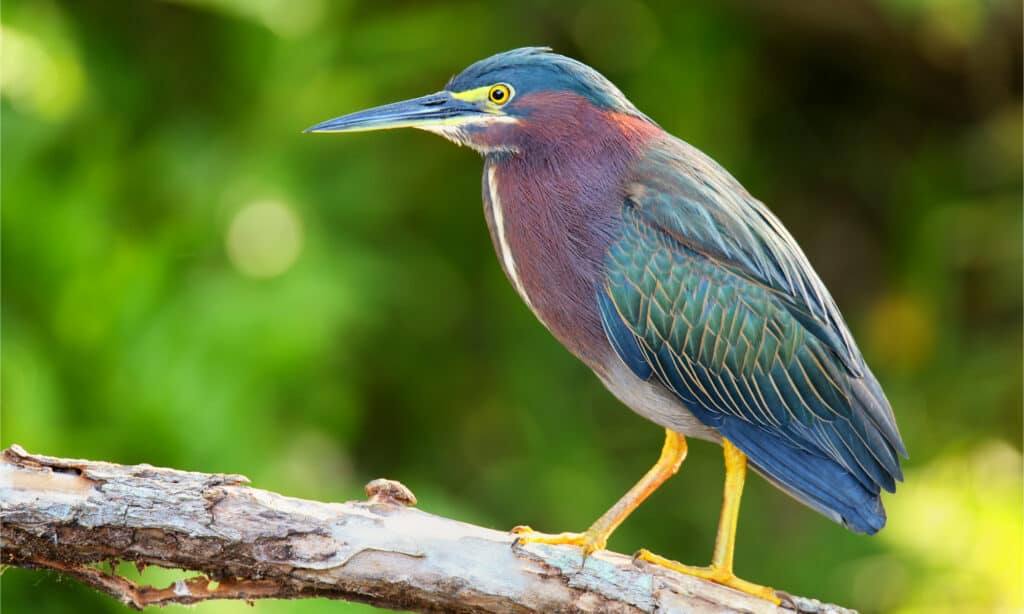
You can sight the green heron by exploring the Parker River wildlife refuge.
©Don Mammoser/Shutterstock.com
Common bird species at Parker River National Wildlife Refuge include:
- Saltmarsh Sparrow
- Piping Plover
- Raptor
- Sharp-Shinned Hawk
- American Kestrel
- Warbler
- Tree Swallow
- Flycatchers
- Herons
- Peregrine falcon
- Snowy Owl
- Rough-legged Hawk
- Long-Tailed Duck
Cape Cod National Seashore
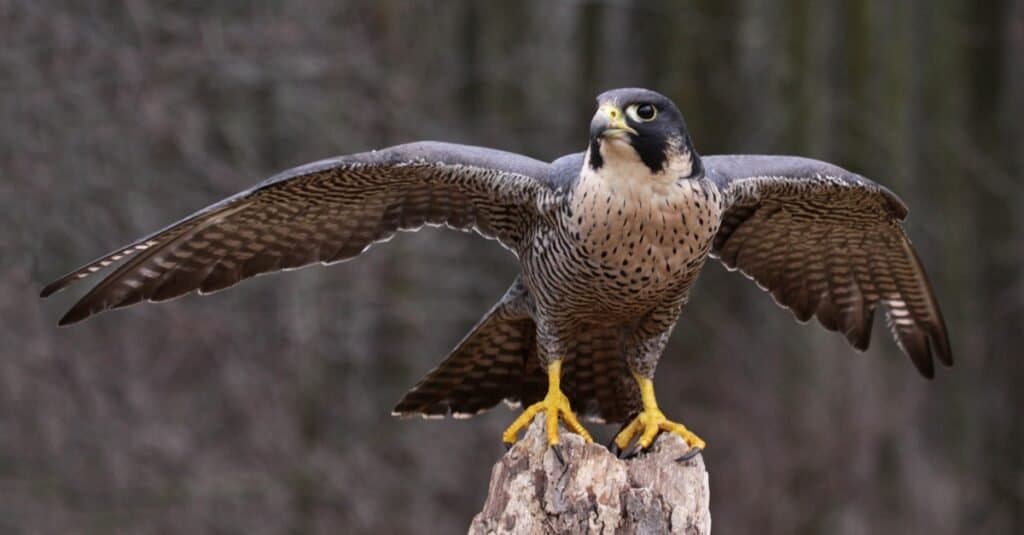
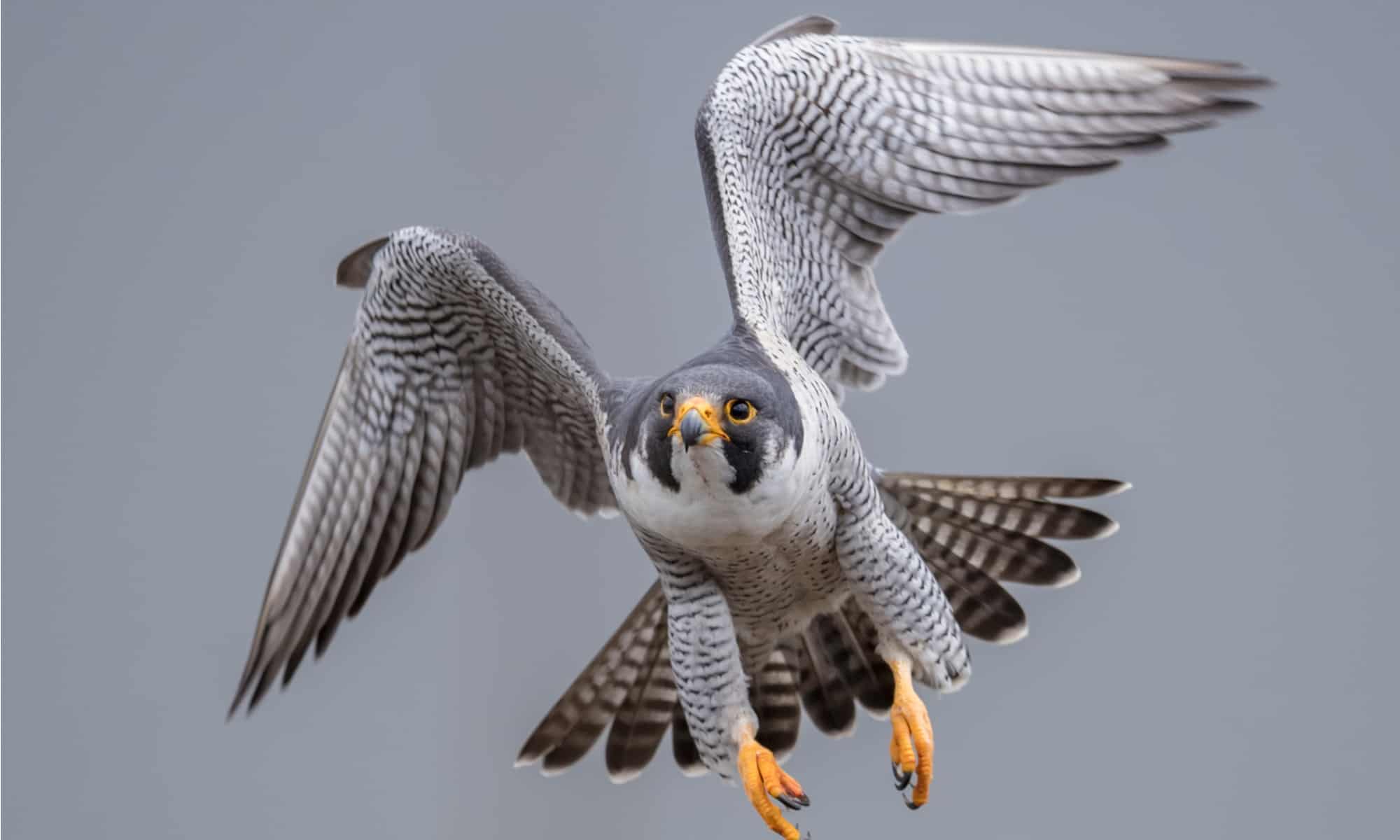
Peregrine falcons are common on Cape Cod seashore.
©Chris Hill/Shutterstock.com
Cape Cod’s geographic location makes it a prime area for feeding, nesting, and migrating birds. The seashore encompasses 46,000 acres of marine, freshwater, and upland areas and is home to about 370 bird species.
Common bird species at Cape Cod National Seashore include:
- Piping Plover
- Waterfowl
- Royal Tern
- King Rail
- Vesper Sparrow
- Sharp-Shinned Falcon
- Peregrine Falcon
- Northern Harrier
- Marsh Wren
- Least Tern
- Great Egret
- Willow Flycatcher
- Baltimore Oriole
- American Bittern
Joppa Flats
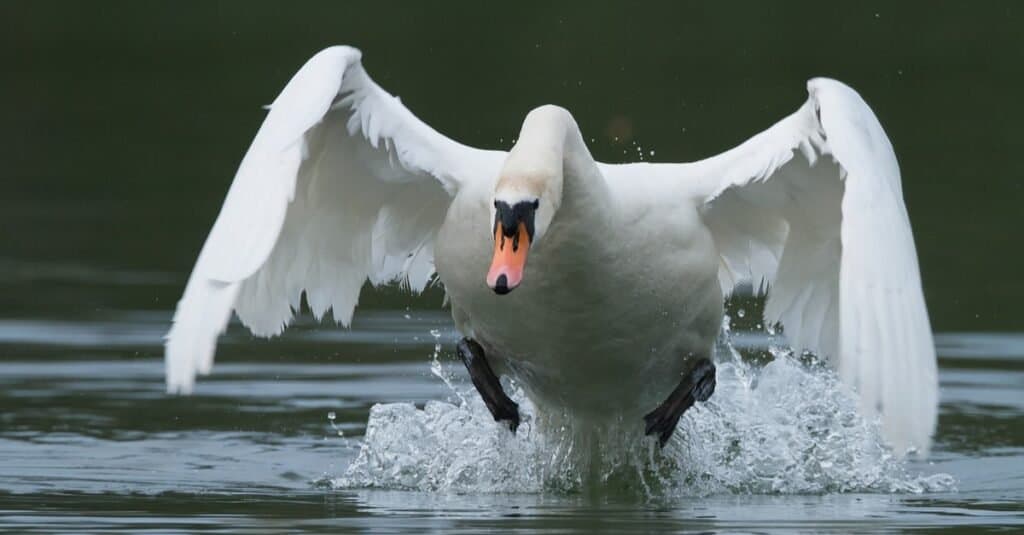
Joppa Flats provides the opportunity to bird-watch animals like the mute swan.
©Tone Trebar/Shutterstock.com
One of Massachusetts’ most important migration stopovers on the Atlantic flyway is Joppa Flats. It is near the entrance to Parker National Wildlife Refuge and overlooks the Merrimack River. It also has a wildlife educational center and guided tours.
Joppa Flats has recorded over 300 bird species, including:
- Northern Shrike
- White-Eyed Vireo
- Indigo Bunting
- Palm Warbler
- American Crow
- Black-Capped Chickadee
- Ovenbird
- Nelson’s Sparrow
- Veery
- Snow Goose
- Mute Swan
- Green Heron
Wellfleet Bay Wildlife Sanctuary
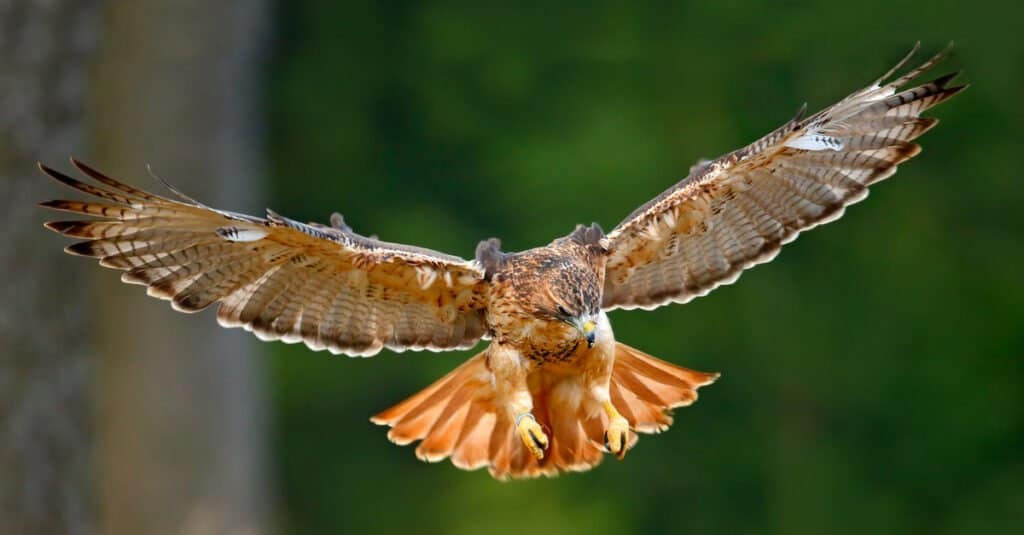
The red-tailed hawk can be found in Wellfleet bay Wildlife Sanctuary.
©Ondrej Prosicky/Shutterstock.com
The Wellfleet Bay wildlife sanctuary is another beautiful place that offers excellent birding throughout the year. It is home to over 310 bird species, making it one of the busiest bird hotspots on Cape Cod. Mass Audubon bought the original 366-acre property in 1958 and has grown to more than 1100 protected acres for birds and other wildlife.
The sanctuary has shorelines overlooking Wellfleet Harbor and extensive trails with views of pine woodlands, a sandy barrier beach, and a salt marsh. As a result, it attracts different wildlife. Some of the trails in the sanctuary include the Great Island trail, Goose Pond Trail, Pilgrim Spring Trails, Silver Spring Loop, and four other trails.
Common bird species at the Wellfleet Bay Wildlife Sanctuary include:
- Tree Swallow
- Red-Tailed Hawk
- Eastern Bluebird
- Northern Flicker
- Great Horned Owl
- Gray Catbird
- Wild Turkey
- Ruby-Crowned Kinglet
- American Redstart
- American Goldfinch
Inland Birding Hotspots
Inland bird-watching in Massachusetts offers diverse opportunities throughout the year. In spring, migrating warblers, vireos, and thrushes pass through inland woodlands in large numbers. These species often arrive to forage and rest in forests and wetlands before moving farther north.
Summer is active in wetland areas that are home to nesting Wood Ducks, waders, and Marsh Wrens, as well as grassland birds including Bobolinks.
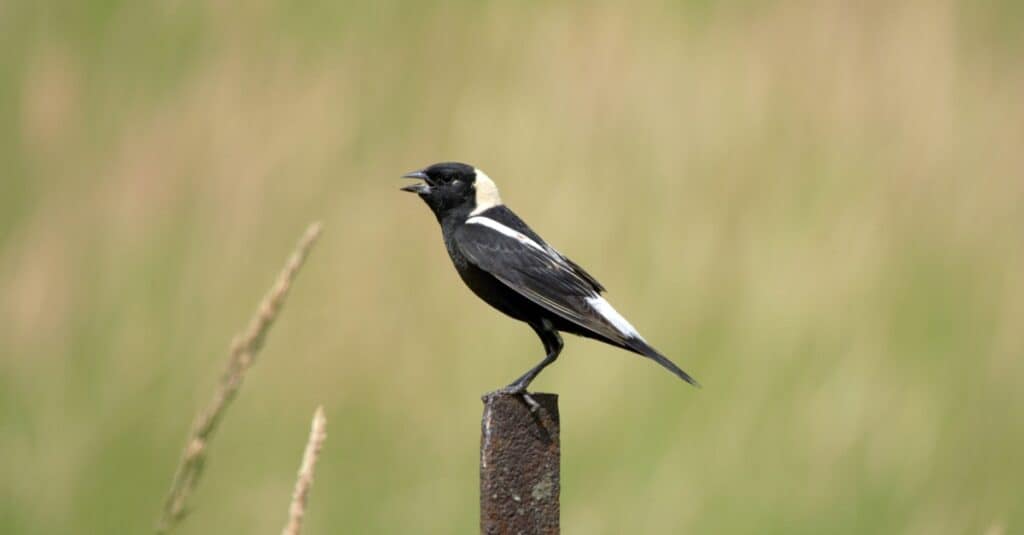
Bobolinks can be found inland in Massachusetts.
©iStock.com/Carol Hamilton
Fall features migrating raptors and sparrows, with August being a notable time for shorebirds at drying inland mudflats. In winter, the focus is on hardy residents and visitors such as bald eagles, as well as Northern finches and woodpeckers.
Great Meadows National Wildlife Refuge
The Great Meadows National Wildlife Refuge is part of the National Wildlife Refuge system and one of Massachusetts’ best bird-watching spots. The 12-mile-long river wetland conservation area is a popular destination for tourists and birdwatchers. It is divided into several units, with the two main ones being the Concord unit and the Sudbury unit.
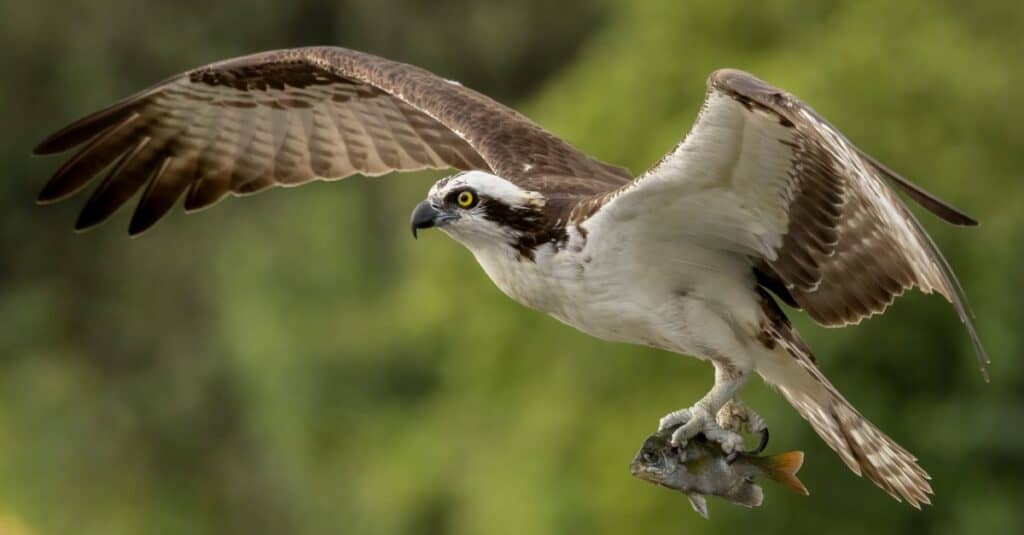
Birds like osprey can be seen in the Great Meadows wildlife refuge.
©iStock.com/Harry Collins
The Concord unit is considered one of the best inland birding areas in Massachusetts. The site has a wildlife observation platform, an observation tower, and direct access to the Concord River. Summer is the most active season of the year for all bird species at the Great Meadows refuge.
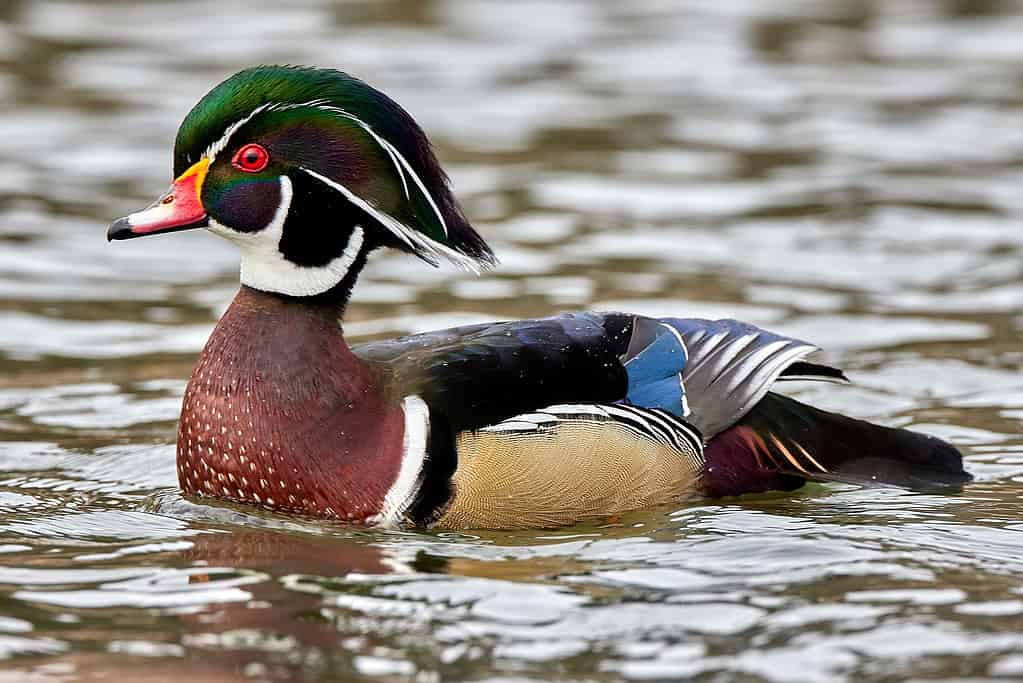
Wood ducks can be found at the Great Meadows National Wildlife Refuge in early spring.
©Wirestock/iStock via Getty Images
Common bird species at the Great Meadows National Wildlife Refuge include:
- Wood Duck
- Green Blue Heron
- Great Egret
- American Goldfinch
- Greater Yellowleg
- Red-Bellied Woodpecker
- Northern Flicker
- Marsh Wren
- Song Sparrow
- Common Grackle
- Osprey
- Red-Tailed Hawk
- Wild Turkey
Quabbin Reservoir
Quabbin Park is on the southern end of the Quabbin Reservoir in Belchertown and Ware, Massachusetts. It offers excellent birding across diverse habitats, including forest, reservoir shoreline, and grasslands, where birders can explore a mix of high-canopy, unfragmented forests, forest edges, wetlands, and open reservoir views.
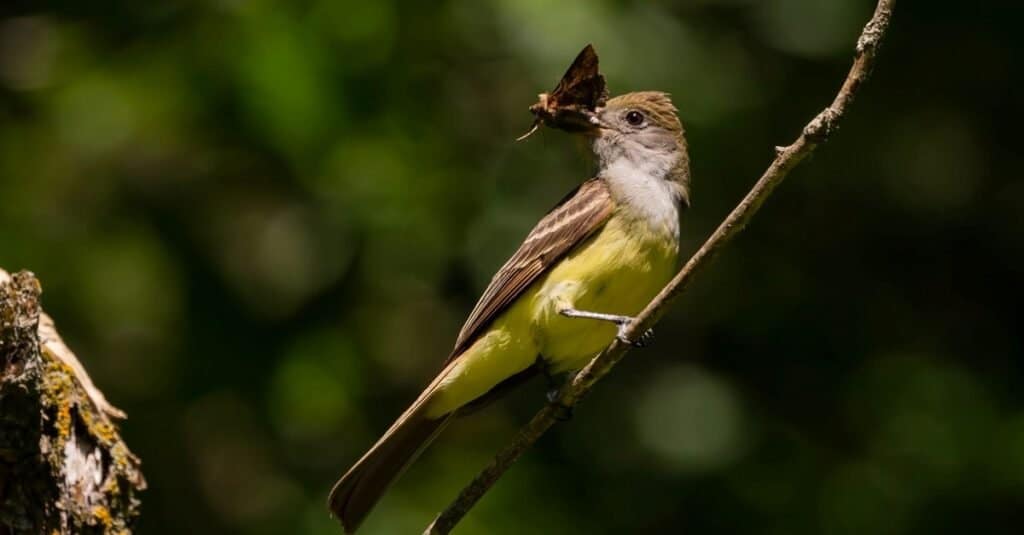
Great crested flycatchers are found around Quabbin Park and Reservoir.
©iStock.com/Karel Bock
The park features 12 miles of public roads for driving and 14 miles of trails for hiking. Popular vantage points include the Winsor Dam, Goodnough Dike, and the Quabbin Observation Tower.
Birds seen around Quabbin Park include:
- Black-billed Cuckoo
- Common Raven
- Eastern Bluebird
- Great Crested Flycatcher
- Prairie Warbler
- Yellow-bellied Sapsucker
Wachusett Reservoir
As the second largest body of water in the state, Wachusett Reservoir in Worcester County, Massachusetts, is an inland haven for waterbirds, especially during migration and winter. Birders often target spots like the Clinton Dike and various causeways around the reservoir’s 37 miles of shoreline.
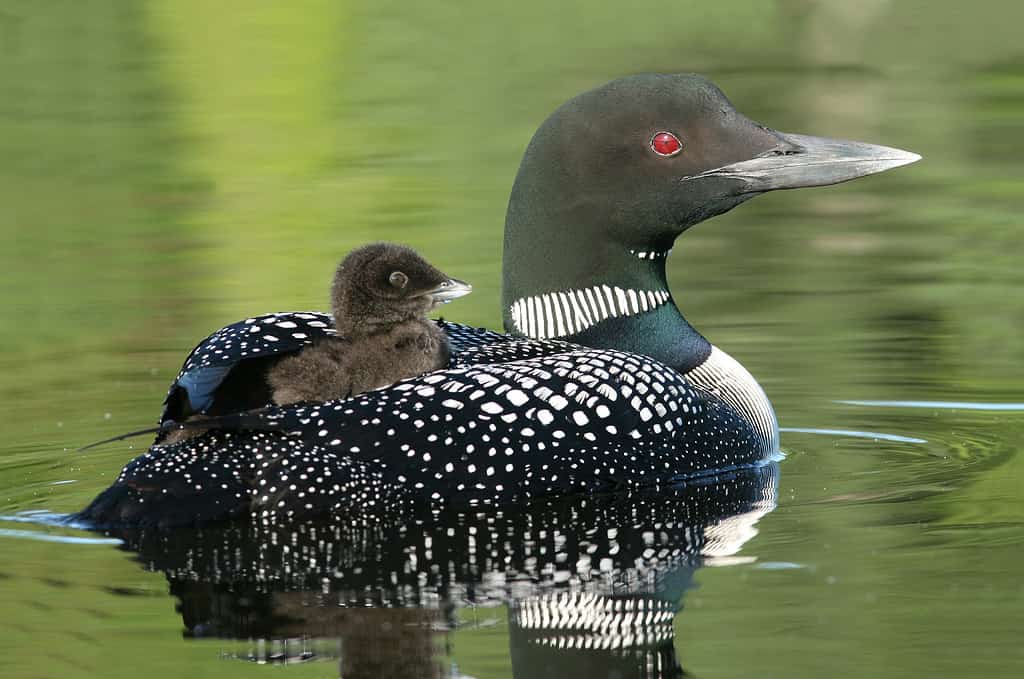
A common loon chick hitches a ride on its mother’s back.
©BRIAN LASENBY/iStock via Getty Images
Bird species at Wachusett Reservoir include:
- Bald Eagle
- Bufflehead Duck
- Cormorant
- Grebe
- Loon
- Sparrow
- American Robin
Ipswich River Wildlife Sanctuary
Located in Topsfield, Massachusetts, the Ipswich River Wildlife Sanctuary encompasses 2,000 acres featuring 12 miles of trails through forests, meadows, wetlands, and eskers, and is considered a hotspot for inland birding.
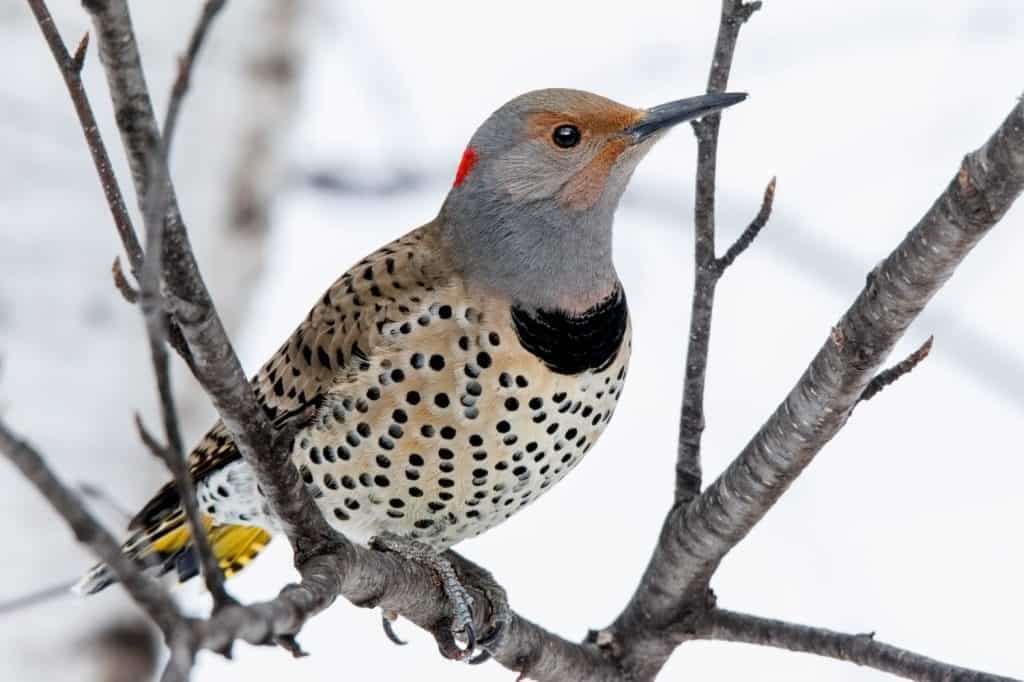
Northern flickers can be seen at the Ipswich River Wildlife Sanctuary year-round.
©Larry Eiden/Shutterstock.com
The sanctuary is famous for having particularly tame birds. It is common for black-capped chickadees, tufted titmice, and white-breasted nuthatches to land on visitors’ hands when they contain birdseed.
Other birds that can be viewed at the Ipswich River Wildlife Sanctuary include:
- Barred Owl
- Pileated Woodpecker
- Wood Duck
- Northern Flicker
- Belted Kingfisher
- Cooper’s Hawk
- Sharp-shinned Hawk
- Red-shouldered Hawk
Urban Birding Hotspots
Urban birding is a year-round activity in Massachusetts, and city birders have a unique habitat from which to view and track the seasonal shifts in urban bird populations. Spring and fall migrations bring an abundance of songbirds to city green spaces like Boston’s Arnold Arboretum and Mount Auburn Cemetery.
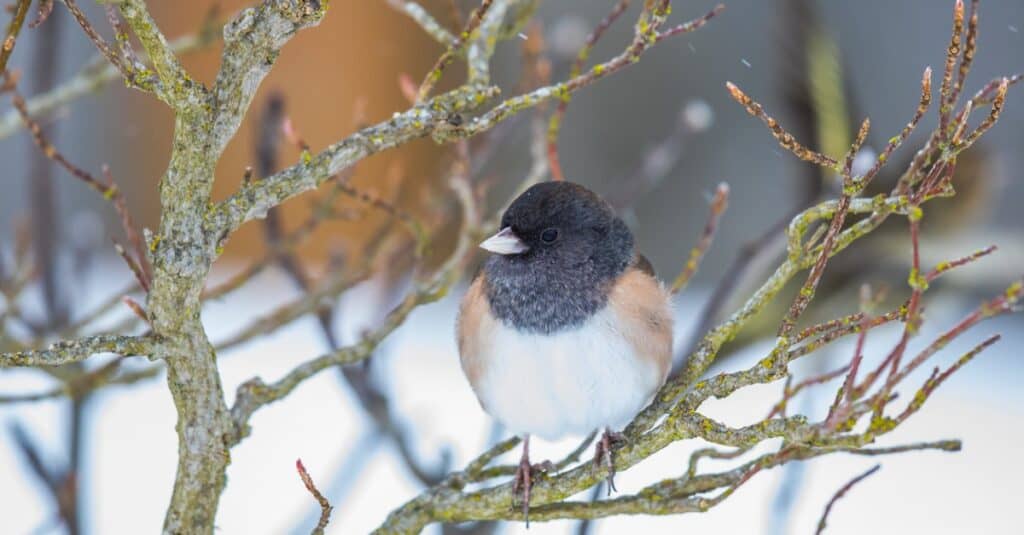
Sometimes called snowbirds, dark-eyed juncos can be viewed from the comfort and warmth of home.
©iStock.com/Jeff Huth
Summers feature nesting species and shorebirds in coastal or park habitats, and winters attract hardy birds like the dark-eyed junco, which is a frequent visitor to backyard feeders.
Arnold Arboretum
The Arnold Arboretum in Boston, Massachusetts, is the oldest public arboretum in North America. While it serves as a world-renowned scientific research institution, it is also a spectacular urban oasis, in which 188 bird species have been recorded. Filled with trees, shrubs, and vines in which birds can nest and perch, the arboretum is an urban birder’s dream.
Birds that have been observed at the Arnold Arboretum include:
- Downy Woodpecker
- Red-bellied Woodpecker
- Northern Flicker
- Blue Jay
- American Crow
- Black-capped Chickadee
- Tufted Titmouse
- Northern Cardinal
- American Robin
Mount Auburn Cemetary
Mount Auburn Cemetery, located on the edges of Cambridge and Watertown, is known as a migrant trap, which is a place where birds become heavily concentrated during their migration. It is a renowned birding location that acts as a vital stopover for migratory birds during the spring and fall. The cemetery’s 175 acres of landscaped vegetation provide essential food and cover in a densely urban area.
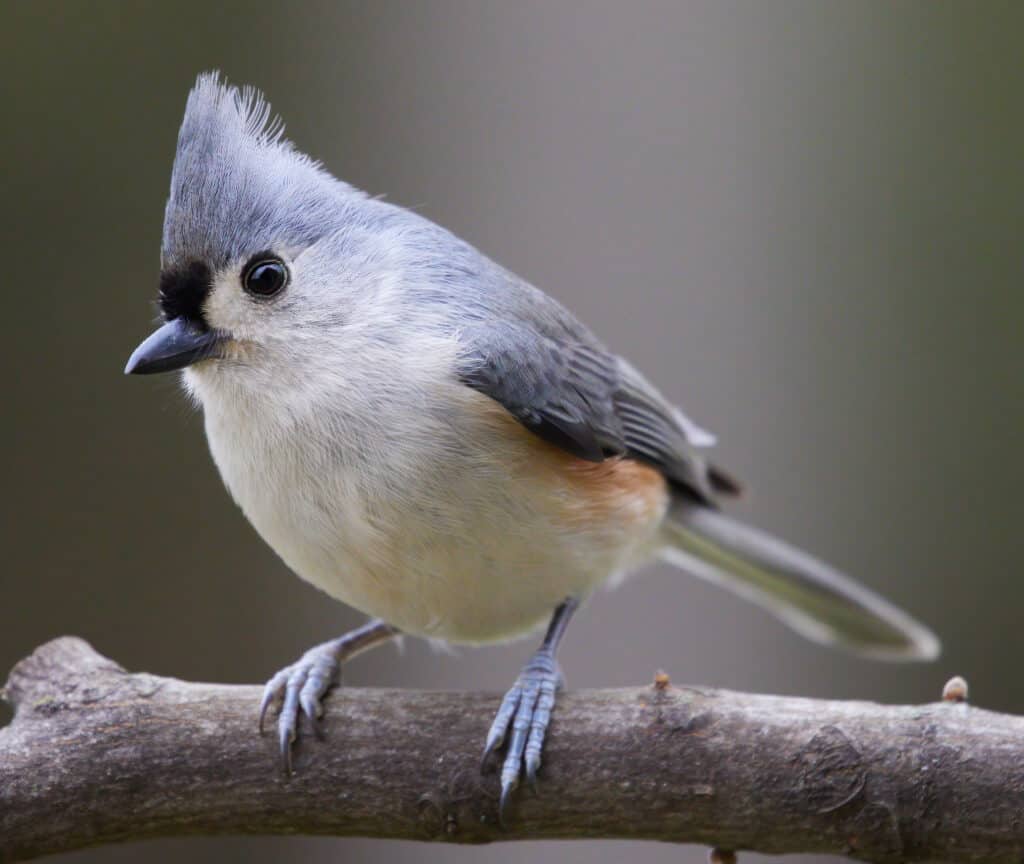
The tufted titmouse is widely distributed across Massachusetts.
©Rich Waite/Shutterstock.com
Established in 1872, Mount Auburn Cemetery is the oldest garden cemetery in North America. Some bird species seen there include:
- Red-tailed Hawk
- Northern Cardinal
- Blue Jay
- American Robin
- Tufted Titmouse
- Black-capped Chickadee
- Downy Woodpecker
- Red-bellied Woodpecker
- Northern Flicker
Alewife Brook Reservation
Alewife Brook Reservation is a vital urban birding site featuring a mix of wetlands, meadows, and woodlands. The reservation supports a diverse range of migratory and resident species. Located in the Cambridge area, it offers accessible birding opportunities despite being within a developed landscape.
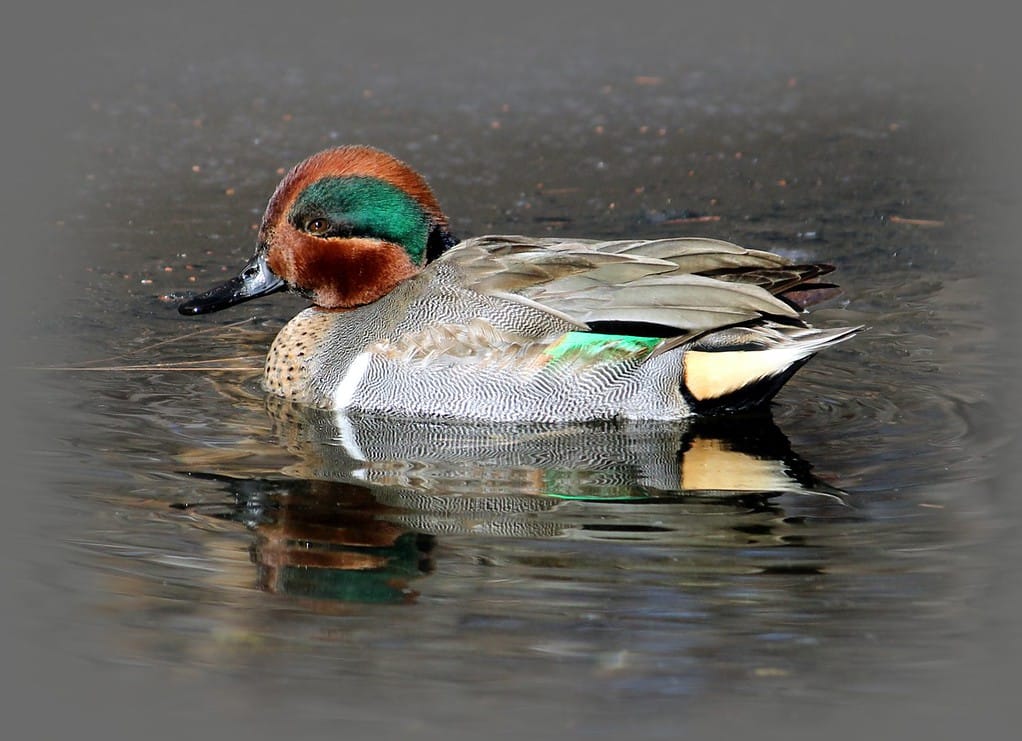
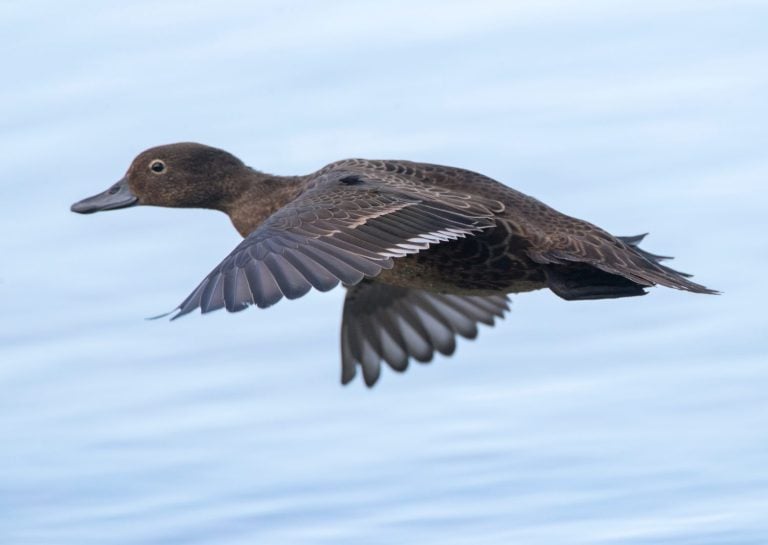
The green-winged teal is a species of duck found at Alewife Brook Reservation.
©Jody Ann/Shutterstock.com
Alewife Brook, a tributary to the Mystic River, along with its wetlands and wooded sections, provides essential stopover habitats for migratory birds and nesting grounds for local populations.
Some birds seen at the Alewife Brook Reservation include:
- Pied-billed Grebe
- Double-crested Cormorant
- Northern Shoveler
- Green-winged Teal
- Wood Duck
- Hooded Merganser
- Mourning Dove
- Belted Kingfisher
Belle Isle Marsh Reservation
Belle Isle Marsh Reservation is a 300-acre protected area spanning East Boston, Revere, and Winthrop, Massachusetts. It is the last remaining salt marsh in Boston, serving as a critical habitat for diverse bird species.
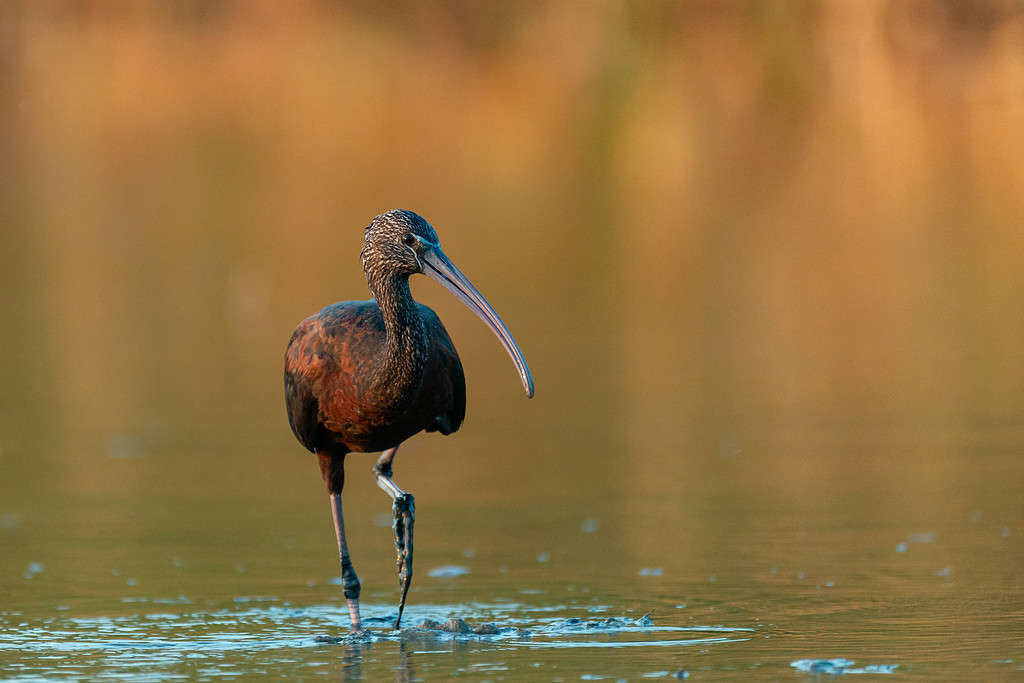
The glossy ibis is a waterbird that can be seen at the Belle Isle Marsh Reservation.
©MriyaWildlife/iStock via Getty Images
The reservation features salt marshes, tidal creeks, meadows, and upland areas. The reservation includes walking paths, a 120-foot boardwalk, and a 25-foot observation tower.
Some birds seen at the Belle Isle Marsh Reservation include:
- Great Egret
- Snowy Egret
- Glossy Ibis
- Osprey
- Cooper’s Hawk
- American Kestrel
- Saltmarsh Sparrow