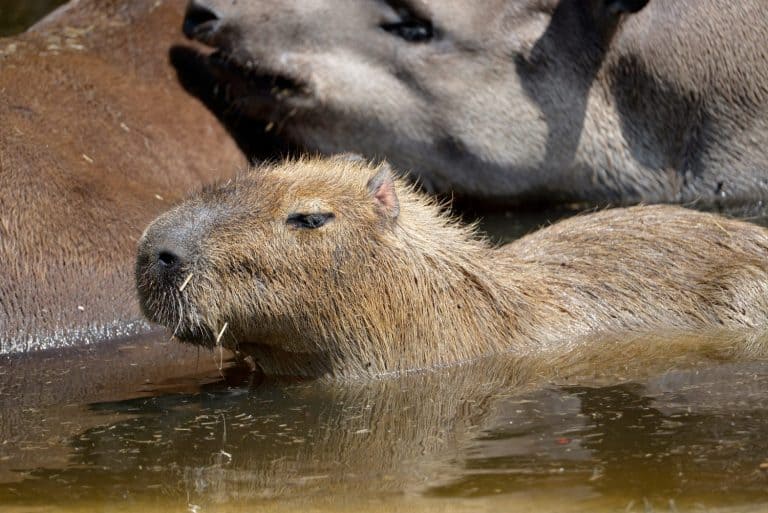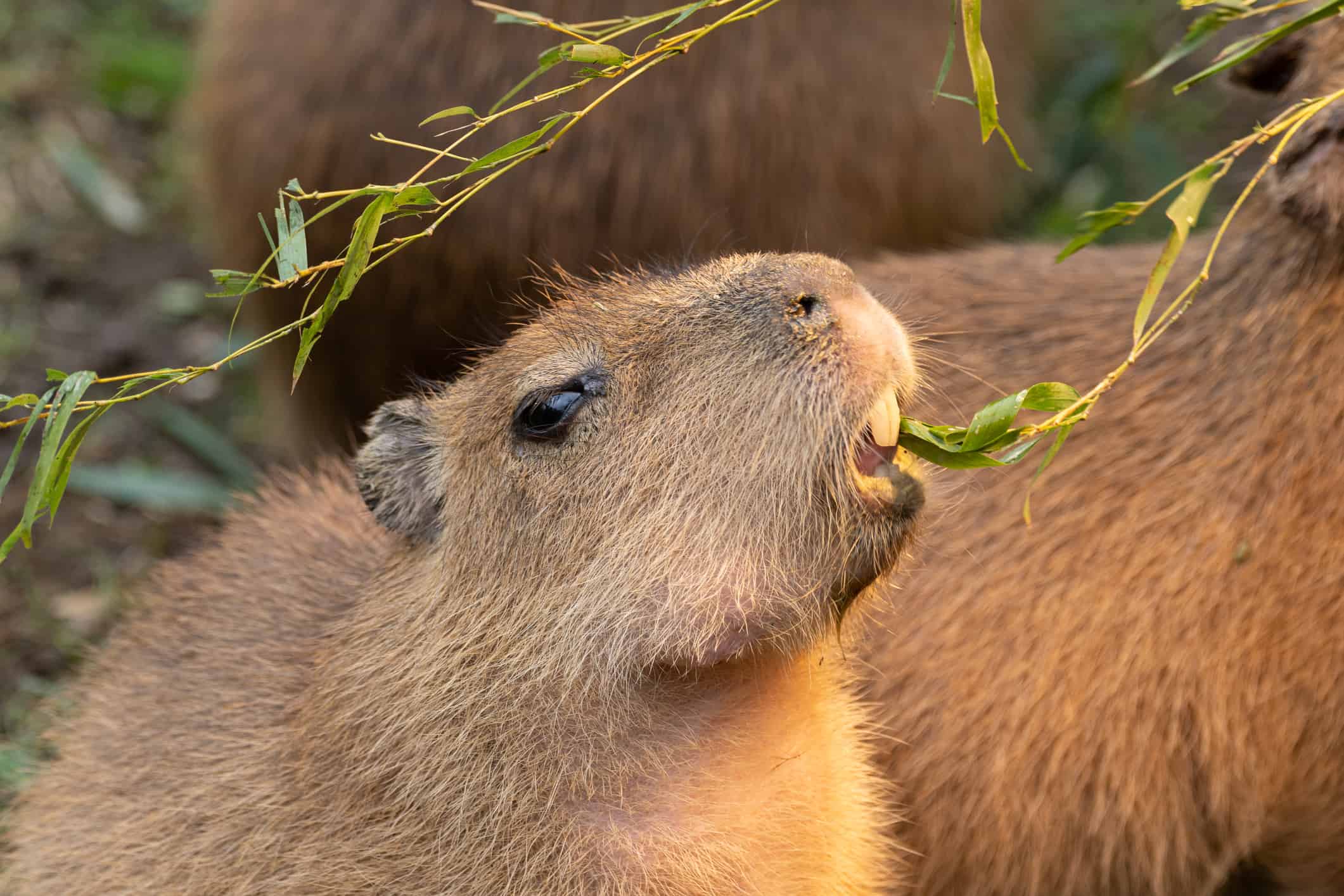

Capybaras are well-known for holding the title of world’s biggest rodents. Lesser-known qualities of these massive rodents include a gentle nature and social interactions across species. Capybaras live throughout the South American continent, where they feed on copious amounts of vegetation. These herbivores help their fellow wildlife by clearing a natural path through wetlands and grasslands. Though interesting for a variety of reasons, their most fascinating behavior may be riding on the back of crocodiles.
Scientists still do not know exactly why capybaras ride crocodiles, as it seems like a decidedly dangerous activity. Some researchers believe they do so to gain protection against other predators. Others say it may be to warm themselves against the backsides of the great reptiles. Interestingly, capybaras are just as generous in offering the rideshare service they use crocodiles for. They allow other small animals to utilize their own backs in a similar way. Birds and monkeys have been observed hitching rides on capybaras. The relationship is mutually beneficial: transport in exchange for tick removal. This uncommon form of tolerance in the animal kingdom highlights the capybara’s unique social intelligence.
In this slideshow, you’ll discover the capybara’s remarkable behaviors, their predator-avoidance tactics, and how they foster interspecies harmony in the wild. From crocodile surfing to group defense systems, capybaras offer an inspiring glimpse into peaceful coexistence.
Capybaras: Gentle Giants of South America
©Andrew M. Allport/Shutterstock.com
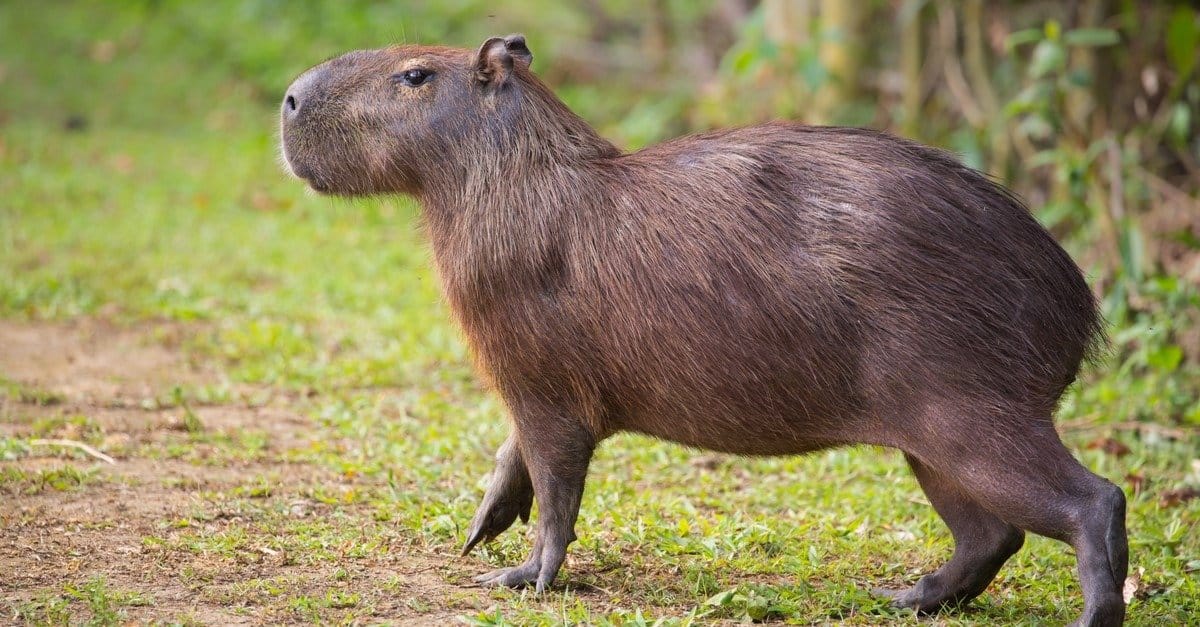
- Capybaras are vegetarian rodents that help manage grassland vegetation
- Their trails benefit the ecosystem by making it easier for other animals to move through dense areas.
Why Do Capybaras Ride Crocodiles?
©wushoung wang/Shutterstock.com
- Capybaras have been observed riding crocodiles to cross dangerous waters
- This behavior might protect them from other crocodiles or help them regulate body temperature.
Possible Reasons Behind Crocodile Rides
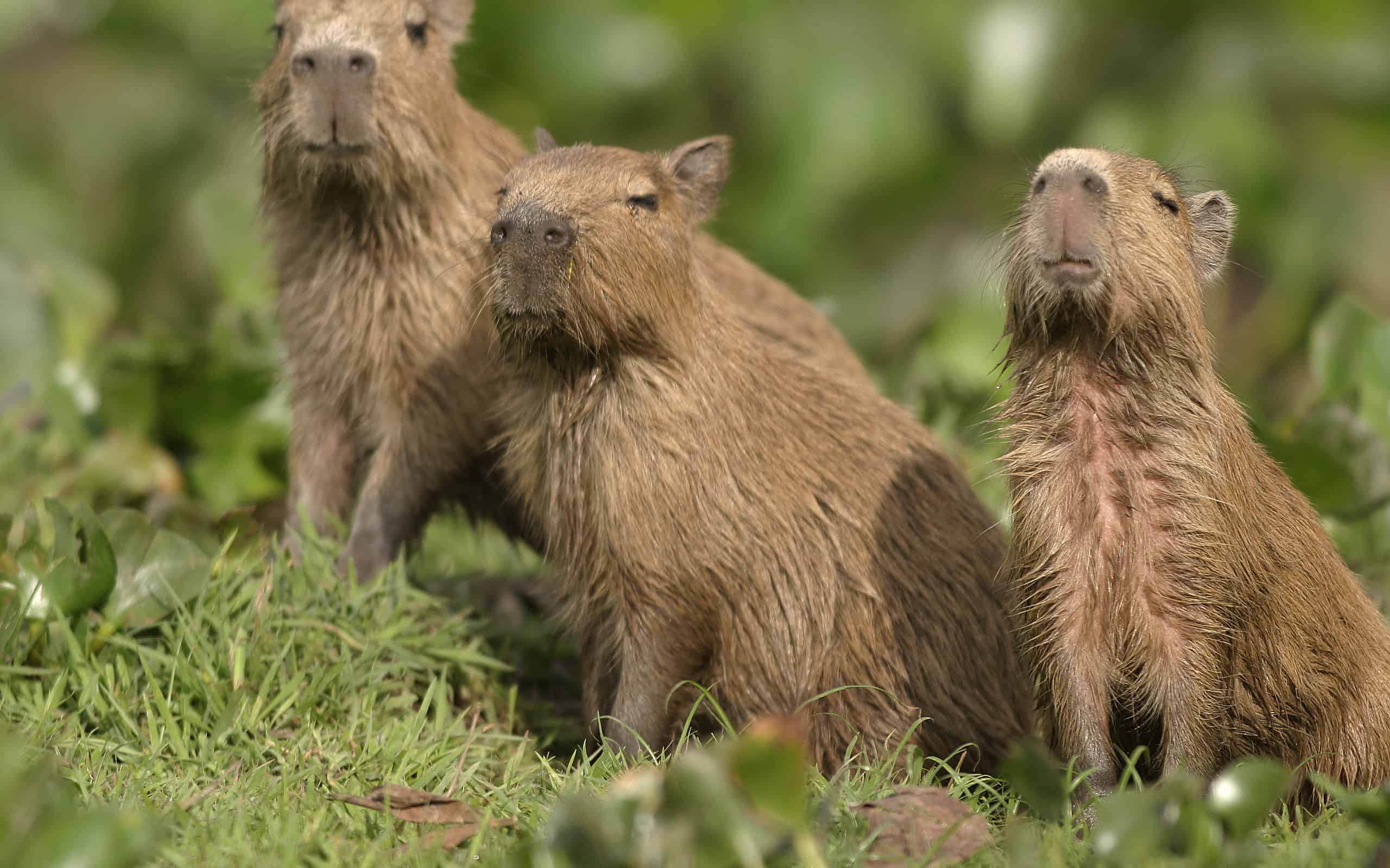
©Michel VIARD/iStock via Getty Images
- Capybaras may absorb warmth from sun-soaked crocodile backs
- Their curiosity or need for safe travel may also explain this behavior
- It could reflect a rare form of symbiosis in the wild.
Capybaras Give Rides Too
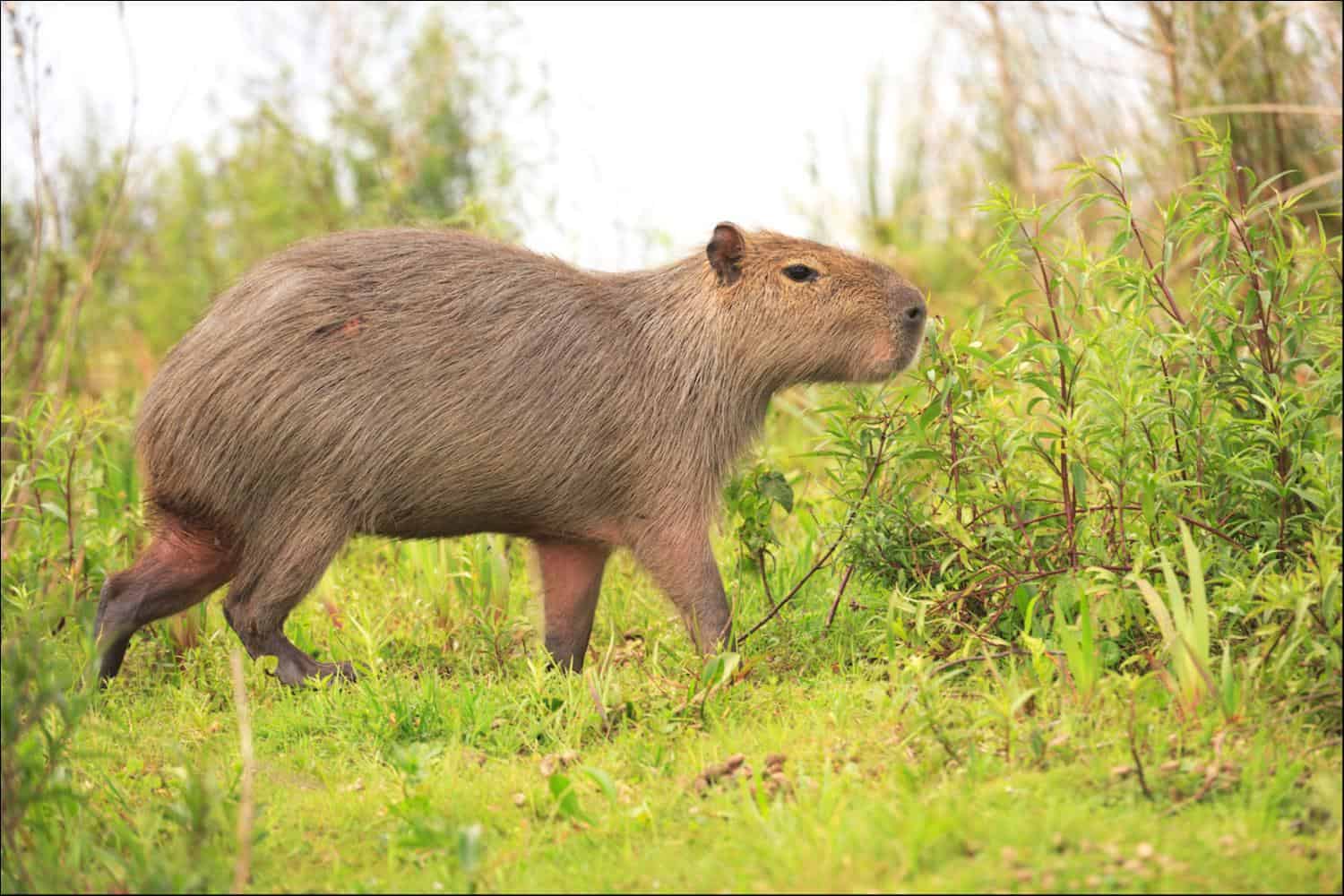
©sunsinger/Shutterstock.com
- Capybaras are known to let birds and monkeys ride on their backs
- These riders often eat insects and ticks from the capybara’s fur, helping both animals stay healthy.
A Social Animal Like No Other

©iStock.com/Yuina Takase
- Capybaras are famously friendly and get along with many species
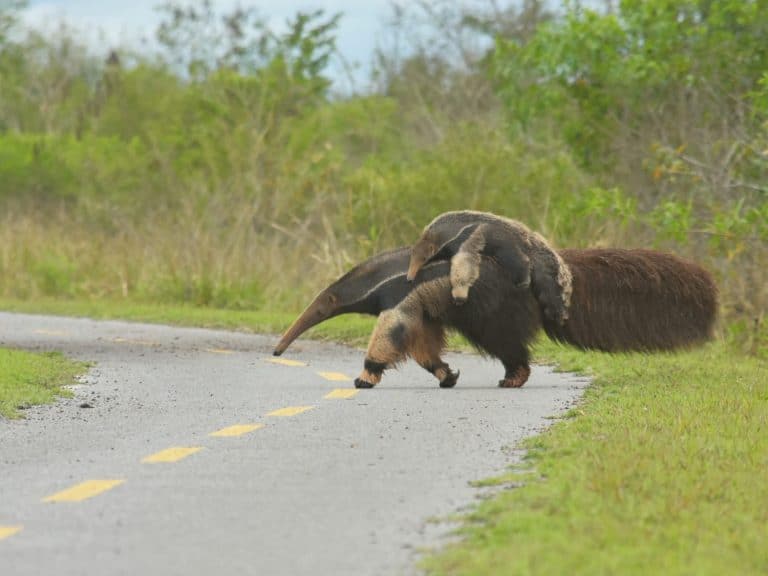
- They interact peacefully with dogs, cats, monkeys, birds, and even wild boars and anteaters.
Predators of Capybaras
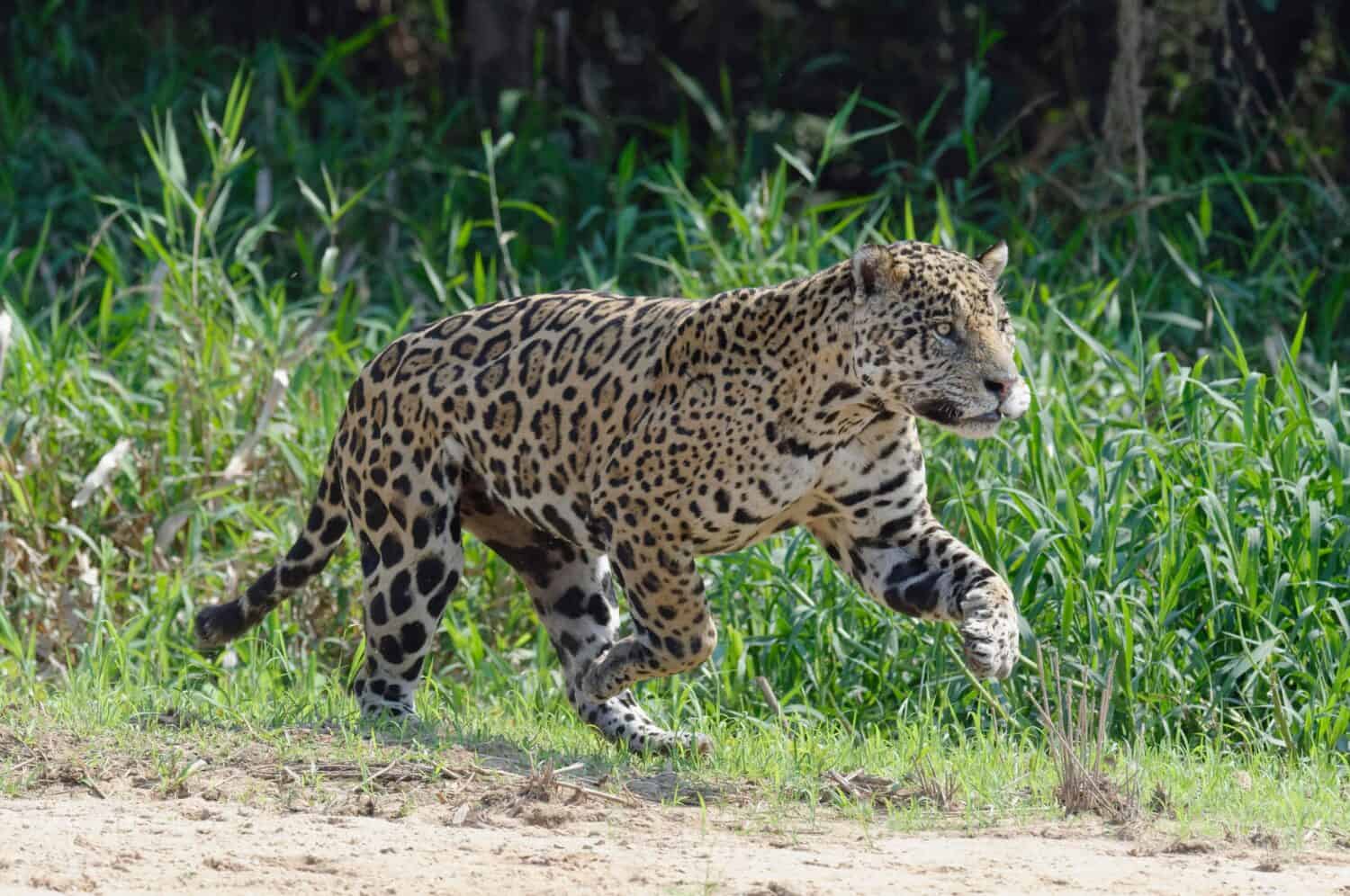
©imageBROKER.com/Shutterstock.com
- Despite their friendliness , capybaras have many natural enemies
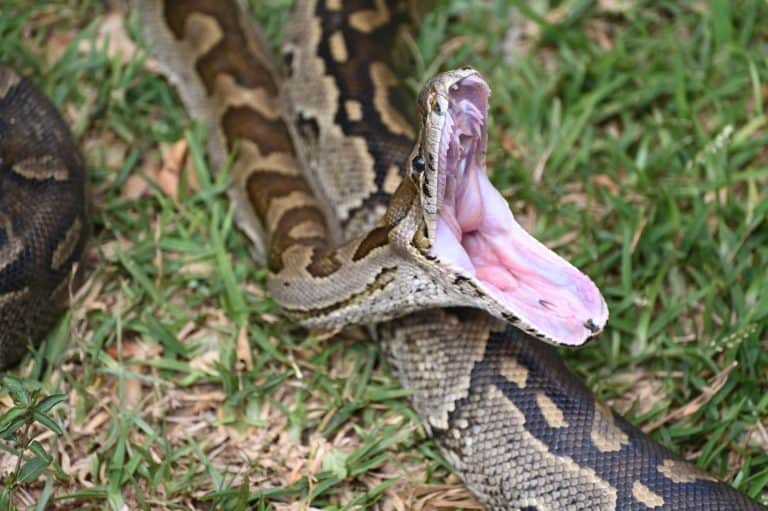
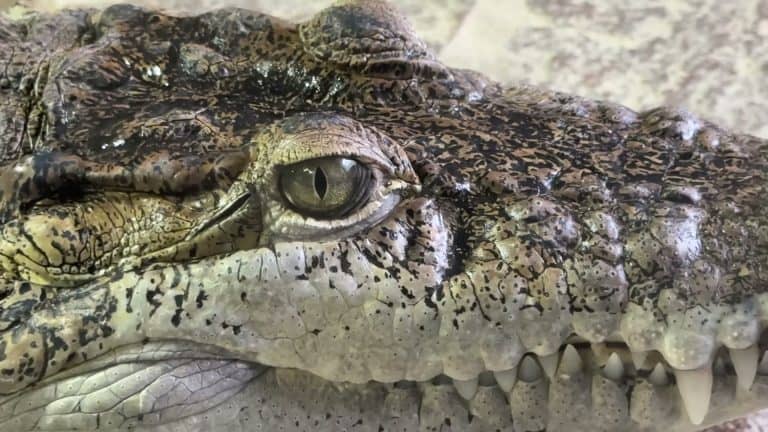
- Predators include jaguars , caimans, anacondas , pumas, ocelots, eagles, vultures, and humans.
Capybara Defense Mechanisms
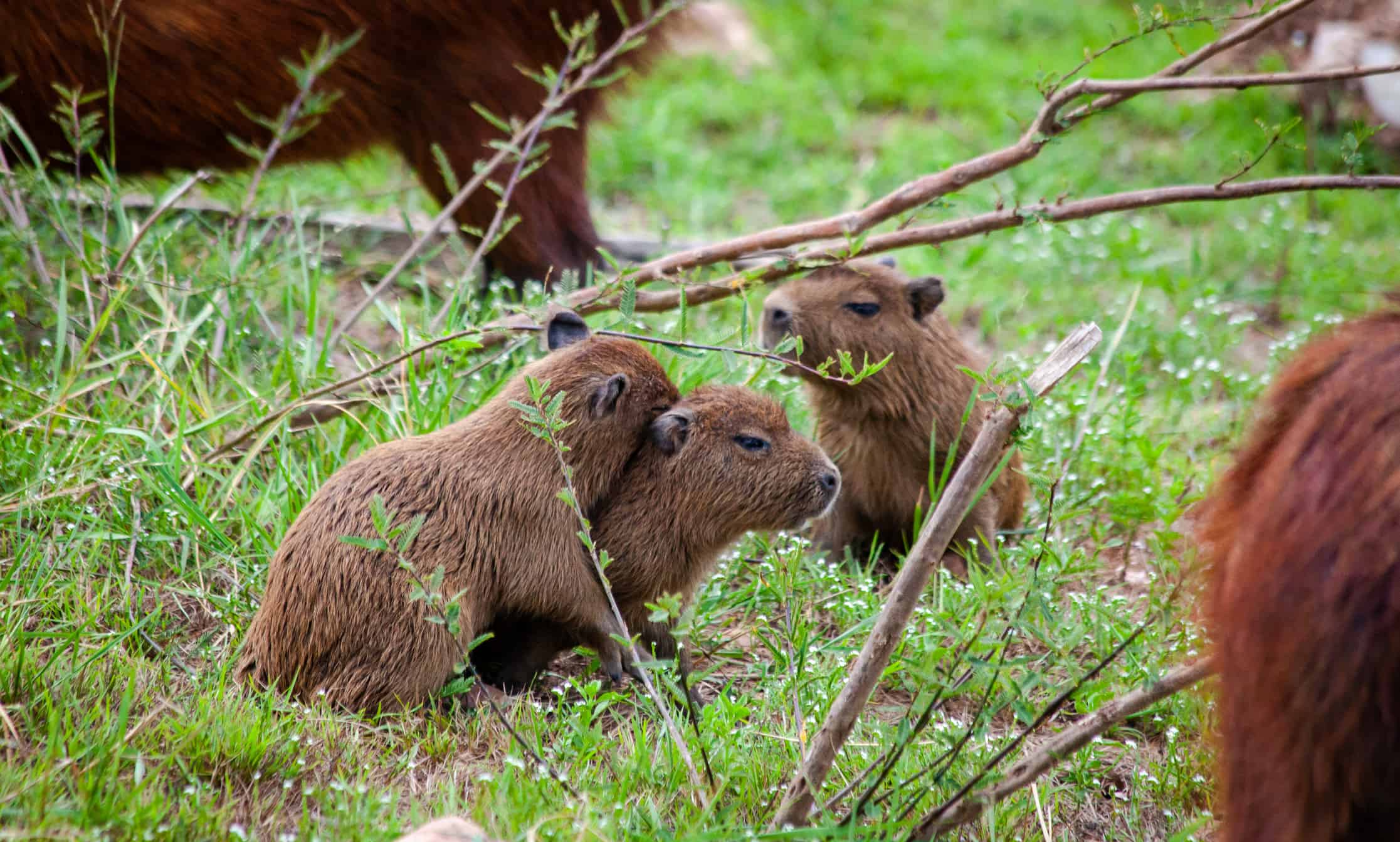
©Manon Le Charpentier/iStock via Getty Images
- Capybaras rely on group vigilance, evasive swimming, and camouflage for safety
- They can also deliver strong bites if threatened, giving them a chance to escape.
The Strength of Social Living
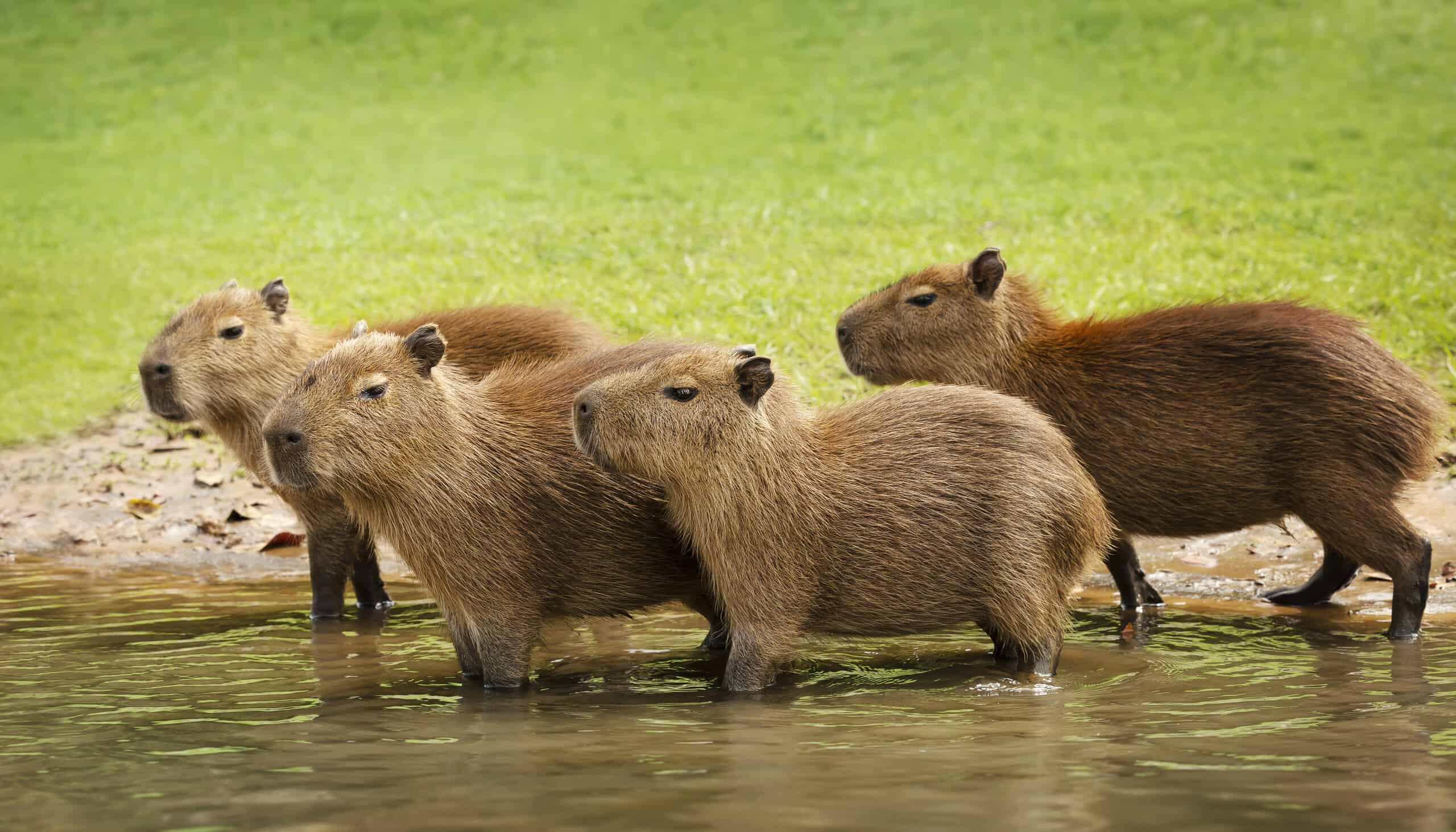
©Giedriius/Shutterstock.com
- Capybaras live in groups of 10–20, taking turns grazing and watching for danger
- This social system enhances their ability to detect and evade predators.