
Quick Take
- Winter specialists thrive in cold through thick coats, fat storage, and altered diets, enjoying fewer predators and less food competition.
- Bears enter hyperphagia in the fall to gain weight for hibernation, consuming 20,000 calories daily.
- Groundhogs and ground squirrels build a hibernaculum and accumulate fat equal to 30 to 40 percent of body weight.
Winter may seem quiet and uneventful, but for many animals, it is one of the most active and dynamic times of the year. While many species retreat into hibernation or head south, a surprising number of animals actually become more active when it gets cold. These winter specialists don’t just put up with freezing temperatures; they are perfectly designed to thrive in them, enjoying the benefit of fewer predators, less competition for food, and unique changes to the landscape. Late fall and early winter are packed with epic migrations, fierce courtship battles, and predators perfecting their hunting techniques. Discovering the survival secrets and adaptations that keep these animals going through sub-zero nights offers a unique perspective on the coldest months in North America.
Elk, Moose, and Deer
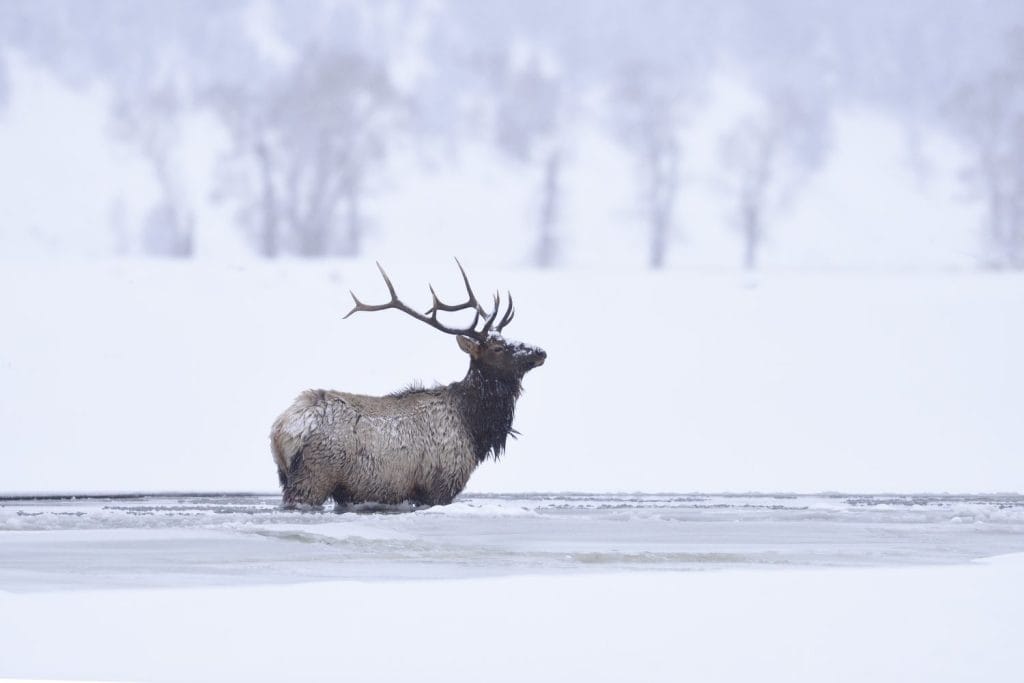
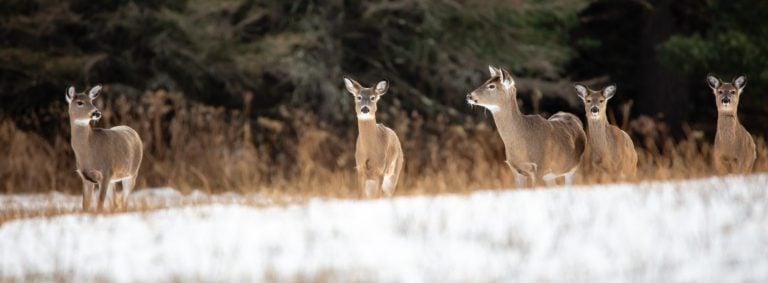
Elk grow a thick, woolly winter coat that traps air and insulates them against the cold.
©kojihirano/Shutterstock.com
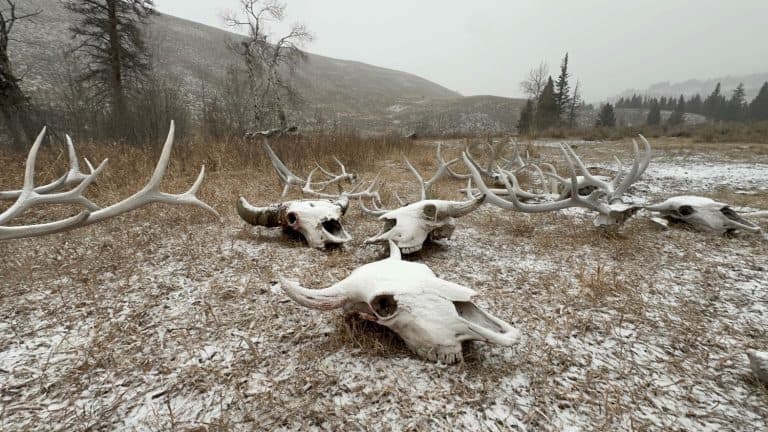
Autumn is one of the most dramatic seasons for large mammals, especially elk, moose, and deer. The rut, or mating season, peaks in September and October. During this time, males become highly competitive, locking antlers and fighting violently with one another to establish dominance. They become so fully focused on the rut that they often stop eating altogether! Females and calves, in contrast, spend the fall focused on gaining weight to survive the coming winter food scarcity.
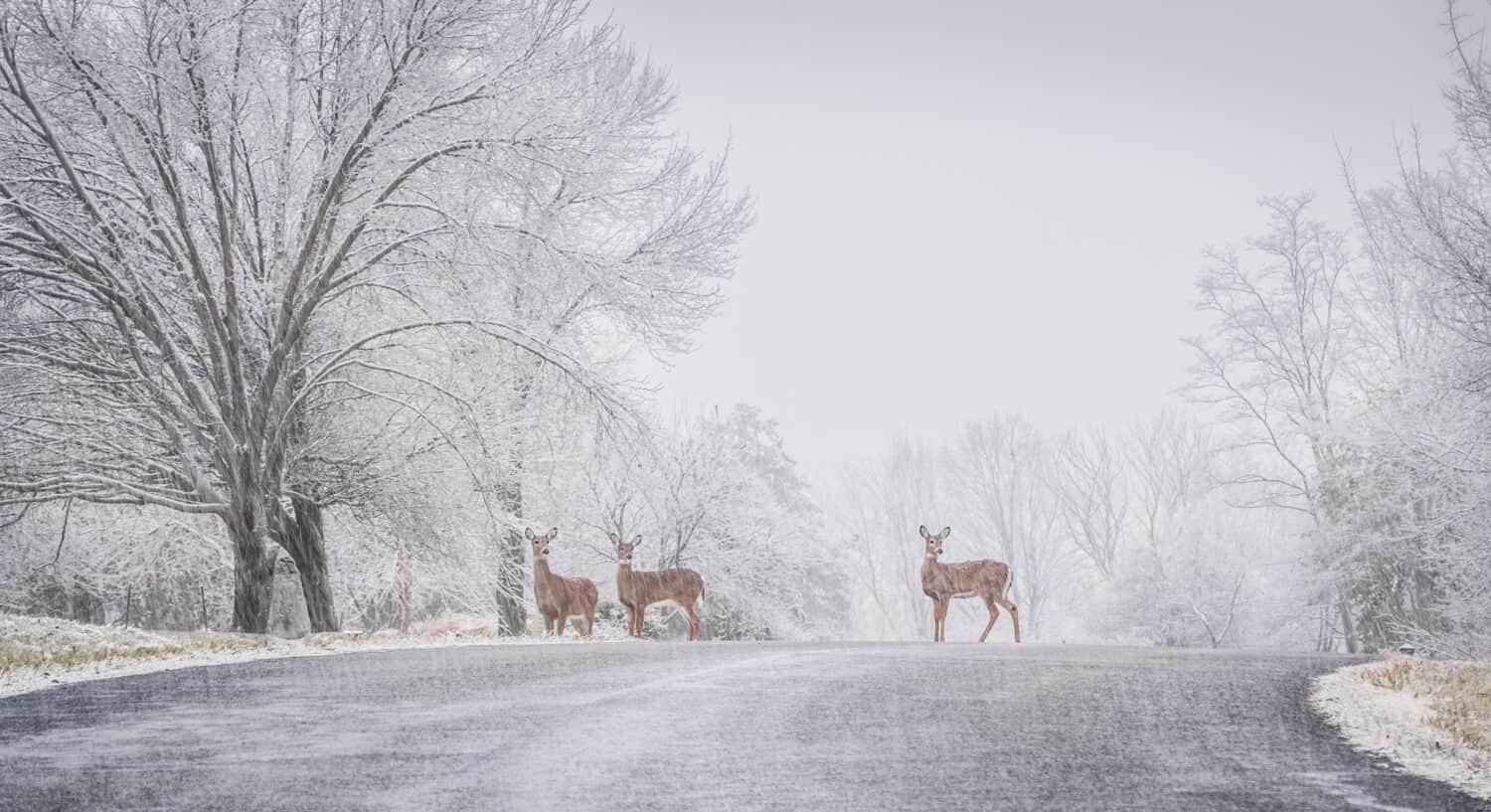
As winter settles in, elk and deer shift their behaviors and become much less active. Their sharp hooves help them paw through light snow to reach dried grasses, but in deeper snow, they switch to woody plants like bark, shrubs, juniper, and willow. These foods are less nutritious, so elk and deer must rely on their fat stores to survive. Fortunately, their metabolism slows, allowing them to conserve energy and precious fat reserves by resting most of the time.
Seals
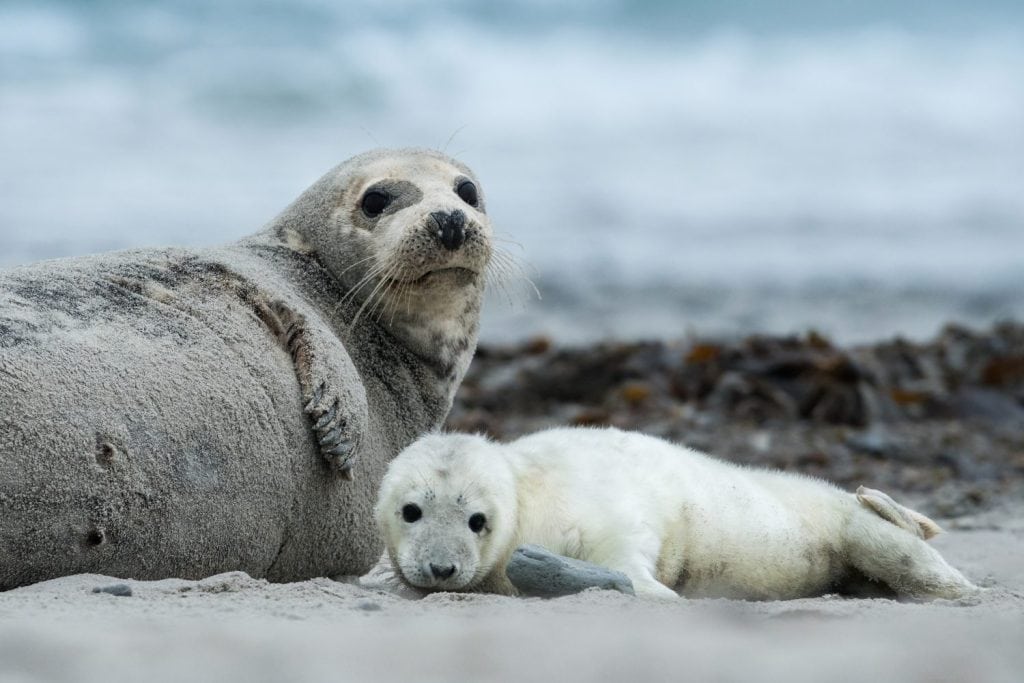
Grey seals also come ashore for the breeding season and to give birth from October to January.
©JaklZdenek/Shutterstock.com
Although seals are often associated with summer, fall and winter are actually the most dynamic seasons to observe many seal species in North America. The breeding season for northern elephant seals, for example, runs from December through March. Males come ashore along the coasts of California and Mexico to fight for dominance and breeding rights. Females follow not long after, coming ashore to give birth and mate. Many beaches are closed during this time due to the large number of seals, but you can go on guided walks to see the animals in their natural habitat.
Harbor seals are often easier to spot in the winter when they move south to warmer waters off New England. They often seek refuge in areas like New York Harbor, Chesapeake Bay, and the Eastern Shore Barrier Islands. You can spot them resting on rocks, or if you look closely, their heads frequently pop up above the waves close to shore.
Caribou and Reindeer
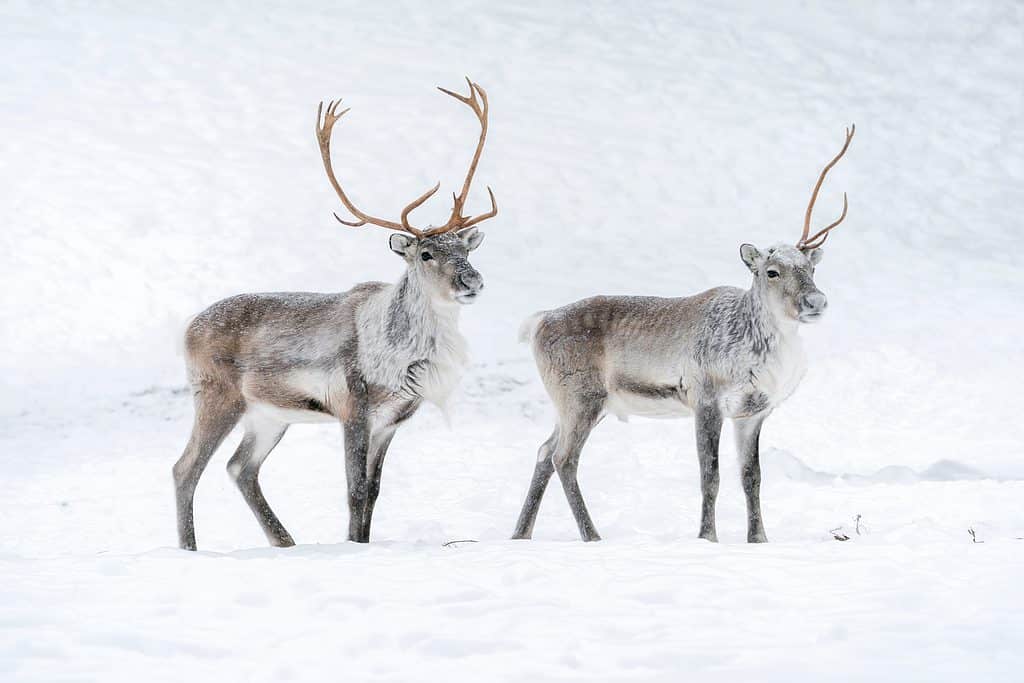
Reindeer and caribou prepare for winter by eating food that maximizes their fat reserves, such as mushrooms, mosses, and grasses.
©Tam and Trace Photography/Shutterstock.com
Like elk, caribou and reindeer are intensely active in the fall due to the rut. Males become highly aggressive as they rub the velvet off their antlers, and their necks swell in preparation for battle. They engage in aggressive battles for breeding rights, which can result in severe injuries and even death. Males focus so intensely on the rut that they can lose up to 40 percent of their body weight.
Caribou and reindeer are exceptionally well-adapted for winters in freezing Arctic conditions. They develop a thick, two-layered coat with hollow guard hairs that trap air for insulation, and a warm, dense underlayer. Their wide hooves act like snowshoes and distribute their massive weight across the snow to prevent them from sinking. They can also use their hooves to scrape away snow to reach fungi and lichen below.
Coyotes
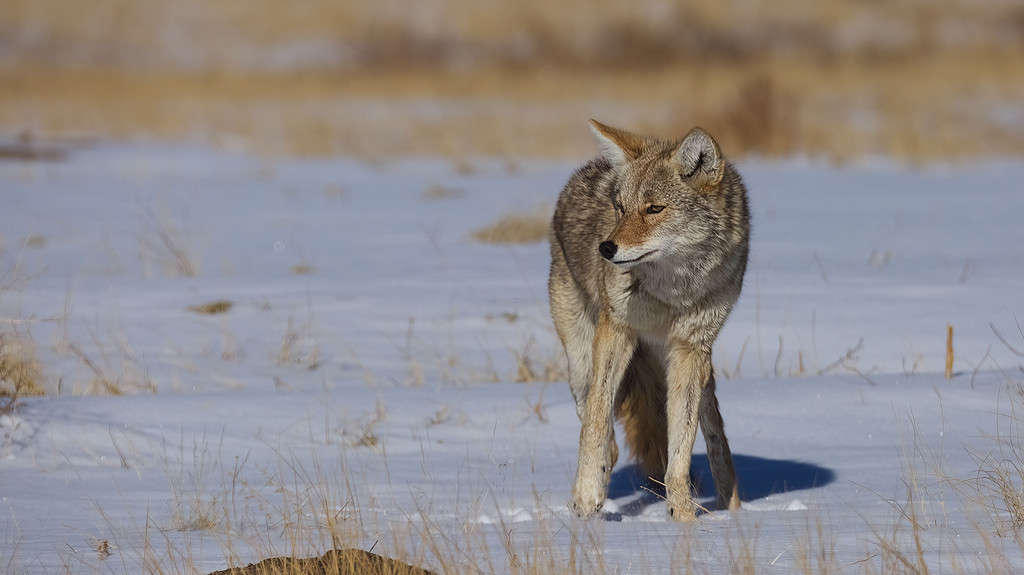
Vocalizations from coyotes are more common in the fall, such as their unique barks, howls, and yips.
©Wirestock/iStock via Getty Images
Coyotes are frequently spotted in the early morning or at night during the fall as they actively search for food and new territories. They also ramp up their hunting activity to build body reserves for the long winter and the subsequent scarcity of food. Young coyotes, born in the spring, leave their families to find mates and establish their own territories.
Despite freezing temperatures, coyotes remain active and hunt throughout the winter. Although they are active year-round, coyotes may become more visible during the daytime in winter as their need for food drives them to hunt when the weather allows. They develop a very dense coat that provides excellent insulation against the cold, often making them appear larger than they are. They also use dens, thickets, and rocky ledges for protection from the elements.
Foxes
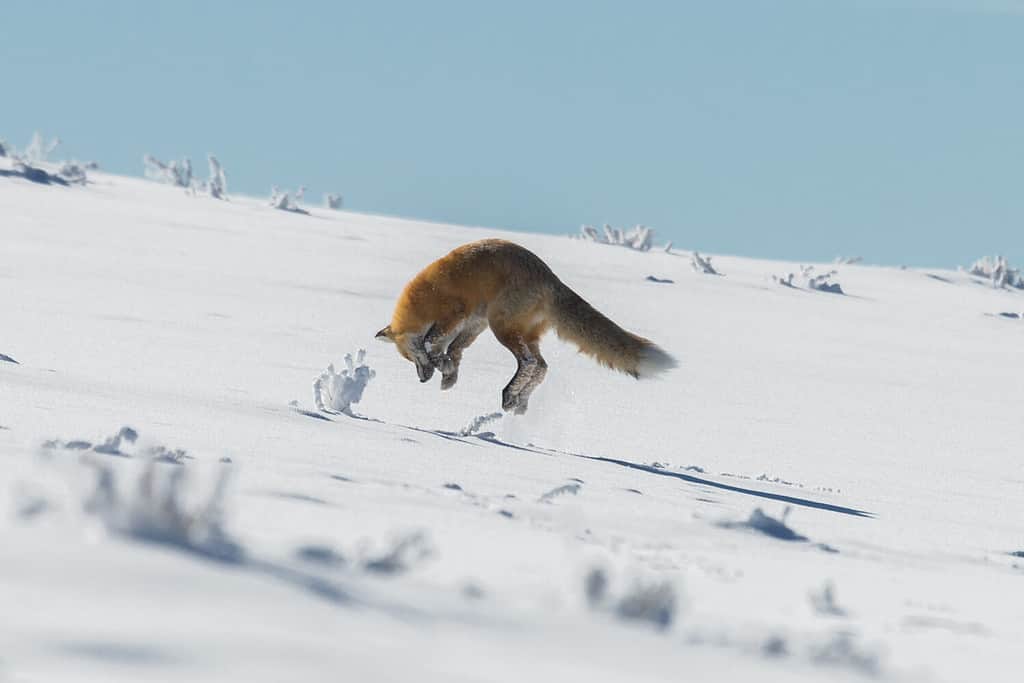
When hunting in the winter, foxes jump high and dive headfirst into the snow to catch prey.
©Michelle Holihan/Shutterstock.com
Foxes increase their hunting efforts in the fall when food is abundant to build essential body reserves for winter. By fall, spring-born foxes are fully grown and ready to establish their own territories and find mates. These young and inexperienced foxes may be spotted exploring new areas as they leave home, often acting less cautiously than adults. Foxes also actively cache or store extra food throughout their territory as part of their preparations. Thanks to their keen sense of smell and memory, they can dig up these caches even if they are buried under snow.
Foxes grow thick, fluffy winter coats for the winter. They wrap their extra-bushy tails around their nose and paws for extra warmth. Foxes also use their excellent hearing to locate small rodents scurrying beneath the snow.
Skunks and Raccoons
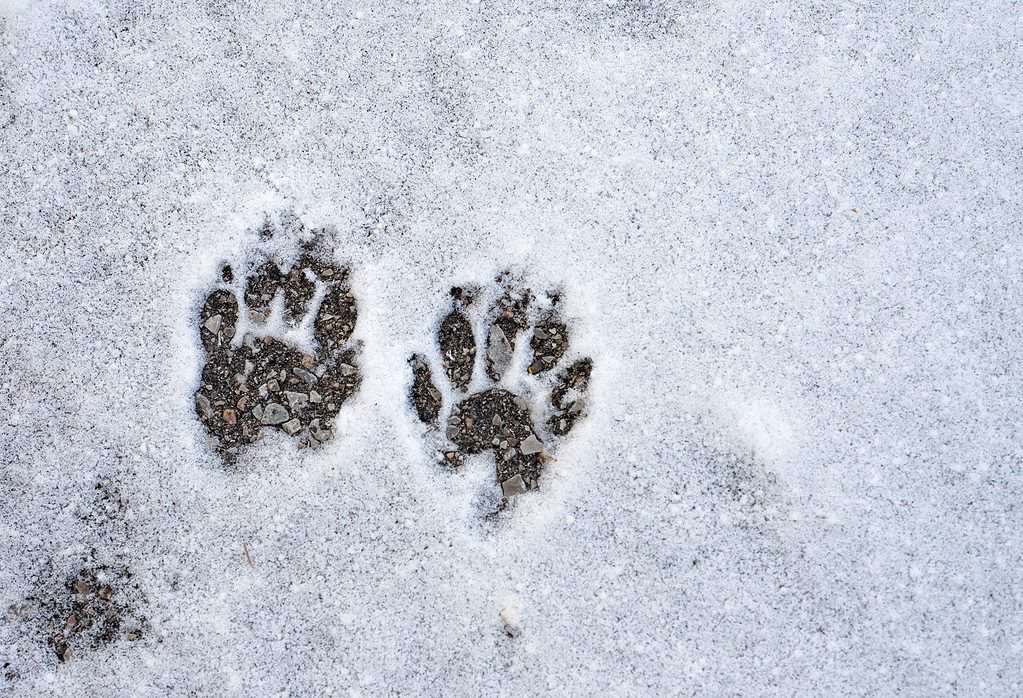
In the winter, skunks and raccoons periodically leave their dens to forage for food.
©LesPalenik/Shutterstock.com
Fall is an active and busy time for skunks and raccoons, as they frantically prepare for winter. Skunks and raccoons spend the season in near-constant foraging mode, focusing on building crucial fat reserves and securing insulated shelters. Skunks consume a wide variety of foods, including insects, berries, nuts, and even pet food. They also seek out protected dens, which they line with leaves and grass for insulation. Raccoons gorge on calorie-rich foods like nuts, acorns, grains, and berries. They also grow a thick winter coat and a well-insulated den for shelter.
Both skunks and raccoons enter torpor — a deep sleep where their metabolism, breathing, and body temperature slow dramatically. They mostly stay in their dens but occasionally wake up during warm spells to move around or forage for food.
Bears
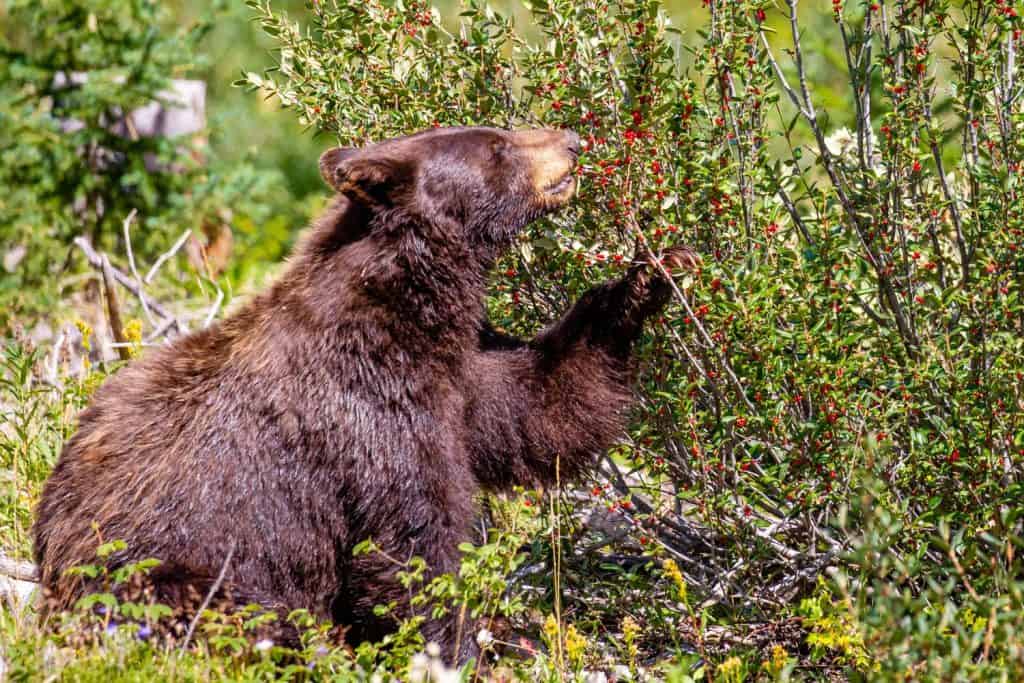
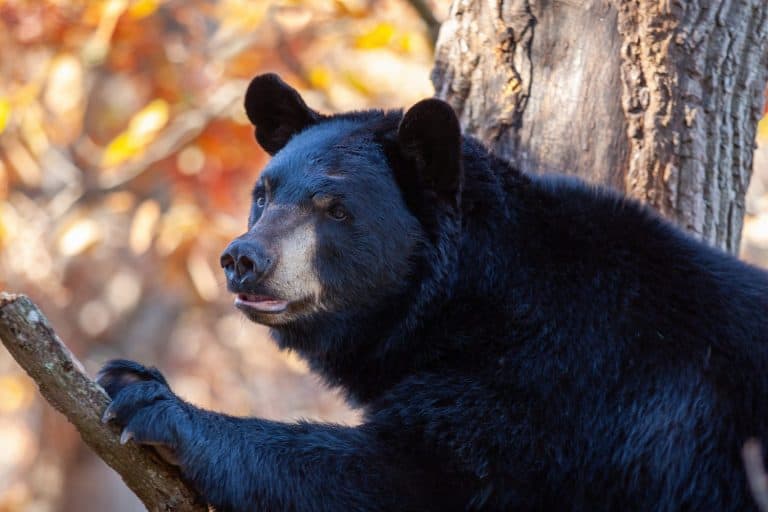
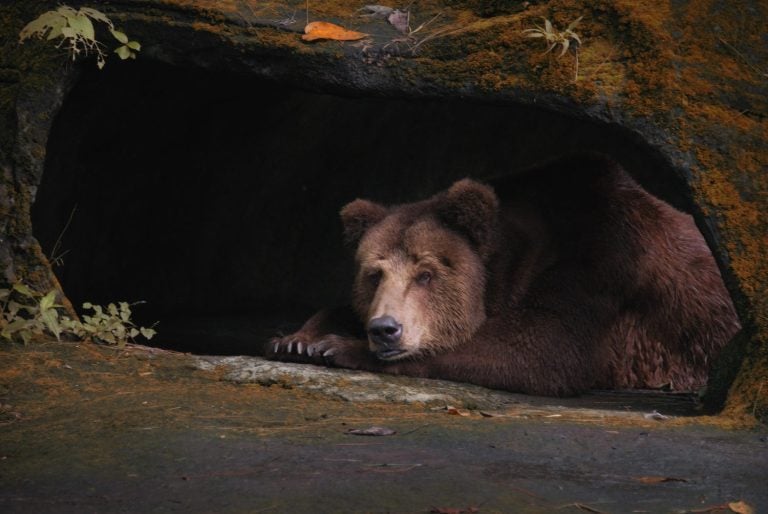
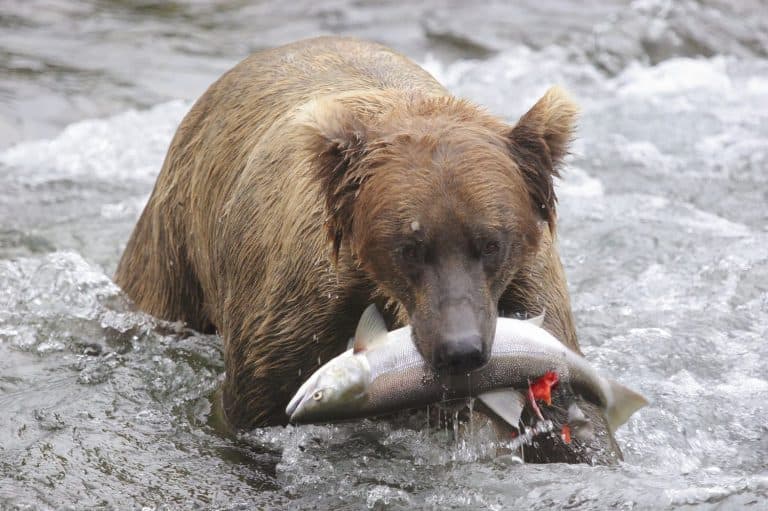
Bears shift their diet in the fall to target fats and carbohydrates, aggressively consuming seeds, nuts, fish, and berries rather than meat and insects.
©Michael Tatman/Shutterstock.com
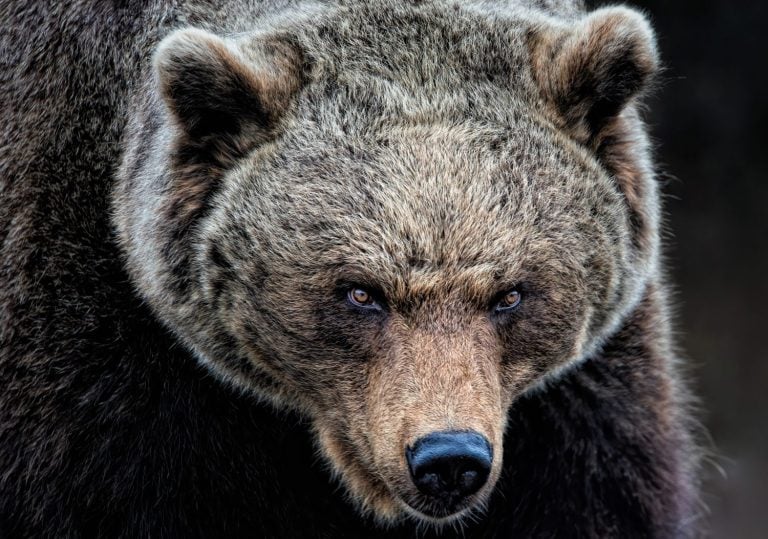
During the fall, bears enter a phase called hyperphagia, a period of non-stop, intense feeding where their sole objective is to gain maximum weight and fat storage for their upcoming hibernation. An adult bear consumes 20,000 calories or more each day during the fall, which is about five to eight times their normal intake. Because they spend nearly all day eating, bears may venture closer to human areas and are more likely to be seen at this time.
After bulking up, bears seek out a secure, hidden den where they will spend the winter in a deep sleep and are very unlikely to be seen. However, even while they are in this deep sleep, bears can be disturbed and wake up easily, unlike true hibernators.
Flying Squirrels
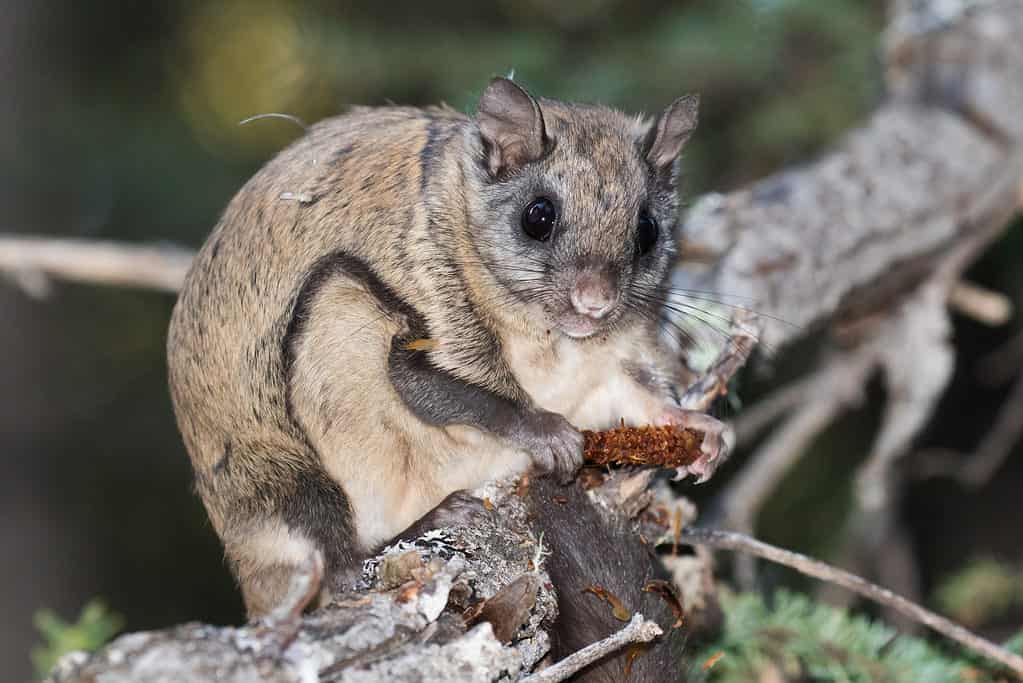
Flying squirrels sometimes huddle together in a single den to share body warmth and conserve energy.
©Jukka Jantunen/Shutterstock.com
In the fall, flying squirrels focus heavily on lichen and nuts to build up their winter reserves. They meticulously store large quantities of food in nearby caches to sustain them throughout the cold winter months. They also line their tree cavity homes with soft, insulating materials like lichens, leaves, shredded bark, and moss to create a warm nest.
Flying squirrels are active year-round. They venture out at night to retrieve food from their nearby caches, as they do not forage during the winter. During severe weather, such as blizzards or intense cold snaps, they may briefly enter a short period of torpor to conserve energy, but this rarely lasts long.
Ground Squirrels and Groundhogs
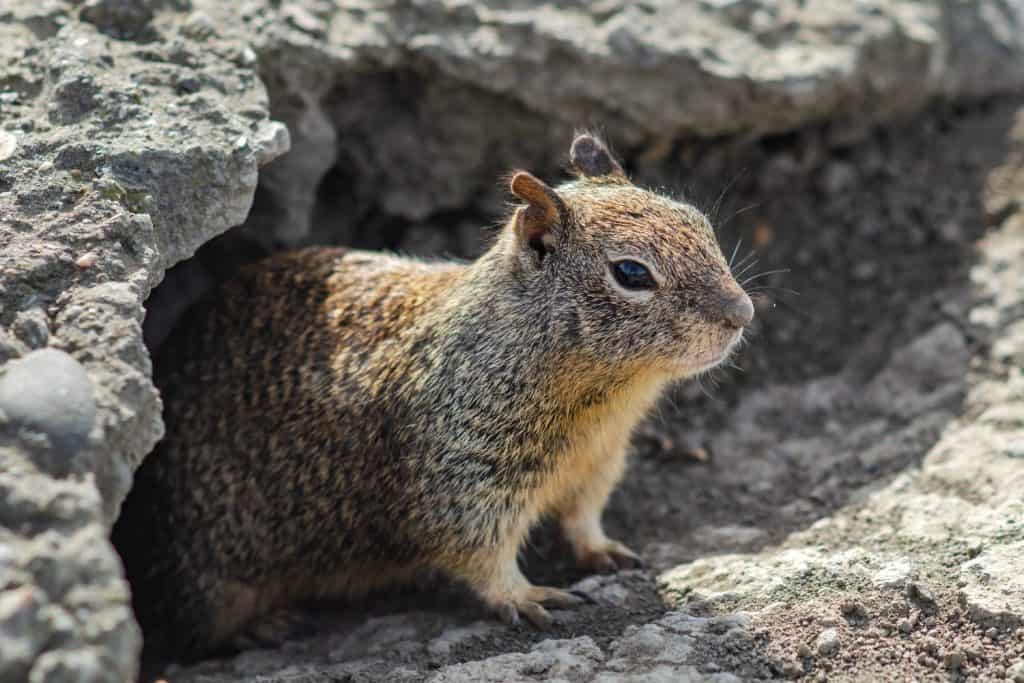
Their slowed metabolism helps ground squirrels and groundhogs survive until spring using only their autumn fat reserves.
©Iv-olga/Shutterstock.com
As true hibernators, ground squirrels and groundhogs spend the fall aggressively preparing for their long winter sleep. They focus on maximizing body fat, consuming high-calorie foods like nuts, seeds, grasses, and insects rather than caching food in their dens. Groundhogs in particular eat so much that by winter, they have a thick layer of body fat that can account for 30 to 40 percent of their total body weight.
Ground squirrels and groundhogs also use the fall season to prepare a specialized den called a hibernaculum. The hibernaculum is a deep, underground chamber, usually located below the frost line, which they line with shredded vegetation for insulation. The animals seal off the inside of the entrance with soil and debris to stabilize temperatures and humidity, and to deter predators. During winter, ground squirrels and groundhogs enter true hibernation, where their bodily functions drastically decrease.
Moles and Gophers
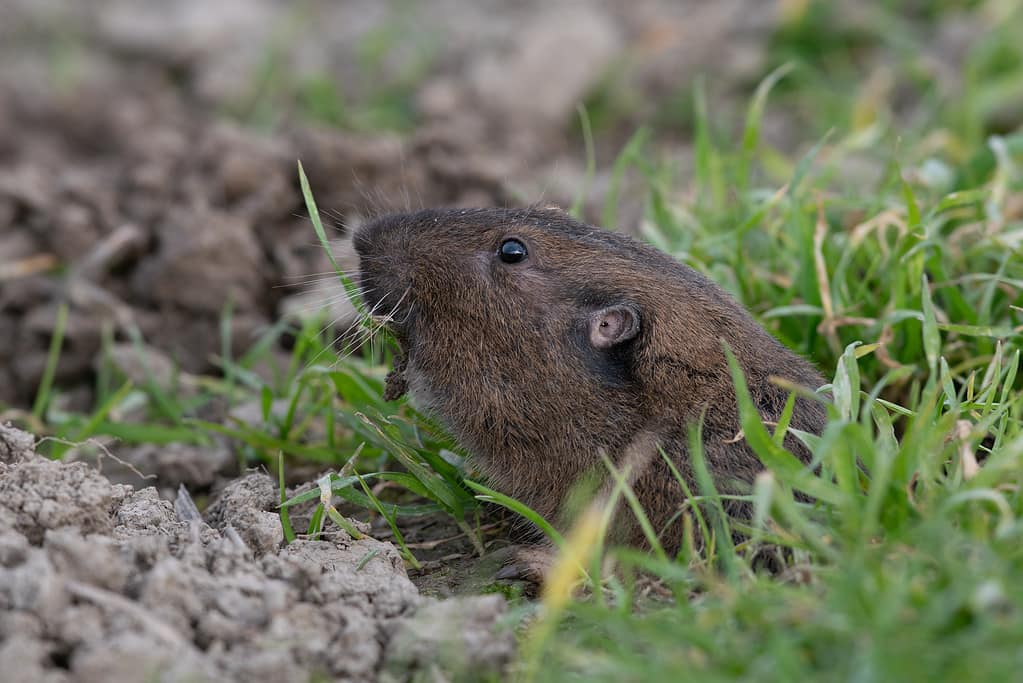
Even amid the cold of winter, gophers continue tending their tunnels and eating directly from their underground pantries.
©zhuclear/iStock via Getty Images
Both moles and gophers are active year-round, including during the winter. In the fall, moles reinforce and deepen their tunnels, extending them below the frost line to follow their prey deeper into the soil as the surface freezes. Due to their high metabolism, they must eat constantly. They forage for food, eating insects, earthworms, and other invertebrates. Some species, like the European mole, even store paralyzed worms in underground caches to ensure a supply of fresh winter meals.
Gophers are avid hoarders who rely on meticulously created food caches to survive the cold months. They use their cheek pouches to carry and store large quantities of food — including grasses, bulbs, tubers, and roots — into underground storage chambers below the frost line.
Beavers
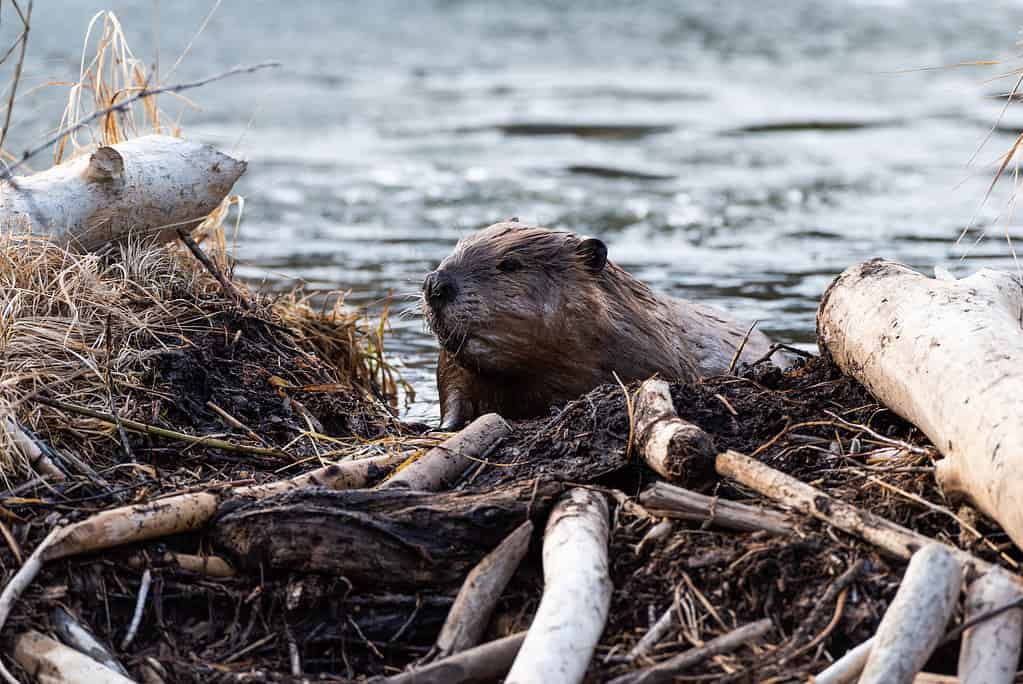
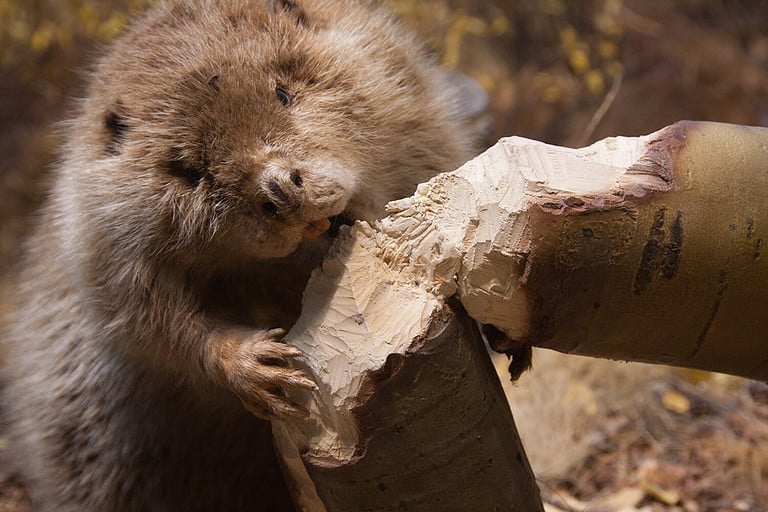
Beavers are active year-round, but during the winter, they remain inside their protective lodge, particularly when the water freezes.
©Dan Pepper/iStock via Getty Images
Fall is by far the busiest season for beavers, as they spend winters underwater inside their lodge. As the weather begins to cool, beaver families work tirelessly to ready their home and food supply. They reinforce the walls and dome of their lodge with layers of sticks, rocks, and mud. Once this mixture freezes, it forms a nearly impenetrable shell, protecting the beavers from predators and winter storms.
Beavers also spend time during the fall gathering countless small trees, saplings, and branches. They store these in a massive food cache big enough to feed the entire family, which is located underwater near the lodge. Their thick fur keeps them warm, and they occasionally swim out to their food cache for sustenance until the spring thaw.
Reptiles
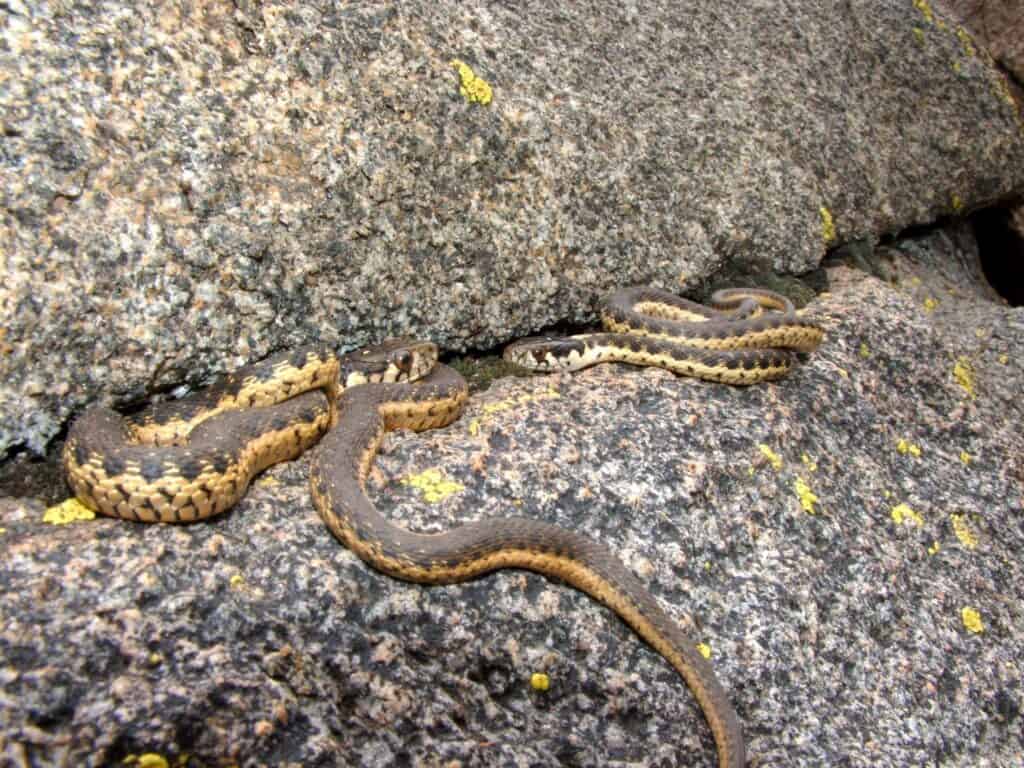
Some rattlesnake and garter snake species share communal hibernacula during the winter.
©Matt Jeppson/Shutterstock.com
Like many mammals, reptiles are also active in the fall as they prepare for their winter dormancy, known as brumation. They aggressively build up energy reserves, primarily storing glycogen (sugar) in the liver and adding layers of fat. Unlike mammals, reptiles must empty their digestive tracts before they enter brumation. They avoid food and are often spotted basking in the sun in late fall to ensure all their food is processed, preventing it from rotting internally during the winter.
While they are very active during the fall, reptiles are not frequently seen during their winter brumation. Brumation is a deep, low-energy state similar to torpor in mammals, which allows reptiles to live solely off their stored energy reserves. During brumation, the reptile’s heart rate, metabolism, and breathing slow drastically to conserve energy.
River Otters
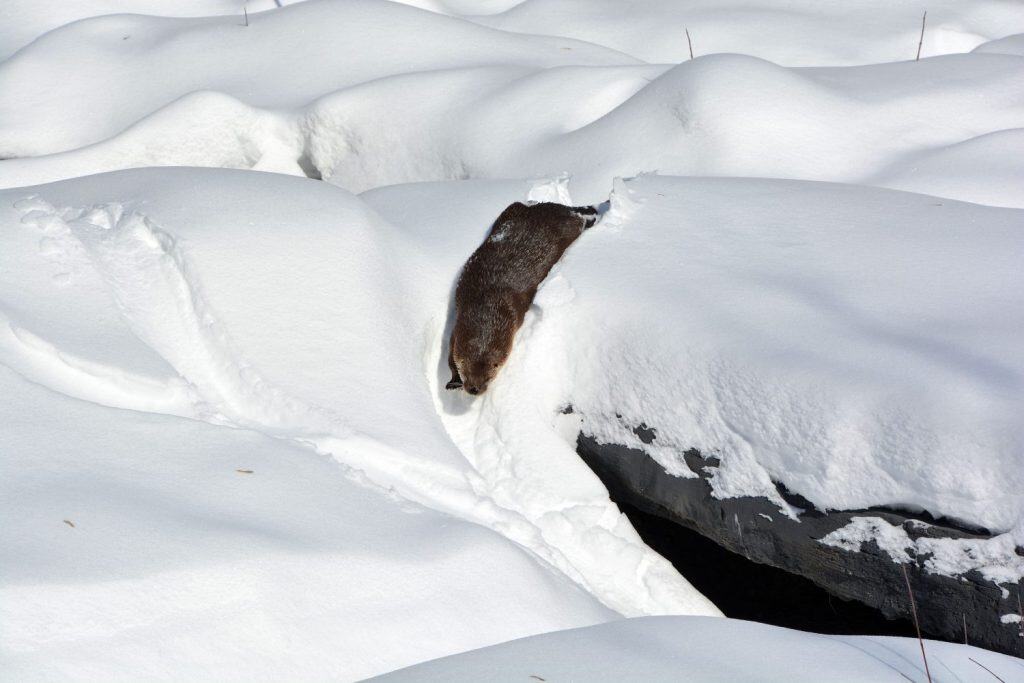
Otters love to slide across the snow.
©meunierd/Shutterstock.com
River otters remain remarkably active throughout fall and winter, thriving in cold, aquatic environments thanks to their unique adaptations and high energy levels. As fall arrives, they focus on frequent hunts to build a layer of subcutaneous fat, which provides essential insulation and energy during the colder months. They also devote much of their time to fortifying their dens (holts). They use mud and fresh vegetation to reinforce these shelters, ensuring protection against cold and high water.
Winter offers plenty of opportunities for river otters to showcase both their extreme resilience and their playfulness. They have some of the densest fur of any mammal, keeping their skin dry even in icy waters. Their high metabolic rate and specialized vascular control help to maintain their core body temperature, and they can break through thin ice for air and hunting. River otters are also highly social animals that love to play. During the winter, they can frequently be spotted during the day hunting or sliding across the snow.
Cottontails and Snowshoe Hares
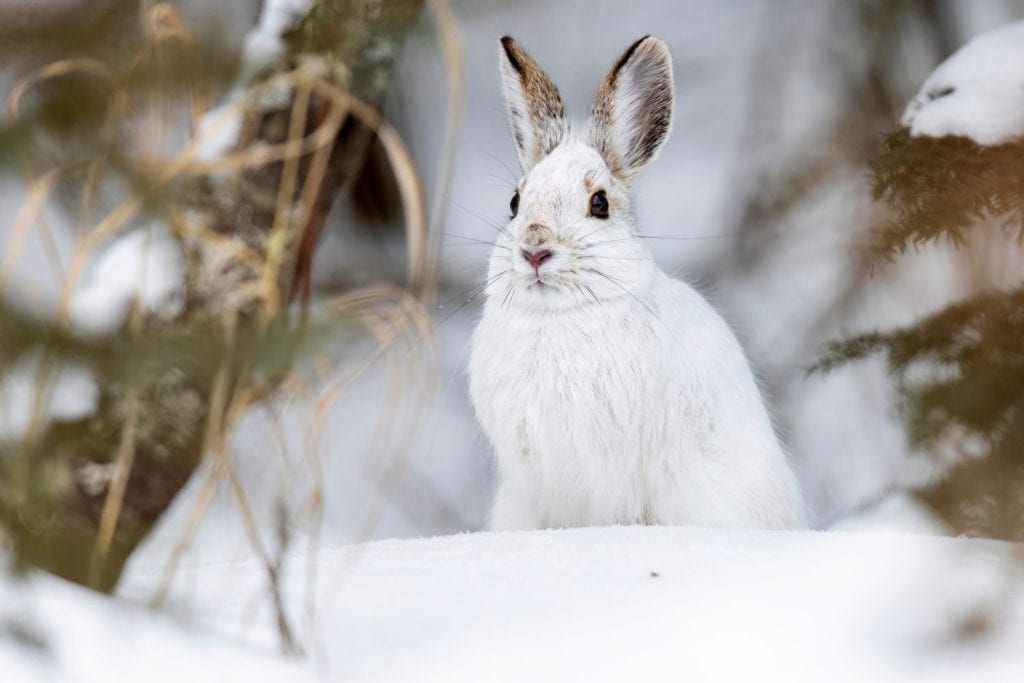
Cottontails and snowshoe hares rely on abandoned burrows or shallow depressions called ‘forms’ in dense vegetation
©BlueBarronPhoto/Shutterstock.com
Both cottontails and snowshoe hares are active animals during the fall and winter. During the fall, cottontail rabbits work to build modest fat reserves. They continue to forage in the winter, although they are much less active as they conserve energy. They mainly venture out at dawn and dusk, and often huddle together for warmth and to conserve heat.
Snowshoe hares shed their reddish-brown coats and gain a thick white coat for the winter, which provides excellent camouflage amid the snowy landscape. Their large hind feet also grow larger and develop thicker pads, allowing them to move atop powdery snow without sinking.
Shrews, Voles, and Mice
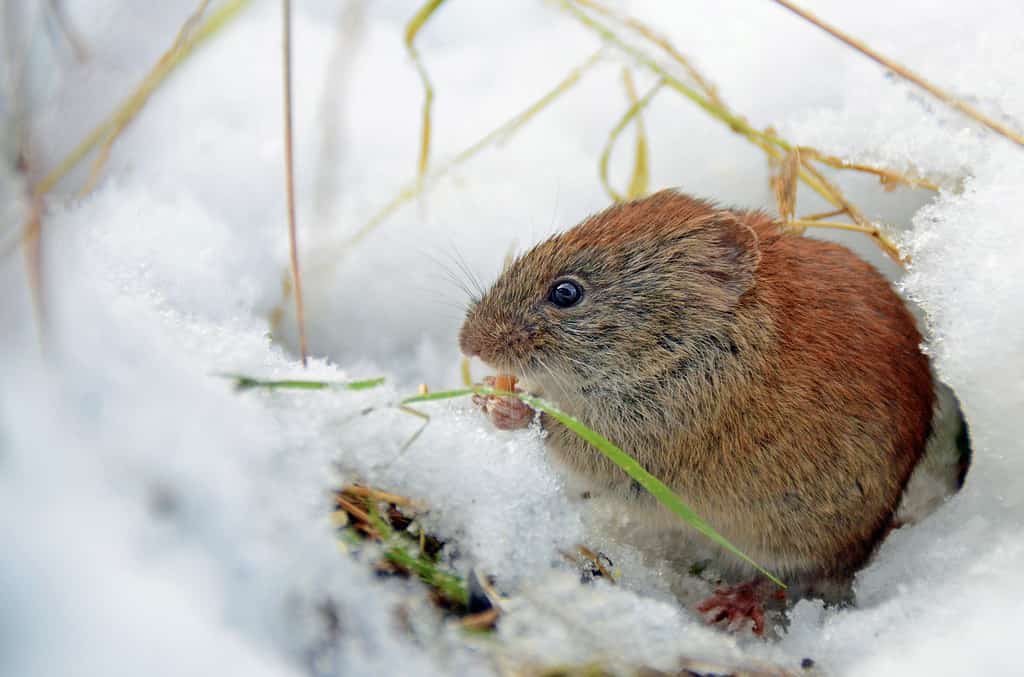
Voles build dense, grass-lined nests for warmth.
©Lev Frid/Shutterstock.com
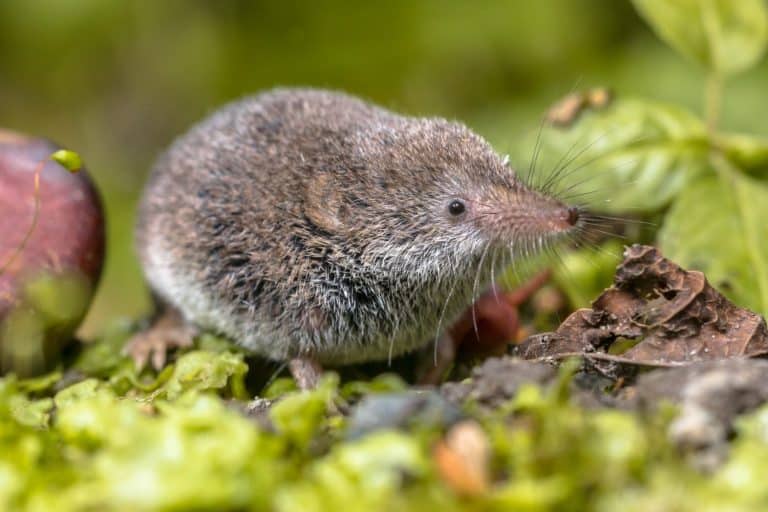
You might be surprised to find that some of the most active species during the winter are hidden beneath the snow. Referred to as the subnivean zone, this hidden, protected layer of air is located between the ground and the bottom of the snowpack. As snow accumulates, it helps provide more insulation in the subnivean zone, trapping heat and maintaining temperatures close to 32 degrees even when the surface air is far below freezing. This sheltered environment serves as a sprawling winter highway for small mammals like shrews, voles, and mice to travel, nest, and forage, largely hidden from predators and protected from the elements.
Voles and mice stash massive caches of seeds and plant material in burrows or leaf litter. In addition to their stored food, voles and mice forage for roots, seeds, and inner bark as they scurry through their intricate tunnels. Shrews, in contrast, do not cache food, as they have an extraordinarily high metabolism and cannot store body fat well. Instead, they hunt relentlessly for larvae, insects, and earthworms, consuming their entire body weight every 24 hours.
Birds of Prey
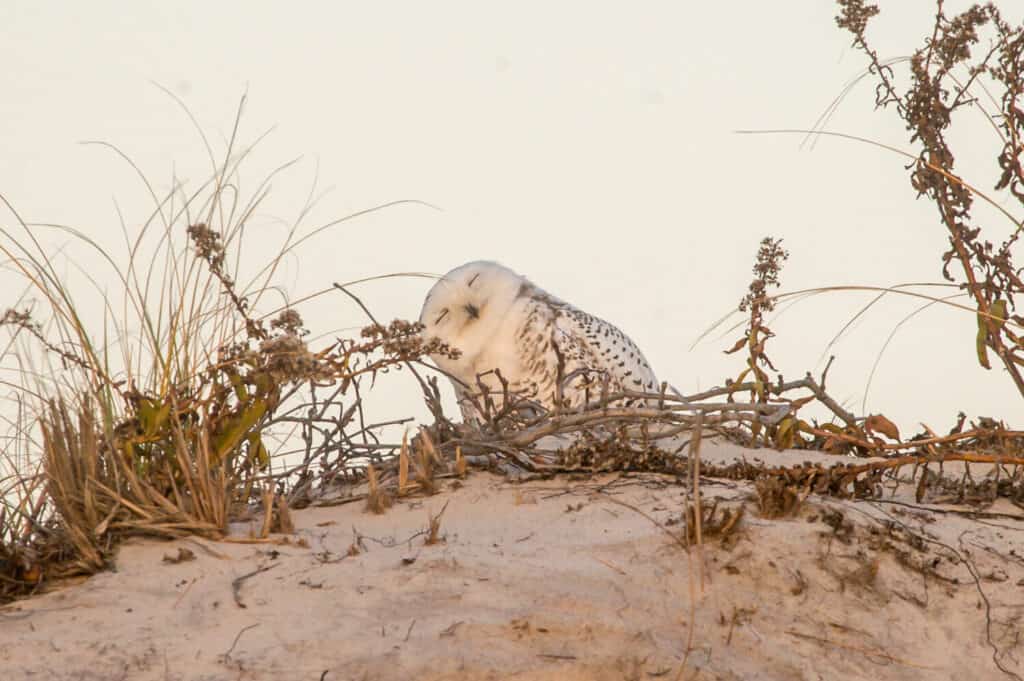
You can occasionally spot snowy owls resting on sand dunes along the eastern coast.
©Susan L. Angstadt/Shutterstock.com
Fall and winter are some of the best times of the year for watching birds of prey. Broad-winged hawks often travel in large groups in the fall and circle high overhead as they ride columns of warm air. Red-shouldered hawks and sharp-shinned hawks are also frequent sights as they glide across open skies.
In winter, great horned owls are among the most vocal and widespread raptors. They actually begin their courtship in midwinter, and their deep, resonant calls can often be heard near forested areas. Snowy owls sometimes arrive from the Arctic and settle across shorelines, open fields, and tundra-like habitats where they hunt rodents and waterfowl.
Songbirds
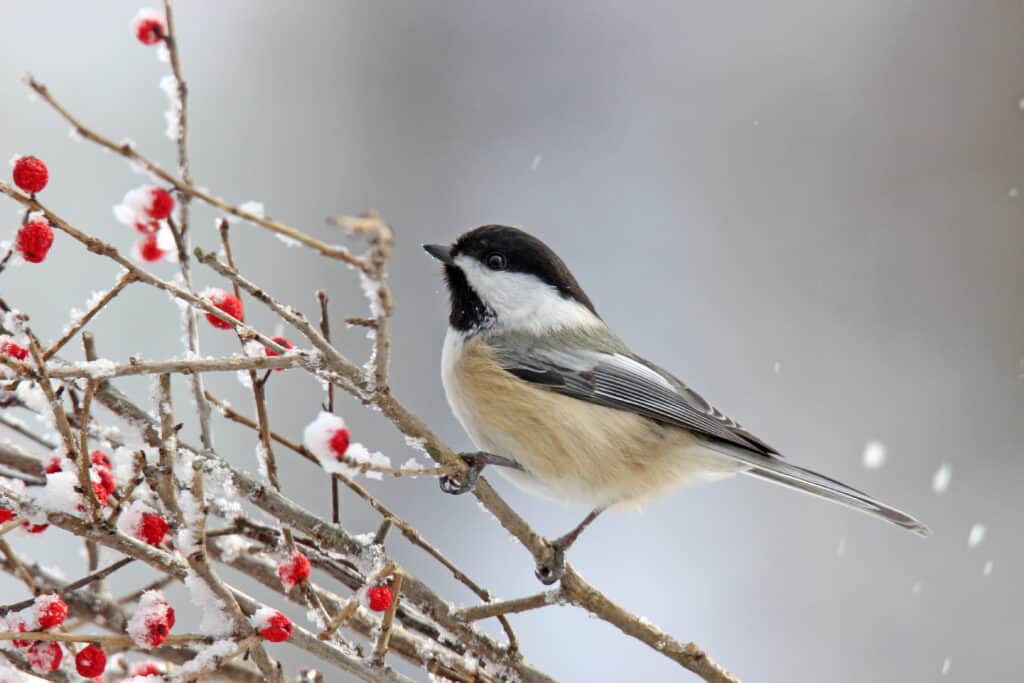
Black capped chickadees are very active throughout the winter.
©iStock.com/suefeldberg
Fall and winter are often marked by a flurry of songbird activity. In the fall, chickadees, blue jays, woodpeckers, titmice, and nuthatches busily stash nuts, seeds, and other high-energy foods in hidden caches. They take frequent trips to backyard feeders as well. American robins, in contrast, form large flocks and shift to feasting on ripening berries to sustain them through the winter.
Once winter sets in, these resident songbirds remain active, fluffing their feathers to trap pockets of warm air for insulation. Many rely heavily on the high-calorie food they collected during the fall for an energy boost and to maintain core body heat.
Waterfowl and Shorebirds
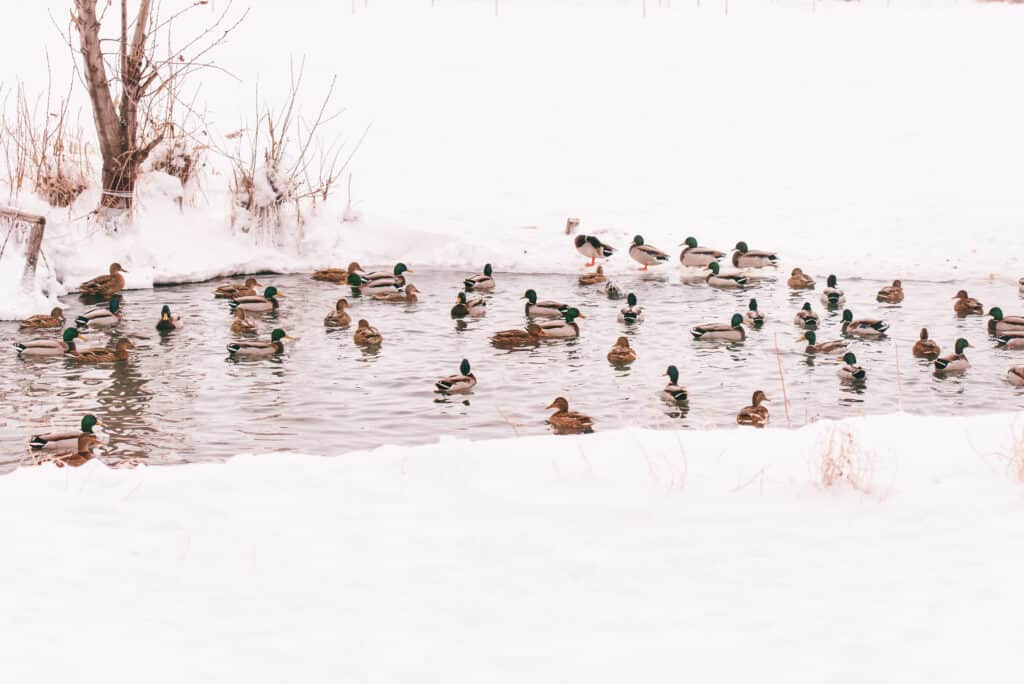
Many duck species thrive during the winter, even during snowy weather.
©Alexander Veprikov/Shutterstock.com
Ducks, geese, and pelicans are commonly spotted during their autumn migrations, traveling in large groups as their loud calls echo across the landscape. Mallards and Canada geese in particular form massive flocks that rest and feed at stopover sites before continuing their journey south. You can often spot various bird species gathered in mixed flocks in both freshwater and coastal areas. Gulls are especially common as they soar over the waves, circle fishing areas, and rest along beaches and piers.
Ducks are quite well-adapted to the cold, with a layer of insulating down to keep them warm, waterproof feathers to protect them from freezing, and a specialized vascular system that prevents their feet from freezing. Winter geese spend much of their time foraging with their families, while many gull species remain in cities year-round.
Lynx
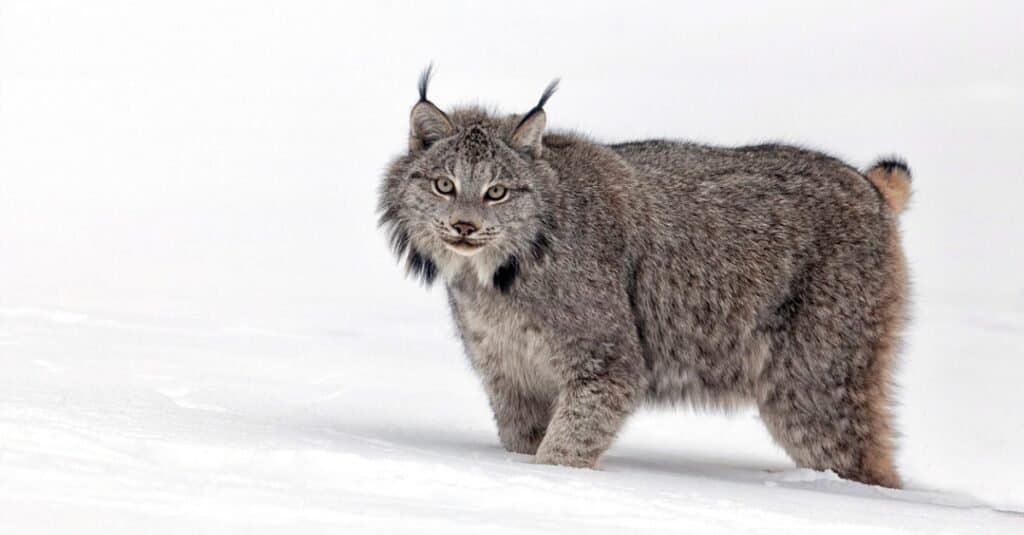
Lynx have exceptional instincts and keen senses that make them masterful hunters.
©iStock.com/Lynn_Bystrom
Although you are not likely to see one due to their stealthy behavior, lynx are masters of cold weather and thrive even in the freezing depths of winter. Their oversized, heavily furry paws act like natural snowshoes and allow them to move across deep and powdery snow. They have dense winter coats that provide excellent insulation in subzero temperatures and help them to blend into the wintry landscape. Their large ears can pick up and channel the faintest sounds, helping them detect prey like snowshoe hares hidden beneath the snow.
Bighorn Sheep
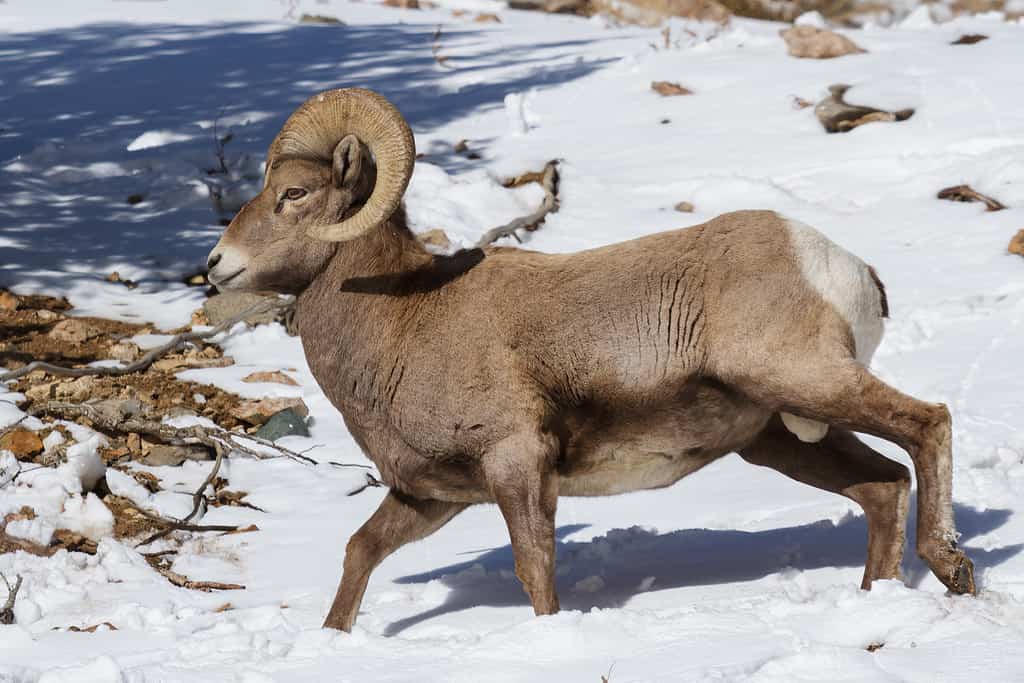
Bighorn sheep live in the mountains and desert areas of North America.
©iStock.com/Gary Gray
Late fall and early winter are some of the best times to see bighorn sheep. The rut typically begins in October or November and can extend into January. During this time, males engage in spectacular head-butting battles that can often be heard echoing loudly through the mountain valleys.
Bighorn sheep migrate to lower elevations in the winter as snow accumulates high in the mountains, and their diet shifts to woody plants like evergreens, bitterbrush, and sagebrush. Their hooves have a hard outer rim and shock-absorbing inner pads that help grip even in harsh conditions as they travel across icy cliffs and steep, rocky slopes.
Wolves
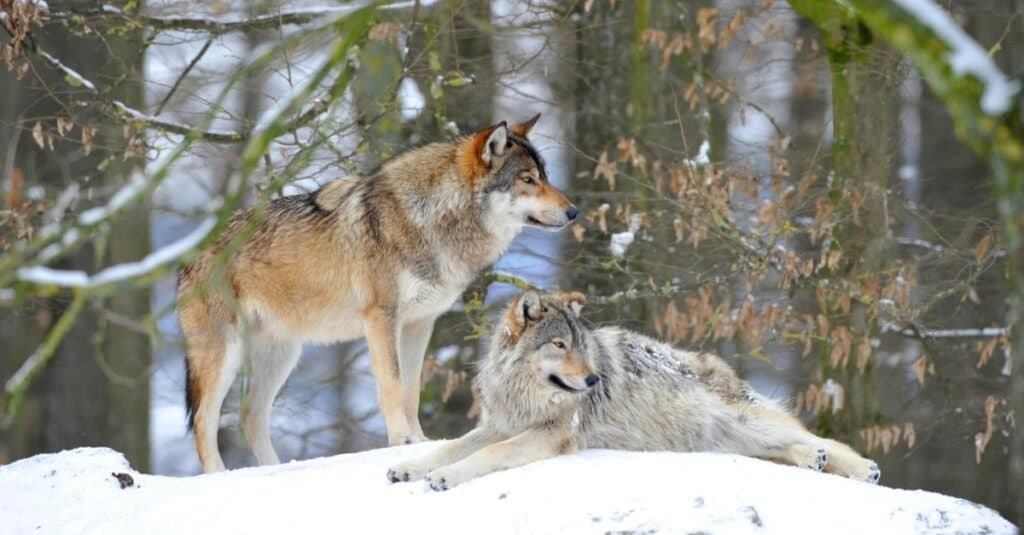
Younger wolves often leave the pack in the fall and may travel hundreds of miles in search of a mate and their own territory.
©imageBROKER.com/Shutterstock.com
Wolf pups are born in the spring and are nearly full-grown by the time fall rolls around. During this time, they become more active and join their packs in hunting and navigation. Wolves shed their light summer coats and grow a dense winter coat that conserves heat so well that snow often doesn’t melt on their backs.
Wolves use deep snow to their advantage as they stalk their prey. Their large feet help distribute weight and keep them on the surface of the snow, while many of the hoofed animals they hunt punch through the surface and must move more slowly. To conserve energy, the pack moves in a single file line.