
In an Instagram post titled “This Squirrel Likes What It Likes,” viewers watch an unusual moment unfold: a squirrel calmly resting in a human’s presence, leaning in for gentle scratches around its head and neck. The scene feels tender, almost pet-like, and it immediately raises questions. Why does this squirrel seem so comfortable? How old might it be? And what does its reaction tell us about the complex relationships between wild animals and people?
What’s Happening in the Video
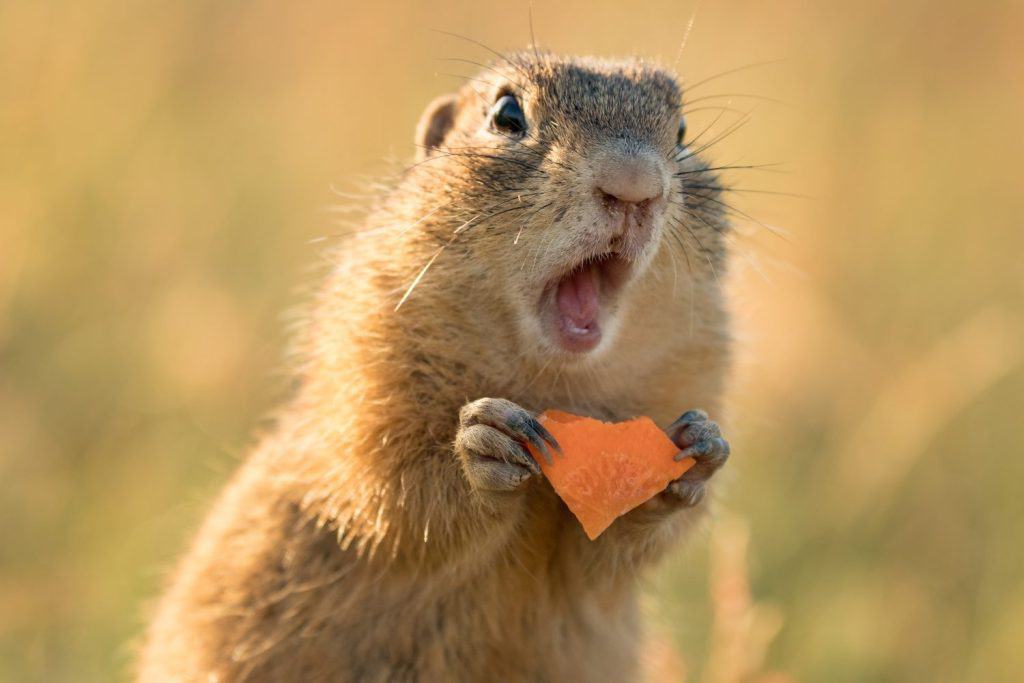
The squirrel in the video exhibits behaviors that are similar to those of a pet.
©Jan Stria/Shutterstock.com
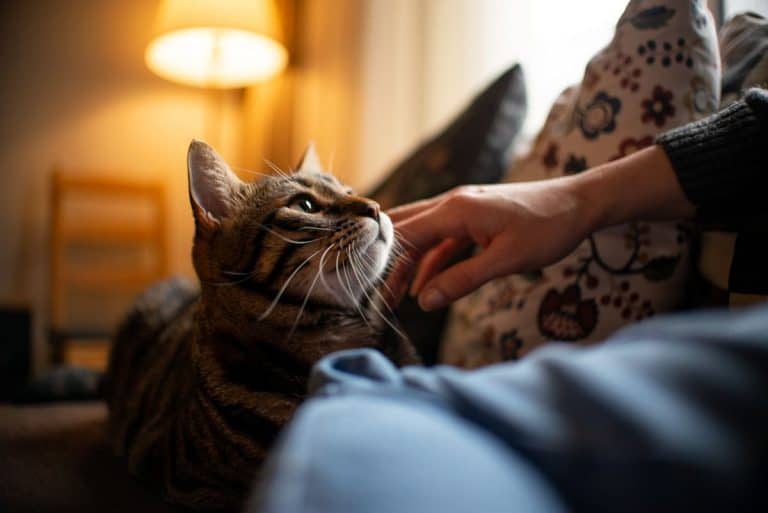
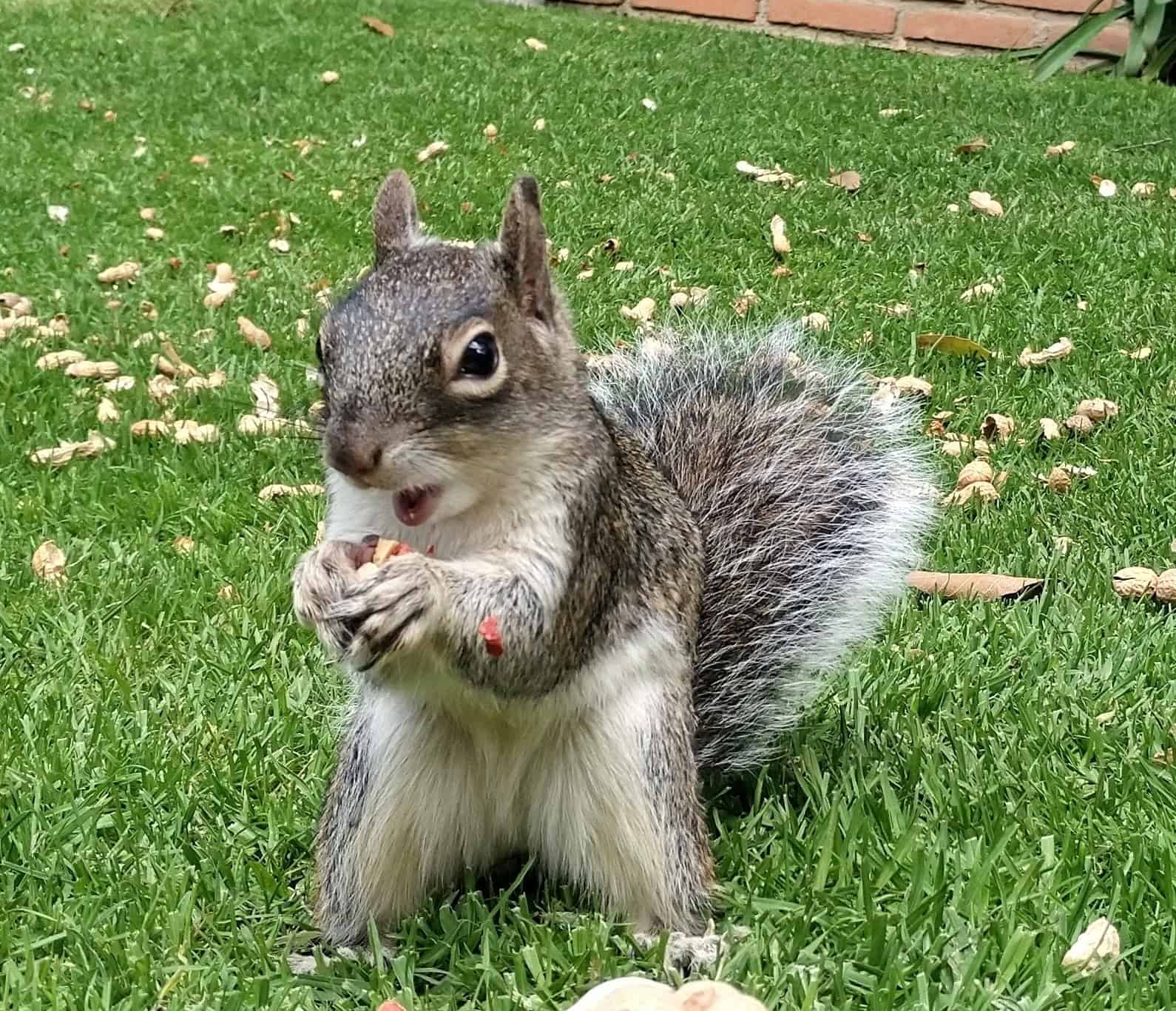
The squirrel in the clip seems unusually calm, leaning into scratches rather than darting away. Its eyes soften, its ears rest forward, and its posture signals relaxation. This is not the jittery, flight-ready stance most wild squirrels adopt when approached. Instead, its behavior mirrors that of a pet accustomed to human attention, showing how experience can shape trust.
Estimating the Squirrel’s Age
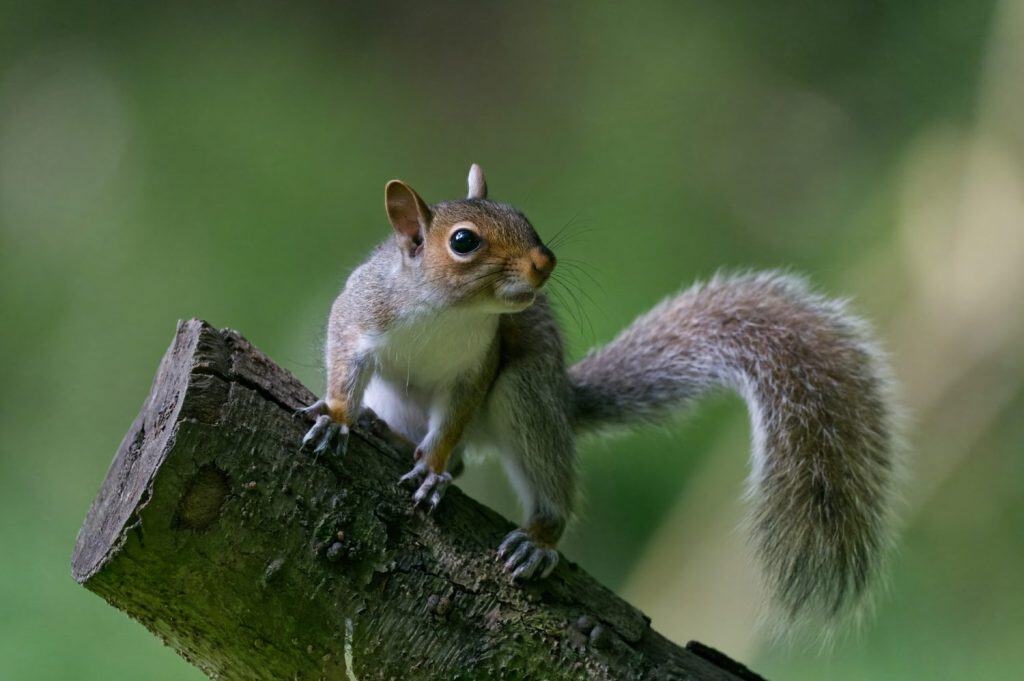
The squirrel in the video seems to be a young adult that is very comfortable around humans.
©A Turton/Shutterstock.com
Based on its size, coat, and proportions, the squirrel appears to be a young adult. Juveniles often have patchy fur and rounder features, while this individual looks sleek and mature. Such confidence around humans often develops when squirrels are hand-raised from infancy or fed consistently in their first months of independence. Wild squirrels that grow up without human contact usually remain skittish no matter their age.
Why Scratches Feel Good
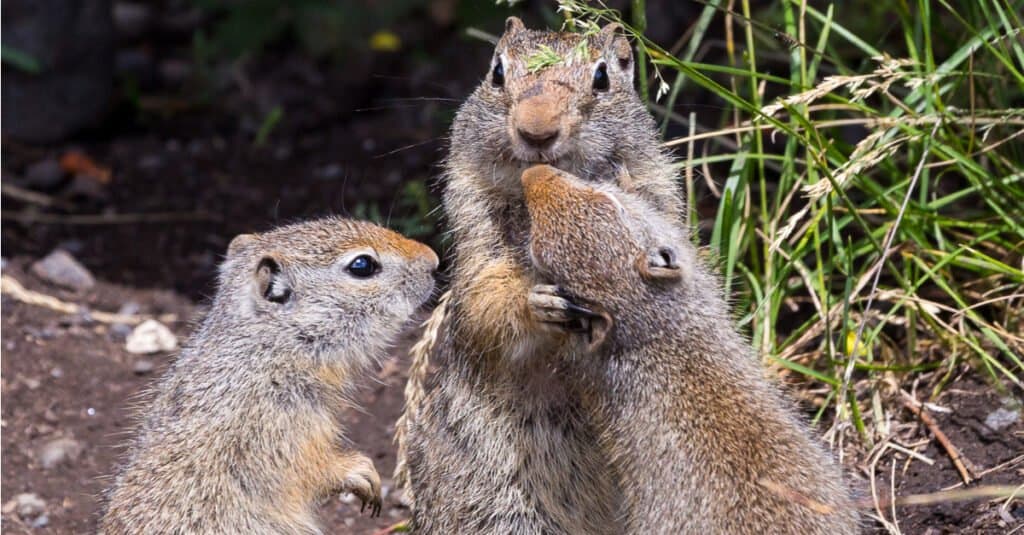
To a squirrel, receiving scratches feels similar to being groomed by their mother.
©Michael Chatt/Shutterstock.com
Scratching taps into a natural behavior. In the wild, mothers groom babies, and littermates groom each other to build social bonds. The sensation reduces stress and strengthens the connection. For a squirrel raised around humans, being scratched mimics that grooming. Touch can release chemicals that promote relaxation in many mammals. In humans and some domesticated animals, like dogs, oxytocin is released during bonding activities like nursing or petting. Similar mechanisms may contribute to a squirrel’s sense of comfort during gentle handling.
How Trust Is Built
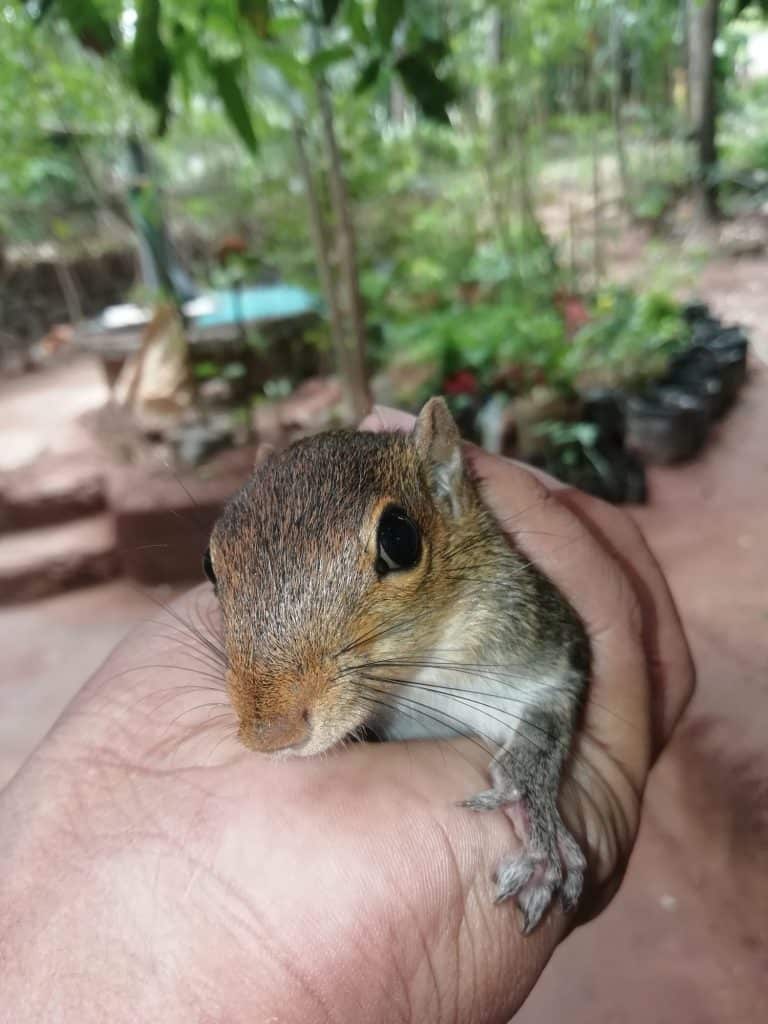
Squirrels that have frequent interactions with humans can come to trust them.
©Ashique akbar/Shutterstock.com
Squirrels that behave this way almost always share one trait: a history of safe experiences with humans. This may come through rescue and rehabilitation, through being fed in urban parks, or through living in neighborhoods where people regularly interact with them. The absence of fear signals a life shaped by gentle, consistent contact rather than threats.
The Risks of Tameness
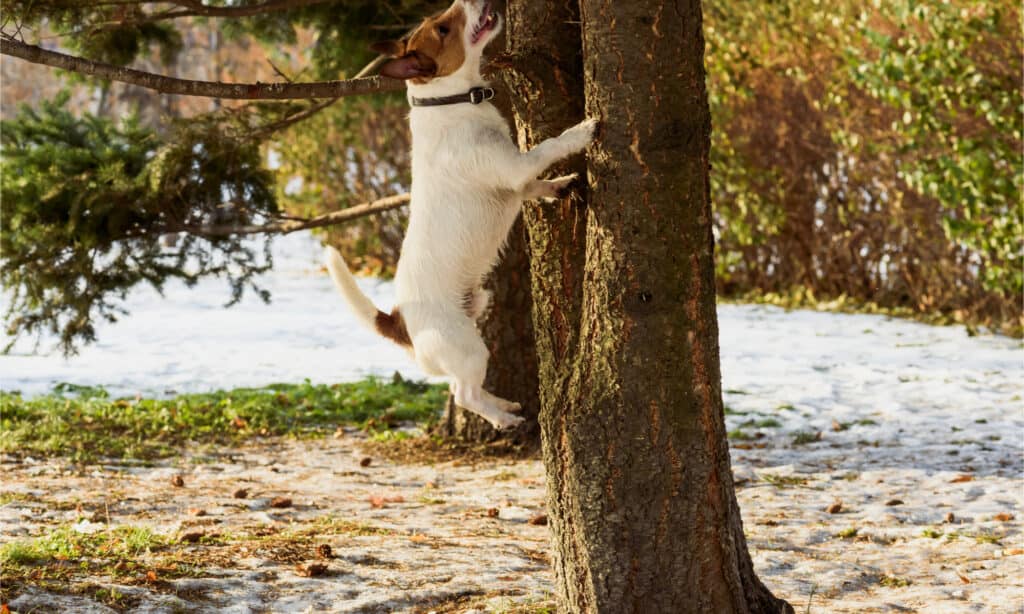
Tamed squirrels can become overdependent on human interaction and vulnerable to attack from pets.
©alexei_tm/Shutterstock.com
As charming as the video appears, it hints at risks. A squirrel that trusts people too much is more vulnerable to predators like dogs and cats or to humans who might not be as kind. Over-tame squirrels may also depend on human interaction rather than honing the instincts they need in the wild. The very trust that makes them appealing in a video could endanger them in everyday life.
Health Concerns: Bites and Diseases
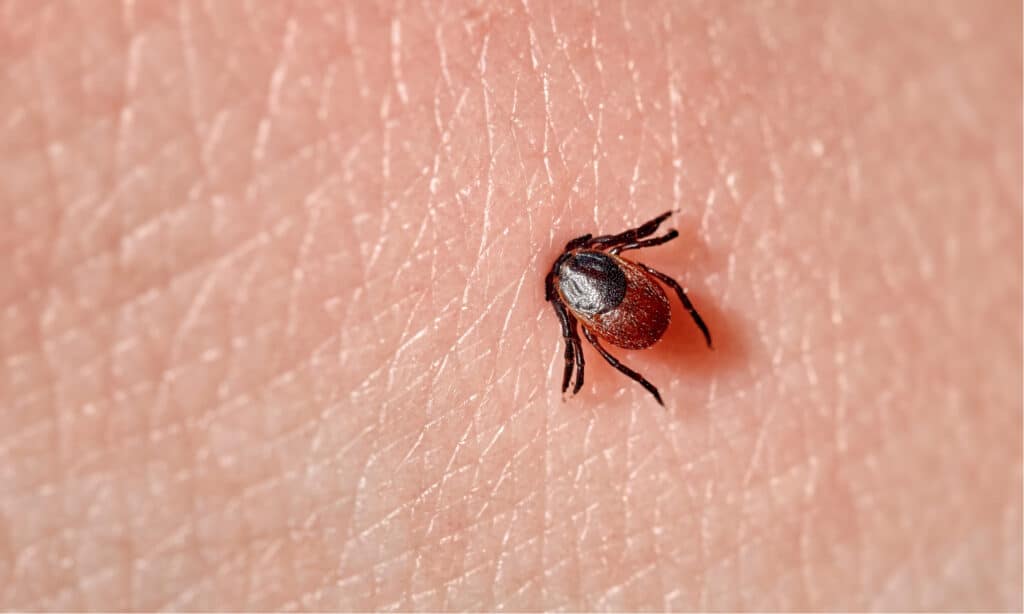
A squirrel’s sharp teeth can transfer parasites and pathogens to a human if they bite or scratch.
©Evgeniyqw/Shutterstock.com
Another caution often overlooked in viral clips is the potential for zoonotic disease. Squirrels can carry parasites such as fleas and ticks, and may harbor pathogens that, in rare cases, can pass to humans. Their sharp teeth also make bites dangerous. Even a small nip can cause infection. For these reasons, wildlife experts advise against treating squirrels like household pets. Friendly or not, they are still wild animals, and close handling carries risks.
Is It Legal to Raise a Squirrel?

In some places, it is legal to keep a pet squirrel, but the wellbeing of the animal should be prioritized.
©maradon 333/Shutterstock.com
The sight of a tame squirrel often sparks the question: could someone raise one as a pet? The answer depends on where you live. In many U.S. states, keeping native wildlife without a permit is illegal. Regulations exist to protect both the animal and the ecosystem. Hand-raising a squirrel without proper licensing may not only violate the law but also leave the animal poorly prepared for survival. Licensed rehabilitators are trained to release squirrels once they are ready, balancing care with conservation.
Do Squirrels Make Good Pets?
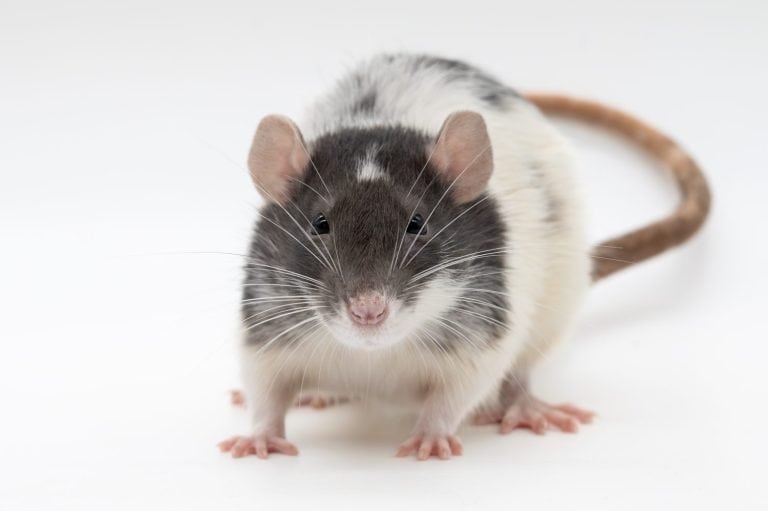
There are other options for a pet rodent that you will probably enjoy more than a squirrel.
©Aleksandr Puludi/Shutterstock.com
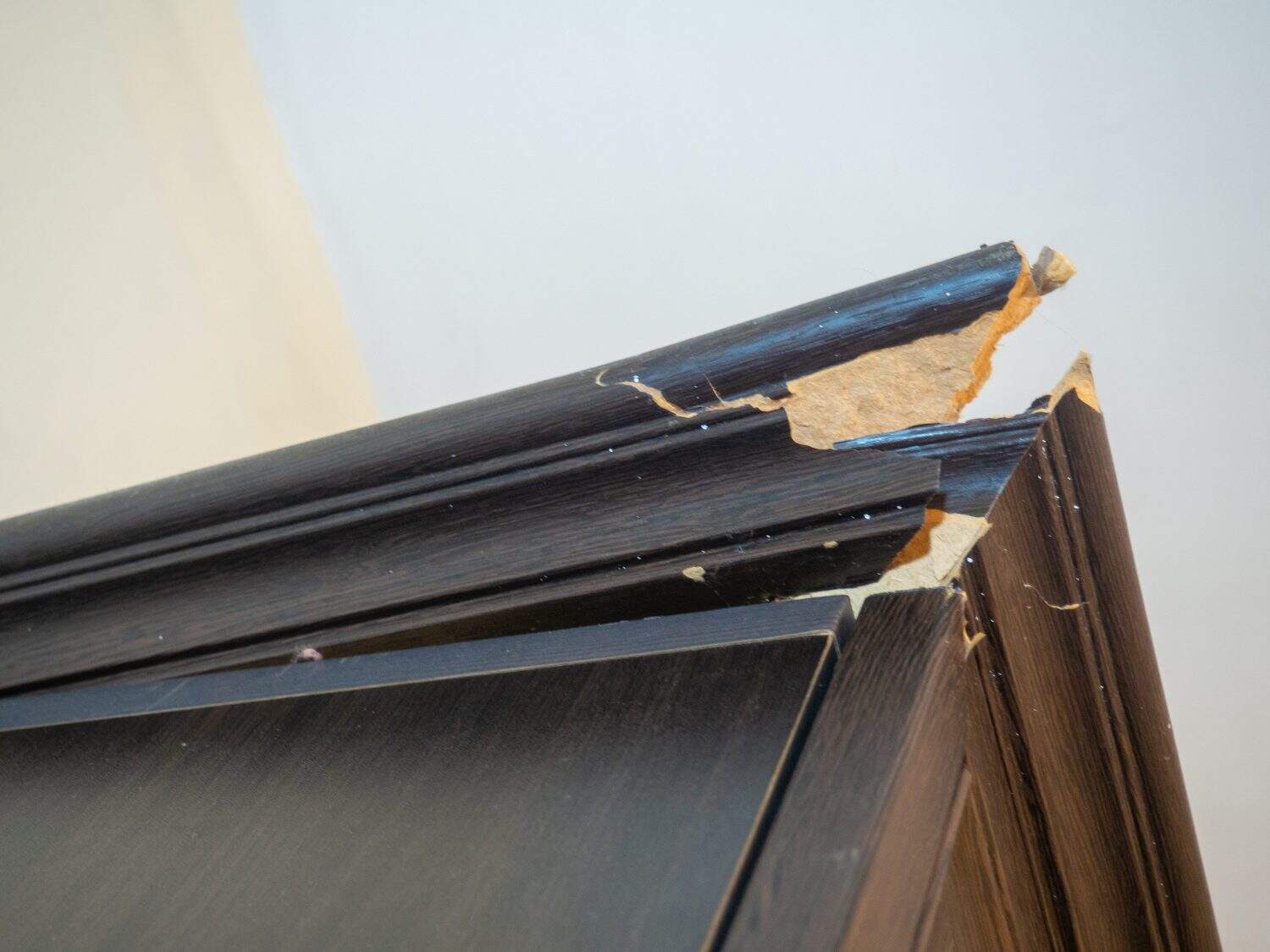
Even in states where ownership is legal, squirrels rarely make good pets. They are intelligent, high-energy animals with strong teeth designed for constant chewing. In a household, this often translates into destruction of furniture, electrical cords, and walls. They can climb and jump with ease, meaning that no part of the house is safe from the destruction they can wreak. You may also have to clean the tops of high cabinets and furniture, as squirrels may choose these places to defecate or urinate. Their sharp claws make handling difficult, and their unpredictable temperaments mean bites are common even from seemingly tame animals.
For those drawn to the idea of a small, interactive animal, there are safer and more suitable alternatives. Sugar gliders, for example, are social, nocturnal marsupials that bond well with owners when properly cared for. Domesticated rats and mice also provide companionship without the risks associated with wild species. Guinea pigs, hamsters, or even ferrets offer playful interaction while being bred specifically for life with humans. Guinea pigs tend to be more sedate than some of the others and are unable to climb or jump onto high furniture. Each of these alternatives avoids the ethical and ecological problems of removing wild animals from their natural roles.
The Problem with Feeding Squirrels
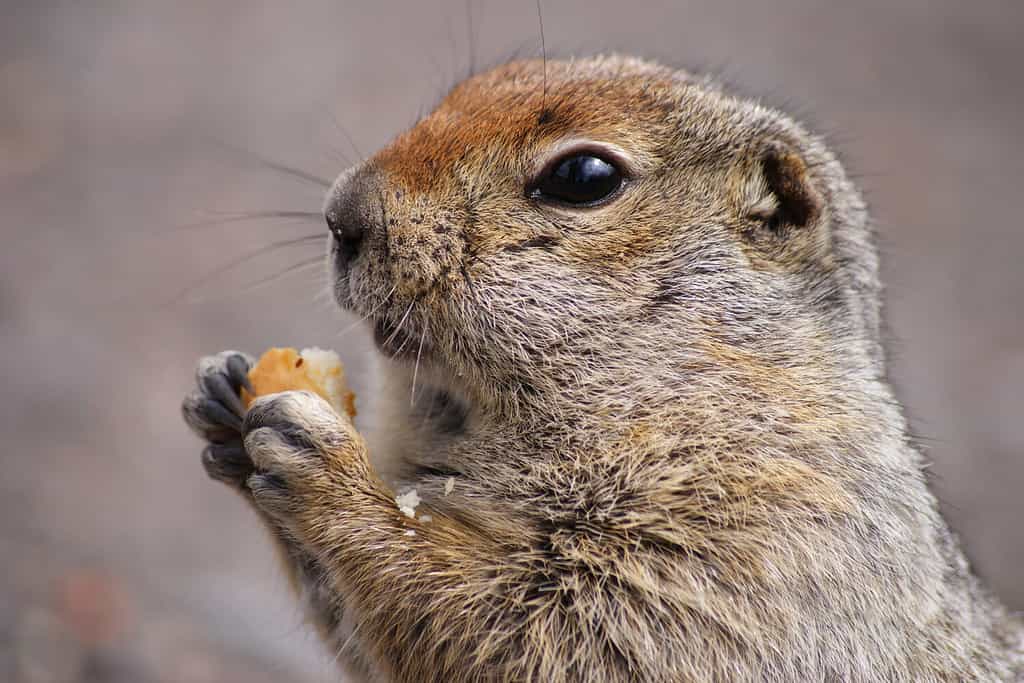
Feeding squirrels can have unintended consequences, making them more reliant on handouts instead of their foraging skills.
©Lateman/Shutterstock.com
Feeding squirrels in backyards or parks may seem harmless, but it carries unintended consequences. Animals that grow dependent on handouts may lose foraging skills. Abundant food in concentrated areas brings more squirrels in contact with one another than is normal, increasing the spread of disease. It can artificially boost local populations, attracting predators and increasing conflicts with humans in the neighborhood. More animals, for example, may be hit by cars, damage homes and landscaping, and eventually be euthanized by local people or animal control to reduce their numbers. Animals that become heavily dependent on people may die during the winter if their food source is removed—for example, if the person feeding them is unable to provide food for a period of time.
A True Story of Squirrel Feeding
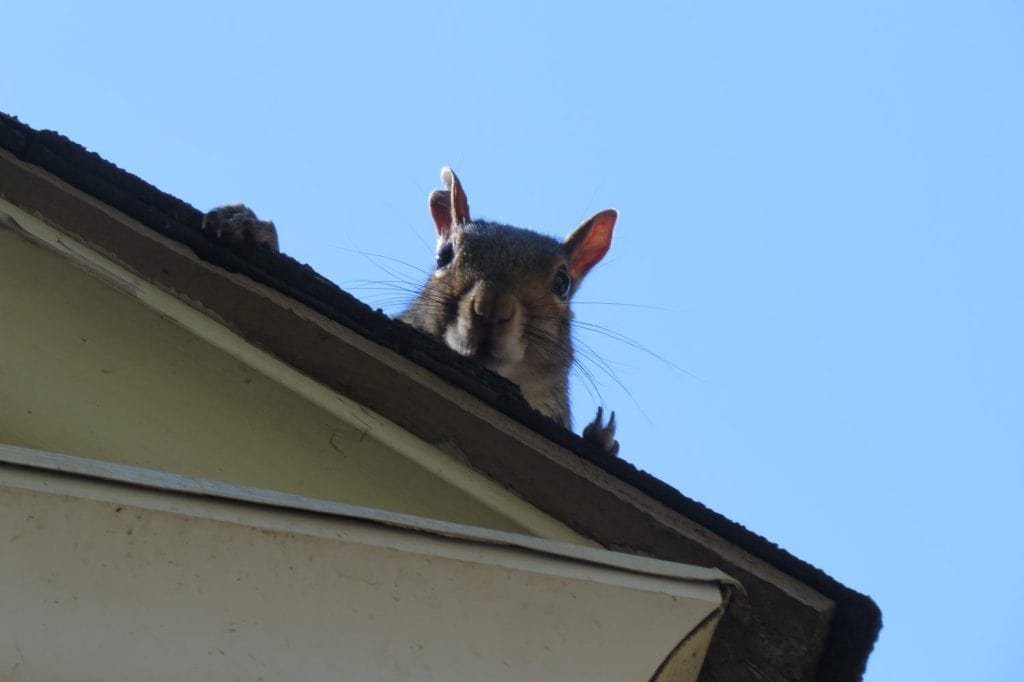
Squirrels are able to chew through siding and do expensive damage to homes.
©Al Munroe/Shutterstock.com
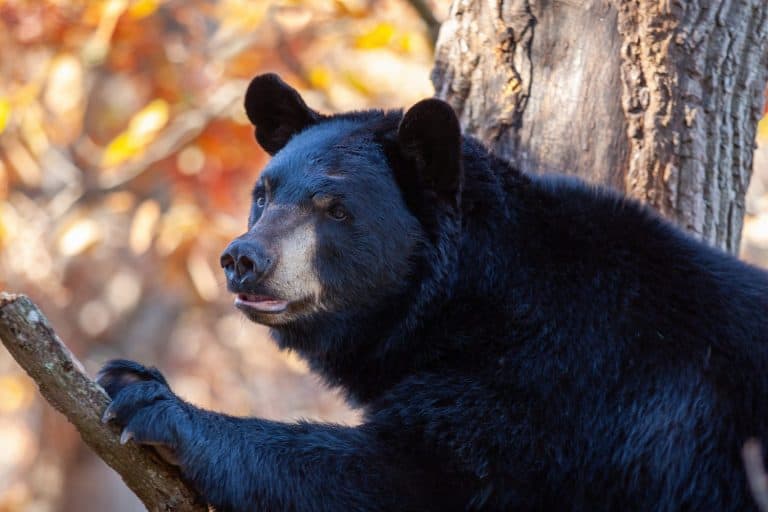
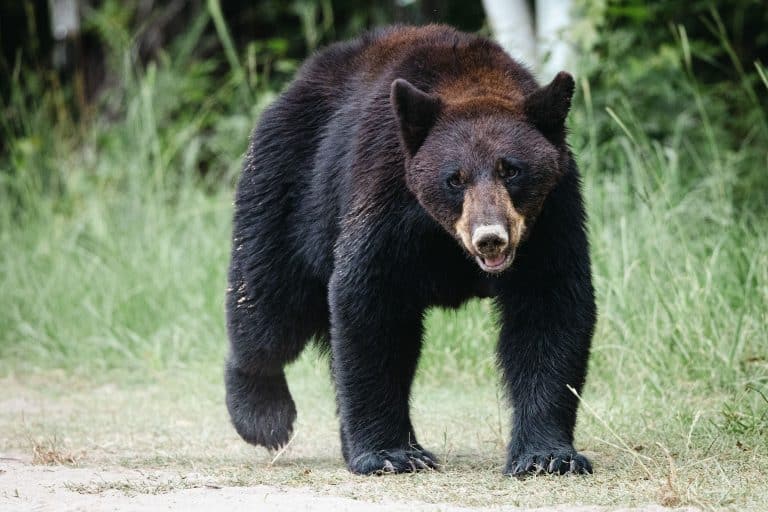
Katharine, a homeowner in Virginia, has experienced firsthand the trouble squirrels can bring. A wildlife lover, she put out food for birds and squirrels and was delighted to see them. Over time, she started to see more stray cats, raccoons, foxes, and even a black bear a couple of times prowling around her backyard. Some species were there for their share of seeds and feed, while others were glad to make a buffet of overfed and unwary squirrels.
However, after a while, the squirrels made numerous holes in the cedar siding of Katharine’s house and built nests in the insulation. When the house started to have electrical problems, she feared the squirrels might be chewing on the wiring, creating a fire hazard. All of this led to expensive repairs and the need to call an animal control specialist to trap and remove the animals from her property. In the end, she wished she hadn’t fed them in the first place.
What Videos Like This Teach Us
The popularity of this video reflects our fascination with the boundary between humans and wildlife. However, the lesson is not that all squirrels can or should be handled. Instead, the video demonstrates how early experiences and repeated contact can alter a wild animal’s natural instincts. The challenge is to balance our enjoyment of these moments with an understanding of what is best for the animal in the long term, as well as what is best for our own property and well-being.