
Quick Take
- Cochin chickens are one of the larger breeds.
- Cochin roosters are significantly larger than Cochin hens.
- Cochin hens are sometimes used as surrogate mothers.
Cochin chickens are heavily feathered, docile birds prized for their extreme cold-hardiness. Originally from China, they are now distributed globally and thrive best in cooler climates. Their dense plumage, including feathered legs, provides excellent insulation, but requires dry, clean coop conditions to prevent frostbite and mud buildup. Cochin chickens are not well-suited to hot, humid climates. Although Cochin hens and roosters look similar, there are key differences between the two, including size and plumage. Continue reading to discover how to determine if a Cochin chicken is a hen or a rooster.
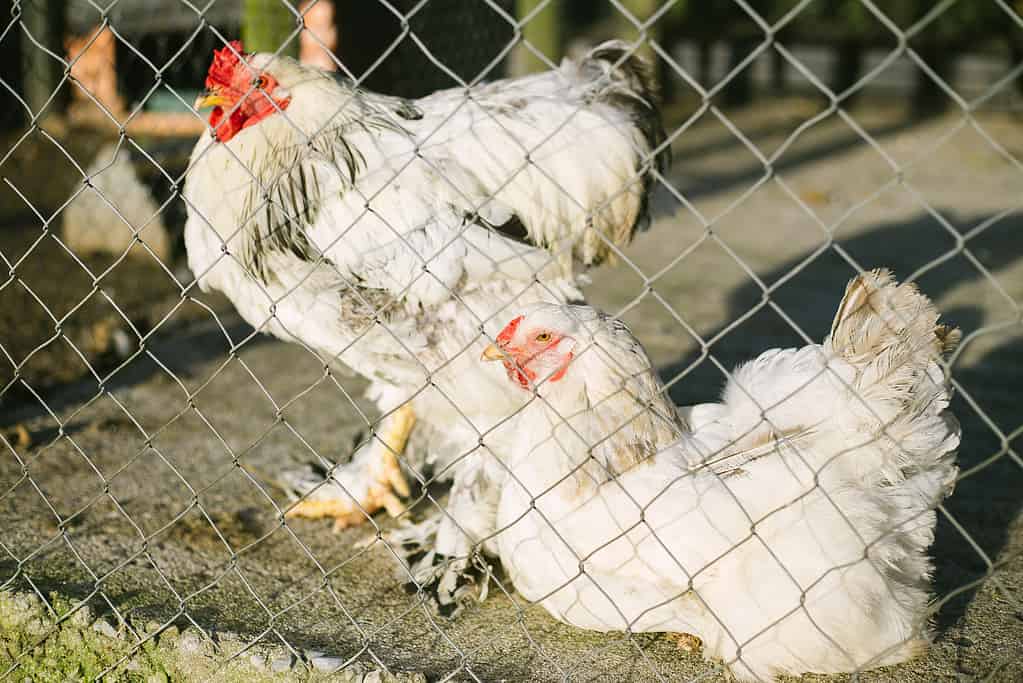
Cochin roosters and hens are quite similar in appearance but do show some sexual dimorphism.
©Albina Kosenko/iStock via Getty Images
Size
Although they are not as large as Jersey Giants and Brahma chickens, Cochin chickens are among the largest chicken breeds. Cochins look like large, puffy, rounded hearts in profile. Their massive bodies are too heavy for flight and for jumping from heights, so their perches and nest boxes should be kept relatively low to the ground.
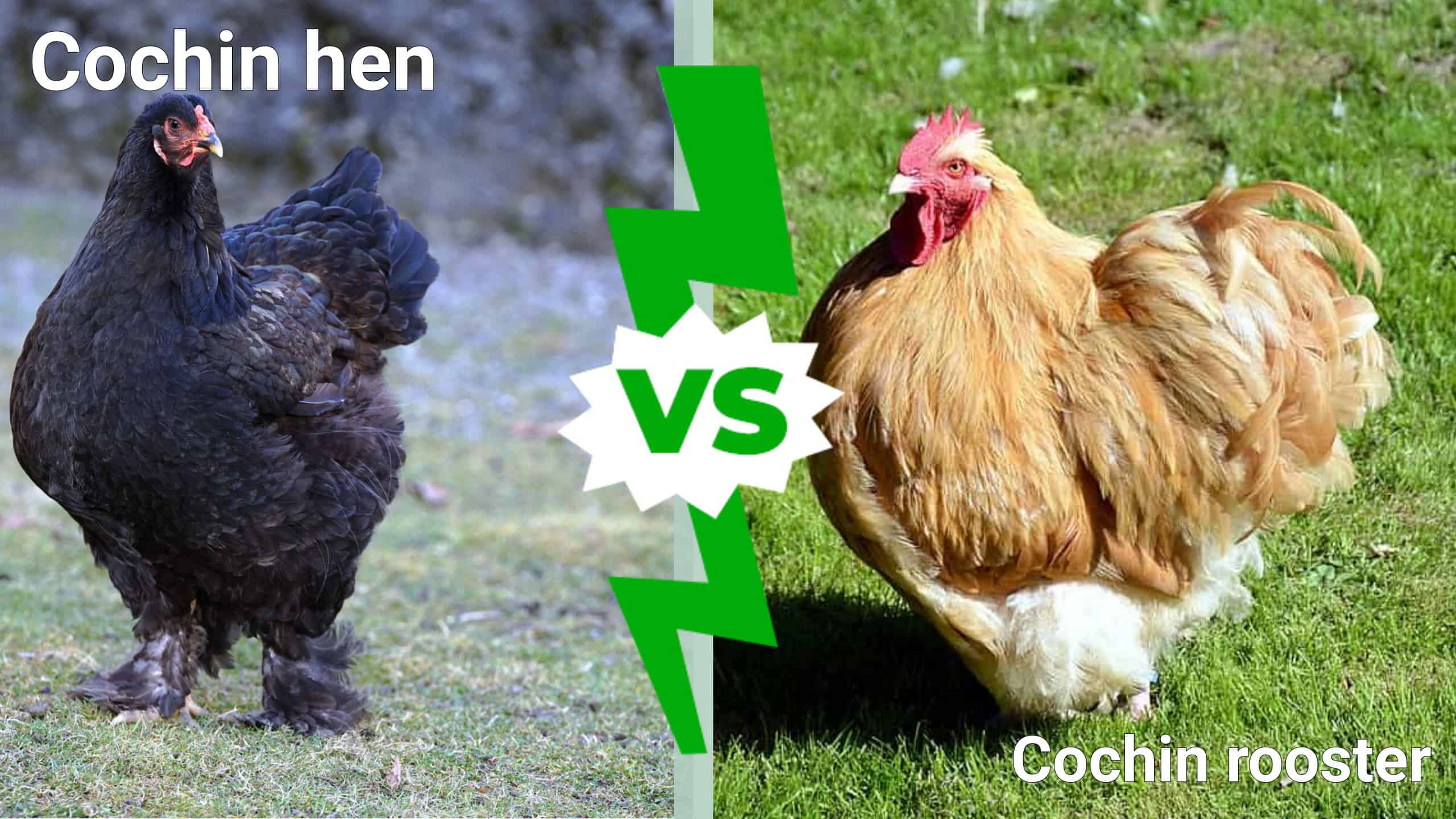
Like many breeds, Cochin chickens exhibit sexual dimorphism. Roosters typically weigh around 11 pounds and hens about 8.5 pounds, with roosters being noticeably larger and taller than hens.
Cochin Hen Vs. Rooster: Plumage
Cochin chickens are heavily feathered. Their plumage gives the chickens a very fluffy and rounded appearance. Their feathers extend down their legs and feet, completely covering all but the inner two toes on each foot. Both male and female Cochins make excellent show chickens due to their beautiful plumage.
This breed comes in a variety of colors, with white being the most common. Other recognized colors in the United States include black, blue, buff, partridge, white, silver laced, golden laced, and barred. Depending on the color variation, roosters can be almost identical to hens or can vary significantly. Buff cochin roosters and hens have similar coloration, with the only real difference being the length of their hackle and tail feathers. On the contrary, golden-laced Cochin hens and roosters vary substantially. Golden-laced hens are more uniformly feathered, while roosters have bright, coppery hackles and shiny black tail feathers.
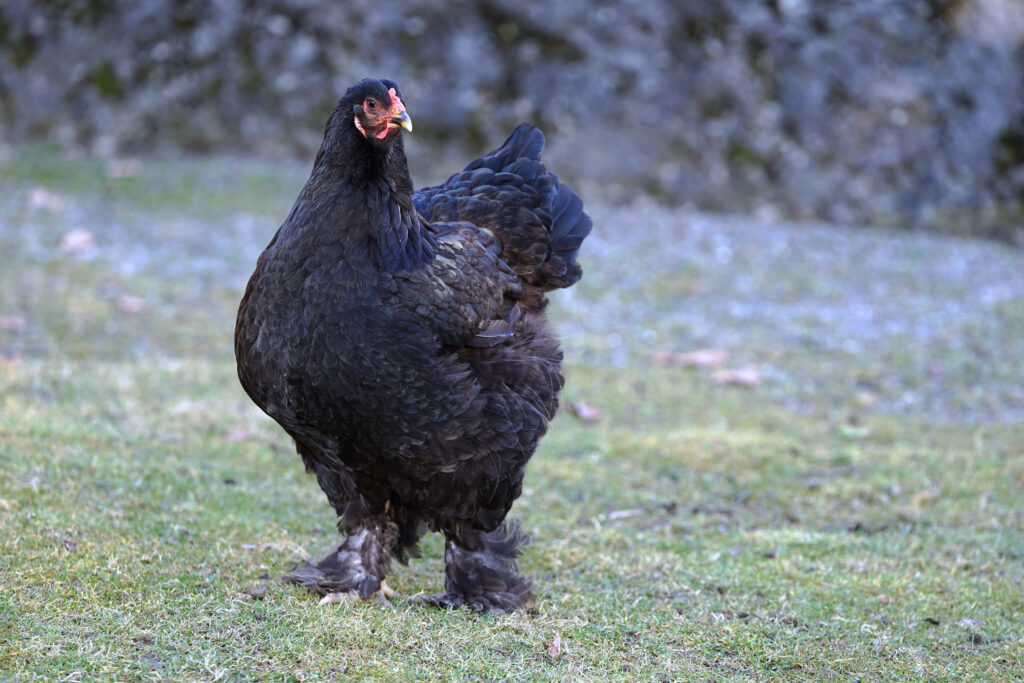
Depending on the color, Cochin hens may be difficult to distinguish from roosters.
©Dewi Cahyaningrum/Shutterstock.com
Cochin hens have neck, back, and breast feathers that are similarly colored and of uniform length. Cochin roosters have longer hackle feathers on their necks, sometimes in contrasting colors to the feathers on their backs and breasts.
Both Cochin hens and roosters have relatively short wings and short tails with feathers held upright. These feathers curve gracefully into a rounded shape, lending to the bird’s heart-shaped profile.
Cochin Hen Vs. Rooster: Combs and Waddles
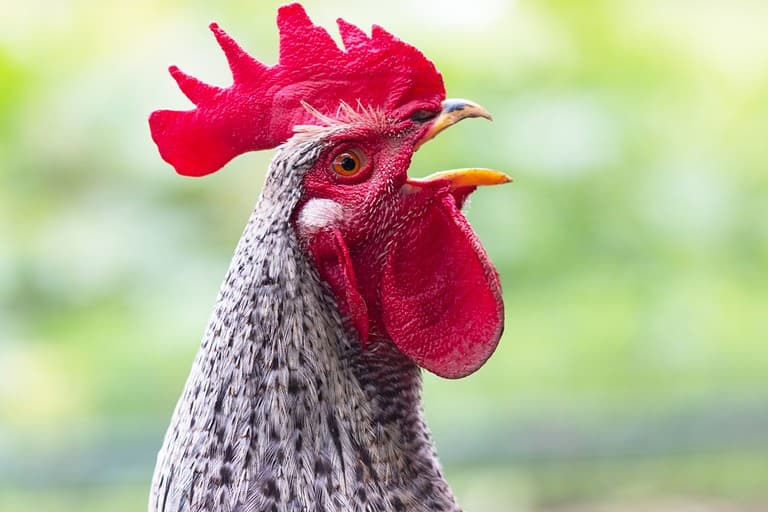
Cochin roosters have medium-sized, bright red single combs. They also have long, bright red wattles. Cochin hens have significantly smaller, rounded red combs and small red wattles. It is easy to differentiate between mature Cochin hens and mature Cochin roosters based on these traits alone.
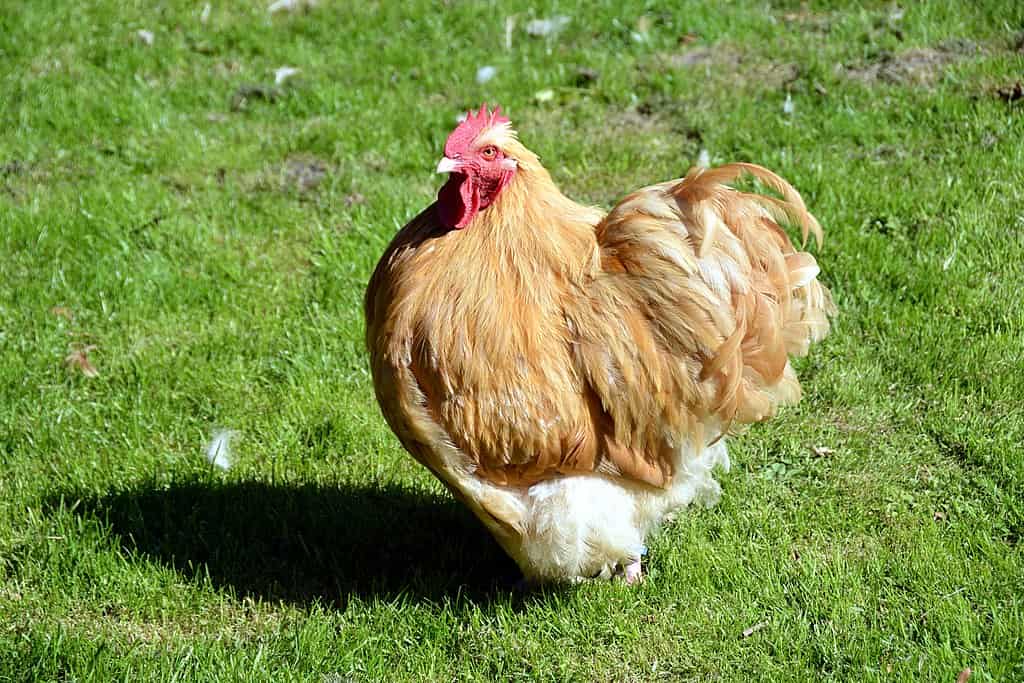
Cochin roosters have long red wattles and medium, single, red combs.
©Nightflyer, CC BY 3.0 <https://creativecommons.org/licenses/by/3.0>, via Wikimedia Commons – Original / License
Cochin Hen vs. Rooster: Temperament
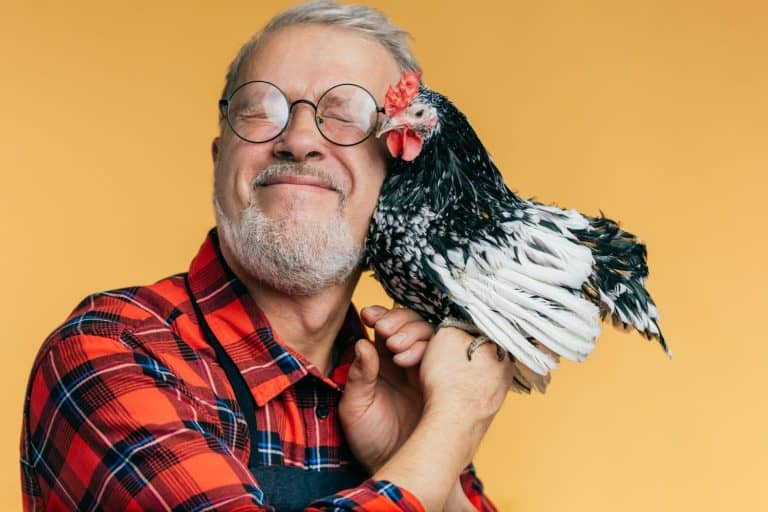
Cochin chickens are generally friendly and docile. Even the roosters do not mind being handled, so they are quite good with children, and they make great pets. They also get along very easily with other chickens in a backyard flock. Cochins are comparatively lazy birds. They tend to eat a lot, and they have a tendency to become overweight and even suffer from health problems related to obesity.
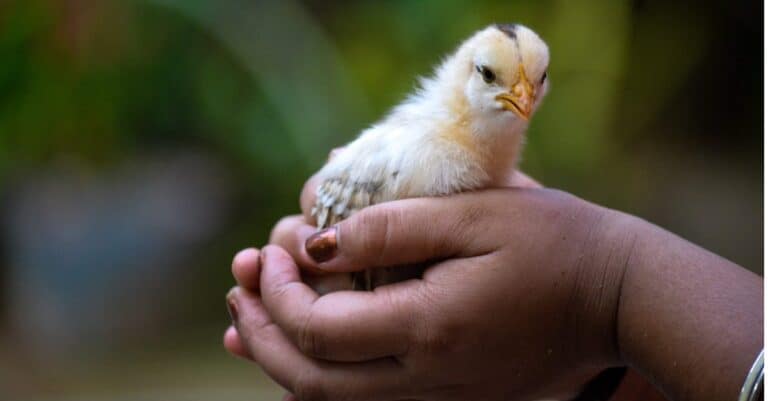
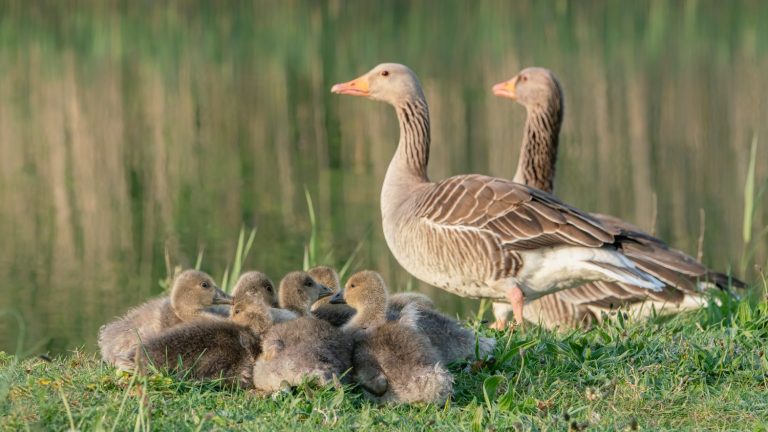
Cochin hens tend to be especially broody and maternal. They are wonderful mothers, but not only to their own chicks. Owners sometimes use Cochin hens to foster chicks from other hens. Also, because they are so large, Cochins hens have been known to hatch the eggs of ducks and are considered ideal surrogate mothers for ducklings.
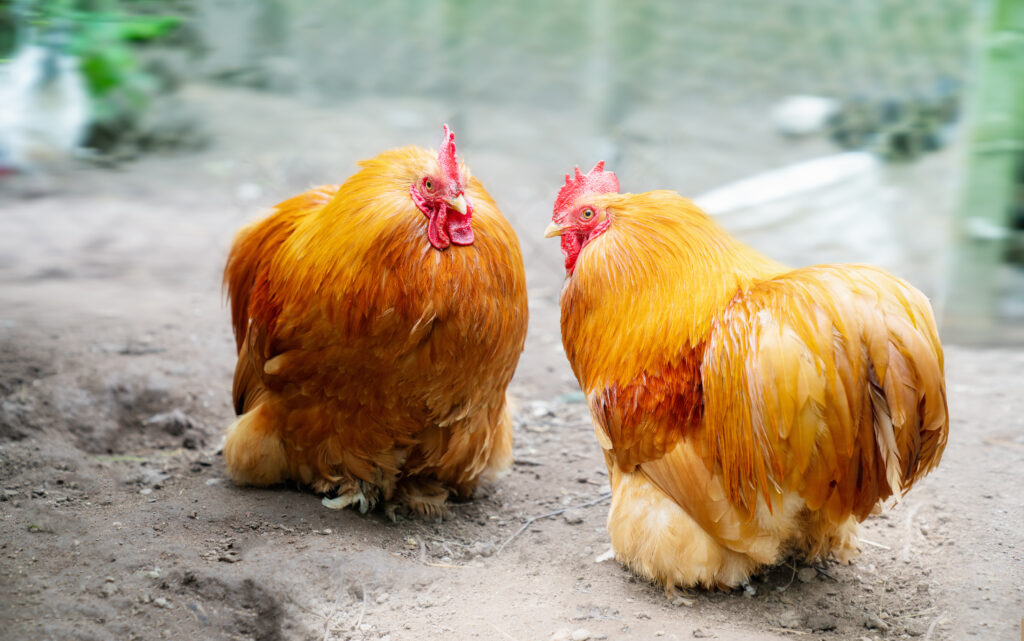
Cochin chickens, even the roosters, are calm and exceptionally friendly.
©Algirdas Gelazius/Shutterstock.com
Weight is the primary concern with this idle breed. Cochin hens and roosters are prone to obesity as a result of their languid nature. It is not unusual for Cochin chickens, both hens and roosters, to sit in a nesting box for the majority of the day.
Egg and Meat Production
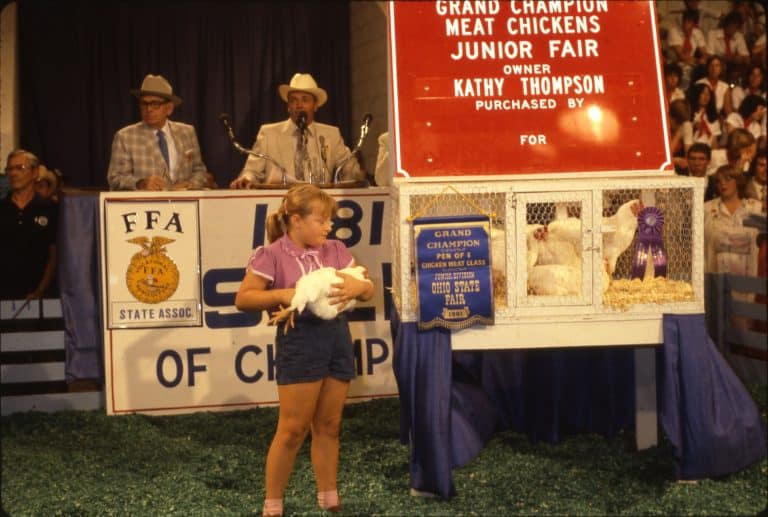
Cochin chickens became popular for their large size and ornamental value, though they can be used for both meat and egg production. They don’t come close to comparing with the best egg producers, but they do produce a sizable quantity of meat.
Owners often harvest Cochin roosters for roasting when they are young, as early as four months old. After this age, their meat can become stringy and tough, although mature birds still make good soup.
Cochin hens are primarily raised for egg production, although fully grown hens make good soup birds. Cochins begin laying eggs later than most breeds, often around eight to ten months of age. They lay an average of 150-180 eggs per year. Cochin hens are most productive for three to five years, though they can live for five to eight years on average, with some reaching up to 10 years. Cochin roosters have a similar lifespan.