Quick Take
- Backyard chickens are vulnerable to predators, disease, and weather, requiring strong coop design, biosecurity, and regular care.
- Hardware cloth instead of chicken wire, covered runs, and tight access control prevent many losses from raccoons, foxes, hawks, and disease.
- Practice biosecurity and vaccination, quarantine new birds, and separate feed and water from wild birds to reduce disease risk.
Many first-time chicken keepers don’t understand just how dangerous it can be inside a coop. Backyard flocks are vulnerable to wild predators, neighborhood pets, extreme weather, and infectious diseases—any of which can wipe out the birds you’ve spent months raising. What are some of the most common killers of backyard chickens, and how can you keep your flock safe?
Today, we’ll identify these threats and explain how to prevent them, drawing on multiple sources and professional insight from a long-time chicken keeper. We’ll discuss why chickens are more vulnerable than most owners expect, what you need to know before starting a coop, and additional tips to keep your flock safe over the long term.
We interviewed Kelly Pfeiffer, creator of The Homestead Collective on Amazon and author of A Beginner’s Guide to Happy, Healthy Backyard Chickens. She’ll share her expertise along with insights from professional sources.
Why Are Backyard Chickens So Vulnerable?
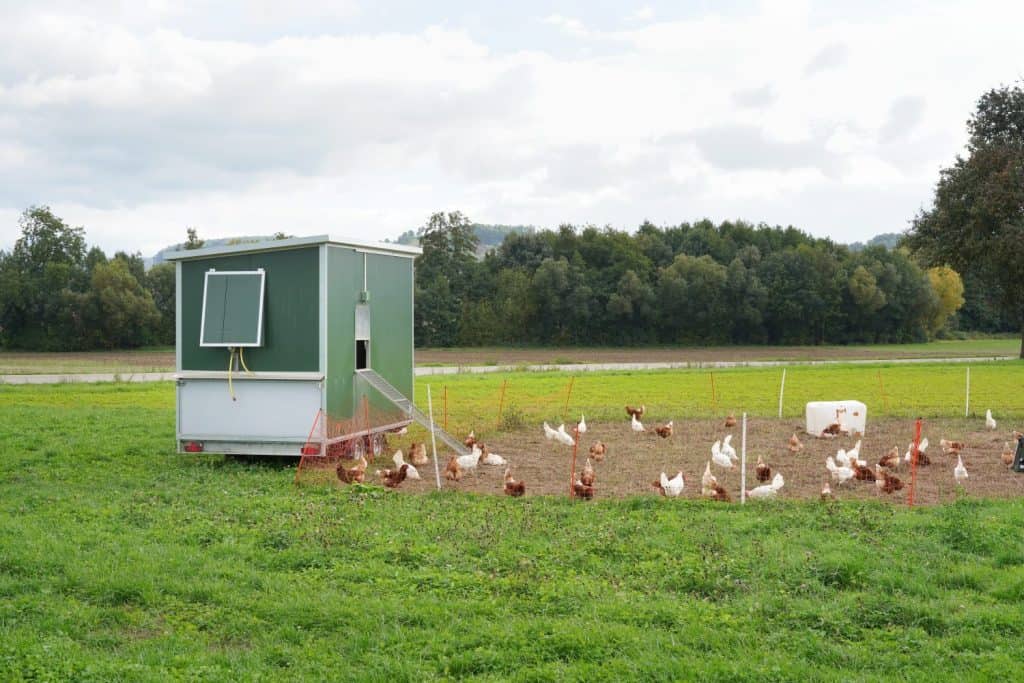
The security of your chicken coop is one of the best ways to protect your backyard flock.
©ThomBal/Shutterstock.com
There’s no denying the facts: chickens are prey animals with limited defenses. Predator management guides for backyard flocks point out that everything from raccoons and foxes to hawks and domestic dogs will happily take or harm birds if given a chance. Plus, many backyard coops aren’t built to withstand predation, as some threats are more persistent than novice owners expect.
Backyard flocks also share space with wild birds and rodents, which can carry another type of threat: parasites and viruses. Poultry health resources list common diseases such as coccidiosis, Marek’s disease, respiratory infections, and external parasites as frequent problems in small flocks.
“As a new chicken owner, it’s easy to imagine your birds as outdoor pets, and they should be thought of this way to an extent, but the reality is that you’re running a tiny farm in the middle of an active ecosystem,” Pfeiffer says. “Everything else out there is either trying to eat your chickens or eat their feed. Good coop design and good habits are your biggest lifesavers.”
Let’s dive into the most common killers of backyard chickens, beginning with an obvious threat: predators.
Killer #1: Raccoons and Other Nocturnal Predators

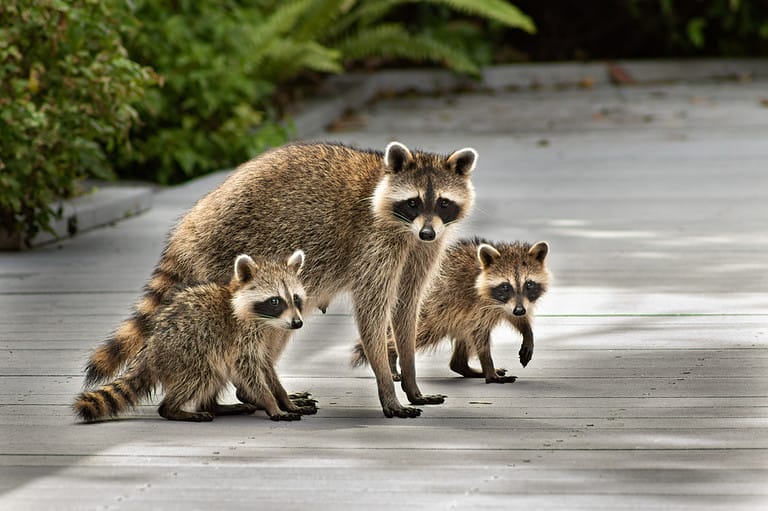
Raccoons are one of the biggest neighborhood threats to your backyard chickens.
©Vital9s/Shutterstock.com
Raccoons, opossums, skunks, and similar nocturnal predators are some of the most common backyard chicken killers. Predator ID guides from Cornell Cooperative Extension note that raccoons, in particular, are extremely dexterous and can reach through gaps in fencing to pull birds apart.
New chicken keepers often learn too late that traditional chicken wire is only designed to keep chickens in, not predators out. For this reason, securely attaching half-inch or quarter-inch hardware cloth to all openings is the standard recommendation for predator-proofing. In some areas, it may also be necessary to bury hardware cloth beneath the coop.
Pfeiffer puts it this way: “If your coop is wrapped in chicken wire, you’ve basically built a buffet with see-through walls. Raccoons can get their paws through, grab a bird, and literally pull the head through the wire.”
There are key ways to stop them, including:
- Using ½-inch or ¼-inch galvanized hardware cloth on all sides, windows, and vents, and attaching it with screws and washers instead of weaker staples
- Burying an apron of hardware cloth at least 12 inches deep or extending it outward along the ground to stop digging predators
- Installing raccoon-proof latches, such as two-step carabiners or locks, on doors and nest boxes
- Locking birds inside a secure coop every night, on a consistent schedule
Killer #2: Foxes, Coyotes, and Loose Dogs
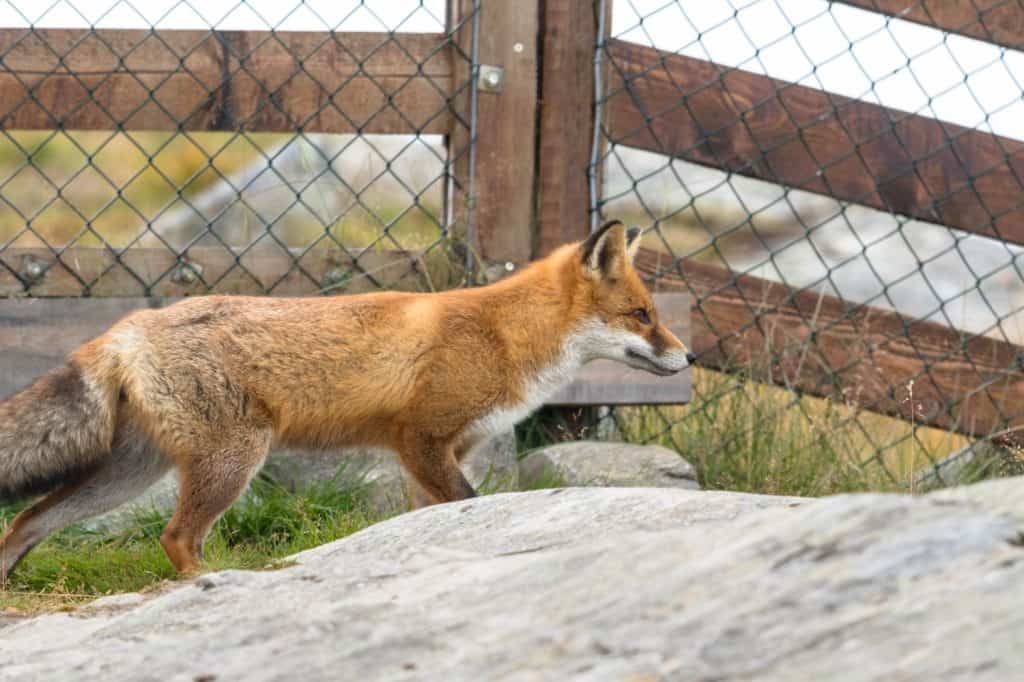
Foxes and neighborhood dogs may threaten your backyard flock.
©Lillian Tveit/Shutterstock.com
Foxes, coyotes, neighborhood dogs, and even stray cats are capable of wiping out an entire flock in minutes. As opposed to raccoons or smaller predators, these mammals often kill multiple birds in one visit, simply because the birds are easy targets in a confined space.
Foxes and coyotes especially excel at digging under fences and squeezing through surprisingly small gaps. Domestic dogs are capable of breaking through weak fencing or pushing open unsecured gates. These attacks typically occur at dawn and dusk, but free-ranging birds can be taken at any time by a variety of predators.
“In my experience, a neighborhood dog or cat can be just as dangerous as a wild predator,” Pfeiffer states. “We love our dogs, but a bored, unsupervised dog with any type of prey drive will blow through coop fencing.”
There are many ways to reduce the risk of this type of predation, including:
- Choosing sturdy perimeter fencing, at least 5–6 feet high, and repairing low or sagging sections promptly
- Adding a buried or outward-facing hardware cloth apron around the run to deter digging
- Using electric netting or a single hot wire around the outer fence in high-predator areas, following local codes and safety guidelines
- Never leave coop doors or run gates latched with simple hook-and-eye hardware; use sturdier locks and latches
Killer #3: Hawks, Owls, and Other Raptors
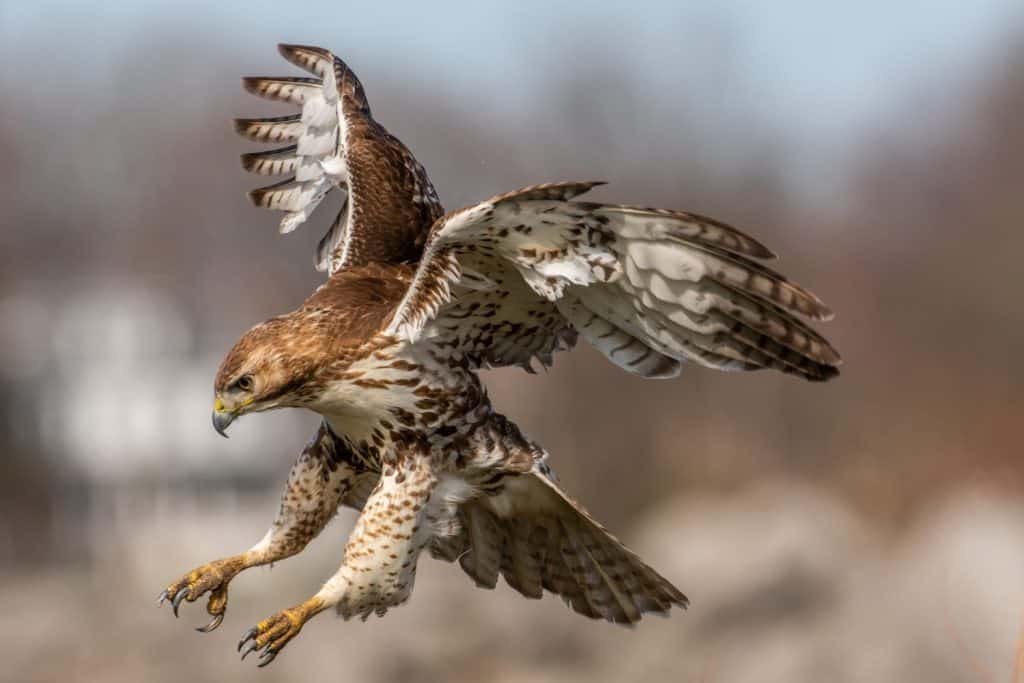
Birds of prey will return to your yard for more if they successfully capture a chicken from your coop.
©David Brace/Shutterstock.com
Hawks, owls, and other birds of prey are major threats to free-ranging or easily accessible chickens. Covering runs with mesh or netting is a must to prevent aerial attacks, especially in open areas where your birds have little natural cover.
Hawks typically descend during the day, targeting smaller birds that can be carried off with ease. Owls often hunt at dawn or dusk, taking birds that are left lingering outside the coop. Regardless of when they strike, once a raptor discovers your yard as a food source, it may return repeatedly.
Pfeiffer notes, “If you live where you enjoy watching hawks, assume those hawks are watching your chickens, too. A covered run is a must, especially one with a solid roof. Birds of prey can really stress backyard chickens out.”
Strategies that help can include:
- Covering runs with plywood, poultry netting, hardware cloth, or purpose-made hawk netting
- Planting shrubs, small trees, or shade structures so birds have places to dash under when alarmed
- Supervising free-range time and keeping it to shorter windows, as opposed to leaving birds out all day
- Considering a rooster or a properly trained livestock guardian dog in rural areas
Good coop design and good habits are your biggest lifesavers.
Kelly Pfeiffer, author of A Beginner’s Guide to Happy, Healthy Backyard Chickens
Killer #4: Rats, Weasels, and Snakes
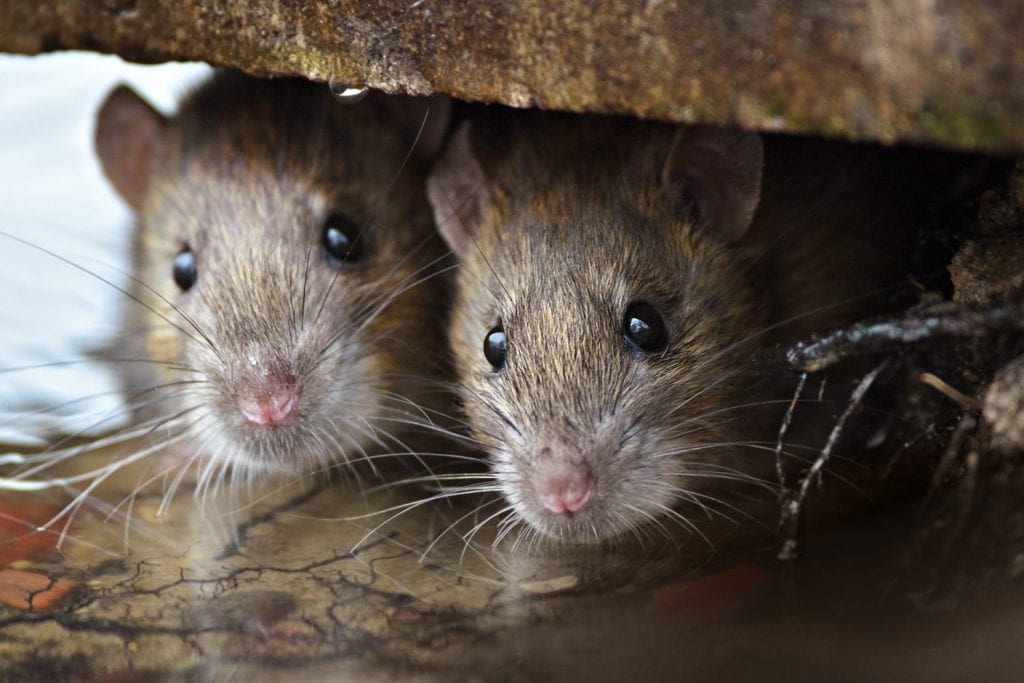
Rats target chicken coops for their feed first; then, they may expand to taking eggs.
©Gallinago_media/Shutterstock.com
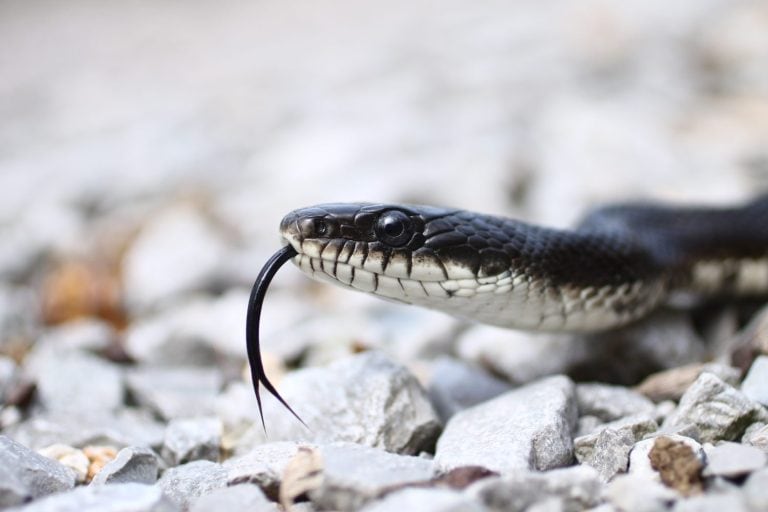
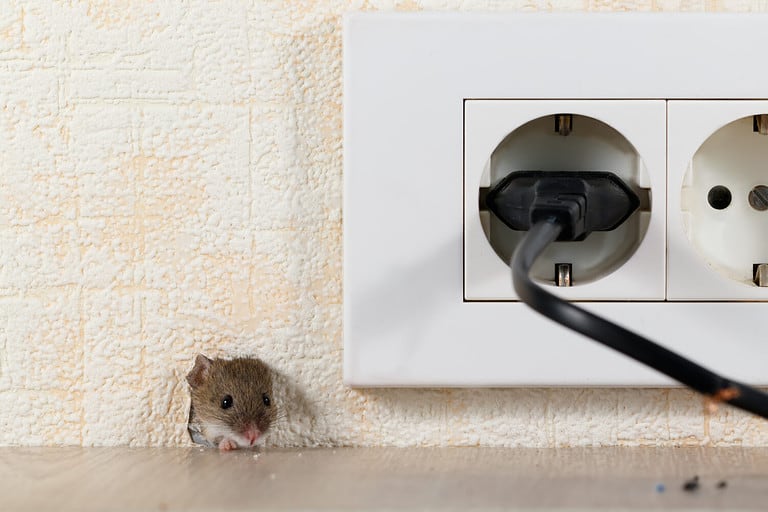
Smaller predators like rats, weasels, minks, and snakes can also harm chickens, often going unnoticed until significant damage has occurred. Rats and snakes, in particular, target chicks and eggs and are capable of sneaking through almost any gap or hole.
“Rats and snakes are some of the worst predators found in the chicken world,” Pfeiffer reports. “If they can get their head through a gap, it’s over. Any hole bigger than your pinky needs to be covered with hardware cloth or carefully sealed, especially around your brooding areas.”
Basic prevention strategies for these predators include:
- Storing chicken feed in metal containers with tight lids to avoid attracting rodents
- Cleaning up spilled feed and collecting eggs daily
- Sealing cracks and gaps in coop walls and floors, elevating coops wherever possible
- Using traps and integrated pest management around your bird areas
Killer #5: Disease and Illness Outbreaks
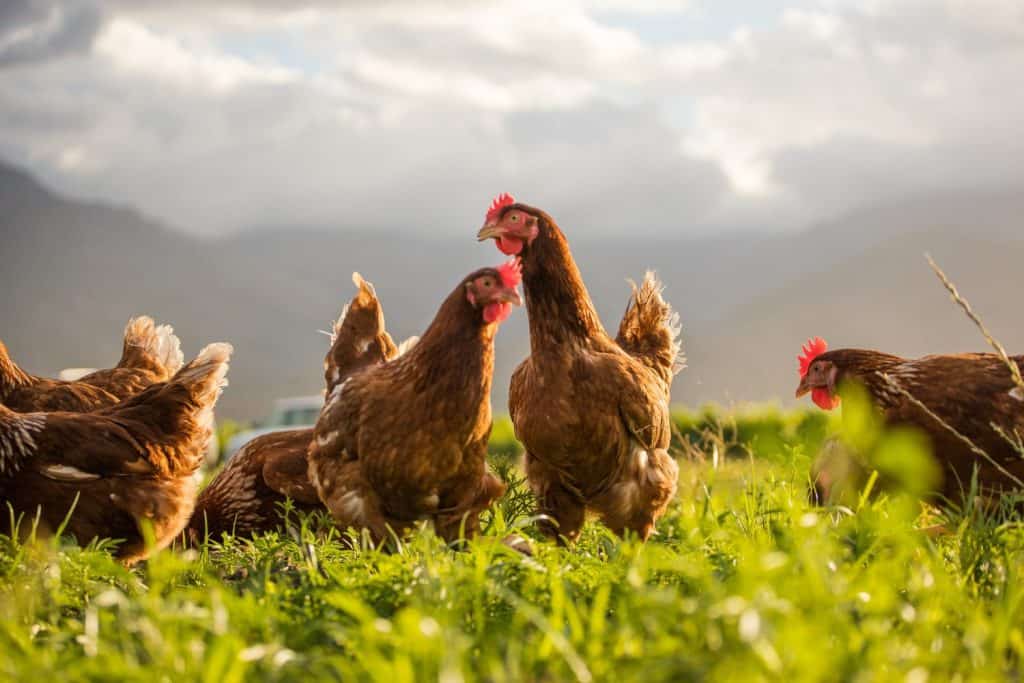
Backyard chicken flocks can fall victim to many types of diseases.
©Dewald Kirsten/Shutterstock.com
Infectious diseases can be just as deadly as predators, so it’s important to monitor the health of your flock closely. The Merck Veterinary Manual says the most common backyard flock diseases include Marek’s disease, respiratory infections, parasitic diseases, and external parasites.
National and state programs stress that backyard owners should practice basic biosecurity from the beginning of their coop: limiting visitors, separating new birds for a quarantine period, keeping wild birds away from feed and water, and cleaning equipment or shoes regularly. It’s also important to remember that backyard poultry often carry Salmonella and other germs, even if they appear healthy.
“In my book, the disease chapter is basically one big plea for biosecurity,” Pfeiffer reports. “Don’t bring home new birds and toss them straight into your coop. Don’t share equipment without cleaning it, and think about where your shoes have been before stepping into your coop. And vaccinate for things like Marek’s. Prevention is so much easier than dealing with a sick flock.”
Disease-prevention fundamentals include:
- Buying chicks from reputable hatcheries and asking about Marek’s vaccinations
- Quarantining new birds for at least 30 days away from your main flock
- Keeping wild birds away from feed and water using covered feeders and covered runs
- Maintaining dry, clean litter/ground cover and good ventilation to reduce ammonia and moisture
- Washing your hands after handling birds and avoid kissing or cuddling them close to your face
Killer #6: Heat, Cold, and Weather Extremes
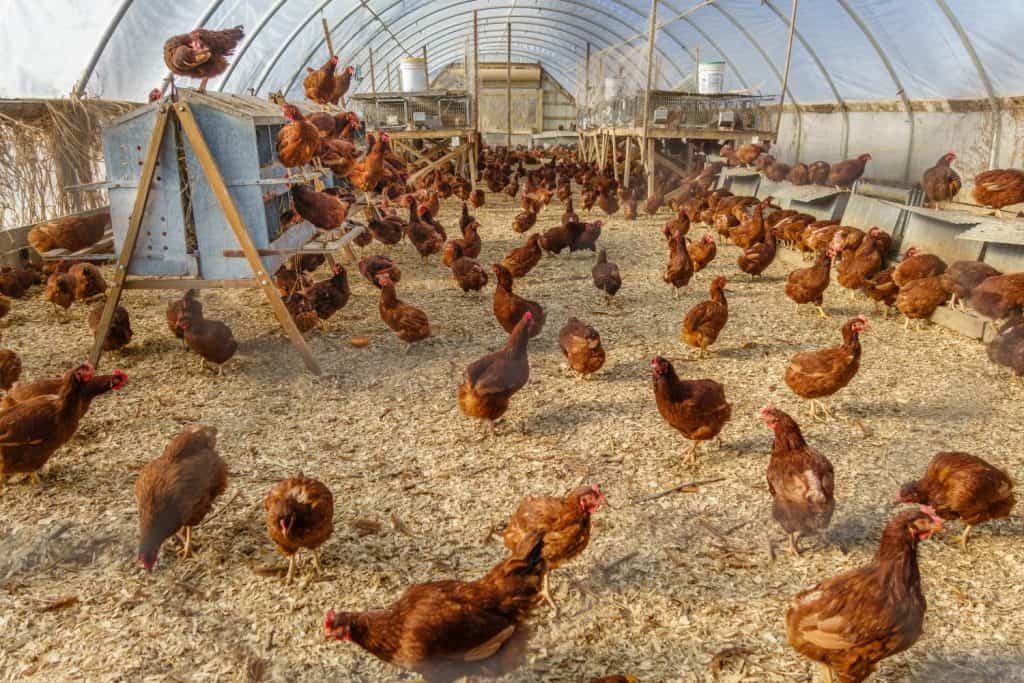
Both extreme hot and cold weather can harm or even kill your backyard chickens.
©Heidi Besen/Shutterstock.com
Weather can be a major threat to backyard flocks, especially in regions with hot summers or freezing winters. This is because chickens don’t sweat; instead, they pant and hold their wings away from their bodies to cool down. Cold stress—especially when birds are wet or kept in drafty, damp coops—can lead to frostbite and disease.
“Most new coop owners don’t think about extreme weather in either direction,” Pfeiffer notes. “It isn’t just chicks that require heat in certain climates. A well-ventilated, dry coop with no drafts will keep them safe through winter, but one unshaded run and no cool water in a heat wave can kill birds in hours.”
Weather-safety tips for backyard flocks include:
- Providing shade, plenty of cool water, and strong ventilation in hot weather, consider adding fans or misters
- Avoiding overcrowding, which increases heat load and stress
- In winter, focus on providing dry bedding, a draft-free but well-ventilated coop, and protection from wind and damp conditions
- Monitoring birds for signs of heat stress (panting, wings held out, lethargy) and cold stress (huddling, stiff movement, frostbitten combs); always respond quickly
Killer #7: Human Errors and Poor Coop Design
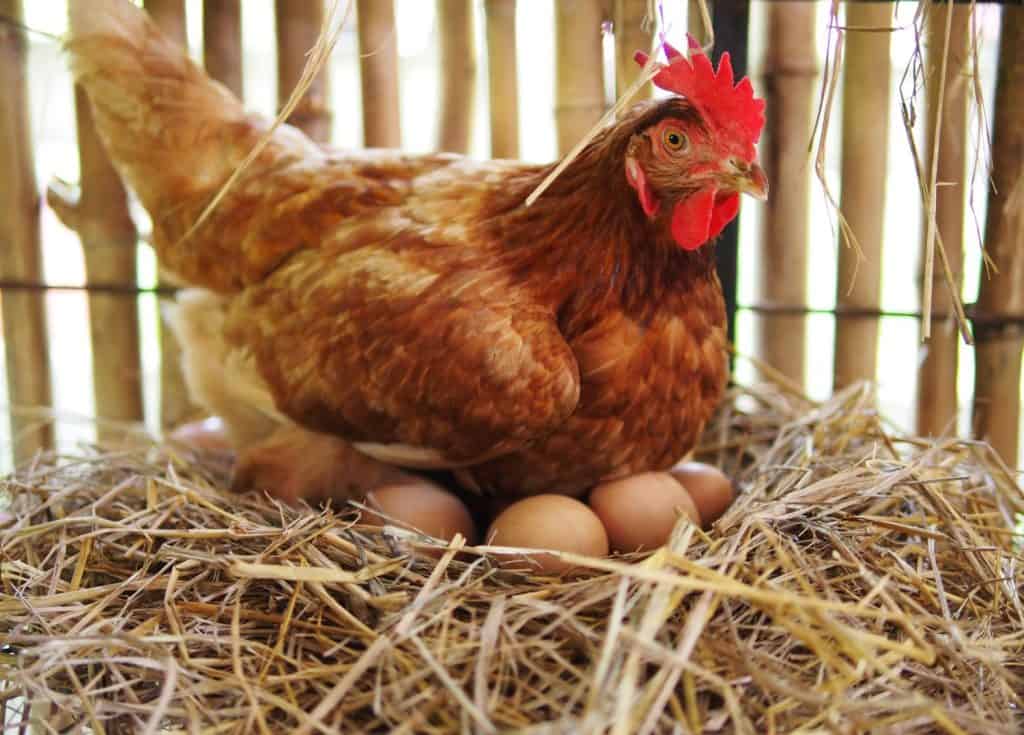
A poorly designed coop can mean the end of your entire backyard flock.
©PhotoSongserm/Shutterstock.com
Arguably, the most preventable flock losses result from coop design flaws and everyday management mistakes. New coop owners may not understand the dangers of overcrowding, poor ventilation, and unsafe equipment that can increase stress, disease risk, and even fire hazards.
Common human-caused flock killers include:
- Coop fires from poorly secured heat lamps or extension cords
- Overcrowding, leading to aggression, feather pecking, and weak birds that can’t cope with heat or cold
- Chronic dampness and ammonia buildup from inadequate ventilation or cleaning, which often leads to respiratory disease
- Inconsistent care, such as running out of water, feed spills that attract predators, or forgetting to close the coop at night
Pfeiffer responds, “Coop shortcuts like cheap heat lamps, tiny coops, and ignoring nightly lock-up routines work… until they don’t. It’s just not worth it to ignore your flock. A little extra effort designing a safe coop and a simple, consistent routine pays off for years, trust me.”
Good design habits from Pfeiffer include:
- Providing at least 3–4 square feet per bird inside the coop and 8–10 square feet per bird in the run, adjusting for breed and climate
- Building in plenty of high-level ventilation while still keeping birds out of direct drafts
- Avoiding heat lamps whenever possible; if you must use supplemental heat, choose safer radiant panels or well-secured fixtures rated for barn use
- Creating a simple checklist for daily care: water, feed, egg collection, visual health check, and nightly lock-up
Backyard chickens can be hardy and rewarding animals, but you must set them up for success from the start. By building a safe, secure coop and sticking to a chicken routine, you can maintain a resilient little homestead for years to come.