
Have you ever heard of competitive chicken shows? While this might seem like an eccentric niche, it is actually one of the oldest hobbies in America. Judges at chicken shows evaluate posture, plumage, alertness, and other qualities to select the top bird. But what else happens during these events, and what are some of the most fascinating aspects of chicken shows that you should know about?
A-Z-Animals reached out to Johnny Haussner, an expert in the animal showing industry, for more information on this fascinating world. We learned what makes this pastime so special to so many and what goes into raising a Best In Show Chicken. Let’s start ruffling some feathers!
How Does Judging Work?
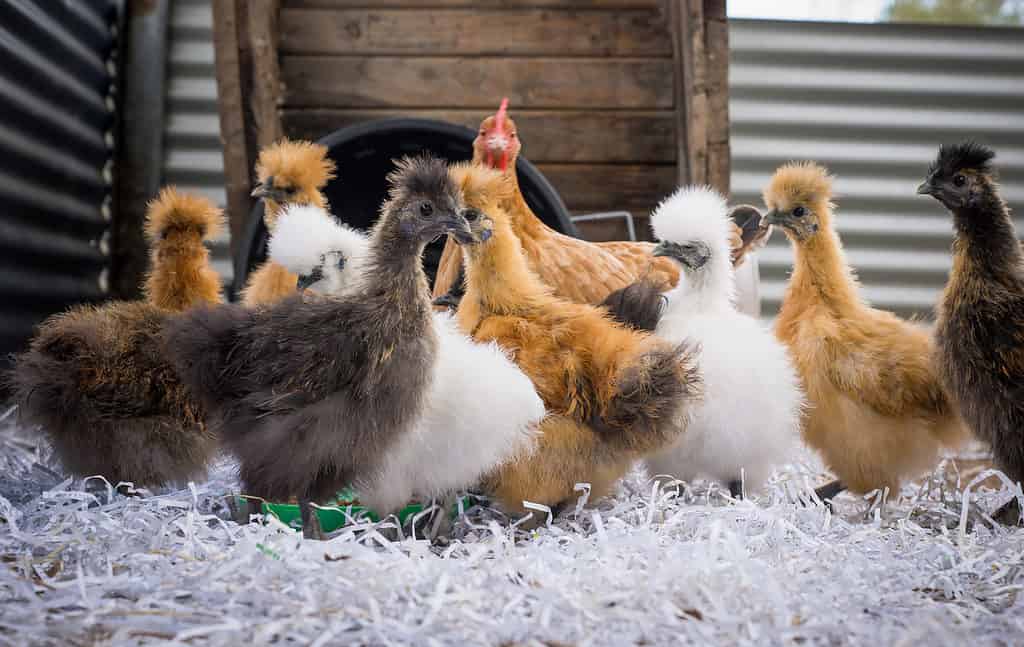
Competitive chicken shows work much like competitive dog shows, like the AKC.
©SherSS/Shutterstock.com
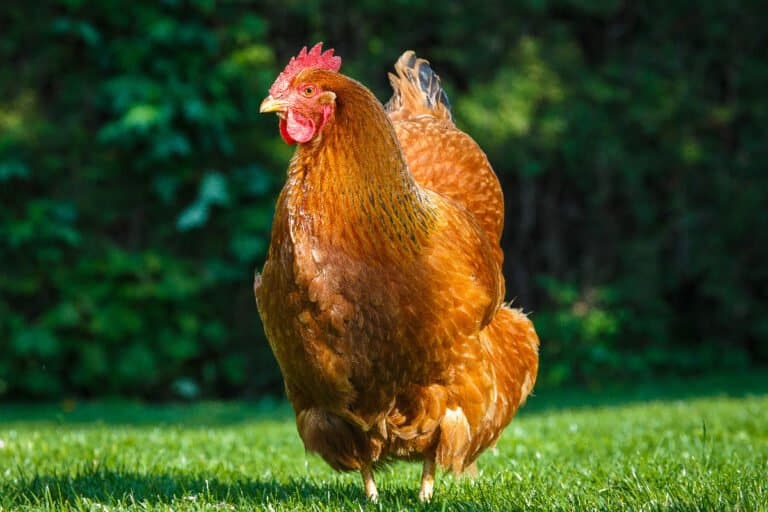
According to poultry exhibitor and judge Johnny Haussener, a professional best known in the world of rabbit shows but also active in poultry, the judging logic “mirrors AKC-style conformation.” Each entry is measured against a written standard—including type and silhouette, color and markings, condition, and carriage—which varies depending on the category or classification of the chicken breed.
Judges first observe for vigor and alertness in the cage, then handle the bird to confirm its structure, movement, and overall health. Because many breeds were developed for different purposes (such as meat, egg production, or ornamentation), judges also weigh traits tied to utility or plumage quality.
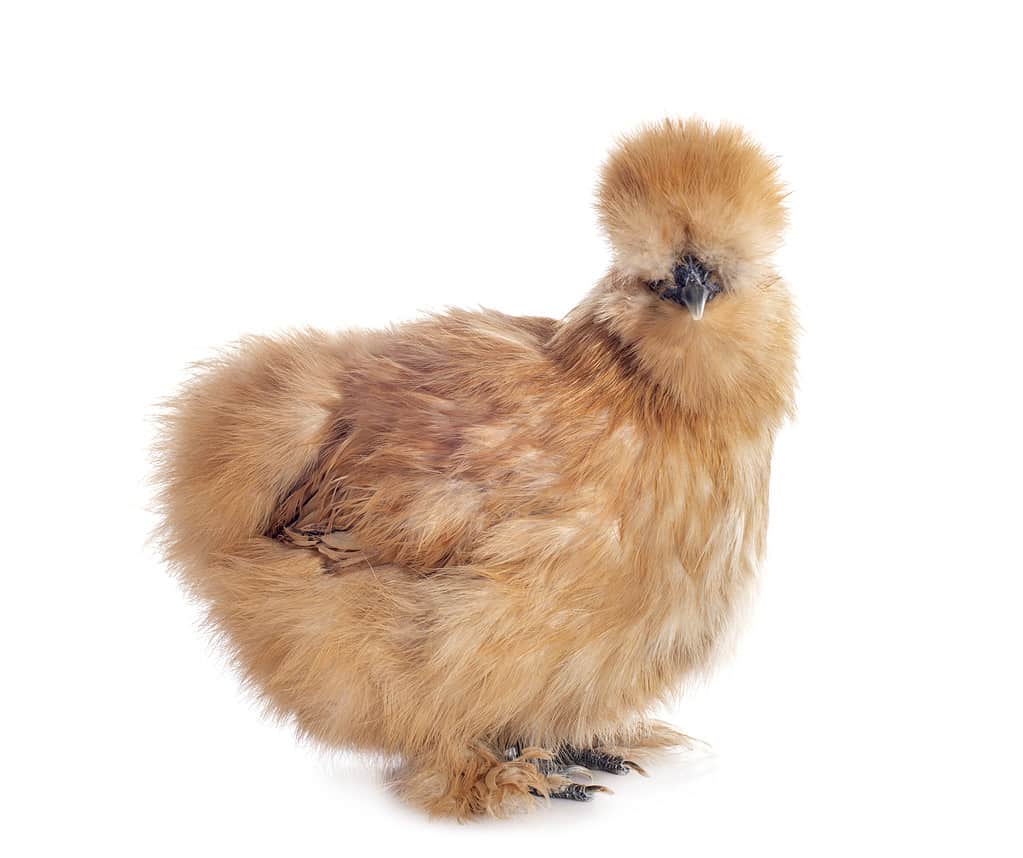
“So, for example, a muscly Cornish is assessed differently than a delicate chicken, like a Silkie,” Haussener noted. With well over 150 recognized breeds across chickens and other types of fowl, the competitive field is simultaneously diverse and exacting.
Classes, Breeds, and the Logic of the Showroom
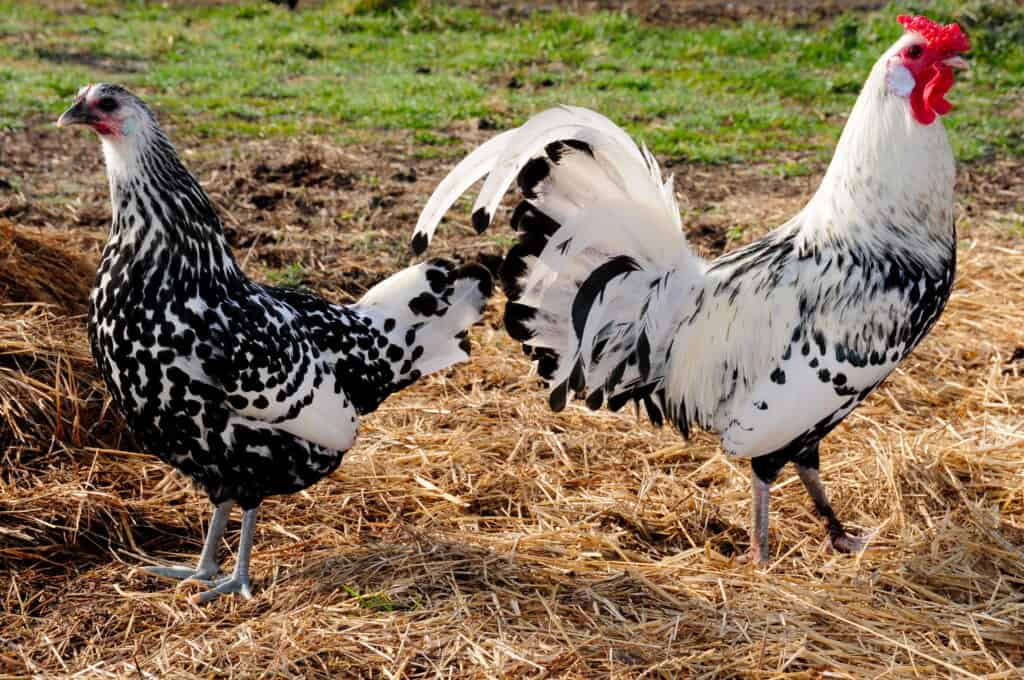
Hamburg chickens are known for their beautiful feathers, which make them good show birds.
©Amy McNabb/Shutterstock.com
Showrooms and events are typically organized by the type of fowl. There are many categories, according to Haussener: large fowl (standard chickens), bantams (miniature chickens), waterfowl, turkeys, and guinea fowl. Then, the competition goes further, into classes, breeds, and varieties.
Large fowl classes group breeds by their region of origin (for example, American, English, Mediterranean, Continental, Asiatic, and All Other Standard Breeds). Bantams are typically grouped by traits such as comb type and feathering on the legs (Single Comb Clean-Legged, Rose Comb Clean-Legged, Feather-Legged, Old English, and American Game).
In addition to these groupings, variety designations capture specific colors and patterns within a breed, which means a single breed may appear in multiple varieties on the bench. It all depends on the markings and other traits found within the breed.
Health First: Testing, Paperwork, and Biosecurity
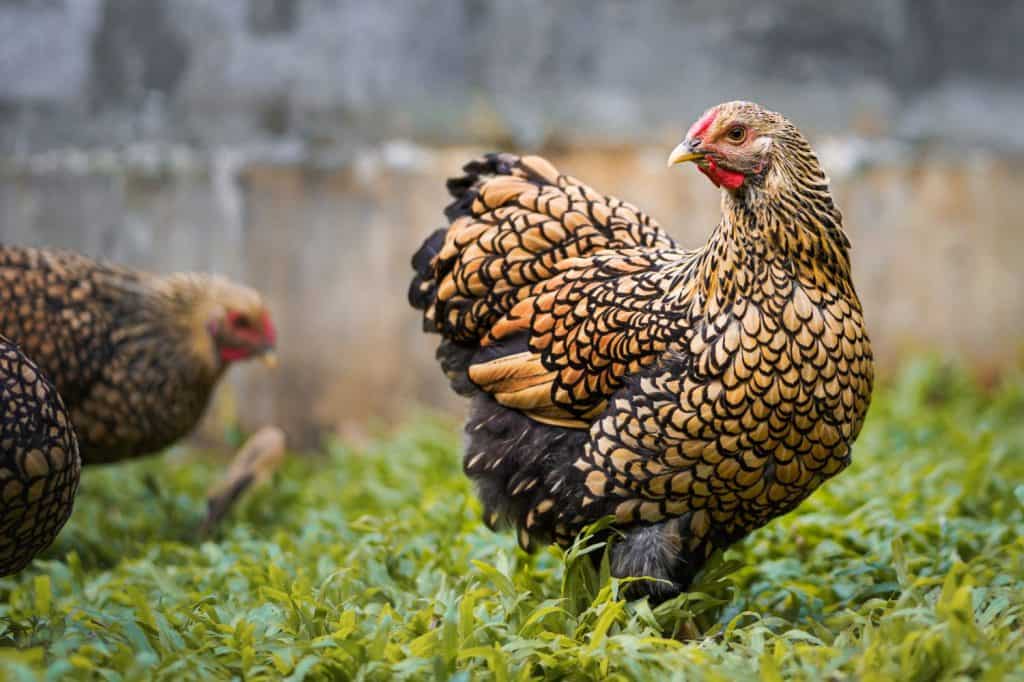
Health is key for the birds competing in chicken shows.
©PAPA WOR/Shutterstock.com
Before a bird ever reaches a judge, it must pass a health test, of sorts. Exhibitors present official paperwork at check-in showing disease surveillance, “which is typically Pullorum-Typhoid testing and Avian Influenza monitoring,” according to Haussener. Haussener also notes that enforcement can vary by state and by current influenza status, which is why some chickens cannot cross state lines to compete.
A muscly Cornish is assessed differently than a delicate chicken, like a Silkie.
Johnny Haussner, expert in the animal showing industry
Who Competes in Chicken Shows?

Just about any chicken fan can compete in a poultry show, as they are typically open to the public.
©Kitreel/Shutterstock.com
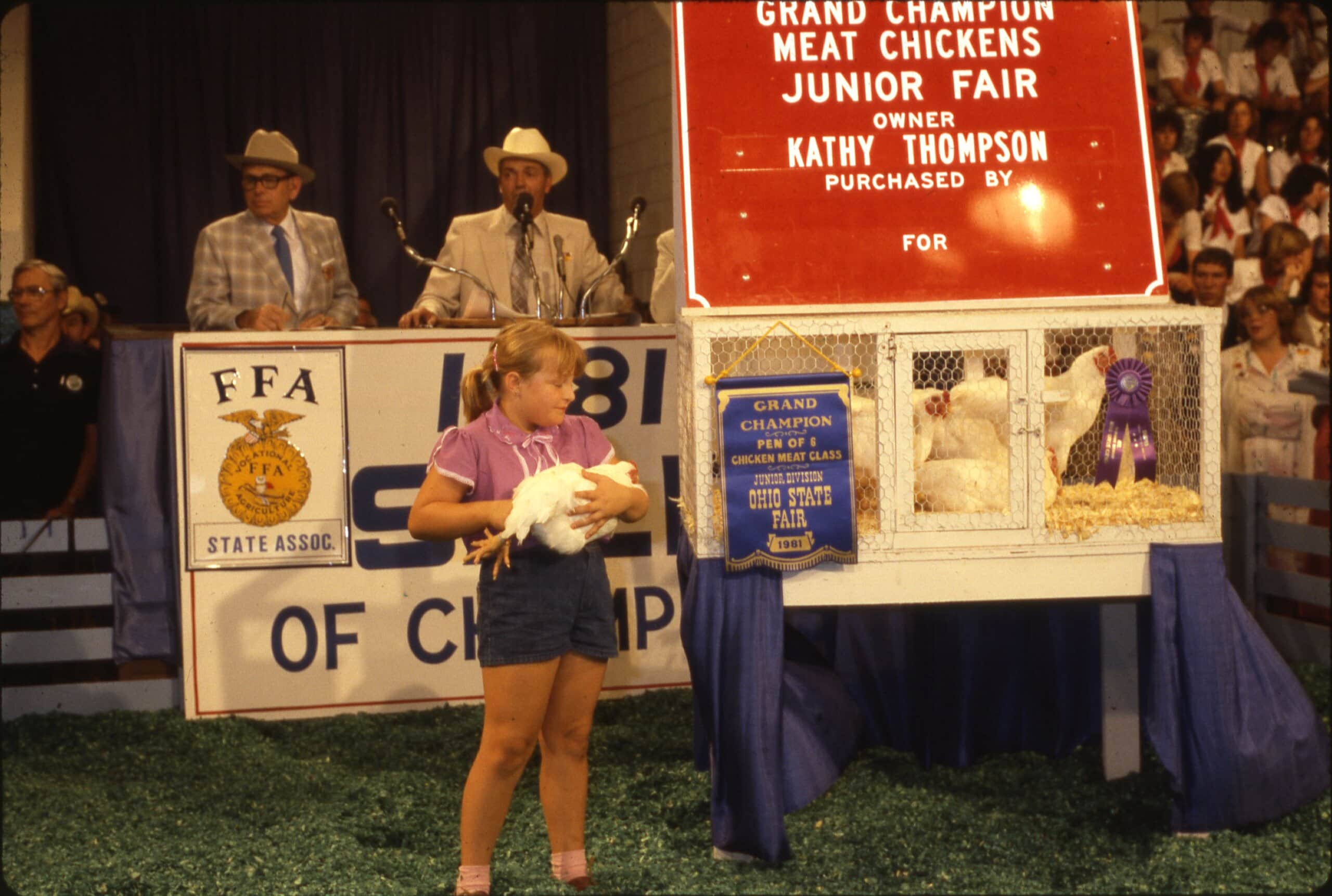
Participants span generations and professions. Haussener describes a “mix of kids, veterinarians, and long-time hobbyists,” with many youth coming through 4-H programs that teach breed identification, conditioning, and proper presentation.
High-level competitors and casual families often share the same aisles, because shows are typically open to the public. Newcomers have the opportunity to learn by watching and speaking with exhibitors between classes, preparing them for a future in chicken showing, regardless of their profession, age, or anything else.
Prepping Chickens for the Spotlight
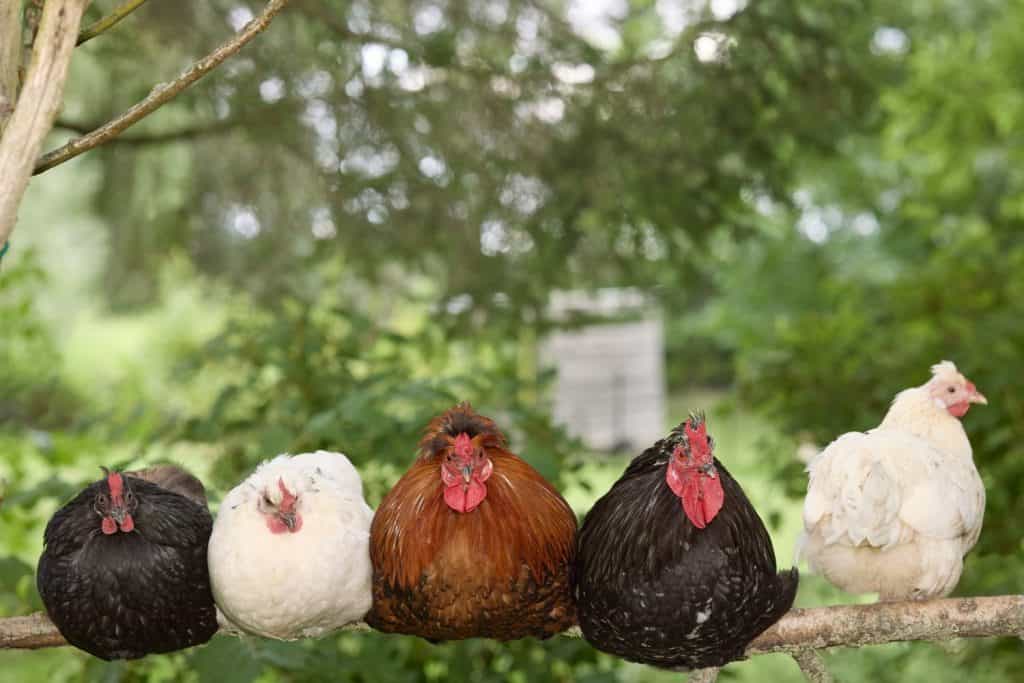
Chicken shows often require many hours of beautifying birds.
©Erwin Bosman/Shutterstock.com
Show preparation is meticulous, according to Haussener. Exhibitors bathe their birds, blow-dry for lift and gloss, tidy nails and beaks, check combs and wattles, and even oil their shanks and feet for a healthy sheen.
Timing matters: many aim for events after their birds’ annual molt so feathers are full and tight. Haussener also emphasizes that behavior and personality are important aspects of conditioning. Birds that remain curious in the cage and steady on the table have an advantage over competitors that are more fearful or tired.
The History of Competitive Chicken Shows in the U.S.
Major venues across the U.S. once hosted chicken shows.
©cynoclub/iStock via Getty Images
Exhibition poultry is among the oldest organized hobbies in the United States, something Haussener was eager to mention. Nineteenth-century shows once drew crowds in major cities, and the early twentieth century saw massive poultry and pigeon exhibitions at venues as illustrious as Madison Square Garden.
The Organizations Behind Competitive Chicken Shows
There are breed standards set by two major organizations for every chicken show.
©Make It Heappen Art/iStock via Getty Images
Two national bodies are in charge of the rules and standards of competitive chicken shows in the U.S., according to Haussener: the American Poultry Association (APA) and the American Bantam Association (ABA). These organizations codify breed standards, sanction judges, and maintain point systems across all types of events.
What Breeds Win the Most in Competitive Chicken Shows?
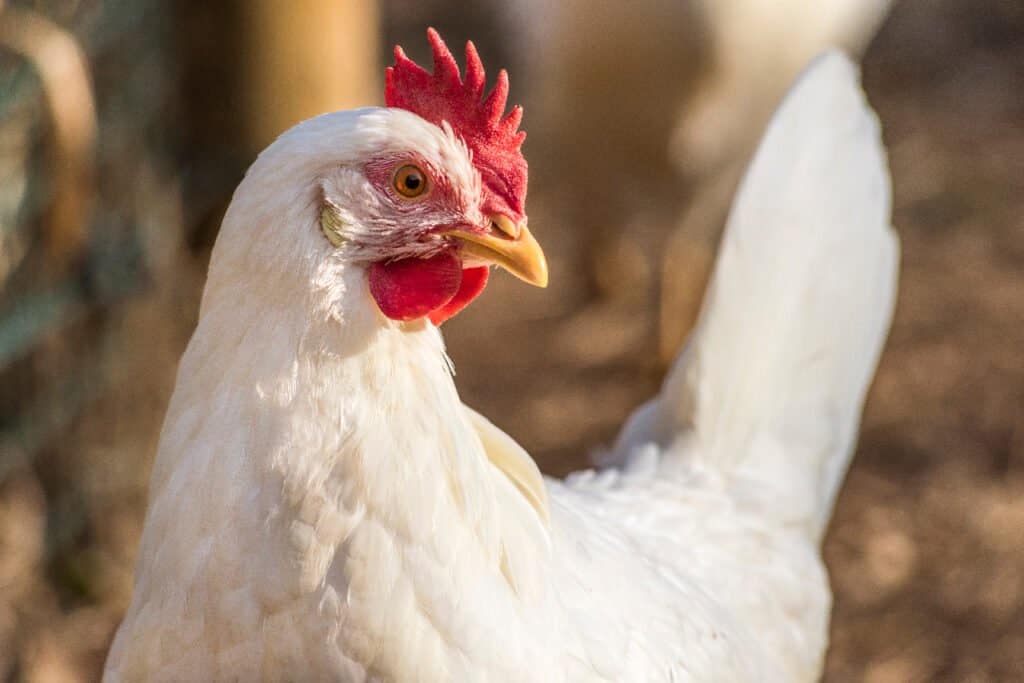
Leghorn chickens are often winners in chicken shows and competitions.
©Jay-Dee/Shutterstock.com
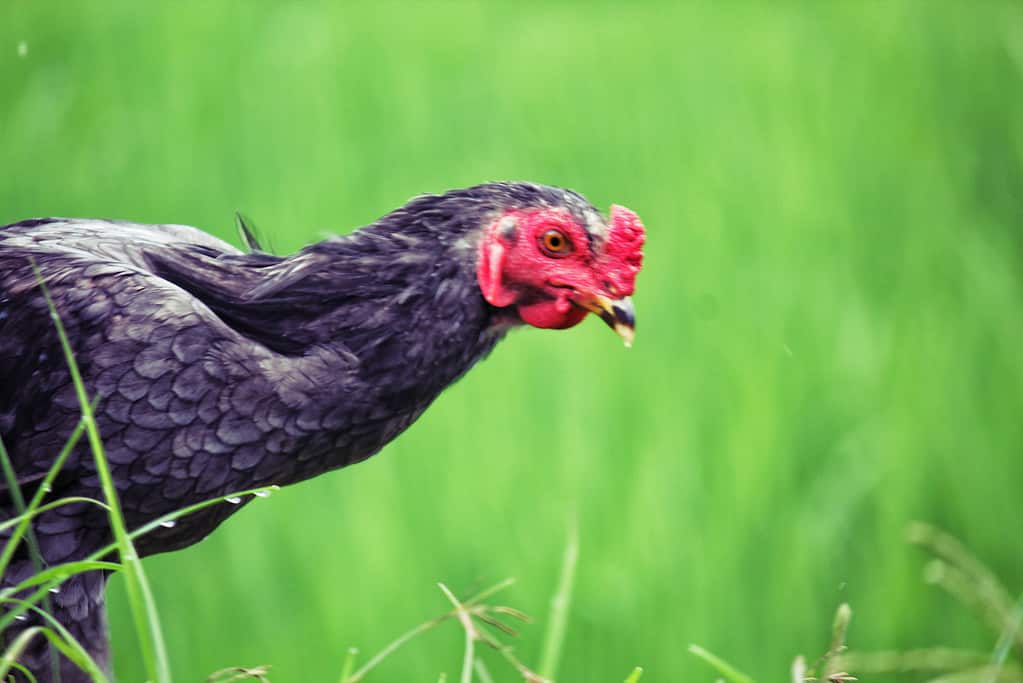
While Haussener believes there are winners from every type of chicken breed, some breeds regularly command a deep, highly competitive edge over others. This is largely because concentrated groups of expert breeders keep refining their preferred type or breed.
Haussener often sees Silkies, Leghorns, and Cornish breeds winning Best in Show, along with regionally favored breeds that attract strong entries. In those classes, victories often hinge on tiny details such as feather spacing, tail angle, head breadth, or how closely a bird’s posture matches its breed’s ideal silhouette.
How to Watch Competitive Chicken Shows (and How to Start)
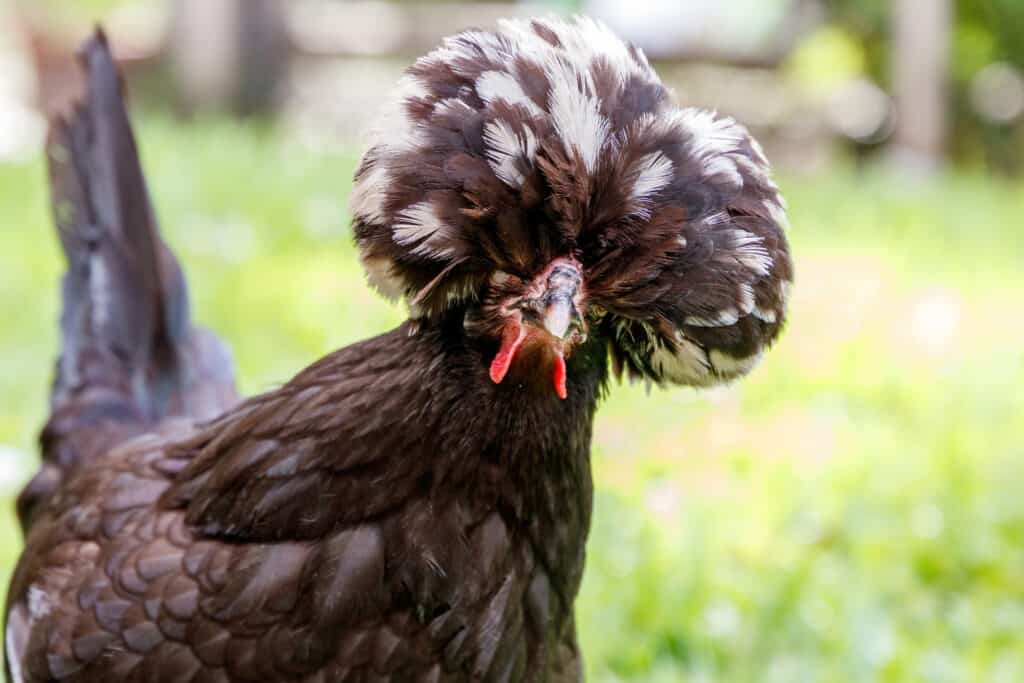
The large crest on a Polish chicken makes for a show-stopping competitor.
©Microfile.org/Shutterstock.com
Spectators are welcome at most chicken shows, according to Haussener, which is a great way to learn what this world is all about. If you’re looking to compete with your own flock, pros recommend starting with the APA Standard of Perfection and the ABA Bantam Standard for the chosen breed, then practicing gentle, confident handling so your birds present calmly. There is a lot to learn about your chosen breed’s standards, so be sure to research thoroughly before entering!
Why Competitive Chicken Shows Are Growing Again
Haussener characterizes the chicken showing community as larger than outsiders assume. He claims the numbers are “easily in the hundreds of thousands,” with experts involved in breeding, showing, and judging in at least some capacity.
The modern growth of this unique hobby proves just how special chickens are, even to the common backyard homesteader. Haussener praises the people and poultry found at these events, remarking that it is a hobby capable of spanning all ages, classes, and backgrounds. The only thing competitors have in common is their passion for chickens!