Quick Take
- Chickens tolerate cold better than expected, but wintertime can be dangerous for any backyard flock.
- Fresh water that can’t freeze is essential; chickens must have regular access, or their health declines quickly.
- Ensuring fresh ventilation and dry bedding keeps your chickens safe, as moisture is more dangerous than snow or ice.
Being concerned about the cold is essential for backyard chicken owners, regardless of how efficient their coop may be. While chickens live and thrive outdoors, winter presents unique challenges. Moisture and dropping temperatures can greatly affect the health of the average flock, so taking steps like ensuring their water doesn’t freeze, they have fresh, dry bedding and no moisture can get into their coop is essential.
To gather our expert tips about raising backyard chickens in the dead of winter, we spoke to Kelly Pfeiffer, author of A Beginner’s Guide to Healthy Backyard Chickens. She put her cold-weather guidance into clear and actionable terms for us so that you can keep your flock warm this winter.
Chickens are often better at handling cold than we give them credit for, but there are still plenty of risks that they face every single day. Here are the winter weather hazards you should know about for your chickens, as well as some helpful, affordable tips for keeping them safe.
If you do only one thing this winter, make sure your chickens always have access to fresh, unfrozen water. In its chicken winter-care tips, Illinois Extension stated that chickens need access to water regularly, but frozen water isn’t safe for them. Pfeiffer says, “Chickens can miss a snack and still act fine, but they can’t miss water and stay fine for long. Lack of water access can really hurt their health.”
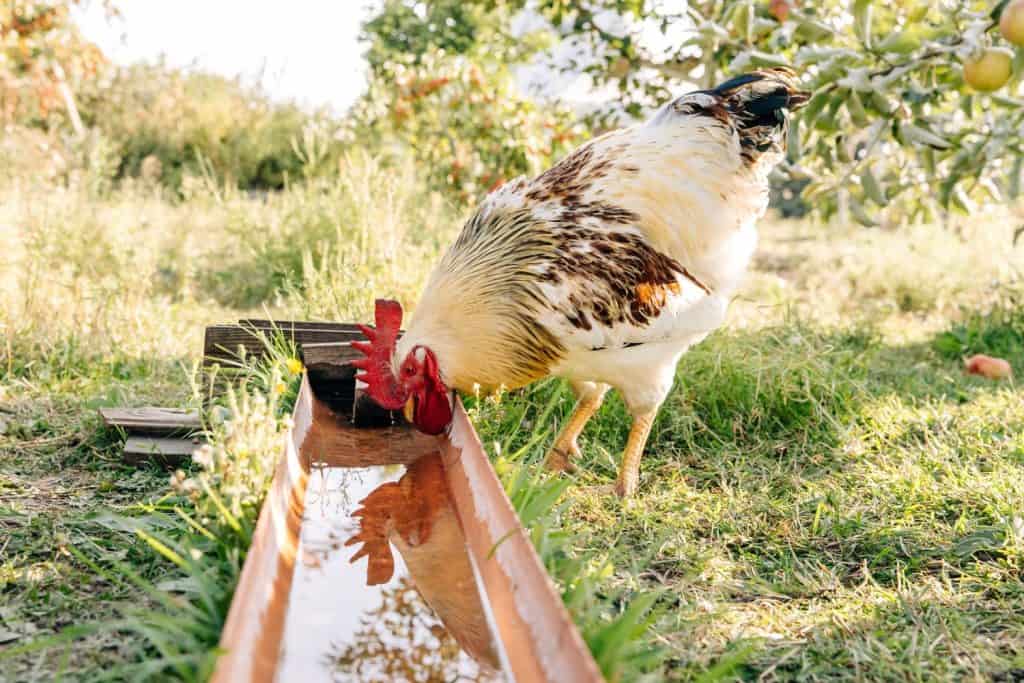
Fresh water during winter is a must for chickens, but it can be difficult to keep it from freezing.
©Alta.ph/Shutterstock.com
How To Keep Water From Freezing During the Winter
Fresh, unfrozen is essential for chickens to stay healthy throughout the winter months. Here are some solutions to ensure their water doesn’t freeze.
Use a Heated Water Base or Heated Poultry Waterer
Heating the water is typically safer than heating the whole coop, something we’ll touch on a bit later. You can use a heater in your flock’s waterer or a heated bowl; just be sure to keep cords and connections protected and out of reach of your curious birds.
Pfeiffer adds, “Unfrozen water is a must, but using a coop heater for the entire space is unsafe. You can buy heated water options, or DIY one on your own; just make sure you’re heating the water only, not the entire coop.”
Plan on Checking the Water More Than Once
Even heated setups can fail when it’s ridiculously cold out. If possible, you may want to check the water two to three times a day in the winter months because waterers can easily ice up, tip over, or stop working if the temperatures drop too rapidly. Winter chicken-keeping requires a bit more diligence than chicken-keeping during milder months of the year.
Keep a Backup Water Option
When it comes to winter flock-keeping, Pfeiffer suggests building a backup plan and setup options, just in case the weather is too rough. She notes, “Have a second waterer ready and a fast plan to swap them out, because winter will eventually humble your equipment. Even top-of-the-line products can fail in certain locations, especially if it’s an unseasonably cold winter.”
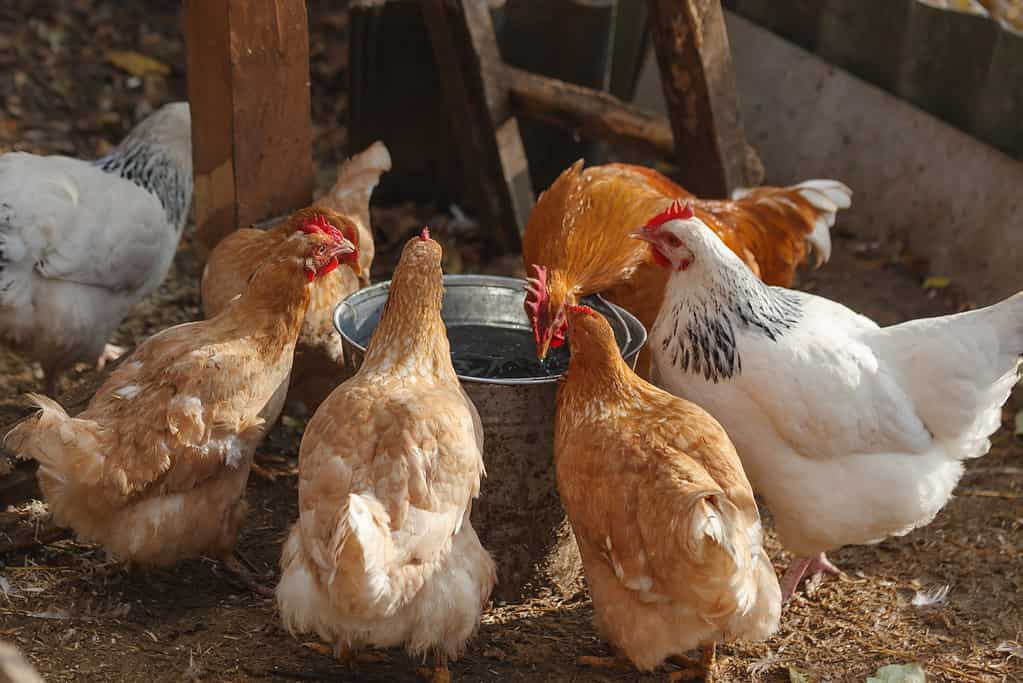
Chickens need around one pint of water per chicken per day, so make sure your winter waterer option is large enough.
©Olesya Andreeva/ via Getty Images
Rubber tubs and buckets can also make life easier because you can flex them to pop out ice, similar to an ice tray, instead of chiseling it out or abandoning a waterer that has frozen solid.
How Do Chickens Fare in the Snow?
While living without shelter in winter weather isn’t safe for any chicken, healthy, feathered chickens can walk in snow without much harm. However, the bigger issue is that snow is cold and wet, and wet feet mixed with windy conditions can lead to health issues. That’s why it helps to design your coop for winter, ensuring your chickens aren’t forced to stand on ice or snow to access the outdoors.
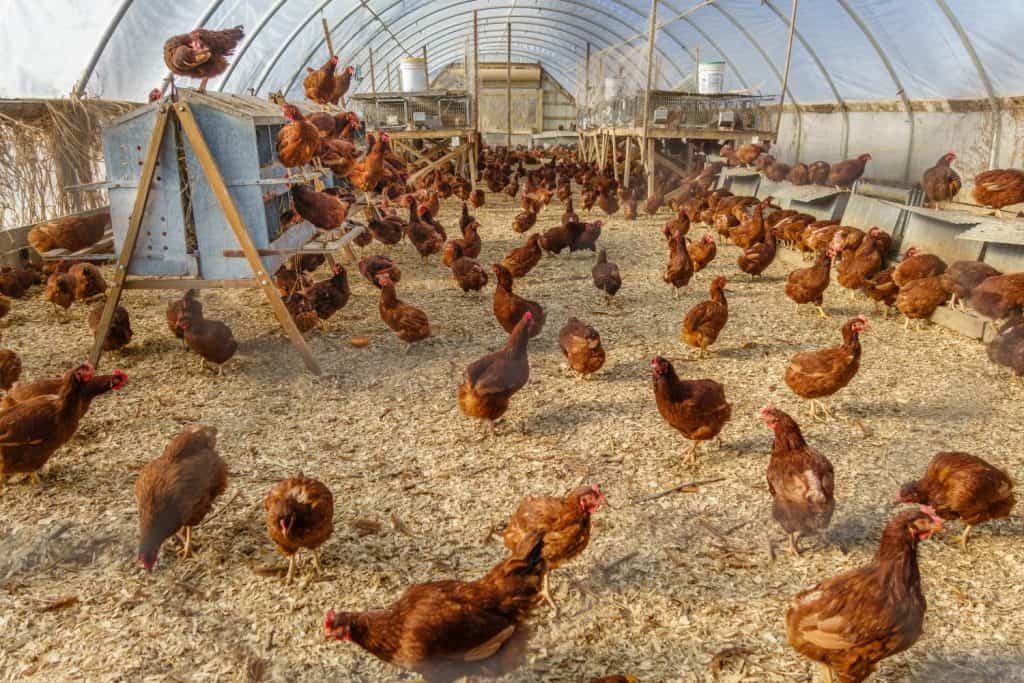
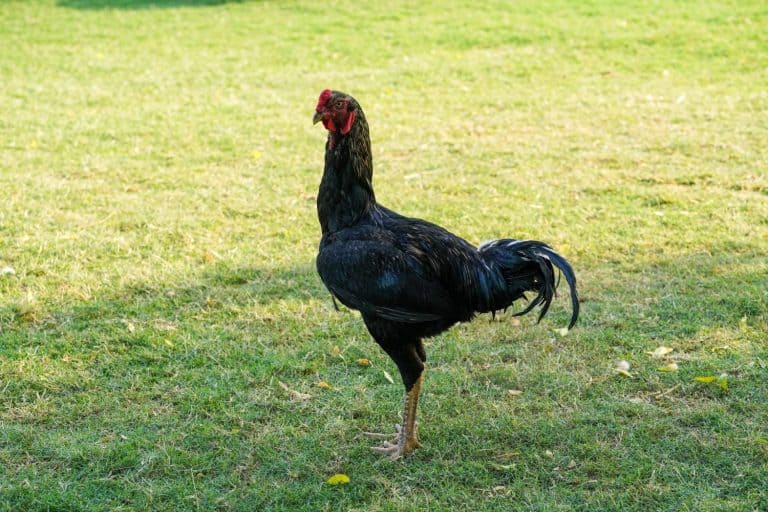
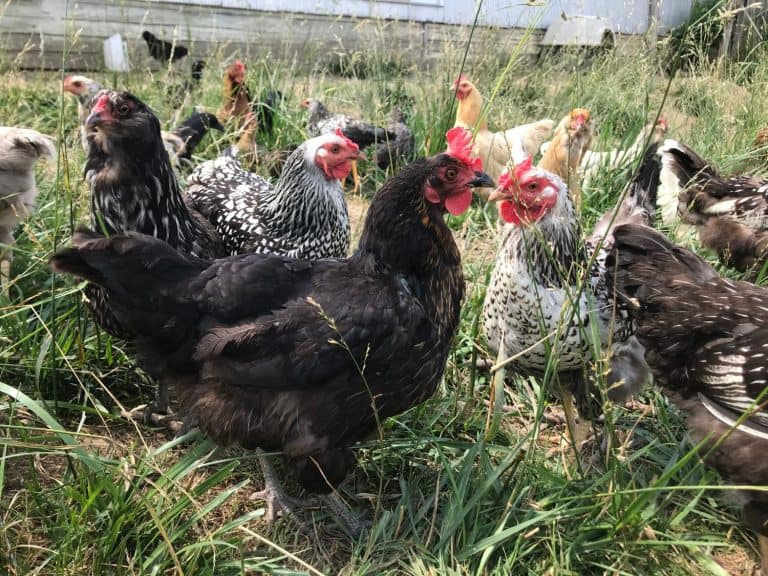
No matter the weather, some chickens prefer staying inside over others, especially in wintertime.
©Heidi Besen/Shutterstock.com
Some easy snow-day upgrades that most flocks appreciate include:
- Putting straw, pine shavings, wood chips, or dry leaves down in a covered run so they have a dry place to wander.
- Shoveling a small path or bare patch right outside the coop door.
- Scattering scratch into bedding, not onto ice, so they move around and stay entertained.
And if a bird refuses to walk on snow, that’s normal, too. Pfeiffer likes to joke about her own flock, “Some of my birds are pioneers, braving the frozen backyard just as they always do in spring. But some of them are indoor kids and always get a little huffy when it’s cold. Don’t take it personally and don’t force them outside if they aren’t feeling it.”
In most backyard setups, using heaters in your coops is not recommended for several reasons.
The main reason is simple: heat lamps and space heaters can create a serious fire hazard, especially in a small building full of straw. Many experts warn to take care with heating sources to avoid fire hazards and other safety issues, as electric cords can be enough of a problem with pecking birds.
Traditional heat lamps and many space heaters can be extremely unsafe in a chicken coop due to fire hazards. However, some modern, low-wattage poultry-specific heaters are designed to be much safer if used properly. Always follow manufacturer safety guidelines and avoid placing any heat source near flammable bedding.
Heat Can Make Birds Less Hardy
A warm coop can also backfire if your birds go back and forth between a cozy coop and a frozen exterior. Many flocks do better when they acclimate to winter temperatures naturally, assuming their coop is dry, draft-free at roost level, full of bedding options, and properly ventilated.
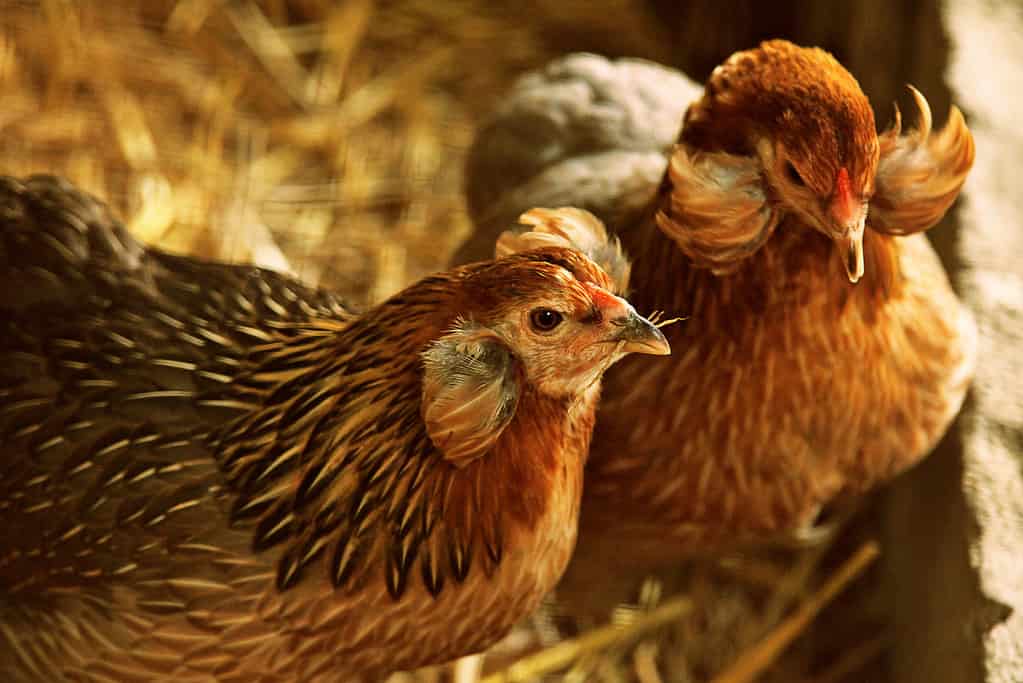
Heaters can be extremely unsafe in a chicken coop environment, especially if they were not manufactured specifically for coop usage.
©MATTHIASRABBIONE/iStock via Getty Images
Pfeiffer adds, “If you have very old birds, a sick bird, newly hatched chicks, or another issue that makes you want to keep your birds warm, it’s still not a good idea to add a heater to your coop. You may want to set up a safer, warmer area for these birds only, because heaters are just not considered worth it given the potential for emergencies.”
Air Things Out — at the Right Height
Another common issue with winter coop care is ventilating coops, but ensuring no drafts exist. You want airflow higher up, in an area that allows moisture to escape, while keeping roosting birds out of direct drafts at their level. Managing moisture and ventilation in winter is vital, as damp air in the coop is what sets the stage for health problems.
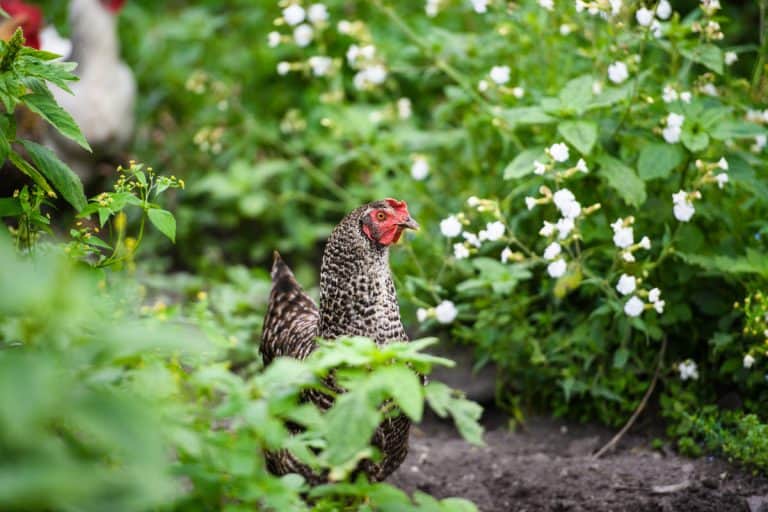
Moisture and drafts can be devastating to chickens in winter.
©PhotoSongserm/Shutterstock.com
Quick ways to improve winter ventilation in your coop include:
- Keeping vents near the roofline open, even in winter.
- Blocking cracks and drafts that hit the roof directly.
- Avoiding overcrowding, because more bodies equals more moisture rather than more warmth.
Pfeiffer’s advice is simple, as she notes, “A coop can be cold and safe, or warm and dangerous. I pick cold and safe every time, as the overall health of my flock will be better in these conditions. Moisture leads to all sorts of diseases, and it spreads quickly in a coop setting.
Chickens stay warm by trapping air in their feathers, but this warmth means nothing in a coop if bedding isn’t kept dry. Wet bedding easily becomes a health problem for birds of any age. If you notice condensation, an ammonia-like smell, damp bedding, or clumping bedding, you need to address these issues quickly to protect your chickens’ health.
Some of my birds are pioneers, braving the frozen backyard just as they always do in spring. But some of them are indoor kids and always get a little huffy when it’s cold.
Kelly Pfeiffer, author of A Beginner’s Guide to Healthy Backyard Chickens
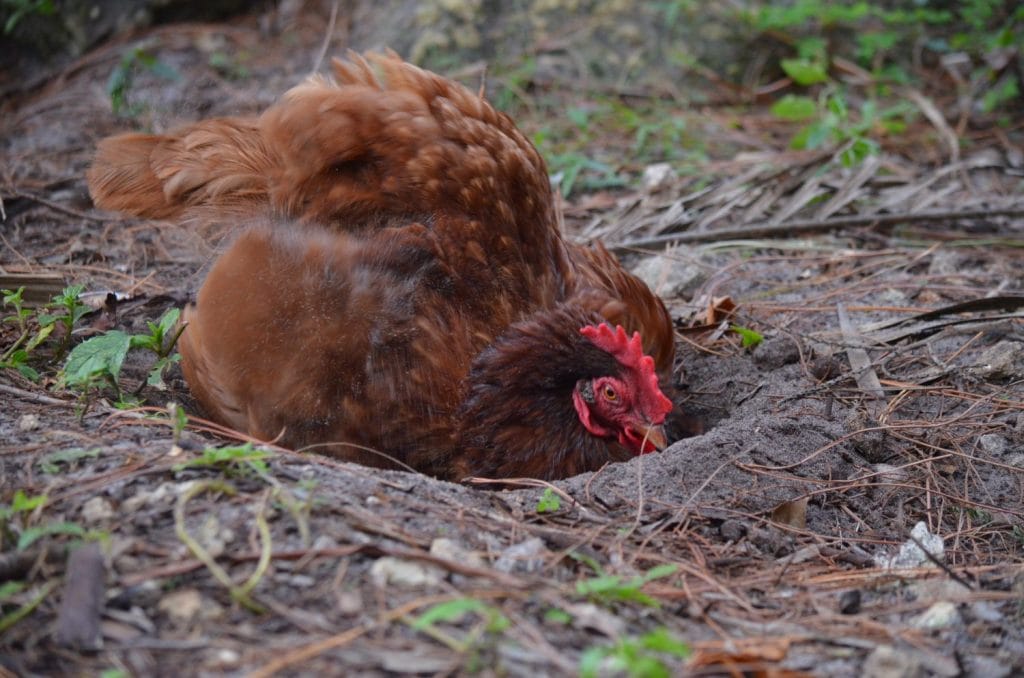
If the bedding in your coop is wet, it can easily make your chickens sick.
©SoFlo Shots/Shutterstock.com
Pfeiffer offers these tips that tend to help most:
- Add bedding more often than you think you need, and in deeper layers than usual.
- Remove wet spots fast, especially under waterers, as chickens congregate here often.
- Keep the coop floor dry before you worry about insulating the walls or ceilings.
Keep an Eye Out For Signs of Frostbite
Frostbite in chickens usually appears on combs, wattles, and toes, but it doesn’t occur simply from letting your chickens wander in the snow for an afternoon. In fact, frostbite risk is primarily linked to cold nights in a poorly ventilated coop with damp bedding. Moisture control is vital for frostbite protection, too.
If you see pale, gray, or blackened areas on your chickens, act early and take these steps:
- Move the bird somewhere dry and protected.
- Reduce pecking risk; injured tissue can attract unwanted attention from other birds.
- Call a vet if tissue damage looks severe, infected, spreading, or if the bird seems unwell.
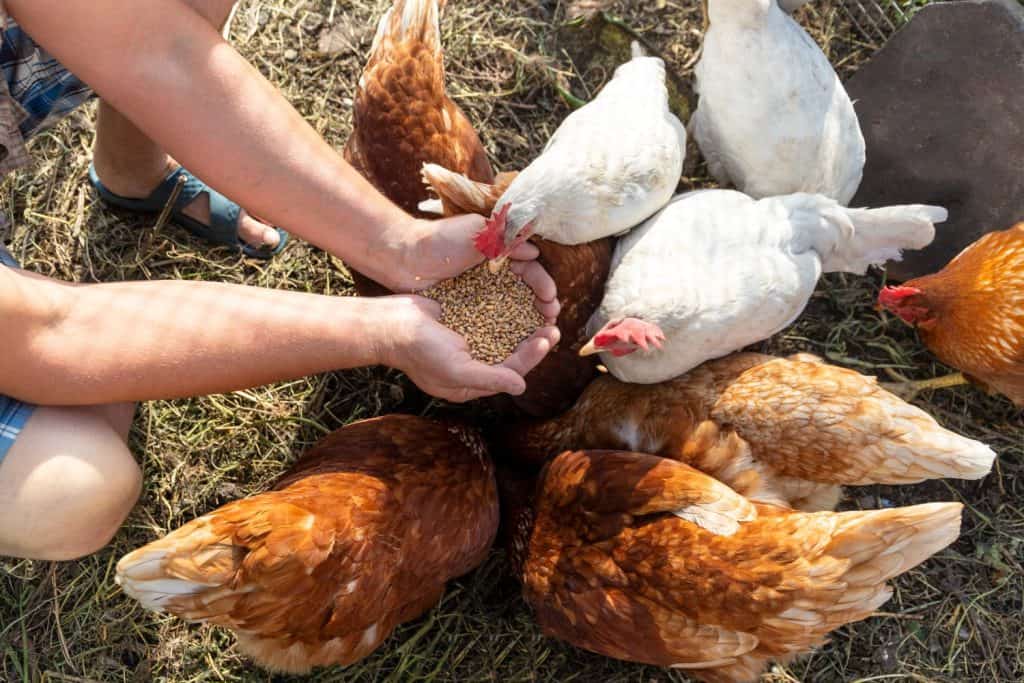
Chickens can get frostbite, but a damp coop is often the cause rather than direct snow contact.
©Pencil case/Shutterstock.com
Pfeiffer’s practical advice focuses on prevention rather than treatment of frostbite. “Once you’re treating frostbite, you’re already paying the price for a wet coop,” she says. “That’s why I cannot advocate enough for building a safe and four-season coop from the get-go. That way you’re not risking any damage to your birds.”
What to Expect for Winter Egg Production
Chickens burn more energy in cold weather, which can mean a decrease in egg production overall. Keep them on a complete feed, and use scratch as a treat, not a replacement meal; they need more nutrition than ever during the colder months. Additionally, collect eggs more often in freezing weather, as eggs can crack if they freeze.
If you add light for egg production, keep it simple and safe during colder months. You may consider bringing their total light time up to around 14–16 hours and use low-heat options like LEDs in addition to gathering eggs frequently so they don’t freeze. Pfeiffer notes, “If you add light, add it alongside timers, with safe fixtures, and with zero heat involved. That’s why LEDs are the way to go these days, because they’re just the safest to use.”

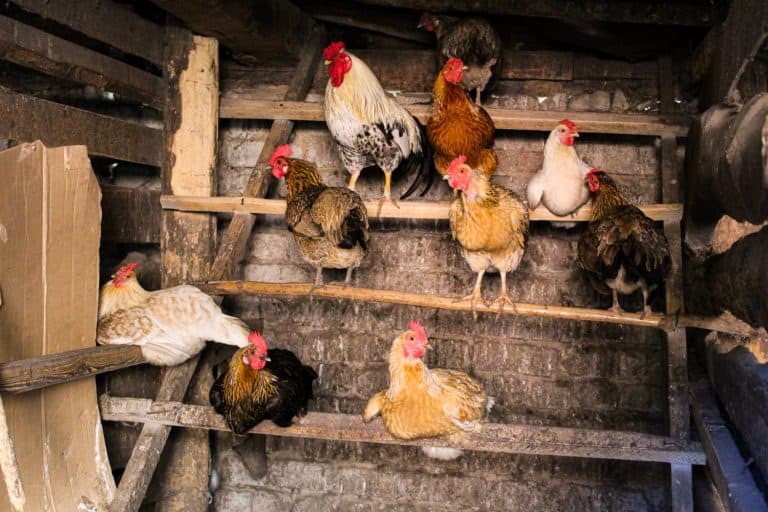
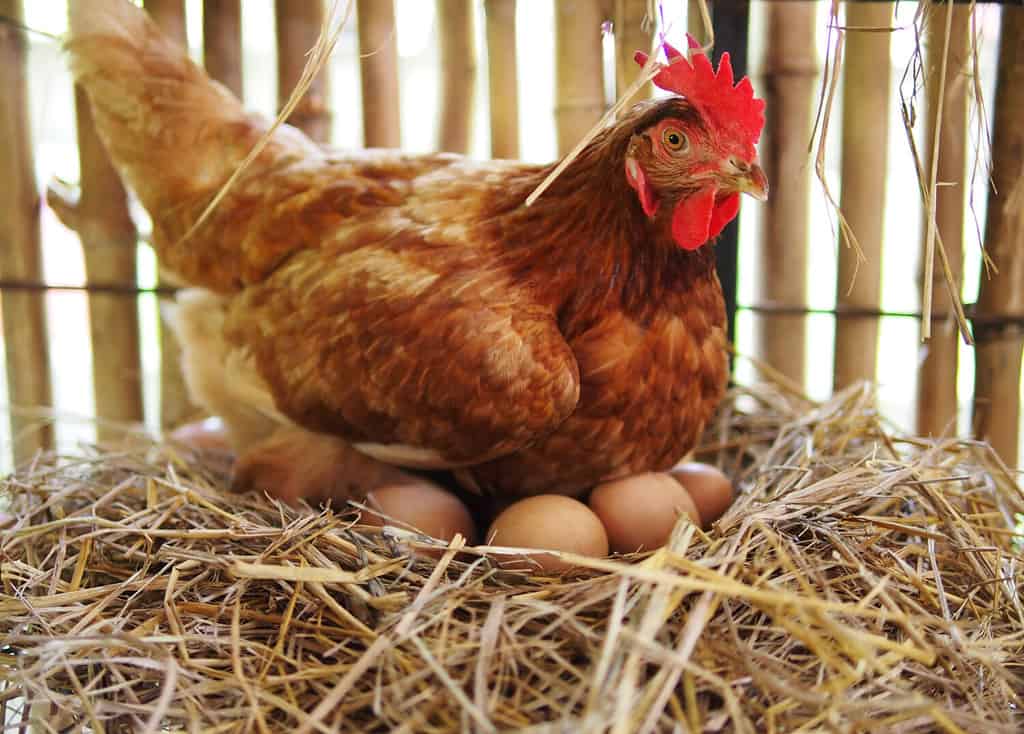
Chickens can survive winters, but make sure your coop is a safe, dry place for them first.
©r.classen/Shutterstock.com
At the end of the day, winter flock care is mostly about staying consistent and keeping a watchful eye. Keeping water liquid, the coop dry, and ensuring fresh air can exist without causing chills are your three main things to keep in mind. Moisture control is a must, and may keep you more occupied than you expected, but it’s worth it in the long run.
As Pfeiffer puts it, “The goal is to keep your chickens safe, even if it looks different from how us humans stay warm in wintertime. If your birds are drinking their water, perching comfortably, staying dry in their bedding, and acting normal, your coop is good to go, all winter long.”