
Quick Take
- Corn snakes and milk snakes are Colubridae snakes.
- Corn snakes and milk snakes are both found in North America.
- Corn snakes and milk snakes are nonvenomous.
Corn snakes (Pantherophis guttatus) and milk snakes (Lampropeltis triangulum) are both nonvenomous snakes of the Colubridae family. There were once up to 25 recognized subspecies of milk snakes, but recent taxonomic revisions have elevated several former subspecies to full species status. The corn snake has two recognized subspecies, but some taxonomists have proposed elevating the Great Plains rat snake (Pantherophis emoryi) to full species status. Both corn snakes and milk snakes resemble venomous species and are often mistaken for such and killed. Continue reading to learn more differences and similarities between corn snakes and milk snakes.
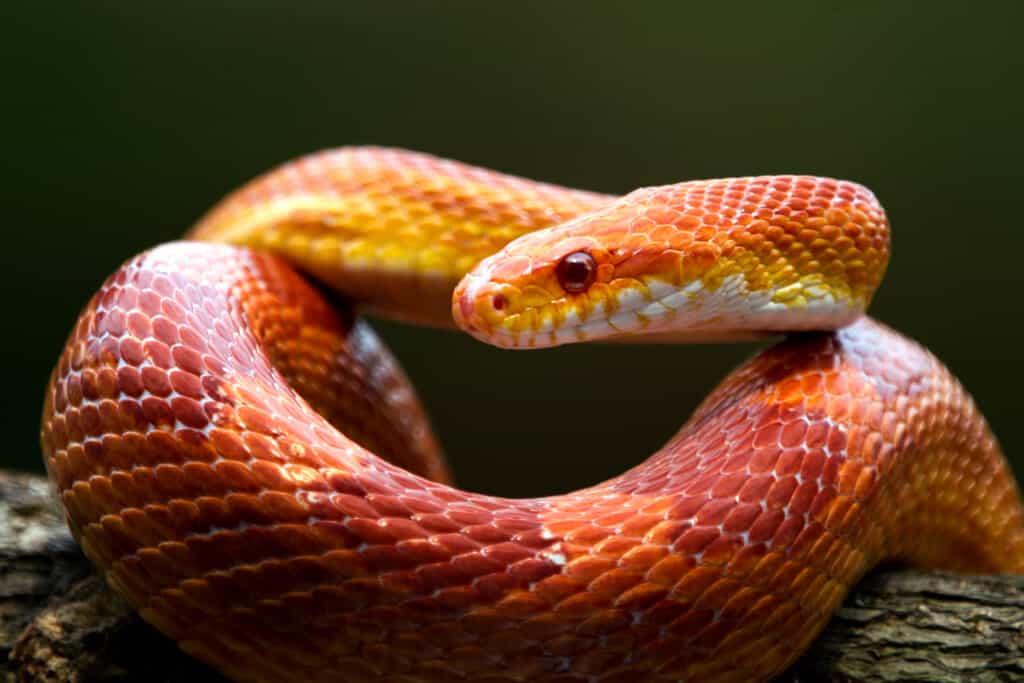
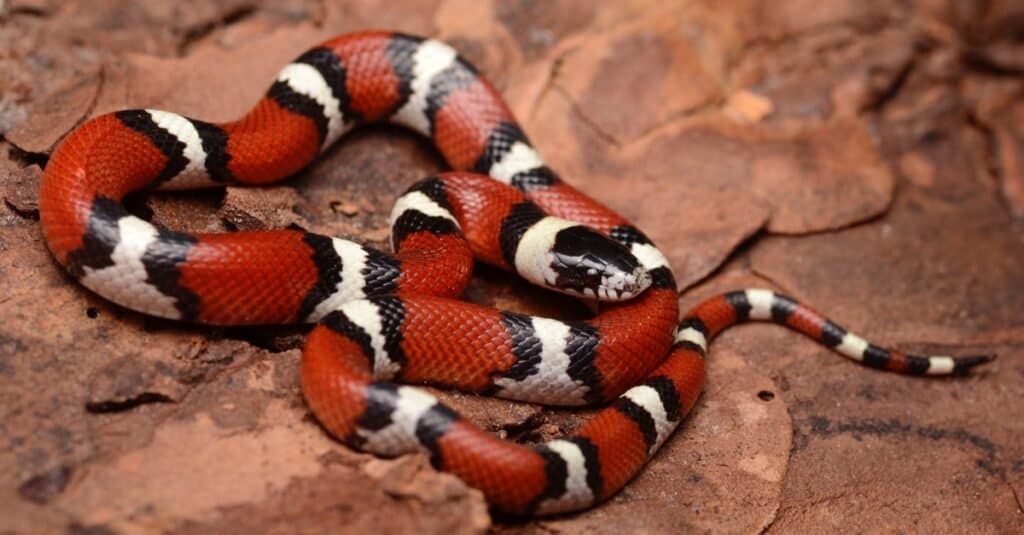
A corn snake.
©Kurit afshen/Shutterstock.com
Size and Appearance
Corn snakes typically measure 2 to 5 feet long, including the tail, and weigh 0.7 to 1.5 pounds. The longest recorded specimen measured approximately 6 feet long. The size of milk snakes can vary significantly between subspecies. Black milk snakes (L. t. gaigeae) measure 4 to 6 feet long, while Eastern milk snakes (L. t. triangulum) measure half that at 2 to 3 feet long. The majority of milk snakes weigh much less than corn snakes, with adults typically weighing 1.34 to 7.9 ounces. However, the largest subspecies, the black milk snake, can weigh up to 3 pounds in the wild and 3.5 pounds in captivity.
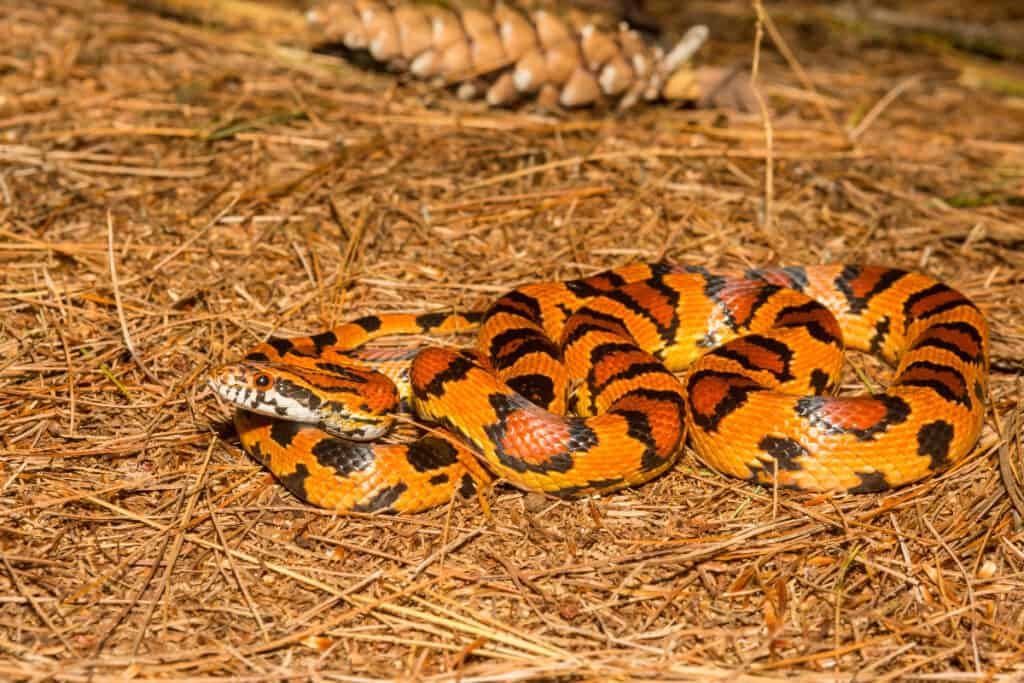
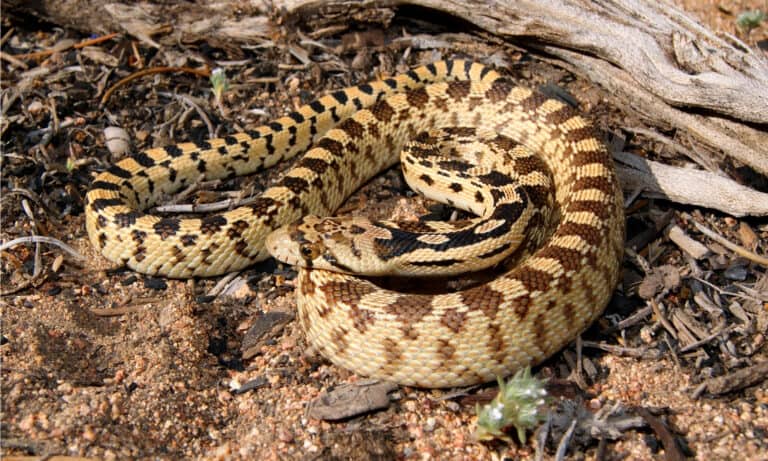
In captivity, corn snakes have been bred to have over 800 different color morphs and patterns.
©Jay Ondreicka/Shutterstock.com
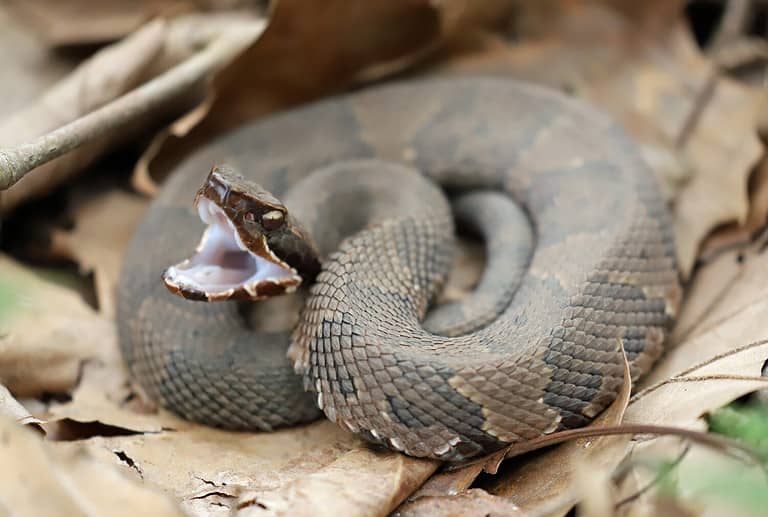
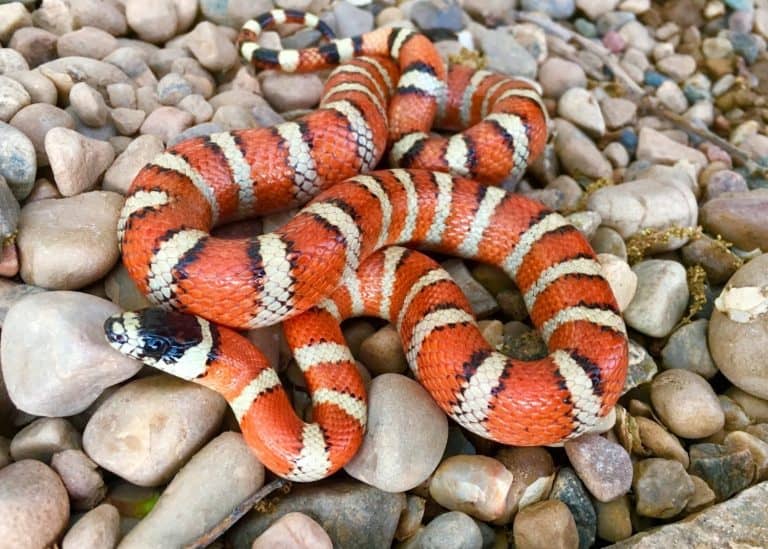
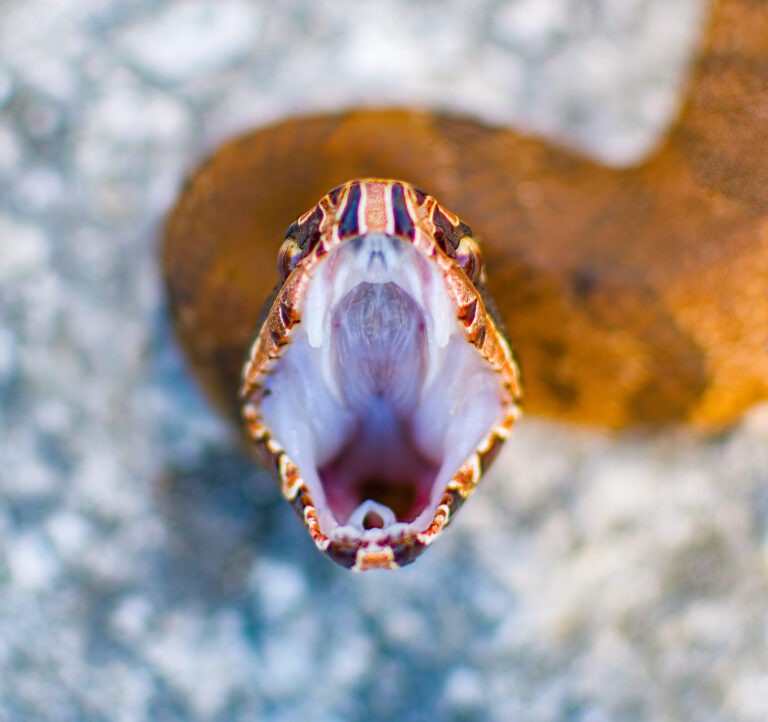
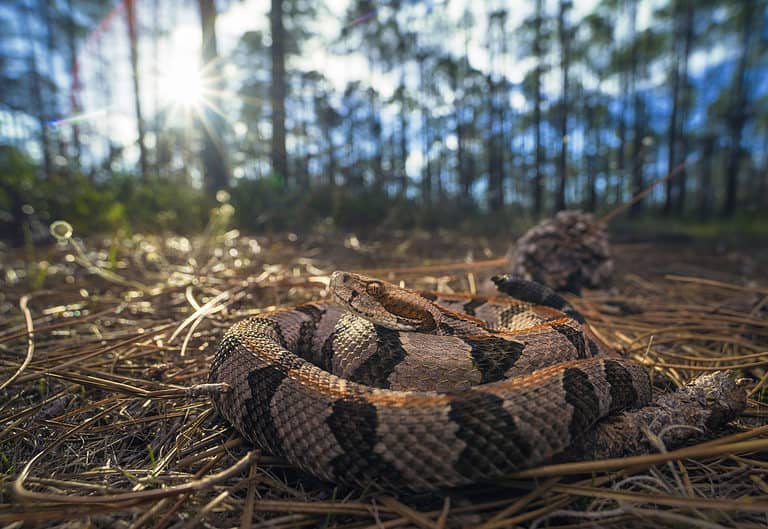
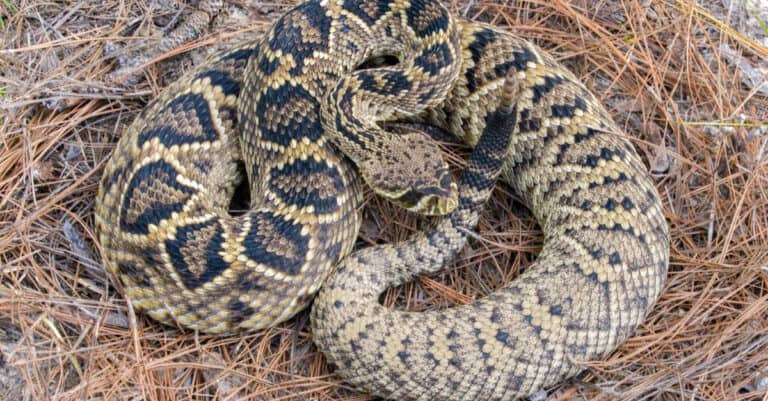
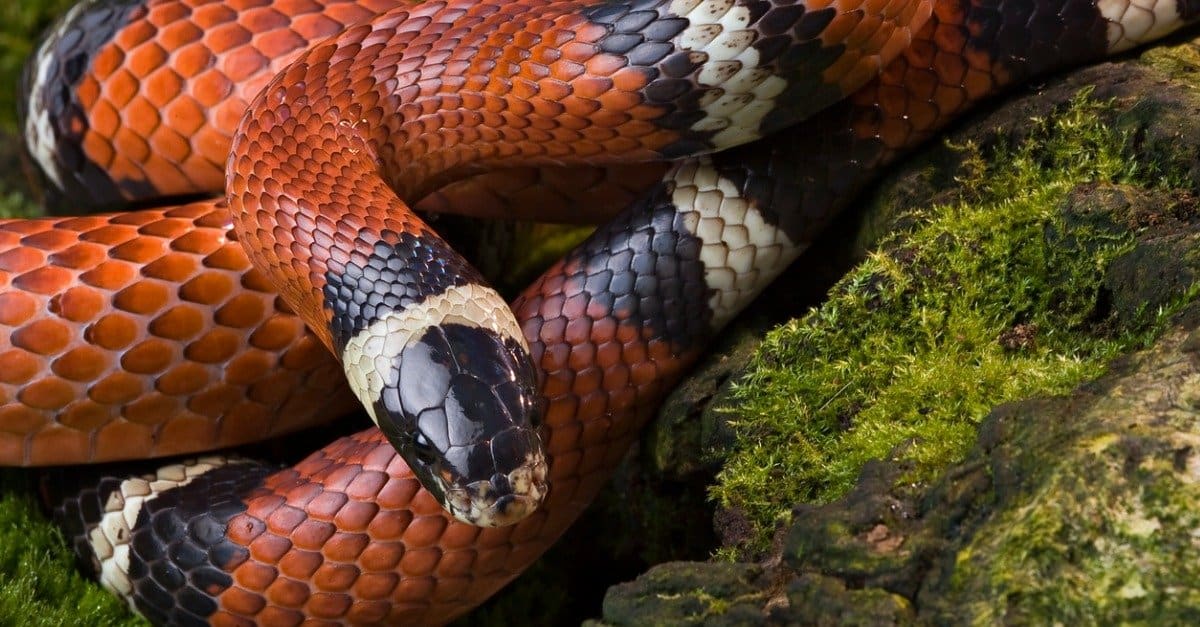
Both corn snakes and milk snakes are often mistaken for venomous snakes. Milk snakes with red, black, and yellow bands are often mistaken for coral snakes because of their similar pattern and colors. Mnemonics such as red on black, friend of Jack; red on yellow kills a fellow, can be used to tell them apart. However, many species of coral snakes and subspecies of milk snakes lack the typical banding pattern or colors. Corn snakes are often mistaken for Eastern copperheads (Agkistrodon contortrix). Compared to copperheads, corn snakes have brighter colors, a slimmer build, a slimmer head, round pupils, and lack loreal pits.
Habitat and Distribution
Milk snakes are endemic to the Americas. In North America, their range extends from Southern Québec and Ontario down to Northeast Louisiana. They are also found throughout Central America and almost all of Mexico, as well as parts of Colombia and Ecuador. Corn snakes are native to the Southeastern United States. Their native range extends from New Jersey to the Florida Keys. Corn snakes have been introduced around the world primarily because of the pet trade. They are often considered invasive in their introduced regions, which include parts of Australia and most Caribbean islands.
A Louisiana milk snake (L. t. amaura)
©TheTexasNaturalist/Shutterstock.com
Milk snakes typically inhabit forests or open woodlands. Additionally, they are known to live in swamps, prairies, farmlands, rocky slopes, shrublands, and dunes or beaches. Milk snakes sometimes migrate seasonally. They typically move to moist habitats in the summer and migrate to high and dry areas in the winter to brumate. Corn snakes inhabit overgrown fields, forests, palmetto flatwoods, abandoned buildings, and farms. As adept climbers, corn snakes are found at elevations up to 6,000 feet above sea level. They often climb up trees, cliffs, plateaus, rock columns, abandoned buildings, and other elevated surfaces.
Predators and Prey
In the wild, both corn snakes and milk snakes are opportunistic hunters. In captivity, both corn snakes and milk snakes can be fed pre-killed or frozen-thawed prey, and it is generally recommended to avoid feeding live prey to prevent injury to the snake. Both species primarily prey on rodents, typically mice, rats, voles, and moles. Juvenile milk snakes prey on crickets, slugs, and earthworms, while juvenile corn snakes prey on newborn mice, insects, tadpoles, and small amphibians or reptiles. Adult corn snakes are known to climb trees to prey on bird eggs from unprotected nests, while adult milk snakes prey on the birds themselves in addition to their eggs. Milk snakes are also known to prey on other snakes, including venomous coral snakes and rattlesnakes, as well as their eggs.
Corn snakes and milk snakes are often preyed upon by the same predators. These include hawks, owls, foxes, raccoons, skunks, domestic cats and dogs, and larger snakes. The larger snakes are often other species, such as racers (Coluber constrictor), but can also be large adult corn or milk snakes preying on juveniles or smaller adults of their own species.