Quick Take
- Ferret owners often try two popular methods to eliminate their pet's odor, and both backfire in ways most people don't expect. See why both backfire →
- One of these pets can never be reliably litter-trained, and the biological reason why might change how you feel about owning it. Understand the biology →
- Both animals are social and need companions, though housing them together could be a fatal mistake. See the cohabitation risks →
- Ferrets need something daily that most first-time small-pet owners seriously underestimate, and skipping it is simply not optional. Check the daily exercise needs →
Guinea pigs and ferrets are both small exotic pets with average lifespans of around five to eight years. Both are also social animals that thrive when kept with companions of the same species. However, beyond these similarities, they have different care needs, personalities, and temperaments. In this article, we’ll compare guinea pigs and ferrets to help you decide which is the right pet for you.
Dietary Needs
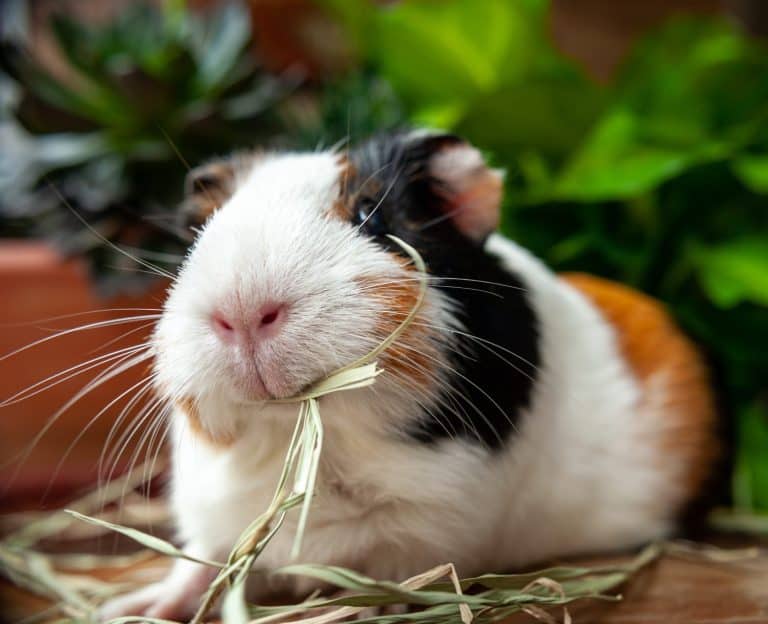
Guinea pigs and ferrets have very different diets. Guinea pigs are herbivores, meaning they eat plant matter. They have very fast digestive systems and must eat constantly to avoid an illness called gastrointestinal (GI) stasis. They need constant access to grass hay and fresh water without exception.
Guinea pigs also need about a cup of daily vegetables, primarily dark, leafy greens, and a small amount of quality guinea pig pellets. Since they don’t produce their own vitamin C, it’s essential to feed your guinea pig veggies that contain high amounts of it, such as bell peppers. You can also feed them high-quality guinea pig pellets with stabilized vitamin C.
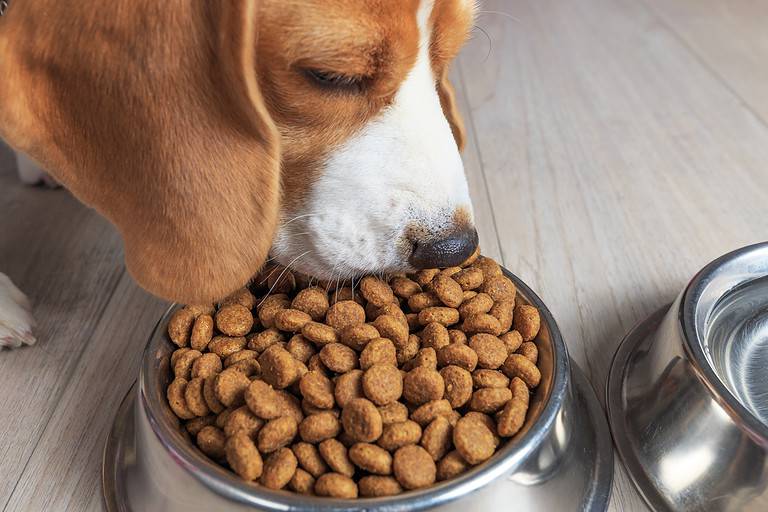
Ferrets are obligate carnivores, which means they must have meat in their diet. However, they do produce their own vitamin C, so they don’t necessarily need it supplemented in their diet. Ferrets need a high-protein, high-fat diet, but they can eat ferret kibble, similar to dogs and cats. Just make sure the first three ingredients are meat products with no fillers. They can also have treats such as scraps of cooked, unseasoned meat. Ferrets cannot digest plants, grains, or fiber, and they are lactose intolerant.
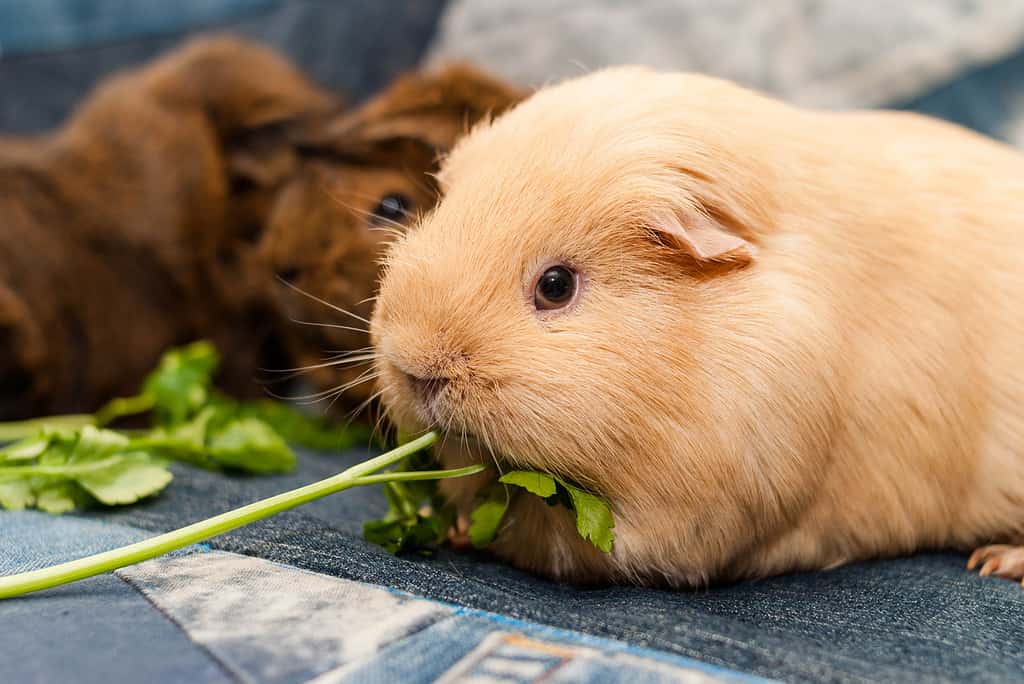
Ferrets are obligate carnivores, while guinea pigs eat solely plant matter.
©Sofiia Petrova/iStock via Getty Images
Litter Training
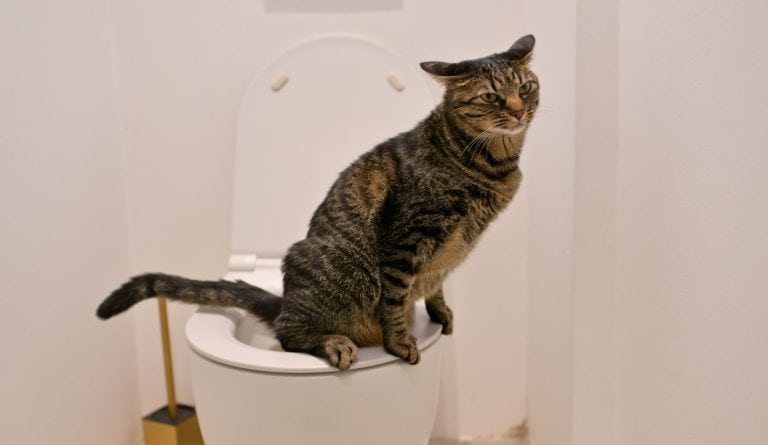
Guinea pigs will never consistently use a litter box. As we discussed above, they’re constantly eating, which means they’re also constantly defecating. You can make cage cleaning easier by keeping a litter box or “kitchen” area filled with hay and guinea pig-safe bedding. They’ll use this while they eat, and it will reduce the urine and feces you see in their cage.
On the other hand, ferrets can be reliably litter-trained. It takes time and patience if they’ve never used a litter box before, and it must be set up correctly. Ferrets love corners and they back up to go to the bathroom. Choose a pan with a low front entrance and a high back so they don’t miss the box. Put a litter box in a rear corner of their cage and in the corners of rooms they are allowed to free-roam. Use puppy pads, paper pellets, or compressed wood pellets to line the box.
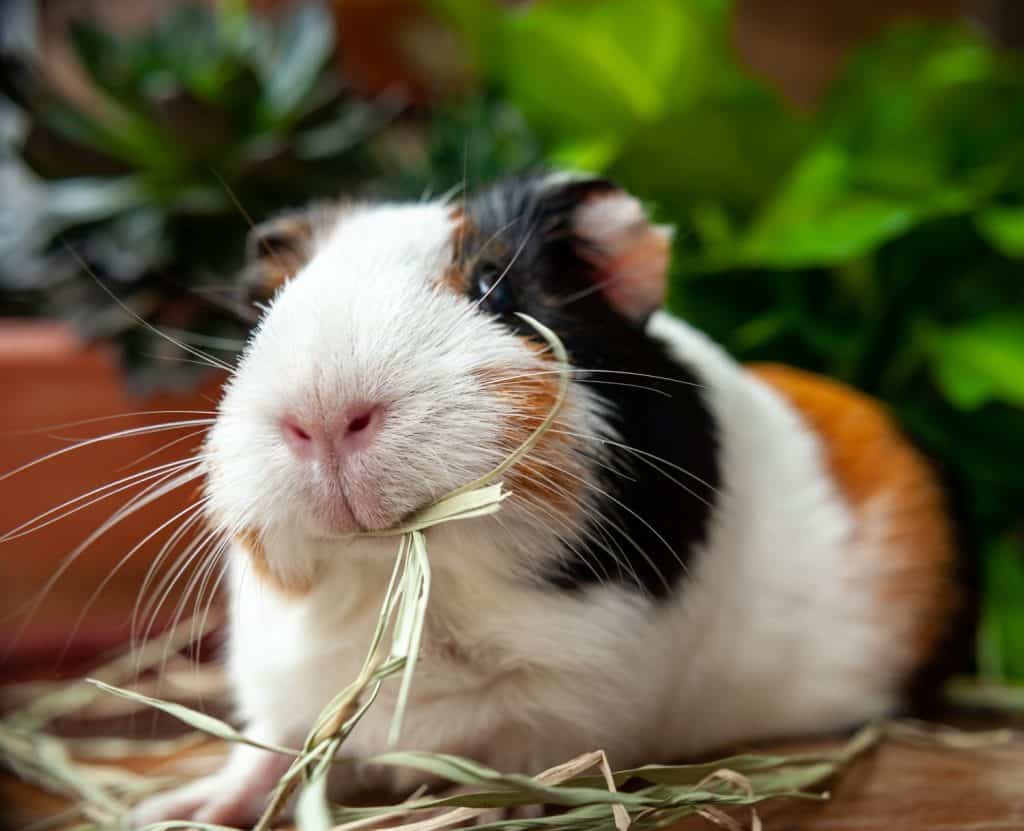
Guinea pigs defecate when they eat, so keep their cage cleaner using a litter box with bedding and hay.
©Thiago Janoni/Shutterstock.com
Temperament
Guinea pigs are known for their docile personalities. They can be very shy and easily frightened because they are prey animals. However, some are more adventurous. Guinea pigs are very friendly, and they are also vocal. They often run around and popcorn (jump into the air) when they’re happy or excited. Although they are active, they are not as playful or rambunctious as ferrets.
Ferrets are very playful. They are well known for their mischief, stealing any items left within their reach and stashing them away. Most ferrets are social, full of energy, affectionate, and intelligent. When they get excited, they arch their backs, puff up their tails, and hop sideways, making a clucking sound called “dooking.” As predators, they are not usually timid, but typically bold and inquisitive. However, each animal has its own personality.
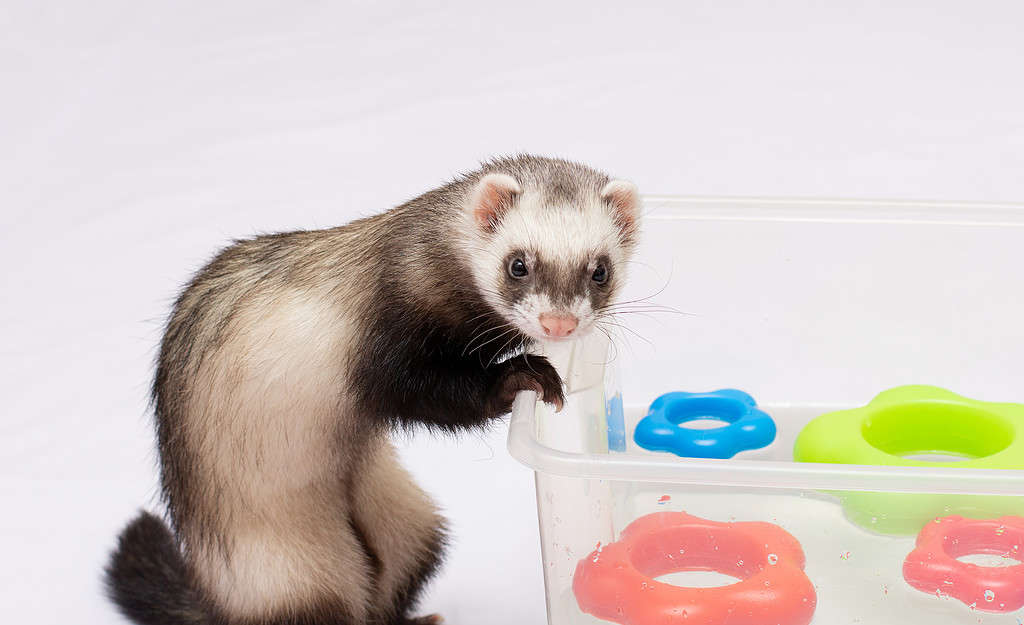
Ferrets are more playful than guinea pigs.
©Irina Vasilevskaia/iStock via Getty Images
Cage Requirements
Guinea pigs require plenty of space to run and explore. They generally do not jump or climb, so maximize your horizontal space, as vertical cages are not suitable. The cage should be at least 7.5 square feet, but the ideal space is 10.5 square feet or larger. The more guinea pigs you adopt, the more space they’ll require. As guinea pigs are very social and should be adopted in multiples, it is likely you’ll need a larger cage.
Ferret cages are multi-level and should be at least 3 feet wide, 3 feet deep, and 2 feet high. As with guinea pigs, there is no maximum size. The bigger, the better, especially as ferrets should also be adopted in multiples. Ferrets need much more time outside of their cages than guinea pigs. Guinea pigs can be happy in their enclosures all day so long as they’re large enough, but ferrets require a minimum of 4 hours outside of their cage daily in a ferret-proofed play area. Remember that this is the bare minimum, and you should always aim for more.
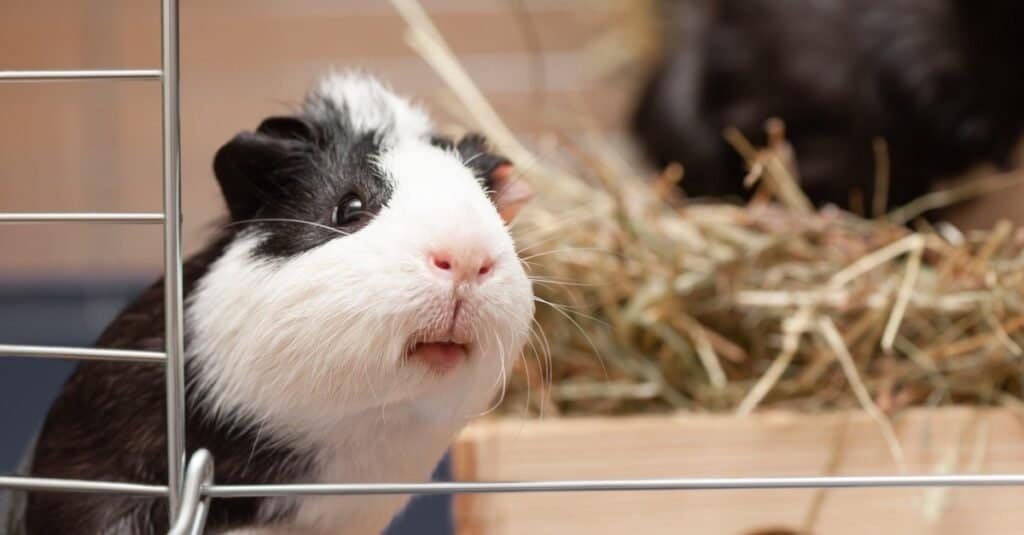
Guinea pigs need a cage of at least 7.5 square feet.
©iStock.com/DevMarya
Odors and Clean Up
Guinea pigs shouldn’t smell if their cage is kept clean, but their clean-up is a lot of work! The cage must be spot-cleaned daily, which consists of sweeping or vacuuming any feces and removing saturated bedding. At least once a week, you’ll need to remove and wash their bedding and wipe down the entire cage.
Ferrets are known to smell, although a clean, healthy ferret is often said to smell like popcorn or corn chips. Ferrets have scent glands near the anus and oils in their skin that produce these odors. De-scenting your ferret will not prevent the odor from their skin oils and is considered an unnecessary surgery. Bathing also doesn’t prevent the odor and can actually do more harm than good, as their skin will produce more oils if it becomes dry. If you adopt a ferret, you’re stuck with the ferret smell.
The good news is that ferrets don’t defecate like guinea pigs. Though their feces might be smellier, you can easily remove them by scooping the litterbox. Cage cleaning will be easier and less frequent than with guinea pigs, especially if your ferret is litter-trained.
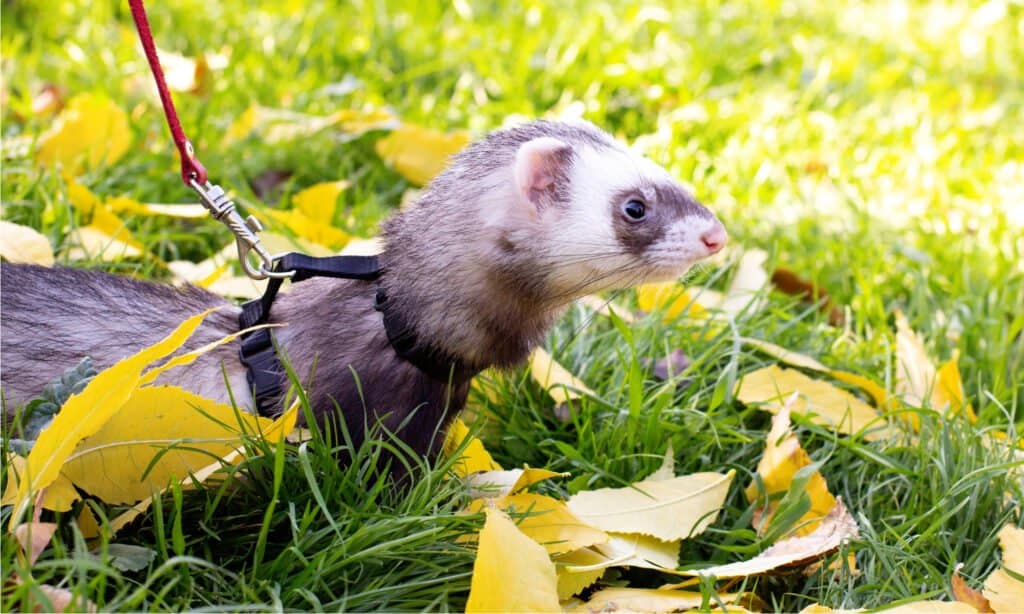
Ferrets have a natural odor that some people cannot live with.
©Irina Vasilevskaia/Shutterstock.com
Can Guinea Pigs and Ferrets Live Together?
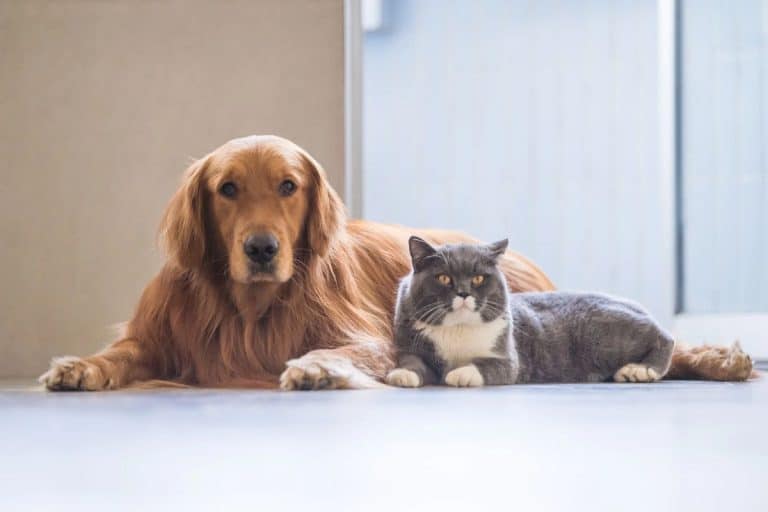
If you can’t decide which pet you like best, you may be wondering if you can adopt both. Even though guinea pigs and ferrets are both social animals, they cannot live together. Ferrets are predators, while guinea pigs are prey animals. Your guinea pigs will be able to smell the ferrets, which will cause them constant stress. This will have an impact on their long-term health.
Even if your ferret is more docile, it is too great a risk to take. Even ferret play will be too rough for a piggy companion. Ferrets can also carry diseases that can make guinea pigs sick. Both animals must have same-species companions, so it’s best to adopt either multiple guinea pigs or multiple ferrets. Human interaction is never enough to make up for the lack of same-species companionship.