
Quick Take
- Scientists have long assumed raccoons raid trash cans purely out of hunger and opportunity, but a new study says that explanation is incomplete. See the research behind it →
- Urban raccoons have developed a cognitive strategy so effective that researchers are using it to rethink how animals survive in human-dominated environments. Meet the cognitive strategy →
- Whether a raccoon explores or plays it safe is not random. Something specific about the situation flips a switch in their decision-making. Learn what flips their switch →
- Raccoons' curiosity inspires them to keep innovating solutions to problems, even when there's no reward involved. See the surprising behavior →
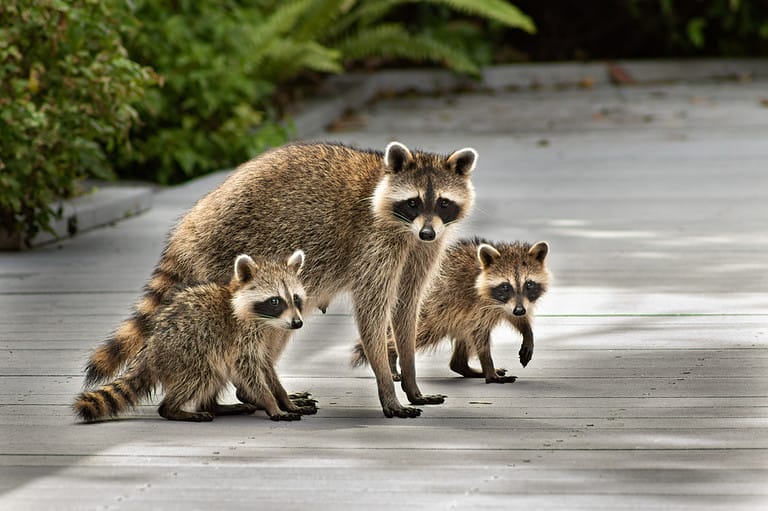
Before I came face-to-face with raccoons for the first time, I thought my home was being robbed. I woke up in the middle of the night to the sound of rustling and a crash, followed by hysterical barking from my parents’ dog upstairs. I called out to my parents, but nobody answered. Eventually, I crept downstairs and then outside (my parents did the same, I later learned), and it was there that I encountered the fluffy burglars foraging through the trash can. As it turns out, raccoons are both highly intelligent and dexterous. Keeping them out of certain places is more difficult than you might expect.
It’s long been thought that raccoons are purely opportunistic eaters, rummaging through trash bins and dumpsters and consuming whatever they find. But a new study published in Animal Behavior suggests otherwise. Although raccoons have a voracious appetite, researchers found that they might be motivated by more than just hunger. In fact, raccoons make decisions and problem-solve to figure out when it’s worth trying something new.
Raccoons and Habitat Change
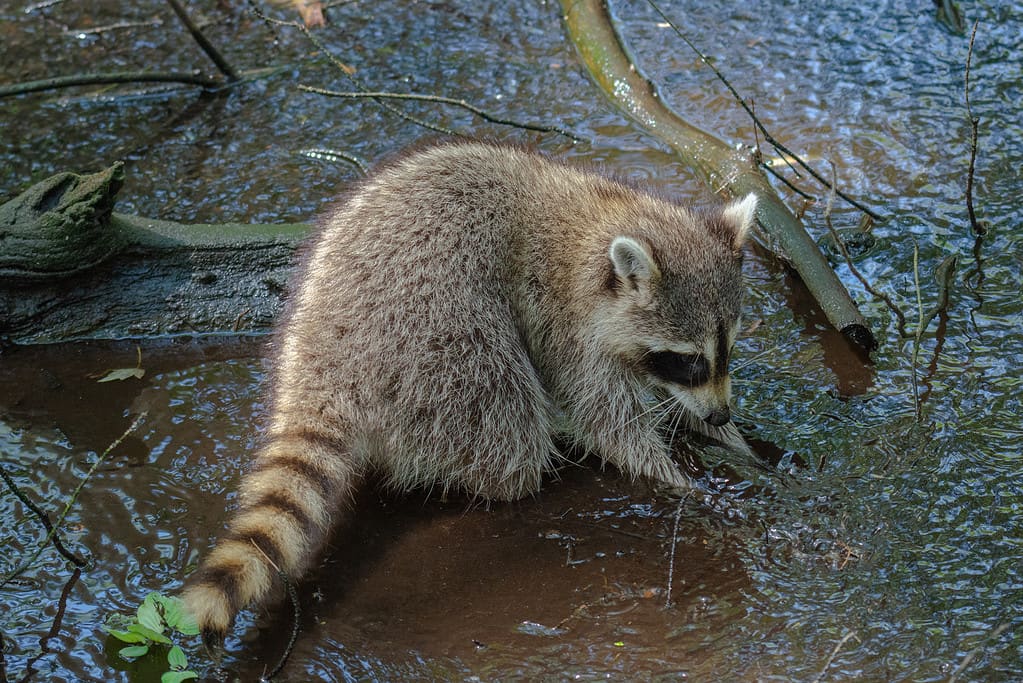
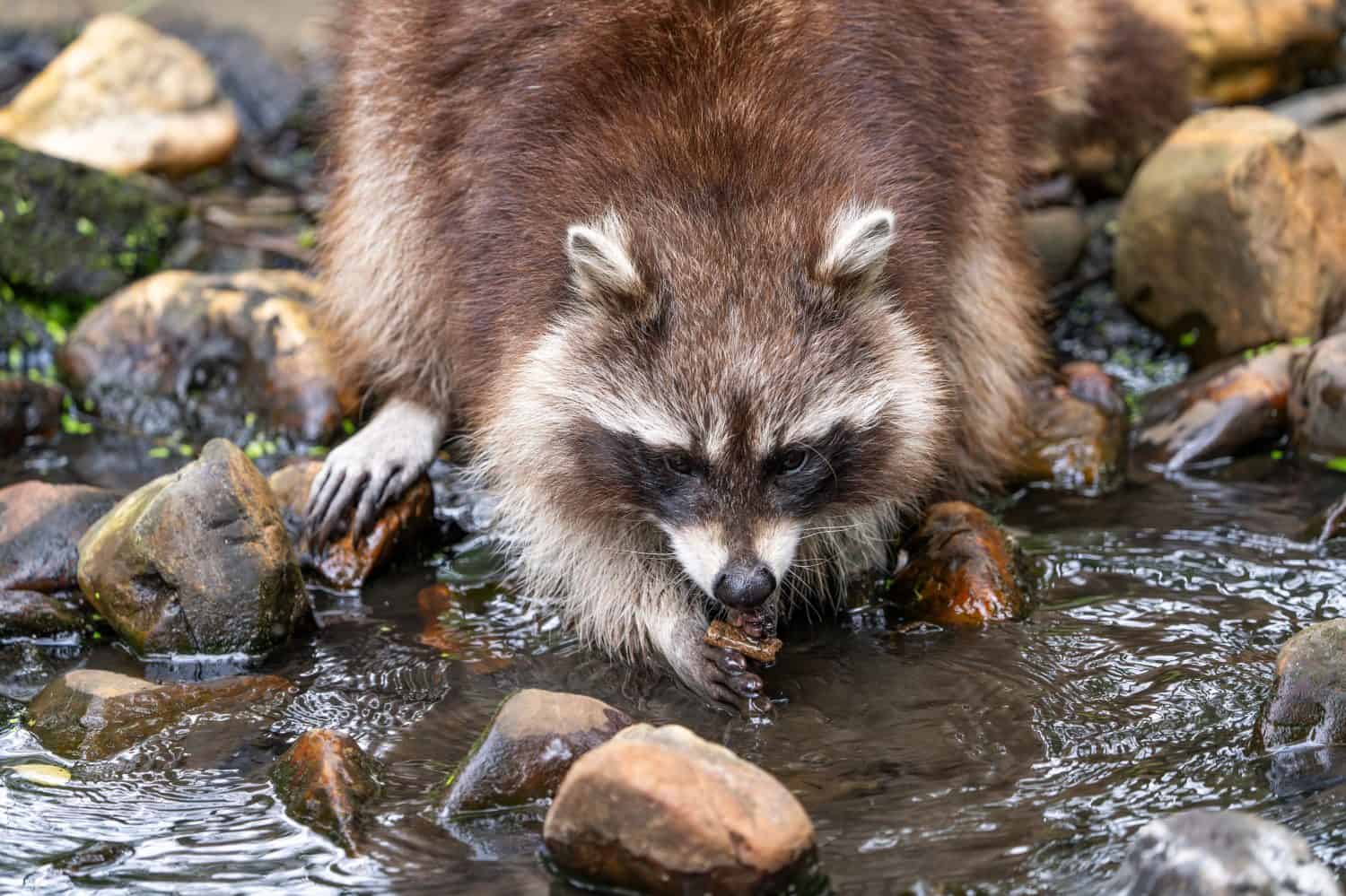
Raccoons often douse their hands and food in water to improve sensitivity and learn more about what they’ve found.
©ad-e-motion/iStock via Getty Images
The common raccoon (or northern raccoon) is the primary raccoon species native to North America. In ideal circumstances, raccoons prefer living in forested areas near bodies of water. They commonly build homes in hollowed-out logs or trees, abandoned fox burrows, wood or brush piles, or rocky crevices. Within these areas, raccoons forage and hunt at night.
Their diets are incredibly varied. Because they are often opportunistic feeders, raccoons may eat:
- Crayfish
- Leaves, nuts, and berries
- Fish and tadpoles
- Frogs
- Worms and insects
- Garbage
- Dead animals
- Small rodents
- Bird eggs
However, because of urban development, raccoon habitats are shrinking. As a result, raccoons have adapted to more human-centric environments. In cities and suburbs, raccoons make use of available spaces such as storm drains or attics.
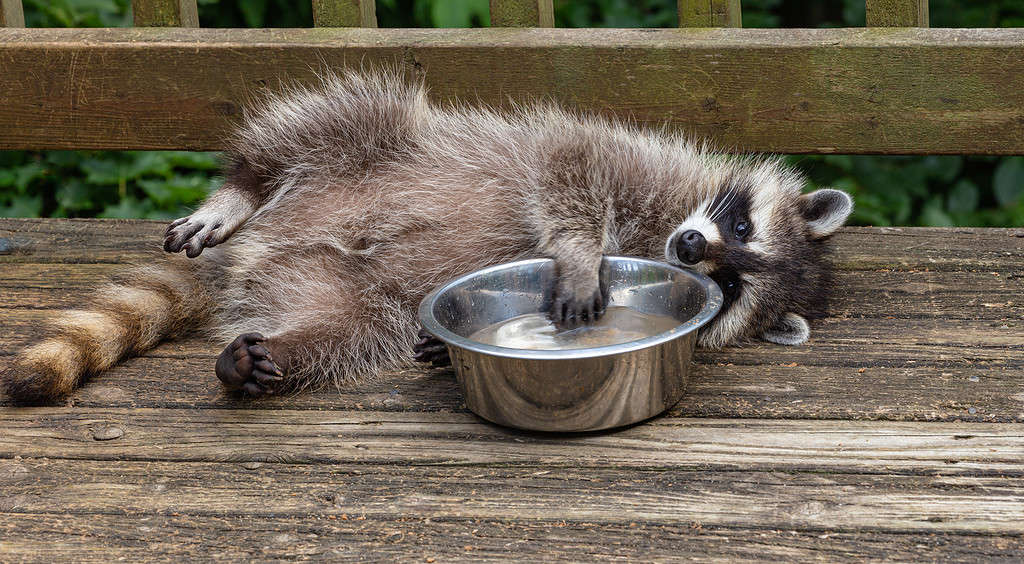
Pet food is not an ideal diet for raccoons and can contribute to health problems such as obesity or nutritional imbalances.
©Anne Wright Dobbelsteyn/iStock via Getty Images
Living alongside people also means dealing with a less predictable environment. Raccoons must constantly investigate new information and opportunities, and remember which strategies or locations help them find what they’re searching for. However, this trial-and-error approach has helped raccoons become one of the most successful urban animals.
Why Study Raccoon Behavior?
The research team wanted to understand how urban species, such as squirrels and raccoons, prioritized information from their environment to survive and adapt. At the center of their research was Optimal Foraging Theory, which they describe as a methodology “to predict how an animal will behave when searching for food or other resources. Foragers must maximize currency (e.g., net energy gain over time) while dealing with their own energetic constraints or limitations, such as the amount of food they are able to carry back to their nest.”
More specifically, they wanted to look at exploration-exploitation trade-offs, which “occur when optimal foraging performance requires a balance of explorative and exploitative strategies to maximize resource acquisition while minimizing the energetic cost of exploration.” In less scientific terminology, how do animals choose when to exploit existing resources to save energy versus exploring new areas or opportunities?
The research team specifically chose raccoons for their study because of the animals’ adaptability. They explained that raccoons are more exploratory for several reasons. First, raccoons are open to trying new food sources, which is sometimes necessary since urban environments can have both abundant and scarce food sources scattered throughout. Additionally, raccoons may encounter challenges in urban spaces that they wouldn’t face in nature, requiring more innovative responses.
How the Experiment Worked
Researchers wanted to understand if, when presented with a challenge, raccoons would innovate or exploit solutions. Each of the 14 raccoons in the trial was given a multi-access puzzle box that contained a single food reward. Most often this was a marshmallow, but some raccoons got sardines or prunes. The box had nine separate openings (three easy, three medium, and three hard), each closed by different mechanisms, such as doors, slide latches, turning knobs, unlocked padlocks, and windows that pulled up or down. Each raccoon completed 50 trials at 20 minutes apiece, during which they had to figure out how to open the box.
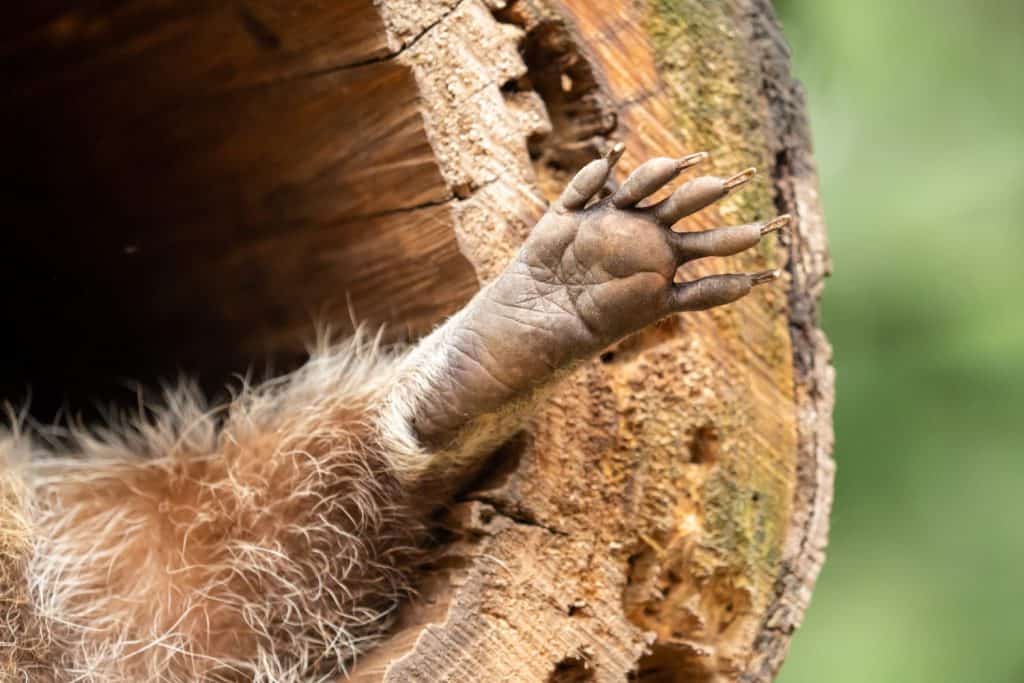
Raccoons’ nimble, sensitive paws help them grab, twist, pull, or otherwise manipulate objects to gain access to what’s inside.
©Sandra-Dombrovsky/Shutterstock.com
When the trials started, the raccoons didn’t know what methods would work. Researchers noted that on easy levels, the raccoons were more exploratory. The animals tested different strategies to open the box, and tried getting into multiple openings. On the medium levels, the raccoons also favored exploration. However, on the hard puzzles, they relied more on exploitative strategies. In other words, although they explored somewhat, they first attempted to open the box using actions that had worked on the easier levels.
Raccoons and Puzzle-Solving
Researchers were surprised to see that the raccoons continued trying to open the box even after they had already found and eaten the food reward. Instead of losing interest, the raccoons actively solved how to open the remaining puzzles, even though the box was clear and the raccoons could see there wasn’t any more food.
On one hand, the raccoons could have smelled the lingering odor of the food. However, their continued efforts make researchers believe there was something more at play: information-foraging. By testing different approaches, they could learn how to address future challenges.
Because the raccoons changed their approaches depending on the difficulty of the puzzles, the study suggests that raccoons are more open to exploring and trying new things when the risk is low. In high-risk or high-pressure situations, however, raccoons prefer to be more direct and conserve energy. The study also has implications for raccoon survival. Raccoons who continually learn about their changing environment and innovate to exist within it are more likely to thrive.
Are Raccoons The Only Puzzle-Loving Animals?
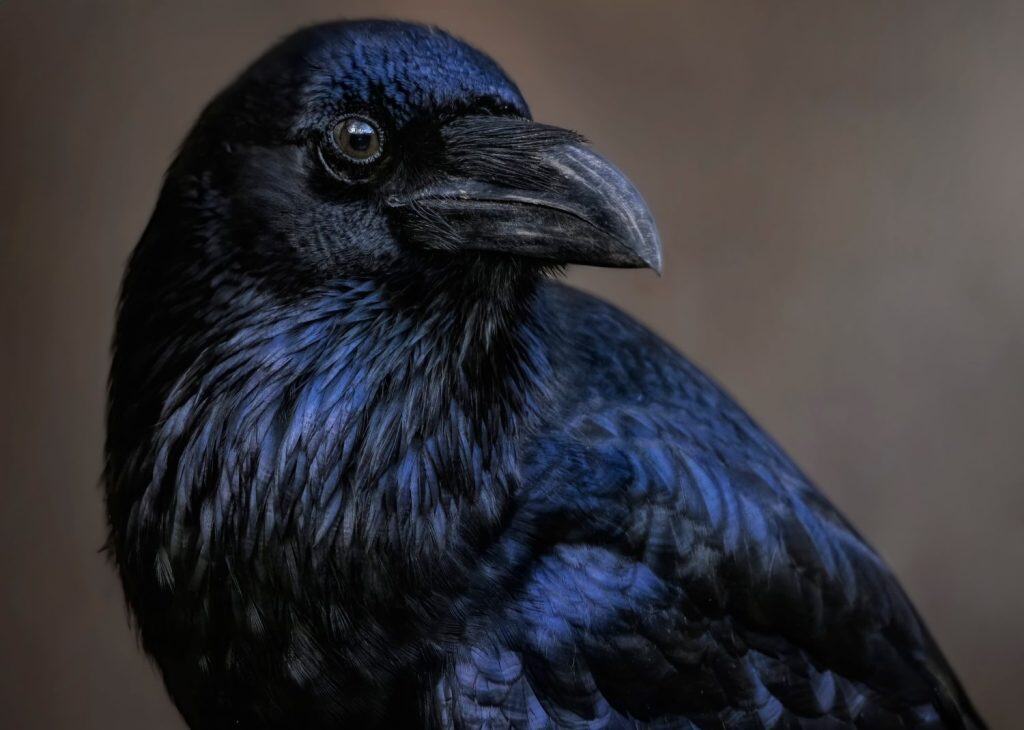
Ravens are incredibly intelligent and can even use tools to solve puzzles!
©ambquinn/Shutterstock.com
Sometimes we forget how magnificent the natural world is and how incredible the animals around us are. Like us, animals communicate, play, spend time with their family and best friends, and collect objects. And, much like raccoons, there are several animals that enjoy solving puzzles or information foraging. These include, among others:
As scientific studies move forward, it’ll be fascinating to see what we can learn about animal intelligence!