
Quick Take
- Guinea pig teeth never stop growing, so without hay, the consequences are far worse than most owners expect. See why teeth never stop →
- Hay does something for guinea pigs that no pellet, treat, or toy can replace, and it has nothing to do with hunger. Discover what hay replaces →
- There's a hidden nutrient in hay that directly shapes a guinea pig's dental health, and most owners never think to look for it. Find the hidden nutrient →
We all remember our first pet, and for many of us, it was a guinea pig. These furry cuties are lower maintenance than larger pets and are easy to handle, making them perfect for first-time pet owners. They quickly become beloved family members and, as such, they deserve the best care.
Hay is crucial to a guinea pig’s health. Though it provides essential fiber, its importance goes beyond nutritional benefits.
Guinea Pigs Need to File Down Their Teeth
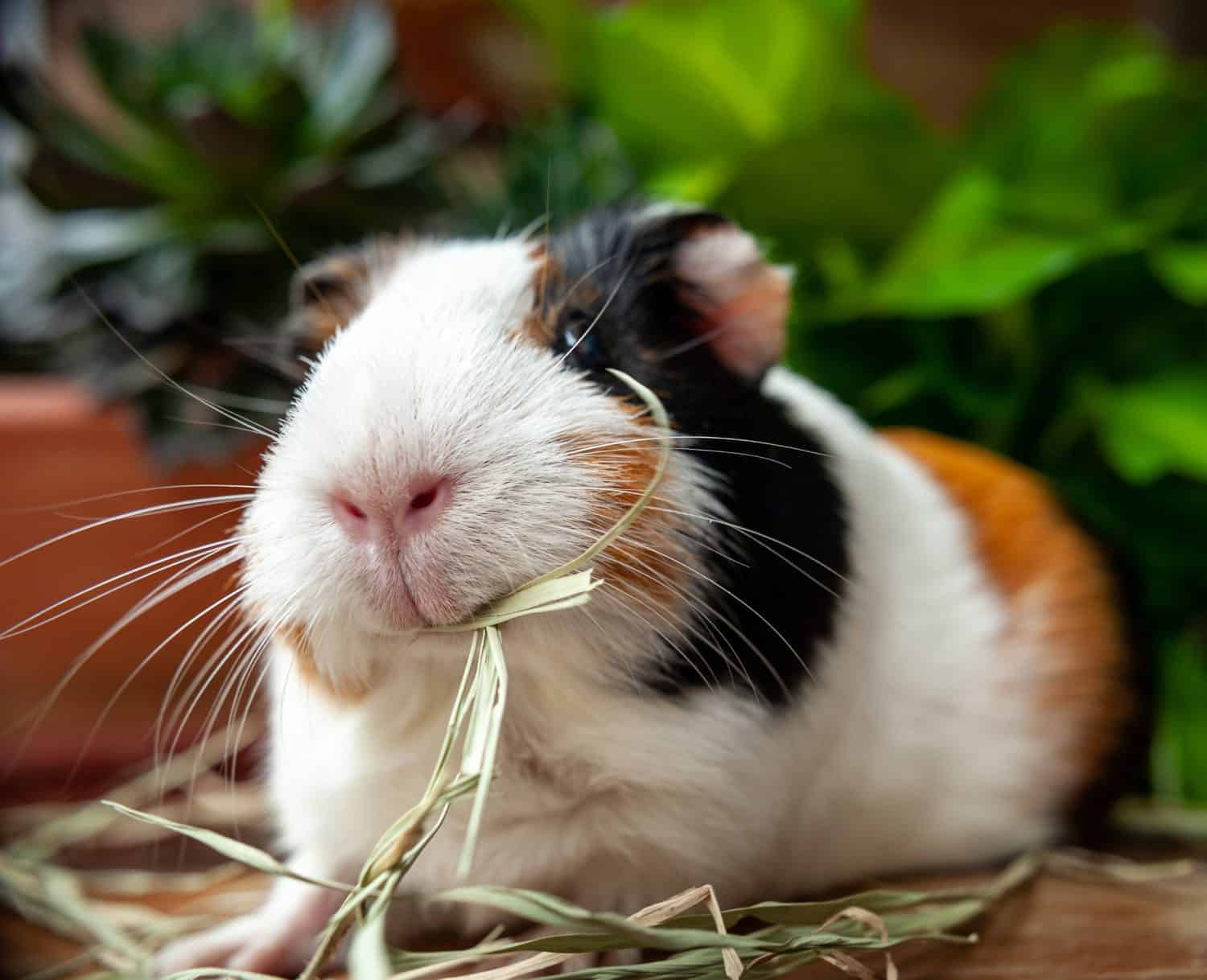
Fresh hay makes up roughly 80% to 90% of a guinea pig’s daily diet. They need an unlimited supply each day, but it’s not only for their digestion. Because their teeth are aradicular hypsodont — meaning they never stop growing — they constantly need to be filed down. Each week, your guinea pig’s teeth can grow up to 3 millimeters.
Guinea pigs need an unlimited supply of hay, which means consistently refilling their enclosures.
©Zhenya Cherr/Shutterstock.com
Without the abrasive texture of hay to chew on, they may be at risk of dental diseases such as malocclusion. This causes a misalignment in the jaw, preventing the animal from eating properly. This species also requires vitamin C, an essential part of the dental health cycle. When guinea pigs have enough vitamin C, they grow strong, durable teeth that are resistant to disease. While they can get some essential nutrients from pellets, hay is an additional source of this helpful vitamin.
Hay Mimics Their Native Habitat
Guinea pigs are native to the grasslands of South America. There, they have a never-ending abundance of hay. But domesticated guinea pigs have smaller habitats, where they can’t forage for the fiber they need. Providing an unlimited source of hay not only serves as a long-term source of chewing fiber but it also mimics their natural environment.
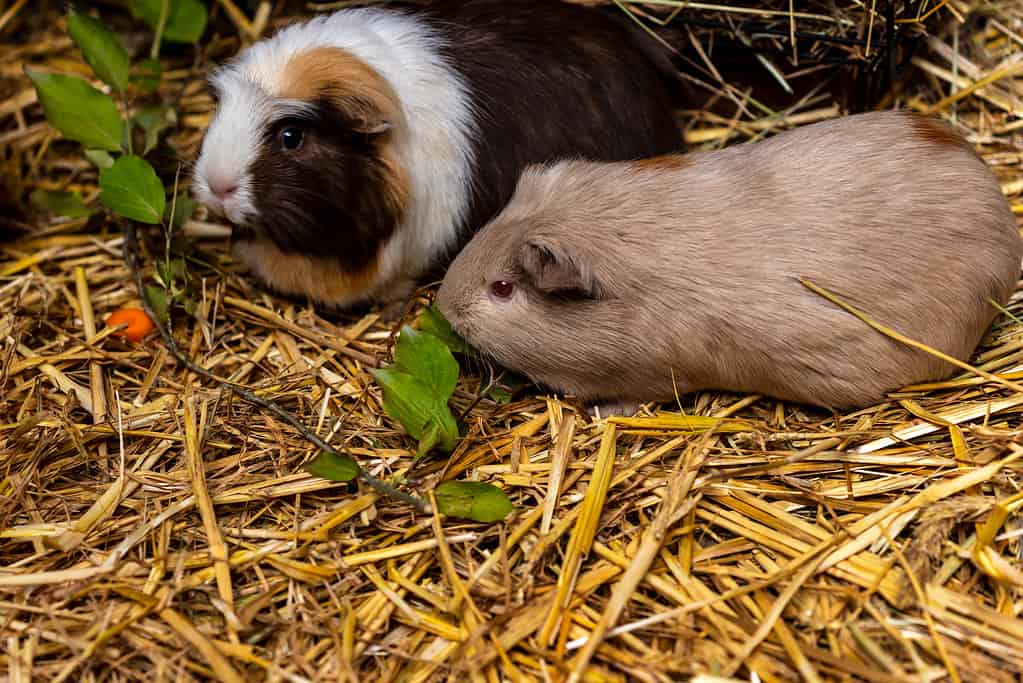
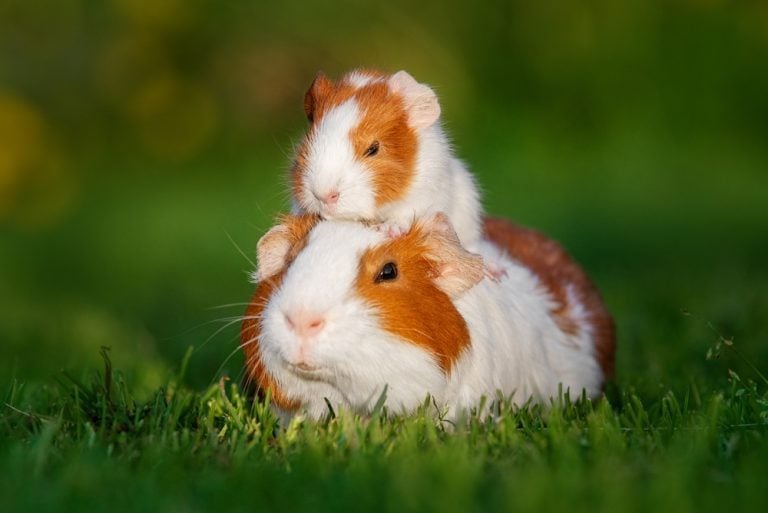
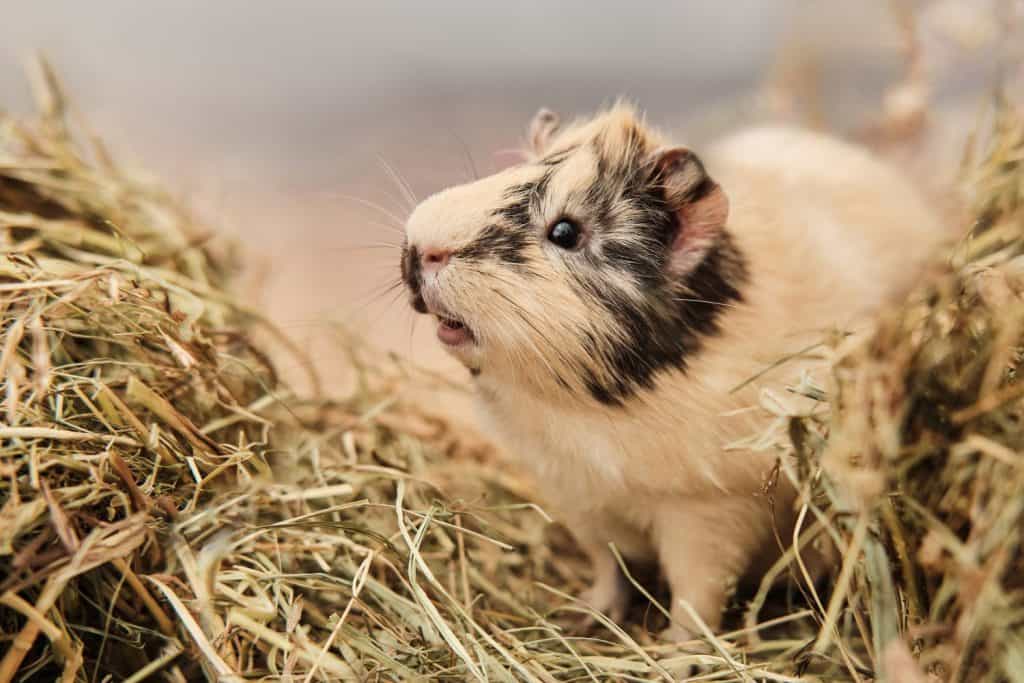
Hay also functions as a burrowing nest for many guinea pigs.
©Vronja_Photon/iStock via Getty Images
This can keep stress at bay and prevent guinea pigs from getting bored in their enclosures. With enough hay, you might notice your pet burrowing, foraging, or even playing in its hay piles. This provides plenty of mental stimulation for guinea pigs when they’re not being held or played with and it gives them a spot to snuggle up when it’s time to sleep.